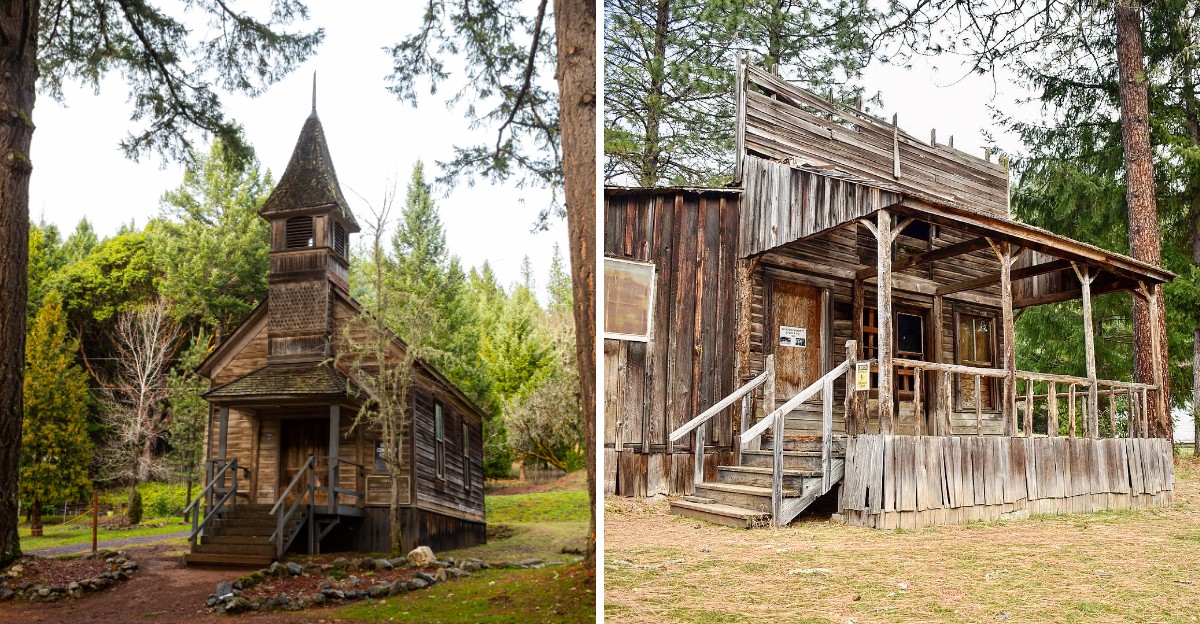
A gold mining town with two churches and zero saloons sounds like a plot twist. Yet that odd little detail is real, and the buildings are still standing in the woods of southern Oregon.
The mining town was active from 1850 to 1913. Then it went quiet, and it more or less stayed that way.
The church and the schoolhouse are the stars here. Paranormal TV fans may recognize the spot, since the Ghost Adventures crew filmed an episode there.
Western fans have a link too, because part of the town was restored in the 1950s as a film set.
I like how close it sits to the interstate, yet how far away it feels. Families can roam it on foot, read its story on signs, and spend nothing at all.
So why does a quiet ghost town pull people off the freeway?
A Ghost Town Waiting Just Minutes Off I-5
Golden State Heritage Site is what remains of Golden, a gold mining town in the hills of southern Oregon. It’s managed as a state heritage site, and it costs nothing to wander.
The location is part of the charm. The site sits only a few miles from Interstate 5, so the detour can take around six to ten minutes of driving.
That makes it an easy add-on for Oregon road trips heading north or south. Travelers bound for California have pulled off just to see it, and they rarely seem to regret the choice.
Don’t expect a big theme park or a gift shop. The site is a small cluster of old wooden buildings on a quiet, remote road surrounded by trees.
Small doesn’t mean dull, though. The setting is wooded and peaceful, with a creek below and old mining ponds across the road.
Golden State Heritage Site holds a 4.7-star rating on Google from more than 200 reviews. That’s a strong score for a place with no snack bar and no flush toilets.
Think of it as a short history lesson with fresh air included. Kids can stretch their legs while parents read about the miners who once worked these hills.
Gold Fever, Then Silence After 1913
Gold pulled people into these hills in the 1800s. The mining town of Golden stayed active from 1850 to 1913, which explains that frozen-in-time feeling.
Miners worked the creek here for gold, and the land still shows it. The creek below town was mined so heavily that restoration work is now happening along it.
When the mining faded, so did the town. The buildings stayed behind, slowly weathering in the woods of Josephine County.
Here’s a fun twist for history buffs. Golden had two churches and no saloons, which was unusual for a rough mining town.
Folks wanting adult refreshments had to travel to Graves Creek, several miles away. Imagine walking that far after a long day panning for gold.
The site is packed with reading material too. Signs share stories about the families and miners who lived here, so plan time to read.
Some visitors wish there were even more background on certain spots. Still, most folks leave with a solid sense of how this small community worked.
For Oregon families, it turns gold rush history into something you can actually stand inside. That beats a textbook chapter any day of the week.
The Old Church You Can Actually Walk Inside
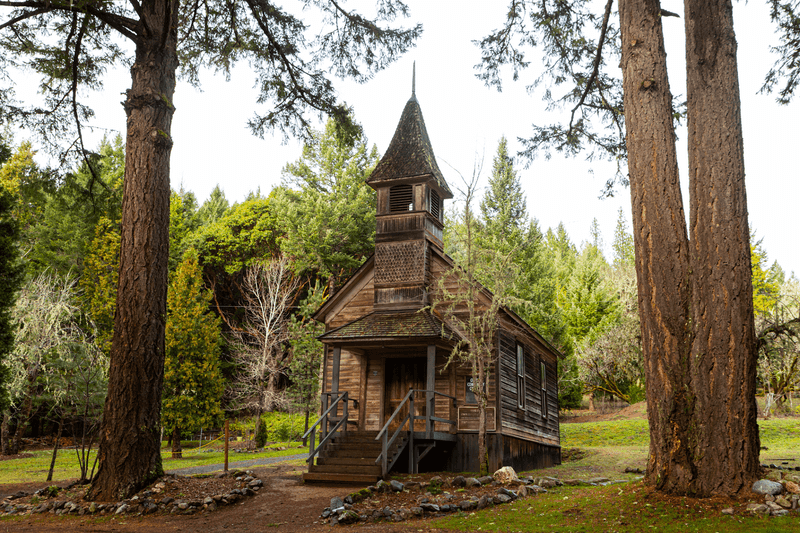
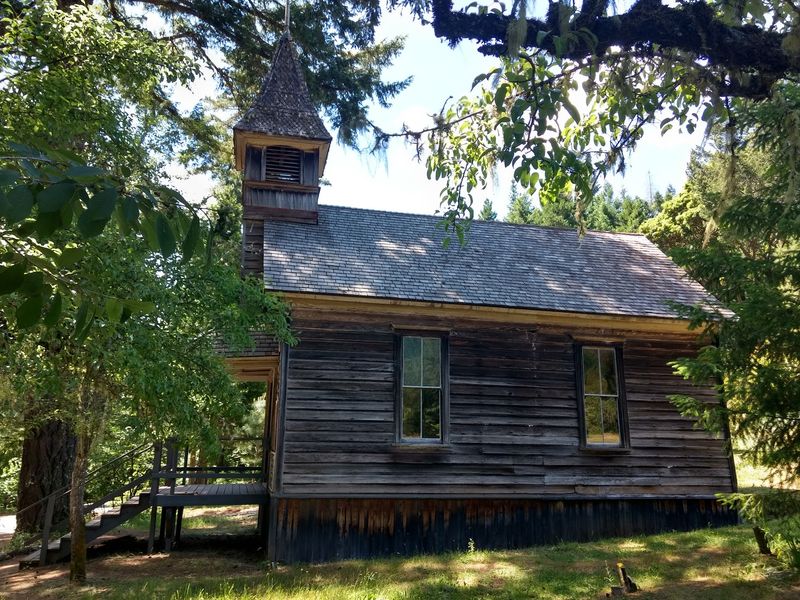
Two churches in a mining town was unusual enough. Getting to stand inside one of the old church buildings today feels like a small privilege.
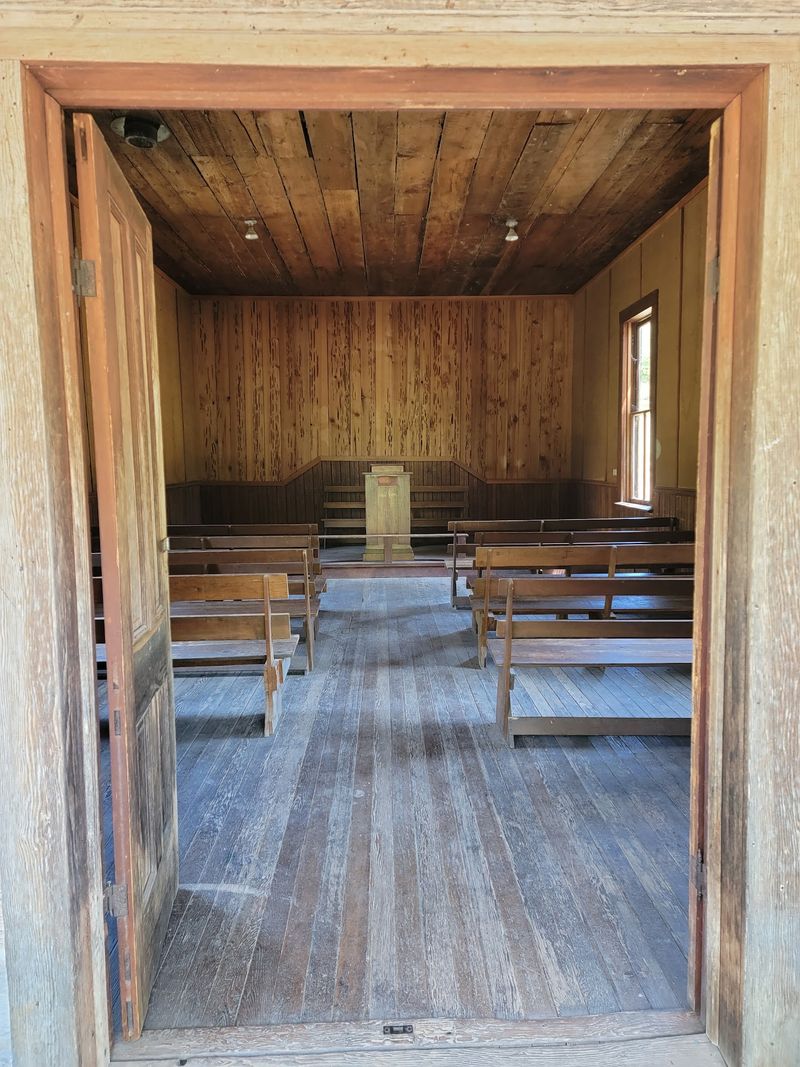
The church is one of only two buildings currently open for visitors to enter. Its weathered wood and plain design make it the most photographed spot on site.
Many visitors call the church their favorite part of the trip. Some even describe being left speechless once they stepped inside.
It’s well preserved for its age, which says a lot about the care here. Volunteers and park staff focus on keeping these structures standing for future visitors.
Inside, the mood is quiet and simple. There’s no fancy decor, just the bones of a frontier gathering place.
Families can talk about what Sunday mornings might have looked like for miners and their kids. That kind of conversation sticks with children longer than any museum placard.
When hosts are on site, the church and school have been opened roughly from 8 a.m. to 8 p.m. Hours can change, so it’s smart to check with Oregon State Parks first.
Pets must stay on a leash and can’t go inside the buildings. Leave Fido with a patient grown-up near the door.
School Bells Have Been Quiet For Over A Century
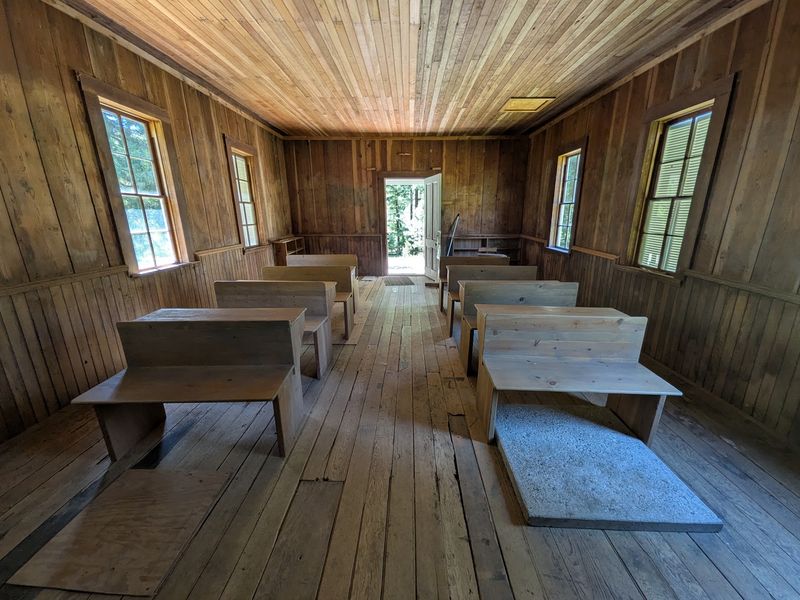
Kids usually groan about school. Here, they might actually ask to go inside one.
The old schoolhouse is the second building visitors can enter at Golden State Heritage Site. It pairs nicely with the church as the main stops on a short walk.
Plenty of visitors list the schoolhouse among their top highlights. It offers a peek at how children once learned in a remote Oregon mining camp.
It’s a great spot for a little family comparison game. Ask your kids what they’d miss most from their own classroom.
The building has needed repairs over the years. It was once closed for work, so access can depend on timing and conditions.
That’s part of owning old buildings, of course. Wood, weather, and time don’t always cooperate.
Caretakers have explained that their main job is preservation, since the site is now historic. Every repair helps keep these walls standing a bit longer.
Take a moment outside before heading in. The schoolhouse sits right along the road, so watch carefully when crossing.
A porta-potty sits across the road from the school. It’s the only restroom option, so plan ahead accordingly.
Hollywood Cowboys And Ghost Hunters Got Here First
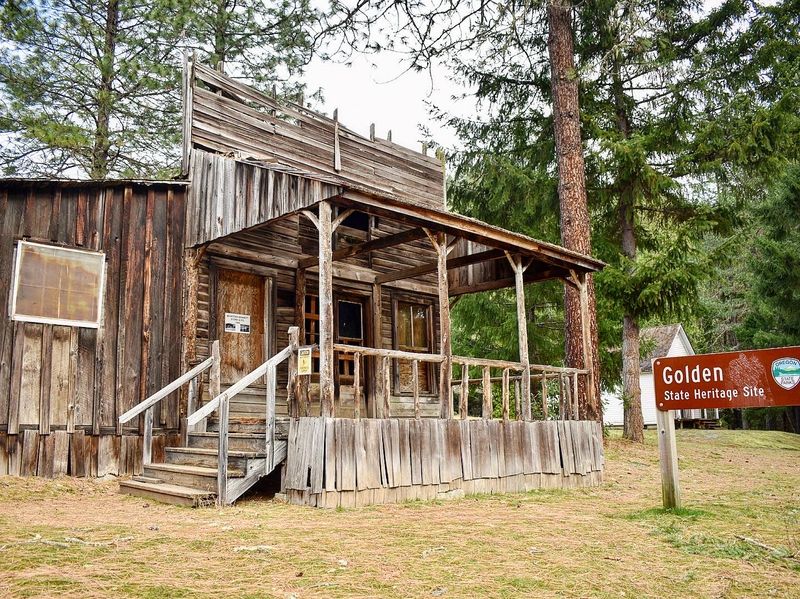
Bonanza fans, take note. Part of Golden was restored in the 1950s as a film set for the TV show Bonanza and several western movies.
That gives the town a second life beyond mining. The weathered buildings already looked the part, so filmmakers simply polished them up.
Fast forward a few decades, and a very different crew showed up. Ghost Adventures filmed an episode at Golden, bringing in a new wave of curious fans.
Some visitors first learned about the site from that show. It’s a fun bit of trivia to share with teens who love spooky content.
The atmosphere does lean eerie for some folks. A few visitors describe feeling strong energy, especially around the old General Store deck.
Others simply find it peaceful and quiet. Whether you sense something or not likely depends on your imagination.
Either way, the mix of TV westerns and paranormal episodes makes great road-trip conversation. Kids can debate whether the town is haunted or just old.
Night activities need to be coordinated with the ranger at Wolf Creek. So any midnight ghost hunting plans require some advance planning.
Peek Through Windows And Read The Old Graves
Not every building opens its doors. Still, there’s plenty to see by peeking through windows at the other old structures.
Visitors can look inside several buildings even if they can’t step in. It’s a bit like window shopping, just with a hundred years of dust.
The Ruble House is part of the town story too. It has collapsed, though brush was cleared and plans were made to re-erect it.
Watching a place like this slowly get repaired is part of the appeal. Each visit might look a little different.
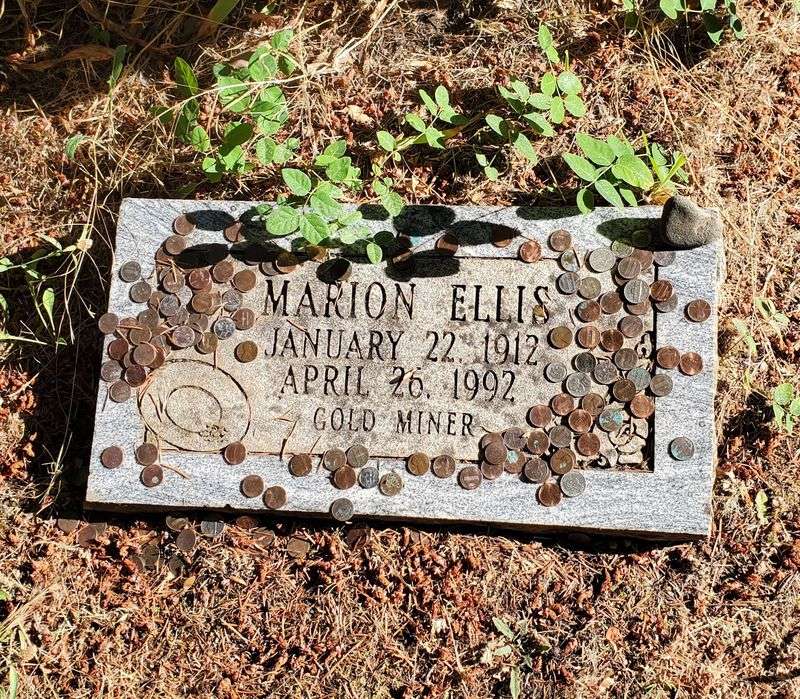
Three graves also stand on the grounds, and they catch many eyes. One marks a gold miner, while the others honor veterans.
Their full story isn’t totally clear from the signs. That small mystery makes a good topic for family conversation on the drive home.
Be respectful here, of course. These are real resting places, not props from the film set days.
Hosts have kept a red binder full of town history on site. If someone’s around, it’s worth asking to flip through it for extra details.
Turtles, Geese, And A Creek Coming Back To Life
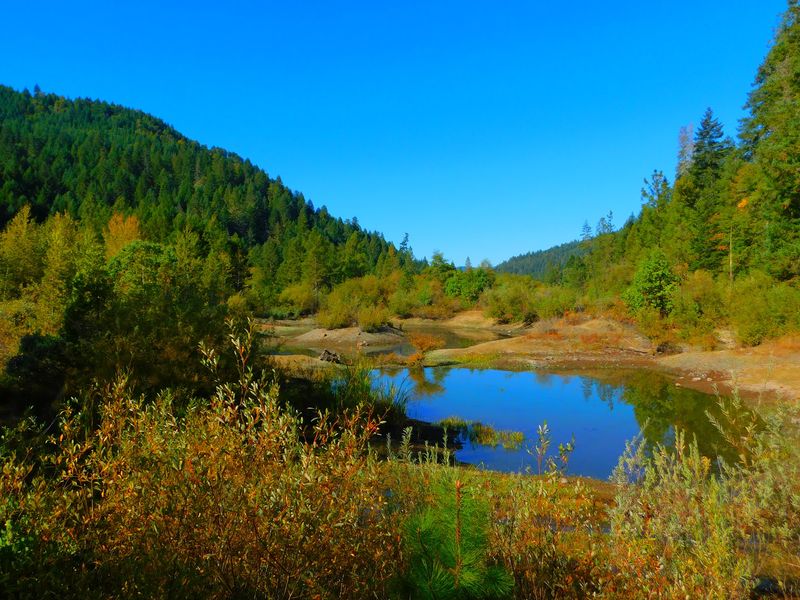
Across the road, the scenery shifts from old wood to open water. Former mining ponds now host a surprising amount of wildlife.
Visitors have spotted turtles and their babies sunbathing in the wetlands. Geese hang around too, along with tall eucalyptus trees.
A nature sanctuary has been developing in the area below the town. The walk down is easy, which suits families with younger kids.
Trails lead toward the creek that miners once worked for gold. Restoration work is helping that heavily mined creek recover.
It’s a neat lesson in how land can heal. Kids see both the history and the comeback in one short stroll.
Watch your step, though. Poison oak grows widely around the site, so stick to paths and skip the shortcuts.
Wildlife bigger than turtles can wander nearby as well. A black bear has been spotted just up the road, so keep snacks secured.
Long pants and sturdy shoes make sense here. Nobody wants a souvenir rash from southern Oregon.
Pack A Lunch, A Trash Bag, And Some Patience
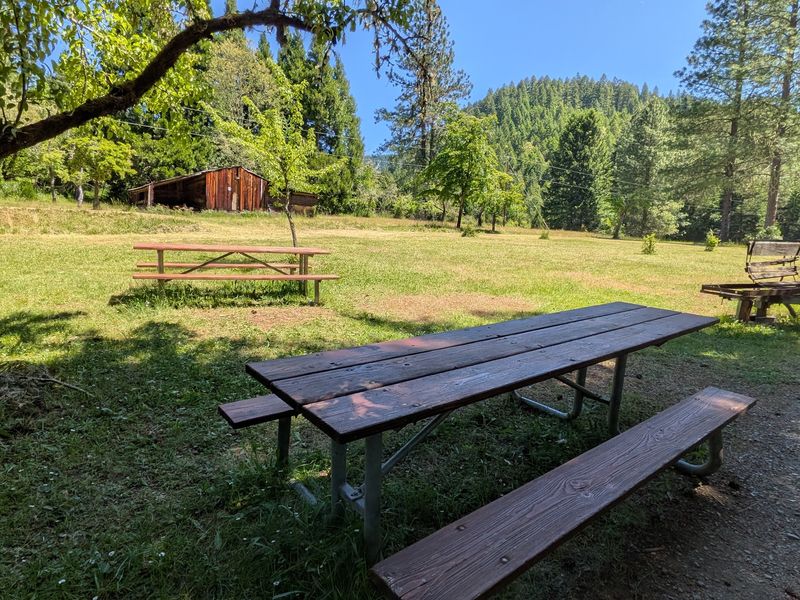
Bring everything you need, because services are thin out here. There’s no water and no trash cans on site.
That means a pack-it-in, pack-it-out approach. Toss a trash bag in the car before you leave home.
A few picnic tables and benches make lunch easy. A homemade picnic keeps this outing basically free for the whole family.
The only restroom is a porta-potty near the trailhead, across from the school. Its condition can vary a lot, so manage expectations.
Parking needs attention too. Park on the designated side of the road, away from the town buildings, even if signs are hard to spot.
A volunteer caretaker or camp host may be on site. They care deeply about protecting the area, so follow the rules.
Smoking isn’t allowed anywhere on the grounds. Pets must stay leashed and outside the buildings.
Most visits run short, often around 20 minutes to an hour. Folks who love reading signs could easily stay longer.
The closest services are in Wolf Creek, a few miles up the road. That’s the spot for gas and supplies before or after.
Why This Free Detour Earns A Spot On Your Route
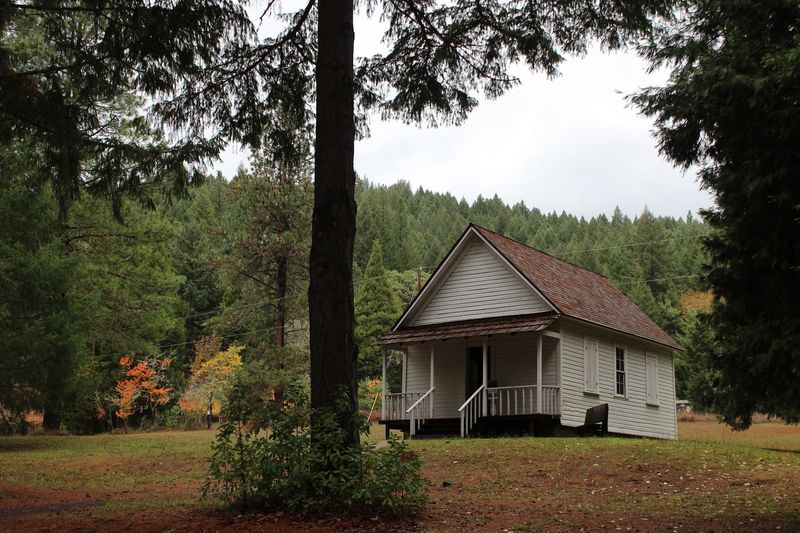
Free, historic, and close to the freeway is a hard combo to beat. Golden State Heritage Site checks all three boxes.
It works best as a stop on a bigger trip. Drivers on I-5 through southern Oregon can add it without wrecking their schedule.
The site sits at Golden State Heritage Site, Wolf Creek, OR 97497. Follow the road a few miles from Wolf Creek, and the buildings appear among the trees.
It suits history buffs, western fans, and anyone curious about ghost towns. Families with kids who like exploring will find plenty to point at.
Thrill seekers wanting big attractions might feel it’s small. Honestly, that small size is part of its old-fashioned charm.
Some visitors have enjoyed it even on snowy afternoons, sometimes with the place to themselves. Each season seems to bring a different mood.
Hours and access can change, so check with Oregon State Parks before heading out. Showing up prepared makes the visit smoother.
For the cost of a little gas, you get gold rush stories, a frontier church, and a peaceful walk. That’s a pretty rich payoff from a town built on gold.