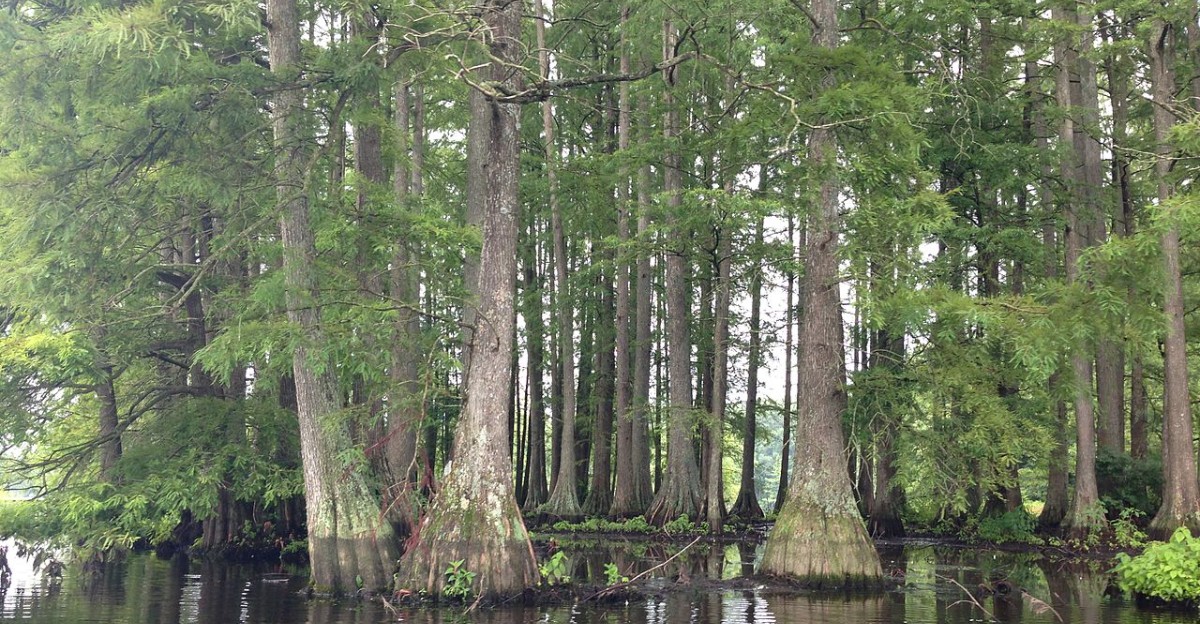
A peat fire once burned inside this swamp for eight months straight. Locals blamed an exploding still from the Prohibition era, and the place earned the nickname Burnt Swamp.
That alone got my attention. Then I learned the trees here can live for centuries and grow knobby knees that poke up from dark, tea-colored water.
I like how unexpected it feels in Delaware, a state better known for beaches and highways. Few people realize the woods along a quiet country road shelter rare birds, river otters, and spotted turtles.
I can’t imagine driving past without slowing down. Old legends of a swamp monster and a phantom girl still float around these trees.
So what else is waiting out there in the shade?
Meet The Biggest Wild Wetland You Never Heard About
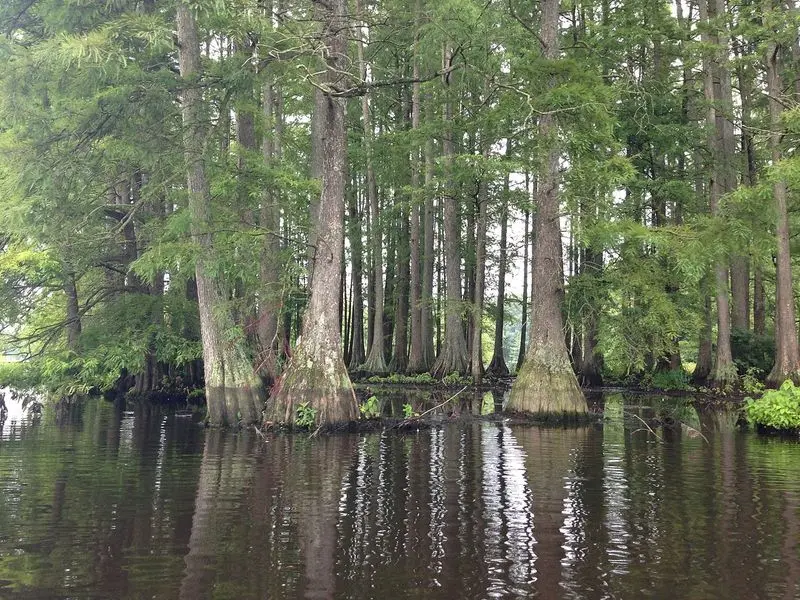
Southern Delaware keeps a big secret off its beach roads. The Great Cypress Swamp is the largest freshwater wetland and forest block in the state.
It also holds that title for the whole Delmarva Peninsula. That’s a lot of trees for a region most people link with boardwalks and saltwater taffy.
Delaware Wild Lands, a private nonprofit, manages roughly 10,000 to 11,000 acres here. The swamp spills across Sussex County and drifts into Wicomico and Worcester Counties in Maryland.
Size is only part of the story, though. This is one of the northernmost bald cypress swamps in the United States.
Cypress trees usually make people think of Louisiana or Florida. Finding them thriving this far north feels like spotting a flamingo in a snowbank.
The swamp was once much larger, possibly 50,000 to 100,000 acres. Logging, farm drainage, and two major fires shrank it over the years.
What remains still feels wild and remote. Thick forest, quiet roads, and dark water make it easy to forget the ocean sits close by.
Knowing the scale helps you appreciate the drive. You’re passing through a living piece of the state that almost slipped away.
Those Weird Knobby Knees Deserve A Closer Look
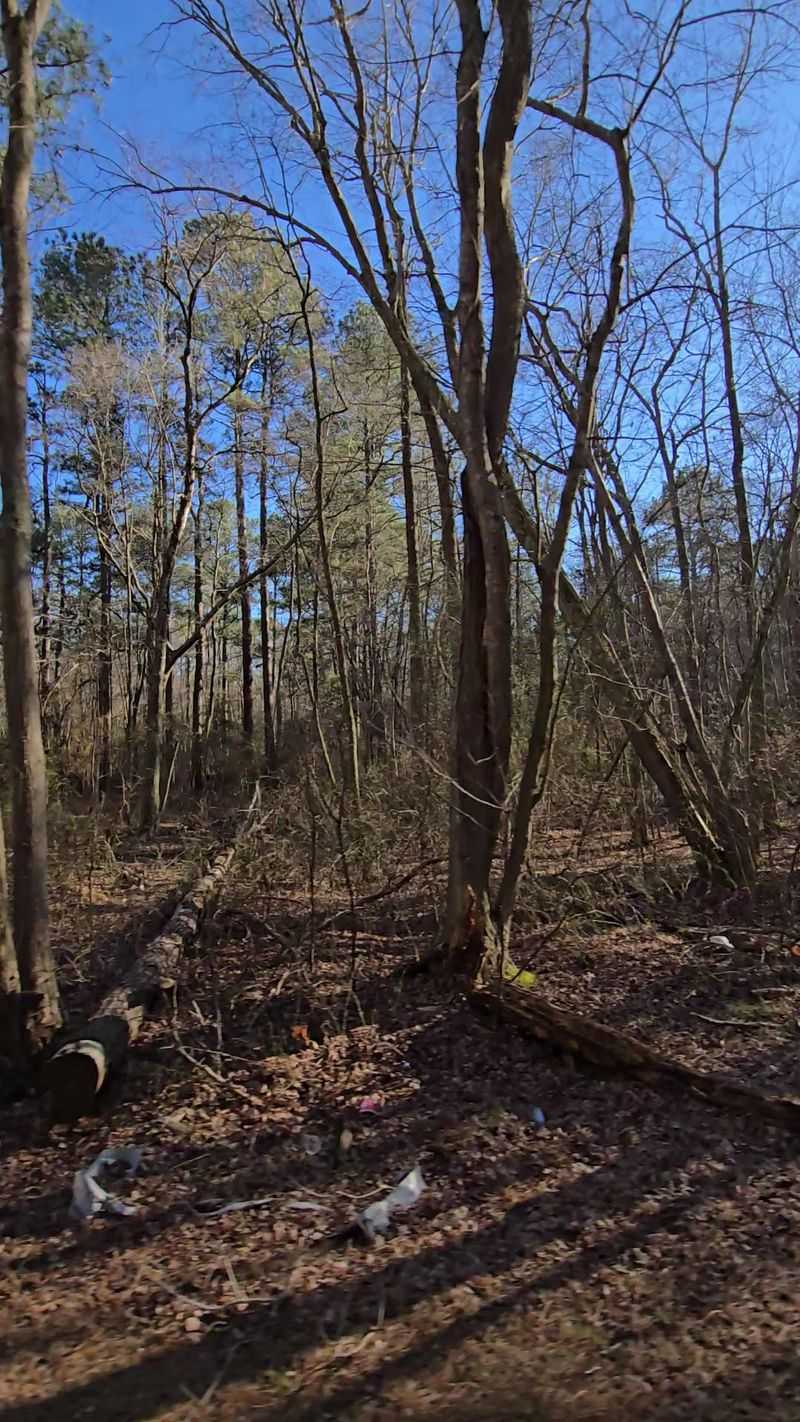
Bald cypress trees grow strange little wooden bumps called knees. They poke up from the ground and water around the trunk like a crowd of tiny gnomes.
Scientists believe these knees may help steady the trees in soggy soil. Nobody has fully settled the debate, which makes them even more fun to spot.
The trees themselves are giants in slow motion. Bald cypress can reach about 120 feet tall and live as long as 600 years.
They also break a tree stereotype. Even though they carry cones like evergreens, bald cypress drop their needles every fall.
Atlantic white cedar shares the spotlight in the Great Cypress Swamp. Delaware Wild Lands has planted thousands of both species to help the forest recover.
So the young trees you see may be part of a long comeback plan. Some could still stand centuries after today’s visitors are gone.
Bring binoculars or a good camera zoom if you’re on a guided outing. The knees blend into shadows, and patient eyes catch the best shapes.
Fall adds a bonus. Cypress needles turn rusty orange before they drop, giving the swamp a warm glow.
Why The Water Looks Like Sweet Tea
Don’t panic when you see the water. That deep brown, nearly black color is completely natural in this swamp.
Fallen leaves break down slowly and release tannic acid. The result is what people call black water, tinted like a glass of strong tea.
It makes for gorgeous reflections on calm days. Trees appear doubled, and the swamp suddenly looks twice as deep and mysterious.
The water here does serious work, too. The Great Cypress Swamp filters and stores rainwater, which helps protect water quality for nearby communities.
It also helps prevent erosion and stores carbon. Think of it as a giant sponge that quietly cleans up after every storm.
History adds another layer. The swamp once served as the headwaters of the Pocomoke River, feeding water south into Maryland.
Restoration work since 2011 has focused heavily on fixing the swamp’s natural water flow. Old drainage ditches had dried out large areas over time.
Bringing the water back helps the trees, the wildlife, and the whole system. Next time you see that tea-colored pool, you’re looking at a repair job in progress.
Just admire it from dry ground when you can.
Birders, Pack Your Binoculars Before Spring Hits
Seventy-three bird species breed in this swamp. That number alone should make any birder start clearing their calendar.
The Great Cypress Swamp is a major stopover for neotropical migratory songbirds. They pass through during both spring and fall migrations, resting and refueling in the forest.
Some residents are regionally rare. Swainson’s warbler and black-throated green warbler both turn up here, along with the worm-eating warbler.
eBird records list more than 94 species in the area. That’s a busy guest list for a patch of woods off a country road.
Guided birding tours are the best way in. Delaware Wild Lands and Delmarva Birding Weekends both organize outings into the swamp.
Prefer to scout on your own? The unpaved Hudson Road loop, about 5.9 miles from US 113 on Route 54, passes through several forest types.
Remember that much of the land is private. Stick to roads and organized events unless you have clear permission.
Early mornings tend to suit birding best almost anywhere. Pack patience, a field guide, and a snack, because warblers rarely follow a schedule.
Otters Are Back, And Somebody Should Throw A Party
River otters returned to the swamp after years of restoration. Few things say a habitat is healing quite like a playful otter showing up.
They aren’t alone. Red-headed woodpeckers and spotted turtles have also come back as the land recovers.
Then there’s the plant comeback that sounds almost made up. In 2023, Marsh Fleabane was rediscovered in the Great Cypress Swamp.
Nobody had recorded it in Delaware since 1877. That’s a gap of nearly 150 years, longer than most family photo albums.
These wins didn’t happen by luck. Delaware Wild Lands bought its first parcel here in 1964 and has kept restoring wetlands ever since.
Tree planting and water-flow repairs have helped rebuild the habitat piece by piece. Every returning species is a sign the patient work is paying off.
Spotting an otter isn’t guaranteed, of course. Wild animals keep their own hours and rarely pose for photos.
Still, knowing they’re out there changes how the swamp feels. Each quiet bend in the water could hide something worth a gasp.
Keep your voice low and your eyes on the water. That’s half the fun.
A Fire That Refused To Quit For Eight Months
Peat fires don’t behave like campfires. They creep underground through layers of old plant material and can smolder for ages.
In the 1930s, one such fire tore through this swamp and burned for eight months. Rumor says it started when a Prohibition-era still exploded.
The damage stuck around in the local vocabulary. People started calling the place Burnt Swamp, and the name never fully faded.
That fire wasn’t the only blow. Two major fires, plus heavy logging and farm drainage, cut the swamp down from its original size.
Earlier history runs even deeper. People lived in the Pocomoke River basin more than 10,000 years ago, according to archaeological findings.
Native American tribes, including the Pocomokes and Nanticokes, had villages along the river. The swamp has watched a lot of human stories unfold.
An 1809 account described parts of it as a frightful labyrinth. That tangle made it a hiding place for British loyalists, freedom seekers escaping slavery, and moonshiners.
Knowing this makes a drive along Route 54 feel different. Those calm trees have survived smoke, axes, and centuries of secrets.
The National Park That Almost Happened
Here’s a bit of trivia for your next road trip. In 1980, Senator Joe Biden proposed turning this swamp into a National Park.
The idea never moved forward. Local residents worried about a flood of visitors pouring into the quiet area.
So instead of a visitor center and gift shop, the land stayed mostly wild. Today, much of the Great Cypress Swamp belongs to Delaware Wild Lands.
That ownership shapes how you can visit. General public access is limited, and private property signs line parts of the roads.
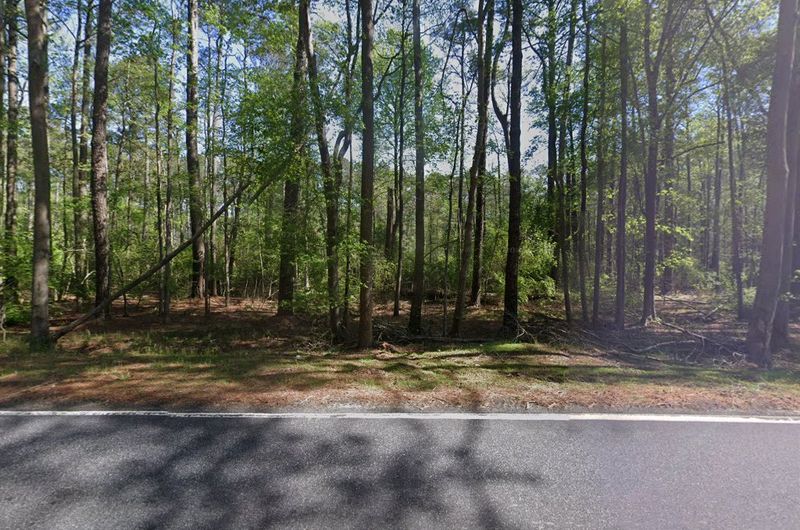
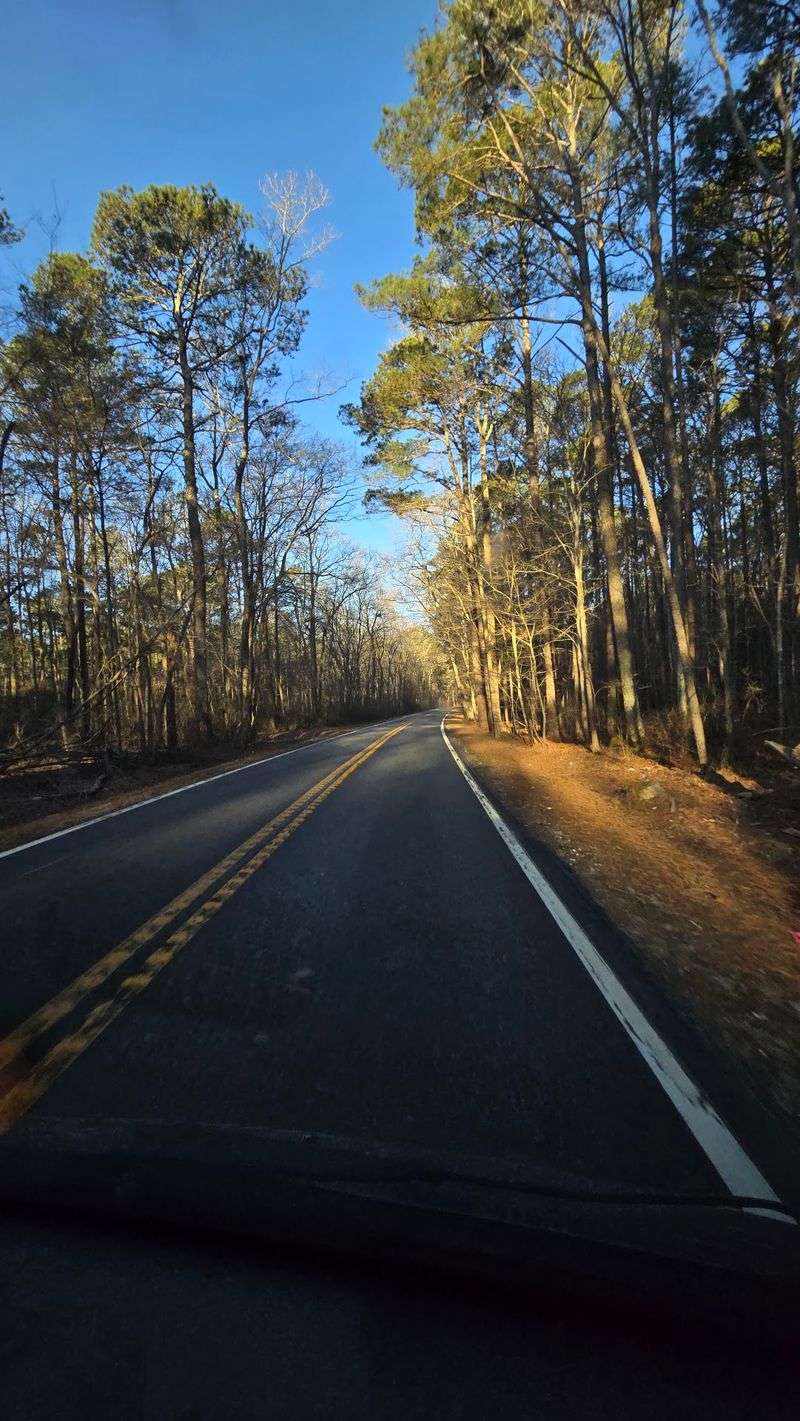
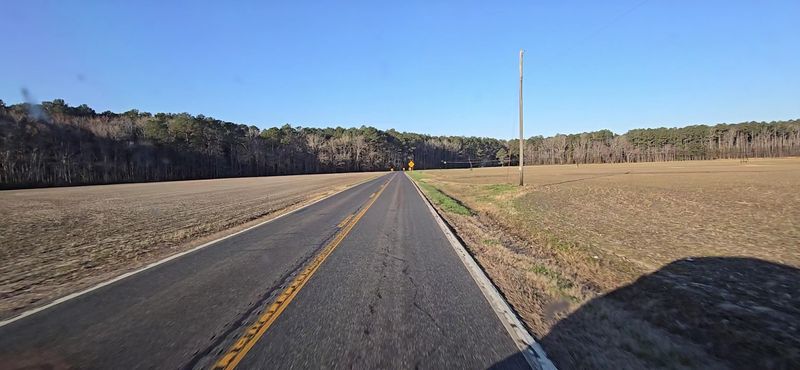
The easiest option is simply driving through. Route 54 near Frankford gives views of tall bald cypress trees and remote forest.
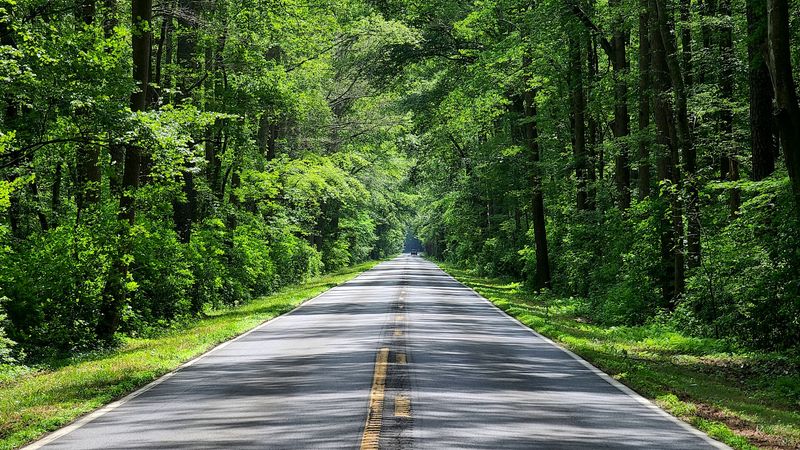
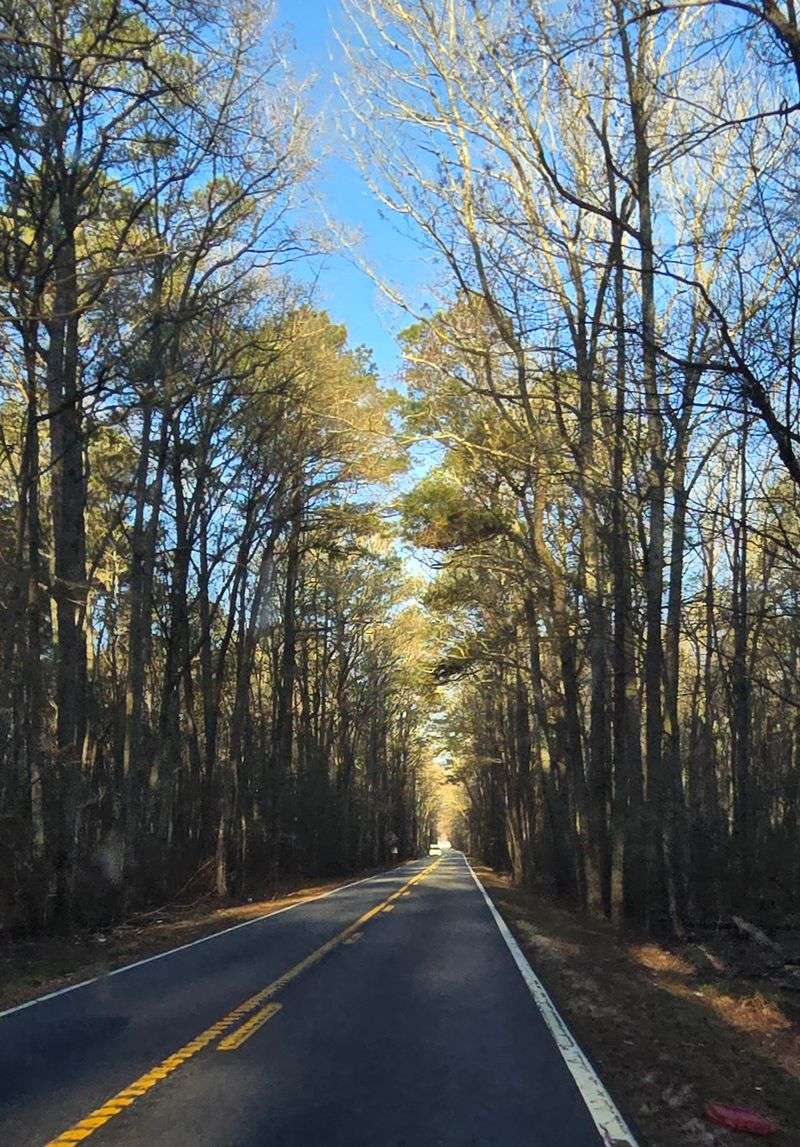
Roads through the woods can feel like a tunnel of green. It’s a calm, scenic detour from busier routes toward the coast.
A few state wildlife areas sit within the swamp, too. Vehicles visiting those areas may need a Conservation Access Pass.
Check those rules before you go so you don’t get surprised. Then roll the windows down and enjoy the quiet that local folks once fought to protect.
Join A Night Tour, A Muddy 5K, Or A Tree Planting
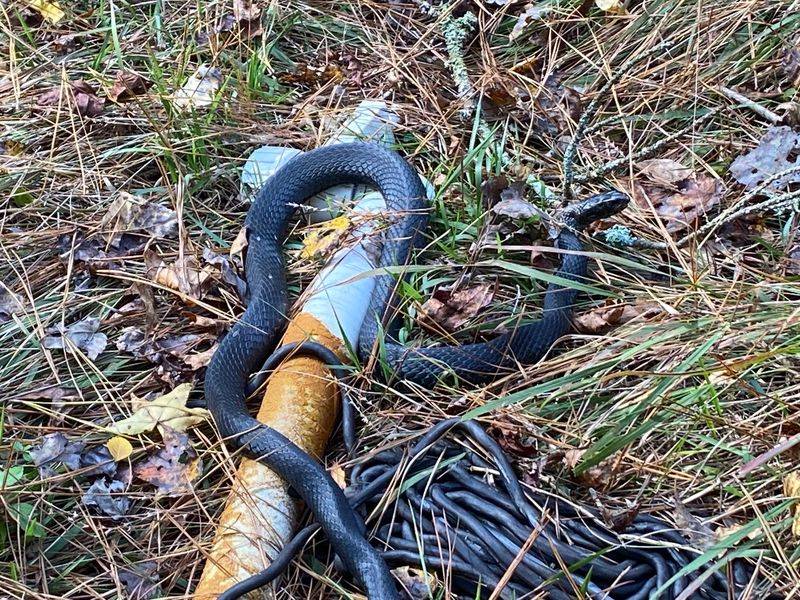
Want boots on the ground instead of just a windshield view? Organized events are your golden ticket into the swamp.
Delaware Wild Lands hosts volunteer tree plantings throughout restoration seasons. You could help put young bald cypress or Atlantic white cedar in the soil.
That’s a pretty great story to tell later. Few people can say they planted a tree that might live for centuries.
Runners have their own option. The Wild Winter Run 5K takes participants across natural terrain, so expect a course with personality.
Night owls get a treat, too. Nighttime wildlife tours offer a totally different side of the swamp after dark.
Many events meet at the Delaware Wild Lands headquarters on Roman Fisher Farm. The address is 24588 Cypress Road, Frankford, DE 19945.
Trails can get wet and muddy, so waterproof boots are a smart call. Insect repellent belongs in your bag as well.
Event schedules change, so check ahead before planning a trip. Signing up early can help you snag a spot on popular outings.
Muddy shoes are basically a souvenir here.
Watch Out For The Swamp Monster, Just In Case
Every good swamp needs a legend or two. This one comes with a swamp monster and a phantom girl.
Locals talk about the Selbyville Swamp Monster, a creature tied to these dark woods. Nobody has produced solid proof, which keeps the story alive.
The phantom girl legend adds a softer, spookier note. Fog and shadows make it easy to understand how tales like these spread.
Honestly, the setting does half the storytelling. Dark water, twisted knees, and thick trees practically invite campfire stories.
Of course, the real stars at the Great Cypress Swamp are far less mysterious. Warblers, turtles, and otters are the ones actually living here.
Folklore still adds charm to a drive through Delaware’s back roads. Kids especially might enjoy hunting for monster footprints from the car window.
The swamp sits near Frankford in Sussex County, an easy add-on for coastal trips. It works nicely as a peaceful side quest between beach days.
Bring curiosity, respect private land, and leave nothing behind. Whatever lurks in those shadows, it deserves a clean home too.