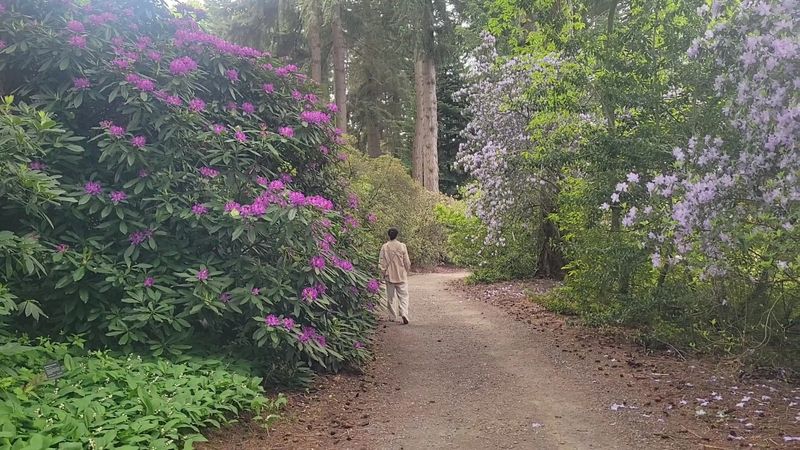
Rhododendrons from China, India, Japan, Korea, and Vietnam all grow along the same forest paths, a short hop off I-5. That alone made me do a double take.
Most of us drive past this spot without a clue it exists.
In May, the garden shows off blue Himalayan poppies. Blue poppies are rare enough that many gardeners only know them from photos.
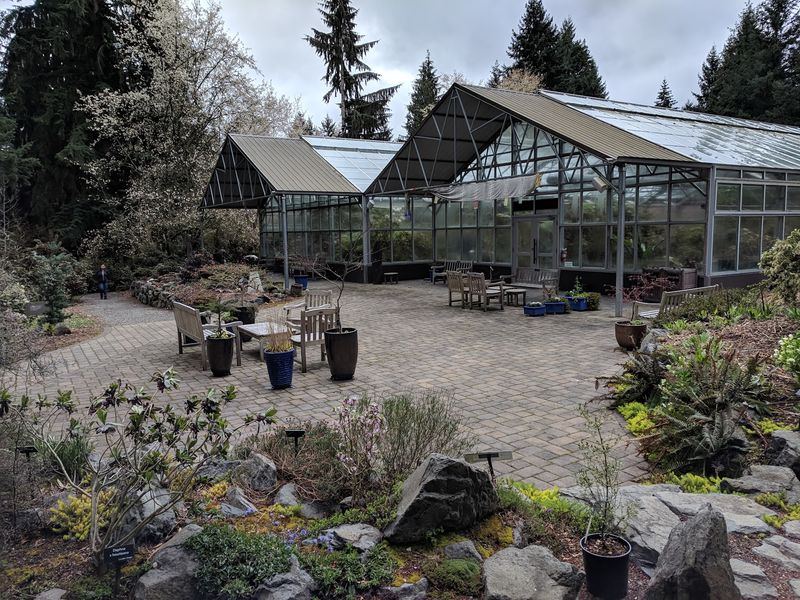
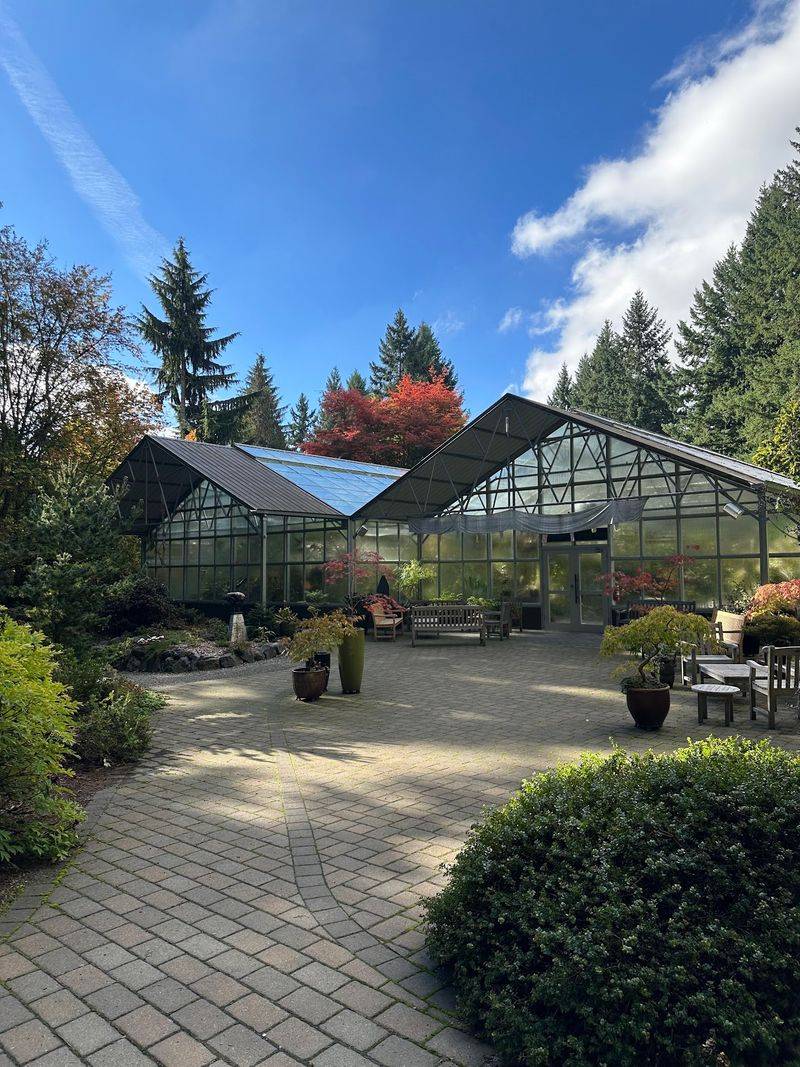
There’s also a glass conservatory that feels like a warm hideout on a gray day.
I like how easy this outing is for Washington families. Parking is free, the main path is gravel and stroller-friendly, and some event days come with free admission.
A free bonsai museum sits right next door too.
So how does a forest full of global blooms end up beside a busy freeway? That’s the fun part to explore.
A Freeway Exit Leads To A World Of Rhododendrons
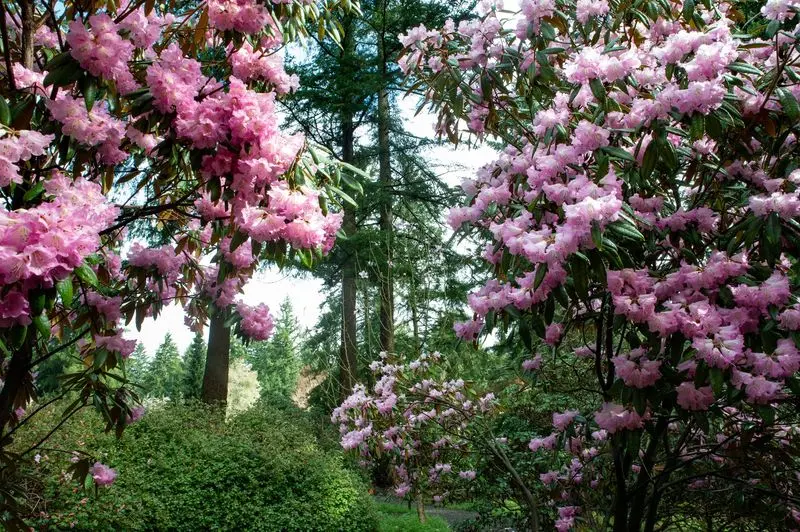
Federal Way doesn’t usually top garden wish lists, and that’s exactly why the Rhododendron Species Botanical Garden feels like a fun surprise. It sits just off I-5 in Washington, with easy access from the freeway.
The garden covers 22 acres devoted to rhododendrons and azaleas. Seasonal and perennial plants fill in the gaps, so there’s color and texture beyond the star shrubs.
Most outings here take about one to two hours of easy strolling. That makes it a solid half-day plan, especially if you pair it with the bonsai museum next door.
The focus is on species rhododendrons gathered from many parts of the world. Think of it as a living library of one plant family, arranged beneath big evergreens instead of on shelves.
Families get a calm walk that doesn’t require hiking boots or trail skills. Grandparents get paths, benches, and a restroom, which matters more than any fancy brochure.
It also carries a strong 4.7-star rating on Google from hundreds of reviews. For a garden many people say they never knew about, that’s an impressive track record.
Not bad for a spot you could reach during a lunch break from Tacoma or south Seattle.
Blooms That Traveled From Half The Globe
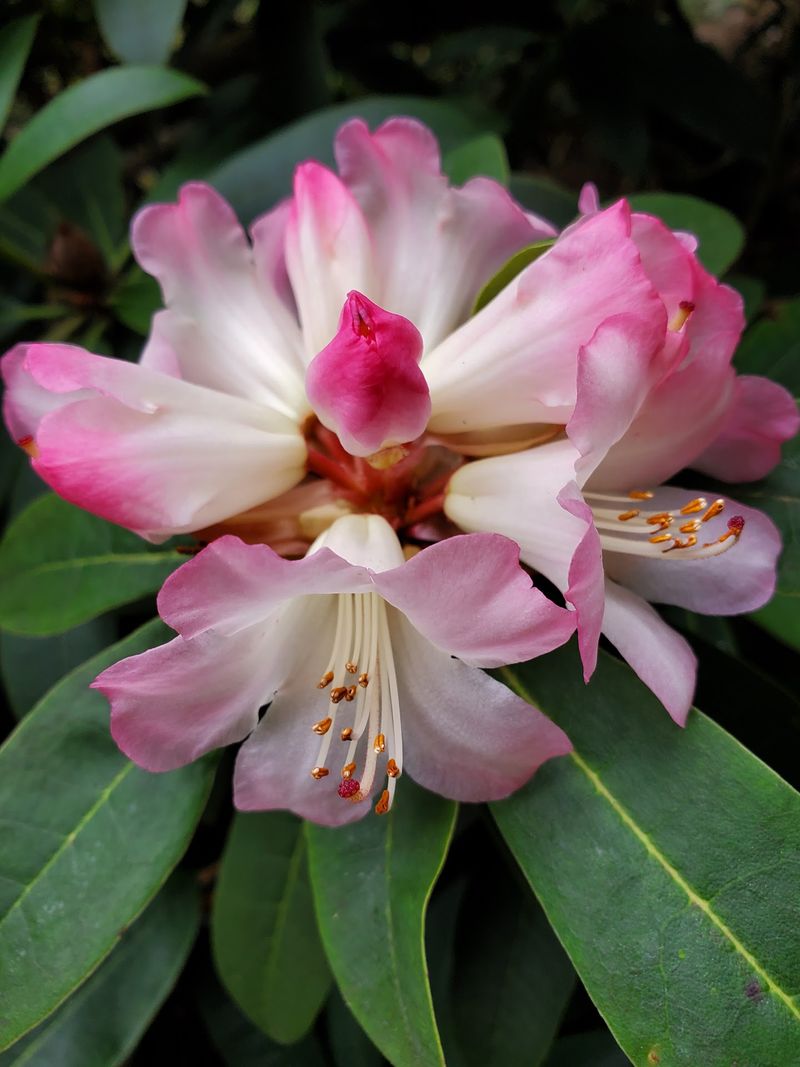
China, India, Japan, Korea, Vietnam, and plenty more regions are represented on these grounds. That’s a lot of passport stamps for a single shrub family.
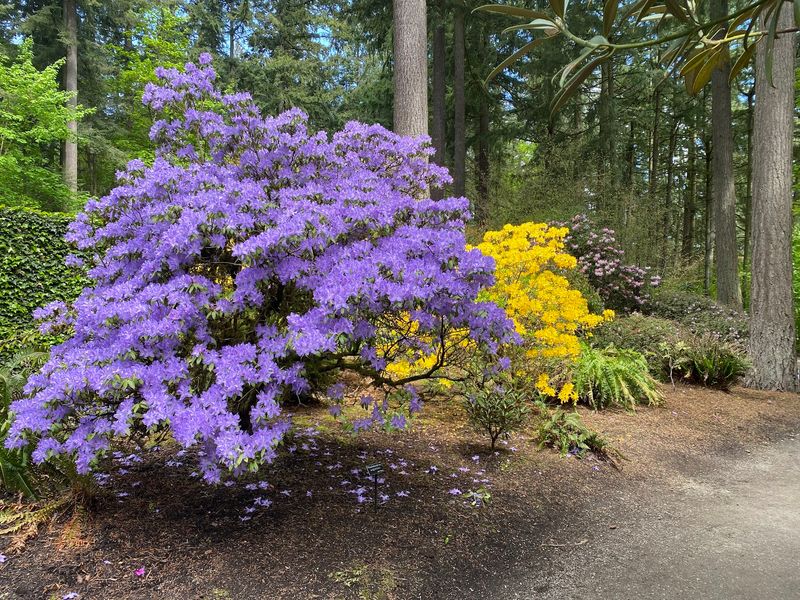
Each species brings its own look. Some flowers are big and showy, while others are small and delicate, and the leaves vary just as much.
Together they create a rich, layered landscape that rewards slow looking. One first-time visitor planned to stay 30 minutes and lingered for two hours instead.
Kids may enjoy turning it into a scavenger hunt. Ask them to spot the biggest leaf, the brightest bloom, or the strangest bark they can find.
Adults who think a rhododendron is just that bush by the front porch are in for a lesson. The variety here is genuinely astounding, and it’s grouped so you can compare plants side by side.
Labels and the garden map help you learn where different plants come from. You leave knowing a little more about the world, which is a sneaky bonus for any family day.
Is it a botany class? Sort of, but nobody hands out quizzes, and the classroom smells like fresh forest air.
Looping Paths You Can Wander Without Worry
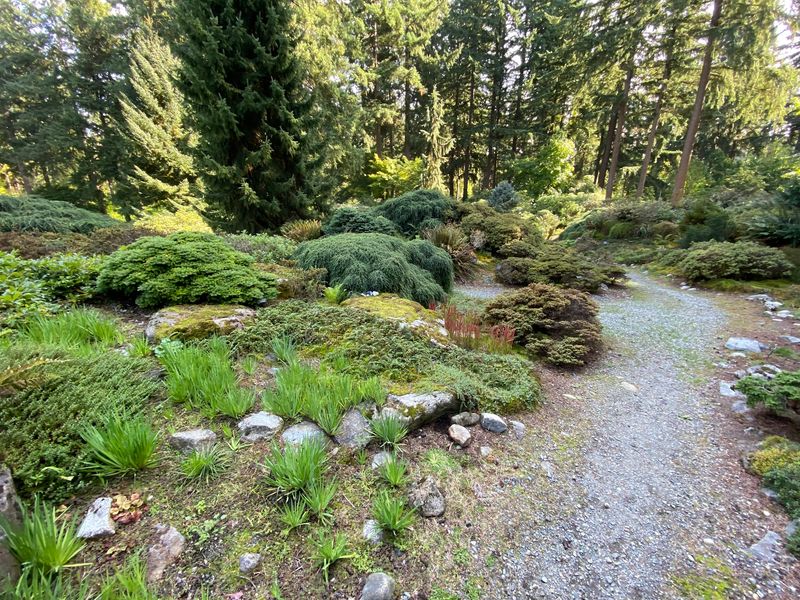
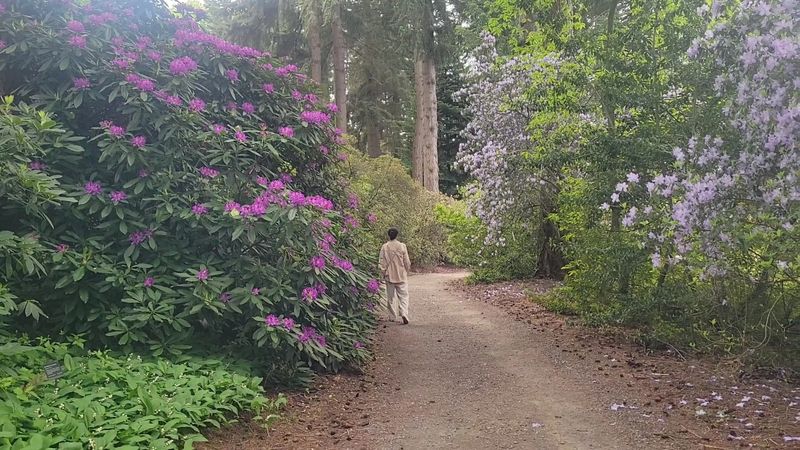
Big evergreen trees form a canopy over much of the garden. Underneath, the paths twist and connect almost like a maze.
The layout works as a round loop with lots of smaller side paths. You can take a different route each visit and still find something new.
You’ll get a map at the start. Signs can be a bit sparse once you’re deep in, so keep that map handy.
The good news is that all those loops make it hard to get truly lost. Wander long enough and you’ll bump back into a main path.
For kids, the twists feel like exploring a storybook forest. For parents, it’s a walk where nobody needs special gear or trail experience.
Benches along the way give tired legs a break. That’s helpful when a toddler decides it’s nap time or Grandpa wants to sit and enjoy the view.
The pace stays easy from start to finish. There’s no summit to reach and no race to win, just one more bend to peek around.
A little mystery and a lot of shade make for a pretty great combo.
Blue Poppies Steal The Spotlight Each May
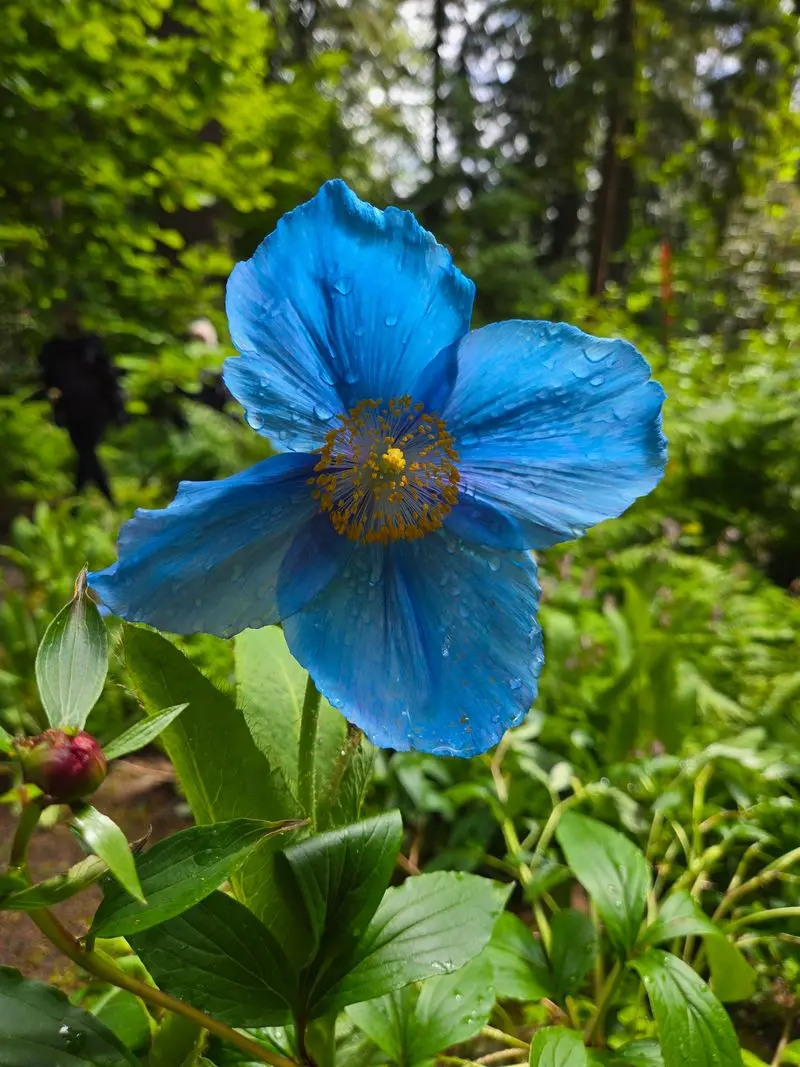
Blue flowers are already rare, and a true blue poppy feels almost unreal. The garden’s blue Himalayan poppies bloom in May.
Members describe them as a magical treat they look forward to every year. The garden even celebrates them with a Blue Poppy festival.
Festival days bring extra energy. Past events have featured garden and nature artists, a large plant selection, and food trucks.
Some shoppers take poppies home to try growing their own. That’s a bold move, but plenty of gardeners love a challenge.
For families, the poppies make a great reason to pick a specific weekend. Kids tend to remember the day they saw a flower the color of a summer sky.
Event days can draw bigger groups, so arriving early may make parking and strolling easier. The lot has historically handled busy weekends well.
Bring a camera or phone with plenty of storage space. Those blue petals photograph beautifully against the deep green of the forest floor.
Timing matters with flowers, of course. Check the garden’s event calendar before you go, because nature keeps its own schedule and never sends reminders.
A Glasshouse Built For Rainy Washington Days
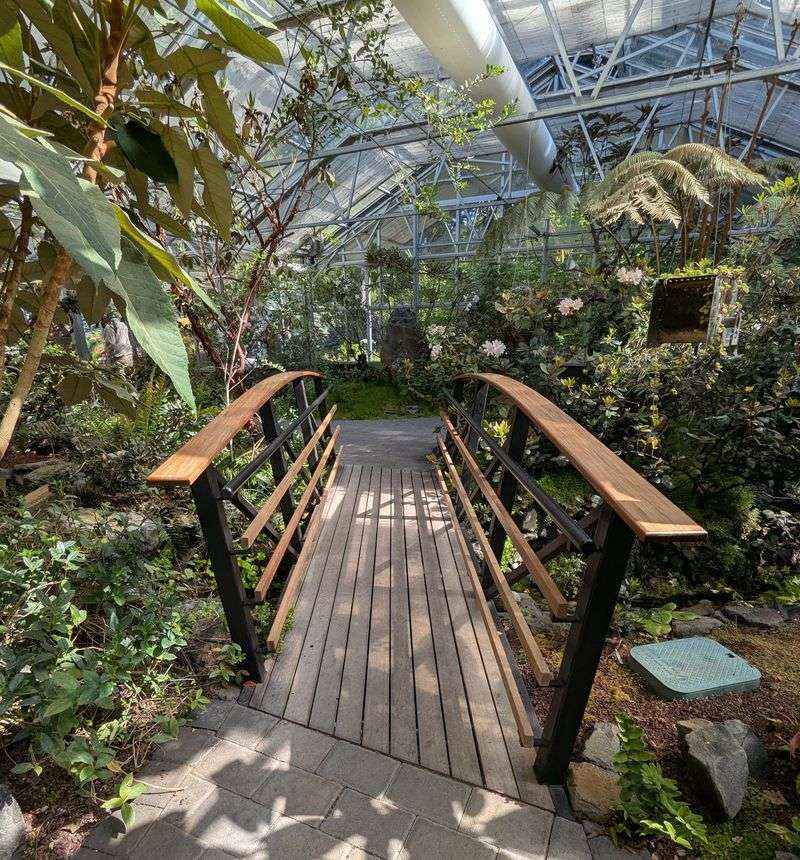
One visitor compared it to the herbology class at Hogwarts. That’s a pretty good sales pitch for a greenhouse.
The conservatory holds temperate and subtropical plants. It’s an enclosed, glass-walled space full of exotic greenery you won’t spot on the outdoor trails.
Washington weather being what it is, this room becomes a favorite refuge on cold or drizzly days. Members specifically mention ducking in when the skies turn gray.
Kids usually love the feeling of stepping from a cool forest into a warm, leafy room. It’s like switching climates without buying plane tickets.
The space is compact, so it won’t eat up your whole afternoon. Still, it’s packed with interesting shapes, textures, and plants that look like they belong in another world.
Many visitors call it the surprise highlight of their trip. They come for rhododendrons and leave talking about the glasshouse.
It also gives the garden year-round appeal. Even when outdoor blooms are quiet, the conservatory keeps things lively and green.
Plan to stop here near the end of your loop. Warm hands and happy kids are a strong finish to any outing.
Trilliums, Azaleas, And A Blazing Fall Climber
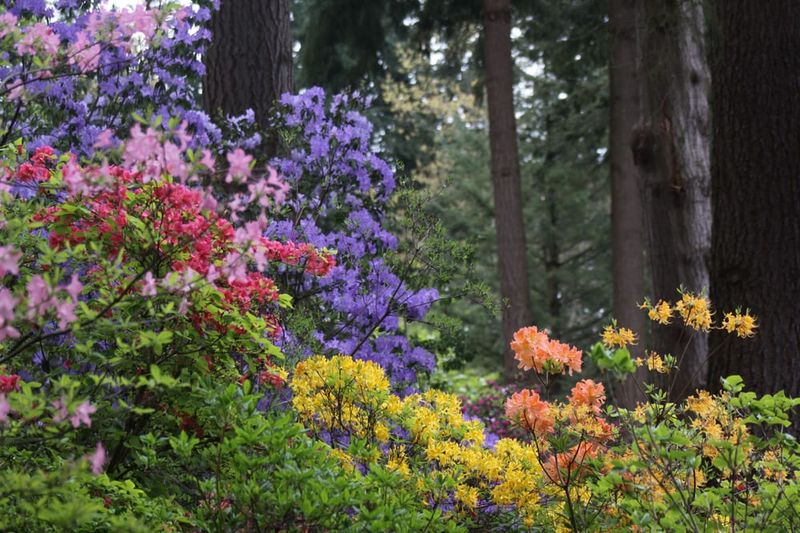
Rhododendrons get top billing, but they don’t work alone. The supporting cast here is surprisingly strong.
Azaleas share the spotlight across the grounds. Many ornamental plants add color and variety between the bigger shrubs.
Trillium fans should pay attention. One visitor said they had never seen such a variety of trillium in one place.
Autumn brings its own show. Fall colors light up the garden, including a vine that climbs high up a tall tree.
One visitor loved the fall display so much they planned to return every autumn. That says a lot about a garden named after a spring bloomer.
Birds and bees are common companions on the paths. Little nature lovers can spend time spotting wings instead of screens.
This mix keeps the garden from feeling like a one-note show. Even if you miss peak rhododendron season, there’s still plenty to admire.
Ask your kids to count different flower colors as you walk. You might lose track somewhere around the twentieth shade, which is a fine problem to have.
Nature clearly didn’t read the memo about this being a rhododendron-only club.
When To Go For The Biggest Burst Of Color
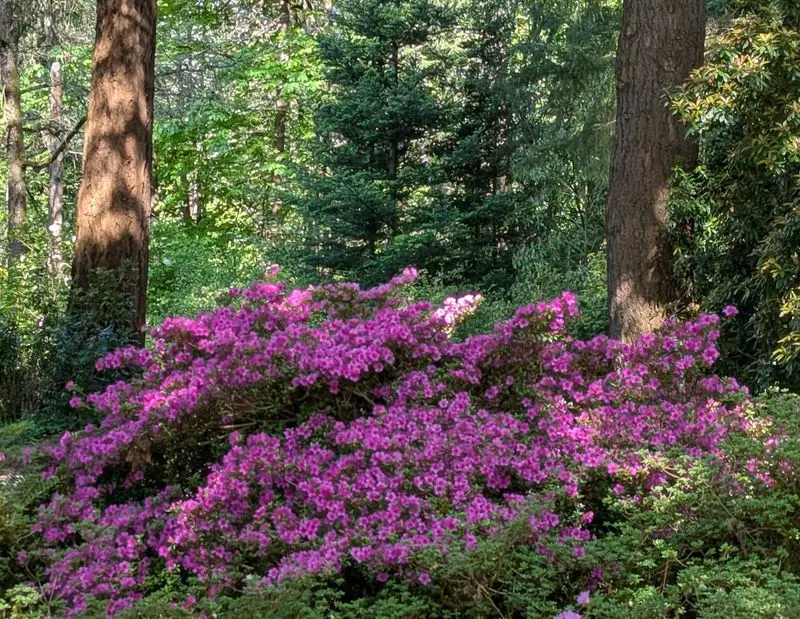
Mid-March through mid-May is the sweet spot for color. That’s when the full spectrum of rhododendron blooms usually appears.
April visits can be especially rewarding. One springtime visitor called the range of varieties incredibly rich and vibrant.
Timing still matters within that window. One late-May visitor found mostly greenery and few flowers, though the grounds looked well kept.
So if blooms are your main goal, aim earlier rather than later. A quick look at the garden’s updates before you go can save a disappointing drive.
That said, the garden isn’t a spring-only stop. Members say every visit brings something new in bloom, in nearly every season.
Hundreds of plants flower at different times of year. You’ll usually find something showing off, even in the quieter months.
Fall delivers foliage color, and the conservatory covers rainy winter days. Summer brings shade under those tall trees, which is welcome on warm afternoons.
The best plan for families might be two visits. Come once in spring for the big bloom, then again in fall to see the garden change its outfit.
Take A Piece Of The Forest Home From The Nursery
Leaving empty-handed is harder than it sounds here. The plant sale nursery tempts nearly everyone who walks past it.
The selection is large, and some plants are tough to find anywhere else. One longtime fan said many varieties can only be bought at this garden.
Rhododendrons for purchase are a major draw. Shoppers also pick up blue poppies and other plants to start their own collections.
Staff get warm praise for being friendly and helpful. If you’re unsure what will grow in your yard, asking questions is encouraged.
Special event days often include an extra plant sale. Those can bring even more choices, along with the buzz of fellow gardeners hunting for treasures.
Kids can join in too. Letting them choose a small plant gives them something to care for long after the trip ends.
Not ready to garden right now? No problem, because plenty of people browse just to dream.
Washington’s mild, damp climate suits many rhododendrons, which makes this an ideal place to shop. You’ll be buying plants already familiar with Pacific Northwest weather, and that’s a nice head start.
Gift Shop Finds, Local Artists, And Food Trucks
Books, indoor plants, and nice little gifts fill the garden’s shop. It makes a cozy first or last stop on your visit.
Vendors sell souvenirs on some days. Young artists have also set up booths offering handmade crafts.
Event days bring food trucks to the grounds. One visitor enjoyed lunch from a Greek gyro truck during the Blue Poppy festival.
Markets add a festive feel to the usual quiet. You get flowers, shopping, and lunch without ever moving the car.
Food trucks aren’t promised every day, so plan ahead. Packing snacks is a smart backup for hungry kids.
Payment works by credit card. Leave the cash-only habits at home and bring plastic instead.
The shop is also a handy spot for gifts. A garden book or small plant makes a thoughtful thank-you for the grandparent who joined the trip.
Kids may want a little souvenir to remember the day. A small plant can last longer than a plastic toy and teaches a bit of responsibility.
Between the shop and market days, the garden easily fills an afternoon.
Free Bonsai Trees Waiting Right Next Door
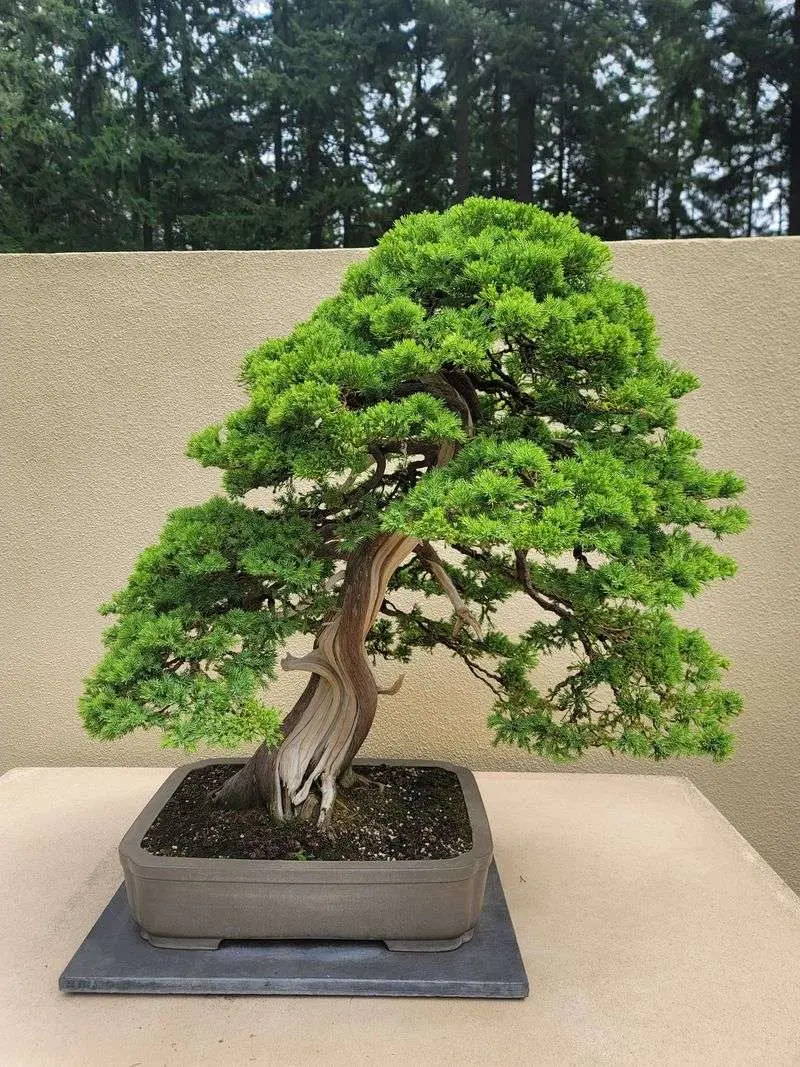
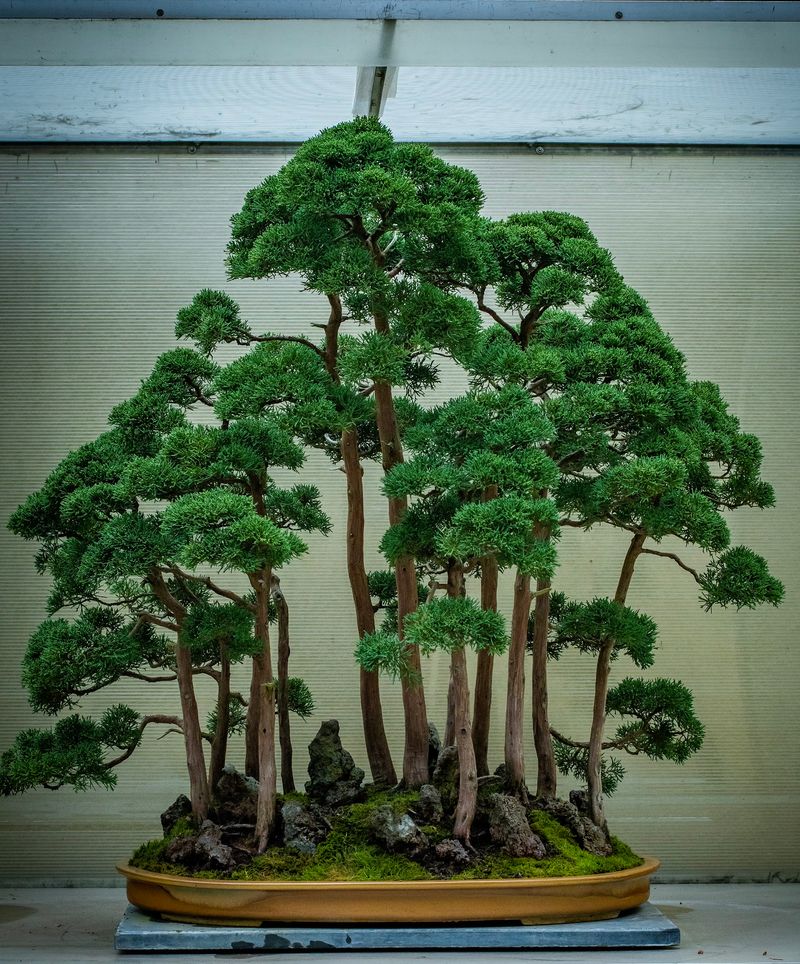
Tiny trees with big personalities live just steps away. The Pacific Bonsai Museum sits right next door to the garden.
Visitors mention the bonsai area as free to enter. That makes it a sweet bonus for families watching their budget.
Bonsai is the most talked-about topic among visitors to this area. Many people come for the miniature trees and then discover the rhododendrons.
One person visited the bonsai museum three times before checking out the garden. Once they finally did, they admitted they’d overlooked something special.
Kids are often fascinated by full-grown trees shrunk down to tabletop size. It sparks questions, and that’s half the fun of any outing.
Pairing both stops creates a fuller day. Spend an hour or two in the garden, then wander among the bonsai.
A visitor even suggested allowing half a day to explore everything slowly. That works well for families who like an unhurried pace.
Do check the museum’s hours separately before you go. Two attractions, one parking area, and one free stop make for a pretty smart combo in Washington.
Strollers, Walkers, And Grandparents Welcome
An 87-year-old enjoyed a Mother’s Day visit here and did great. That’s a strong vote of confidence for multigenerational outings.
An ADA and wheelchair-friendly path runs through the main areas. It lets more family members join the walk.
The path is gravel, so keep that in mind. A four-wheel walker may take a bit more effort to push.
Strollers handle the loop well. One parent easily rolled a stroller around the park.
Benches give everyone places to rest along the route. A public restroom adds comfort for little ones and older guests alike.
The walk from free parking to the gate is about five minutes. It’s a pretty stretch, which makes the short trek feel worthwhile.
No hiking skills or special gear are needed. Comfortable shoes and a light jacket are really all you need.
That ease is a big deal for Washington families planning a day with toddlers and grandparents together. Nobody gets left behind in the car, and nobody needs to tackle a steep trail.
Everyone just walks, looks, and enjoys the flowers.
Quiet Forest Calm With A Freeway Soundtrack
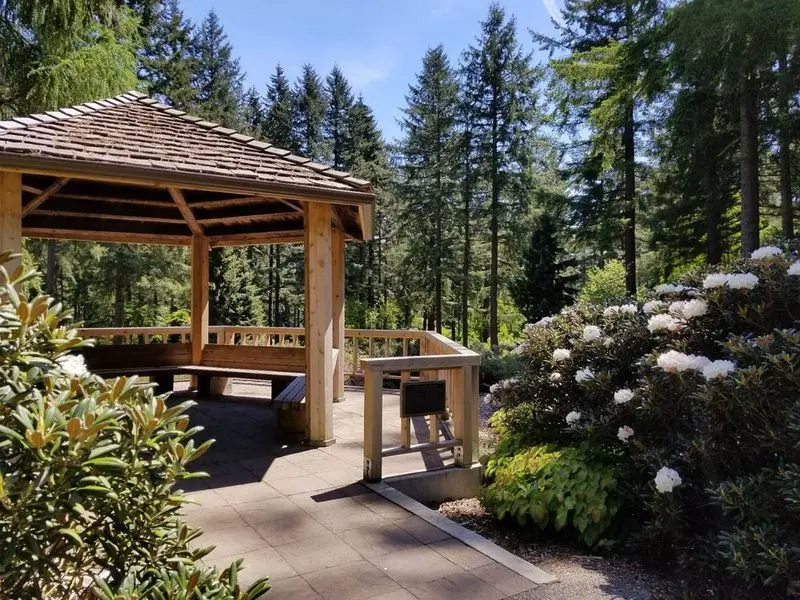
Calm is one of the words that comes up most here. Visitors often describe the garden as peaceful and serene.
One honest note: you’ll hear traffic. I-5 runs close by, and the hum carries into the garden.
Somehow it works. One visitor said the garden’s serenity contrasts nicely with the freeway drone just beyond the trees.
A gazebo offers a pleasant stop along the way. It’s a lovely place to pause and soak in the greenery.
Couples enjoy it as a relaxing walk together. Families get a gentle outing where kids can explore without crowds of rides or noise machines.
Plant lovers will be in heaven. Anyone needing a short escape from daily stress will find plenty of quiet corners.
Dogs aren’t allowed, so leave pets at home. That helps keep the garden calm and protects the plants.
Busy days do happen, especially on holiday events. Mother’s Day weekends have drawn big crowds, though parking has kept up.
For the quietest experience, a weekday morning may work best. Fewer people means more room to listen for birds instead of brakes.
Hours, Parking, And Ways To Get In Free
You’ll find the garden at 2525 South 336th St, Federal Way, WA 98003. It’s open Tuesday through Sunday from 10 AM to 4 PM.
Mondays are closed, so plan around that. Getting there early gives you more time before the 4 PM close.
Parking is free, and there’s a short, scenic walk to the gate. Payment is by credit card only.
Admission is modest, and discounts are offered for seniors and military. Retired military members have shared that they received free admission.
Here’s the family-budget bonus. Some market and plant sale days have come with free garden entry.
Those days often bring vendors, plants, and food trucks too. Check the garden’s calendar for upcoming events before heading out.
Frequent visitors might like an annual membership. Members praise it as a great value for returning as the seasons change.
The neighboring bonsai museum is free to enter, which stretches your day without stretching your wallet. Prices and policies can change, so confirm details before you go.
A little planning keeps this a low-cost Washington outing worth repeating.
Why This Garden Earns A Spot On Your Spring List
Plenty of visitors ask how they lived nearby so long without knowing about it. That question says a lot.
The Rhododendron Species Botanical Garden delivers a lot in a manageable package. You get global blooms, forest trails, a glasshouse, and a nursery in one stop.
It’s not a huge park. One visitor noted it isn’t very large, and that’s actually a plus for little legs.
An hour or two covers the highlights. Add the free bonsai museum next door and you’ve got a full, easy afternoon.
Costs stay reasonable, parking is free, and certain event days open the gates for free. That’s music to any parent’s ears.
Grandparents can join thanks to the accessible gravel path and benches. Kids get a forest that feels like an adventure.
Come in spring for peak color, especially mid-March to mid-May. Return in fall for foliage, or duck into the conservatory when it rains.
Federal Way might not sound like a flower capital. After one loop under those evergreens, you might start thinking otherwise, and you’ll probably be back before next spring ends.