Ice age mammoths and giant ground sloths once came to a salty patch of Kentucky ground to lick minerals. Today, a herd of live bison grazes nearby.
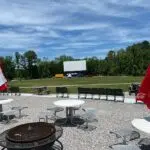
You can watch them from a viewing deck that has binoculars.
The salt that drew those giants still bubbles up from a spring. I love that families can stand in the same spot where some of America’s first fossil hunters dug up enormous bones.
It feels like time travel with a picnic basket.
I also like that so much of it costs nothing at all. The museum, the bison viewing area, and the trails are free to enjoy, which makes it an easy Kentucky day trip for families on a budget.
So why haven’t more of us made this drive yet? Grab the kids and some snacks, because this little corner of the state packs a very big story.
A Free Ice Age Playground Just South Of Cincinnati
Big Bone Lick State Historic Site sits in Boone County, in the hills of Northern Kentucky. It’s a state park built around one remarkable idea: giant prehistoric animals once gathered right here.
The name sounds silly at first, and kids will absolutely giggle at it. Then they learn it describes real big bones found at a real salt lick, and the giggles turn into questions.
The park mixes history, nature, and plain old family fun. You’ll find a museum with fossilized bones, a live bison herd, walking trails, a campground, picnic areas, playgrounds, and even mini golf.
That’s a lot packed into one stop. It means toddlers, teenagers, and grandparents can all find something to enjoy without anyone sulking in the car.
Best of all, many of the main attractions are free. The museum, the bison viewing area, and the trails don’t cost a thing to explore.
That makes it a smart choice for Kentucky families who want a meaningful outing without a big bill. A full tank of gas and a cooler of sandwiches may be all you really need.
The park also earns a strong reputation, holding a 4.6-star rating across more than three thousand reviews. Numbers like that usually mean a place keeps its promises.
The Salty Spring That Started Everything
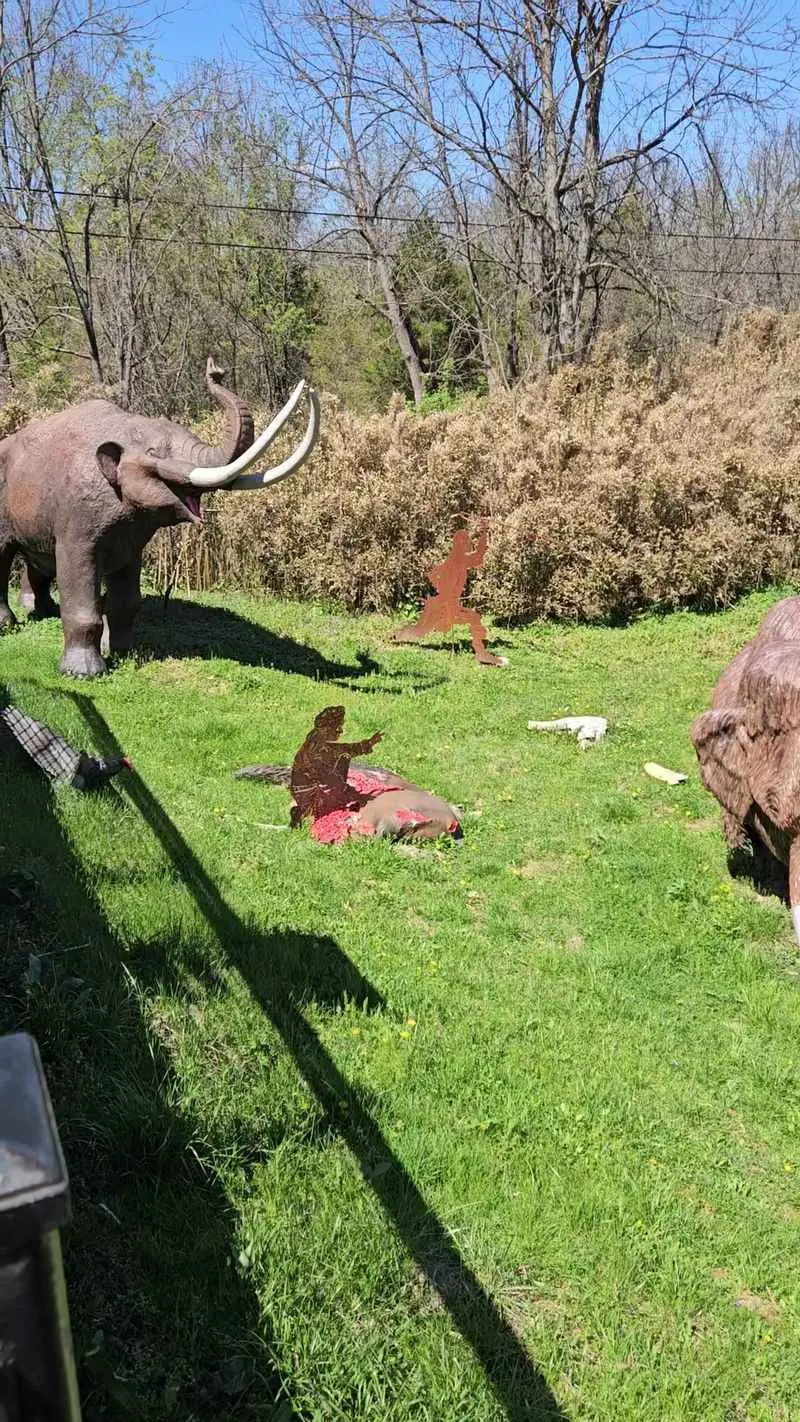
Long before anyone built a parking lot, animals followed their noses to this spot. A natural salt spring seeps up from the ground here, and creatures big and small craved those minerals.
That’s what a lick is, by the way. It’s a place where animals come to lick salty soil or water to get nutrients their bodies need.
Over thousands of years, huge animals wandered into the soggy ground around the spring. Some got stuck in the mud, and their bones stayed behind for later generations to discover.
That’s how the place got its wonderfully blunt name. Big animals, big bones, and a lick that drew them all together.
The salt spring is still part of the park today. Kids can see that the story isn’t just something from a book, because the very reason those animals came is still bubbling away.
It’s a neat lesson in cause and effect for young minds. No salt, no giant visitors, no fossils, and no museum to explore.
So when your family walks the grounds, you’re tracing one of the oldest paths in Kentucky. Animals made it first, and people followed much later with shovels and notebooks.
Mammoths, Mastodons, And One Very Large Sloth
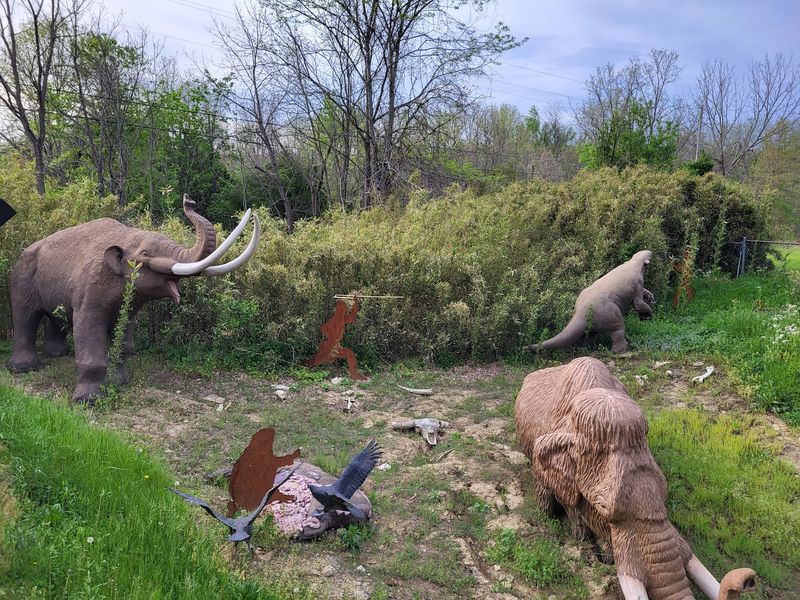
A giant ground sloth in Kentucky sounds like a tall tale. Yet the ice age animals linked to this park include mammoths, mastodons, and sloths far bigger than anything hanging from a zoo branch today.
These creatures came for the salt, just like modern deer and bison would. The swampy ground around the spring preserved their remains surprisingly well.
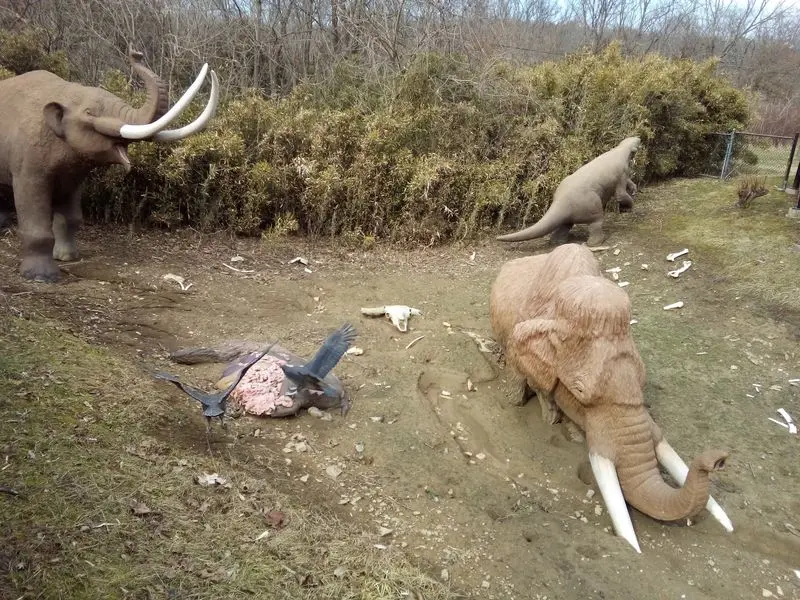
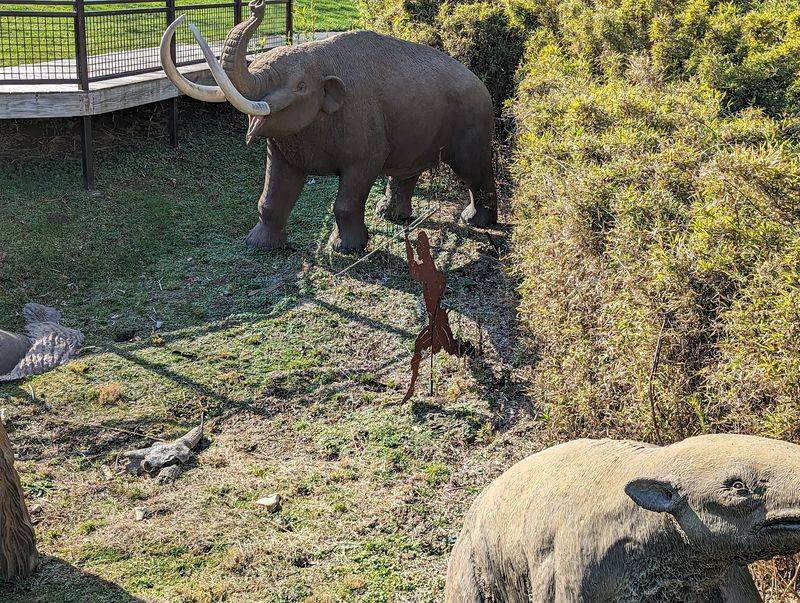
Behind the gift shop, an accessible pathway shows off mammoth and giant sloth figures. It gives kids a sense of scale that a picture in a textbook simply can’t match.
Standing next to a life-size mammoth tends to quiet even the busiest child for a second. Then come the questions, usually starting with how much it ate.
The pathway’s accessibility is a real plus for families with strollers, wheelchairs, or grandparents who prefer smooth ground. Everyone gets to share the same wide-eyed moment together.
Inside the museum, actual fossilized bones and partial skeletons back up the story. Seeing real pieces of these animals turns the statues outside into something even more believable.
It’s one thing to hear that giants walked here. It’s another to stand on the very ground and look at the bones they left behind.
Bragging Rights As The Birthplace Of American Paleontology
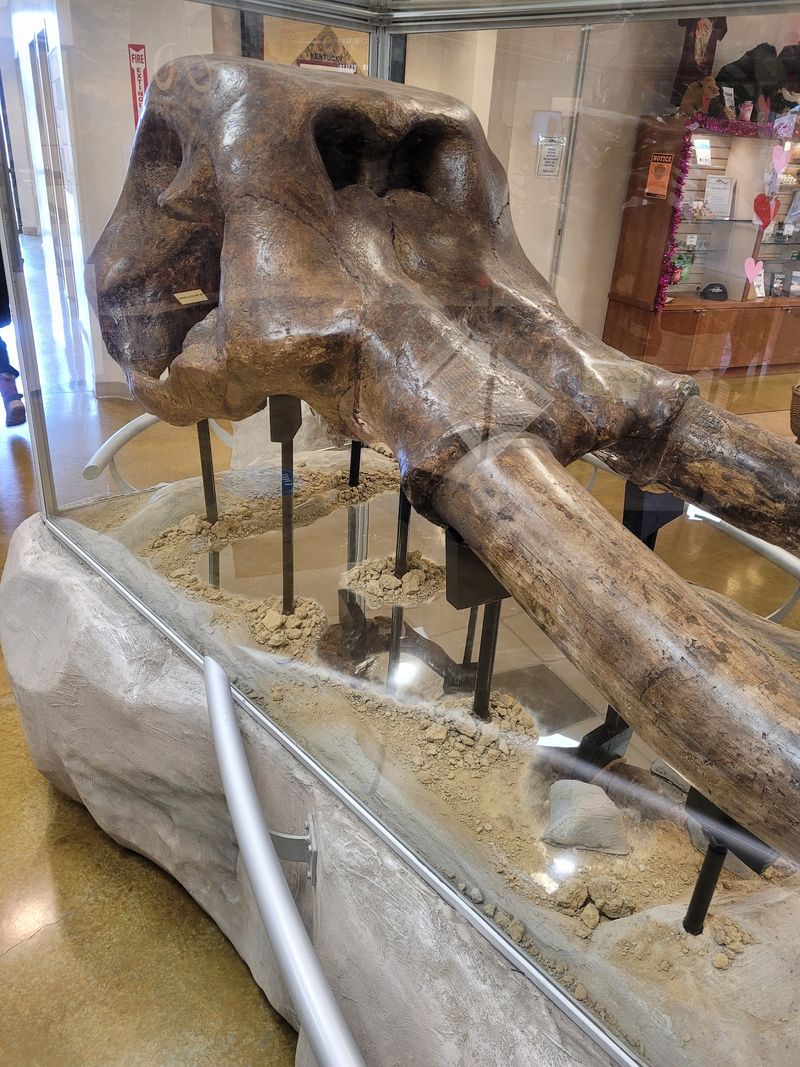
Few places can claim they helped launch an entire branch of science. Big Bone Lick is known as the Birthplace of American Vertebrate Paleontology, which is a fancy way of saying early fossil study in America got rolling here.
That’s a serious honor for a spot in Northern Kentucky. It means scientists and curious explorers came here to dig, measure, and puzzle over massive bones.
The site is also a National Historic Landmark. It’s listed on the National Register of Historic Places too, so the credentials stack up nicely.
Then there’s the Lewis and Clark connection. The park is part of the Lewis and Clark National Historic Trail, linking it to one of the most famous journeys in American history.
For Kentucky families, that’s a fun point of pride. Your home state played a starring role in how Americans first understood ancient life.
Kids who love dinosaurs may be thrilled to learn this connection. It turns a casual walk into a chance to stand where real discovery happened.
History buffs will appreciate the layers here. Science, exploration, and the story of a young nation all meet around one salty spring.
Fall Fun That Puts Old-Time Skills In Kids’ Hands
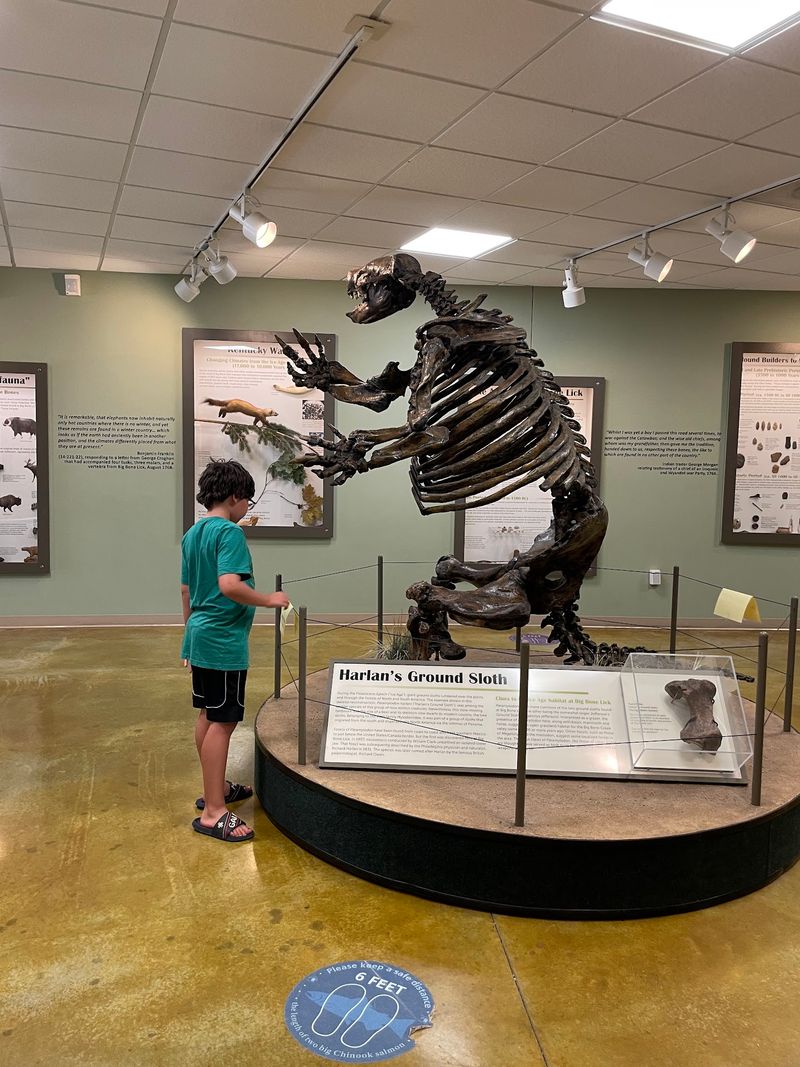
Salt once made this place famous, so it makes sense that boiling salt water ties families back to its past. Early settlers boiled the spring’s mineral water to collect salt, a hard but valuable job.
The park has a tradition of fall programming that celebrates that history. Events can include hands-on activities that let kids see how salt was gathered long ago.
Details may change from year to year, so check the park calendar before you go. Dates, activities, and schedules can shift with the season and staffing.
Even outside festival days, the park often keeps things lively. Campers mention daily activities posted for the weekend, along with programs like making hiking sticks and learning about the atlatl.
An atlatl, if you’re wondering, is an ancient spear-throwing tool. It’s the kind of word kids will repeat all the way home.
Autumn also suits the outdoor setting well. Cooler weather makes walking the trails more comfortable, and the wooded hills add color.
Programs like these turn a simple visit into a memory. Years from now, your kids may still talk about the day they learned how pioneers got their salt.
Real Bison Roaming A Kentucky Pasture
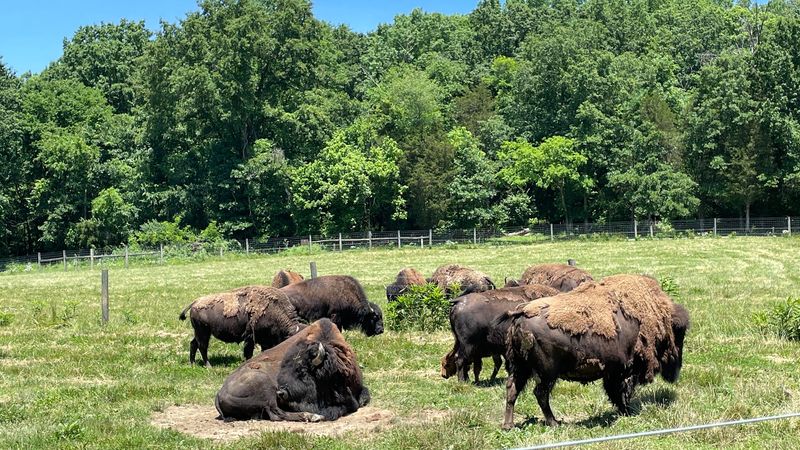
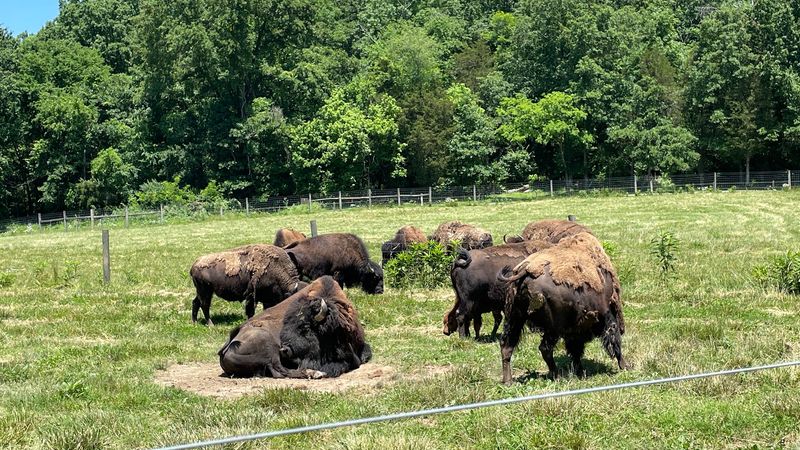
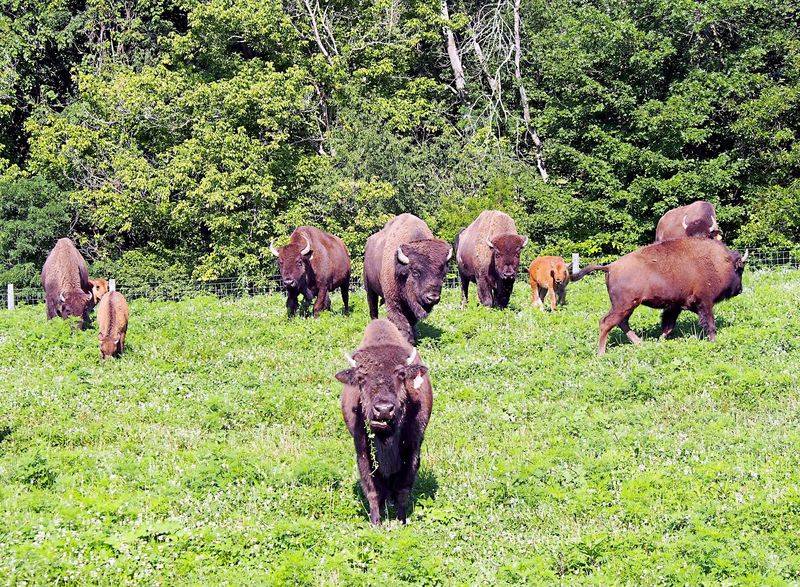
Ask most visitors what they came to see, and the answer is simple: bison. The park keeps a live herd in its Bison Habitat, and these shaggy giants steal the show.
Bison come up more than any other topic when people talk about this park. That tells you just how much these animals capture everyone’s attention.
They’re a fitting link to the past too. Bison once came to salt licks like this one, so seeing them here connects the present to the ancient story.
The animals often stay in the front pasture, especially when they come in to eat. They sometimes move to the middle pasture, which you can walk around along the fenced area.
Many people say they got surprisingly close views of the herd. Seeing such large animals in a safe setting makes this a great outing for every age.
Bison sightings aren’t guaranteed, though. These are real animals with their own plans, and sometimes they wander out of sight.
That uncertainty adds a little thrill. When a bison finally ambles into view, the whole family gets to share the excitement together.
Binoculars, Benches, And The Secret Of Early Mornings
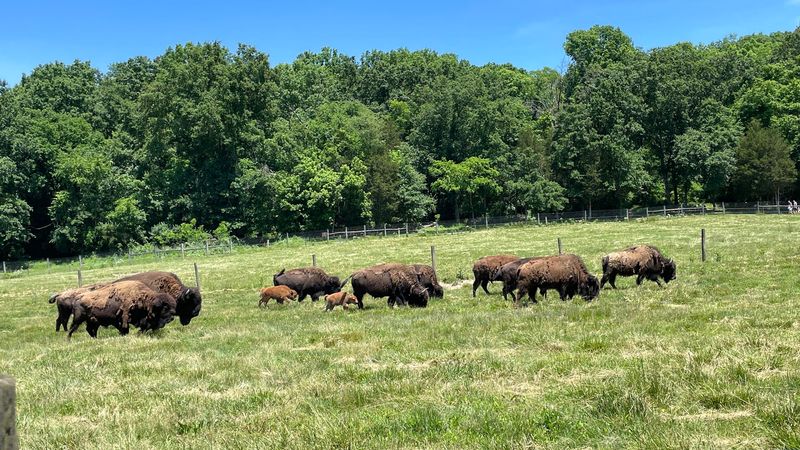
Timing matters if bison are the goal. Visitors often suggest arriving early in the morning, when the herd tends to be more active and easier to spot.
Bison are large animals that prefer cooler weather. On hot afternoons, they may retreat to shady corners where you can’t see them as well.
A paved path leads down to an observation pavilion. It comes equipped with binoculars and seating, so little ones can rest while scanning the field.
Past the pavilion, a gravel path continues around the area. Benches line the way, giving you more spots to pause and look.
You can watch as long as you like at this free attraction. Nobody is rushing you along, which is a rare gift for families with patient bison hunters.
The trail around the bison area can get muddy after rain. Sturdy shoes are a smart idea, especially for kids who find every puddle irresistible.
The path also doesn’t loop back around, so plan to retrace your steps. A quick walk back gives you one more chance to catch the herd in action.
Bones, Research, And A Bigger Museum On The Way
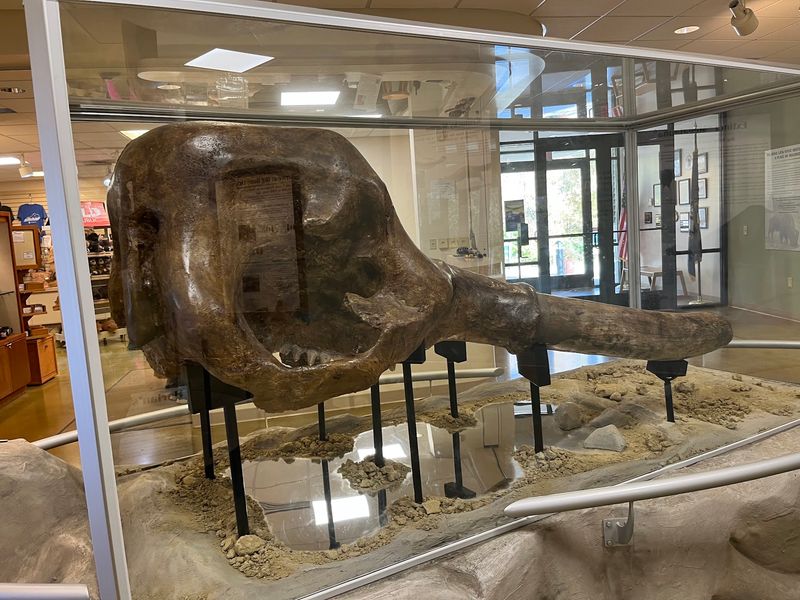
Small but mighty might be the best way to describe the museum. It houses fossilized bones and partial skeletons that make the ice age feel very real.
Admission is free, which is music to any parent’s ears. You can pop in, explore the displays, and leave with a head full of new facts.
The visitor center also shows research in progress. Kids get a glimpse of how science keeps going long after the first discoveries.
A gift shop sits in the visitor center too. It’s a handy place to pick up a souvenir that helps the memory stick.
Plan ahead, because the museum and gift shop keep limited days. Some people have arrived to find them closed, so checking hours first can save disappointment.
Exciting changes are coming as well. A larger museum is being built next to the current one, which should give these fossils even more room to shine.
For families who return often, that’s something to watch. Each visit may bring a little more to see as the project moves forward.
Short Trails With A Science Lesson On Every Turn
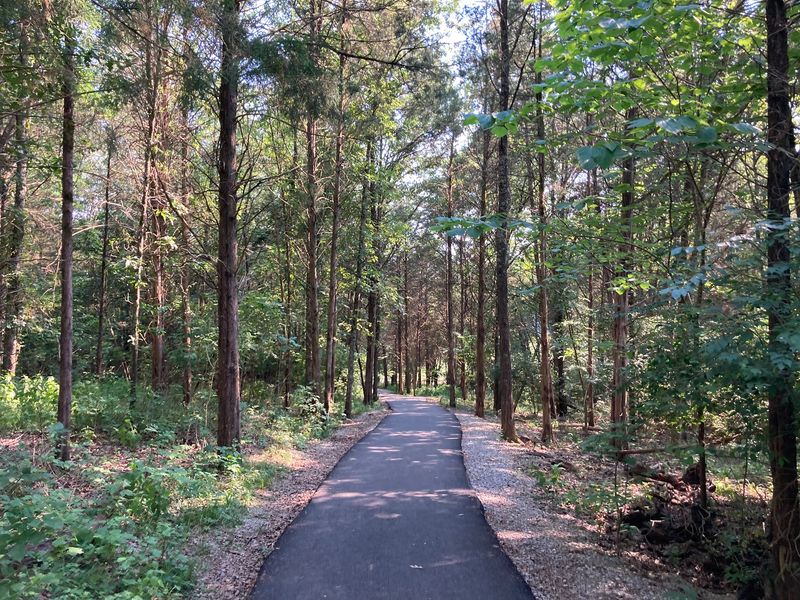
Nobody needs hiking boots and a week of training for these trails. They’re short and easy, which makes them friendly for little legs and casual walkers.
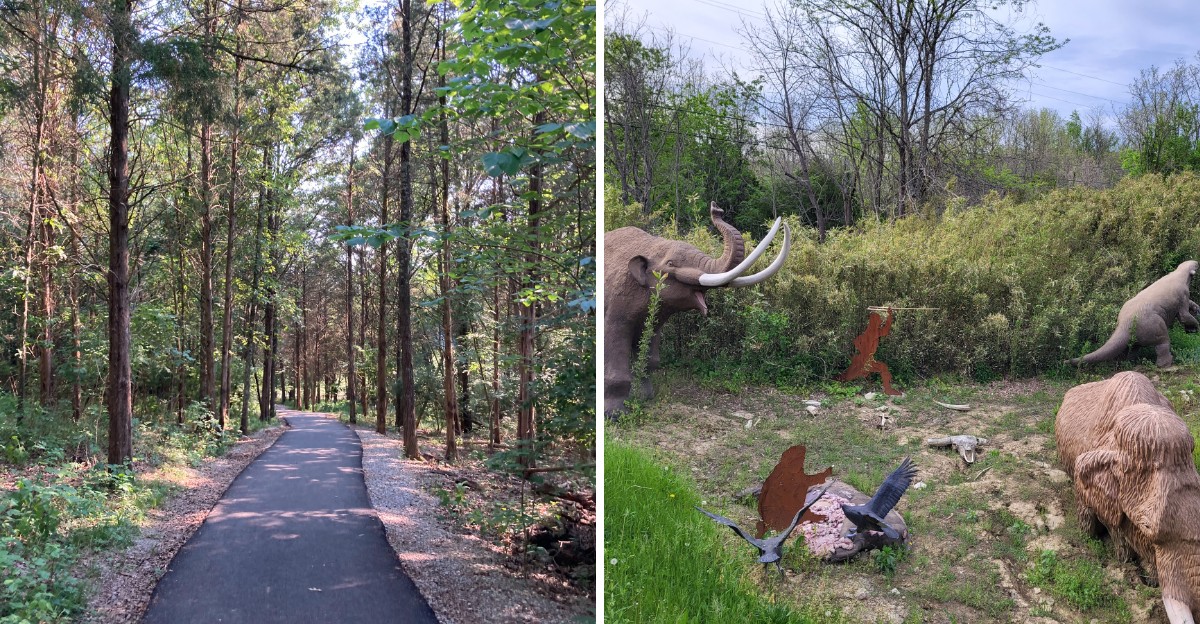
Some of the trails are paved. That’s a big help for strollers and anyone who prefers smooth footing over rocks and roots.
Signs along the way teach about paleontology and geology. It’s like a museum spread out across the hills, one fact at a time.
The quiet stands out too. Many visitors describe the trails as peaceful, a nice break from screens and busy schedules.
The scenery adds its own charm. Hills and woods frame the walk, and the rolling landscape feels classic Northern Kentucky.
Serious hikers may wish for more mileage. The park leans toward short walks rather than long backcountry treks, so set expectations accordingly.
For families, though, short often works best. You can finish a trail before anyone gets cranky, then still have energy left for a picnic or a round of mini golf.
Mini Golf, Swings, And A Picnic Table With Your Name On It
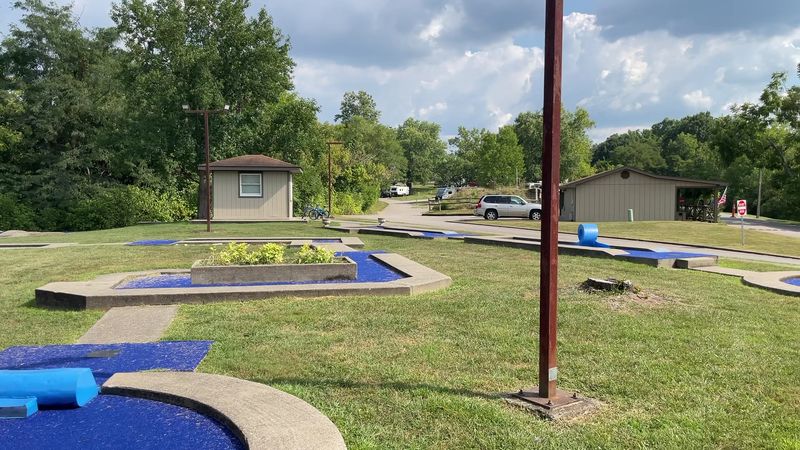
Prehistoric giants are great, but sometimes kids just want to putt a ball through a tiny windmill. The park answers that need with mini golf.
It’s a fun way to balance the learning with pure play. Parents get a breather, and kids get to brag about their best shot.
There are also a couple of playgrounds for younger children. They offer a perfect spot to burn off energy after the museum or a trail walk.
Picnic areas round out the lineup. Packing a lunch and claiming a table can turn a quick stop into a relaxed afternoon.
Families often string these together into a simple routine. A picnic, playground time, and a short hike to the bison make an easy, affordable day.
That’s a big reason the park appeals to budget-minded Kentucky households. Much of the fun comes free, and you control the snack budget.
Bring a ball, a blanket, and some sunscreen. The rest of the day tends to sort itself out once the kids spot the playground.
A Campground That Keeps Families Busy Past Sundown
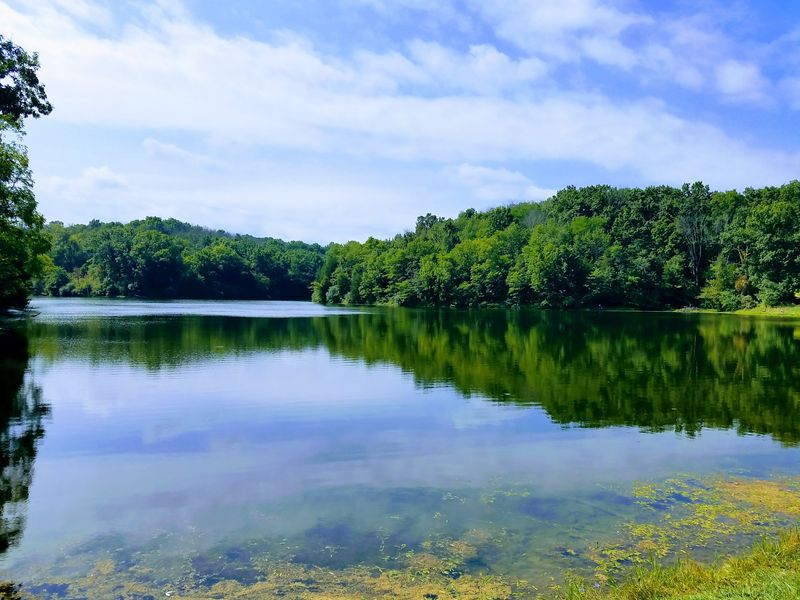
One day may not be enough for some families. The campground lets you stretch the adventure into a full weekend.
Sites are paved and roomy, with electricity at RV sites. Water and sewer hookups aren’t at individual sites, but spigots let you top off your tank.
A free dump station sits on the way out. That’s a handy perk that RV families will appreciate.
Leveling can vary from site to site. Some are nicely level, while others may call for your leveling kit, so pack it just in case.
Campers mention clean bathrooms and showers. There’s also a pool, though it may not be open during every visit.
A camp store helps when you forget the marshmallows. Trails and mini golf are close by, so the kids won’t run out of things to do.
Staff earn praise for being friendly and for hosting activities. Programs like hiking stick crafts give campers a fun way to connect with the park’s history.
Who Will Love It Most, From Toddlers To History Buffs
Curious kids top the list, no question. Between fossils, statues, and real bison, there’s plenty here to spark wonder.
Ice age fans will feel right at home. Anyone fascinated by prehistoric wildlife can spend happy hours reading signs and studying bones.
History lovers get their share too. The landmark status and Lewis and Clark link give grown-ups plenty to chew on.
Dog owners may want to note this one. People have mentioned seeing quite a few visitors with dogs around the park.
The atmosphere leans calm and peaceful. It’s not a loud theme park, which suits families who prefer a slower pace.
Grandparents can join in easily thanks to paved and accessible paths. That makes it a lovely choice for a multigenerational outing.
Kentucky families exploring every state park will want this one on the list. It’s the kind of place that inspires people to say, we went there when the kids were little.
And for newcomers to the area, it makes a wonderful introduction. Few spots show off Northern Kentucky’s deep roots quite so well.
Getting There, Paying Nothing, And Planning Your Hours
Plug 3380 Beaver Rd, Union, KY 41091 into your map app and you’re set. The park sits in Boone County, making it a manageable drive for much of Northern Kentucky.
Families from the Cincinnati area can reach it easily too. It works nicely as a quick stop or a planned day trip.
Cost is the happiest part of the plan. The museum, bison viewing, and trails are free, so a visit can stay very budget-friendly.
Camping and some activities may carry fees. Check with the park before you go if you plan to stay overnight.
Hours deserve a quick look ahead of time. The museum and gift shop open only on select days, and schedules can change by season.
A visit of about two hours covers the highlights for many people. Add a picnic, mini golf, or camping, and you can easily fill a whole day.
Morning arrivals often pay off for bison spotting. Cooler weather and active animals make early hours a smart choice, especially in summer.
Why This Salty Spot Deserves A Spot On Your Family Calendar
Some outings fade from memory by the next weekend. A day spent where mammoths once licked salt has a better shot at sticking around.
Big Bone Lick State Historic Site offers a rare mix of science, history, and simple fun. It does all that without demanding much from your wallet.
Kids can see real bison, real bones, and a real salt spring. Parents get easy trails, picnic tables, and a peaceful setting to enjoy.
The park’s role as the Birthplace of American Vertebrate Paleontology gives it real weight. Kentucky families can feel proud that this story started in their own backyard.
It’s not a giant destination with endless trails. Instead, it’s a focused, friendly place that rewards curiosity and a little patience.
Come in fall for seasonal programs, or arrive early on a cool morning for the bison. Either way, check hours first and pack sturdy shoes.
Then let the day unfold. Somewhere between the binoculars and the mini golf, your family may just start a new Kentucky tradition worth repeating every year.