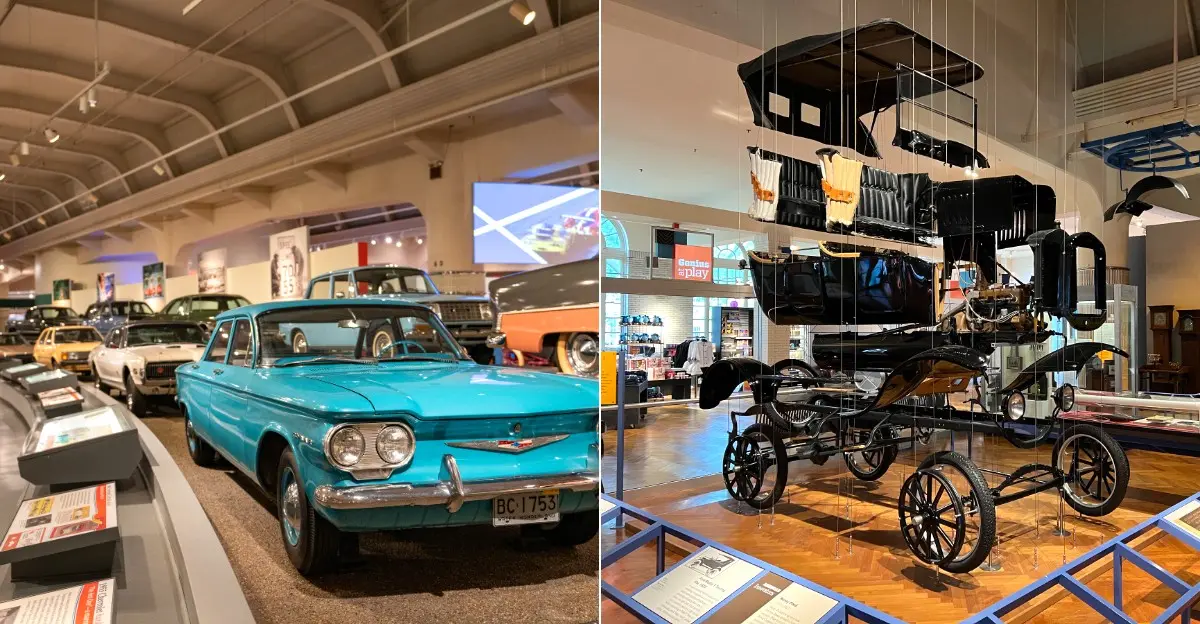
Kids can climb aboard the actual bus where Rosa Parks refused to give up her seat. That’s not a copy or a movie prop.
It’s the real bus, parked indoors and waiting for small feet.
A few steps away sits one of the most powerful steam locomotives ever built. It’s called the Allegheny, and it makes grown-ups look tiny.
Then there’s a round metal house that looks like it landed from outer space.
I like how this Michigan museum treats curiosity like a superpower. Kids don’t just look at history here.
They get to step inside it, read along with it, and build their own ideas next to it.
I can’t imagine a better place to answer the classic question of where stuff comes from. So which treasure would your kid run to first?
A Real Bus Where History Took A Brave Seat
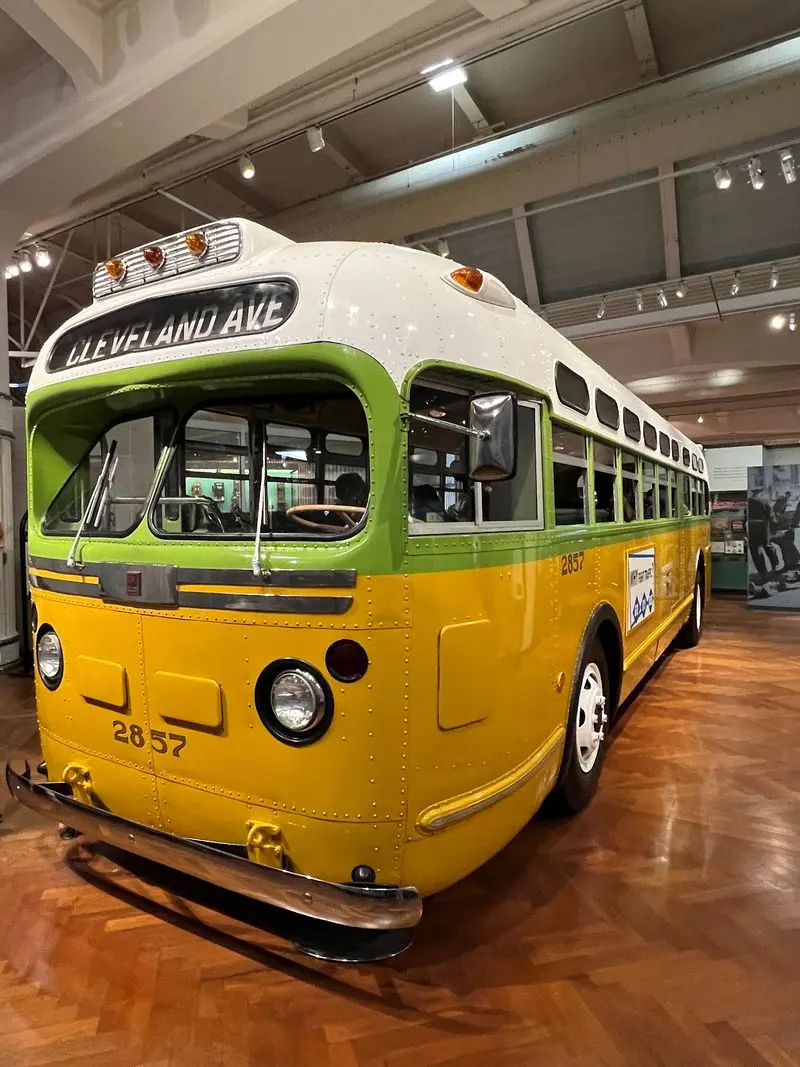
Few museum moments hit harder than stepping onto the actual Rosa Parks Bus. The Henry Ford Museum of American Innovation lets visitors walk right inside it.
That turns a history lesson into something kids can touch and feel.
Most children first hear about Rosa Parks in a classroom. Here, the story suddenly has rows of seats, windows, and a real aisle.
It stops being a page in a book and becomes a place.
Encourage your kids to find a seat and just sit quietly for a moment. Ask them what courage might feel like on an ordinary bus ride.
You may be surprised by how thoughtful their answers get.
Younger kids might not grasp every detail right away. That’s okay, because the setting does a lot of the talking.
Older kids often connect it to fairness and standing up for what’s right.
One helpful tip is to read a short picture book about Rosa Parks before your trip. That way, kids recognize the bus the second they spot it.
Recognition sparks excitement, and excitement sparks questions.
Expect this stop to become a family conversation that lasts all the way home. Few souvenirs beat that.
Get Ready To Feel Tiny Next To A Monster Locomotive
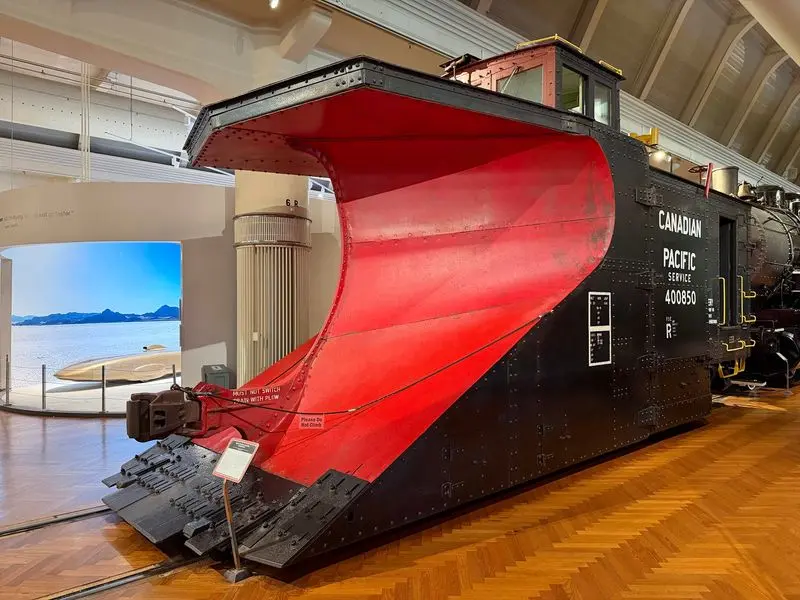
Size alone sells the Allegheny to every kid who sees it. It ranks among the most powerful steam locomotives ever built.
Standing next to its wheels, even tall dads suddenly look like action figures.
Trains already have a magnetic pull on young minds. Now take that love and multiply it by a machine the size of a building.
Good luck pulling your kids away quickly.
Steam engines like this one once hauled heavy loads across mountains. That’s a great moment to explain how fire, water, and steam worked together.
Kids love learning that boiling water could move something this enormous.
Bring a phone or camera for this one. A photo of your child beside the giant wheels shows scale better than any number could.
It also makes a fun before-and-after picture on future visits as they grow.
The museum also displays other locomotives and railroad pieces nearby. Let kids compare them and guess which one was strongest.
Friendly debates count as learning too.
Little train fans may want to return here more than once during the day. Plan for that, and build your route around a second look.
Car-Crazy Kids Will Want To Stay In Driving America All Day
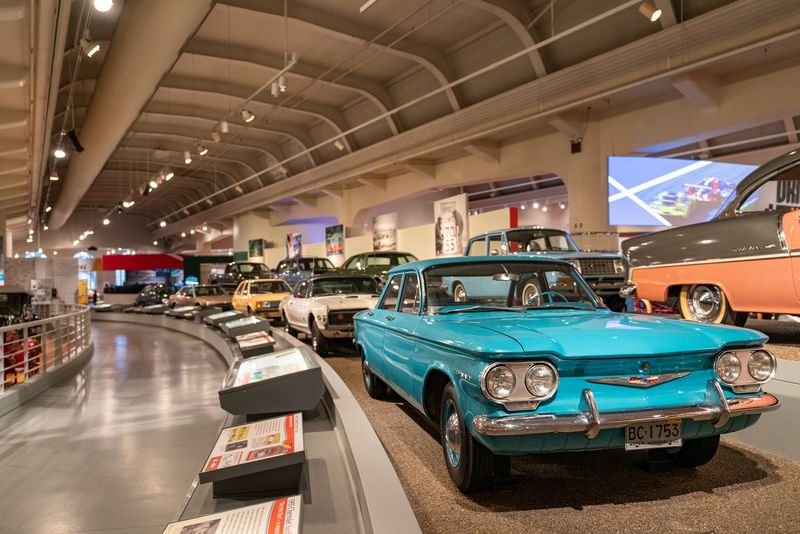
Welcome to the part of the museum where the wheels never stop spinning, at least in kids’ imaginations. The Driving America exhibit tells the story of how Americans got moving.
It covers everything from early horseless buggies to modern rides.
Henry Ford’s very first automobile, the Ford Quadricycle, lives at the museum too. It looks more like a bicycle that dreamed big than a car.
Kids usually find that hilarious, and honestly, they have a point.
Presidential cars are another big draw for curious minds. The limousine linked to President John F.
Kennedy is part of the collection. Older kids often recognize it from history class.
Here’s a smart way to keep little ones engaged. Give each child a color and let them hunt for cars painted that shade.
Suddenly, a long hallway turns into a treasure hunt.
Older kids can pick a favorite decade and compare its cars to the family minivan. Expect some laughs about seatbelts and cup holders.
Those comparisons make history feel personal.
Michigan helped put the world on wheels, so this exhibit feels right at home. Your future car designer might just get started here.
That Round Metal House Looks Like A Spaceship For A Reason
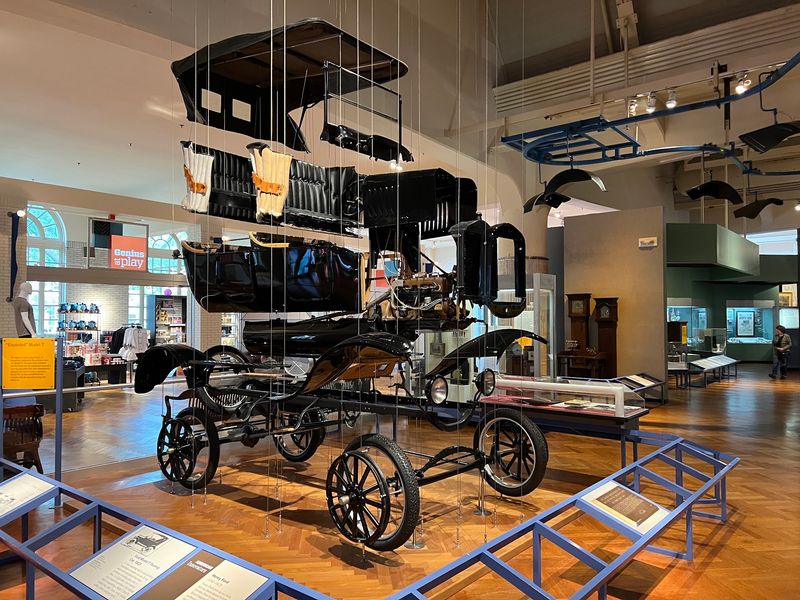
Honestly, the Dymaxion House looks like a flying saucer took a wrong turn and decided to stay. Inventor Buckminster Fuller designed this circular home.
It shows that big ideas don’t always come in square boxes.
Kids instantly ask why anyone would build a round house. That question is the perfect doorway into design thinking.
Fuller wanted homes that were efficient and could be made in factories.
Visitors can explore the house and see how the space works. Rooms curve around the center in a way that surprises most first-timers.
It’s like living inside a giant, shiny cupcake tin.
Use this stop to spark some creative play. Ask your kids what shape their dream house would be.
Triangles, domes, and even upside-down houses are all fair game.
Sketch pads come in handy here. A quick drawing of a future home makes a great keepsake from the day.
Some kids end up designing houses for their pets too.
Many adults leave this exhibit just as amazed as their children. It proves that weird ideas deserve a chance.
That’s a lesson worth taking home along with your snack wrappers.
Wings, Wheels, And A Famous Flyer Overhead
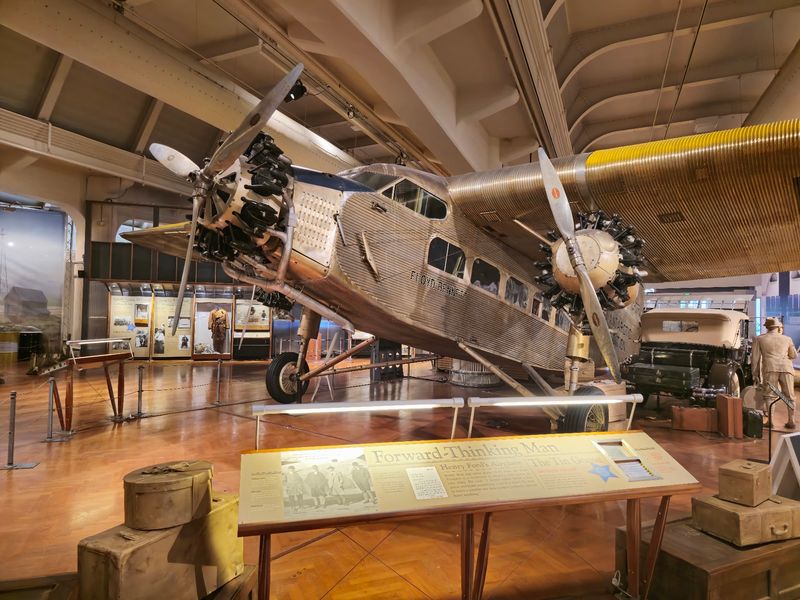
Flight fans, look up. The museum displays a recreated 1903 Wright Flyer, the kind of plane that kicked off powered flight.
It’s made of wood, fabric, and plenty of daring.
Kids often expect airplanes to look like giant jets. Seeing this fragile-looking machine flips that idea upside down.
It’s hard to believe people trusted something so light to lift off the ground.
The aviation area also features other historic aircraft. Each one shows how quickly people improved on the first wobbly attempts.
It’s a fun timeline you can actually walk under.
Here’s a family challenge for the drive home. Make paper airplanes and test which design flies farthest.
The Wright brothers experimented the same way, just with much higher stakes.
Ask kids what they would invent if they could fly anywhere. Some will want jetpacks, and others will want flying school buses.
Every answer counts, because invention starts with imagining.
Little ones may enjoy spotting propellers and counting wings. Older kids might want to read the signs and learn the whole story.
Either way, everyone leaves with their heads a little higher in the clouds.
Little Readers Get A Story Stroll Made Just For Them
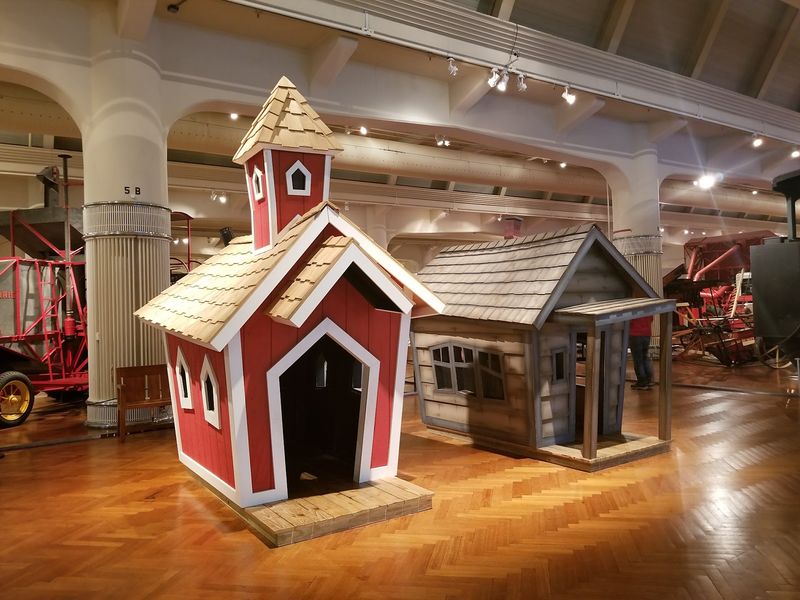
Reading and running around rarely get along, but the Story Stroll makes them best friends. This activity is designed for kids ages 3 to 8.
They follow a picture book while exploring an exhibit at their own pace.
Preschoolers usually struggle with long museum signs. Here, the story pages do the guiding instead.
Each stop gives them a reason to keep moving and keep looking.
Parents of wiggly kids will appreciate the combination. Movement keeps little bodies happy, while the book keeps little brains busy.
Everyone wins, including your patience.
A good tip is to let your child turn the pages or point to the next stop. Giving them the lead builds confidence fast.
Kids love feeling like the tour guide.
Pause now and then to ask what might happen next in the story. Prediction games boost reading skills without feeling like homework.
Nobody needs to know it’s secretly educational.
The Connections Table is another family-friendly spot worth finding. This multimedia space links the past, present, and future in a hands-on way.
Pair it with the Story Stroll for a gentle, kid-paced stretch of your visit.
A 1946 Diner Serves Floats Right In The Middle Of It All
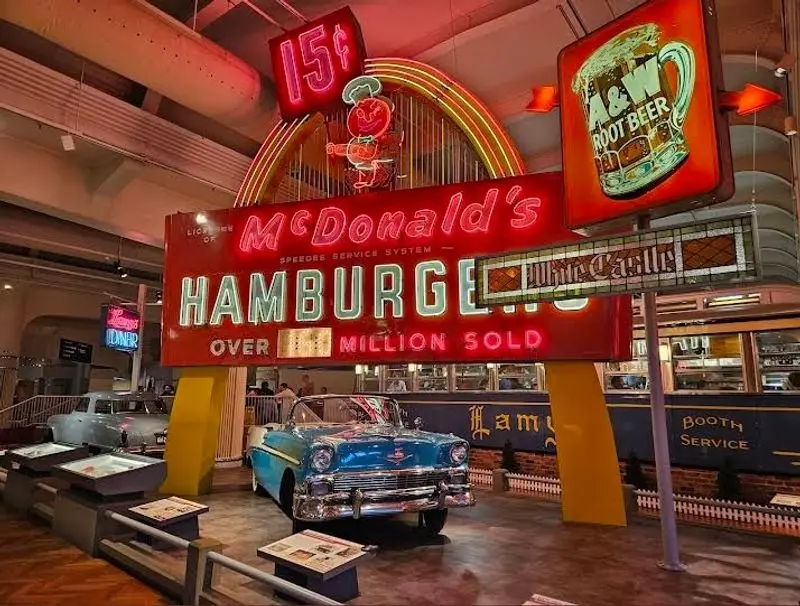
Hungry explorers get a treat that’s also an artifact. Lamy’s Diner is an authentic 1946 New England-style diner sitting right inside the museum.
Yes, you can eat lunch inside a piece of history.
The menu sticks to classic comfort food. Think chicken salad sandwiches, frappés, pies, and Faygo floats.
A kids’ menu keeps picky eaters covered too.
Faygo is a Michigan pop brand, so that float feels extra local. It’s a fun way to sneak in a little state pride.
Kids mostly care that it’s fizzy and sweet, which is fair.
Plum Market Kitchen offers another option with chef-crafted menus and kid-friendly picks. It also serves Zingerman’s coffee and pastries for tired grown-ups.
During warmer months, there’s an outdoor patio too.
Plum Market Kitchen doesn’t require museum admission, which is handy for quick meetups. Lamy’s sits centrally, so it makes a natural halfway break.
Use it to recharge before tackling the second half.
Timing lunch a little early or late can help your day flow better. Hungry kids rarely enjoy history lessons.
A full belly turns grumpy explorers back into eager ones.
Plan Smart So The Fun Lasts From Opening To Closing
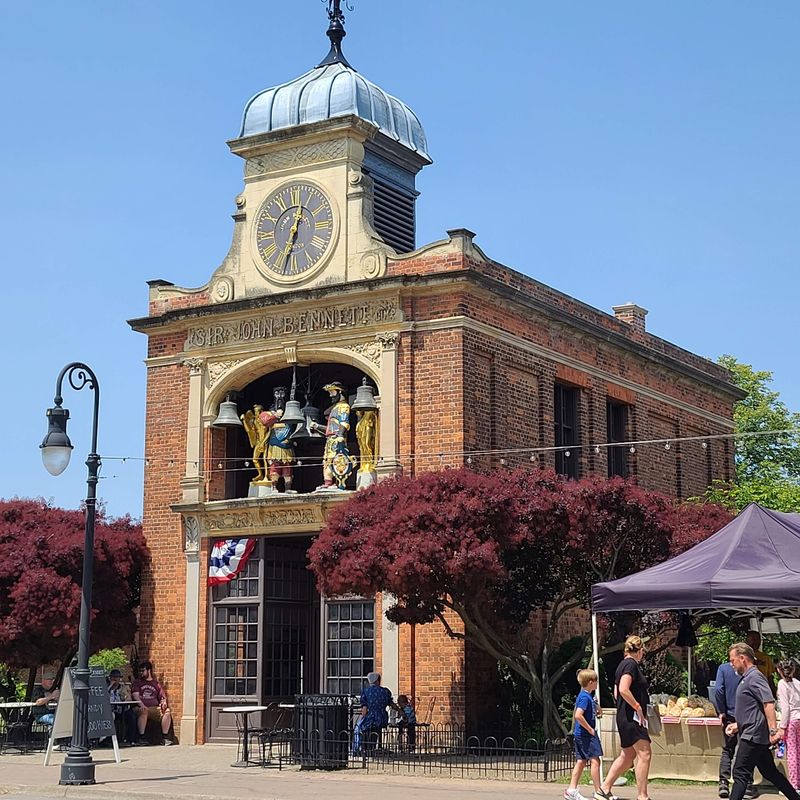
A little planning goes a long way at a museum this big. The Henry Ford Museum of American Innovation sits at 20900 Oakwood Blvd, Dearborn, MI 48124.
It’s open daily from 9:30 a.m. to 5 p.m.
Arriving near opening gives families the most time to explore. Kids have more energy in the morning, so hit the biggest exhibits first.
Save quieter areas for the afternoon slowdown.
Parking is available in the West Lot off Oakwood Boulevard and the East Lot off Village Road. A parking fee applies per vehicle.
Members get free parking, which helps families planning repeat trips.
The museum is wheelchair accessible, which makes stroller days easier too. Pack a refillable water bottle and some comfy shoes.
Little legs cover a lot of ground here.
Pick three must-see stops before you arrive. Let each child choose one, then add one surprise.
That way nobody feels left out, and you avoid hallway meltdowns.
The museum is part of a larger campus called The Henry Ford. Greenfield Village, the Ford Rouge Factory Tour, and the Giant Screen Experience share the grounds.
Many families save those for another day.
LEGO Rockets And Birthday Exhibits Keep Things Fresh
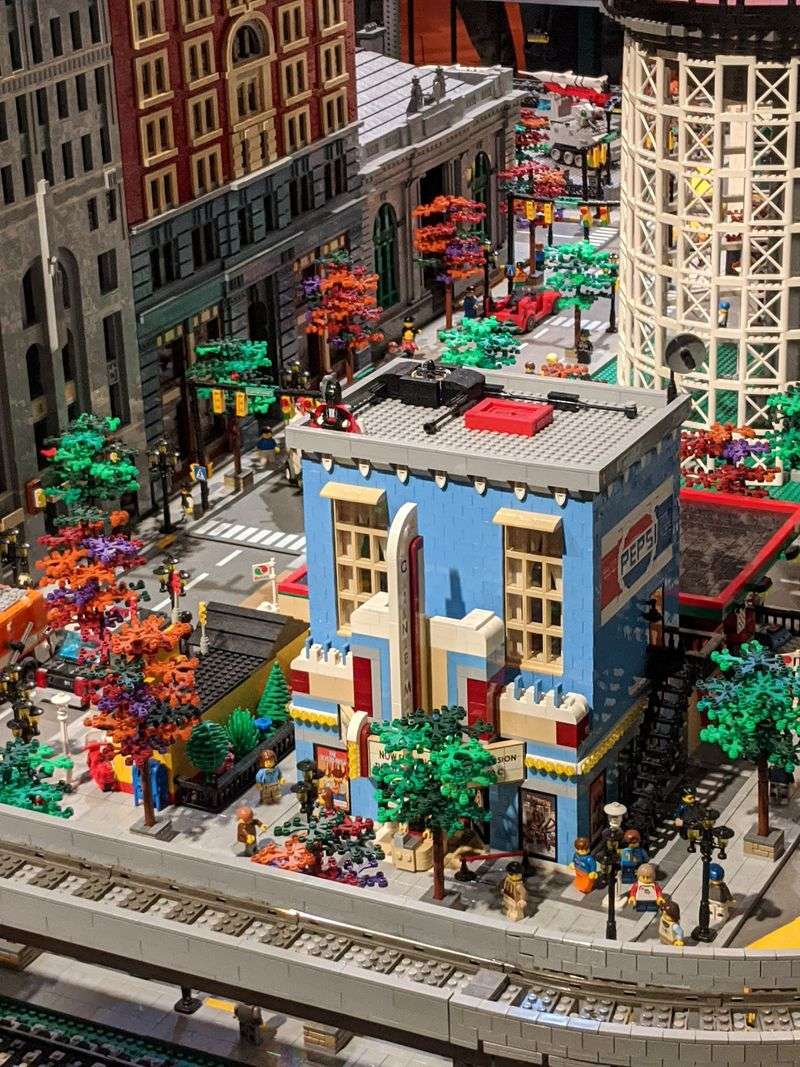
LEGO fans, mark your calendars right now. Artemis Adventure with LEGO Bricks runs from October 18, 2026, to January 3, 2027.
It features LEGO sculptures and hands-on engineering stations tied to space exploration.
Kids who build rockets on the living room floor will feel right at home. Now they get to test ideas next to real engineering challenges.
That’s a serious upgrade from dodging stray bricks barefoot.
The museum is also celebrating America’s 250th birthday. The Henry Ford’s yearlong series, America: 250 Years in the Making, brings special programming and new exhibitions.
It’s a timely reason to plan a visit.
Handmade: The Crafting of America is open through January 18, 2027. It traces how American craft changed over time.
Creative kids may leave wanting to make something with their own hands.
The 180-degree film Fueled By Passion adds another layer of wow. It shares stories of people pushing their personal limits.
The wraparound screen makes it feel like you’re part of the action.
Check the schedule before each trip to Michigan’s innovation playground. New exhibits mean no two visits feel exactly alike.
Your kids will already be asking when you’re coming back.