Eight cannons that soldiers once shoved into a river now sit back on the bluff they were built to guard. They were hauled from the muddy Roanoke River roughly a century after being dumped.
The dirt walls around them still rise and dip across the ground. Historians call the fort the best-preserved earthwork fortification east of the Mississippi River, and I believe it earns that title.
The site sits 70 feet above a bend in the river in eastern North Carolina. Soldiers dug those trenches by hand, and I can’t imagine shoveling that clay in July.
Today you can trace the old lines on foot, following numbered markers from stop to stop.
A 70-Foot Bluff Gave These Soldiers The Best Seat On The River
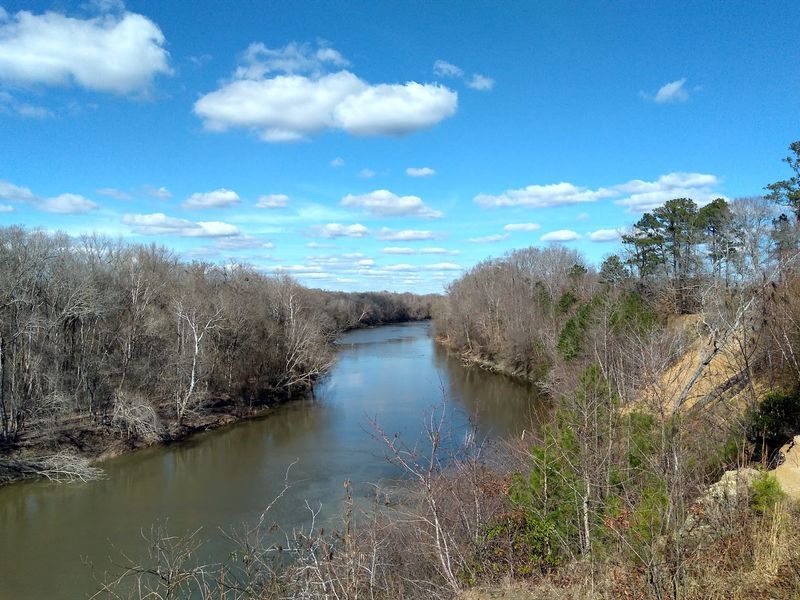
Height was the whole point. Fort Branch Confederate Earthen Fort Civil War Site perches on a bluff about 70 feet above a bend in the Roanoke River.
From up there, soldiers could spot Union gunboats long before those boats got close. A bend in the river also forced boats to slow down, which made them easier targets.
The fort sits in Martin County, roughly two to three miles southeast of the small town of Hamilton. The setting feels rural and quiet, with trees crowding the edges of the high ground.
I like how the land itself tells the story here. You don’t need a big visitor center to understand why someone picked this spot.
Stand near the edge and look down at the water. The drop is steep enough to make you respect anyone who had to haul supplies up from below.
Eastern North Carolina is mostly flat, so a bluff like this really stands out. That rare bump in the landscape turned a riverbank into a lookout tower made of earth.
Bring sturdy shoes and bug spray before heading out. The ground is natural and uneven, and river country means insects love to join the tour.
Those Dirt Walls Have Held Their Shape For More Than 160 Years
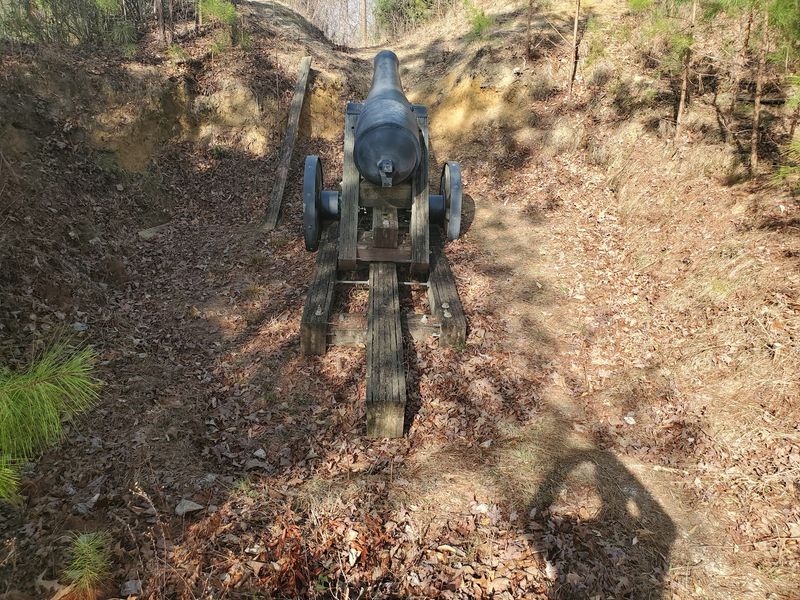
Dirt sounds fragile, yet these walls refuse to quit. The earthworks here are recognized as the best-preserved earthwork fortification east of the Mississippi River.
Soldiers built the first version of the fort in 1862. Work picked up again between mid and late 1864, when the defenses were improved and strengthened.
Earthen forts worked well for a simple reason. Packed soil soaks up cannon fire much better than brick or stone, which can crack and shatter.
Today, grass and trees soften the lines, but the shapes are still easy to follow. You can see where walls rise, where trenches dip, and where gun positions once faced the water.
Here’s a fun way to explore. Walk slowly along a trench and try to picture how deep it felt when freshly dug.
Kids usually get it right away, since the ground acts like a giant outdoor map. Adults may find themselves just as curious about every bump and hollow.
One rule matters a lot here. Relic hunting is strictly banned, so leave the metal detector at home and let the ground keep its secrets.
The Cannons Took A Long Swim Before Coming Home
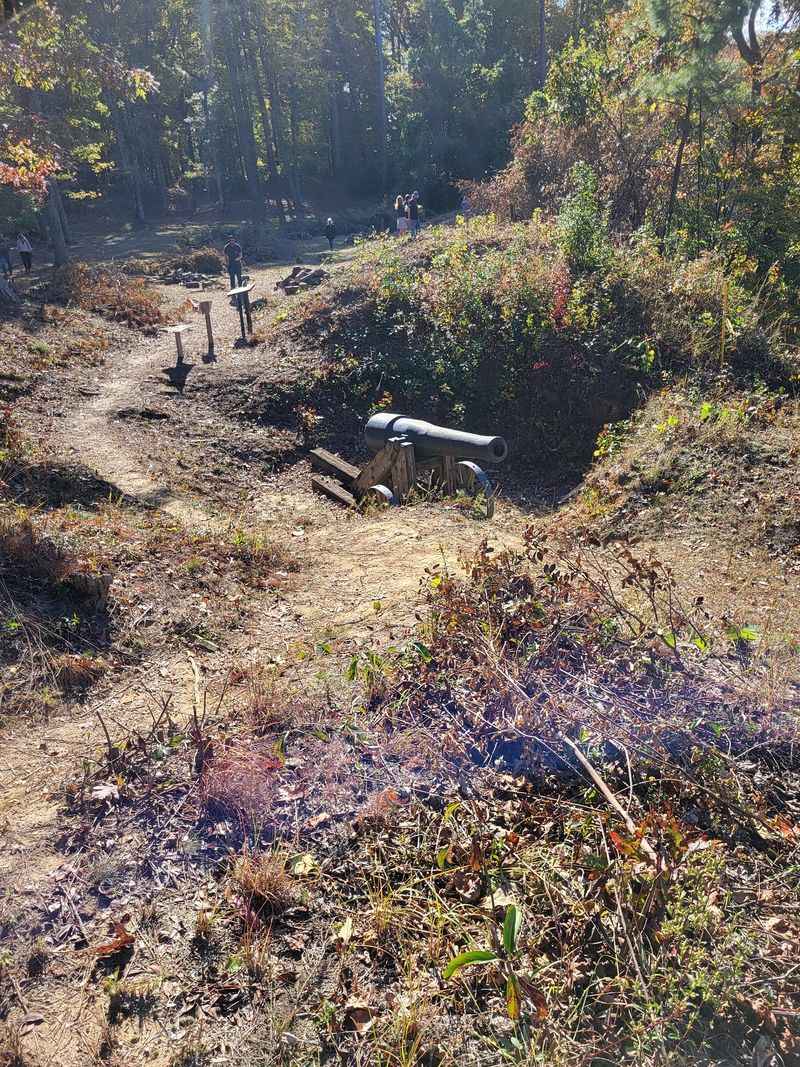
Talk about a comeback story. When the fighting ended in April 1865, soldiers leaving the fort pushed their artillery into the Roanoke River.
Those heavy guns sat underwater for more than a century. Eventually they were pulled out of the river and brought back to the site.
Eight of the fort’s original eleven or twelve cannons are now on display. That gives Fort Branch Confederate Earthen Fort Civil War Site a rare bragging right.
It’s the only earthwork fortification in the South with its original artillery in place. Most old forts show copies or guns borrowed from somewhere else.
Seeing the real thing changes how the site feels. These aren’t props, and they’ve spent time at the bottom of the very river they once watched.
Take a close look at the metal surfaces. Years in the water left their mark, and that worn texture is part of the story.
Snap a few photos, but give yourself time to simply stand there too. It’s not every day you meet a cannon that survived both a battle station and a river bath.
Twenty-Five Numbered Stops Turn The Woods Into A History Trail
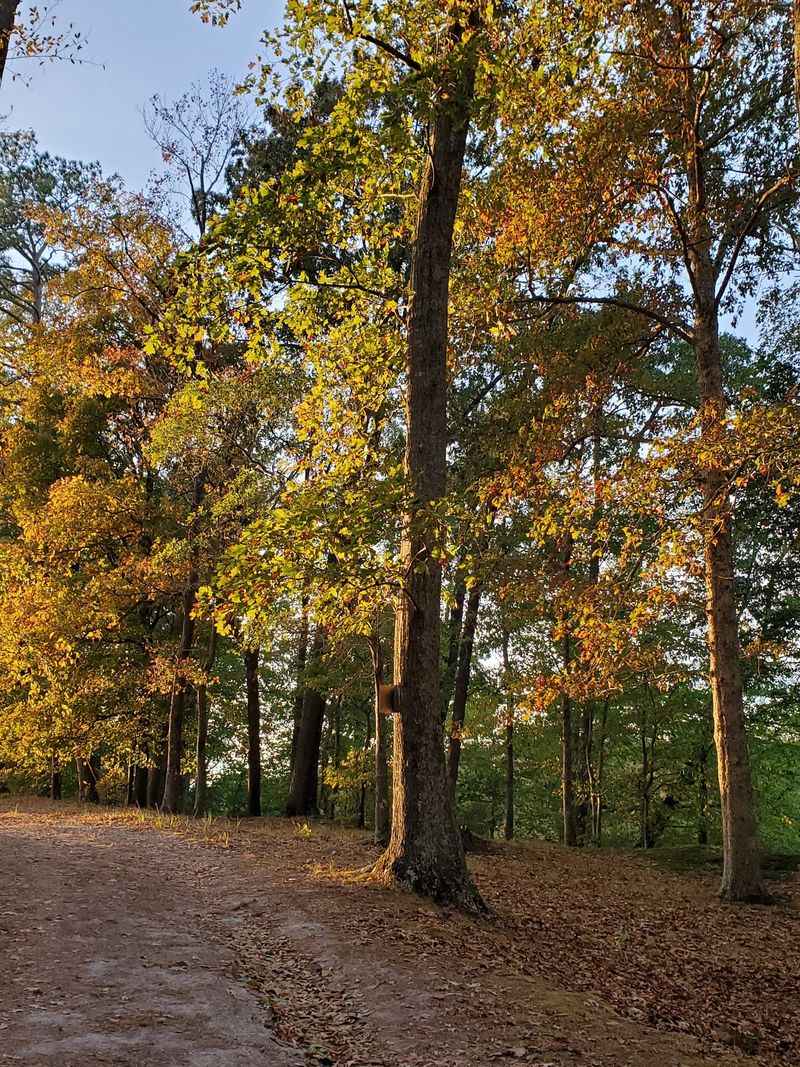
Numbers make everything easier, especially in the woods. The self-guided walking tour here includes 25 stops, each with its own numbered marker.
That setup lets you move at your own pace. Linger at the spots you love, and breeze past the ones that don’t grab you.
The trail winds past the earthworks, gun positions, and other key features. Each stop helps connect what you see on the ground to what happened there.
Families will appreciate the built-in structure. Turning the markers into a scavenger hunt keeps younger visitors moving and paying attention.
The path follows natural ground, so expect some dips and uneven footing. Sneakers or hiking shoes are a smart choice over sandals.
Pace yourself on warm days and bring water. Eastern North Carolina summers can get sticky, and shade comes and goes along the route.
I believe a self-guided tour is the best way to experience a place like this. Nobody rushes you, and the quiet lets the history do the talking.
Plan for a relaxed stroll rather than a speed run. Twenty-five stops go quicker than you’d think once curiosity kicks in.
The Museum Holds More Than Just Old Guns
Small museums often pack the biggest surprises. The Fort Branch Confederate Museum on the property houses recovered guns and artifacts tied to the fort.
That alone makes it worth a stop after the trail. Seeing objects up close helps the earthworks outside make more sense.
The collection stretches beyond the 1860s, too. Local Native American pottery and artifacts are on display, which adds a much older layer to the story.
You’ll also find items from Hoggtown, an 18th-century river community that once stood nearby. Few people have heard of it, which makes it fun to discover.
Then there’s the steam engine. A restored late 1800s engine from a vessel called The Ranger is part of the displays.
It’s a cool reminder that the Roanoke River was a busy highway long before cars existed. Boats, trade, and river life shaped this whole region.
Give yourself some time indoors instead of just glancing around. The details on labels and objects reward anyone willing to slow down and read.
History fans with wide interests will feel right at home. You get centuries of river stories under one modest roof.
Winter Quarters And Rebuilt Gun Spots Fill In The Missing Pieces
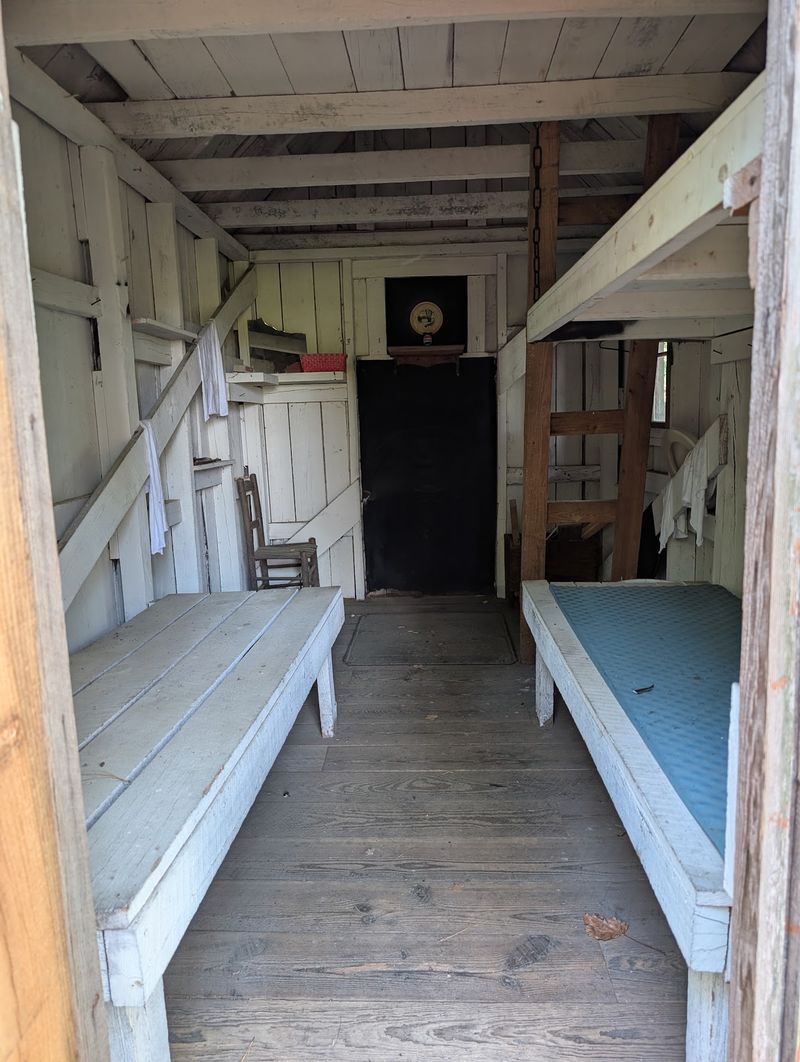
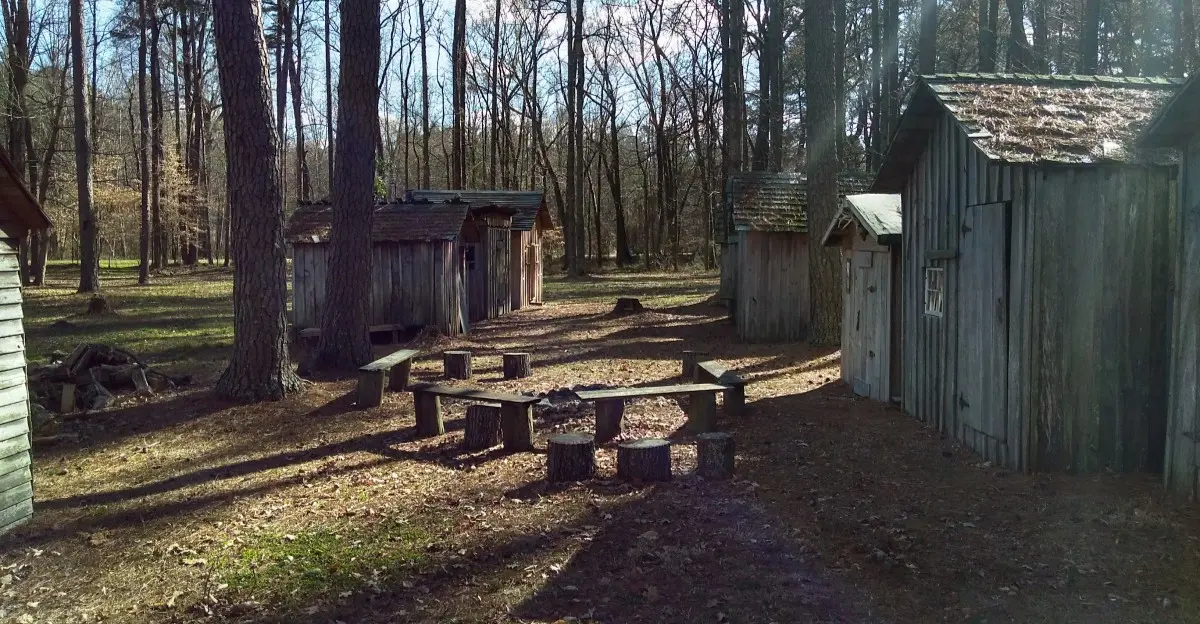
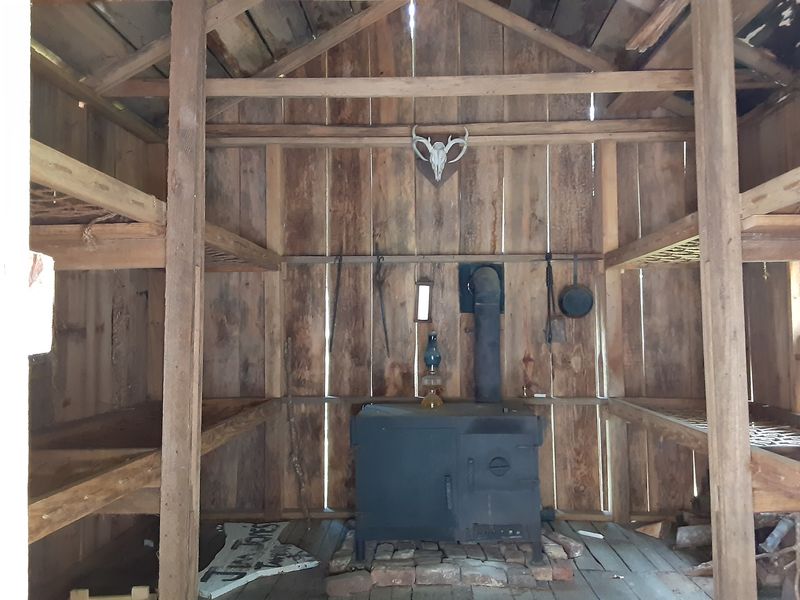
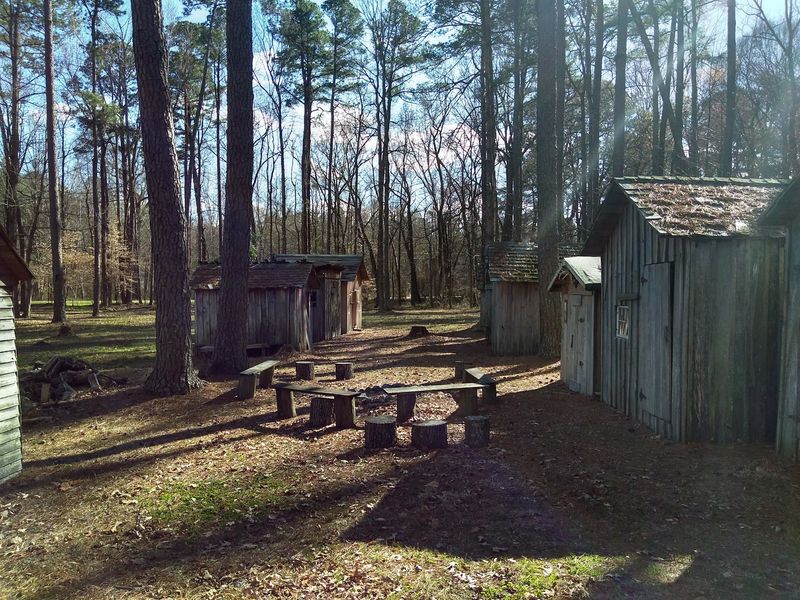
Soldiers needed somewhere to sleep when the weather turned cold. A replica of winter quarters for the troops stands on the grounds today.
It gives you a sense of how cramped and simple camp life could be. Suddenly, the fort feels like a place where real people lived for months.
Nearby, rebuilt gun emplacements show how cannons were positioned for action. Seeing a rebuilt spot next to the original earthworks helps your brain fill in the blanks.
Without these, it can be hard to picture a working fort among quiet trees. With them, the scene clicks into focus.
An 1850s farmhouse on the property is also undergoing restoration. That means the site keeps changing, and repeat visits may reveal something new.
I like that the Fort Branch Historical Society keeps investing in these projects. Hands-on work like this keeps a privately owned site alive and growing.
Take a peek inside the quarters if you can. Then compare it to your own bedroom, and you may never complain about a small closet again.
Little touches like these turn a dirt fort into a full story.
An Ironclad And A Railroad Bridge Explain Why Anyone Built Here
Railroads were lifelines in the 1860s. Fort Branch was built to help protect the important railway bridge over the Roanoke River at Weldon.
That bridge served as a vital supply link for the Confederacy. Lose it, and moving food and equipment would get much harder.
The fort had another job, too. It guarded the nearby construction site of the ironclad ram C.S.S.Albemarle at Edward’s Ferry.
An ironclad being built in a cornfield region sounds unlikely. Yet that’s exactly why a strong lookout on the river mattered so much.
The Union tried several times to take the position. In December 1864, a joint army and navy effort aimed to destroy the fort but did not succeed.
Surprisingly, the fort never saw major direct fighting. Its high ground and steady presence seem to have done much of the work.
The story wrapped up in April 1865, the day after General Lee’s surrender. Soldiers left, blew up the powder magazine, and sent the cannons into the river.
Fort Branch Site joined the National Register of Historic Places in 1973. That listing helped secure its place in North Carolina history.
November Brings Cannon Fire, Cavalry, And A Whole Lot Of Wool

Smoke, hoofbeats, and a cannon boom make for one memorable weekend. The site hosts an annual battle re-enactment on the first weekend in November.
Events include a Living History Program, military encampments, and battle demonstrations. Artillery firing and cavalry appearances add plenty of drama.
The First North Carolina Volunteers, a re-enactment group, use the site as their winter headquarters. Their connection to the grounds gives the weekend a homegrown feel.
The 40th annual festival is scheduled for November 7-8, 2026. Reaching forty years is impressive for any event, especially one run by volunteers.
Admission to the re-enactment is free. Parking does carry a small fee, and it’s cash only, so stop by an ATM on the way.
Wear layers since fall mornings in the river valley can start chilly. Comfortable shoes help too, because you’ll be wandering between camps and fields.
Covering little ears during cannon fire is a smart move for young kids. The noise is part of the fun, but it really does rattle the air.
A two-day pass works well if one afternoon simply isn’t enough.
Candlelight In December And Smart Timing The Rest Of The Year
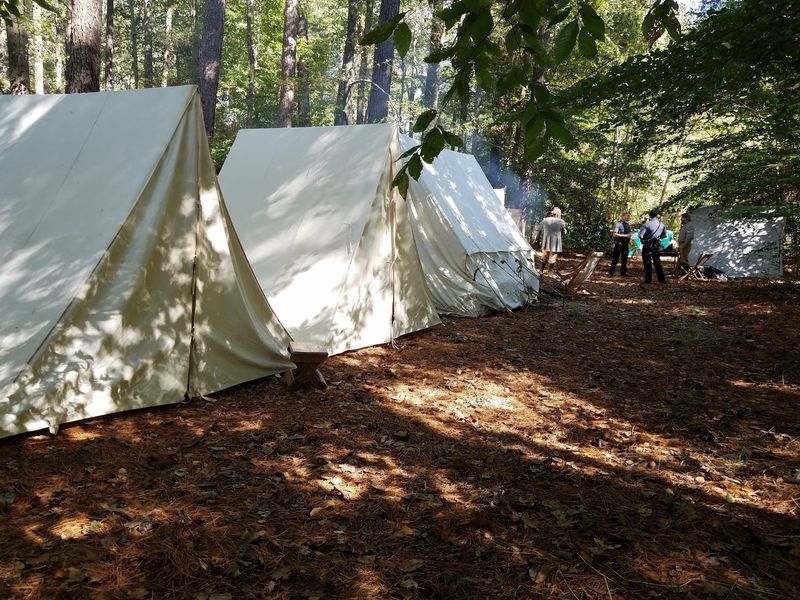
Candles glowing among old earthworks sound almost magical. An annual Civil War Christmas celebration takes place on the first Saturday in December at 7 PM.
The evening includes a candlelight tour of recreated Christmas scenes. Refreshments are part of the festivities, which makes the cold air easier to handle.
For regular visits, timing matters a lot. Fort Branch Confederate Earthen Fort Civil War Site typically opens on the last Saturday of each month from April through October.
Afternoon hours are the norm, but schedules can shift. Check the official schedule before driving out, since gate signs haven’t always matched current hours.
The address is 2883 Fort Branch Rd, Oak City, NC 27857. Expect a scenic country drive through rural North Carolina to reach it.
A springtime Living History Program often appears on the yearly calendar, too. That gives you another reason to visit before the summer heat arrives.
Pack water, snacks, and bug spray for any trip. Services are limited out here, so a little planning keeps the day relaxed.
Whatever season you choose, those trenches will be waiting. They’ve had plenty of practice.