Your phone will probably lose its signal here, and that might be the best gift this forest gives your family. Visitors keep pointing out that there’s simply no service for miles.
That silence pairs perfectly with the sky overhead. This stretch of Western Maryland woods carries an official dark sky designation, so the stars get to show off without much competition from city glow.
I love the idea of kids lying on a blanket and spotting more stars than they knew existed. I believe a night like that sticks with a child much longer than any screen ever could.
There are also windy overlooks, trout streams, and roomy primitive campsites waiting nearby. So the real question is simple: how late is your crew willing to stay up?
Maryland’s Big Backyard Lives Up In the Western Mountains
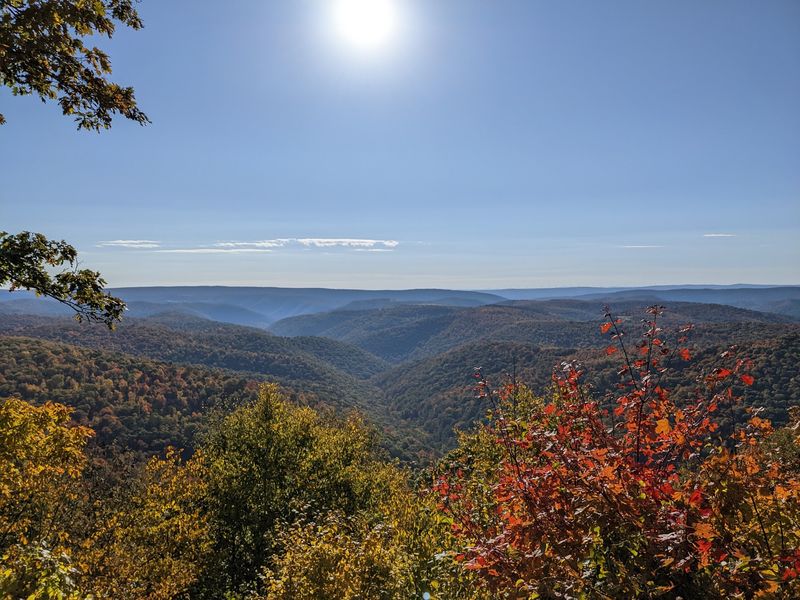
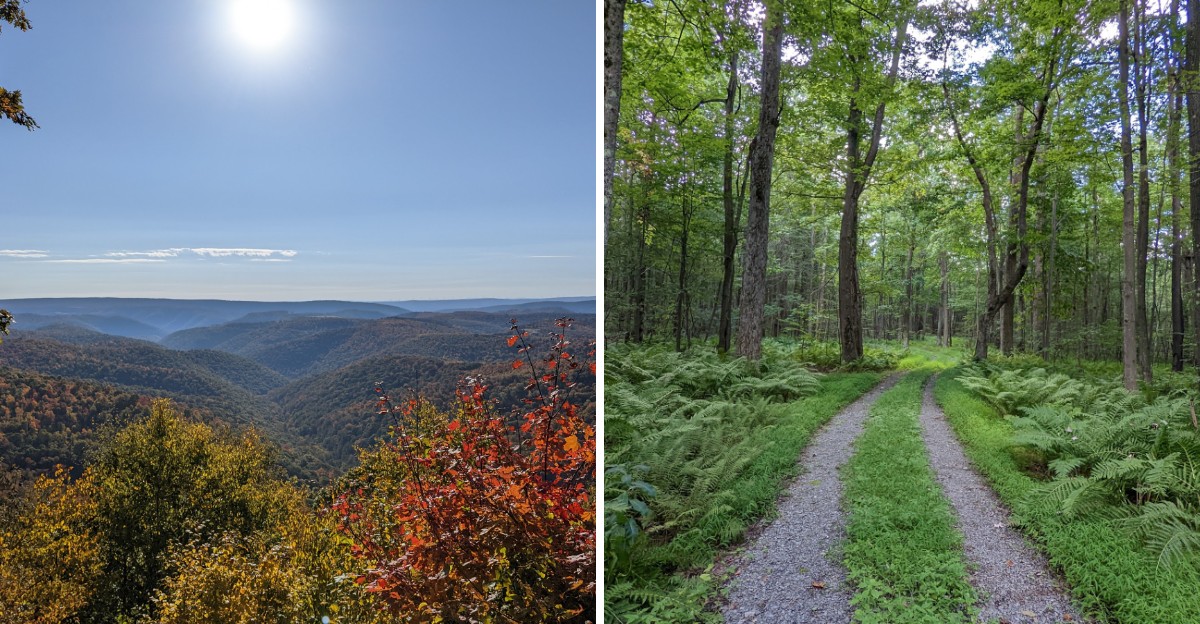
Savage River State Forest sprawls across the mountains of Western Maryland, and it feels wonderfully far from traffic. Its headquarters sits near Grantsville, making that small town a handy anchor for your trip.
The forest is a public state forest managed by Maryland’s Department of Natural Resources. That means trails, campsites, river access, and wide-open sky, all in one rugged package.
Families come for hiking, camping, boating, and fishing. Trails here also welcome skiing in winter and off-road vehicles on designated routes.
The heart of the area includes Savage River Lake and the rushing Savage River below it. Visitors often mention the scenic drive along the river and reservoir as a highlight all by itself.
It holds a strong 4.6-star rating from more than 500 Google reviews. Words like peaceful, secluded, and wilderness pop up again and again in those comments.
For stargazing families, the location matters most after sunset. Mountain forests like this one keep artificial light low, and that sets the stage for a sky full of surprises.
Think of it as a giant outdoor classroom with a ceiling made of stars. Bring curious kids, sturdy shoes, and a willingness to unplug for a while.
Why the Night Sky Here Earned an Official Gold Star
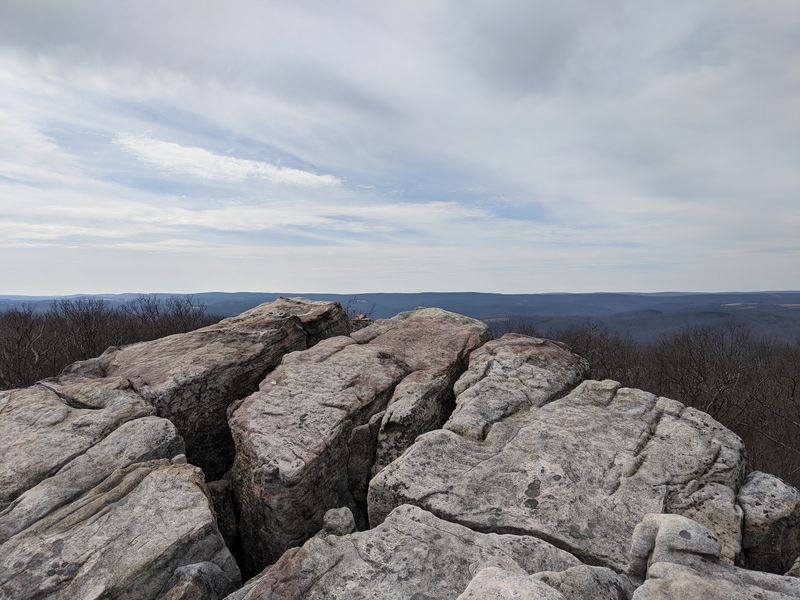
Darkness is the main attraction once the sun drops behind the ridges. Savage River State Forest holds an International Dark Sky Park designation, a recognition given to places that protect naturally dark night skies.
That label isn’t handed out casually. It rewards places where light pollution stays low and the night sky remains a real resource worth protecting.
For your family, the payoff is easy to understand. On clear nights, far more stars can appear here than over a typical suburban backyard.
Kids who usually spot a handful of stars might suddenly need to count in the hundreds. Good luck getting anyone to go to bed early after that.
Stargazing works best with a little planning. Check the weather and moon phase before driving out, since a bright moon or cloudy sky can wash out the show.
Let everyone’s eyes adjust to the dark for a while before looking up. A red-light flashlight helps you move around without spoiling that night vision.
Pack warm layers, even in summer, because mountain nights can turn chilly. A thermos of hot cocoa never hurts morale either.
An Old Colonial Road Still Hides on Big Savage Mountain
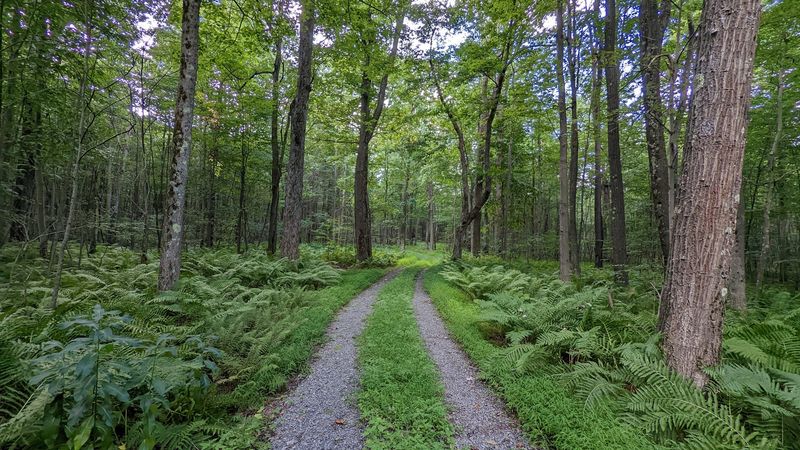
History buffs, take note. Traces of Braddock’s Road can still be found on Big Savage Mountain, near the St. John’s Overlook area.
The road dates back to 1755, long before the American Revolution. British troops built it to push through the rugged Appalachian wilderness toward the area that later became Pittsburgh.
Some famous names traveled this route over the years. George Washington and Daniel Boone both followed this eighteenth-century highway.
That turns a simple walk into a fun story for kids. They can stand on ground that early American figures once crossed by foot and wagon.
Try connecting the history to your stargazing plans. People traveling that rough road had no streetlights, so their night sky probably looked a lot like the one above the forest today.
That idea tends to spark great questions from young minds. How did travelers find their way, and what stars did they see?
It’s a neat way to blend a history lesson with a night under the stars. Nobody even has to know it counts as learning.
Bring a map and some patience, because the traces are subtle. Part of the fun comes from finding them together.
Hold On To Your Hats at These Breezy Mountain Overlooks
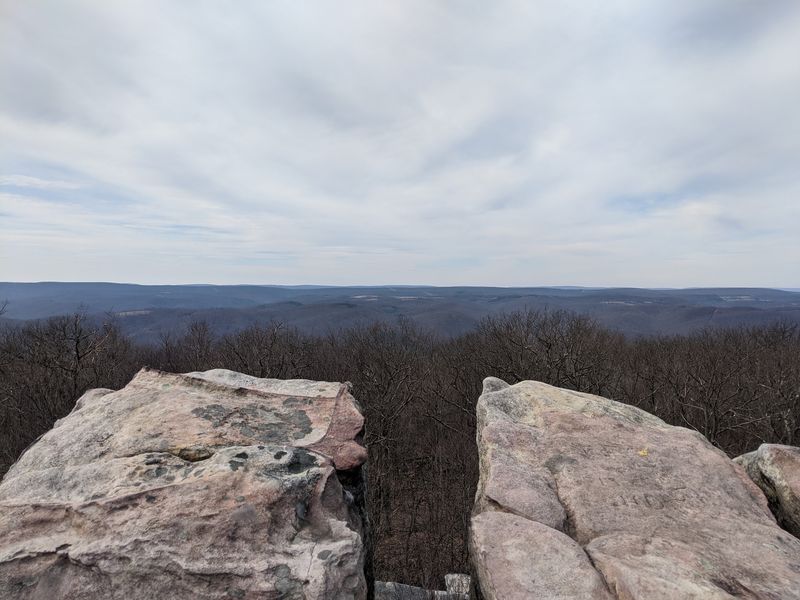
High Rock delivers a view that visitors describe as amazing. It also comes with a warning about some seriously wild wind, so keep jackets zipped.
Overlooks like this one make terrific spots for families who want wide sky views. Open horizons give you more sky to scan once darkness falls.
The Monroe Run vista overlook gets attention too. One visitor suggested it would make an awesome place to catch a sunrise.
Picture a combo outing for early risers. Watch the last stars fade, then see the morning light spill over the ridges.
Fall adds another layer of beauty to these lookouts. The forest earns praise as a gorgeous place to watch the leaves change colors.
A one-mile hike to a tower also gets warm mentions. Along the way, one visitor spotted white bee balm, red bee balm, and plenty of butterflies.
Plan overlook visits with safety in mind, especially with younger kids. Rocky edges and strong gusts call for close supervision and steady footing.
Arrive before dark so you know the layout. Finding your way around a new overlook is much easier while you can still see it.
Primitive Campsites Make Bedtime Under the Stars Easy
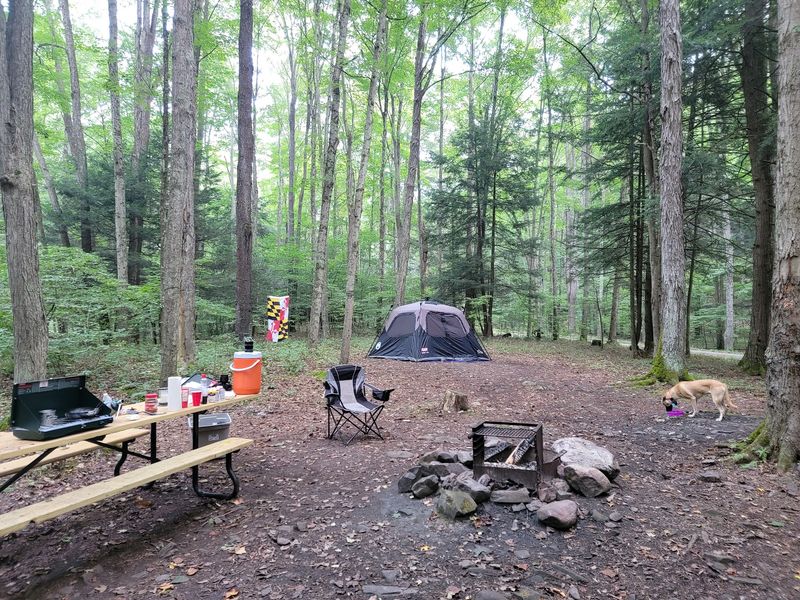
Sleeping right inside the forest solves the late-night drive problem. Savage River State Forest offers primitive campsites, many lined along Savage River Road.
Visitors describe these sites as big and well spaced. One camper also loved hearing the murmur of Big Run through the night.
Primitive means exactly what it sounds like. Most sites have no showers, though basic toilet buildings are available in some areas.
Some sites sit close to public restrooms, which helps families with little ones. Prices are described as reasonable, though fees can change, so check before you go.
Pack everything you’ll need, including water. Distances between sites and pay stations can be long, and the forest won’t have a store around the corner.
Black bears live here, so food storage matters. Keep snacks and coolers secured, and teach kids why that rule is important.
Many campsites sit near the only road, so a passing car may break the quiet now and then. Thick trees and slopes can limit views from some sites too.
For stargazing, consider a short walk to a more open spot. A clearing or overlook gives you a bigger slice of sky.
Trout Streams and Trails Keep Busy Kids Happy by Day
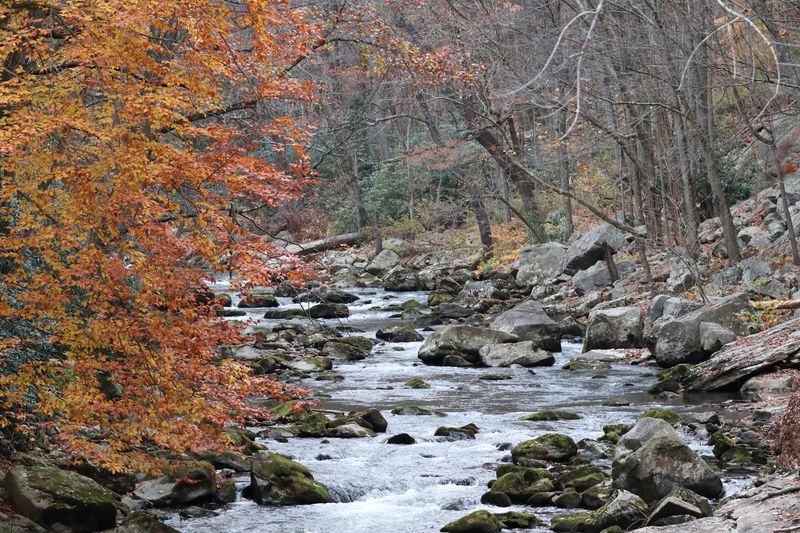
Stars come out at night, but the daytime here holds its own. Fishing ranks among the most talked-about activities in the forest.
Anglers praise the wild Appalachian brook trout fishery. Fly fishers especially treat this area as a destination worth the trip.
Not every cast pays off, of course. One visitor admitted having no luck at all, which honestly keeps things humble.
Kids who prefer splashing can explore the riverbeds. Visitors describe the water as cool and fresh, and some riverbeds are easy to reach.
Adults should keep a close eye near the water and slippery rocks. That advice comes up specifically for families visiting with children.
Hiking trails stretch through the forest in many directions. Some visitors wish trail markings were clearer, so a map and compass are smart additions.
Mountain bikers have trails to explore here as well. Whitewater stretches and the dam area also draw sightseers.
A busy day outdoors makes for sleepy kids later. That can be handy, though you may need extra cocoa to keep them awake for the stars.
Picnic areas offer a place to recharge between adventures. Pack lunch and enjoy the shade.
Plan Ahead Because Your GPS Might Take a Nap
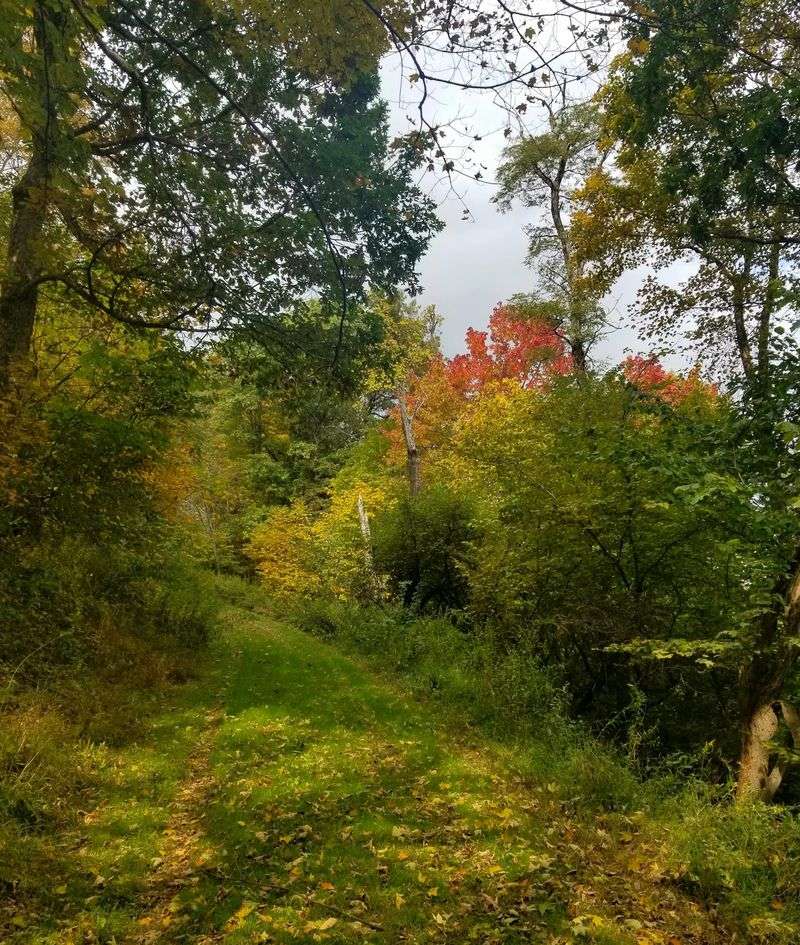
Cell service here is famously scarce. Visitors report no signal at all unless they drive back toward the interstate or climb to higher ground.
That makes printed maps and directions your best friends. One visitor felt a little nervous navigating without much GPS help.
The headquarters sits at 127 Headquarters Ln, Grantsville, MD 21536. It’s a smart first stop for maps and local guidance.
Office hours run Monday through Friday from 7 AM to 3:30 PM. The headquarters closes on Saturday and Sunday, so weekend visitors should call or check online ahead of time.
Hours can change, so confirm before you go. Grabbing information on a weekday trip can make a weekend return smoother.
Supplies are closer than you might expect. One visitor noted stores and gas stations about 10 minutes away from parts of the forest.
Bloomington, Swanton, and Westernport also have nearby stores. Still, fill your tank and pack supplies before heading deep into the woods.
Parking varies by spot. Some pullouts near the river bridge fit only a few cars, while other areas offer more room.
Leaves and falling rock can affect the roads too. Drive carefully, especially after dark.
Quiet Nights Like These Are Worth the Drive West
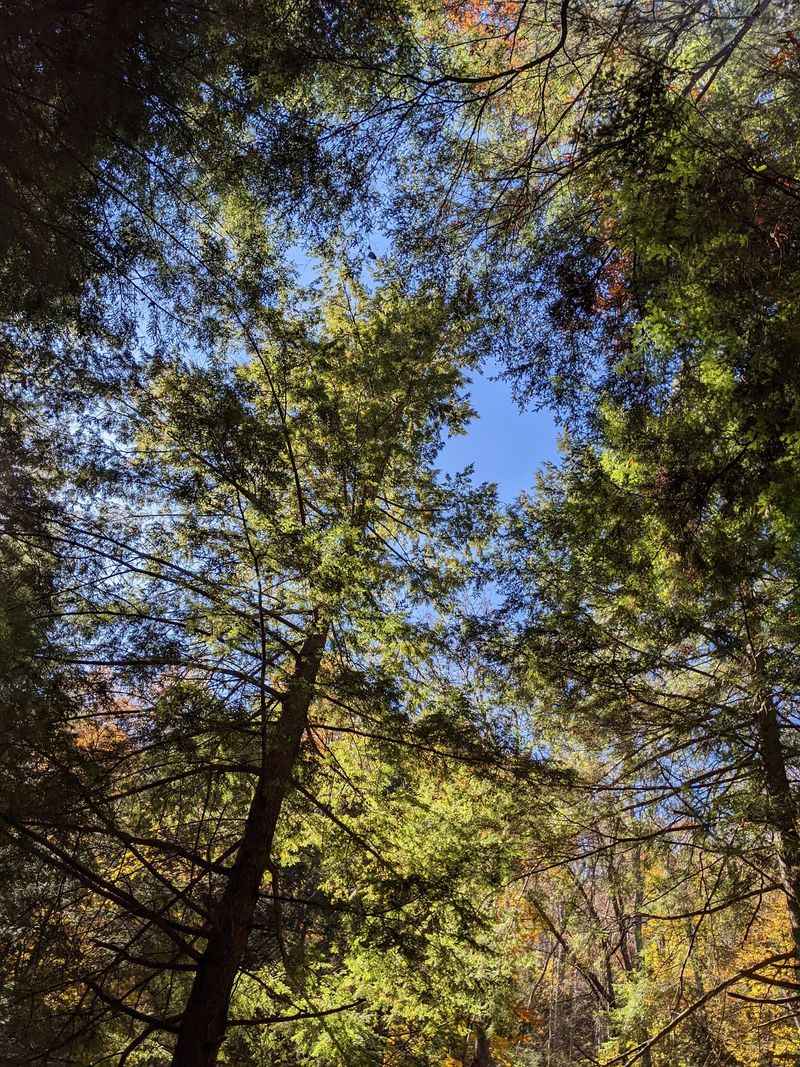
Some families chase fancy vacations, but one clear night here might beat them all. Savage River State Forest offers dark skies, fresh air, and room to breathe right inside Maryland.
The forest suits families who enjoy simple adventures. Solitude runs deep here, so the place shines brightest when you bring people you love.
Visitors describe it as peaceful, clean, and well maintained. Several praise Maryland forest managers for keeping the land wild.
One happy visitor summed it up nicely with a grill, a comfy chair, and a good book. Add a starry sky, and that list feels complete.
Kids may grumble about losing their phones at first. Then a meteor streaks overhead, and suddenly nobody remembers the signal bars.
Grandparents can enjoy the overlooks and riverside views at an easy pace. Older kids can tackle trails, fishing, and late-night star counts.
I can’t imagine a better way to show children how big the universe really feels. A dark Maryland mountain sky handles that lesson beautifully.
So pack the blankets and the bug spray. The stars at Savage River State Forest have been waiting patiently for your crew.