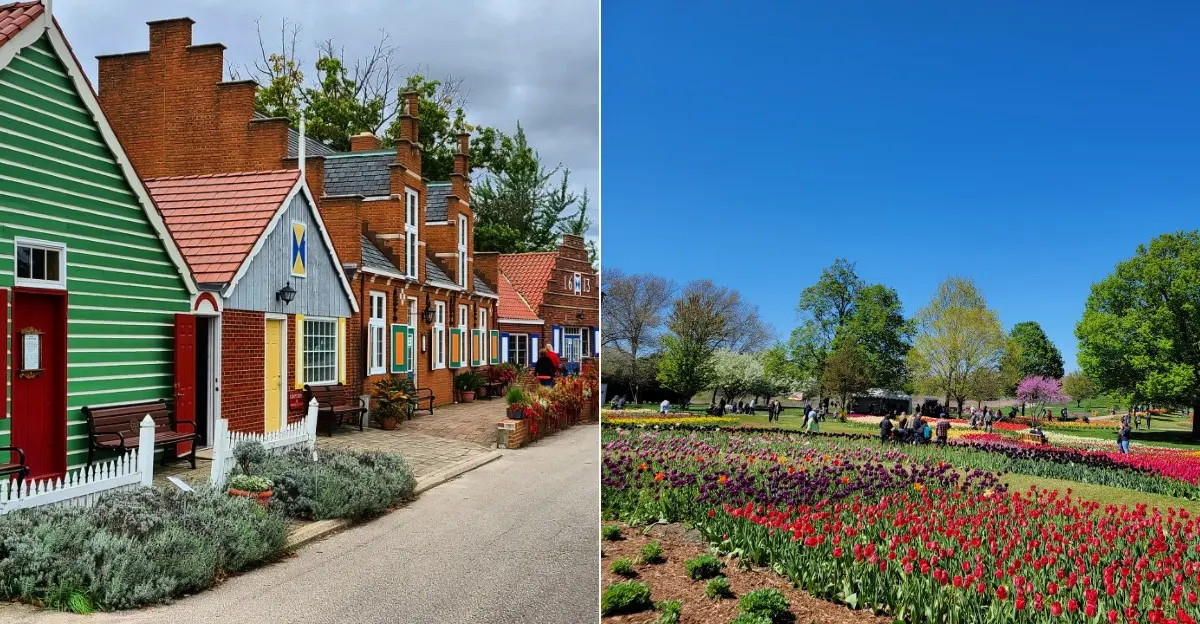
A real Dutch windmill from 1761 still grinds grain into flour here. It crossed an ocean in pieces and got rebuilt in 1964.
That alone would win me over. Then I learned the sidewalks downtown melt their own snow in winter.
I can’t imagine a cozier trick for a Michigan January.
Every spring, millions of tulips pop up across town. Dancers clomp through the streets in wooden shoes, and nobody thinks it’s strange.
I like how this place treats its heritage as something to celebrate, not something to dust off. It feels like a tiny slice of the Netherlands that wandered west and decided to stay.
So how does a Midwest town end up this delightfully Dutch?
The Dutch Roots Run Deeper Than You’d Guess
Holland, Michigan didn’t just borrow a theme from a travel brochure. Dutch settlers founded the city in 1847, led by Dr. Albertus C.
Van Raalte.
They came looking for religious freedom and a fresh economic start. Lake Macatawa and the nearby Lake Michigan shore gave them water, land, and a reason to stay.
That founding story still shapes the town today. You’ll spot Dutch influence in downtown architecture, traditional treats, and a calendar packed with heritage events.
A few years later, in 1851, Hope College opened its doors. It’s maintained by the Reformed Church in America, another thread tying the city to its early settlers.
The Holland Museum is a smart first stop if you love backstory. Its exhibits include Dutch folklore, so you’ll understand the windmills and wooden shoes before you see them.
Knowing the history makes everything else click. The tulips and pastries stop feeling like decorations and start feeling like family traditions.
Here’s a tip worth remembering. Start your trip with the history, then let every Dutch detail around town feel like a reward for paying attention.
A 1761 Windmill Still Gets To Work Here
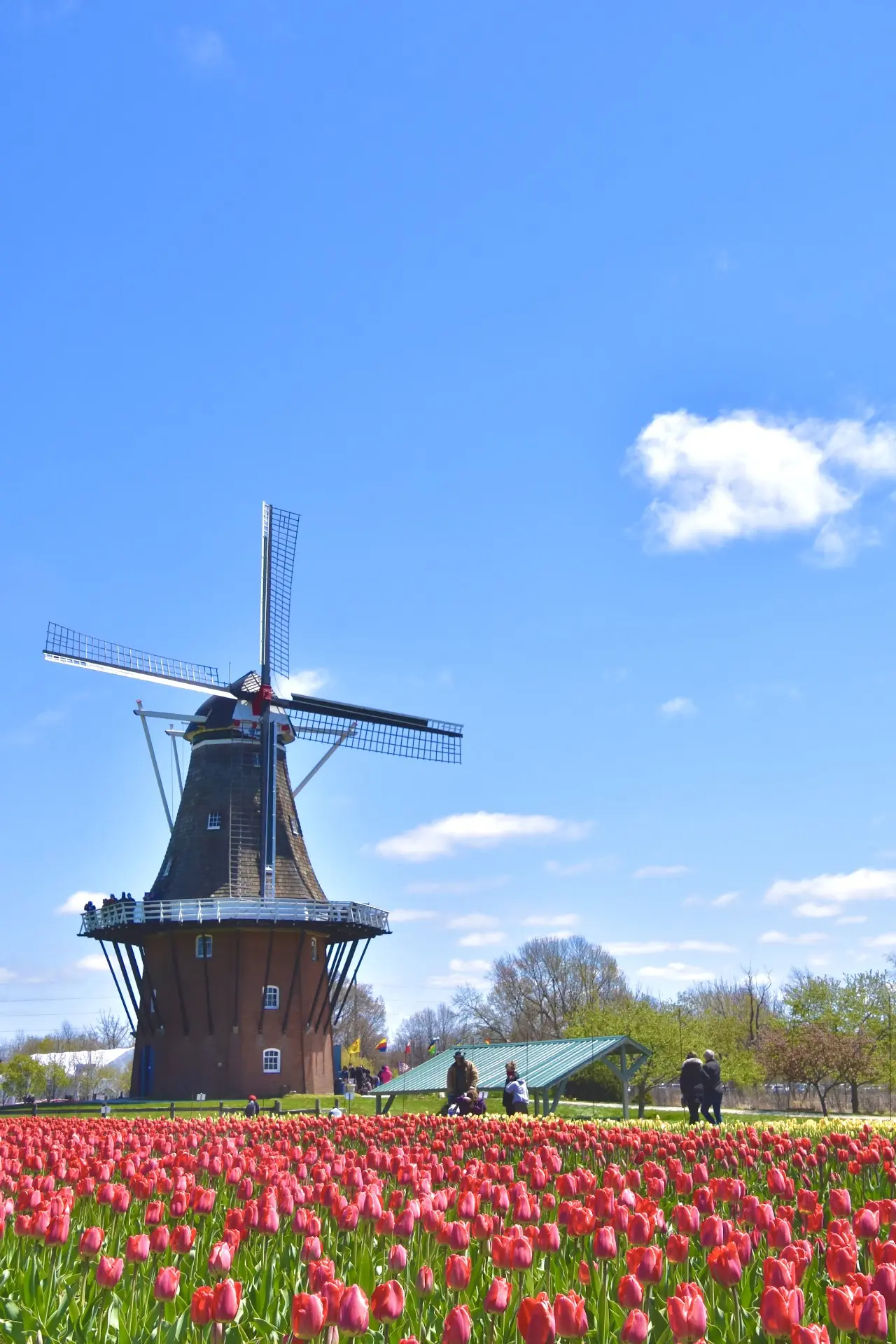
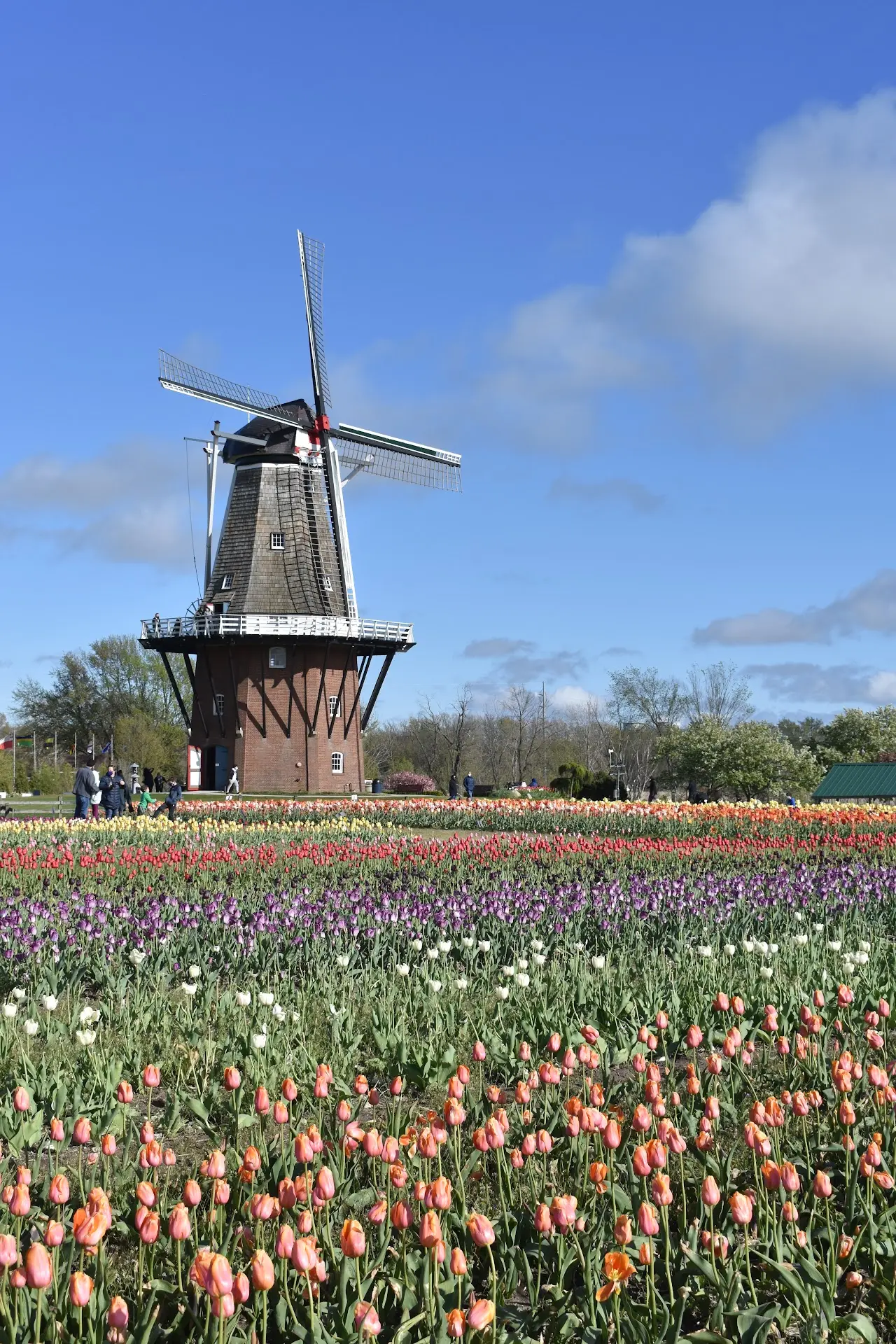
Five stories tall and more than 260 years old, DeZwaan isn’t retired. It still turns and grinds grain into flour at Windmill Island Gardens.
The name means The Swan in Dutch. The mill was built in 1761, taken apart in the village of Vinkel, and rebuilt in Holland in 1964.
Getting it wasn’t easy. The Netherlands had a ban on selling windmills abroad, so the city negotiated hard and earned a special exemption.
That effort paid off. DeZwaan is the only authentic Dutch windmill operating in the United States.
Its miller is pretty special too. Alisa Crawford is the only Dutch-certified miller in the country, which makes for one very rare job title.
The gardens around the mill cover 36 acres. You’ll find manicured flower beds, natural areas, and peaceful canals that make the whole scene feel lifted straight from Europe.
Plan your visit to 1 Lincoln Ave, Holland, MI 49423. Holland residents get free admission most of the year, though not during Tulip Time.
Bring your camera, because the swan deserves a portrait.
Millions Of Tulips Make May Feel Like A Party
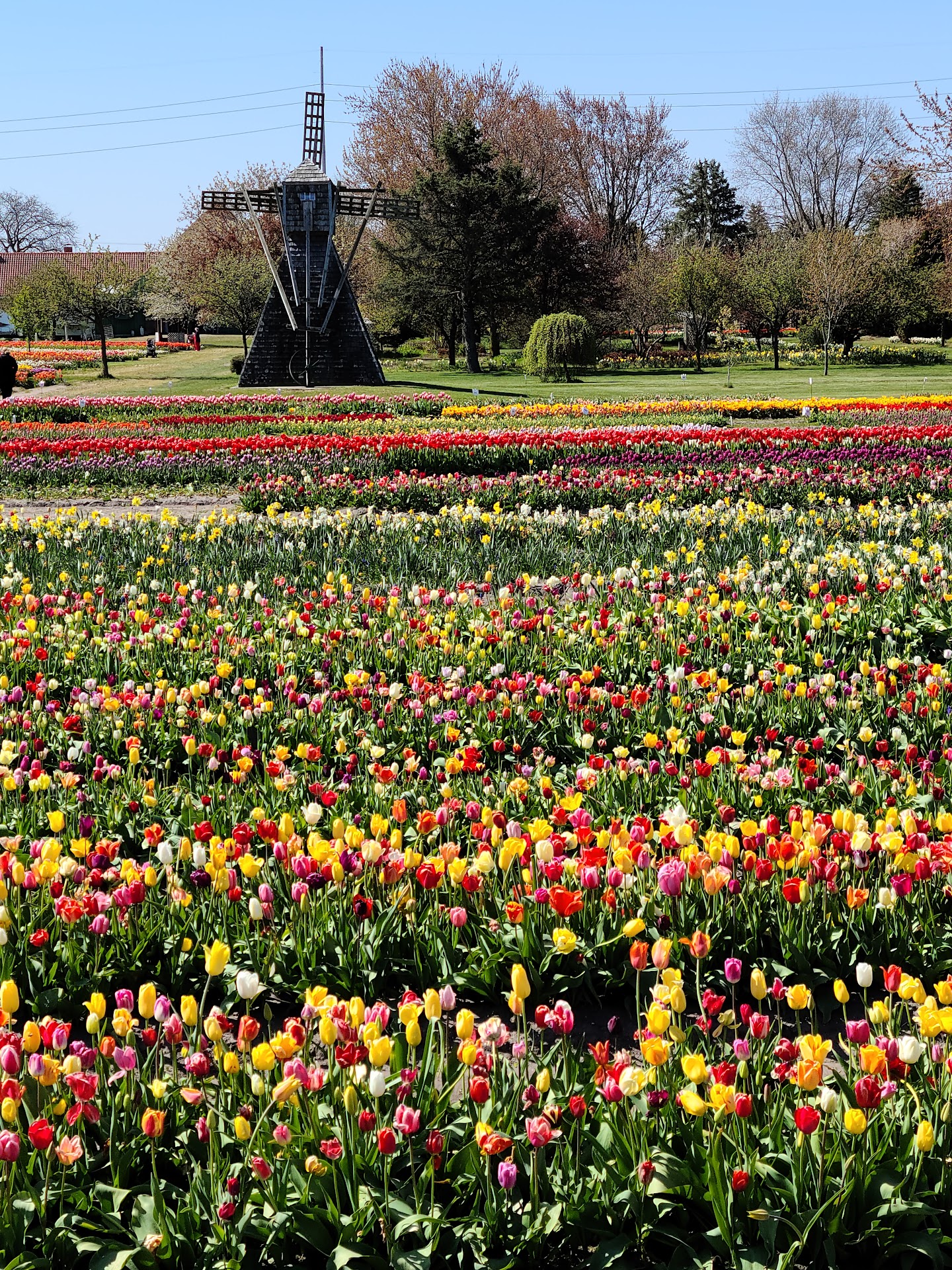
Some towns throw a spring festival. Holland throws Tulip Time, and it has done so every year since 1929.
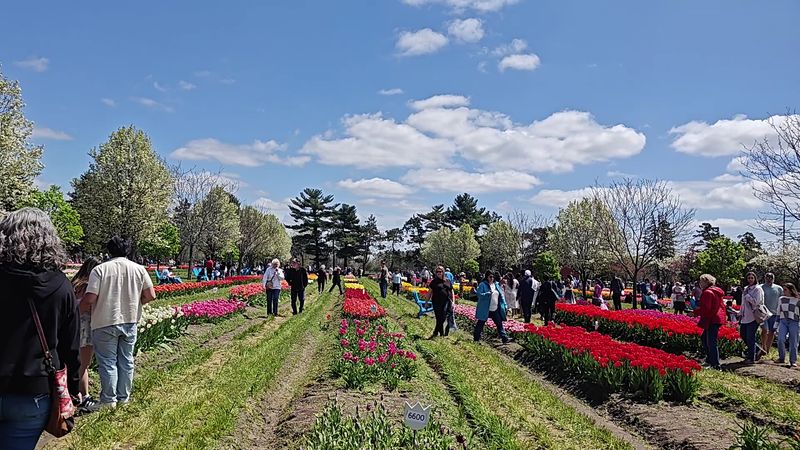
Millions of tulips bloom across the city during the celebration. Streets, parks, and yards turn into bright ribbons of red, yellow, pink, and purple.
Then come the wooden shoes. Dutch Dancers perform in traditional costume, and the clacking footwork is half the fun.
The lineup goes well beyond flowers. Expect parades, national and local entertainment, a carnival, and fireworks to close out the evenings.
Reader’s Digest even named Tulip Time the Best Small Town Festival. That’s a big title for a town this size, and it fits.
Mark your calendar early. The 2026 festival runs May 1 to 10, and the 2027 dates are April 30 to May 9.
Visitors come from around the world, so planning ahead makes sense. Book your stay well in advance, wear comfy shoes, and leave room on your phone for roughly a thousand flower photos.
Honestly, you’ll still want more.
You Can Wander Through Over 850 Kinds Of Tulips
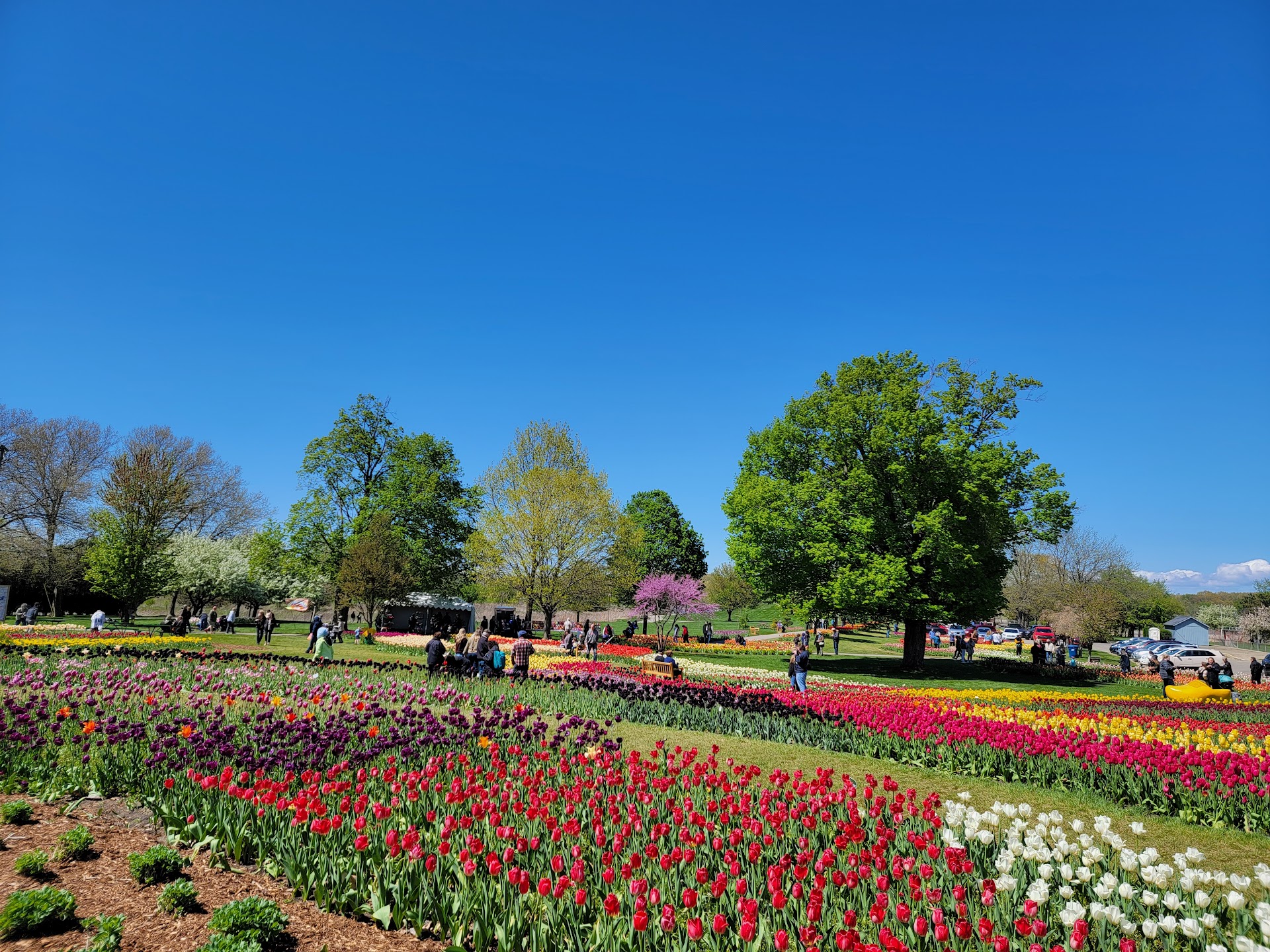
Over 5 million tulip bulbs go into the ground at Veldheer Tulip Gardens every year. That number is wild, and the fields prove it.
It all started small. Vern Veldheer began the place as a hobby farm in 1950.
Today it’s Holland’s only tulip farm and perennial garden. The collection features over 850 varieties, and some are exclusive to Veldheer’s and its Dutch growers.
Timing matters here. The gardens are usually bursting with color from late April to mid-May, and peak bloom often lands in early May.
Don’t skip the craft side of the visit. De Klomp Wooden Shoe and Delftware Factory sits right on site.
There, you can watch traditional wooden shoes being carved. You can also see Delftware being painted by hand, with those classic blue designs coming to life.
It’s a neat combo of nature and workmanship in one stop. Check bloom updates before you go, since tulips follow the weather, not your vacation schedule.
A chilly spring can push the show back a little.
Step Back Into The 1800s Without A Time Machine
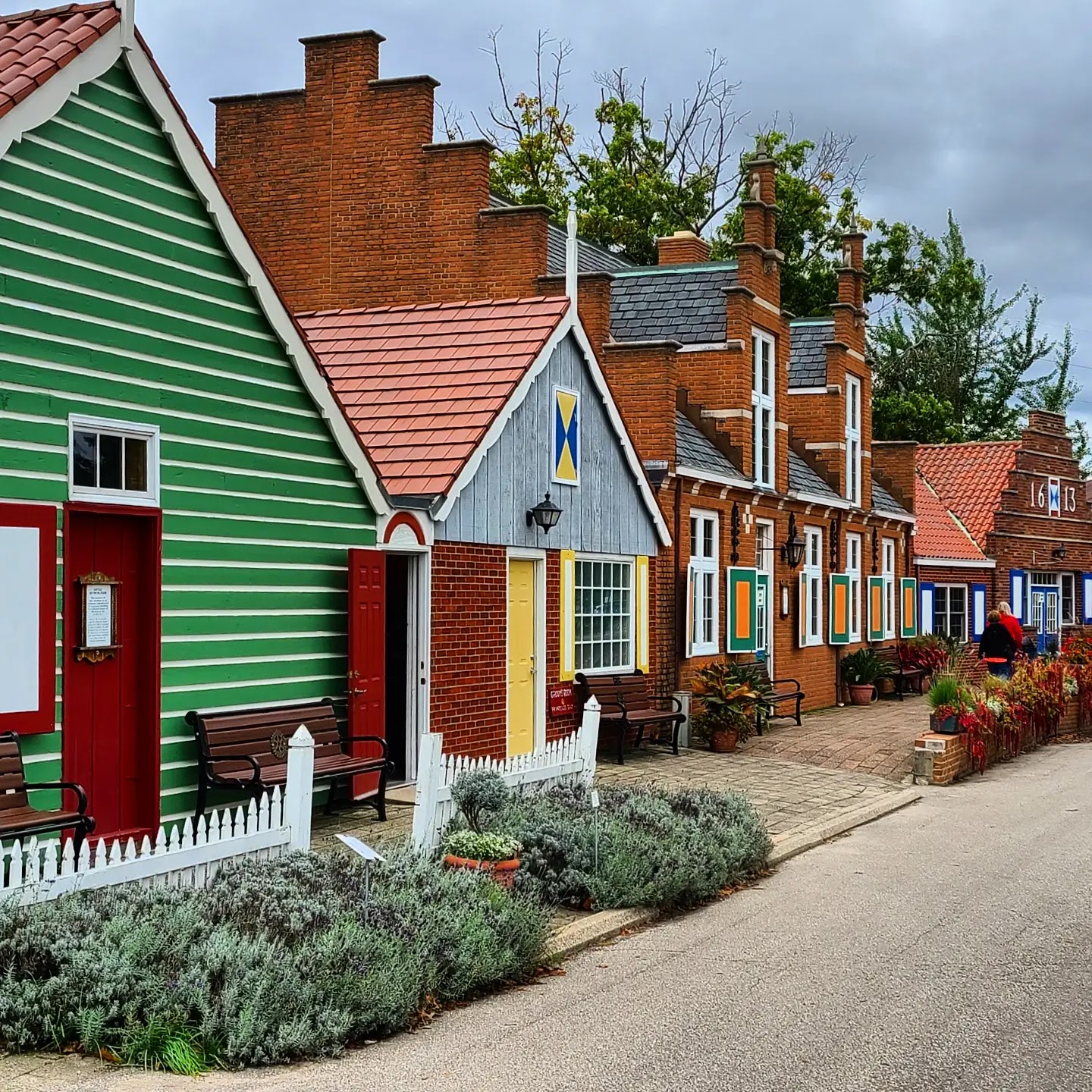
A Dutch village from the 1800s lives on the edge of Holland, Michigan. Nelis’ Dutch Village recreates one with more than 30 buildings and structures.
The family story behind it is sweet. The Nelis family left the Netherlands in 1910 and started growing tulips in Holland in the 1920s.
Those flowers eventually grew into a family-owned theme park. It still offers Dutch-themed rides, activities, shopping, and dining.
Kids especially love the hands-on parts. In a one-room schoolhouse, visitors can learn Dutch words and dress up in Dutch costumes.
Grown-ups enjoy that too, even if they pretend otherwise. Few photos beat a whole family wearing traditional hats and grinning.
It’s the kind of place where learning sneaks in through play. Nobody minds a history lesson when it comes with rides and costumes.
Give yourself a few hours to explore at an easy pace. Rushing through a village built to slow you down feels a little silly, doesn’t it?
Your Taste Buds Deserve A Dutch Vacation Too
Kroketten, metworst, and banket sound like a fun tongue twister. In Holland, they’re lunch and dessert.
The Hungry Dutchman Cafe at Nelis’ Dutch Village serves a full lineup of classics. Metworst is pork sausage with hot potato salad and sweet and sour red cabbage.
Erwtensoep is split pea soup, served with a currant roll and Dutch apple pie. Saucijzenbroodjes are pork sausage baked in pastry dough, and kroketten are deep-fried beef croquettes.
Banket deserves its own spotlight. It’s a traditional Dutch almond pastry, and it makes a great sweet finish.
Breakfast people have options too. deBoer’s Bakkerij is known for handcrafted Dutch breads, pastries, and award-winning breakfasts.
Dutch Brothers Restaurant also serves Dutch food, kroketten included. So you can compare croquettes like a serious researcher.
My advice is simple. Order something you can’t pronounce yet, then practice saying it between bites.
Food tastes better with a story attached, and these dishes carry generations of them.
The Sidewalks Here Basically Shovel Themselves
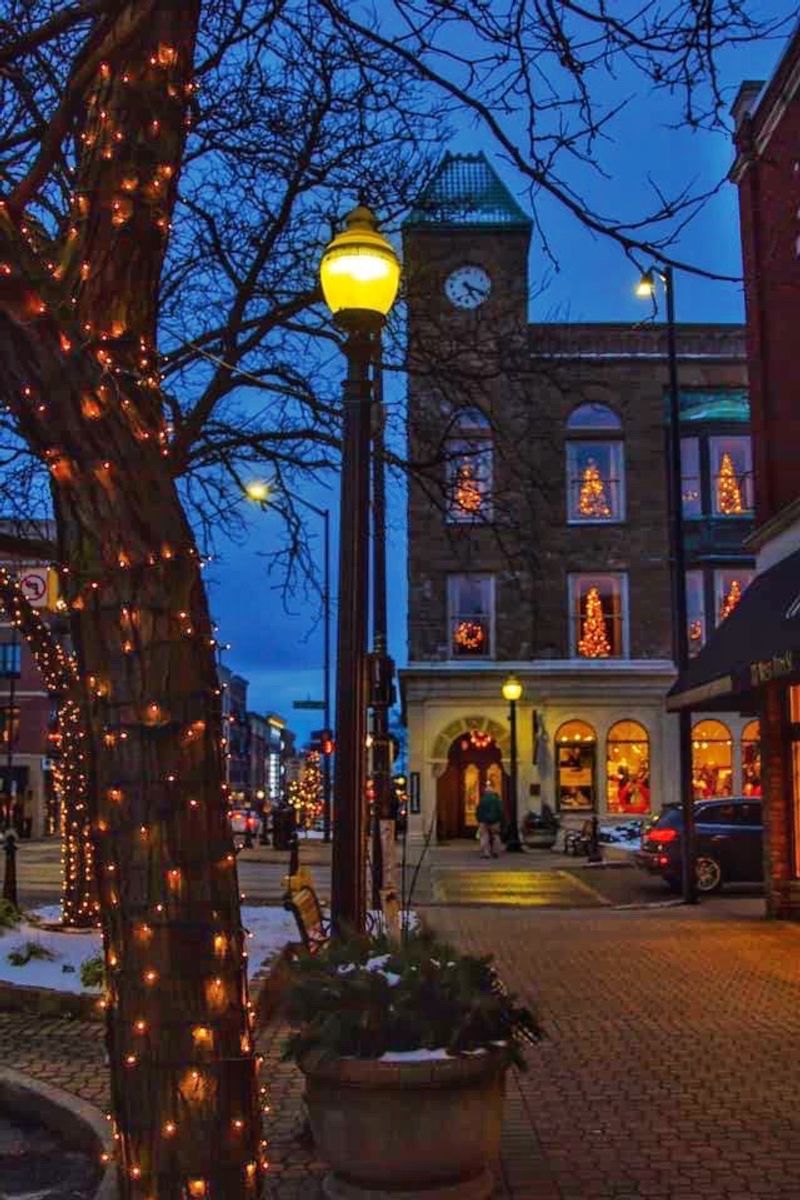
Snow piles up on the curbs while the sidewalks stay clear. That’s the magic of Downtown Holland in winter.
A snowmelt system runs beneath the sidewalks. It keeps them free of snow and ice, which is a dream in a Michigan winter.
That one feature changes how the whole season feels. Window shopping in January suddenly sounds pleasant instead of slippery.
Downtown is known for charming antique stores and local businesses. It’s a fun place to browse for something old, something handmade, or something you didn’t know you needed.
You’ll also find Nelis’ Dutch Village Downtown at 20 E 8th St. It offers a tasting of over 25 Dutch cheeses, plus personalization of wooden gifts right on site.
That cheese tasting might be the tastiest stop on the block. A custom wooden keepsake also makes a far better souvenir than another magnet.
Dress warmly, of course. The sidewalks handle the ice, but your ears are still your responsibility.
Lake Michigan Brings The Beach Day Bonus
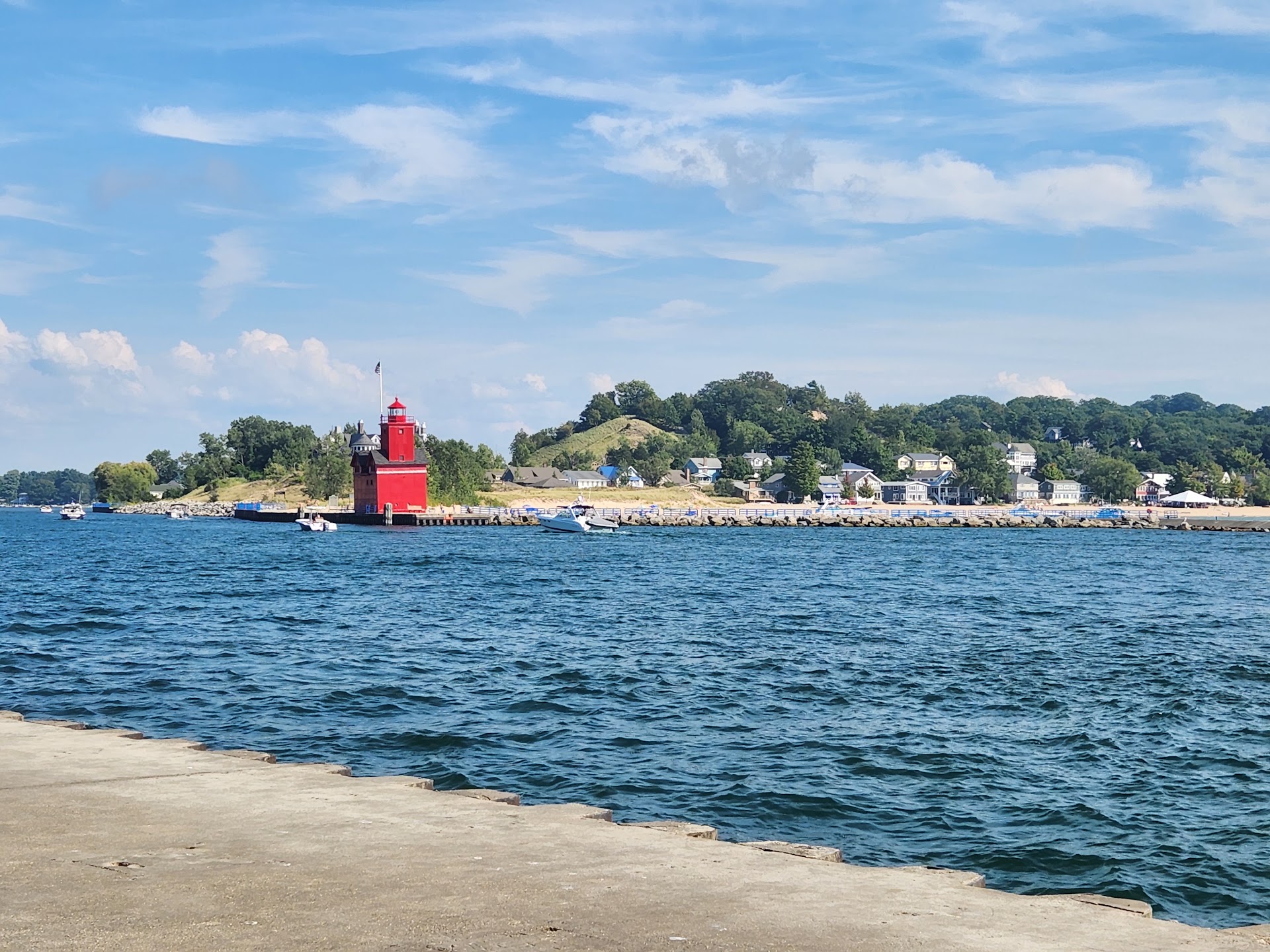
Windmills and tulips get the headlines. Still, Holland sits close to the eastern shore of Lake Michigan, and that sandy bonus is huge.
Holland State Park features beautiful sandy beaches along the big lake. The park also shelters deer and migratory birds, so nature fans get extra company.
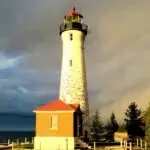
Nearby stands the Big Red Lighthouse. It guards the channel connecting Lake Macatawa to Lake Michigan, and it ranks among the most photographed spots around.
That bright red color pops against blue water and sky. Even a phone camera makes it look like a postcard.
Pair a morning of Dutch history with an afternoon on the sand. It’s a combo few small towns can match.
Sunset is a smart time to head to the shore. The light over the water makes a calm ending to a busy day of sightseeing.
Pack sunscreen, a towel, and maybe a pastry from earlier. Beach snacks are allowed to be Dutch, right?
Happy, Healthy, And Seriously Easy To Love
Second happiest and healthiest. That’s where Holland, Michigan landed in the Gallup-Healthways Well-Being Index of places to live in America.
Big magazines have noticed too. Forbes and Money have recognized Holland as one of the safest and most beautiful places in the country.
Those honors make sense once you look at the whole picture. A walkable downtown, lake access, colorful gardens, and strong traditions all add up.
I believe the real charm is how naturally everything fits together. Heritage isn’t just for show here, because it’s woven into festivals, food, and daily life.
Spring brings flowers, summer brings beaches, and winter brings those melt-ready sidewalks. Fall works too, especially for strolling and shopping without the festival rush.
That flexibility makes Holland easy to visit any time. You don’t have to wait for one perfect weekend to enjoy it.
So go ahead and plan the trip. A town this cheerful, this Dutch, and this close to the lake is hard to resist for long.
You might leave with wooden shoes.