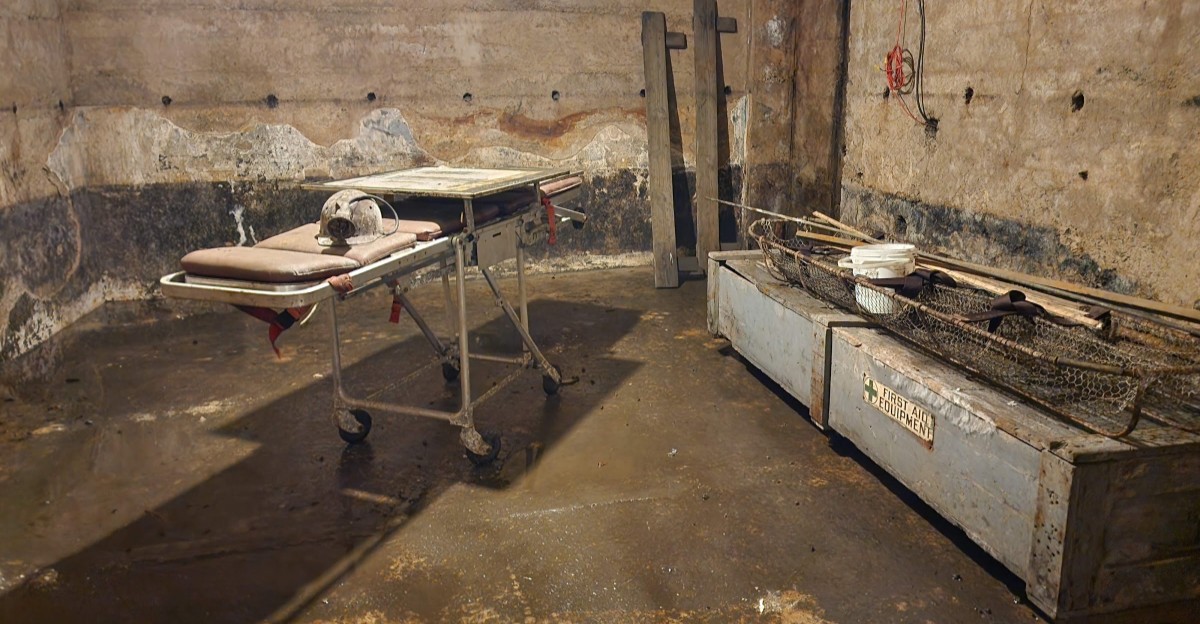
A rail car carries you 1,600 feet straight into the side of a mountain.
Then you climb out and keep exploring on foot, deep underground.
The mine stays around 50 degrees Fahrenheit year-round. Summer heat simply doesn’t follow you inside.
I love that a sweltering July afternoon can turn into jacket weather in a few minutes.
This Pennsylvania mine ran without stopping for well over a century. Today you can stand beside a shaft that drops about 700 feet.
You can also peek into a hospital carved right out of solid rock.
I can’t imagine working a full shift in that cool, damp darkness. Riding in for an hour, though?
That sounds like my kind of field trip.
So how did this place go from working mine to one of the coolest tours around?
The Ride In Starts The Story Before Anyone Says A Word
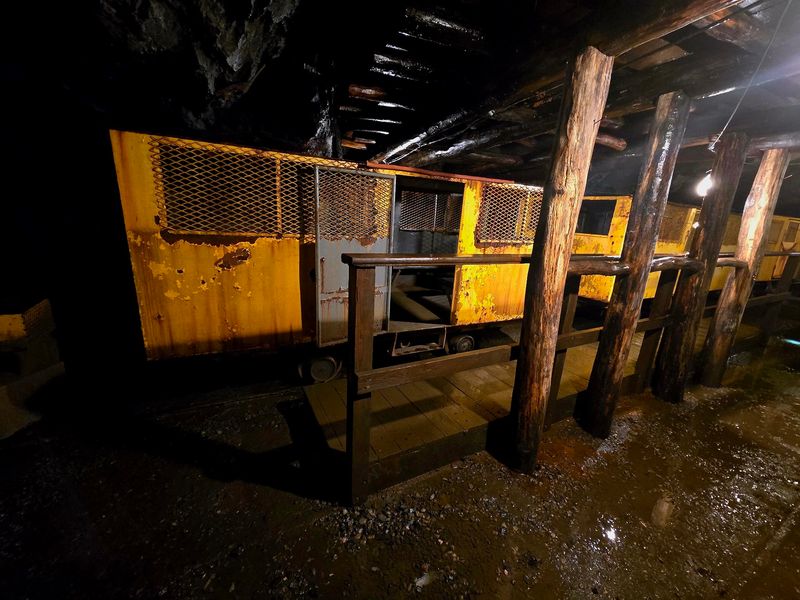
Most tours begin with a lobby speech. At No. 9 Coal Mine and Museum, the opening act is a rail car ride 1,600 feet into the mountain.
That ride is the headline for good reason. You sit in a mine car and roll along the same kind of track that once hauled coal and crews.
The trip is noisy and a little bumpy, which honestly adds to the fun. It feels less like a museum exhibit and more like clocking in for a shift.
Once the car stops, the walking part begins. A guide leads your group through about 600 feet of the mine on foot.
Tours leave hourly from 11 AM to 3 PM during the season. They run rain or shine, since the weather underground never changes much anyway.
Plan your day around those tour times so you don’t miss the ride. The museum is great, but the rail car is the moment everyone remembers.
Bring curiosity and maybe a camera with a decent low-light setting. The tunnel swallows daylight fast, and that first glance back toward the entrance is worth catching.
Pack A Jacket Even When July Is Melting Everything
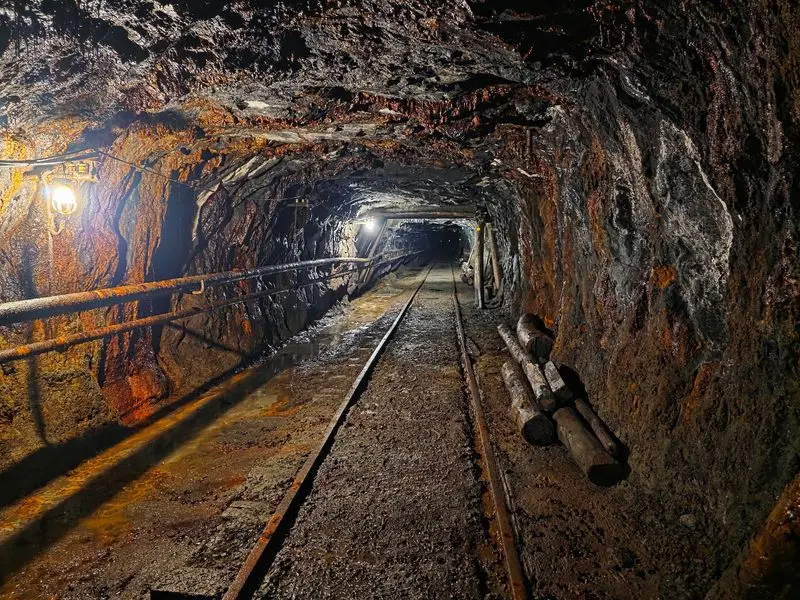
Fifty degrees. That’s the temperature inside the mine all year, whether it’s a sticky August afternoon or a crisp November day.
A light jacket is the smart move here. Your shorts-and-sandals summer outfit will feel like a bad decision about two minutes after the rail car stops.
Footwear matters just as much. The underground walking tour follows historic mine passages, so wear sturdy, closed-toe shoes.
Closed-toe shoes with good grip are your best friends down there. Save the fancy white sneakers for another day, unless you enjoy scrubbing.
The guided walking tour covers about 600 feet through the historic mine passages. You mostly need steady footing and a willingness to get shoes a bit dirty.
Hot-weather travelers can treat this stop like natural air conditioning. Few attractions in Pennsylvania cool you off while teaching you real history at the same time.
Toss a hoodie in the car before you leave home. Future you, standing in that chilly tunnel, will say thanks.
A 700-Foot Shaft Will Make Your Stomach Do A Little Flip
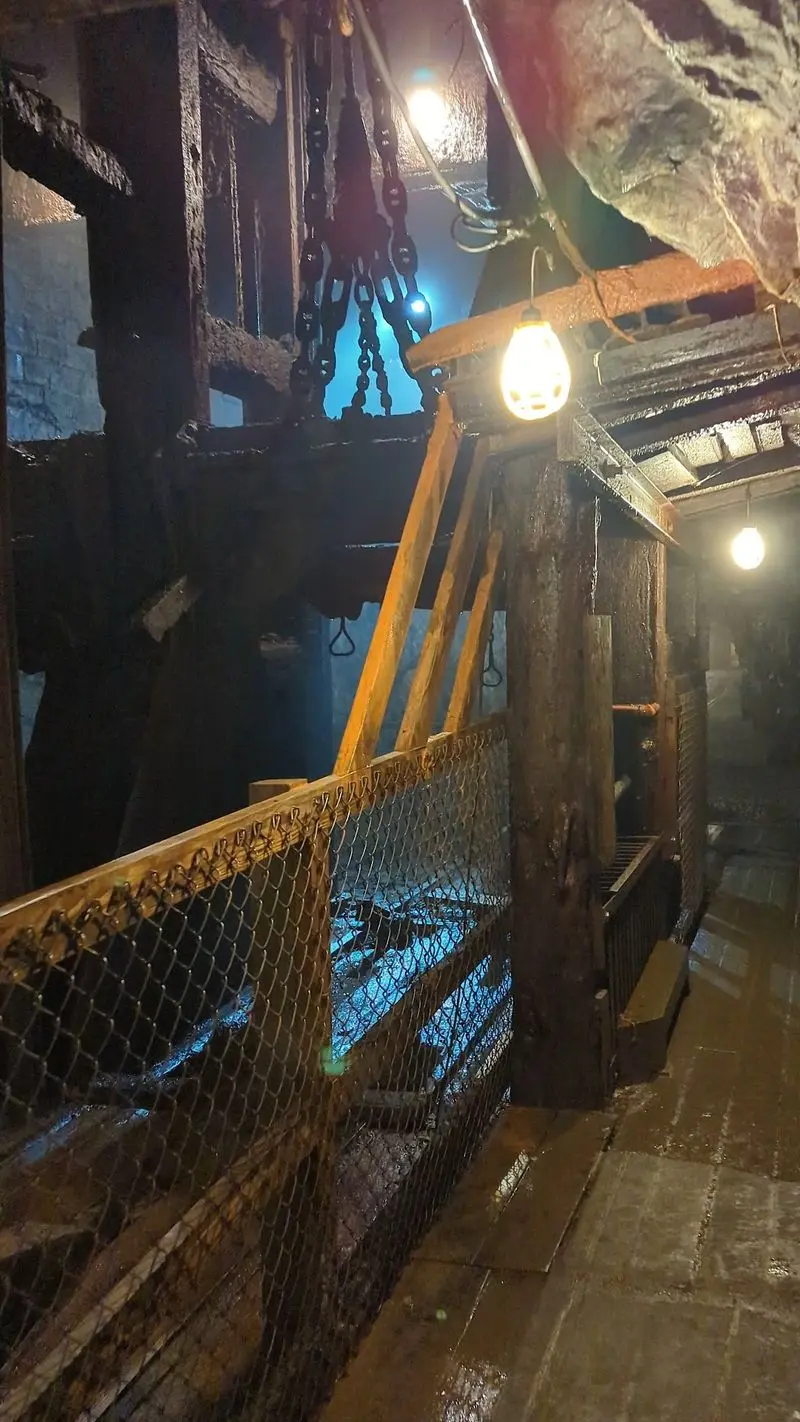
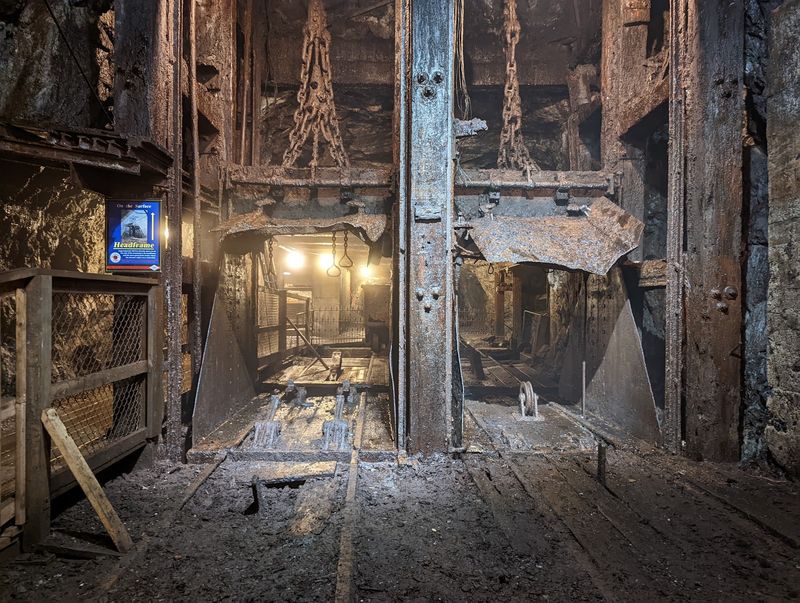
Seven hundred feet. That’s how deep the original mine shaft goes, and you get to stand near it during the tour.
For comparison, that’s taller than many city skyscrapers, just pointed the opposite direction. Your brain needs a second to process it.
Right nearby are the original elevator cages. Miners once rode these up and down between levels, which takes the idea of a long commute to a whole new place.
Seeing the real equipment changes how the history feels. Textbook photos are fine, but standing beside the actual cage makes everything click.
Guides explain how the shaft and cages fit into daily work underground. Ask questions here, because the details about moving people and coal are fascinating.
Kids especially tend to light up at this part. A giant hole in the earth beats a worksheet every single time.
Keep your hands to yourself and listen to your guide’s directions. The setting is safe for visitors, but it still deserves respect as a real working space from the past.
Mules Had Their Own Highway Down Here
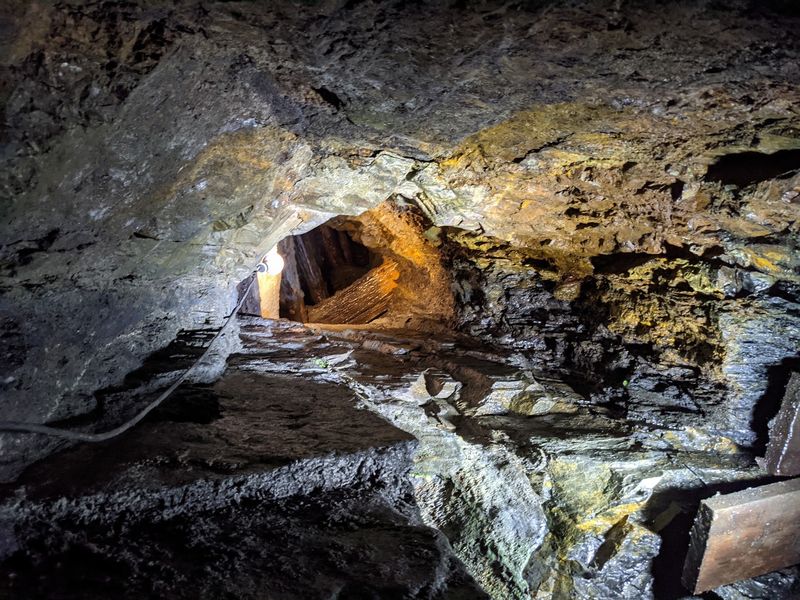
Long before electric motors did the heavy lifting, mules helped keep this mine moving. They even had their own route, known as the mule-way.
On the tour, you walk through that historic passage yourself. Young men once guided mules along it between mine levels.
Think about that job for a moment. Steering a stubborn animal through a dark tunnel sounds like a test of patience most of us would fail by lunchtime.
The mule-way gives the tour a surprisingly personal feel. It reminds you that teenagers worked here, not just grown men with decades of experience.
Animal lovers will probably have plenty of questions. How were the mules cared for, and how did they get around underground?
Your guide is the person to ask.
It’s one of those stops that sticks with you after you leave. A simple tunnel suddenly tells a big story about people, animals, and teamwork.
Walk slowly and look around at the walls. Every turn in this passage once carried somebody’s whole workday.
Yes, There’s A Hospital Carved Right Into The Rock
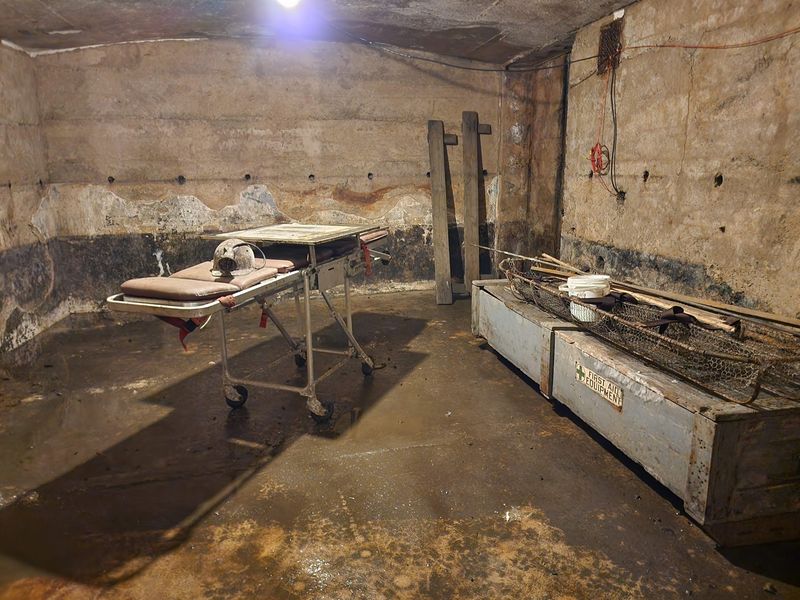
Of all the rooms you might expect underground, a hospital probably isn’t high on the list. Yet No. 9 Coal Mine and Museum has a miner’s hospital carved directly into solid rock.
This space served injured workers right where they labored. Getting hurt deep inside a mountain meant help had to be close by.
Standing in that rock-walled room is a quiet moment on the tour. It shows how tough and risky the job really was for these miners.
It also shows how communities looked out for each other. Somebody planned this space, built it, and made sure care was ready underground.
Younger visitors might find it the most surprising stop of all. Older ones may find it the most memorable.
Give yourself a minute here instead of rushing ahead. The details are simple, but the story they tell is huge.
Afterward, the whole mine feels different. Every tunnel you passed suddenly carries more weight, and you’ll probably look at the next coal display with fresh eyes.
Over A Century Of Nonstop Digging Earned This Mine Bragging Rights
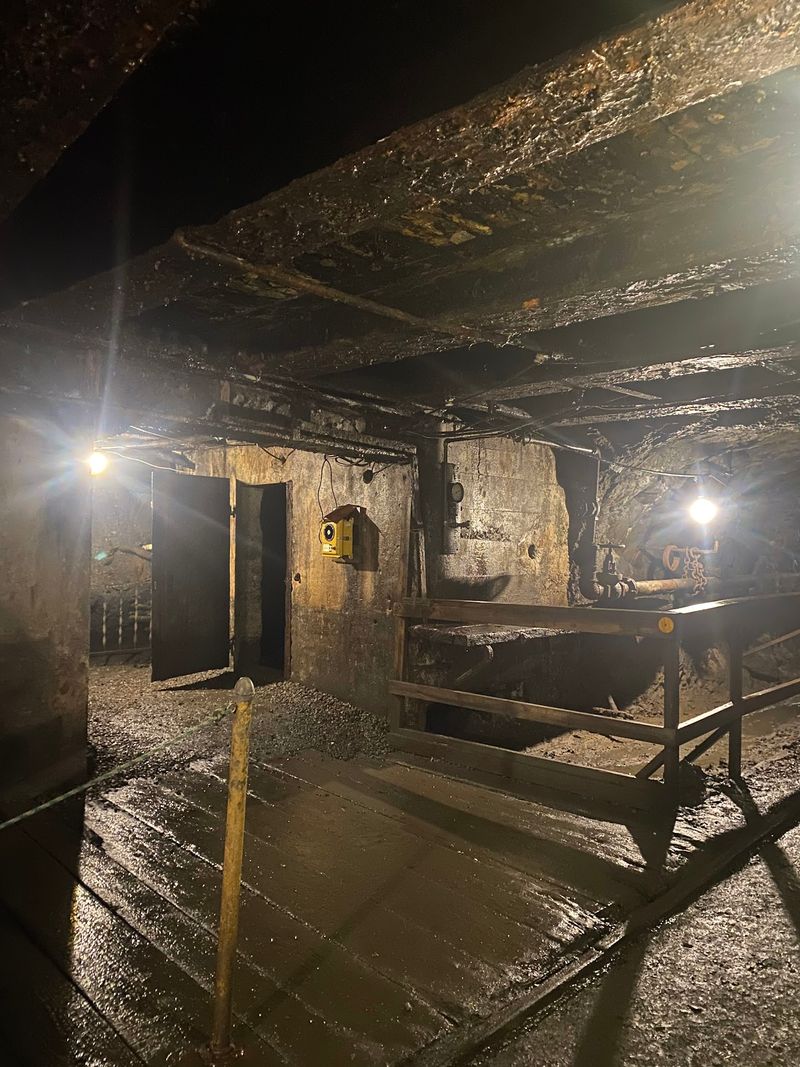
The Lehigh Coal and Navigation Company opened this mine in 1855. It kept working until June 22, 1972.
That run makes No. 9 the longest continuously operated deep anthracite coal mine in the world. That’s a serious title for a place in a small Pennsylvania town.
After closing, the mine sat abandoned for about two decades. Then the Panther Creek Valley Foundation, a nonprofit, stepped in during 1992.
Restoration started in 1995. Turning an old working mine into a safe tour takes time, and the group clearly put in the effort.
Public tours began in 2002. Since then, visitors have been riding the rails into a mountain that once powered homes and industry.
I like that this place was saved by people who cared about local heritage. It wasn’t a big corporation project, but a community effort to remember.
Knowing this backstory makes the ride feel bigger. You aren’t just visiting an attraction.
You’re stepping into a 117-year working legacy that almost faded away.
The Old Wash Shanty Now Holds A Treasure Chest Of Mining Life
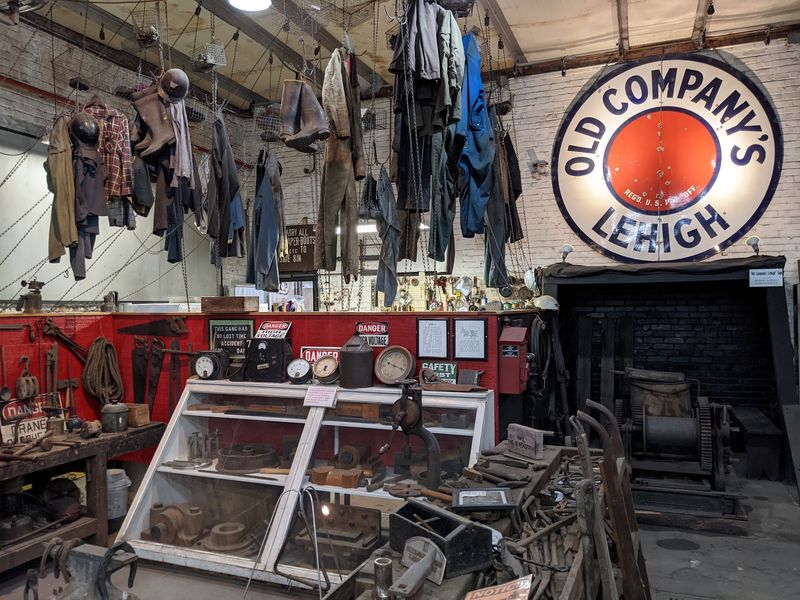
Miners once cleaned up after long shifts in the building called the Wash Shanty. Today it houses the museum, and it’s packed with history.
The museum houses the area’s largest collection of mining artifacts. You’ll see tools, blasting equipment, photos, models, and paintings.
Household items are part of the display too. Those everyday objects show how miners’ families lived, cooked, and kept going at home.
That mix makes the museum feel human. It isn’t only about machines and coal, but about the people who depended on them.
The gift shop sits inside the same building. Look for books, carved coal pieces, and themed t-shirts if you want a souvenir.
Visit the museum before or after your tour time. Tours meet there, so it makes a handy spot to explore while you wait.
The museum is open from 10 AM to 4 PM Wednesday through Sunday from May through October, and Friday through Sunday in April and November. Carved coal makes a fun keepsake, since few gifts come with this much backstory attached.
Giant Steam Fans Kept The Air Moving And They’re Still Impressive
Fresh air was never automatic underground. Keeping it flowing took machines, and the Dorrance Fan Exhibit Building shows off two massive examples.
Inside, you’ll find two of the largest steam-powered mine ventilation fans ever used in the Anthracite Region. They’re big enough to make you look twice.
Engineering fans will love this stop. Even if machines aren’t your thing, the sheer size is fun to see in person.
These fans explain a part of mining many people never consider. Workers needed breathable air deep inside the mountain, and these machines helped make that happen.
Pair this building with your underground tour for the full picture. After feeling the cool tunnel air, the fans suddenly make perfect sense.
Take your time walking around the outside grounds too. There’s more to see beyond the mine entrance, so don’t head to the parking lot too quickly.
It’s a great spot for kids who ask how everything works. Fair warning, they may keep asking all the way home.
Bring Lunch, Plan Ahead, And Catch A Festival If You Can
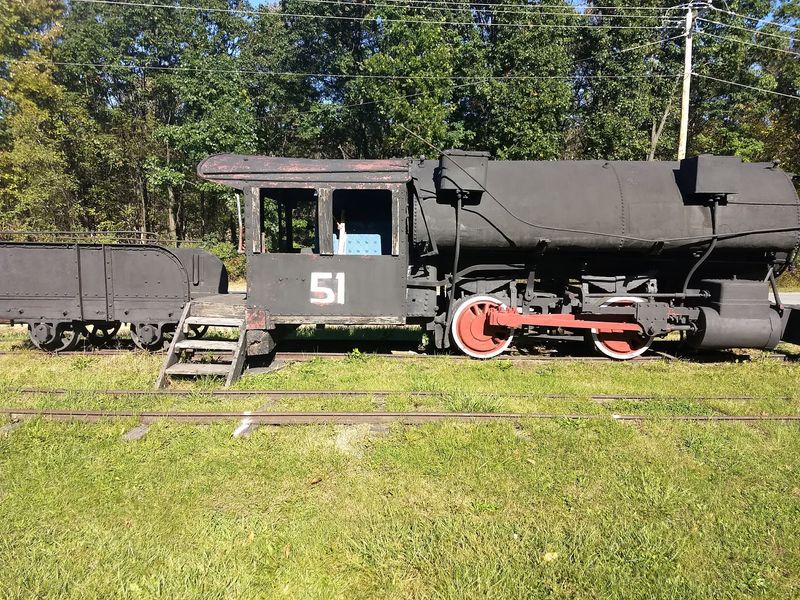
Picnic facilities are available on the grounds. Packing a lunch turns a great tour into an easy, relaxing afternoon.
You’ll find No. 9 Coal Mine and Museum at 9 Dock St, Lansford, PA 18232. It’s in Pennsylvania’s historic Anthracite Coal Region, where coal mining shaped generations of local communities.
The season usually runs from April through November. It’s closed Mondays, Tuesdays, Easter Sunday, and Thanksgiving Day.
Special events add even more reasons to visit. The Old-Fashioned Miner’s Picnic and AACA Car Cruise is planned for May 24, 2026.
The 19th Annual Coal Miner’s Heritage Festival and Picnic is set for September 6, 2026. Festival admission is free, though mine tours still need a ticket.
Check the schedule before you drive, since seasonal hours can shift. A quick look saves you from showing up to a locked gate.
Arrive early, grab your tour time, and leave room for the museum and fans. A whole mountain of history is waiting, and the rail car won’t wait forever.