An old, run-down zoo once sat on a hillside in Oregon, and today that same ground holds koi ponds, a teahouse, and raked gravel. That glow-up deserves a standing ovation from every gardener in the state.
The whole space covers 5.5 acres, with waterfalls, moss-covered stones, and narrow bridges. On a clear day, one spot even frames Mount Hood behind the city skyline.
I like how the place asks you to slow down without saying a word. Ticket sales are capped for each time slot, so the paths stay calmer than you’d expect so close to downtown.
I can’t imagine a better reset for a family that needs a break from screens, traffic, and noise. So how does a quiet slice of Japan end up a short drive from busy city streets?
A Slice Of Japan Sits Above The City Streets
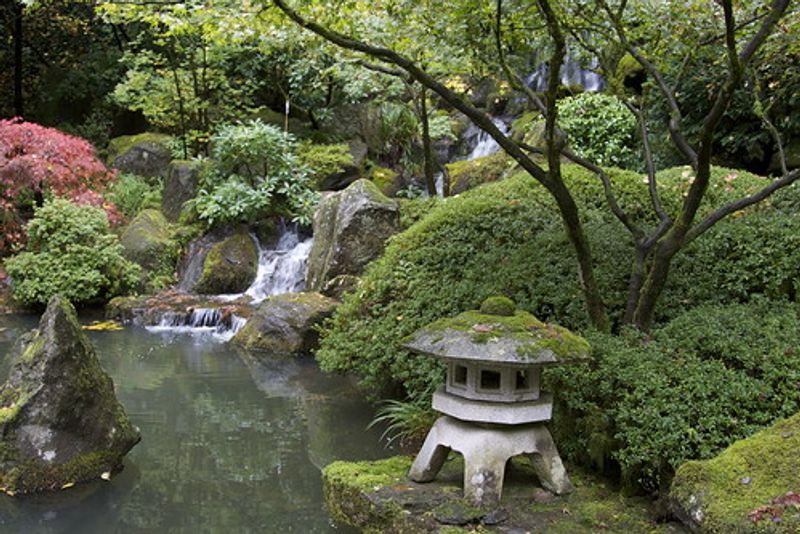
Up in the west hills of Portland, Oregon, the Portland Japanese Garden spreads across 5.5 acres of landscaped greenery. It sits right beside the city’s famous Rose Garden, which makes for one very flowery afternoon.
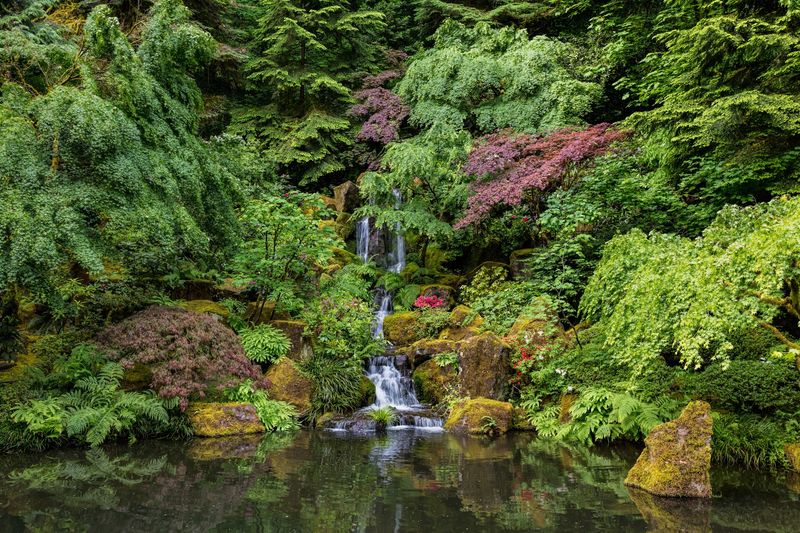
Many different styles of Japanese gardens share the space here. You’ll find waterfalls, a teahouse, koi ponds, a zen garden, and a viewpoint facing Mount Hood.
The garden calls itself the most authentic Japanese garden outside of Japan. That’s a bold claim, and the meticulous upkeep backs it up in nearly every corner.
Fans clearly agree, because the garden holds a 4.6-star rating across more than 8,500 Google reviews. A peaceful atmosphere is the topic that comes up most, by a wide margin.
Still, the real magic is the contrast. One minute you’re dealing with traffic and parking apps, and the next you’re listening to falling water.
For Oregon families, it works as an easy half-day outing without a long highway haul. Most people can walk the gardens and displays in about two hours at a steady pace.
Bring comfortable shoes and a little patience. The garden rewards slow walkers far more than speedy ones.
From Run-Down Zoo To Peaceful Hillside Retreat
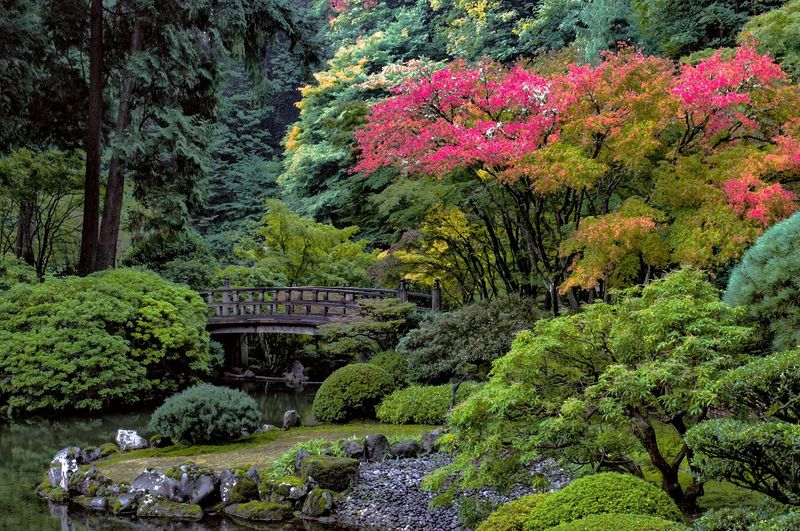
Few gardens can claim an origin story quite like this one. The ground beneath those mossy stones once held a dilapidated zoo.
Someone looked at that tired hillside and saw something better. The result became a place built around beauty, calm, and reconciliation between cultures.
That reconciliation story still shapes the visit today. Learning it adds real weight to every bridge and gravel bed you pass.
The garden takes its history seriously, too. Historical pieces are displayed with care, and informative signs help explain what you’re seeing.
Want the deeper layers? Free guided tours are available by signing up online in advance, and guides explain symbolism and history most people would miss.
Kids may roll their eyes at the word history at first. Then they hear the zoo part, and suddenly they’re asking questions.
Staff and volunteers have spent years keeping the grounds in shape. Their steady work is a big reason the garden feels so carefully finished.
It’s a good reminder that old places can get a second act. This one turned a forgotten corner of Portland into a spot people plan whole trips around.
History buffs and curious kids can both leave with something new. That’s a rare trick for any family outing.
Bright Koi Steal The Show In Every Pond
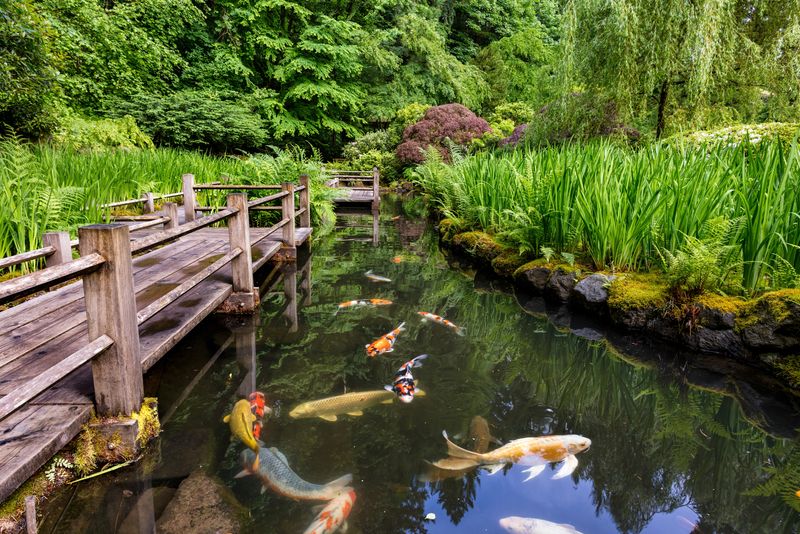
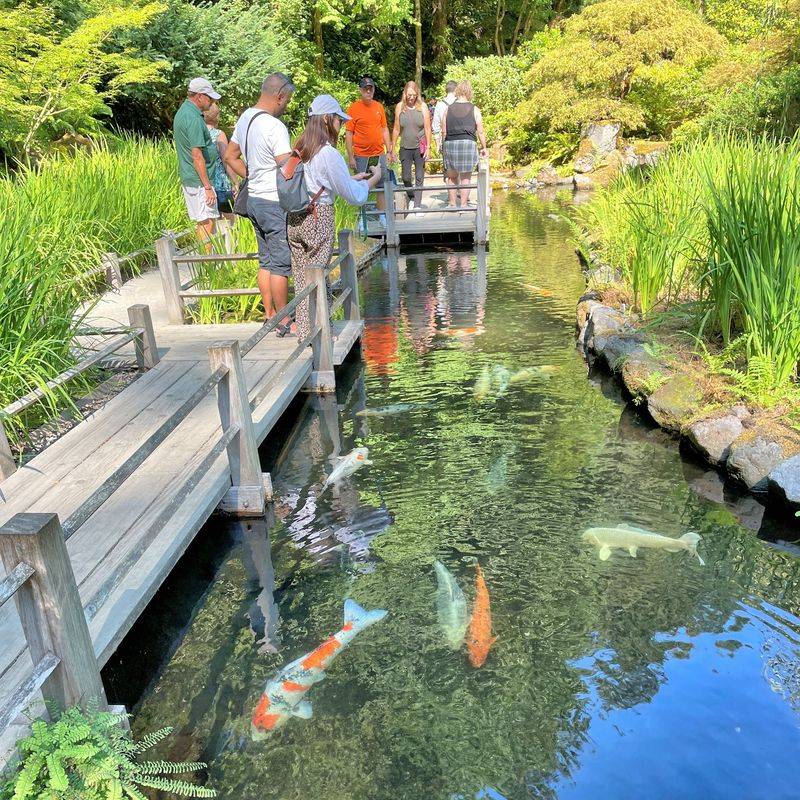
Orange, white, and gold flashes slide just under the water’s surface. Koi get mentioned more than almost any other feature here, and for good reason.
The ponds reflect the surrounding trees, so every glance becomes a little painting. Add moving fish to that picture, and young kids will have a hard time leaving.
Staff say the koi are beloved by the whole team. They also note that the fish become more active as warmer weather returns.
That means spring and summer visits may bring livelier swimming. Cooler months can feel quieter in the ponds, though the scenery still holds up beautifully.
Little ones can stay busy counting colors or picking a favorite fish. Grown-ups get a moment to stand still, which is half the point of the garden anyway.
Bridges cross the water in several spots, and some of them are narrow. Hold small hands and take turns so everyone gets a good look.
Bring your camera and some patience. The best shots usually come when the koi drift close and the light hits the water just right.
Honestly, the fish might be the most relaxed residents in all of Oregon. They certainly don’t seem worried about parking.
Grab A Cup Of Roasted Barley Tea Between Strolls
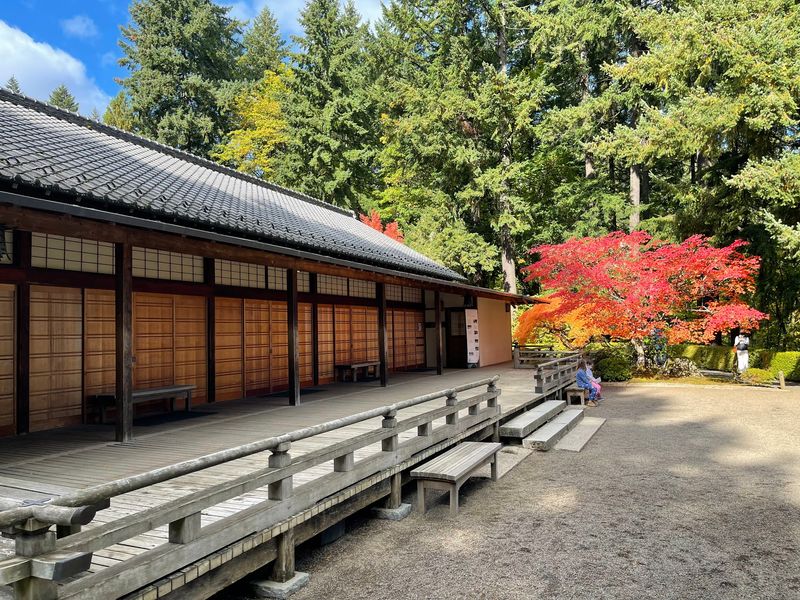
Mugicha, a roasted barley tea, is the sip one fan specifically recommends trying here. It’s a fun, low-key way to taste a bit of Japanese culture between strolls.
The garden includes a traditional teahouse among its many features. It ranks among the most talked-about spots on the grounds, right up there with the koi.
For actual snacks and drinks, head to the Umami café. It serves tea, coffee, and a variety of snacks in a small, easygoing space.
Timing matters, so plan ahead. The café normally closes about 30 minutes before the garden itself does.
That means a late-afternoon arrival could leave you staring sadly at a closed counter. Stop by the café first if a warm drink is part of your plan.
Thrifty families will like one detail in particular. A free water station with cups sits inside the café.
Not every treat will suit every taste, and that’s part of the adventure. Try something new, and let the kids rate it out loud on the walk.
A cup of tea in hand changes the pace instantly. Suddenly a bench by the water feels like the best seat in Portland.
Bonsai Trees That Took Decades To Shape
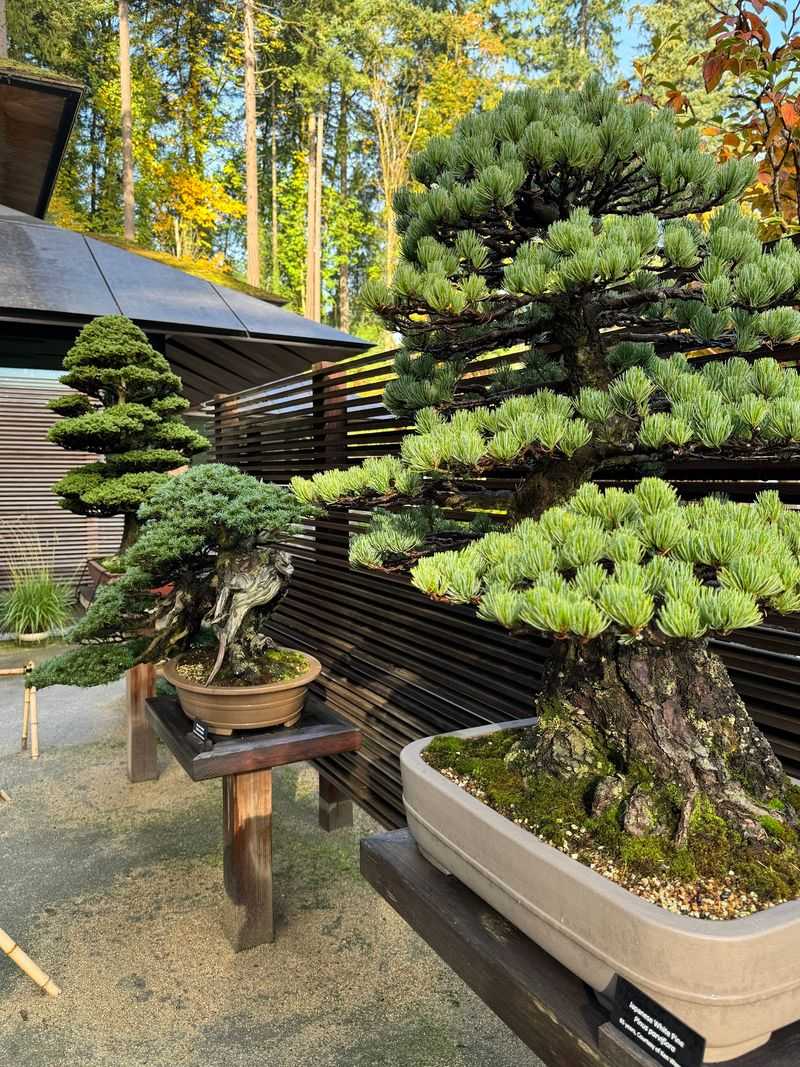
A tree at 2, 4, 10, 20, and 45 years old, all lined up for comparison. That bonsai display shows just how much patience this art form demands.
Bonsai trees appear throughout the garden, not just in one corner. Their tiny size makes their age even harder to believe.
Every bonsai featured at the garden is on loan, which surprises plenty of people. The garden considers it an honor to help share them with the public.
Staff have been known to chat with curious guests about bonsai. That kind of friendly moment can spark a brand-new hobby before you even reach the exit.
Special events add even more. Bonsai Week has brought growers who display their trees and talk about them with visitors.
Talks, demonstrations, and workshops show up on the events calendar, too. Checking that schedule before your trip can turn a regular visit into something extra.
Look closely at the trunks and branches. Every bend was guided by hand over many seasons.
For families, bonsai make a great lesson in slowing down. A tree shaped over 45 years makes waiting ten minutes for lunch look pretty easy.
Waterfalls, Raked Gravel, And Moss In Every Direction
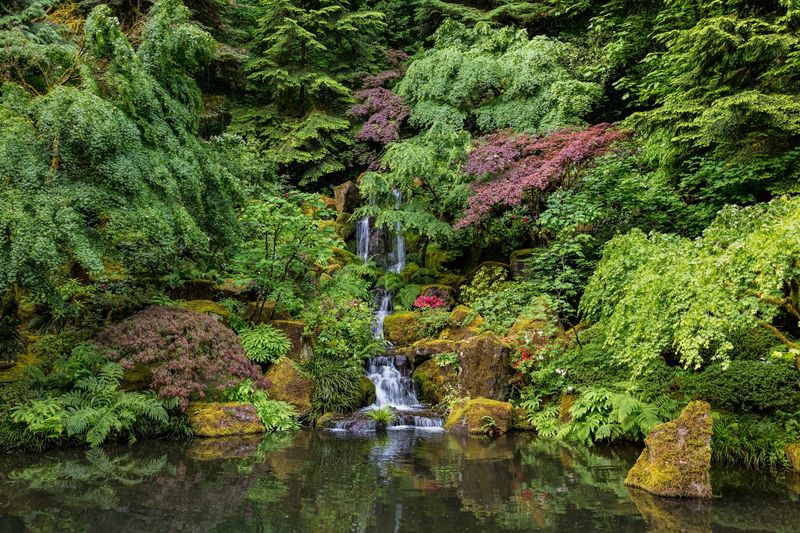
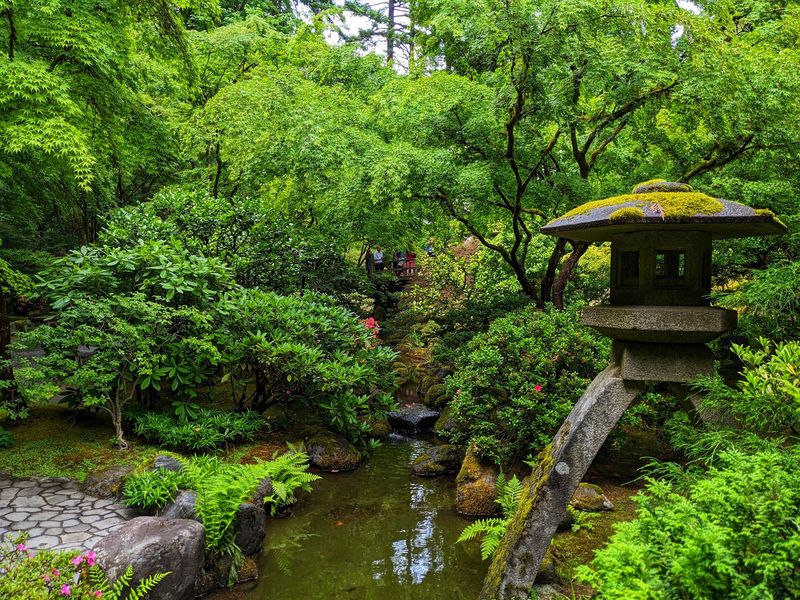
Falling water provides the soundtrack for much of the walk. Waterfalls rank high among the features people bring up, and they set a calm tone fast.
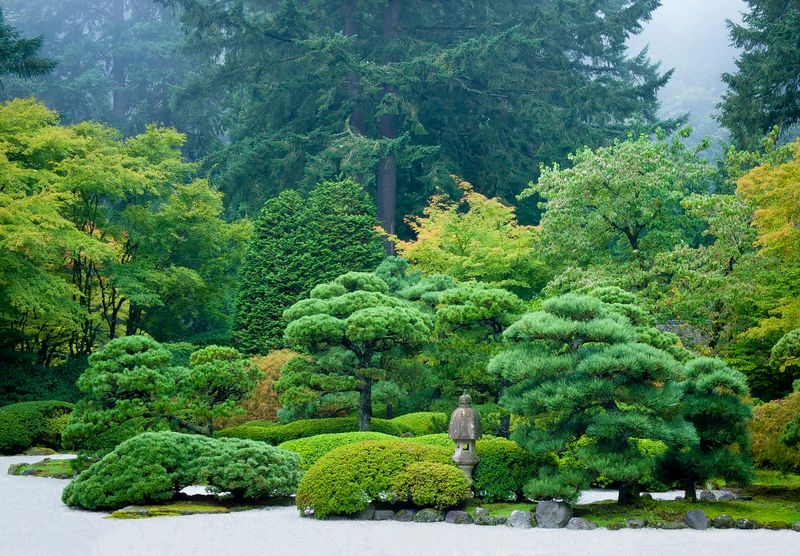
Then the scene shifts completely. A zen garden offers perfectly raked gravel, a quieter and drier kind of beauty.
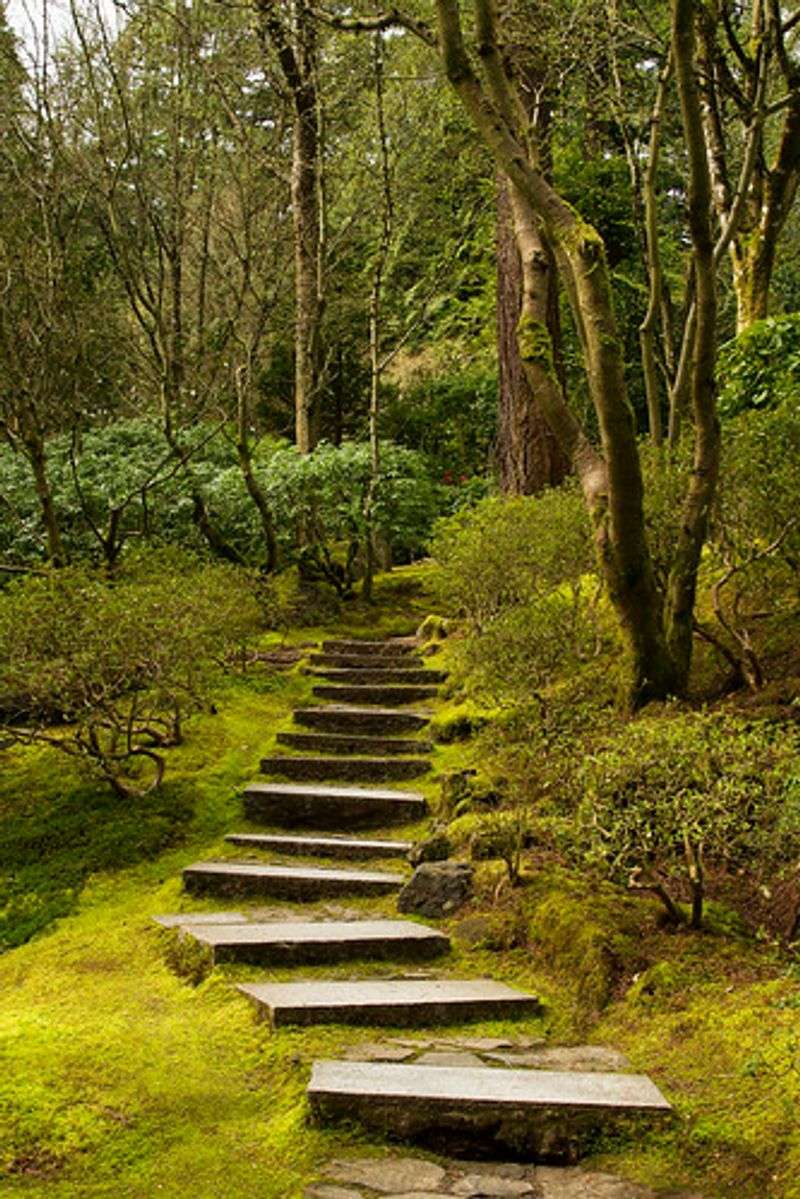
Moss-covered stones, stone paths, and bridges fill in the spaces between. Nothing feels random, because every tree and water feature appears carefully placed.
Each section has its own mood and rhythm. Shaded paths give way to open viewpoints, then wind back toward ponds and streams.
Shade helps a lot on warm days. The loop offers plenty of it, which makes summer visits more comfortable.
Benches and seats appear wherever a pause feels right. Some quieter nooks invite you to sit and just listen.
Photographers, prepare to stop constantly. Every corner can look like a postcard without feeling fake or overdone.
Remember to keep off the raked gravel. Those careful lines take real skill to create and maintain.
Kids might not care about design theory, and that’s fine. They’ll still notice the sound of water and the pebbles under their shoes.
Even the restrooms are kept spotless here. That level of care shows up from the paths to the smallest details.
Save Some Camera Space For The Mount Hood View
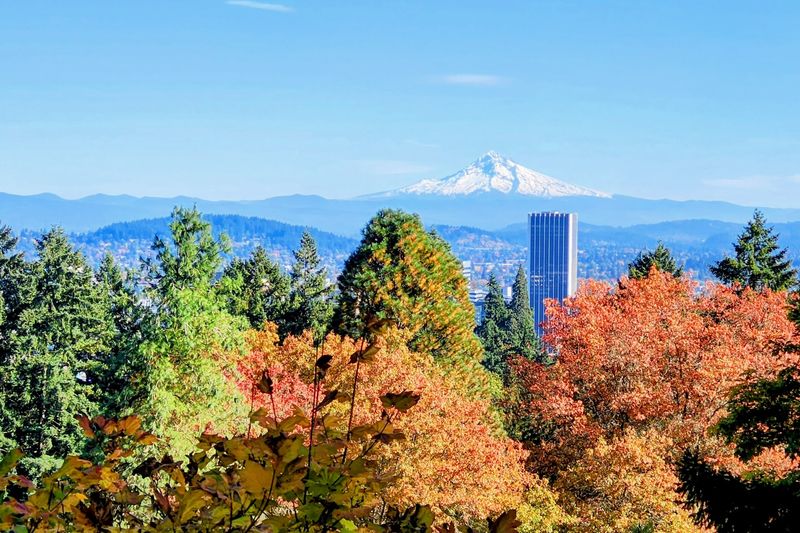
On a clear day, one spot in the garden lines up Mount Hood with downtown Portland. It’s the kind of view that makes everyone pull out their phones at once.
The garden’s own description highlights this mountain view. Few city outings in Oregon can deliver a famous peak and a skyline in the same frame.
Weather plays a big role, of course. Cloudless days bring incredible views, while gray skies may hide the mountain completely.
Don’t skip the walk up from parking, either. The route passes a playground, a park, and the Rose Garden, with Mount Hood sometimes visible along the way.
That makes the approach part of the fun. Families with energy to spare get a mini scenic tour before they even reach the gate.
Inside, open viewpoints overlook the city in spots. They give a nice break from the shaded, winding paths.
For road-tripping families, a fun pairing comes to mind. Combine this visit with a Mount Hood trip, then point out the peak from both angles.
Check the forecast before you leave home. A sunny morning can make the whole trip.
Bragging rights come easily after that. Not many people can say they spotted the mountain from a Japanese garden.
Cherry Blossoms, Fall Colors, And A Season For Everyone
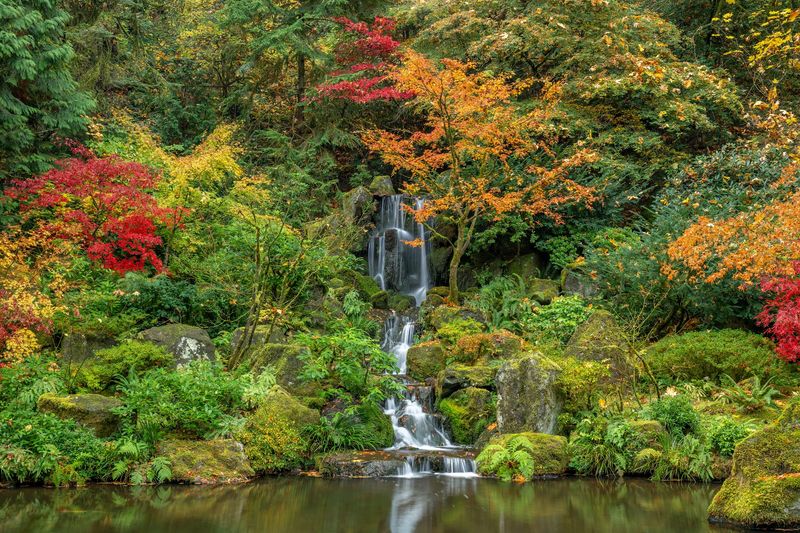
Timing your visit can change everything here. Late March to early April brings cherry blossoms, and fall foliage turns the grounds into a color show.
Fall colors come up often among garden fans. Plenty of people call autumn the best season of all for a stroll.
Early May also earns praise for its beauty. Flowering bushes and trees add plenty of extra color in spring.
On the flip side, some families arrive before things bloom. The garden still delivers calm and great photos, but blossoms may be missing.
A seasonal perk is worth circling on the calendar. The garden has offered free admission on Veterans Day, which lands right in fall color season.
Policies can change, so check before you count on it. Still, that’s a sweet bargain if it lines up with your plans.
The garden also refreshes things with seasonal changes, art exhibits, and cultural demonstrations. Each visit can feel a little different from the last.
Warm summer days are easier thanks to all the shade along the loop. Pack water anyway, since the paths involve plenty of walking.
Pick your season based on what your crew loves most. Blossoms, koi, or color, there’s always a good reason to return.
Tiny Dioramas And Rotating Art Wait Indoors
Scale models of Japanese gardens, built by artist Aimee Eng, sit inside the Garden Experience center. They first appeared in an art exhibition called Designing Nature.
People liked them so much that the art team brought them back. Now they’re displayed alongside information about Japanese garden design.
The dioramas make a fantastic stop for kids. Seeing a whole garden shrunk down helps little minds understand the bigger space outside.
The garden has two indoor display areas, plus a gallery. Rotating art exhibits mean the indoor offerings can change from one visit to the next.
Some of the art shows off unusual and creative techniques. It’s a nice change of pace when legs need a short break from stairs.
Educational opportunities come free with your visit, too. Nothing here feels overly commercial, which keeps the mood calm.
A small gift shop rounds things out. It carries a good selection at different price ranges, so souvenirs don’t have to break the budget.
Gift shop hours run a little later than the café. That gives you time for one last browse after your stroll.
Rainy Oregon days make these indoor spaces even more valuable. A quick drizzle won’t end the fun.
Calm Crowds And A Quiet Spot For Every Kind Of Visitor
Ticket sales are capped for each time period, and that one rule makes a huge difference. Fewer people at once means better views and calmer paths.
Respectful crowds are part of the charm. Most guests seem to keep their voices down and share photo spots kindly.
Late afternoons on weekdays tend to feel calmer as earlier guests trickle out. Weekends can get busier, and some afternoons still bring a crowd.
When it gets lively, quieter side paths offer an escape. Wander a little, and the noise fades quickly.
Solo visitors enjoy the peace, and couples find it romantic. Families get a relaxing way to spend time together without screens stealing the show.
Photographers will be busy for hours. Bonsai fans, history lovers, and anyone needing a mental reset all find something here.
Some people come back again and again. A membership offers pre-public access hours for those who want the gardens extra quiet.
Plenty of benches make breaks easy. Grandparents and tired toddlers will both appreciate that.
Kids who need to run wild may get restless, though. The garden suits families who can enjoy a slower pace for a couple of hours.
Plan Around Tuesdays, Parking, And That Uphill Walk
Mark your calendar carefully, because the garden closes on Tuesdays. Every other day, it typically runs from 10 AM to 4:30 PM.
You’ll find it at 611 SW Kingston Ave, Portland, OR 97205, right next to the Rose Garden. Hours can change, so check the day’s schedule before heading out.
Parking is limited and costs a fee, paid through an app or pay station. During busy seasons, finding a space can take some patience.
Public transportation is another option. A free shuttle in the park also helps visitors get around.
After buying tickets, a fairly steep walk leads up to the garden entrance. It’s roughly a quarter mile, and the path is lovely in its own right.
Anyone with mobility challenges should consider the shuttle for that climb. Inside, expect stairs, pebble and stone paths, and narrow bridges.
Stroller-friendly paths exist, but packing light still helps. Restrooms and water fountains appear in several spots.
Admission requires a ticket, and adult pricing sits on the higher side for a garden. Many guests still call it worth the cost, especially if you stay a while.
Worth The Drive For A Few Quiet Hours
Slowing down is the whole point, and the Portland Japanese Garden makes it surprisingly easy. A short trip here turns into a genuine reset.
It isn’t the cheapest stop in Oregon, and that’s fair to admit. Free tours, free water, and free educational exhibits help balance the ticket price.
Families get koi to count, bonsai to marvel at, and dioramas to study. Grown-ups get waterfalls, mountain views, and a cup of roasted barley tea.
Pair it with the Rose Garden next door for a full day outdoors. That combo stretches the drive into a memorable family outing.
Timing helps you get the most value. Cherry blossom season, fall colors, and possibly free Veterans Day admission all sweeten the deal.
Arrive early enough to visit the café before it closes. Skip Tuesdays, and check hours before leaving home.
Plenty of visitors leave already planning a return trip. Two hours often isn’t enough to soak in every detail.
Bring a curious mindset, too. The more slowly you walk, the more little wonders show up.
So load up the car, grab comfy shoes, and leave the rush behind. A quiet slice of Japan is waiting in the hills above the city.