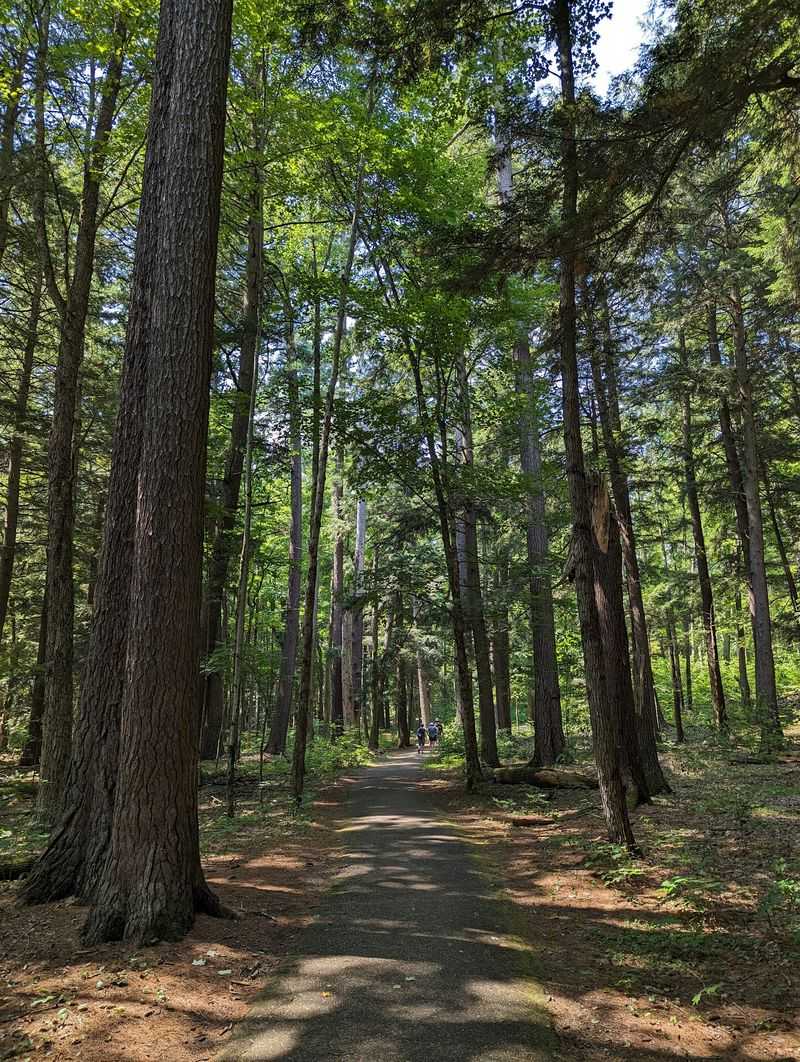
Some of the pines here reach 120 feet or more, and they were standing tall long before anyone around them picked up an axe. That’s a lot of history to tilt your head back for.
Only 49 acres of this old-growth white and red pine survive today. It’s one of the last stands like it left in Michigan.
I like how a paved trail leads you right through the middle of it.
The woods are only part of the appeal. A recreated 1890s logging camp sits nearby, complete with a bunkhouse and a steam-powered sawmill.
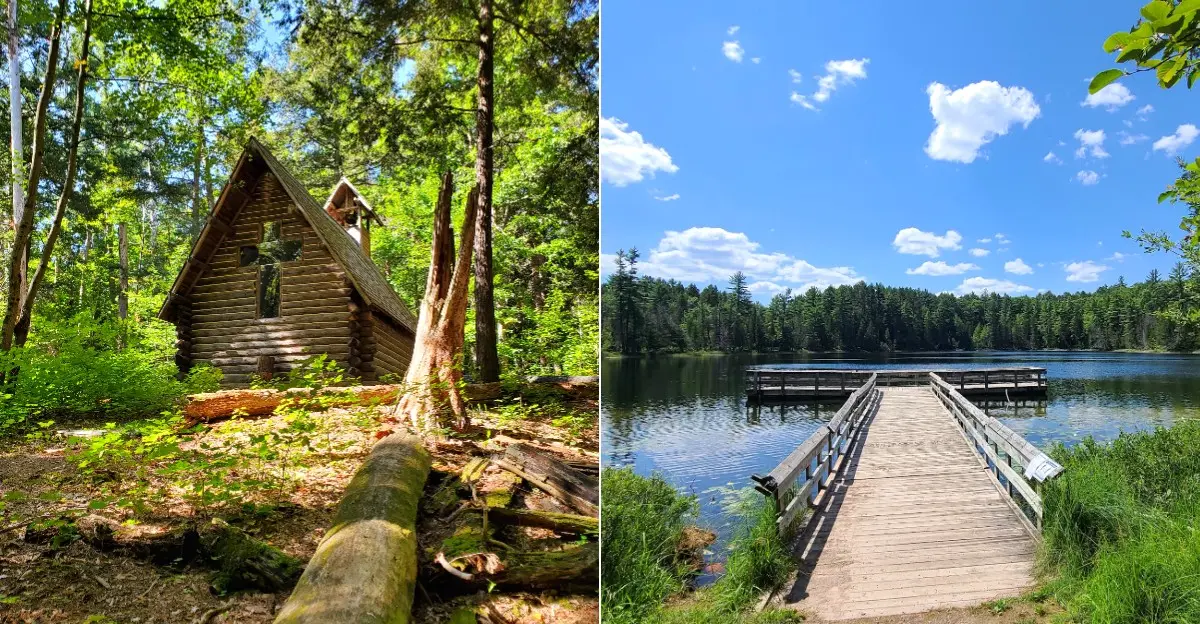
A tiny chapel waits quietly among the trees.
I believe most parks give you scenery. This one hands you the original forest the state started with, plus the story of how nearly all of it disappeared.
So how many places can make a simple walk feel like time travel?
These Giant Pines Have Seen More Than Your Great-Great-Grandparents
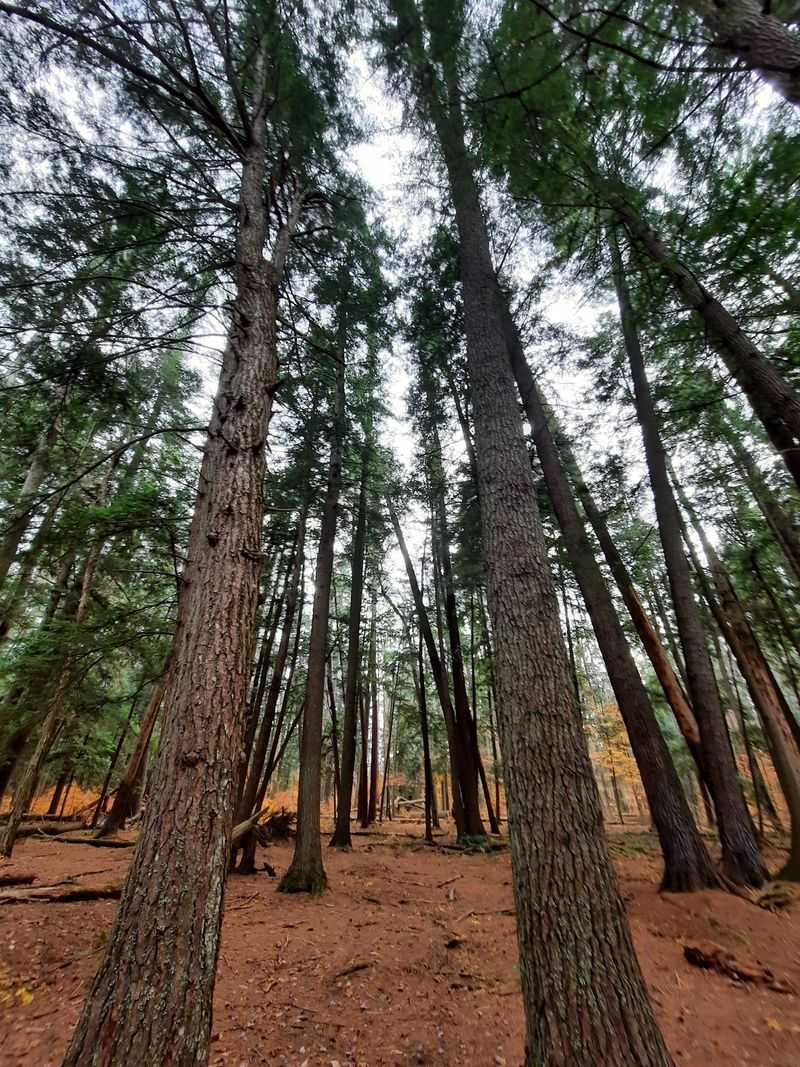
Hartwick Pines State Park protects a 49-acre stand of old-growth white and red pine. That might sound small, but it’s one of the last patches of Michigan’s original pine forest still standing.
Some of these trees climb 120 feet or more. Your neck will get a workout, and honestly, it deserves one.
The size makes more sense once you hear the backstory. The stand once covered about 86 acres.
Then a windstorm in 1940 knocked it down to the 49 acres you see today.
The park’s most famous tree was called The Monarch. It was a white pine about 325 years old and 155 feet tall.
A storm in 1992 took its crown, and the giant was gone a few years later.
The trunk is still honored with a sign along the trail. It’s a quiet reminder that even giants need a little luck.
Stopping there gives the whole forest a bigger sense of scale.
Bring a camera, but don’t expect it to capture everything. Photos flatten trees this tall into something far too ordinary.
The best plan is to pause, look straight up, and let the size sink in.
A Paved Path Makes the Old Forest Easy to Reach
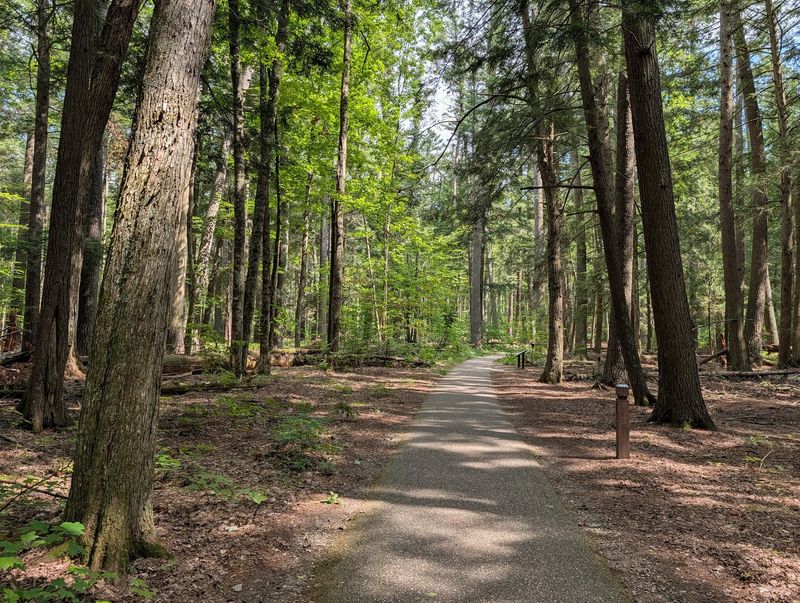
Ancient forests usually ask for hiking boots and a strong will. The Old Growth Forest Trail asks for about 1.25 miles of easy walking on pavement.
The path winds right through the tallest trees in the park. It rolls gently over the ground, so the walk feels relaxed instead of grueling.
There’s one catch worth planning for. The trail includes two steep sections, and they can surprise anyone pushing a stroller.
Hartwick Pines State Park has a helpful answer for that. Wheelchairs and track chairs can be borrowed, subject to availability.
They’re meant to help visitors handle some of those steeper spots.
Service animals are welcome, too. That makes this one of the more open-armed old-growth experiences you’ll find in Michigan.
Here’s a practical tip for first-timers. The trail connects with the logging museum area, so check a map before heading out.
It’s easy to get turned around near the end if you start late.
Early mornings are a smart choice. You’ll have soft light, cooler air, and plenty of time to wander.
The trees aren’t going anywhere, but daylight definitely is.
Lumberjack Life Gets a Full-Size Replay at the Logging Museum
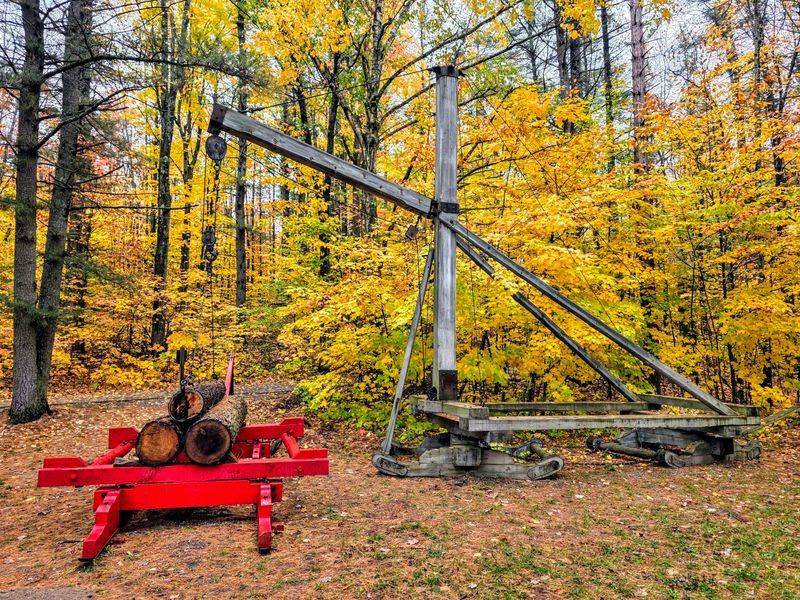
From about 1840 to 1910, Michigan led the nation in lumber production. The Hartwick Pines Logging Museum brings that loud, busy era right back to life.
The museum recreates an 1890s logging camp. You can explore a bunkhouse, a cook’s cabin, a mess hall, and a blacksmith shop.
Picture dozens of hungry loggers needing a hot meal before sunrise. The mess hall suddenly looks less like a building and more like a command center.
Historic logging tools fill the displays. Road-building equipment shows how crews moved huge logs across rough northern land.
During summer, costumed interpreters offer hands-on demonstrations. Kids tend to remember history better when someone actually shows them how it worked.
Timing matters here, so plan ahead. The museum opens daily from May 1 to September 1, from 10 a.m. to 5 p.m.
After that, it switches to weekends only through October 31. Fall hours run from 10 a.m. to 4 p.m.
The buildings are barrier-free, which makes the visit easier for everyone. Pair it with the forest trail for the full story.
One shows the trees, and the other shows why so few remain.
Steam Power Still Steals the Show
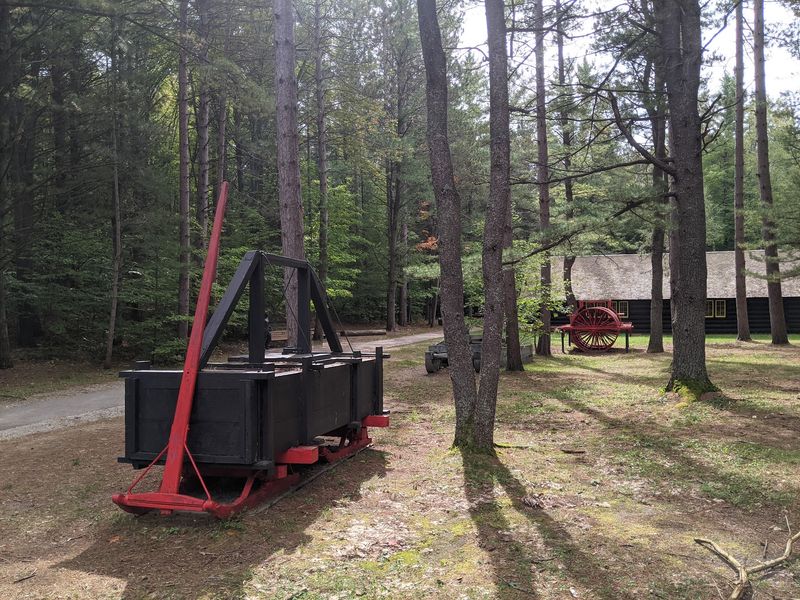
Few things grab attention like a machine from 1914. The logging museum grounds include a steam-powered sawmill from that year.
Modern tools hum quietly in a garage. This one comes from a time when cutting lumber took serious muscle and a lot of steam.
Seeing it up close helps the whole logging story click. Logs had to be cut, moved, and shipped on a massive scale.
Mills like this made that work possible. They also explain how Michigan’s pine forests shrank so quickly during the boom years.
Families with curious kids should put the sawmill near the top of their list. Questions about gears, blades, and steam will come fast.
Grown-ups aren’t immune, either. Something about old machinery makes everyone want to know how it works.
The mill fits naturally into a museum visit. Plan your stop during the museum’s open season, since the grounds follow those seasonal hours.
Summer gives you the best odds of catching demonstrations. Those live moments can turn a quick look into a full afternoon.
Wear comfy shoes, because there’s plenty of ground to cover. History is much more fun when your feet aren’t complaining.
Small Chapel, Big Quiet
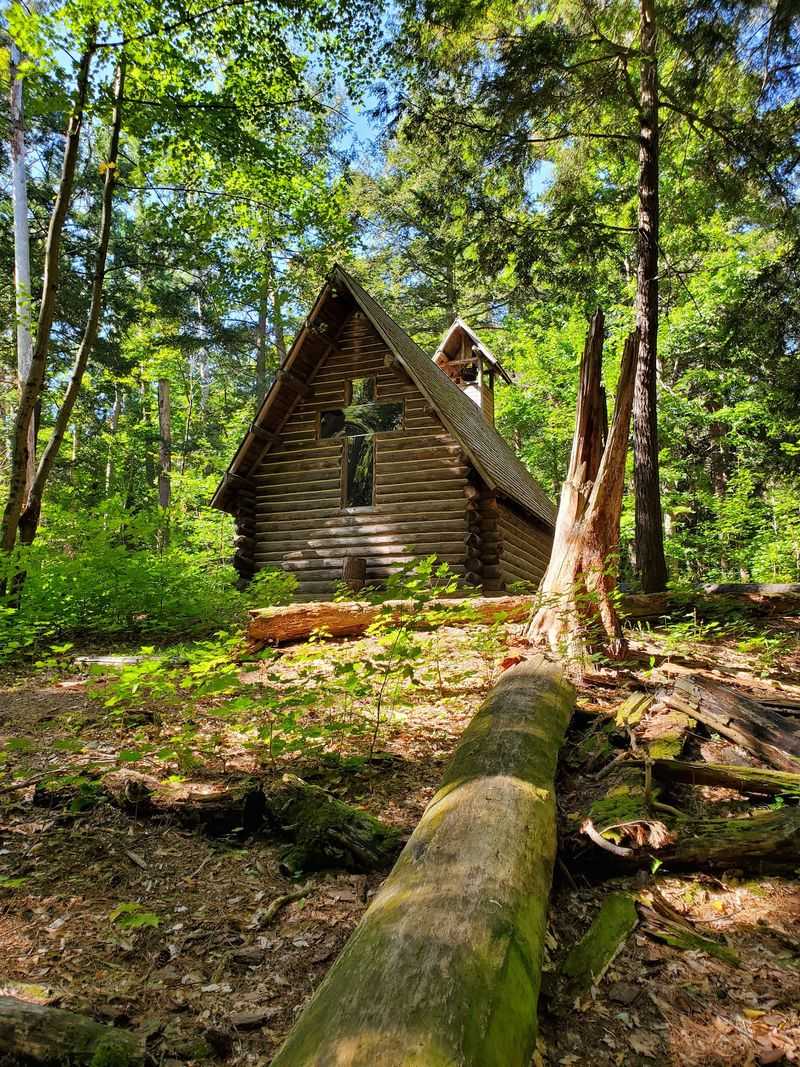
Eighteen seats. That’s the full capacity of the Chapel in the Woods, and the small size is exactly the point.
The chapel sits in a secluded spot within the forest. It feels like a quiet pause between the giant pines and the busy logging camp.
Weddings here keep things intimate by design. Couples who want a tiny guest list and a forest backdrop have found an easy match.
You don’t need a wedding invitation to appreciate it, though. The chapel makes a peaceful stop for anyone walking the nearby trails.
Take a moment and look at how it blends into the woods. It doesn’t compete with the trees, which seems wise given the neighbors.
Photographers will want to linger a bit. The setting rewards slow, thoughtful shots more than rushed snapshots.
Be respectful if an event is happening. A small space means every footstep and whisper carries farther than you’d expect.
Families might use the stop as a calm reset. After the excitement of the museum, kids can catch their breath here.
It’s one of those spots that sticks with you afterward. Sometimes the smallest building in a big park leaves the biggest impression.
One Generous Gift Created All of This
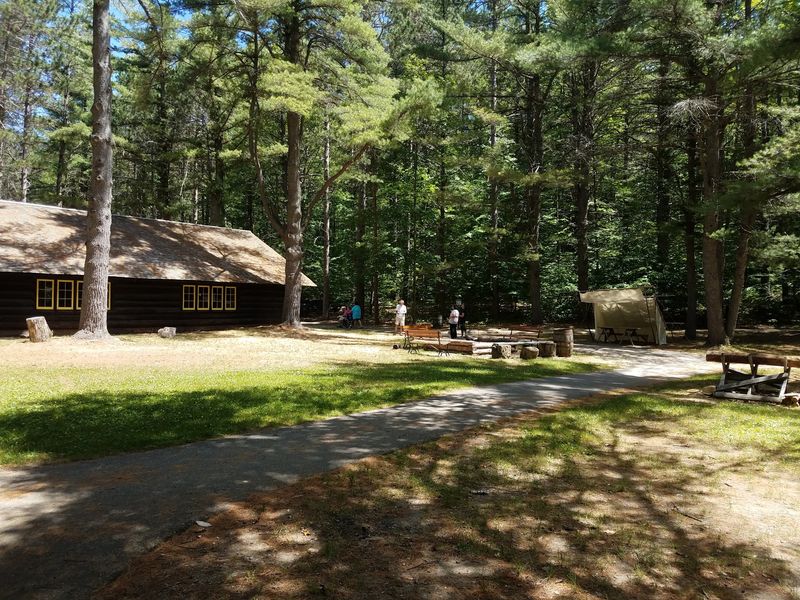
In 1927, Karen Michelson Hartwick bought more than 8,000 acres from the Salling-Hanson Company of Grayling. That purchase included 85 acres of old-growth white pine.
She then donated the land to the State of Michigan. It became a memorial park named for her husband, Major Edward E.
Hartwick.
Major Hartwick served in World War I and did not come home. His name now rests on one of the state’s most treasured forests.
Karen Hartwick also asked for a logging museum. She wanted the region’s lumbering history remembered alongside the trees that escaped it.
During the 1930s, the Civilian Conservation Corps went to work. Crews built the Hartwick Pines Memorial Building and the logging museum structures.
The Memorial Building has a rustic, lodge-style look. It honors both Major Hartwick and the lumberjacks who worked these northern woods.
Knowing the story changes how the park feels. Every tall pine becomes part of a tribute, not just a pretty view.
Take a minute to read the names and dates. It’s easy to rush to the trail, but this history gives the whole trip real meaning.
Miles of Trails Wait Beyond the Famous Loop
Think the old-growth loop is the whole show? Hartwick Pines State Park actually offers about 21 miles of trails across its huge acreage.
The park covers more than 9,000 acres. That makes it one of the largest state parks in Michigan’s Lower Peninsula.
Rolling hills overlook the East Branch of the AuSable River valley. Spring-fed lakes and varied timberlands add plenty of reasons to keep walking.
Hikers and mountain bikers share the fun in warmer months. The Mertz Grade Trail is a good choice if you want something easy.
Winter brings a whole new menu. Groomed cross-country ski loops include the 3-mile Aspen Loop and the 5-mile Deer Run Loop.
Then there’s the 7.5-mile Weary Legs Loop. With a name like that, at least nobody can say they weren’t warned.
Snowshoeing is on the list, too. The forest gets quiet and bright when snow covers everything.
One heads-up matters right now. A section of the Au Sable River Trail is closed indefinitely because of five footpath bridges.
Check trail status before you go. A quick look saves you from a surprise dead end.
Your Campsite Comes With a Forest Attached
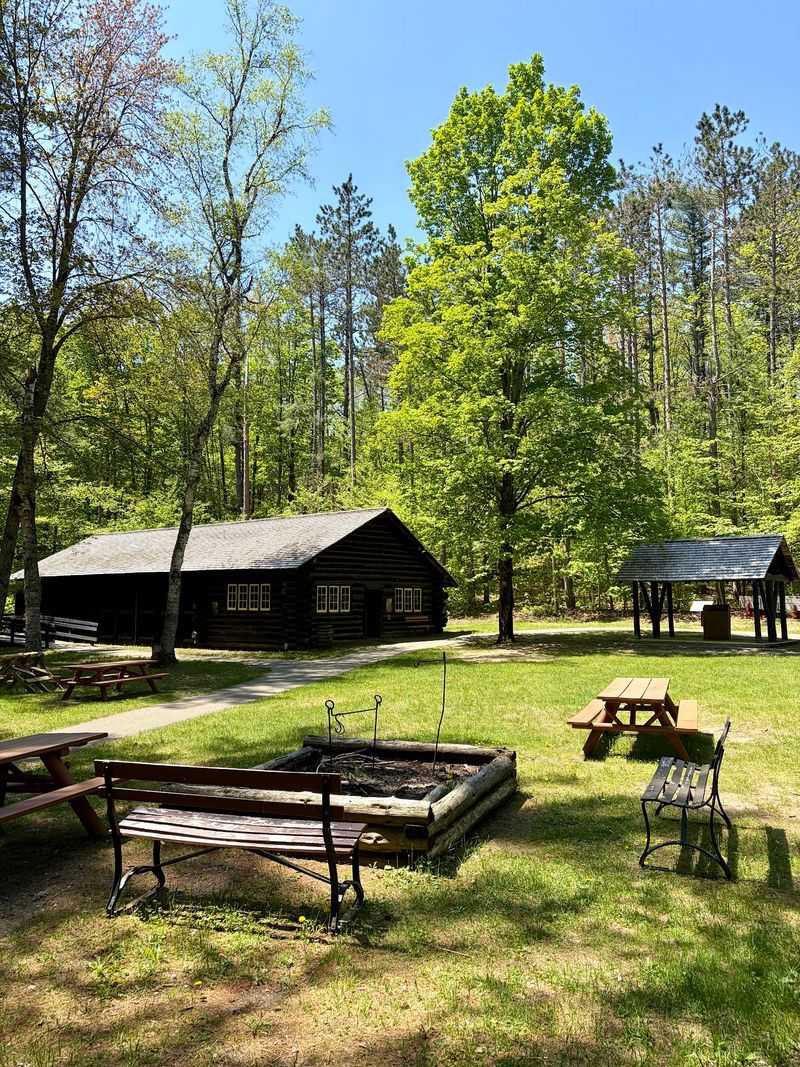
A hundred campsites sit inside this park, and every one comes with forest neighbors. The modern campground includes 64 electric-only sites and 36 pull-through sites.
Each spot comes ready for a classic camping night. Expect a fire ring, a picnic table, and electric hookups.
Restrooms and showers are part of the setup. That’s great news after a long day on dusty trails.
Want walls instead of tent fabric? A rustic cabin is available year-round, which makes winter trips far more tempting.
Bigger crowds have options, too. A group-use area works well for scout troops, family reunions, or friends who travel in packs.
Reservations are recommended, so don’t wait until the last minute. Popular weekends can fill up before you finish packing the cooler.
Bug spray deserves a spot in your bag. Northern Michigan woods in summer can get buggy, and itchy ankles ruin campfire stories.
Staying overnight also helps you catch the forest at its calmest. Early light on the trails is worth the alarm clock.
Picnic areas are available for day visitors as well. Lunch under tall pines beats a drive-thru any day.
Plan Smart Before You Roll Up to the Gate
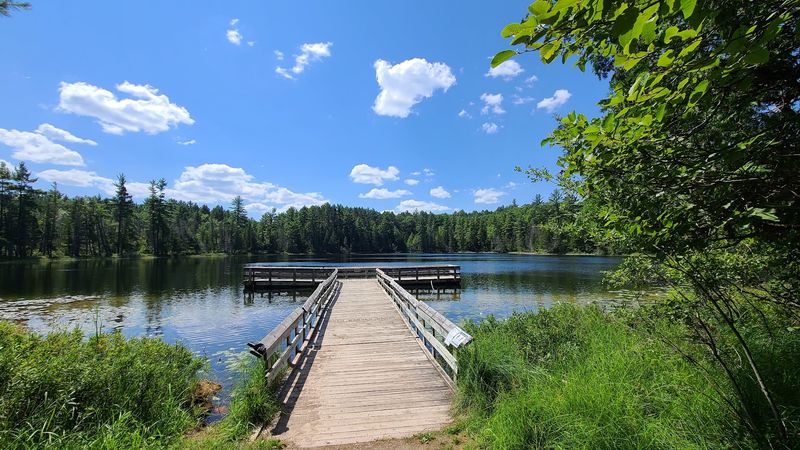
Paddlers, anglers, and bird lovers all get their own reasons to visit. The park has two undeveloped boating access sites, and Glory Lake works nicely for kayaking.
Fishing is possible in the lakes and the AuSable River. Birding and wildlife viewing fill out the list across varied habitats.
Getting here is simple. Hartwick Pines State Park sits at 3612 State Park Dr, Grayling, MI 49738.
The park stays open year-round from 8 a.m. to 10 p.m. You’ll need a Michigan Recreation Passport for vehicle entry.
One building is offline for now. The Michigan Forest Visitor Center is closed indefinitely after ice storm damage in March 2025.
That’s a bummer, since it usually tells the story of Michigan’s forests. Still, the trails, museum season, and chapel keep the trip full.
Spring and summer suit museum lovers best. Winter rewards skiers and snowshoers with quieter trails.
Fall brings weekend museum hours and crisp hiking weather. Every season offers a different version of the same old forest.
Pack layers, water, and a good map. Then let the tallest trees in the neighborhood do the rest.