The Air Zoo’s Restoration Center is working on two World War II aircraft, the Douglas SBD-1 Dauntless and the PBY-5A Catalina.
Kids can watch the work happen and even ask the volunteers questions.
That alone got my attention.
Then I learned this same building holds more than 40 aircraft, all in one quieter hangar in Michigan.
I like how close everything feels here.
You can stand beside historic fighters, peek at real engines, and see restoration up close instead of behind thick glass.
I believe the best museums make kids forget they’re learning.
This one seems built for that exact trick.
So which plane do you think your crew will claim as their favorite first?
Lake Michigan Gave Up Two Warbirds, And You Can Watch Them Come Back
Most museums show you the finished product. The Air Zoo Flight Discovery Center lets you see the messy middle, and that’s way more fun.
Inside its nationally recognized Restoration Center, two World War II aircraft recovered from Lake Michigan are being brought back to life. Experts and volunteers handle the careful work, piece by piece.
Kids love seeing how something old becomes whole again. It turns a plane from a display into a real story with a beginning, a long nap underwater, and a comeback.
The best part is that questions are welcome. The volunteer team is happy to explain what they’re working on and why it matters.
Here’s a tip for families. Have your kids think up one question before you arrive, like how a plane survives in a lake.
That small step makes the visit feel like a mission. It also gives shy kids an easy way to start a conversation.
Restoration takes a lot of time, so progress changes from visit to visit. That’s a sneaky good reason to come back.
Each trip shows a little more of the puzzle snapping together. Few places in Michigan let you follow a plane’s rebuild in person.
Forty-Plus Aircraft Share One Roof, And None Of Them Feel Far Away
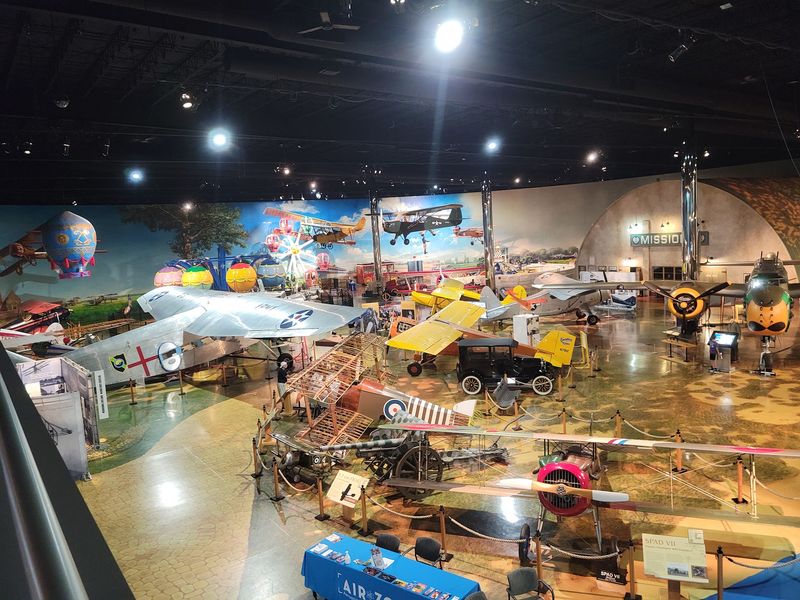
More than 40 aircraft fill this campus. That’s a lot of wings for one building, and the setup keeps them easy to explore.
The space offers a calmer, more focused setting than a busy amusement area. You get time to really look at historic military and classic aircraft without feeling rushed.
For kids, standing beside a real fighter changes everything. Pictures in books shrink these machines down, but in person, the size hits differently.
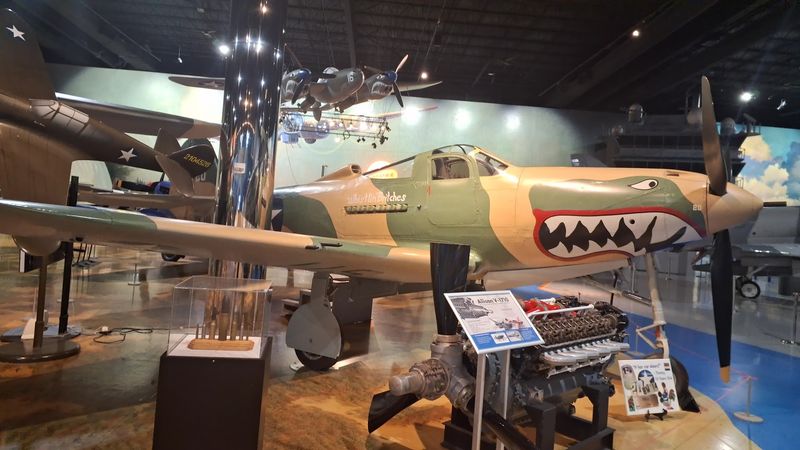
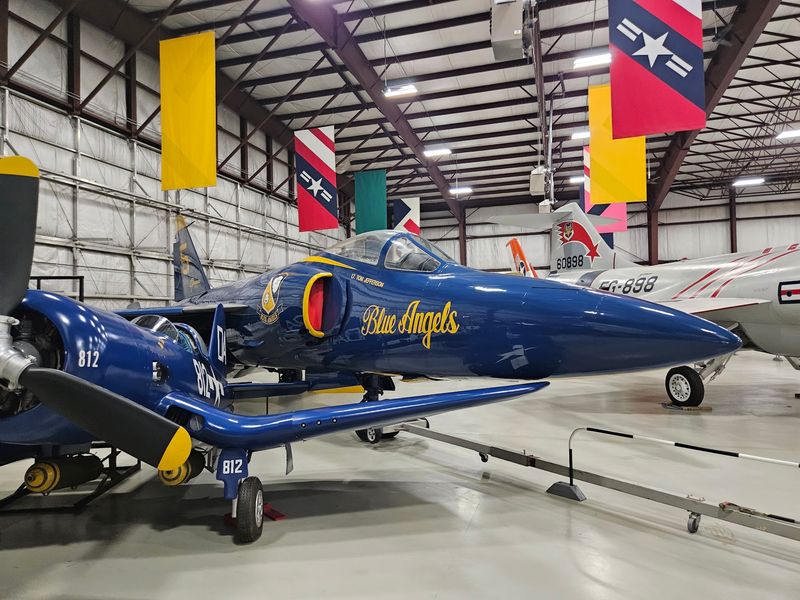
A Grumman F6F Hellcat is part of the World War II section. Its name also helps explain how the Air Zoo got its nickname.
Many planes in the collection carry animal names, like Wildcat, Hellcat, Bearcat, and Flying Tiger. Put enough of them together, and you’ve basically got a zoo with propellers.
Want a fun game for younger visitors? Ask them to find every plane with an animal in its name.
Older kids might prefer comparing shapes and engines across different eras. It sparks good questions about speed, design, and how flying changed so fast.
Plan to move slowly here. The magic comes from details you only notice when you stop and stare.
A Strange Piece Of History Hangs Out In The WWII Section
Not every aircraft here had a pilot. The V-1 Flying Bomb from 1942 is one of the most unusual pieces in the World War II area.
It looks small and simple next to the fighters around it. That contrast makes it a great conversation starter for curious kids.
Older students studying history will find plenty to talk about here. It’s a real object from a time they’ve only read about in class.
Parents can keep things age appropriate easily. Focus on how engineers built a machine that flew without anyone on board.
That idea connects to modern drones, which kids already know. Suddenly a 1940s artifact feels surprisingly current.
I like that the section mixes famous fighters with odd surprises. It keeps the walk-through from feeling like the same plane in different paint jobs.
Take a minute to read the signs together. Short facts stick better when kids say them out loud.
You could even turn it into a quick quiz for the drive home. The person who remembers the most details picks the snack stop.
Your Ticket Covers Two Campuses, So Bring Comfy Shoes
Good news for budget-minded families. The Air Zoo has two connected campuses, and the Flight Discovery Center pairs with the Flight Innovation Center.
Getting between them is simple. You can take a short walk or hop on the free shuttle.
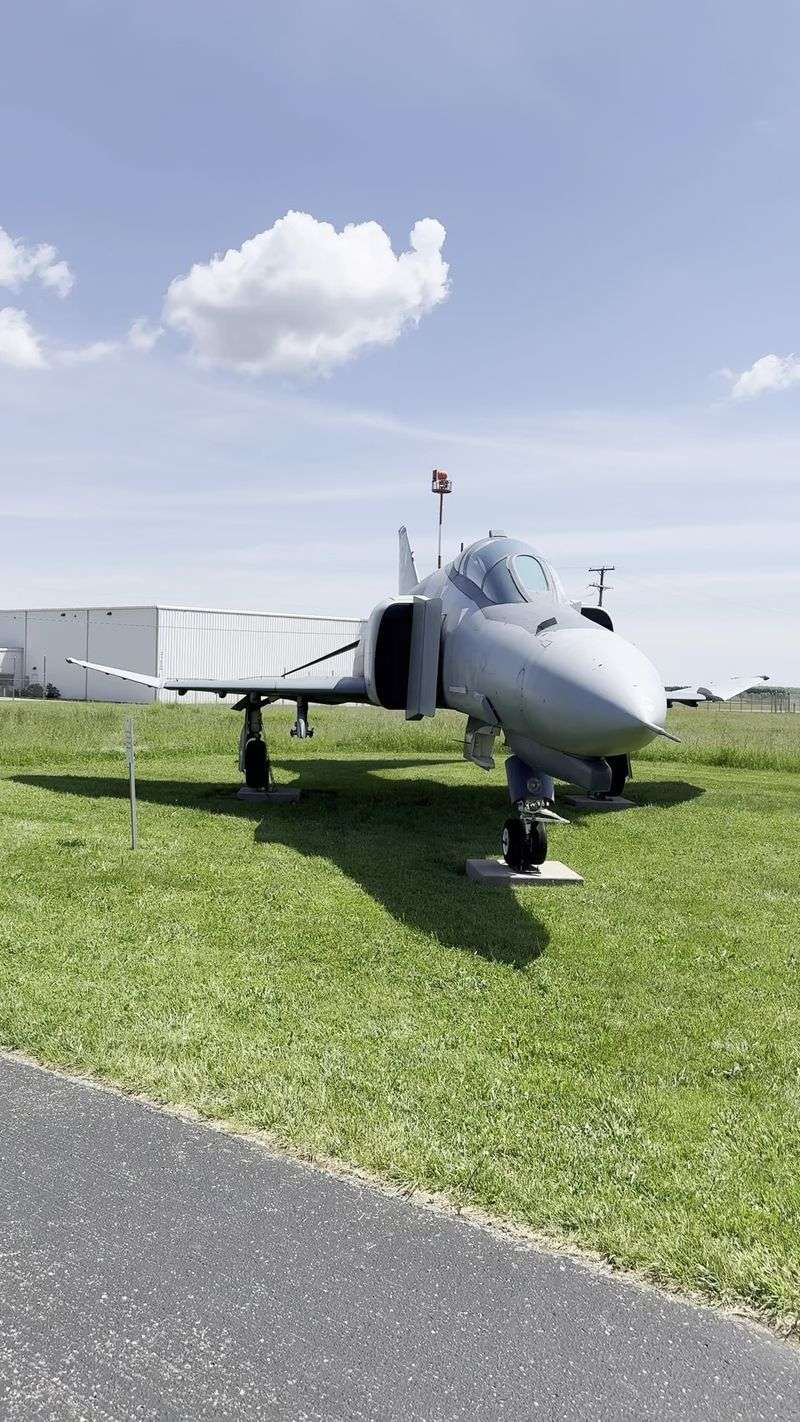
The walk has a bonus feature, too. Aircraft are displayed outdoors along the way, so the trip feels like part of the show.
You’ll find the Flight Discovery Center at 3101 E Milham Ave in Portage, Michigan. It sits right next to Kalamazoo-Battle Creek International Airport.
That location fits perfectly. Watching real aviation nearby adds a little extra buzz to the day.
Some families start at the main campus and save this building for later. Others reverse it to enjoy a calmer start.
Either way, leave enough time for both. Rushing the second building would be like skipping dessert.
Small kids may prefer the shuttle after a long morning. Tired legs and big hangars aren’t always best friends.
Plan your route ahead and pack water. A little planning keeps everyone happier from takeoff to landing.
Stealth Meets Speed Across The Bigger Air Zoo
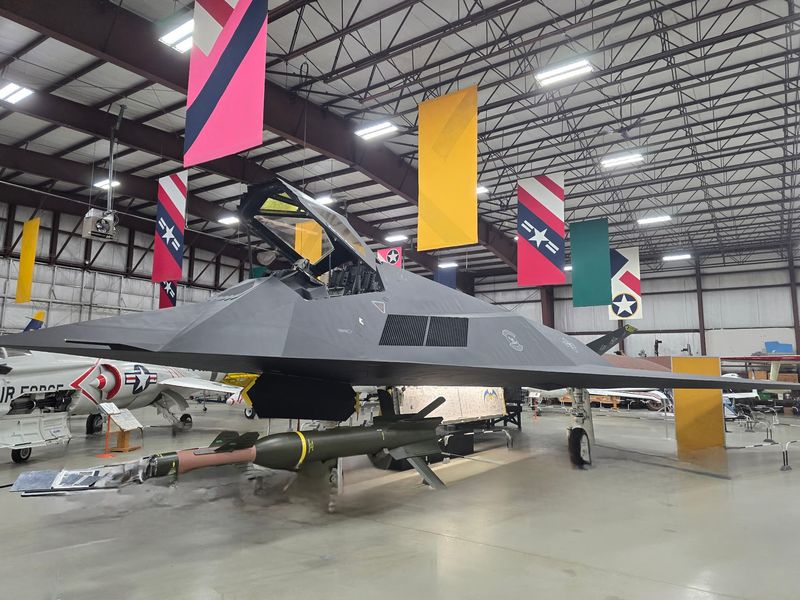
Yes, a real stealth fighter lives at the Air Zoo. In 2020, it became the first non-government museum to acquire an F-117A Nighthawk.
That angular black jet looks like it flew straight out of a sci-fi movie. Kids tend to stare at it longer than almost anything else.
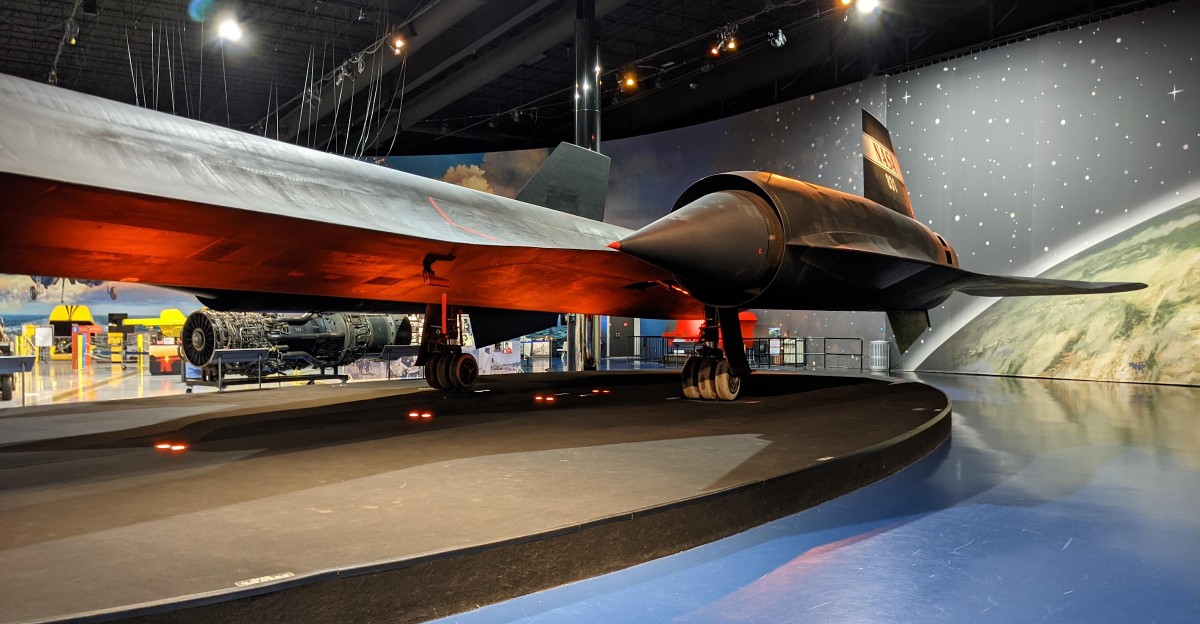
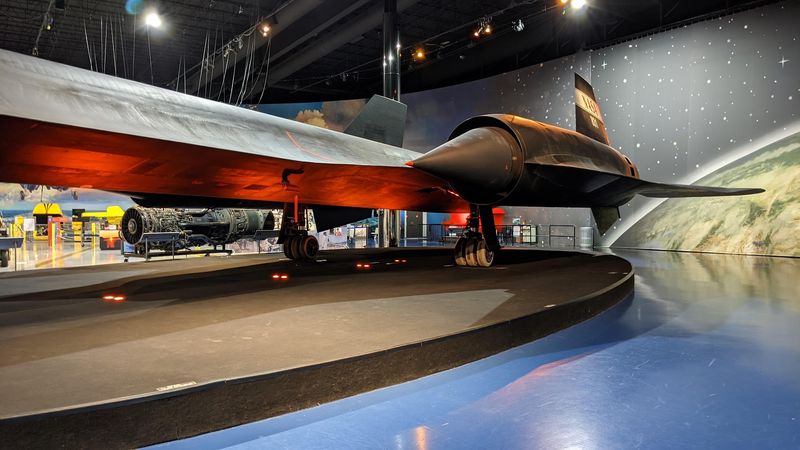
The wider Air Zoo collection also includes a rare SR-71B Blackbird training variant, displayed in the Flight Innovation Center. It’s one of the fastest crewed aircraft ever built.
Across its two buildings, the Air Zoo features more than 100 rare and historically significant aircraft and spacecraft. That’s a lot of ground to cover in one Michigan day.
It also carries a Smithsonian affiliation. That’s a pretty impressive badge for a museum many families still haven’t heard about.
Planning tip time. Ask staff where each headline aircraft is located before you head out.
That way you won’t miss the jet your kid has been talking about all week. Nobody wants that car ride home.
Snap a photo next to each favorite. Years from now, those pictures might mark where a future pilot got hooked.
Summer Brings Visiting Planes With Their Own Stories

Summer adds surprise guests. During fly-in season, visiting historic aircraft are displayed at the Flight Discovery Center.
These planes aren’t permanent residents, which makes them extra exciting. You never quite know who’s parked outside until the season rolls around.
Some visiting aircraft offer ticketed tour options. That gives curious families a chance to get even closer.
Fly-ins are a great reason to visit twice in one year. A spring trip and a summer trip can feel completely different.
Kids get to compare the regular collection with the newcomers. It’s a fun way to practice spotting differences in shape and size.
Bring sunscreen and hats, since summer displays happen outdoors. Michigan sunshine can sneak up on you.
Schedules vary, so check the museum’s calendar before heading out. A quick look saves disappointment later.
For aviation-loving kids, fly-ins feel like meeting celebrities. Only these celebrities have propellers and a whole lot of rivets.
Pack a little patience, too. The best views sometimes come to those willing to wait their turn.
Free Admission In August? Mark Your Calendar Right Now
August holds a sweet deal. The Flight Discovery Center hosts an Open House for National Aviation Day.
Admission to this building is free during that event. That’s an easy win for families trying to stretch their summer budget.
National Aviation Day celebrates flying and the people who made it possible. Spending it among historic aircraft just feels right.
It’s also a smart sneak peek for first-timers. You can test how your kids react before planning a full Air Zoo day.
Free events can be popular, so arriving early is a good habit. It gives you more room to explore at your own pace.
Bring a notebook for kids who like to draw. Sketching a plane makes them notice wings, wheels, and windows they’d otherwise skip.
I can’t imagine a better way to honor aviation than letting kids get close to it. Curiosity is basically jet fuel for young minds.
Watch the museum’s announcements for the exact date. Missing a free open house would sting a little.
Simulators, Rides, And A Giant Mural Wait Next Door
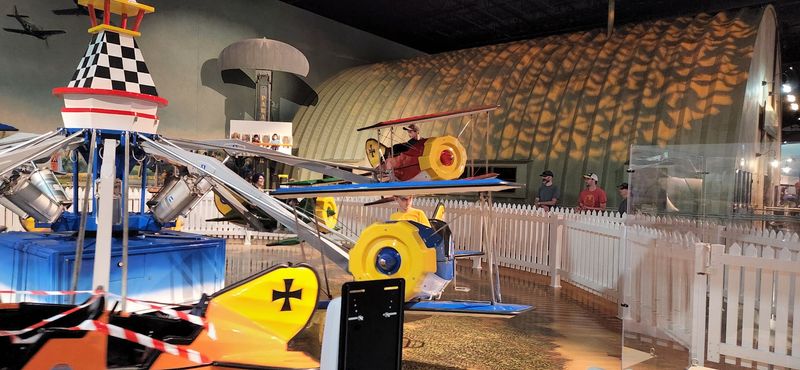
After the quiet hangar, the energy jumps up. The broader Air Zoo mixes aircraft with an indoor amusement park feel.
Rides include the Century of Flight Ferris Wheel, the Flying Circus Biplane Ride, and the Paratrooper Jump. Little ones usually need zero convincing.
Full-motion flight simulators let visitors try stunts and dogfights. One projects 360 degrees, which is a lot for a stomach after lunch.
Hands-on stations teach science through play. Kids can launch water bottles or propel air cars.
Look up, too. A 25,000-square-foot hand-painted mural called Century of Flight tells the story of flying across the walls.
Live science floor shows happen twice on Saturdays and once on Sundays. Time your visit right and you’ll catch one.
The Missions Theater adds a 4-D experience based on a World War II B-17 mission. It’s dramatic, so check if it suits younger kids.
Balancing calm and loud spaces keeps the day fun. Everyone gets a turn to enjoy their favorite part.
Snacks, Hours, And A Few Smart Moves Before You Go

Hungry pilots need fuel. The Kitty Hawk Cafe at the Air Zoo offers kid-friendly food options.
That makes a full day much easier to manage. Nobody has to leave just because someone’s tummy started rumbling.
The Flight Discovery Center’s hours vary by day, so check the museum’s official website before visiting.
Times can shift seasonally and around holidays, though. A quick check before leaving home keeps plans on track.
The Air Zoo began in 1977 as the Kalamazoo Aviation History Museum. WWII pilots Sue and Preston Pete Parish founded it.
The museum opened its doors on November 18, 1979. The Air Zoo name arrived in early 1999.
It has also been voted Best Place to Spend a Day with Your Family. Three years in a row, actually.
Start early if you want to see both campuses comfortably. Save the Air Zoo Flight Discovery Center for when everyone still has energy to look closely.
For Michigan families, this trip checks a lot of boxes. History, science, and real fighter jets all in one day is hard to beat.