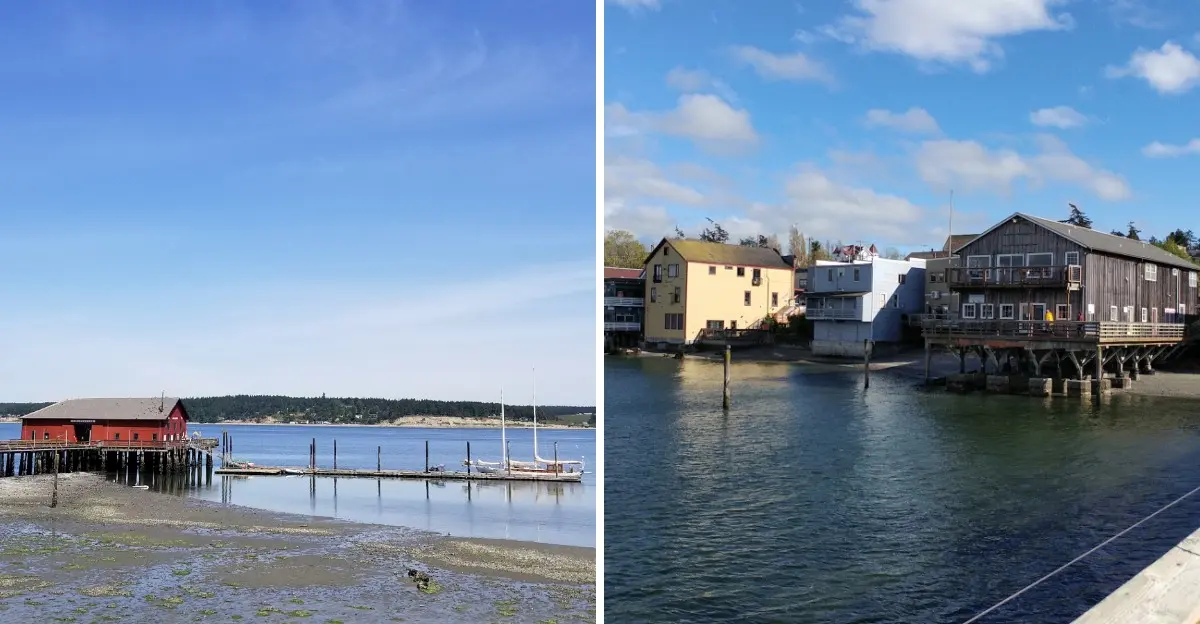
A wooden wharf built back in 1905 still stretches out over a quiet cove, and the mussels raised in that same water are known across the country. That’s a lot of fame for a town of fewer than 2,000 people.
The whole town sits inside the very first national historical reserve in the United States. Farm fields, pioneer homes, and windy bluff trails all share the same protected, postcard-worthy landscape.
I like how nothing here seems rushed. The ferry, the tide, and the line for a morning muffin all appear to run on island time, and that slower rhythm is the whole charm of this little Washington waterfront town.
Best part? Much of the fun here costs little or nothing at all.
So why do so many families zip right past it on the way somewhere else?
A Tiny Island County Seat That Punches Way Above Its Size
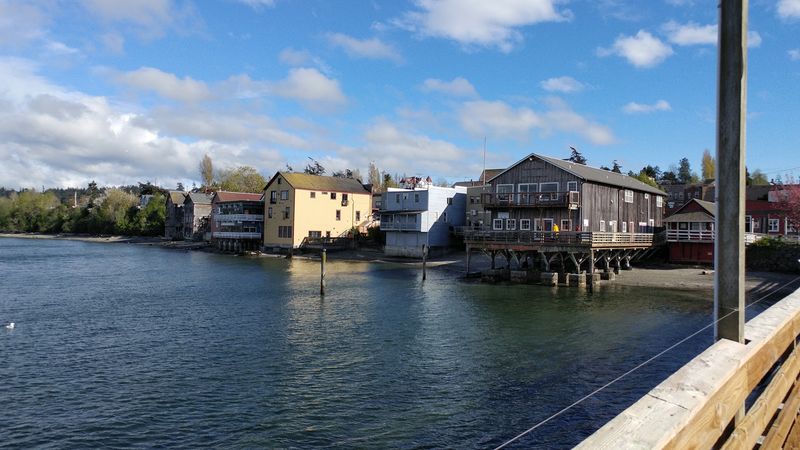
Plenty of county seats have courthouses and traffic lights. Coupeville, WA has a sleepy harbor, a historic wharf, and roughly 1,942 residents, based on the 2020 census.
The town sits on the shores of Penn Cove, right in the middle of Whidbey Island. It serves as the county seat of Island County, which surprises many first-time visitors who expect something much bigger.
Size isn’t the point here, though. Coupeville ranks among the oldest towns in Washington, and its downtown still looks like it belongs to another century.
Front Street runs along the water with wooden storefronts, small shops, and cafes facing the cove. You can stroll the whole stretch in minutes, which makes it a dream for short legs and slower grandparents alike.
Families love a place where nobody needs a map, a reservation, or special gear. A pair of comfy shoes and a rain jacket cover most of what Coupeville asks of you.
That easy footprint matters for parents watching both the clock and the budget. You can park once, wander the waterfront, and spend a whole relaxed afternoon without piling everyone back into the car every hour.
The Sea Captain Who Gave This Harbor Town Its Name
Captain Thomas Coupe sailed into Penn Cove in the early 1850s and decided he liked what he saw. He claimed land along the shore, and the town that grew there eventually took his name.
Sea captains, farmers, and traders followed in the years after. Their homes still stand in and around town, and many show off the tidy porches and steep rooflines of that early era.
Kids usually perk up when they learn a real ship captain helped start the place. It turns a casual walk into a little treasure hunt for old buildings and historic markers.
Coupeville officially incorporated in 1910, but its roots stretch much further back. That long history is a big reason the town feels like a living museum instead of a modern strip of chain stores.
The Island County Historical Society Museum sits near the waterfront and shares stories of the island’s settlers and Indigenous peoples. Hours shift with the seasons, so a quick check before visiting saves a disappointed carload.
History here isn’t locked behind glass, though. You can see it from the sidewalk, smell it in the salty air, and touch it on the weathered railings by the water.
Walk Out Over The Water On A Wharf From 1905
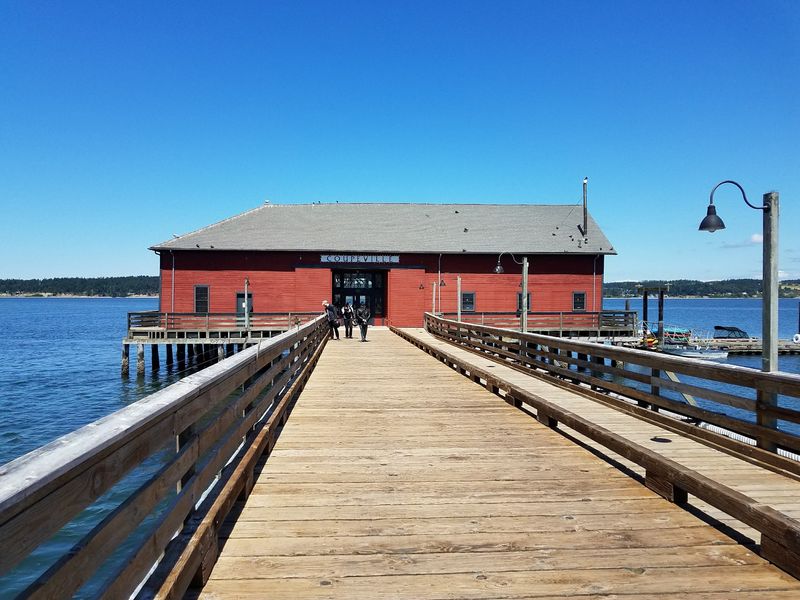
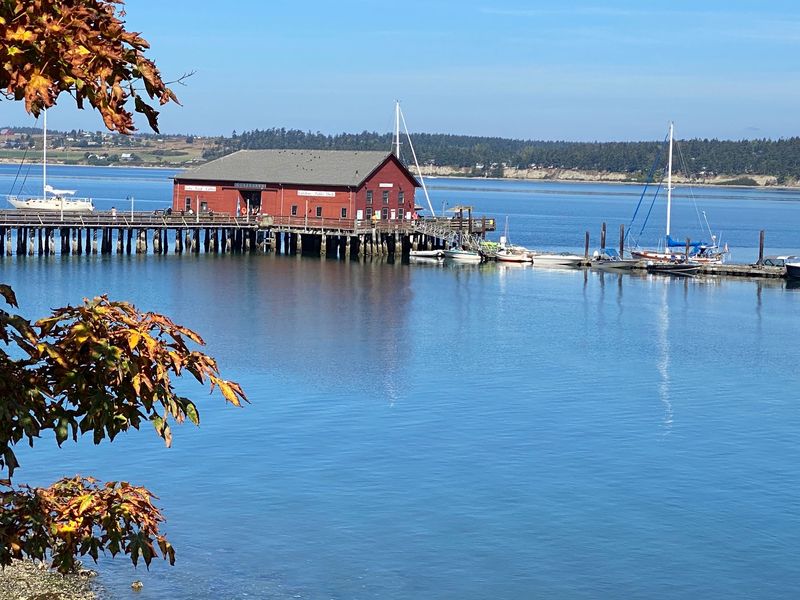
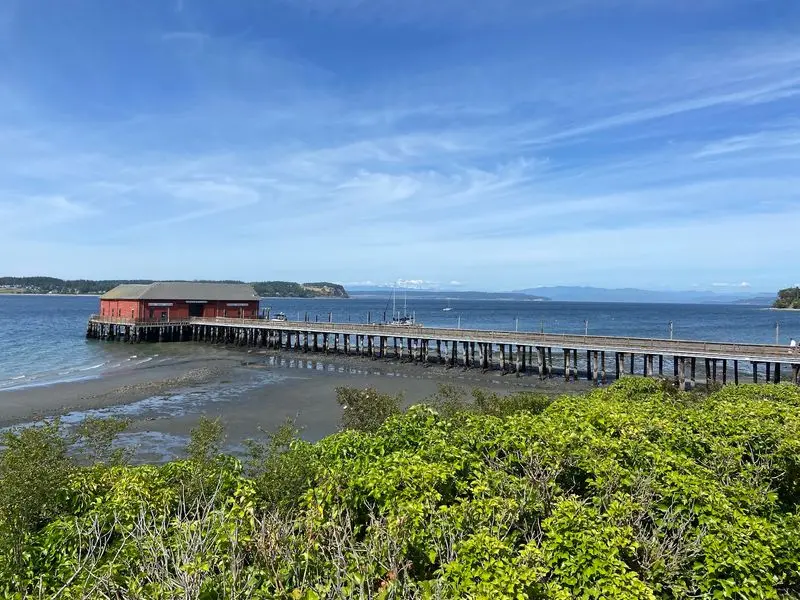
Few things feel as old-school as strolling a long wooden pier above the tide. The Coupeville Wharf has been doing that job since 1905, and it remains the town’s best-known landmark.
The wharf reaches out into Penn Cove on sturdy pilings. Its barn-red building at the end is easy to spot from shore and makes a great photo backdrop for family snapshots.
Walking out there costs nothing, which is music to any parent’s ears. Kids can peer down at the water and watch for birds, jellyfish, or the occasional curious seal.
Back in the day, steamers stopped here to move people and goods around Puget Sound. Today the pace is slower, and the wharf works more as a spot to pause, snack, and stare at the horizon.
Inside, you’ll typically find a small shop and a cafe, though offerings can change over time. A whale skeleton display has also hung inside for years, which tends to earn some big gasps from younger visitors.
Grandparents will appreciate the flat, easy walk from Front Street. No hills, no trail gear, just boards underfoot and the cove spreading out on every side.
Those Famous Mussels Grow Right Outside The Window
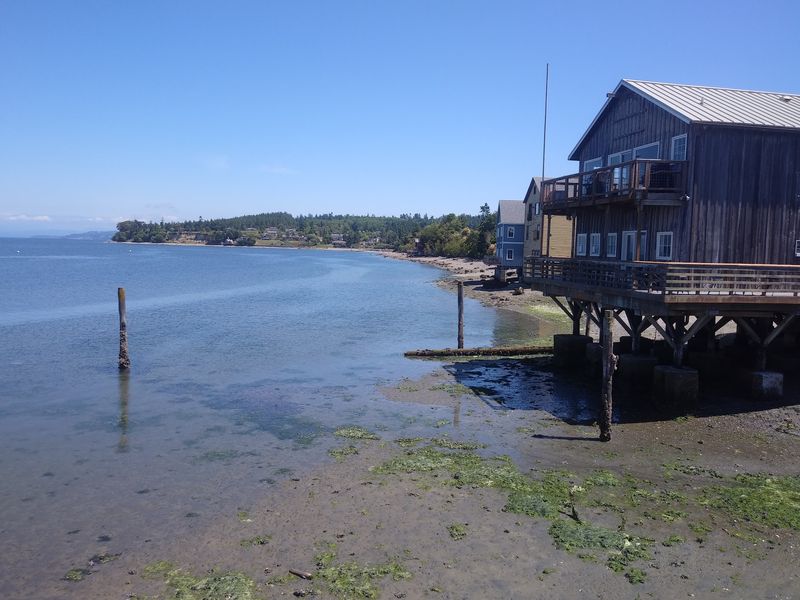
Ever heard a restaurant brag about Penn Cove mussels? Those little shellfish come from the very water lapping against the edge of town.
Look out across the cove and you’ll notice floating rafts dotting the surface. Mussels grow on lines hanging beneath them, fed by the cold, nutrient-rich waters of Puget Sound.
It’s a fun bit of science for kids who think food simply appears at the store. Pointing out where dinner actually grows can spark questions that last the whole ride home.
Each year the town celebrates with the Penn Cove MusselFest, usually held in early March. The event has typically featured cooking demos, tastings, and boat tours out to the mussel farms, though details can vary year to year.
Since it lands in late winter, MusselFest gives families a reason to visit when outdoor options feel limited. Dress in layers, because Whidbey Island breezes in March have a mind of their own.
Not into shellfish? No problem.
Watching the rafts bob on the water is free entertainment, and the cove looks especially pretty when low clouds roll in over the far shoreline.
An Entire Landscape Protected As A National Reserve
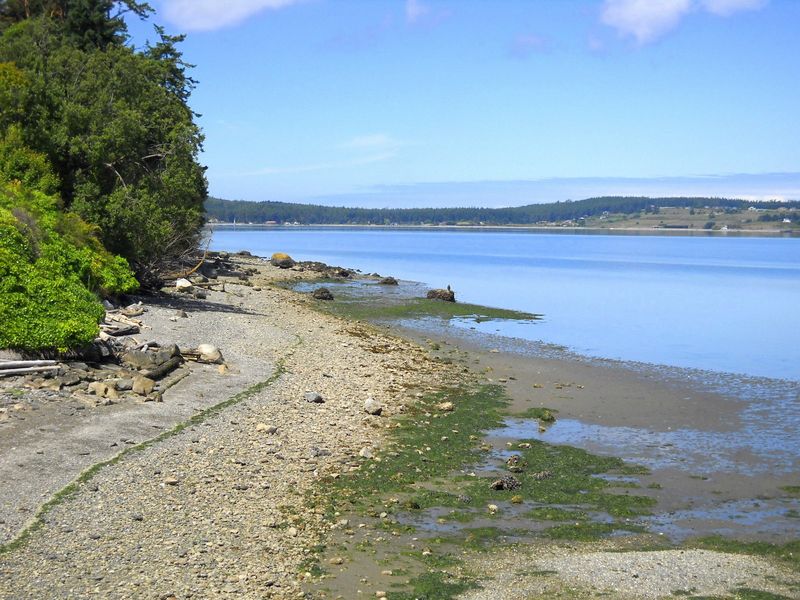
Here’s a fun fact for the trivia night crowd. Ebey’s Landing National Historical Reserve, created in 1978, was the first reserve of its kind in the country.
Coupeville sits right inside it. The reserve protects more than just one building, covering farmland, prairies, shoreline, and historic homes across central Whidbey Island.
That means the scenery you see stays largely the way it looked generations ago. Fields still get farmed, and old barns still dot the open land between town and the water.
The reserve is managed through a partnership that includes the National Park Service, local governments, and private landowners. Many of the homes inside are still lived in, so it’s a working landscape rather than a frozen exhibit.
For families, this makes the whole area one giant outdoor classroom. Driving the back roads becomes a lesson in how pioneers farmed and why this land mattered so much.
Better yet, simply touring the reserve by car or on foot doesn’t require any special ticket. Stop at pullouts, read the signs, and let the kids guess how old each barn might be before you look it up.
Bluff Views That Make Little Hikers Feel Like Explorers
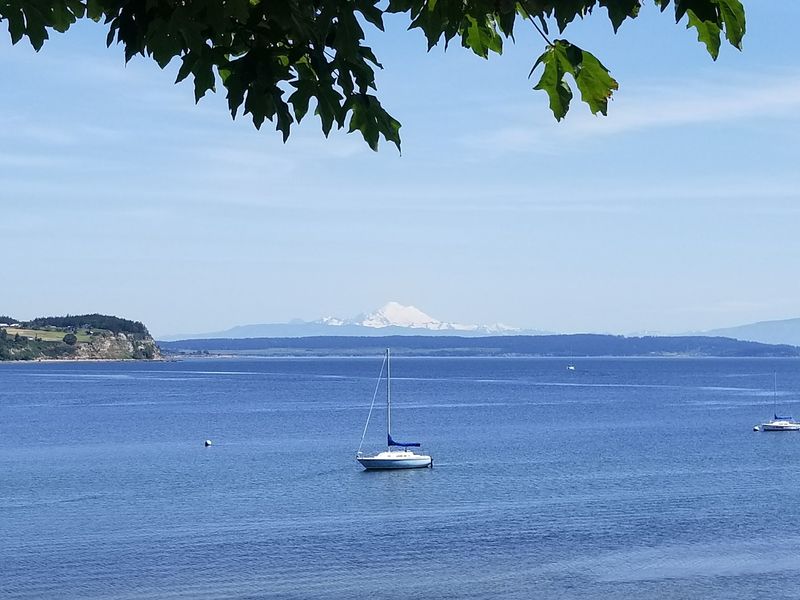
Big views don’t always demand big effort. The Bluff Trail at Ebey’s Landing delivers sweeping water and mountain scenery just a short drive from downtown.
The path climbs along a high bluff above Admiralty Inlet. On clear days, the Olympic Mountains rise across the water, and ships glide past far below.
The full loop runs about 5.6 miles with some elevation, so it suits families with older kids. Younger crews can walk a short stretch, enjoy the view, and turn around whenever legs get wobbly.
A beach route sits below the bluff too. Walking along the shoreline offers driftwood, pebbles, and plenty of space for kids to burn off energy without a steep climb.
Wind can whip up fast on these exposed bluffs, so hats and jackets earn their place in the trunk. Keep little ones well back from the edge, because the drop is real.
Parking is available near the trailhead, though spaces may fill on sunny weekends. Arriving earlier in the day usually makes things easier, and the morning light over the water rewards the early alarm clock nicely.
A Lighthouse And Old Coastal Fort Kids Can Actually Explore
Concrete tunnels, hidden stairways, and a white lighthouse on a bluff sound like the setup for a kids’ adventure novel. Fort Casey Historical State Park delivers all three just south of Coupeville.
The fort was built in the late 1890s to guard the entrance to Puget Sound. Today, its old gun batteries make a sprawling, echoey playground for curious young explorers.
Flashlights come in handy here, since some passages get dark. Kids love ducking through the corridors and climbing to the upper levels for views over the water.
Admiralty Head Lighthouse stands nearby on the same grounds. It dates to 1903 and is typically open seasonally for visitors, though hours depend on volunteer availability.
Washington State Parks generally requires a Discover Pass for vehicle access. It’s a small step that unlocks a full day of exploring, picnicking, and wandering wide grassy lawns.
Grandparents can enjoy the views from benches or flatter areas while the kids scramble around. Bring a picnic, a kite if the wind cooperates, and plenty of patience, because nobody will want to leave once the tunnels have been discovered.
Quiet Streets Where The Tide Sets The Schedule
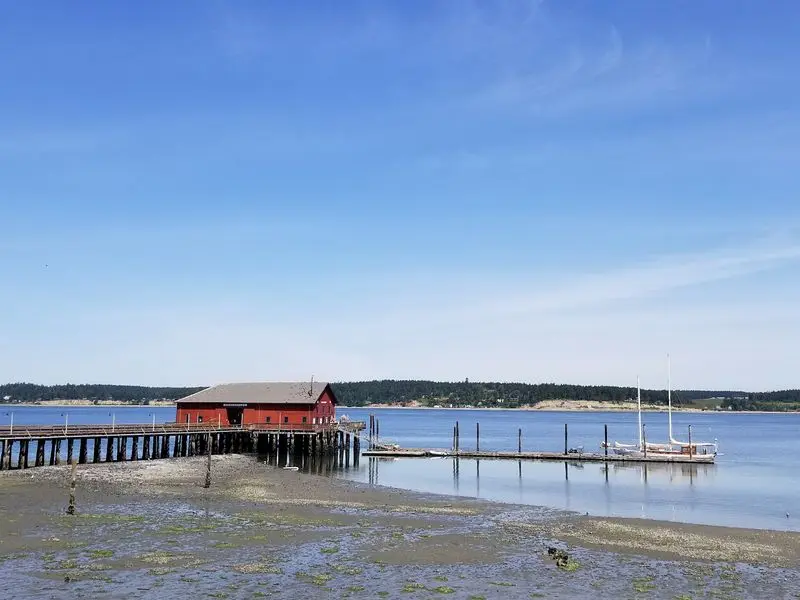
Slow is the default setting in Coupeville. Shops open at relaxed hours, sidewalks rarely feel packed, and the cove changes more than the town ever does.
That calm is exactly what makes it great for families worn out by busy theme parks. Nobody here is rushing you through a turnstile or herding you toward a gift shop.
Low tide reveals mudflats and shoreline worth a closer look. Kids can watch shorebirds pick through the shallows while parents enjoy a few quiet minutes on a bench.
The town works especially well for multi-generation outings. Grandparents get flat walking and plenty of places to rest, while kids get water, boats, and old buildings to explore.
Small cafes and bakeries line the waterfront area, so a snack break is never far away. Offerings shift over time, so wandering and choosing on the spot is half the fun.
Is it a thrill-a-minute destination? Not really, and that’s the point.
Coupeville suits families who want to slow down, talk to each other, and leave without feeling like they need another vacation to recover.
Getting There Is Half The Adventure
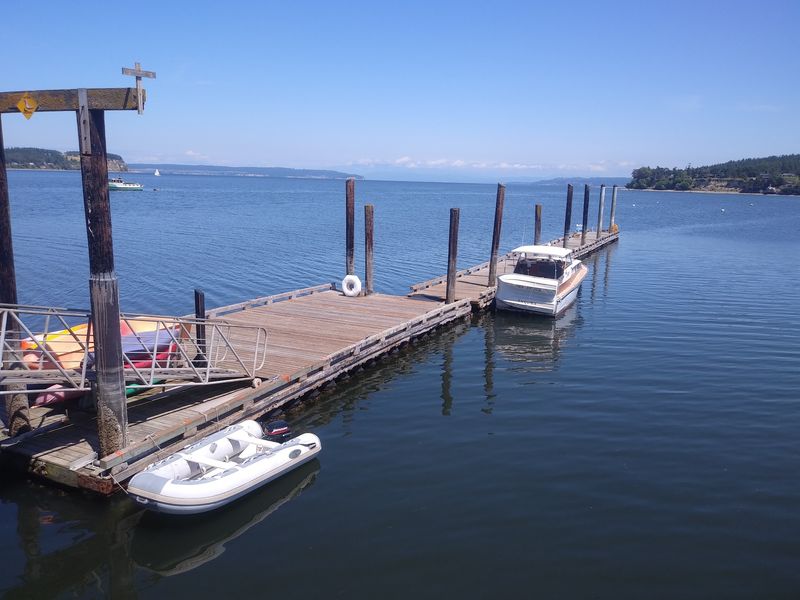
Reaching an island usually sounds complicated. Whidbey Island makes it easier than most, with both a bridge and ferry routes connecting it to the mainland.
From the north, Deception Pass Bridge carries drivers onto the island without any ferry at all. From the south, the Mukilteo to Clinton ferry links the island with the Seattle area.
Another option runs from Port Townsend to the Coupeville ferry terminal at Keystone. Kids tend to treat any ferry ride like a bonus attraction, which keeps grumbling to a minimum.
Ferry schedules and fares change by season, so checking Washington State Ferries before you go is a smart move. Summer weekends can bring longer lines at terminals.
Once on the island, Island Transit buses have long been fare-free, which can stretch a tight budget. Driving still offers the most flexibility for hopping between the wharf, Fort Casey, and Ebey’s Landing.
Plug Coupeville, Washington 98239 into your map and the routes appear quickly. Parking downtown is typically available along the streets near Front Street, and the town is compact enough to explore on foot once you arrive.
Why This Little Cove Deserves A Spot On Your Calendar
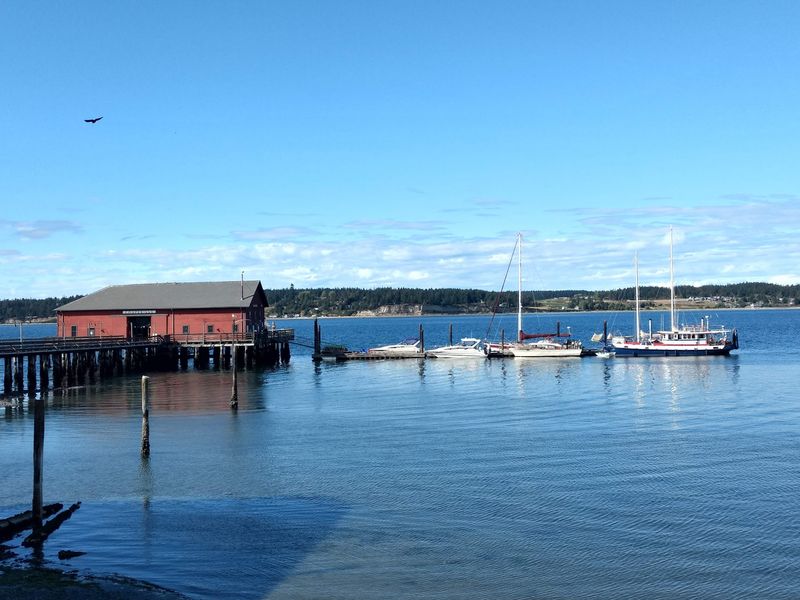
Some outings cost a fortune and leave everyone cranky. A day in Coupeville tends to go the opposite direction, with free views and simple pleasures doing most of the work.
The math adds up nicely for Washington families. Walking the wharf, browsing Front Street, and driving through Ebey’s Landing reserve don’t require tickets or fancy equipment.
Add Fort Casey and its lighthouse, and the day suddenly feels packed. Factor in the Discover Pass and a picnic lunch, and you’ve still kept spending pleasantly low.
Spring and summer bring the friendliest weather for bluff walks and beach time. Late winter has MusselFest, while fall offers crisp air and fewer people on the trails.
No season is truly off-limits, though rain gear helps year-round. This is Washington, after all, and the clouds love Whidbey Island almost as much as the visitors do.
If your family craves a slower day with salty air and real history, this harbor town fits the bill. Pack snacks, charge the camera, and let the tide decide how long you stay.