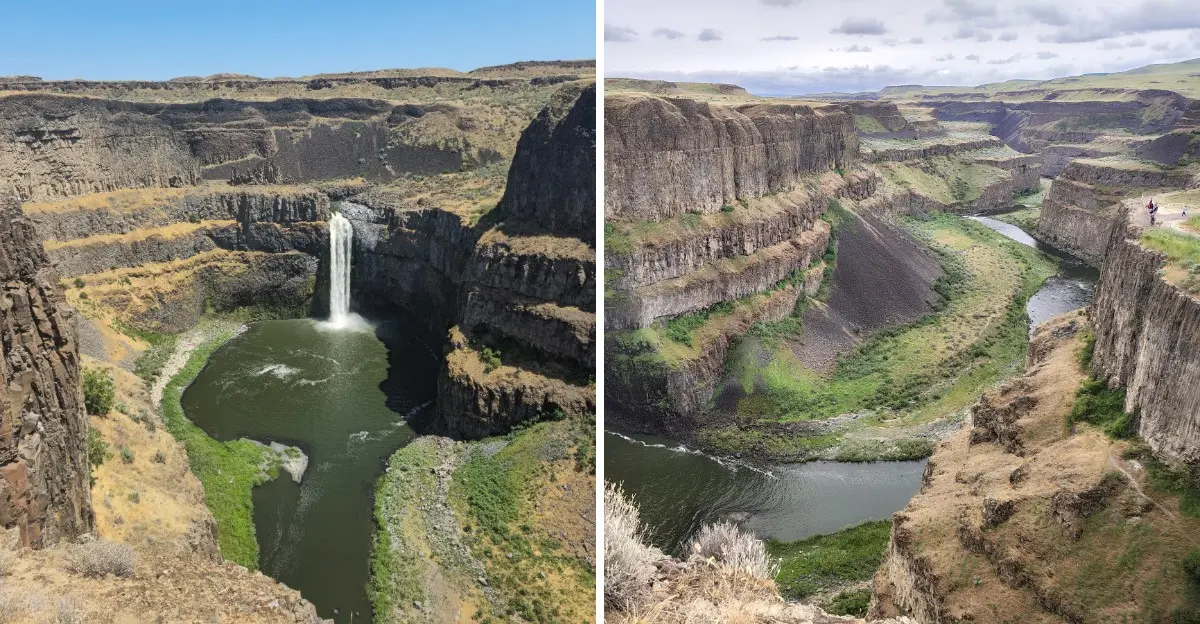
A 198-foot waterfall thunders into a basalt bowl, and the overlook sits less than 100 feet from your parking spot. That alone made me sit up.
Most big waterfalls make you earn the view with a long, sweaty hike.
This one is Washington’s official state waterfall. One longtime resident admitted living here about 50 years before finally seeing it.
I can’t imagine waiting that long for something this close to home.
The drive feels like nothing much at first. Flat scablands and wheat fields roll past your windows for miles.
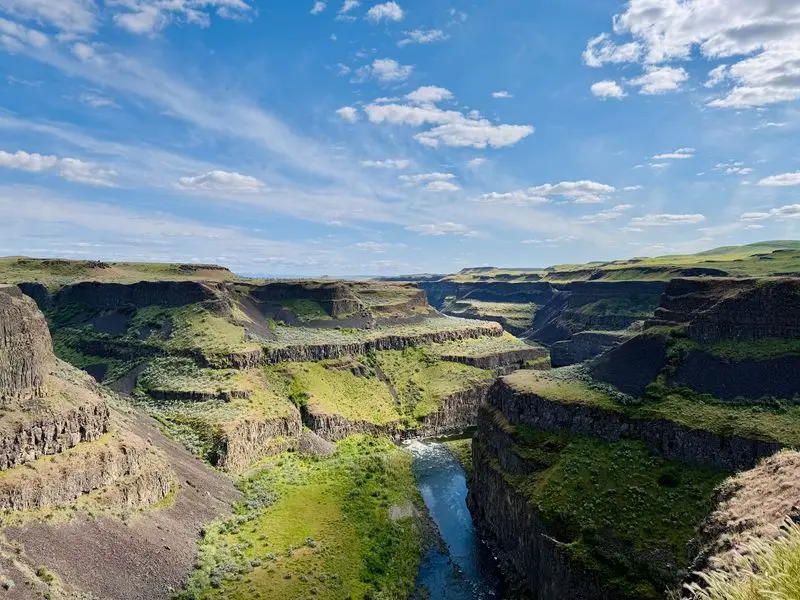
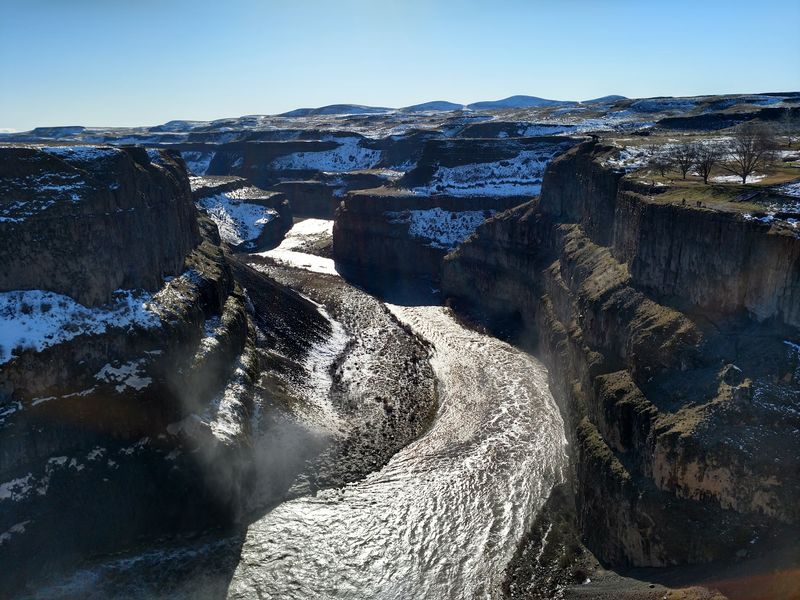
Then the ground simply splits open into a deep, rocky canyon.
I like how the payoff arrives so fast. Kids get drama without a long march, and grandparents get benches with a view.
So why does this roaring giant still feel like a secret?
A Waterfall Hiding Out In The Middle Of Wheat Country
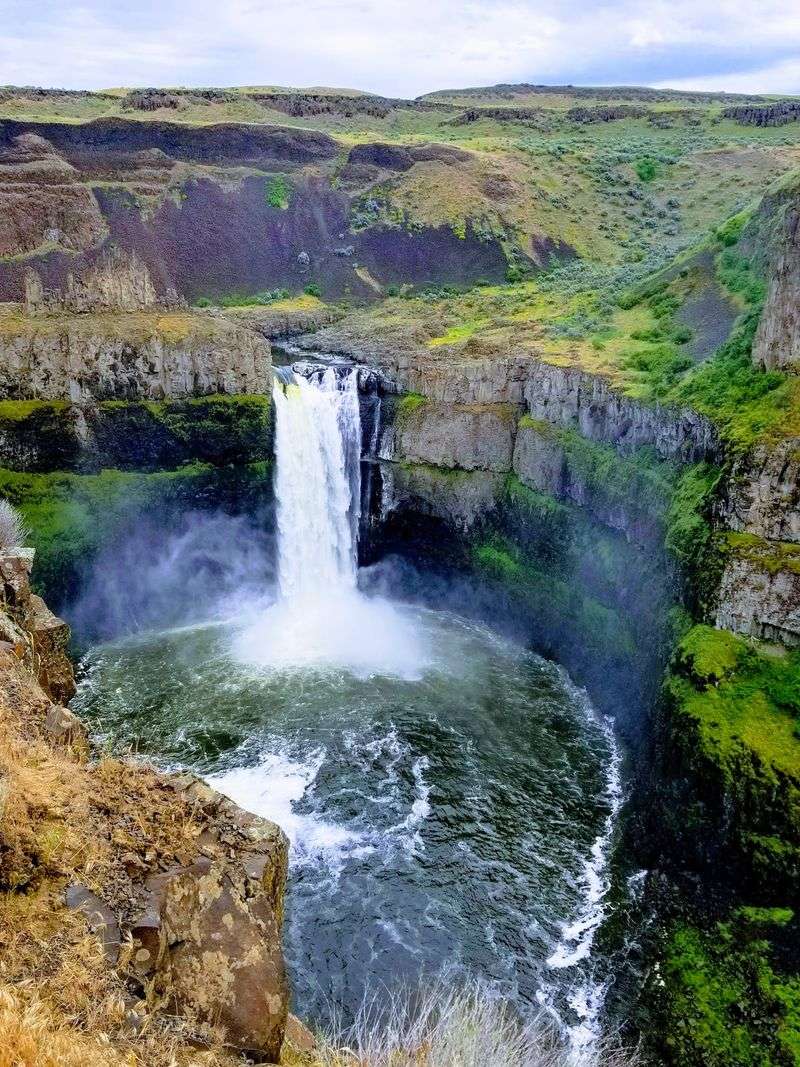
Out in the southeast corner of the state, the land looks calm and flat for miles. Palouse Falls State Park Heritage Site sits right in that quiet stretch, near the small town of LaCrosse.
The star is a 198-foot waterfall pouring into a canyon of dark basalt cliffs. It is the official state waterfall of Washington, which is quite a title in a state packed with them.
One visitor mentioned that Washington has roughly 3,000 waterfalls. Earning the top spot among that many takes serious presence, and this one delivers with sound and scale.
The park itself is compact and easy to grasp. You get a parking area, picnic grounds, viewpoints along the canyon rim, and a small campground nearby.
That simplicity is part of the appeal for families. Nobody needs special gear, a map app with offline layers, or a guide to enjoy the main event.
Many people describe the arrival as a sudden surprise. Barren-looking scablands give way to a deep, cavernous canyon with almost no warning.
Think of it as nature’s version of a magic trick. The setup feels ordinary, and then the reveal steals the show.
Ice Age Floods That Carved The Whole Scene
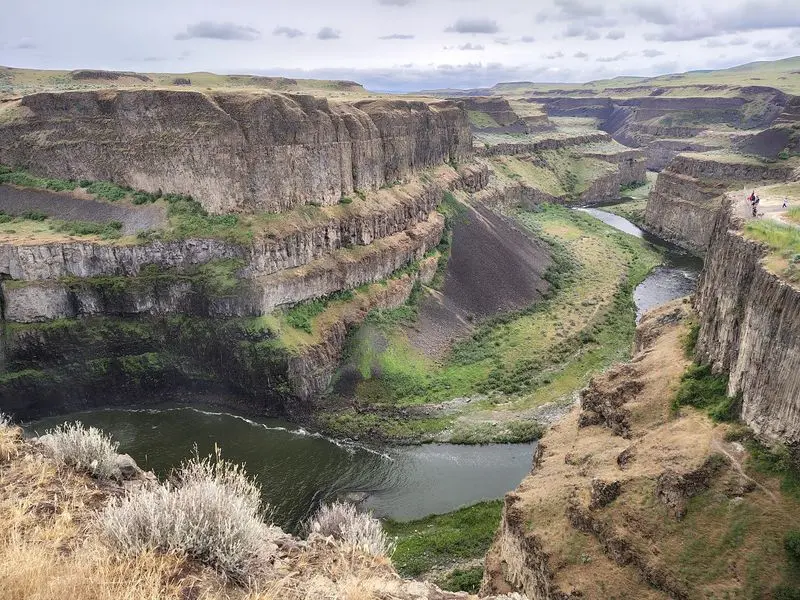
Ancient floods did the heavy lifting here. The canyon ties directly to the Missoula Floods, the massive Ice Age torrents that scoured eastern Washington.
That history explains why the ground looks so dramatic. Water tore through layers of basalt, leaving jagged walls and a deep plunge pool behind.
Visitors often point out how interesting the plaques are. Interpretive signs along the paths explain the science in plain terms, which is handy when kids start firing off questions.
One person spent about an hour wandering, partly because of reading those signs. The geology turns a quick photo stop into a mini lesson nobody had to sign up for.
I believe this is the secret weapon for parents. A waterfall is cool, but a waterfall made by a flood bigger than kids can picture is unforgettable.
The surrounding area is classic scablands terrain. That word alone is fun to say, and it gives kids a new term to bring home.
Grandparents who love a good story will enjoy this part too. The land basically records its own history in rock, and the signs help translate it.
Your GPS Might Steer You Wrong, So Read This First
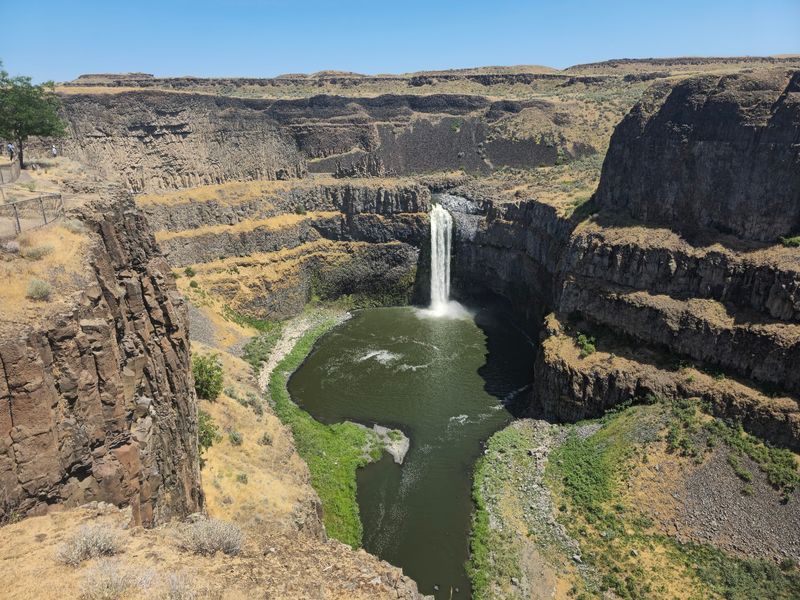
Here is the tip that saves the day. Type in Palouse Falls State Park specifically, not just Palouse Falls.
Multiple visitors warn that the generic search can send you onto a dirt farm track. Another access point is now private property and closed to the public.
The official address is Palouse Falls Rd, LaCrosse, WA 99143. Stick to that and you’ll land in the right place.
The final stretch runs on gravel for roughly two miles. Visitors describe it as groomed and totally manageable, so a regular family car should do fine.
Drive slowly and stay alert, since the park sits a bit off the beaten path. One longtime Washingtonian specifically urged people to pay attention getting there.
If you’re cruising Highway 26, the detour comes highly recommended. Several people say the falls are worth the trip if you live within a couple of hours.
Pack snacks and fill your tank before heading out. Services are sparse in this wide-open stretch, and hungry passengers make gravel roads feel twice as long.
The Shortest Walk To A Jaw-Drop In The State
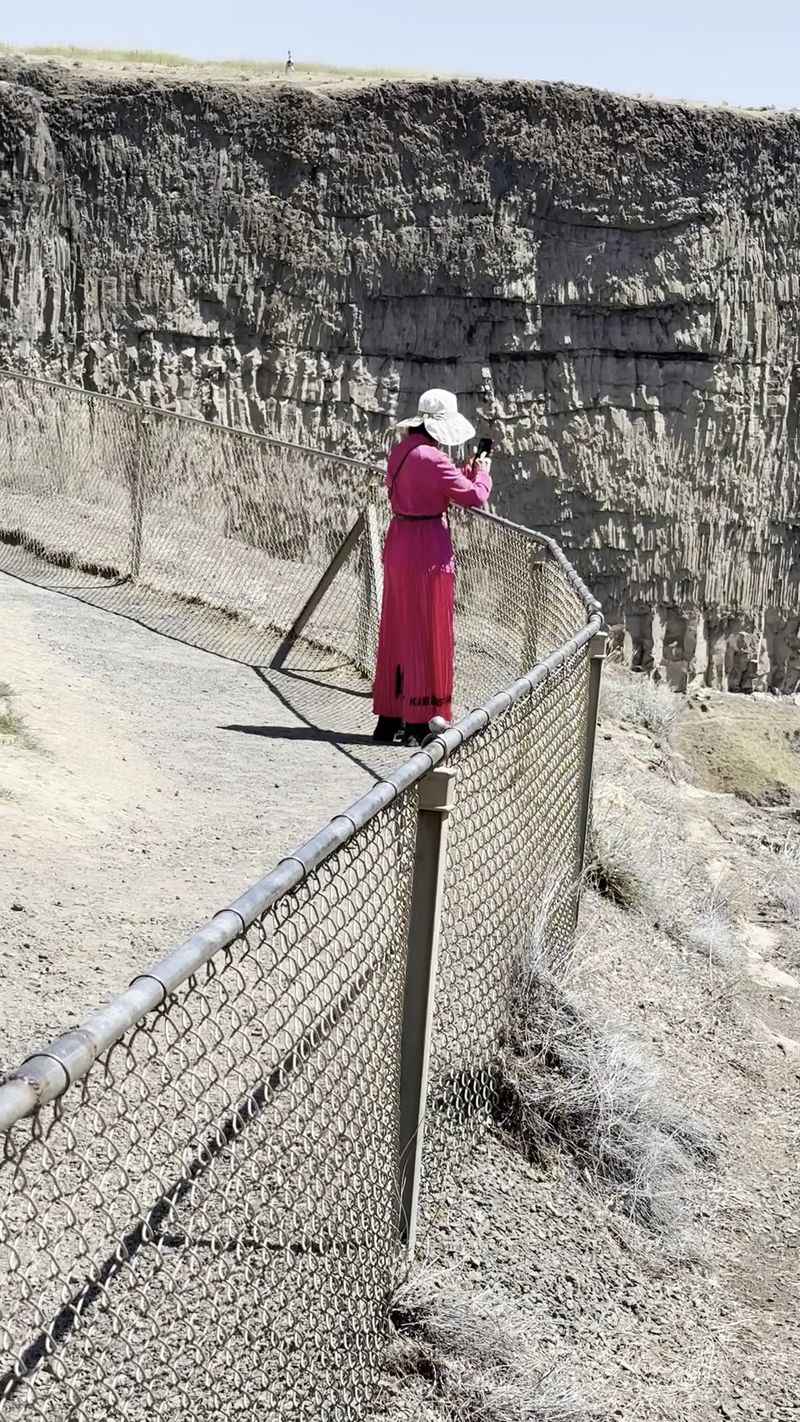
Less than 100 feet. That’s how far one visitor measured the walk from parking to a great view.
For families, that number changes everything. Toddlers, tired legs, and strollers all get a front-row seat without a struggle.
The park also offers an ADA-accessible overlook. That makes it a rare big-scenery stop that works for wheelchair users and grandparents with limited mobility.
A paved walking path leads toward the picnic area and viewing spots. Visitors call the short walk very easy, which matches the no-experience-needed crowd perfectly.
Some people even wish there were more hiking. One summed it up as the parking lot and two viewpoints, which tells you how little effort the main view requires.
A full visit typically takes around an hour. Round trip on the paths is about a mile, according to one visitor.
That timing fits nicely into a road trip day. Kids burn off some energy, adults get the photos, and everyone climbs back into the car happy.
Rim Trails For The Curious And Sure-Footed
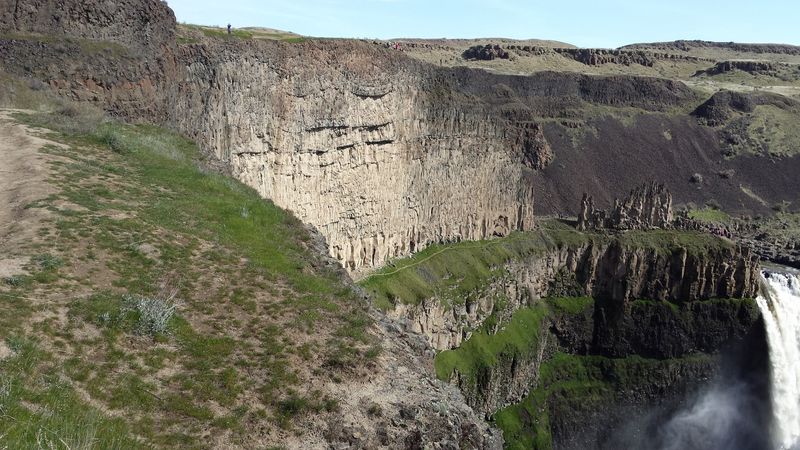
Want a different angle? Side trails branch off along the canyon edges for views beyond the main overlook.
One visitor noticed people taking those paths and popping up at the rim. From there, they could see the falls and the surrounding landscape from new spots.
Another tip comes from someone who suggests walking to the right of the restrooms. Apparently, more spectacular views wait over there.
These paths are a different story from the paved walkway. Visitors describe them as steep in places, and walking sticks are recommended.
The trails can feel raw and exposed. Respecting the edge matters, especially with little explorers who love to run ahead.
For families with young kids, the main viewpoints may be plenty. Older kids and steady adults can tackle the side paths with care and good shoes.
Wind is another factor worth knowing about. People describe the area as very windy and wide open, so hats and loose items need a firm grip.
Thunder You Can Hear Before You See It
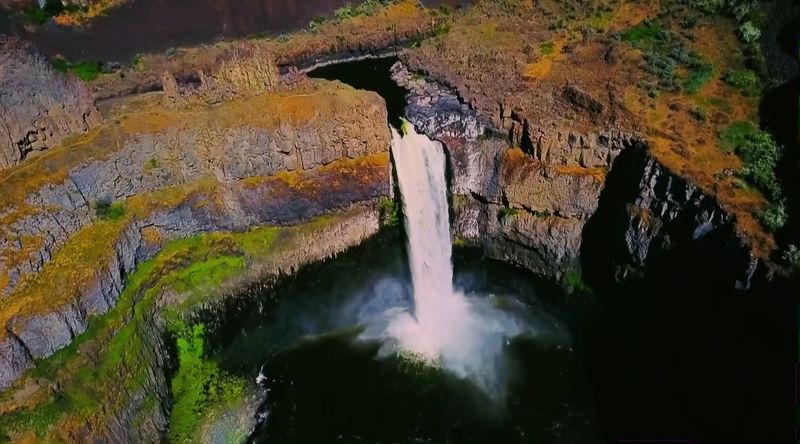
Sound is half the experience. Visitors keep coming back to the thunderous roar echoing off the canyon walls.
Spring is when the falls truly show off. People report roaring flows in springtime, and one late-February visit after heavy rain brought a lot of water over the edge.
Seasons shift the look of the canyon too. One spring visitor noted beautiful green moss coating parts of the canyon walls.
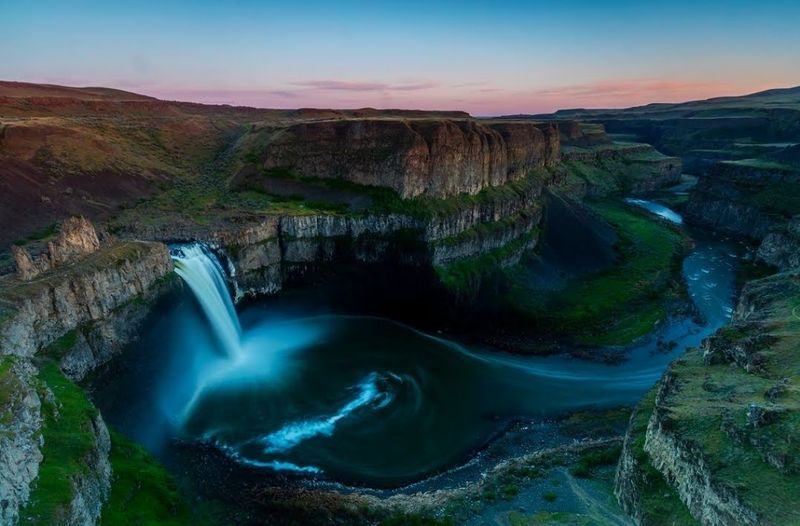
Golden hour gets its own fan club. One person described the evening light turning the cliffs to fire, which sounds like a photographer’s dream.
Photos still struggle to capture it all. Several visitors say pictures don’t do the scale justice, and standing there feels almost surreal.
So which season should families pick? Spring brings the biggest show, while warmer months make picnicking more pleasant.
Either way, the falls never fully lose their punch. The basalt amphitheater keeps the drama going year-round, just with a different volume knob.
Marmots, Hawks, And Other Locals Stealing The Spotlight
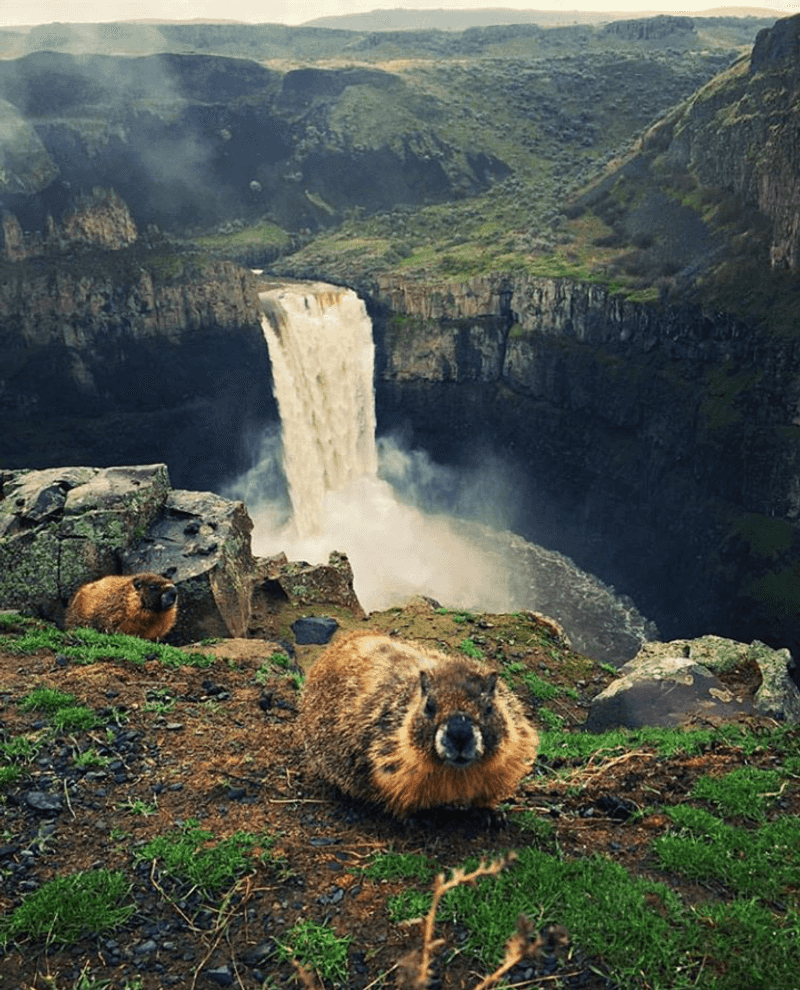
Kids might forget the waterfall for a minute. Marmots scampering on the rocks are a frequent highlight mentioned by visitors.
One family described the marmots as a fun, interesting touch. Another spotted what they called a woodchuck along the crest of a hill.
Birds put on their own show above the canyon. Visitors have seen vultures, hawks, swallows, and pigeons near the falls.
Someone even watched birds riding the thermals. That’s a nice moment to point out to children, since the birds barely flap.
A pair of binoculars could add a lot here. Cheap kids’ binoculars turn wildlife spotting into a game.
Now for the less cuddly neighbors. Rattlesnakes come up often in conversations about this park, so stay on paths and watch where little feet go.
Bugs can also show up in warm weather. One family planned a picnic but ended up eating in the car because of insects, so a backup plan helps.
Picnic Tables With A Front-Row Canyon Seat
Bring lunch. Seriously, one visitor flat-out advised packing picnic food, since the main sights take about an hour.
The good news is the setup for eating is excellent. Picnic tables are among the most talked-about features at Palouse Falls State Park Heritage Site.
Visitors mention well-kept picnic areas with barbecue grates. That opens the door to grilling hot dogs with a waterfall soundtrack.
Shade helps on warm days. Most tables sit in shaded spots, and one covered table is also available.
Benches dot the area too. Even on a busy Memorial Day weekend, one visitor found plenty of benches and shade.
For budget-minded families, this is the move. A packed cooler turns a quick stop into a relaxed half-day outing with almost no extra spending.
Grandparents will appreciate having a comfortable place to sit. Kids can watch for marmots between bites while adults soak in the view.
What It Costs To Get Through The Gate
Money talk, quickly. You’ll need a Discover Pass to park at this Washington state park.
No pass yet? No problem, since you can buy one at the on-site machine or kiosk.
Bring a card. One visitor noted the kiosk accepted credit cards only, so cash-only families should plan ahead.
Visitors describe the day option as an affordable fee. If you visit Washington state parks often, the annual pass may stretch your dollars further.
Parking itself is described as plenty, with two lots serving visitors. One person estimated around 20 spaces in one area, so busy days could fill up.
Restrooms include a building plus portable toilets. Several visitors praised how clean the pit toilets were, which parents of potty-training kids will appreciate.
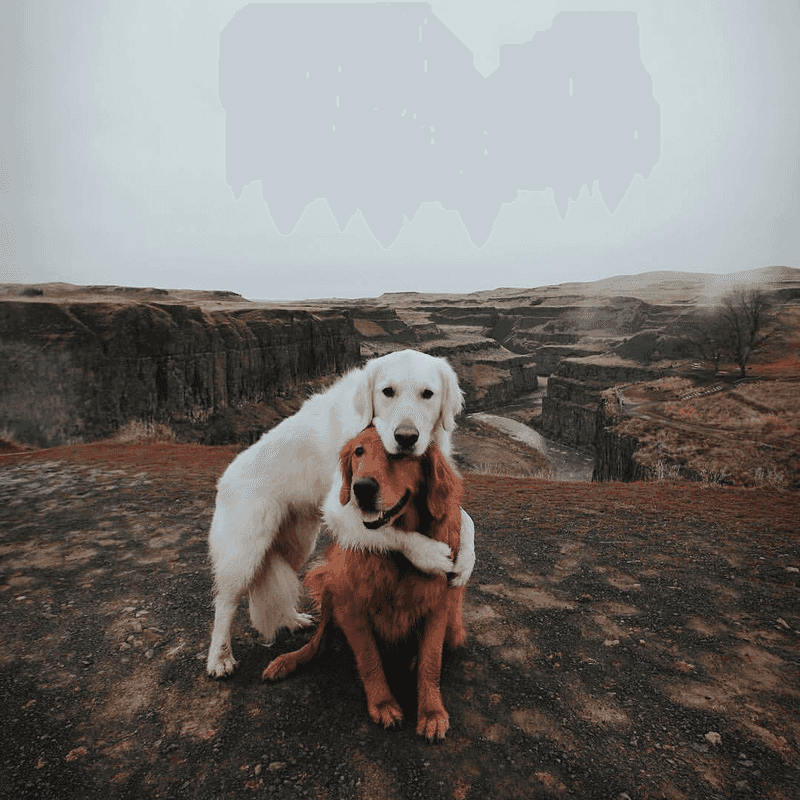
Dogs are welcome too. One visitor was happy to find it dog friendly, so the family pup can tag along on a leash.
Hours That Make Sunrise And Sunset Trips Possible
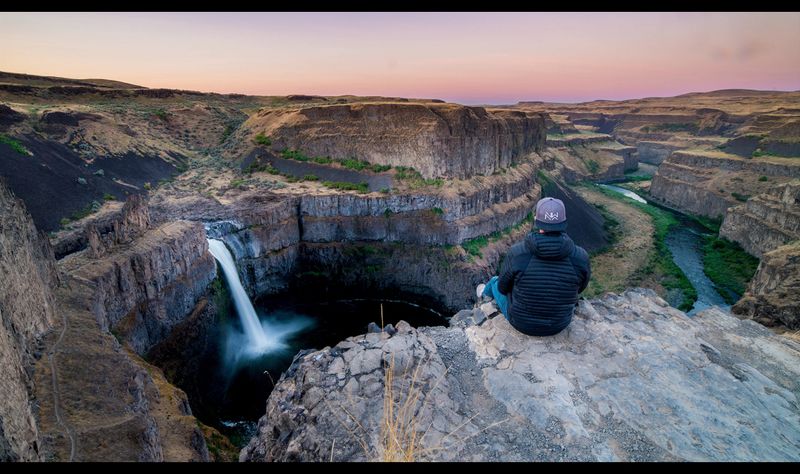
Early birds win here. The park opens at 6:30 a.m. every day of the week.
Closing time is 8 p.m. daily. That generous window gives families room to plan around nap times and long drives.
Since golden hour gets so much praise, an evening visit makes sense. Just leave enough time to drive the gravel road back before dark.
Hours can shift seasonally at many state parks. A quick check with Washington State Parks before you go helps avoid a wasted trip.
An attendant is often around, according to visitors. One described the park attendant as extremely helpful and friendly.
Staff also seem to keep things tidy. A spring visitor saw two attendants walking around to keep the park clean.
That care shows in how often people call the park clean. For families, a well-kept spot makes the long drive feel even more worth it.
A Campground For Families Who Want More Time
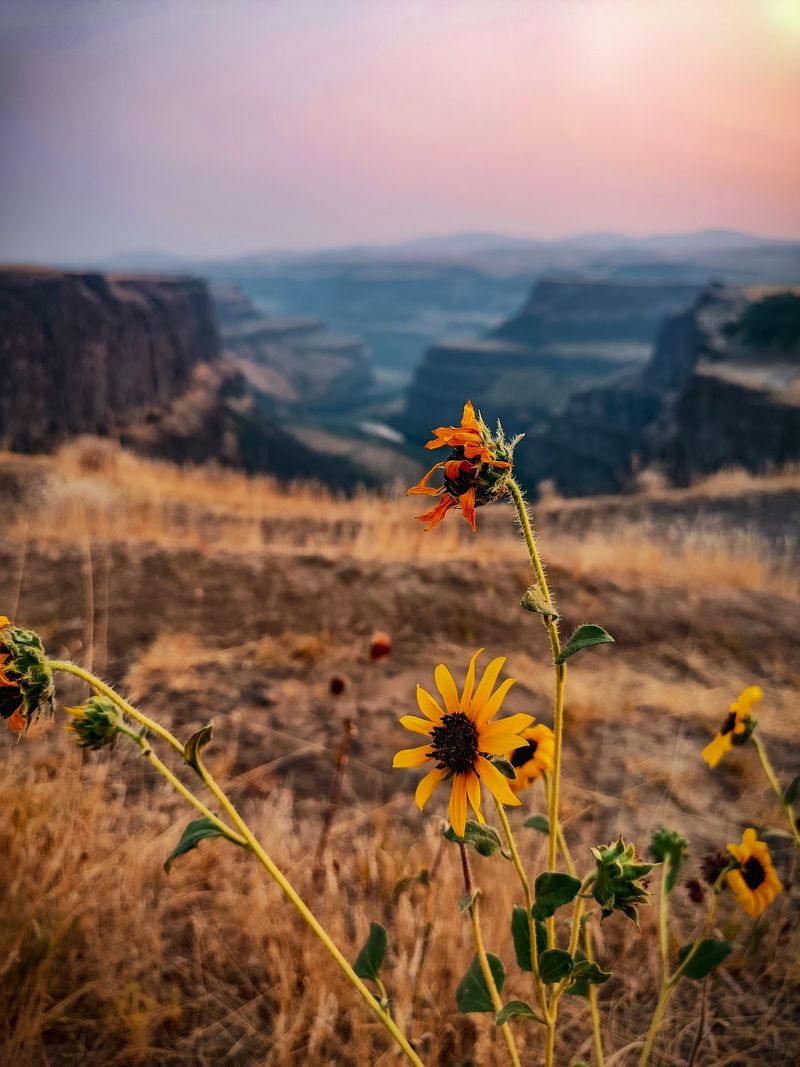
Day trips aren’t the only option. Palouse Falls State Park Heritage Site also includes a campground.
Staying overnight gives you a shot at both evening and morning light. It also turns a long drive into a more relaxed adventure.
Families from western Washington might especially like this idea. One west-side visitor said they find eastern Washington so beautiful, and camping lets you soak that in.
Expect basic, simple surroundings. One visitor described the facilities as basic, so plan to bring what you need.
Wind and bugs are factors to prepare for. Sturdy tent stakes and bug spray could make the night far more comfortable.
Reservations and campground rules come from Washington State Parks. Check availability ahead of time, since the park is remote and backup options are limited.
Camping here also feels a little old-school. Kids get a starry, wide-open sky and the rumble of falling water nearby.
Quiet Crowds And Lots Of Elbow Room
Four cars. That’s how many one family counted in the lot on a Friday.
Remoteness keeps things calm at Palouse Falls State Park Heritage Site. Another spring visitor said they practically had the park to themselves.
Holidays bring more people, of course. Still, a Memorial Day visitor called it busy but not crowded.
Visitors often use the word quiet when describing the setting. The wide, open landscape helps spread folks out along the rim.
For families with kids who get overwhelmed, this matters. Fewer people means less stress and easier supervision near the edges.
Weekdays look like your best bet for solitude. Spring weekdays might offer the ideal combo of big water and small crowds.
It’s a nice change from packed tourist spots. You get a famous view without fighting for a railing spot or a picnic table.
Safety Basics That Keep The Day Fun
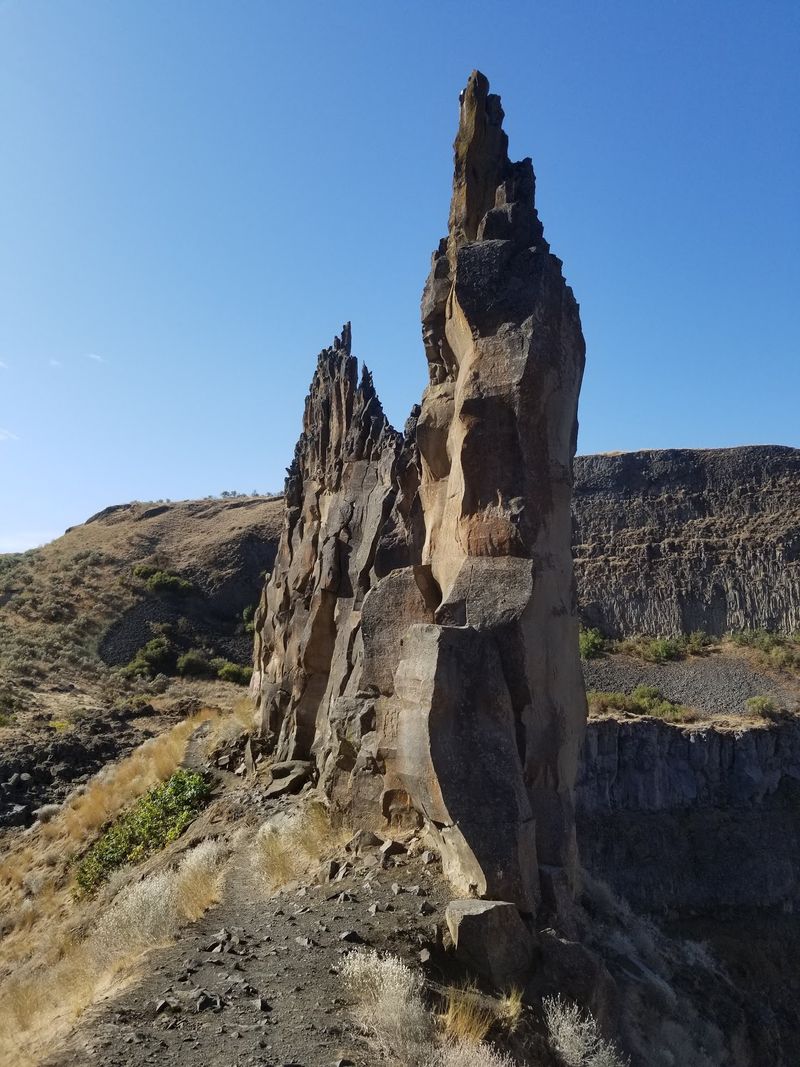
Cliffs are no joke here. The canyon edges are steep and exposed, and visitors stress respecting them.
Swimming is not available. One visitor noted there’s no access for swimming, so leave the swimsuits at home.
Rattlesnakes are part of this dry landscape. Keep kids on established paths and avoid poking around rocks.
Wind can be strong across the open terrain. Hold little hands near the rim and secure hats, maps, and snack wrappers.
Bring water, sunscreen, and sturdy shoes. Shade exists in the picnic area, but the rim itself is open to sun and weather.
Walking sticks can help on steeper trail sections. Grandparents may prefer staying on the paved path and accessible overlook.
Dogs should stay leashed for everyone’s safety. With a bit of planning, the whole family can enjoy the view without worry.
Why This Canyon Belongs On Your Family List
A 4.7-star rating across thousands of reviews says plenty. People clearly leave this place impressed.
One visitor even felt it should count as a wonder of the world. That’s big praise for a stop that takes about an hour.
The math works well for Washington families. A short walk, a modest parking fee, and a packed lunch deliver a giant payoff.
Kids get marmots, hawks, and a roaring waterfall. Adults get Ice Age history and photos worth framing.
Grandparents get an accessible overlook and shaded benches. Nobody needs hiking skills or fancy equipment.
Is it a full-day destination? Not exactly, but paired with a picnic or campground stay, it becomes a memorable outing.
Just remember to point your GPS to the state park. Then roll down the gravel road and wait for the ground to open up.