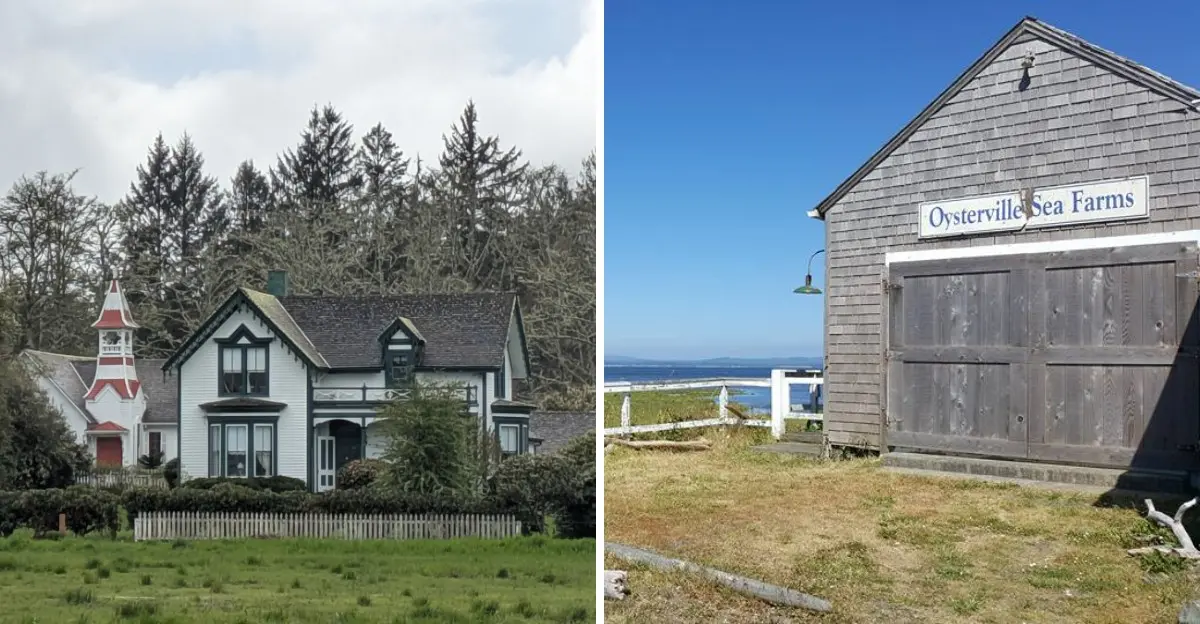
Oysters once paid for everything here, and they were worth so much in gold-rush San Francisco that people called this shoreline rich.
That shellfish fortune built a tiny village on a quiet bay in Washington. Then the oysters crashed, the county seat moved away, and the town simply stopped changing.
I like how that pause left so much intact. Old houses, a white church, and a little schoolhouse still sit along a handful of lanes beside the water.
The whole place is small enough to wander on foot in an afternoon.
I can’t imagine a cheaper way to show kids what the 1800s looked like without a single velvet rope. You just park, walk, and look around.
So how does a village keep its past this well for so long?
A Bayside Village At The Quiet End Of The Peninsula
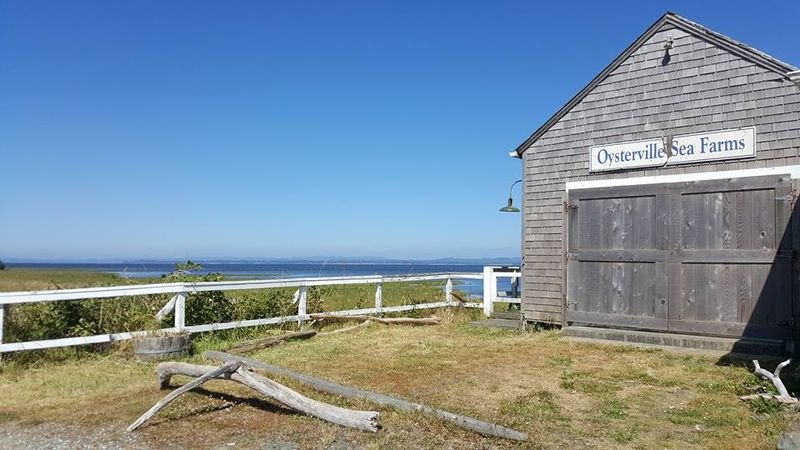
Oysterville sits on the Willapa Bay side of the Long Beach Peninsula in Pacific County, Washington. It’s an unincorporated community, which is a fancy way of saying it’s tiny and has no city hall.
The village lies about 5 miles from Ocean Park and roughly 15 miles from Long Beach. That puts it near the northern stretch of the peninsula, away from the busier beach towns to the south.
Most peninsula visitors head straight for the ocean side and its long sandy beaches. Oysterville faces the other direction, looking east over a calm bay instead of crashing surf.
That difference sets the mood right away. The bay side feels softer and slower, with tide flats, marsh grass, and open water stretching toward the far shore.
For families already staying near Long Beach, the trip north is an easy add-on. A short drive takes you from boardwalks and kites to a village that looks like an old photograph.
Nobody needs special gear, tickets, or hiking skills to enjoy it. Comfortable shoes and a little curiosity cover almost everything, which makes it a friendly outing for grandparents and little ones alike.
How A Shellfish Boom Built A Town In 1854
Back in 1854, settlers founded Oysterville to harvest the native oysters growing thick in Willapa Bay. Those small shellfish turned out to be shockingly valuable.
Gold-rush San Francisco had money to spend and a big appetite for oysters. Schooners carried the bay’s harvest south, and the cash flowed back north to this little shoreline.
The boom made Oysterville an important place in its day. It even served as the county seat of Pacific County for years, a big title for a village this size.
Good times rarely last forever, though. The native oyster beds declined from overharvesting, and the town’s fortunes faded along with them.
Then came a famous bit of local drama. In 1893, folks from South Bend reportedly sailed over and carried off the county records, settling the county seat question in their favor.
That story still gets told with a grin today. It’s a fun piece of history to share with kids, since it sounds more like a pirate tale than a government decision.
After that, growth simply stopped. And oddly enough, that pause is exactly why the village still looks the way it does.
Old Houses That Never Got The Memo About Modern Times
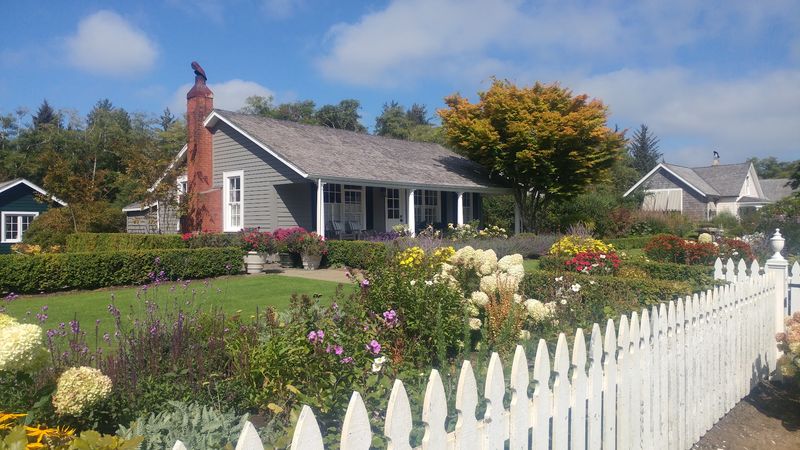
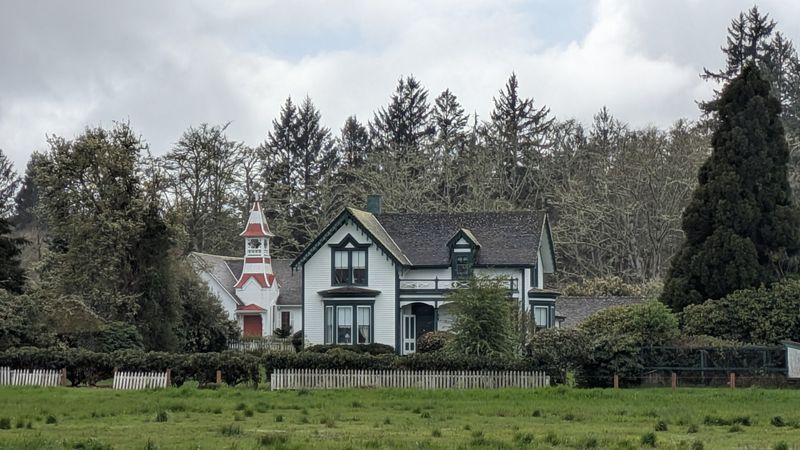
Stroll down the main lane and the 1800s start waving hello from every porch. Many of Oysterville’s homes date back to its boom years and its quieter decades afterward.
The village earned a spot on the National Register of Historic Places as a historic district in 1976. That recognition helps explain why so much of the old character survived.
Here’s a friendly reminder before you go snooping, though. Most of these historic houses are private homes with real people living inside them.
So the best approach is admiring from the road. Kids can count picket fences, spot old-fashioned windows, and guess how old each house might be.
Some homes have small signs sharing a bit of their background. Reading them turns a simple walk into a little scavenger hunt through local history.
I believe that’s the charm here for families. Nothing feels staged or roped off, so the past just sits there in plain view.
The scale helps too. Everything is close together, so short legs and older knees can manage the loop without much fuss or any need to rush.
The White Church You’ll Recognize In Every Photo
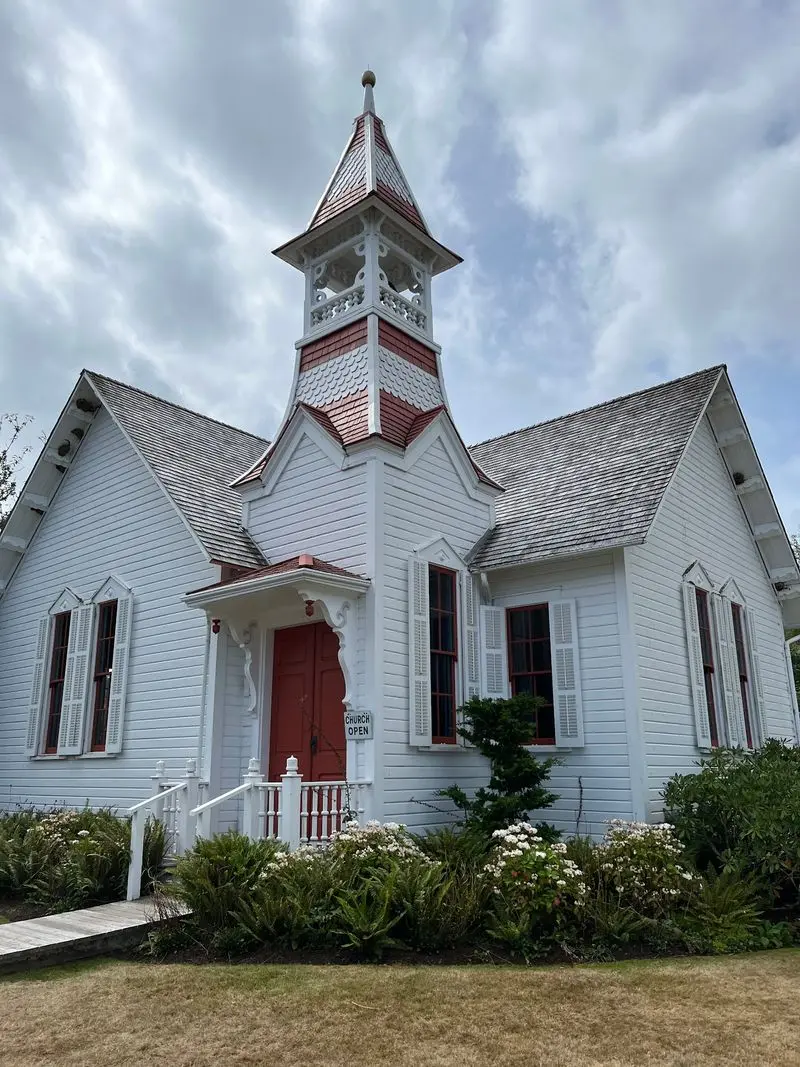
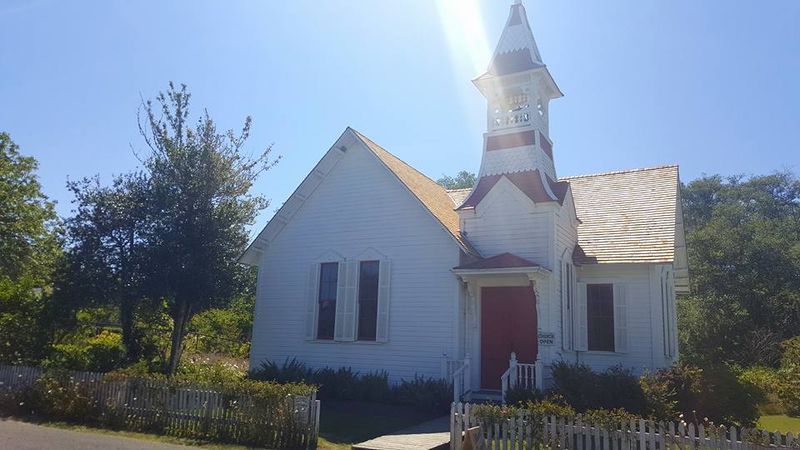
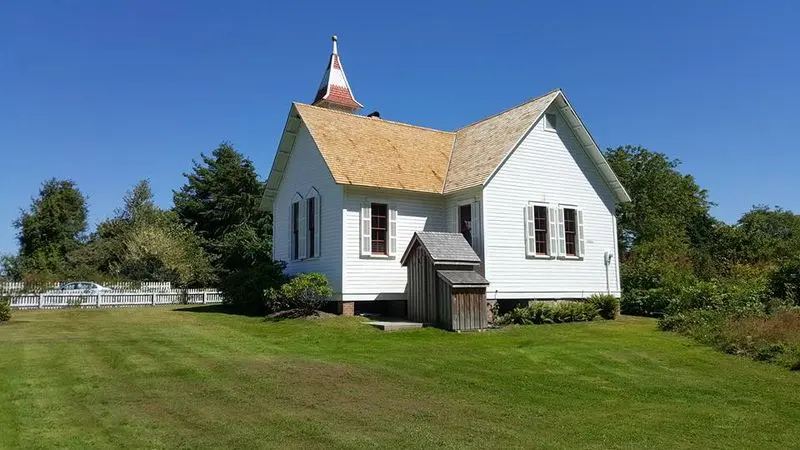
One building tends to steal every postcard. The Oysterville Church, a small white chapel with a pointed steeple, has stood in the village since 1892.
It’s one of the most recognizable sights on the whole Long Beach Peninsula. The bright paint and simple shape stand out sharply against the gray Washington sky.
The church is maintained by a local restoration group and is commonly open for visitors to peek inside. Hours can vary, so treat an open door as a pleasant bonus.
Inside, expect a modest space rather than anything grand. That plainness fits the village perfectly, since nothing here tries to show off.
Families like it as a natural photo stop. Grandparents can rest on the lawn while kids take turns posing by the steeple.
Summer has traditionally brought music to the church too. The vespers series is a long-running community event, though dates and details change from year to year.
Checking ahead before a summer visit makes sense if you’d love to catch one. Even without an event, the church alone makes the drive feel worthwhile.
A One-Room Schoolhouse That Kids Will Love Comparing
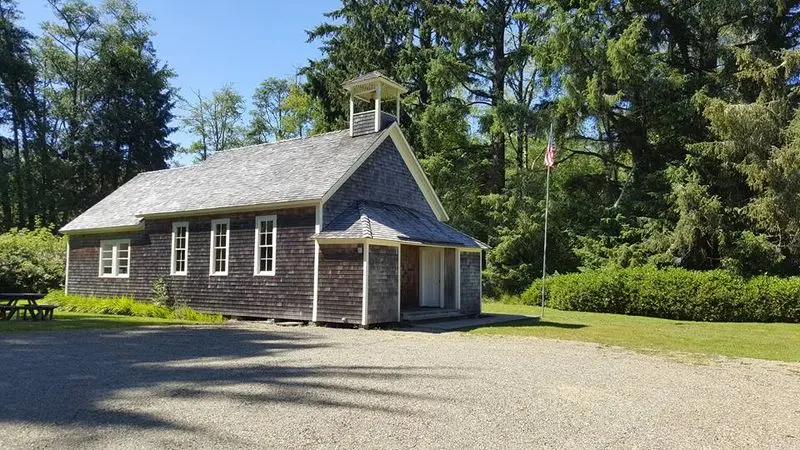
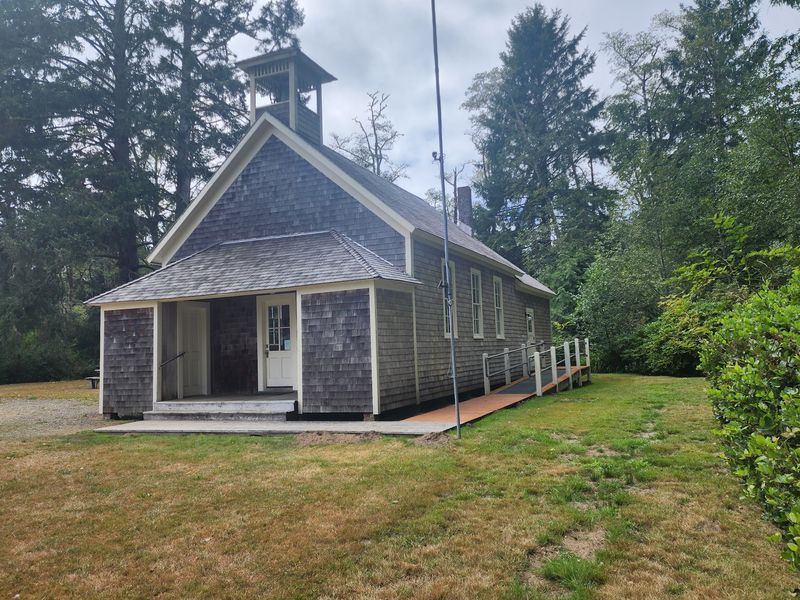
Ask a modern kid how school worked a century ago and you might get a blank stare. Oysterville’s historic schoolhouse offers a handy answer right there on the lane.
The small wooden building dates to the early 1900s. It’s one of the village landmarks that helps tell the story of daily life after the oyster boom.
Kids can’t help comparing it to their own school. One small building versus hallways, gyms, and cafeterias makes for a pretty lively car conversation afterward.
Parents and grandparents get a turn to share stories too. Some may remember small rural schools, which adds a personal thread to the history lesson.
Like other village buildings, the schoolhouse is best enjoyed respectfully from the outside unless it’s clearly open. It sits within easy walking distance of the church.
I like how little effort this takes to feel meaningful. No tickets, no guided tour, just a building that quietly says a lot about how people once lived.
Pair it with the church and houses and you’ve got a full history walk. That covers a big chunk of the village in a relaxed hour.
Oysters Are Still The Main Event After All These Years
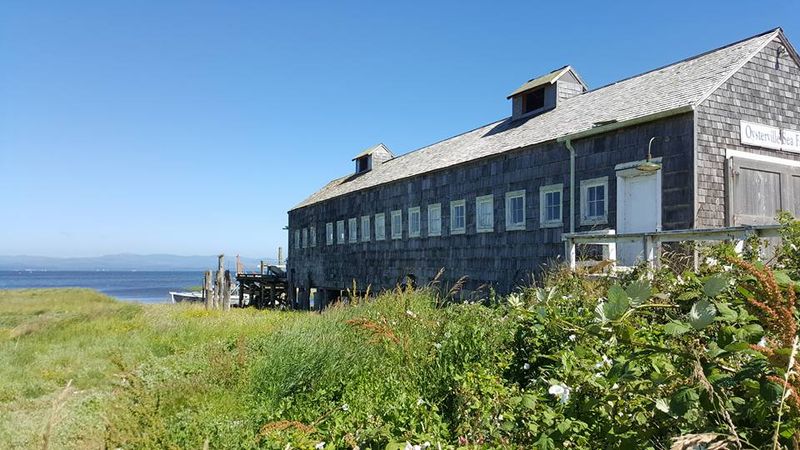
Here’s a fun twist for a town named after shellfish. Oysters are still harvested from Willapa Bay today, long after the native beds collapsed.
Growers later turned to other oyster varieties that thrived in the bay. Willapa Bay is now widely known as one of the country’s leading oyster-producing waters.
Oysterville Sea Farms has operated in the village as a working oyster business with a shop by the water. It’s a chance to see the town’s original purpose still alive.
Offerings and hours can change with the seasons. A quick check before you go saves a wasted stop, especially outside summer.
Not every kid will want to slurp an oyster, and that’s fine. Watching the shells, boats, and tide flats can be just as interesting for young visitors.
I can’t imagine a better real-life lesson in how a place gets its name. The bay, the business, and the history all line up neatly.
Grown-up oyster fans may want a cooler in the car. That way, a taste of Washington’s bay can ride home with you after the outing ends.
Bay Views, Birds, And Big Skies Along The Shore
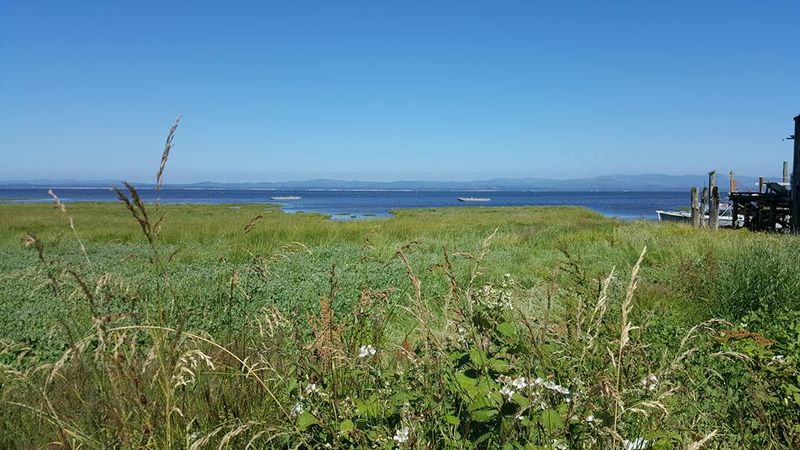
Low tide changes everything here. Willapa Bay pulls back to reveal wide mudflats, channels, and shining patches of water stretching far from shore.
That shifting landscape draws birds, and plenty of them. Shorebirds and herons are common sights around the bay, which makes binoculars a smart thing to pack.
Willapa National Wildlife Refuge protects large areas around the bay as well. Nearby Leadbetter Point State Park, at the peninsula’s northern tip, adds more shoreline to explore.
Kids who get restless on history walks often perk up near the water. Spotting a bird or counting boats gives them a job that feels like a game.
Sunsets over the bay can be lovely, though the sun sets toward the ocean side. Clouds and soft light still make evenings beautiful from the bayfront.
Washington coastal weather can turn chilly and damp quickly. Layers and rain jackets are wise, even in summer.
Remember that tide flats can be soft and slippery. Little ones should stay close, and nobody should wander far out onto the mud.
Slow, Peaceful, And Perfect For Multi-Generation Days
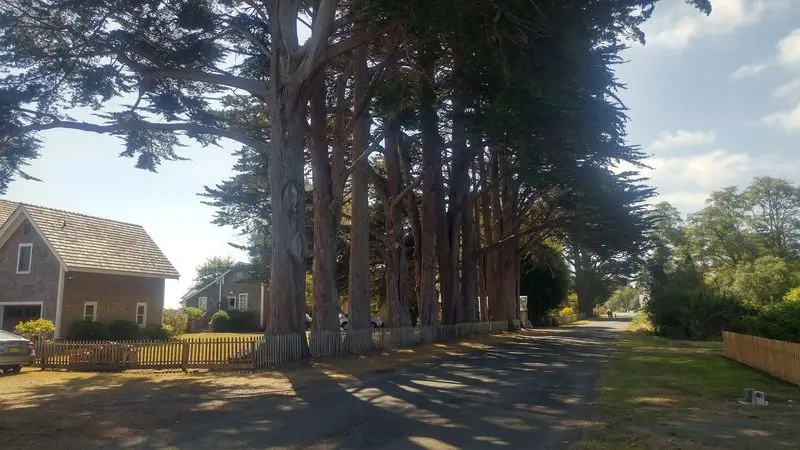
Quiet is the main attraction, honestly. Oysterville has no busy main street, no arcades, and no rows of souvenir shops competing for attention.
That calm makes it a great match for families mixing ages. Grandparents can set the pace, and kids can explore without traffic-heavy streets to worry about.
The walk itself is short and mostly level. Lanes run past the houses, church, and schoolhouse, so nobody has to tackle a real hike.
Teens might call it boring at first, and that’s okay. Hand them a camera, and the old buildings suddenly become great photo material.
Younger kids do best with a mission. Try challenging them to find the oldest-looking house or the most interesting mailbox along the way.
I believe the best outings sometimes have very little scheduled. Here, the plan is simply walking, looking, and talking about how life used to work.
Bring snacks and a thermos, since services in the village are limited. A packed lunch turns a simple stroll into a cozy family afternoon without extra spending.
Free To Wander, Easy To Reach
Good news for budget-minded families: wandering the village itself typically costs nothing. There’s no admission gate, since Oysterville is a community rather than a ticketed attraction.
Getting there is simple once you reach the Long Beach Peninsula. Head north from Long Beach or Ocean Park, and the bayside roads lead into the village.
Plan on about 5 miles from Ocean Park and around 15 miles from Long Beach. Maps apps work well, and the area uses the 98641 ZIP code in Washington.
Parking is informal and limited, so be considerate. Avoid blocking driveways, and remember residents live on these quiet streets every day.
Restrooms and food options are scarce in the village. Fueling up and taking bathroom breaks in Ocean Park or Long Beach beforehand saves stress.
The church and businesses may keep seasonal hours. Summer generally offers the most open doors, while winter visits lean more toward quiet exterior strolling.
Either way, the historic streets stay put year-round. A rainy-day drive can still be rewarding with jackets, umbrellas, and patient expectations.
Making A Full Peninsula Day Out Of One Tiny Village
A village this small leaves plenty of room in your schedule. Luckily, the Long Beach Peninsula offers easy ways to fill the rest of the day.
Leadbetter Point State Park sits just north of Oysterville at the tip of the peninsula. It’s a natural spot for families who want more trails, beaches, and birdwatching.
Heading south brings Ocean Park and Long Beach, with ocean beaches and that famous boardwalk. Long Beach is also known for kite flying, thanks to steady coastal winds.
Families can mix a morning of history with an afternoon of sand. That combination keeps both history buffs and wiggly kids reasonably happy.
Cape Disappointment State Park lies farther south near Ilwaco. Its lighthouses and views add another layer if you’re staying the weekend.
Keeping the drive manageable matters with young kids. Picking two or three stops, rather than five, usually makes for a calmer, happier day.
Oysterville works beautifully as the quiet chapter in a busier trip. It’s the stop where everyone slows down before the beach fun begins again.
Why This Little Bay Town Deserves A Spot On Your List
Few outings deliver this much story for so little effort. Oysterville packs gold-rush oysters, county-seat drama, and 1800s buildings into a stroll that costs basically nothing.
It won’t keep thrill-seekers busy for a whole day, and that’s fine. Its strength is calm, history, and the feeling of stepping into an older version of Washington.
I like how honest the place feels. Nobody built it as a theme park, so the past stays real instead of polished.
For parents watching the budget, that’s a big win. For grandparents, the short level walk and peaceful lanes make joining in easy.
Kids may not remember every date, but they’ll likely remember the county records story. A town losing its paperwork to sailing neighbors is hard to forget.
Pair your visit with Long Beach or Leadbetter Point for a fuller day. Bring layers, snacks, and respect for the people who call these homes their own.
Then let the bay do its thing. Watching the tide roll back over the flats feels like the perfect ending to a trip through time.