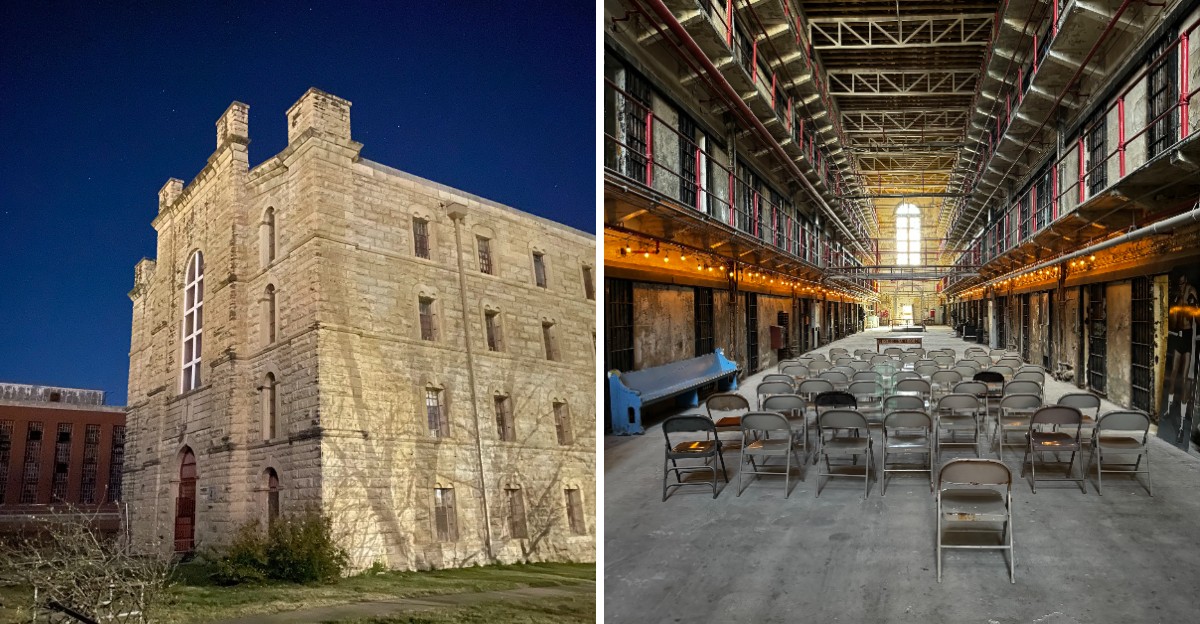
One inmate reportedly spent up to 17 years locked in a pitch-black dungeon cell. That cell is still there, and you can stand inside it after dark.
The prison around it held men and women for 168 years before closing its gates in 2004. Pretty Boy Floyd slept here, and so did James Earl Ray, whose old cells are now marked with photos.
Today the heavy doors open for ghost tours, history walks, and even overnight investigations. Some guides once worked these very blocks as officers, so the stories come with real keys attached.
I love that Missouri kept this place standing instead of tearing it down. I can’t imagine a better way to spend a crisp fall evening than listening to old cell doors talk back.
So, how brave are you feeling tonight?
A Stone Fortress Sitting Right In The Capital City
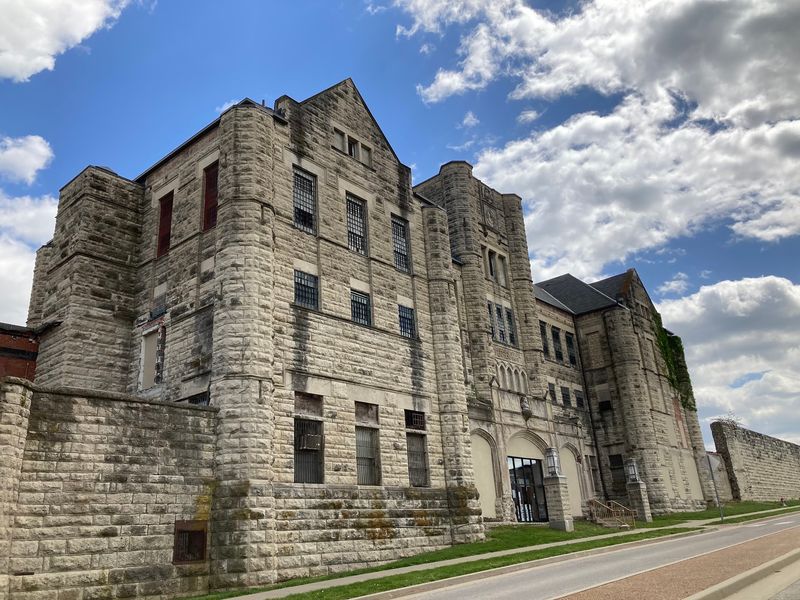
Most state capitals show off a domed statehouse and call it a day. Jefferson City also hands you a 19th-century prison, and honestly, it steals the show.
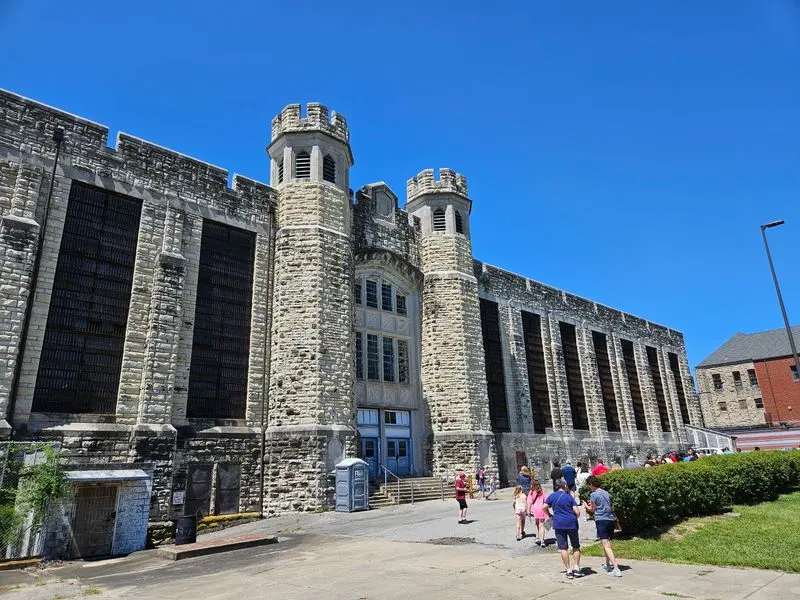
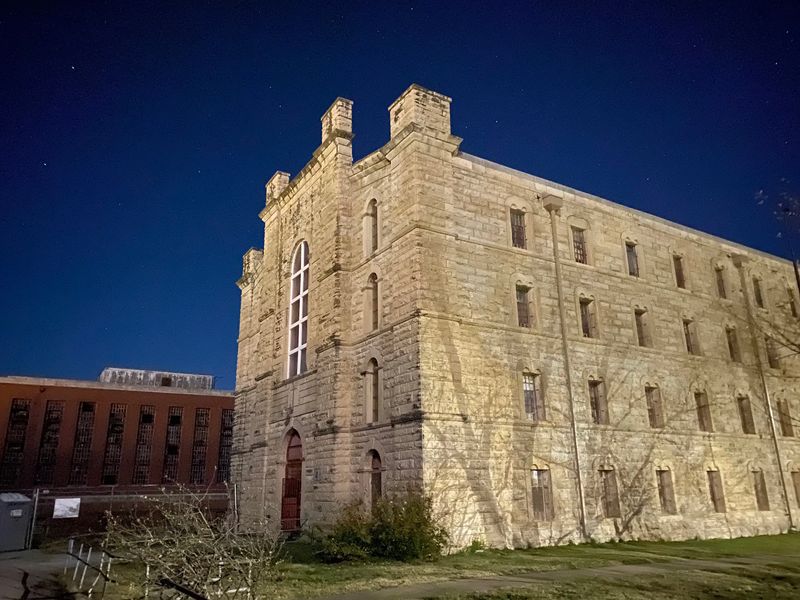
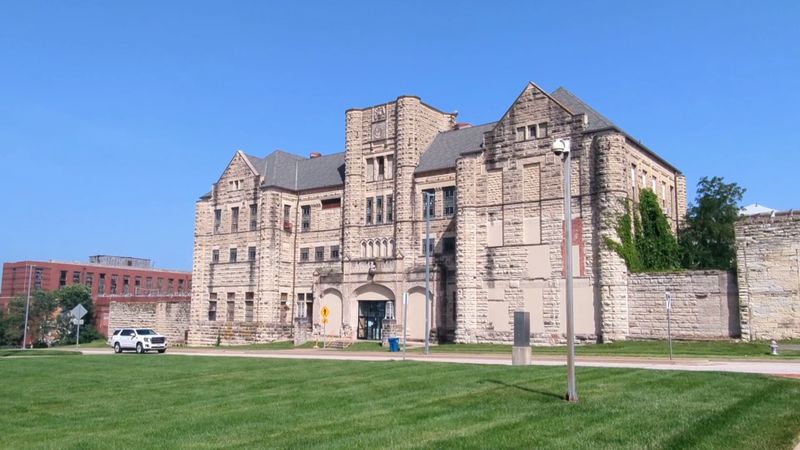
The Missouri State Penitentiary sits in downtown Jefferson City, close to the Missouri River. Its imposing stone complex dates back to the 1800s and stretches across a big chunk of the riverfront area.
Once inmates left for good in 2004, the walls didn’t come down. Instead, the site became a historic landmark that now welcomes guests from across Missouri and far beyond.
Tours lead you through cell blocks, the old prison yard, and the gas chamber. You can choose a straight history walk, a spooky evening ghost tour, or something even longer and braver.
The rating alone tells you something good is happening here. The attraction holds a 4.8-star average across more than 2,250 Google reviews, which is rare for any tourist stop.
Think of it as a museum where the exhibits are the building itself. You aren’t looking at a prison through glass.
You’re walking its corridors, ducking into its cells, and hearing what happened inside. For a day trip that sticks in the memory, that’s a pretty strong start.
Nearly Two Centuries Behind Those Walls
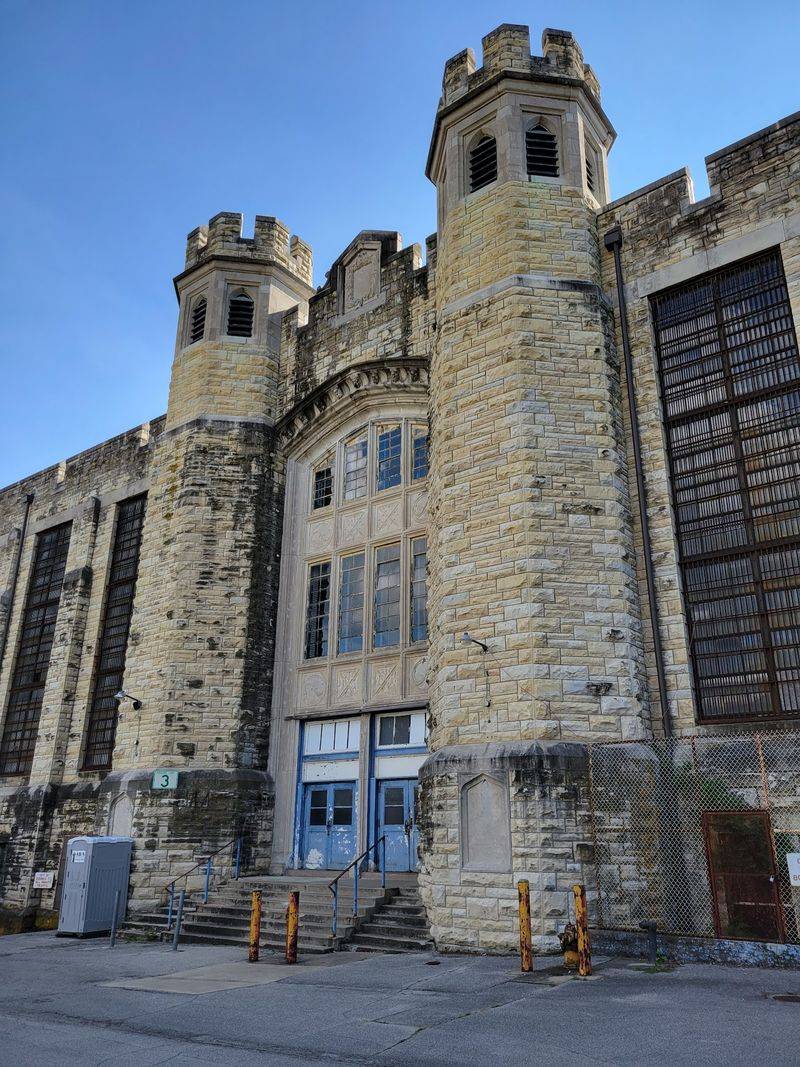
Here’s a number worth chewing on: 168 years. That’s how long the Missouri State Penitentiary operated before it was decommissioned in 2004.
For much of that stretch, it carried a big title. It was known as the oldest continually operating prison west of the Mississippi River, a claim that still makes history buffs grin.
Think about everything that changed outside while these walls stayed put. Wagons gave way to cars, radios gave way to televisions, and the prison kept right on running.
The early years were mostly male. Occasionally the state sent a woman or two, and eventually enough women arrived that a separate housing block went up in 1905.
That detail always stops me for a second. A whole building was added simply because the population changed, and guides explain how the prison adapted over the decades.
Tours walk you through that long timeline from the 1800s right up to the closing. Guides share how the justice system worked in each era, and some of it feels heavy.
That’s part of the point, though. Standing in those rooms makes history feel close, not dusty, and it sparks real conversations on the drive home.
Ghost Tours That Start When The Sun Goes Down
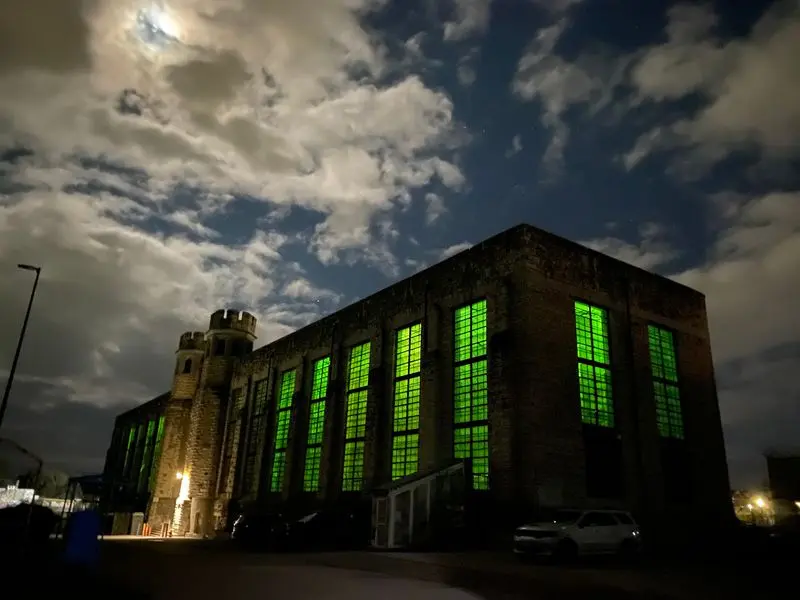
Darkness changes everything inside an old prison. The same hallway that feels historic at noon starts feeling very different around 8 p.m.
Evening ghost tours are the biggest draw here, judging by how often they come up online. The two-hour version mixes real history with stories of strange happenings, so you get a little of both.
Guides often share their own experiences in the buildings. Then they give you some space to listen, watch, and decide for yourself what that noise down the hall really was.
You don’t need to believe in spirits to enjoy it. The creaky blocks and long shadows do plenty of work on their own, and skeptics still leave with great stories.
Groups can be on the larger side, so expect company. Some folks find the crowd comforting, while others wish for a quieter, more private outing next time.
Bring a flashlight, wear sturdy shoes, and keep your sense of humor handy. A few laughs mixed with a few jumps seems to be the standard recipe.
If you’ve got a teenager who loves spooky things, this might become the family outing they talk about all year long.
Overnight Ghost Hunts For The Truly Fearless
Sleeping bags? Leave them in the car.
Nobody seems to get much rest during an overnight lock-in at the Missouri State Penitentiary.
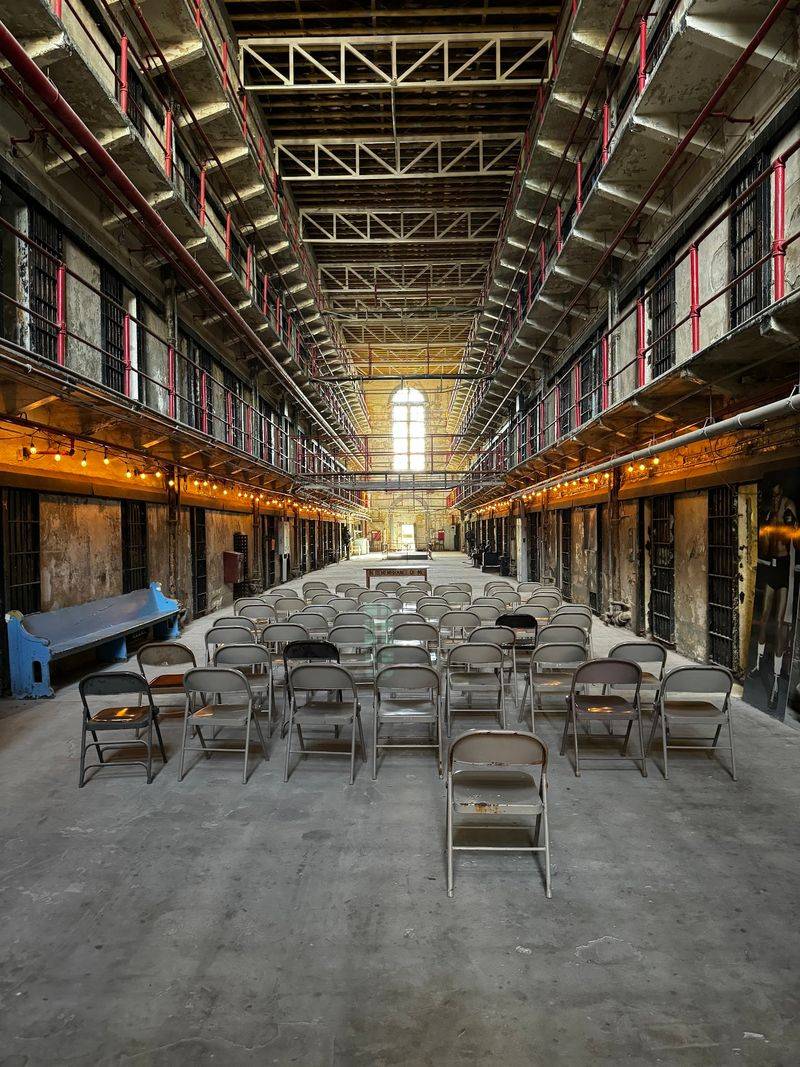
These longer ghost hunts are built for people who want more than a guided stroll. After staff go over the rules and the buildings, guests are set free to explore for the rest of the night.
That freedom is the thrill. You pick which block to sit in, which cell to try, and how long you’ll wait in the dark for something to happen.
Repeat visitors point out that no two nights feel the same. Whatever happens, or doesn’t, seems to shift each time, which keeps people coming back again and again.
Pack smart for this one. Extra flashlights, spare batteries, and charged battery packs are the gear that comes up most, along with snacks and comfy layers.
Shorter three-hour ghost hunts are also on the menu if all night sounds like too much. Either way, you’re trading a quiet evening for a story you’ll tell for years.
That seems like a fair deal to me, especially for anyone who’s already watched every ghost show on television.
Daylight History Tours For The Curious Crowd
Not everyone wants goosebumps with their history lesson. Good news: the daytime history tours are every bit as popular with folks who simply love a great story.
The standard history tour runs about two hours. It typically covers housing blocks, the uncovered dungeon cells, and the execution chamber, packed with facts and trivia along the way.
A longer three-hour option goes deeper. It reportedly includes areas the shorter walk skips, so history lovers may want to budget the extra hour.
One smart tip floats around often. Take the history tour first, then come back for a ghost tour, because knowing the backstory makes the dark hallways even more meaningful.
Daylight also shows off the architecture. Rows of cells, tall stone walls, and old buildings in various states of wear tell their own story, and guides explain why some parts look rougher than others.
Grandparents, school-age kids, and history club types tend to fit right in here. Comfortable shoes are a must, since you’ll cover plenty of ground and some stairs.
It’s a solid, affordable-feeling way to spend a morning, and you’ll walk out knowing far more about Missouri than you did at breakfast.
Guides Who Actually Walked These Halls
Some tour guides learn from books. A few here learned by carrying keys and working shifts inside these very walls.
Several guides at the Missouri State Penitentiary are retired officers who once worked at the prison. When they describe a cell block, they’re often describing a place they remember firsthand.
That personal angle makes a huge difference. Stories feel less like a script and more like a neighbor recounting events as if they happened last week.
Guides get mentioned by name constantly online, which says plenty. Tour guide is the single most talked-about topic in reviews, with hundreds of mentions praising their knowledge and passion.
Many guests also notice how well guides handle questions. Sometimes groups ask so many that the schedule runs a little behind, which feels like a pretty happy problem.
I believe this is what lifts the whole experience. Old buildings are interesting, but people who lived the history make it unforgettable.
If you get a guide who once wore the uniform here, settle in and listen closely. Those are the kinds of firsthand stories that won’t be around forever, and hearing them in person feels like a real privilege.
A Rare Tour Led From The Inside Out
Hearing about prison life from a guard is fascinating. Hearing it from both sides of the bars at once is another level entirely.
The Missouri State Penitentiary offers a former inmate tour. Guests on this experience hear perspectives from people who actually lived through life at the prison.
Pairing a former guard with someone who was once locked up creates a truly unusual conversation. You get the rules, the routines, and the human side, all from the people who knew them best.
It’s a quieter, more thoughtful option than the ghost tours. There are no jump scares, just honest stories about daily life inside a place most of us will only ever see as visitors.
Folks who’ve crossed this tour off their bucket list often say it changed how they saw the whole site. Many then plan to come back for a spooky evening tour next time around.
Availability can vary, so check the schedule before planning a trip around it. If it lines up with your visit, grab it.
Few historic sites in Missouri, or anywhere, can put you face to face with history quite this directly.
Famous Faces Once Called These Cells Home
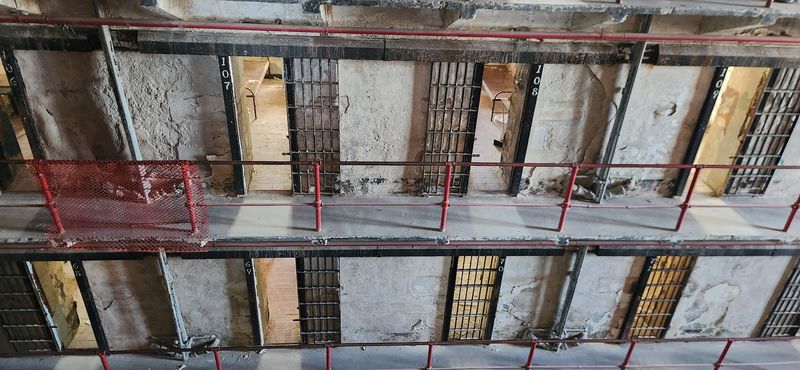
Pretty Boy Floyd, the Depression-era outlaw, spent time here. So did James Earl Ray, and you can stand outside the cells they once occupied.
Cells linked to well-known inmates are marked with photos and history. It turns a long row of doors into something like a gallery, where every frame has a story.
Ray’s tale carries an odd twist. He had escaped from this very prison before the crime he became notorious for, which guides explain in detail.
Plenty of other famous and infamous names passed through as well. Your guide will point them out, often with background you won’t find on a plaque.
These stops tend to spark the most chatter in a group. Grandpa might remember headlines, while the grandkids are hearing these names for the very first time.
That mix makes for great conversation on the walk between buildings. It’s history that feels like a true-crime show, except you’re standing right where it happened.
Just remember to look up from your phone once in a while. The real details, like scratched walls and narrow doorways, are more interesting than any photo you’ll snap.
Dungeon Cells Rediscovered Below The Surface
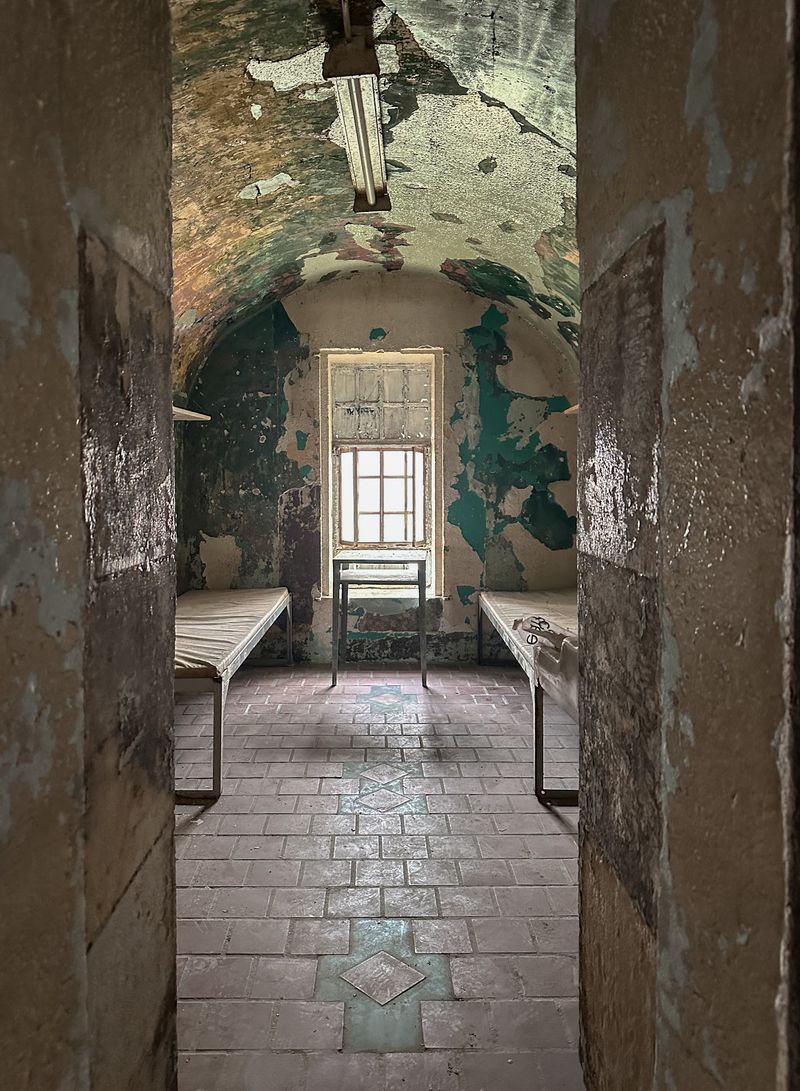
Ten days in total darkness sounds unbearable. One inmate reportedly endured these blackout rooms for 17 years.
The dungeon cells are among the most talked-about stops at the Missouri State Penitentiary. These cramped stone rooms were once buried and later uncovered, so guides sometimes call them the found cells.
Inmates considered incorrigible were sent here as punishment. Stays commonly lasted around ten days, though some lasted far, far longer.
Standing inside one is sobering. The rooms are tight, plain, and heavy with silence, and most people instinctively lower their voices.
Many guests point to this stop as the moment the tour turns serious. It’s one thing to read about harsh conditions and another to stand where they happened.
Kids who are old enough to handle mature topics usually remember this part most. Parents might want to talk ahead of time about what they’ll see, since the stories can be intense.
Still, it’s an honest window into how punishment worked long ago. Places like this help us appreciate how much has changed, and it’s hard to forget once you’ve felt that darkness close around you.
The Gas Chamber Stop Nobody Forgets
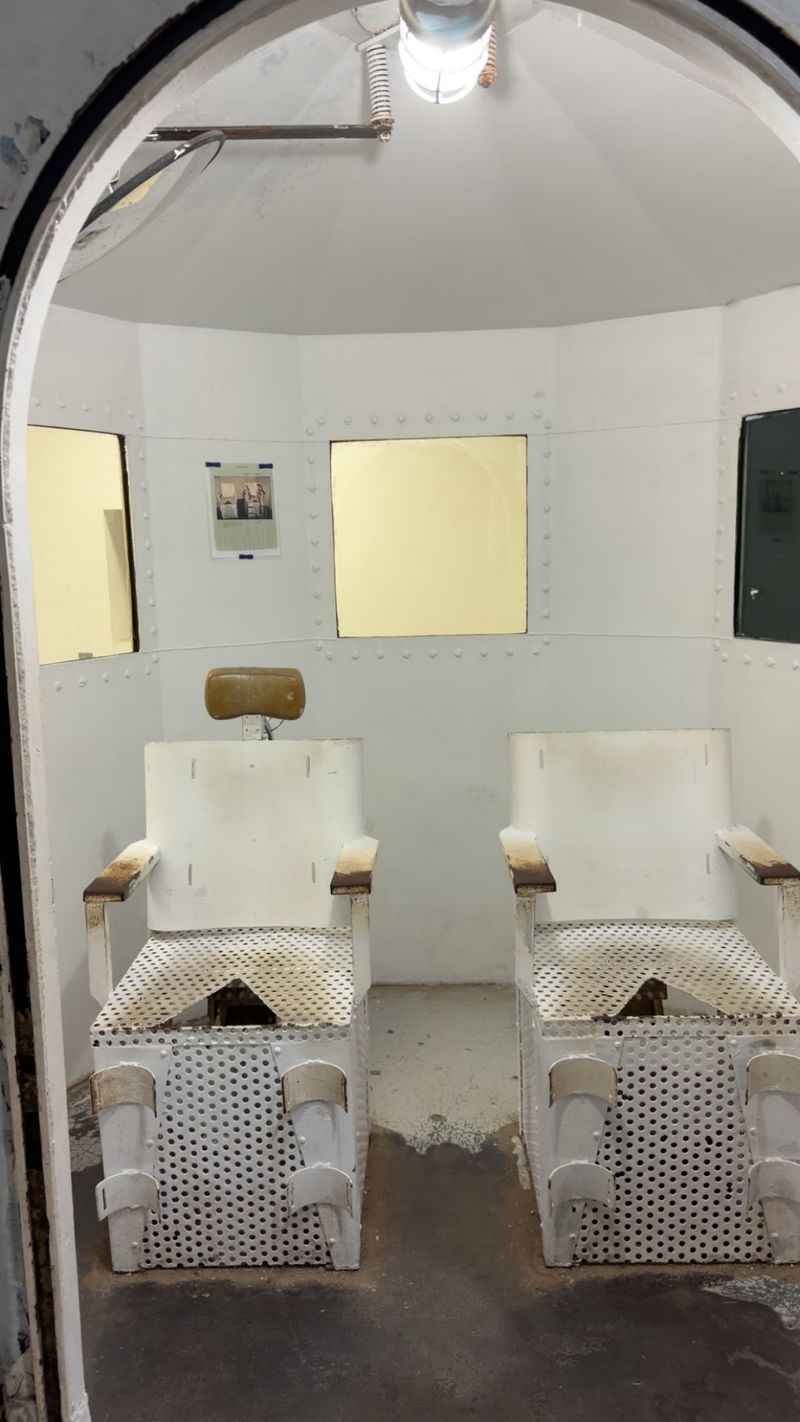
Somber doesn’t quite cover it. The gas chamber is one of the heaviest moments on any tour of the Missouri State Penitentiary.
This small building appears on the standard two-hour history tour. It’s part of the official site description too, alongside the cell blocks and the yard.
Guides explain how capital punishment was carried out here and how practices changed over time. The tone usually shifts, and groups tend to grow quiet.
It’s a stop that invites reflection rather than thrills. Even on a ghost tour, this part of the evening feels more like a history lesson than a scare.
Parents bringing younger visitors should know it’s coming. A quick heads-up before arrival can help kids process what they’re seeing and ask good questions afterward.
I appreciate that the site doesn’t hide this chapter. Keeping hard history visible is part of what makes the penitentiary such a meaningful Missouri landmark.
You don’t need to linger longer than feels right. Many guests step back outside, take a breath, and find the stop becomes one of the most thought-provoking parts of the whole day.
Cell Houses Wearing Every Year On Their Walls
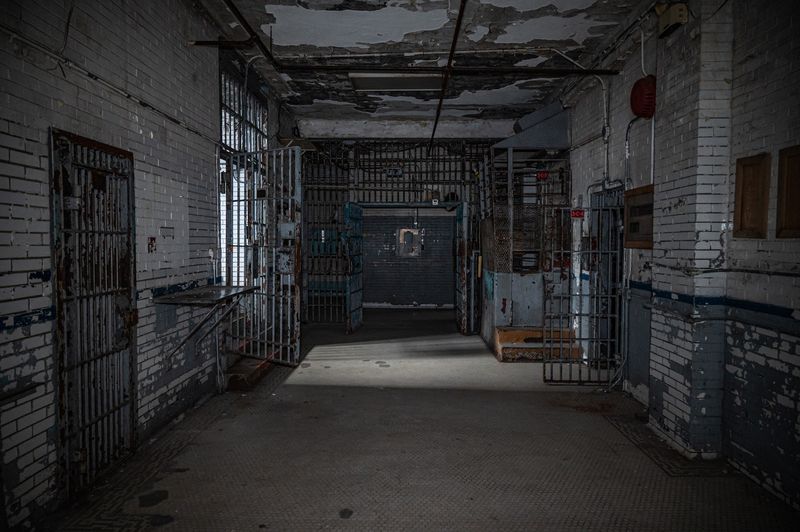
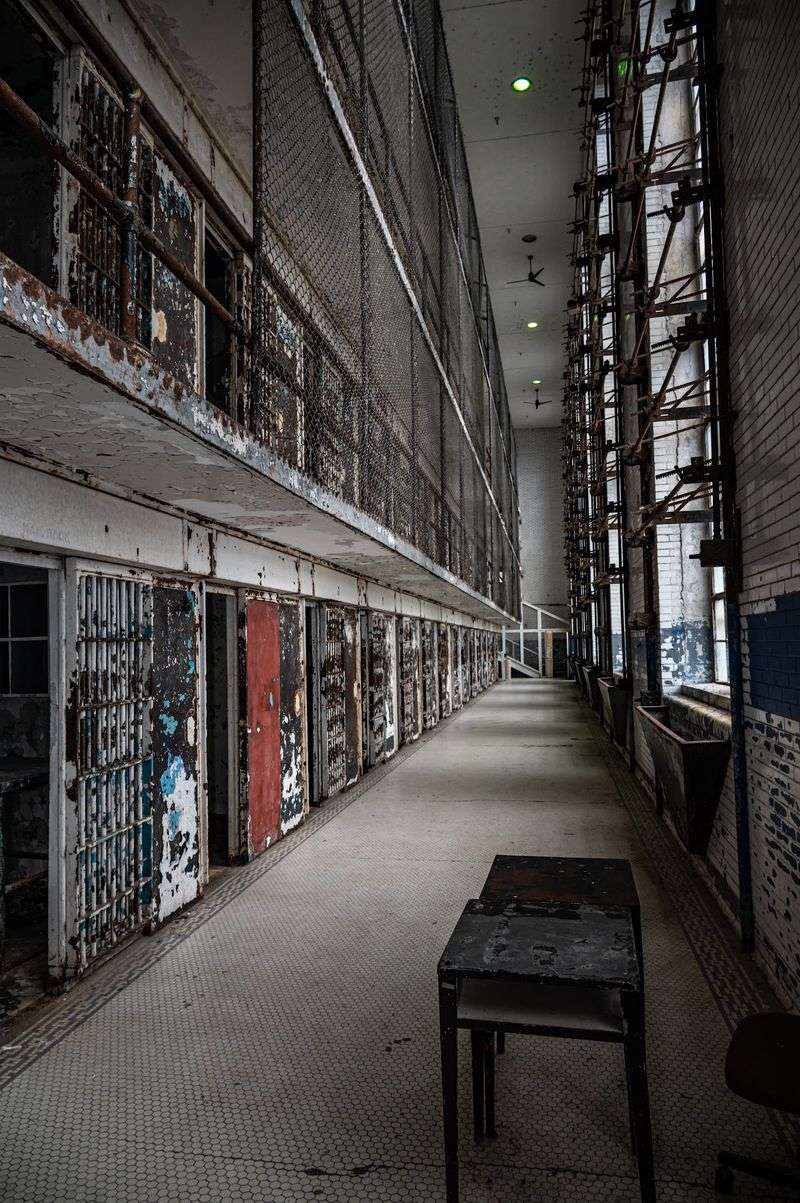
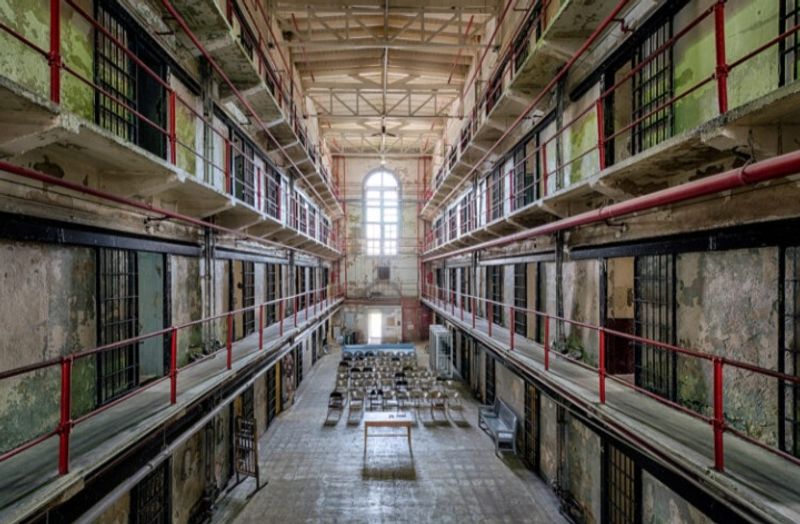
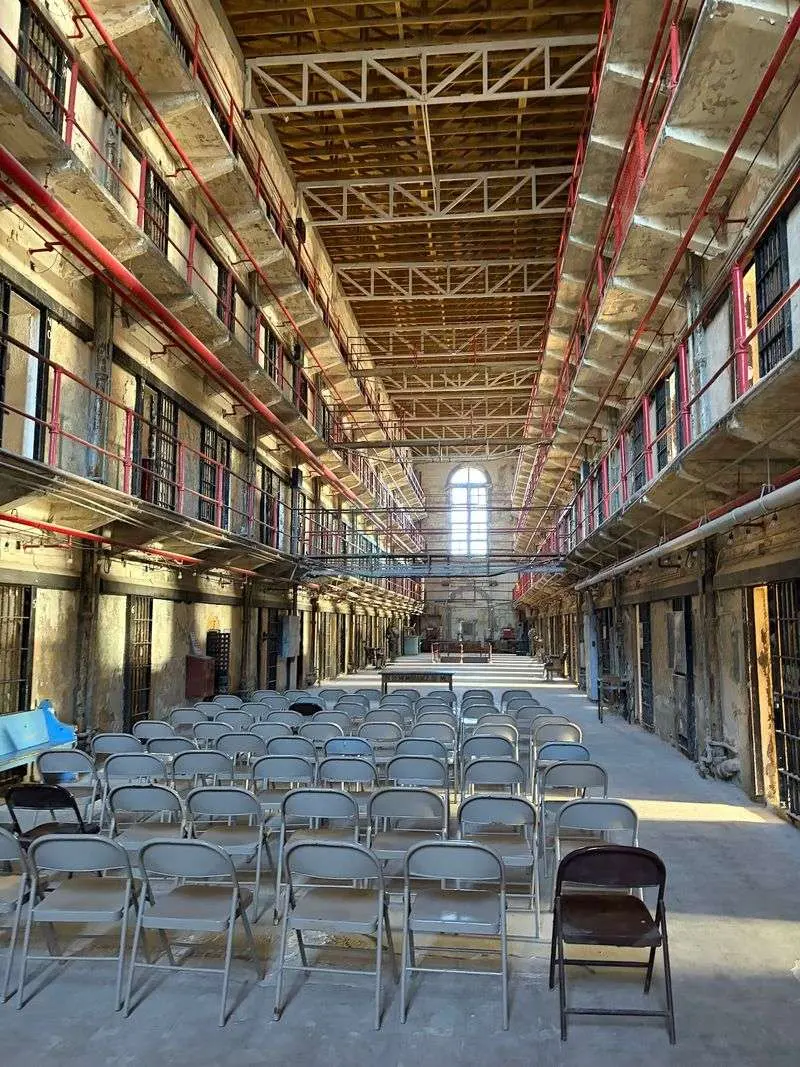
Peeling paint, rusted bars, and long tiers of cells stretching into the gloom. The housing blocks look older than their 2004 closing date suggests.
Tours lead through several cell houses, with some walks covering two and others covering three. Each building has its own era and character, and guides explain the differences.
Some buildings are in far better shape than others. Many guests are surprised by the wear, but the reasons come out on the tour, and they’re worth hearing.
The architecture earns real compliments too. Stone walls, rows of iron doors, and tall windows create a striking look, especially when afternoon light spills across the floors.
Photographers will find plenty to frame here. Just stay with your group and follow your guide’s directions, since safety comes first in these aging spaces.
Wandering these tiers at night feels completely different. Every little creak seems louder, and suddenly you’re questioning sounds you’d ignore anywhere else.
Day or night, the cell houses are the backbone of the experience. They show exactly how many people lived here, stacked floor upon floor, for generations of Missouri history.
Spooky Date Nights And Family Birthday Outings
A prison for a birthday party? For one spooky-loving 14-year-old, it was the gift he’d begged for over several years.
The penitentiary appeals to a surprisingly wide crowd. Couples book evening tours for date night, while families bring teens who can’t get enough of ghost stories.
History lovers of every age fit right in as well. Grandparents who remember headlines from decades past often enjoy filling in the details for younger relatives.
Spooky fans tend to gravitate toward the evening tours. Those who prefer facts over frights usually choose the daytime history walks and leave just as happy.
Younger children may find some stops too intense. Teens and older kids, though, often call it one of the coolest outings they’ve had.
Groups of friends love it too, especially for a weekend getaway with a little adventure baked in. Some guests even drive several hours from neighboring states just for the experience.
If you’re hunting for a memorable outing that isn’t another dinner and a movie, this checks a lot of boxes. It’s educational, a bit thrilling, and great for swapping stories afterward.
Smart Planning Before You Make The Drive
Tickets first, road trip second. Buying in advance comes up again and again as the smartest move for a visit.
The Missouri State Penitentiary sits at 115 Lafayette St, Jefferson City, MO 65101. It’s right downtown, an easy drive from Columbia and reachable as a day trip from Kansas City or St. Louis.
Tour schedules, lengths, and seasonal options can change. Check before you leave home, since evening ghost tours and overnight hunts may only run on certain dates.
Plan for roughly two to three hours on most tours. Overnight investigations, of course, take the whole night, so rest up beforehand.
Dress for the weather. These old buildings can feel hot in summer, and you’ll be on your feet the entire time, often climbing stairs.
A small gift shop offers souvenirs if you want a keepsake. And keep your eyes peeled outside, because a friendly groundhog has been spotted wandering the grounds.
Pack a flashlight for evening tours, plus a water bottle and comfortable shoes. A little preparation makes the whole Missouri adventure smoother, and it leaves more energy for jumping at shadows later.
Why This Old Prison Deserves Your Visit Soon
Nobody knows exactly what tomorrow holds for these walls. That uncertainty is a big reason so many guests urge others to go sooner rather than later.
Plenty of visitors hope funding keeps the Missouri State Penitentiary preserved for future generations. Old buildings need care, and the site’s long-term future isn’t fully settled.
Meanwhile, the experience earns about as much praise as any attraction in Missouri. A 4.8-star rating across thousands of reviews doesn’t happen by accident.
You get serious history, famous names, and guides who lived the story. Add the ghost tours and overnight hunts, and there’s something for nearly every curious traveler.
I think the real magic is how it feels in person. Standing in a dungeon cell or on a quiet tier connects you to the past in a way no textbook can.
So round up the family, pick a tour, and point the car toward Jefferson City. Start with history if you’re new, then come back after dark if you dare.
Either way, you’ll leave with stories worth sharing. And maybe, just maybe, the feeling that someone followed you out.