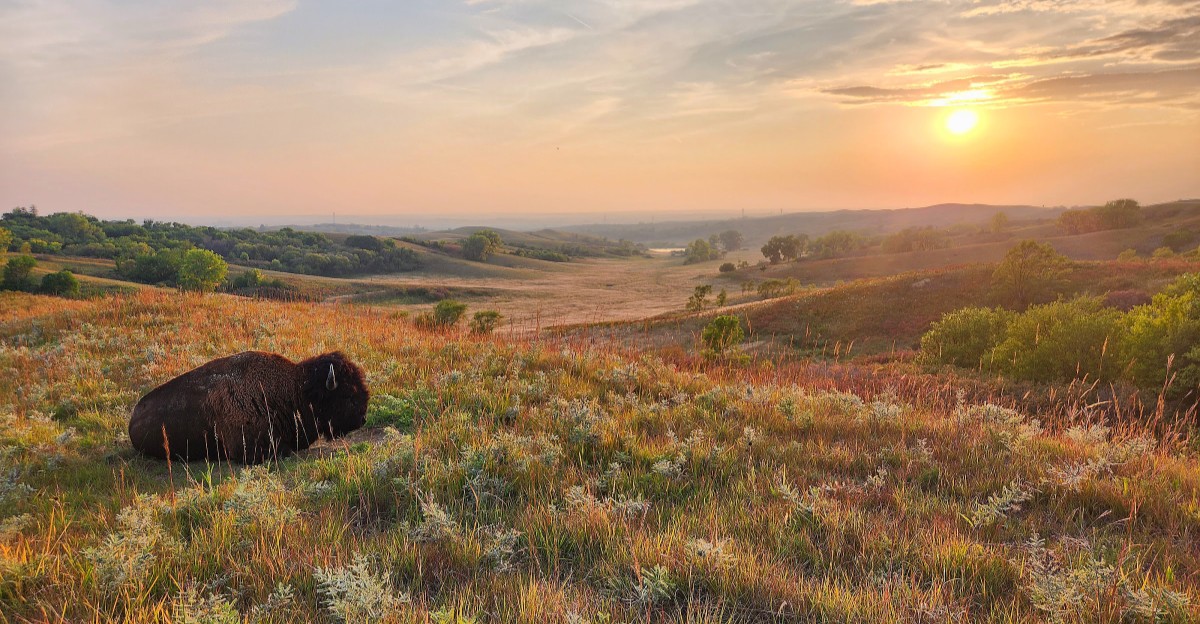
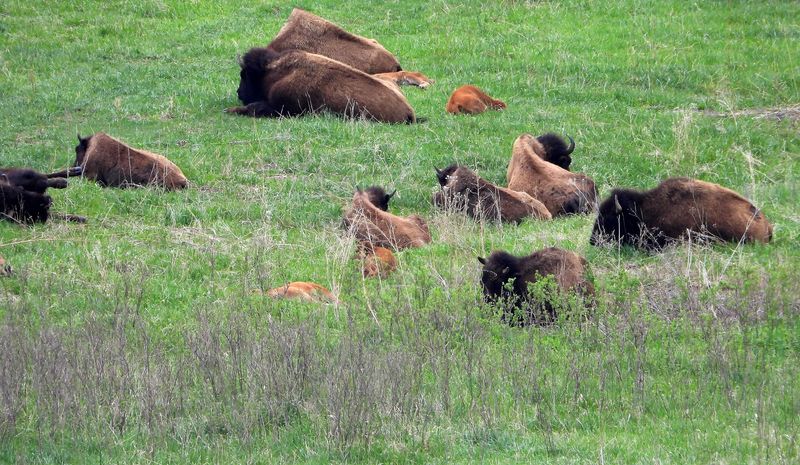
More than 200 bison graze along a quiet country road, and you can watch them from your car window. Nobody hands you a schedule.
Just a herd that returned to these hills after 138 years away.
The animals are considered genetically pure, with no known cattle ancestry. They share these Iowa hills with the state’s only known prairie rattlesnakes, plus badgers, coyotes, and bobolinks.
I like how simple the whole thing feels, since you just drive slowly and scan the ridges for a dark shape. I believe that kind of patience beats any scheduled show.
Those Big Brown Shapes On The Hill Are Bison
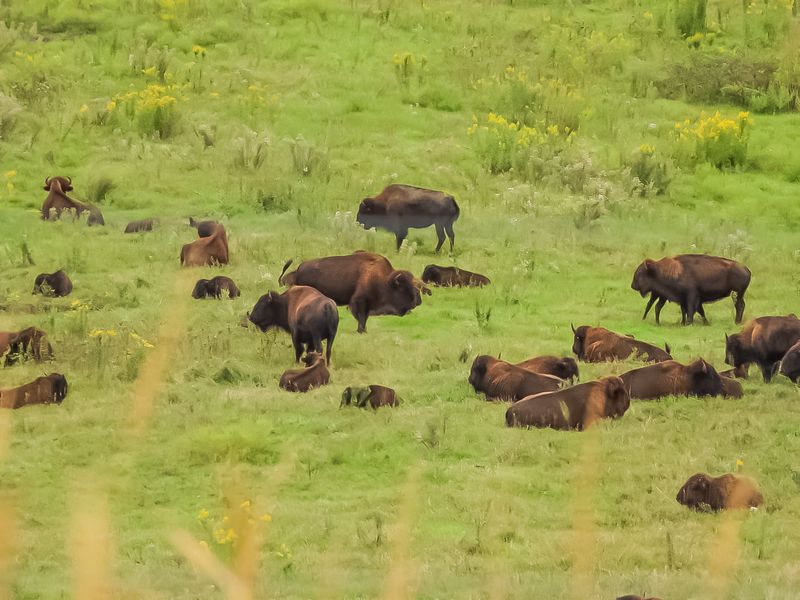
Out here in the Loess Hills, the stars of the show wear thick brown coats and carry humps on their shoulders.
The herd now tops 200 animals. They roam a fenced area of about 2,000 acres, which gives them plenty of room to spread out across the ridges.
These bison are considered genetically pure, with no known cattle ancestry mixed in. That makes them a big deal for anyone who cares about keeping wild bloodlines healthy.
They aren’t here just to look impressive, either. Their grazing patterns help restore and maintain the prairie, creating a patchwork of short and tall grass that other wildlife needs.
So when you spot one, you’re looking at a working member of the landscape. Think of it as a very large, very hairy gardener with a strong opinion about grass.
Bring binoculars, because the herd might be close to the fence or way up on a distant hill. Bison keep their own schedule, and they never send a memo.
Your Car Becomes The Best Seat In The House On Butcher Road
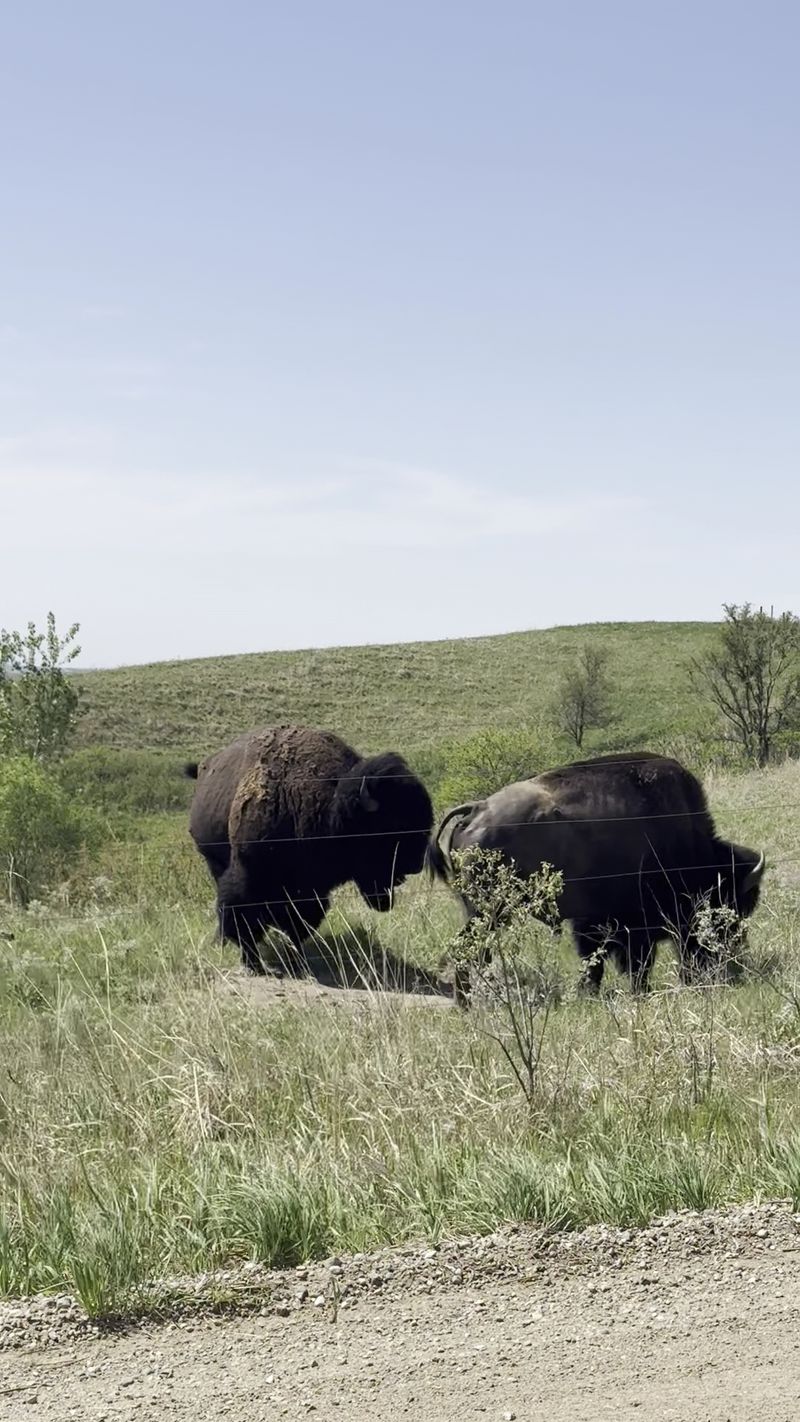
Hiking inside the bison enclosure is off-limits, and honestly, that’s a smart rule. Nobody wants to explain to a two-thousand-pound animal that they were just passing through.
The good news is that the best viewing happens from the road. Butcher Road runs right alongside the preserve, giving you a front-row look at the hills where the herd roams.
Driving slowly is the whole strategy here. Scan the slopes, check the low spots between ridges, and watch for movement in the grass.
Pull over safely when something catches your eye. A good pair of binoculars or a camera with a zoom lens makes a huge difference when the herd sits far off.
Patience is your secret weapon. Bison move across a big area, so you might see dozens near the fence or none at all on a given pass.
That uncertainty is part of the fun, a little like fishing without the bait. When the herd finally shows up, the payoff feels earned.
Stay in or near your vehicle and never cross the fence. These animals are wild, powerful, and much faster than they look, so give them all the space they want.
A Comeback Story That Took 138 Years To Write
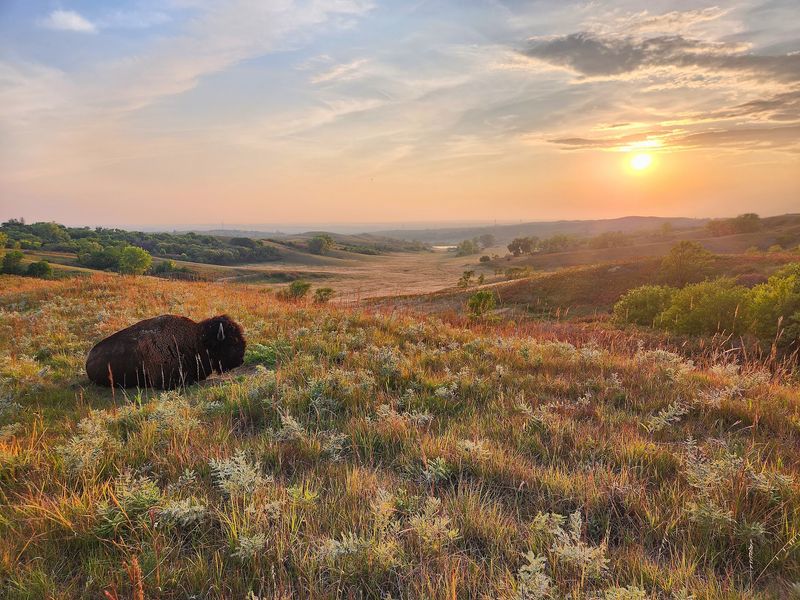
In the fall of 2008, 28 plains bison stepped onto this prairie. It marked the first time in 138 years that bison roamed this part of Iowa.
That small group grew into the herd of more than 200 you can look for today. Not bad for a family that started with fewer members than a typical school classroom.
The Nature Conservancy began its work here back in 1992. That year, the group bought the first parcel of land that would become the preserve.
Since then, the preserve has expanded 21 times. The most recent addition came in 2022, which shows the project is still growing rather than resting on its success.
Each new piece of land connects more prairie together. Bigger, connected spaces give plants and animals a better shot at thriving over the long haul.
I find it inspiring that this place came together one parcel at a time. It’s proof that patient, steady work can bring something back that most people assumed was gone for good.
Keep that history in mind as you drive. Every bison you spot is part of a story that took decades of careful effort.
Hills Made Of Wind-Blown Dirt? Yep, And They’re Rare
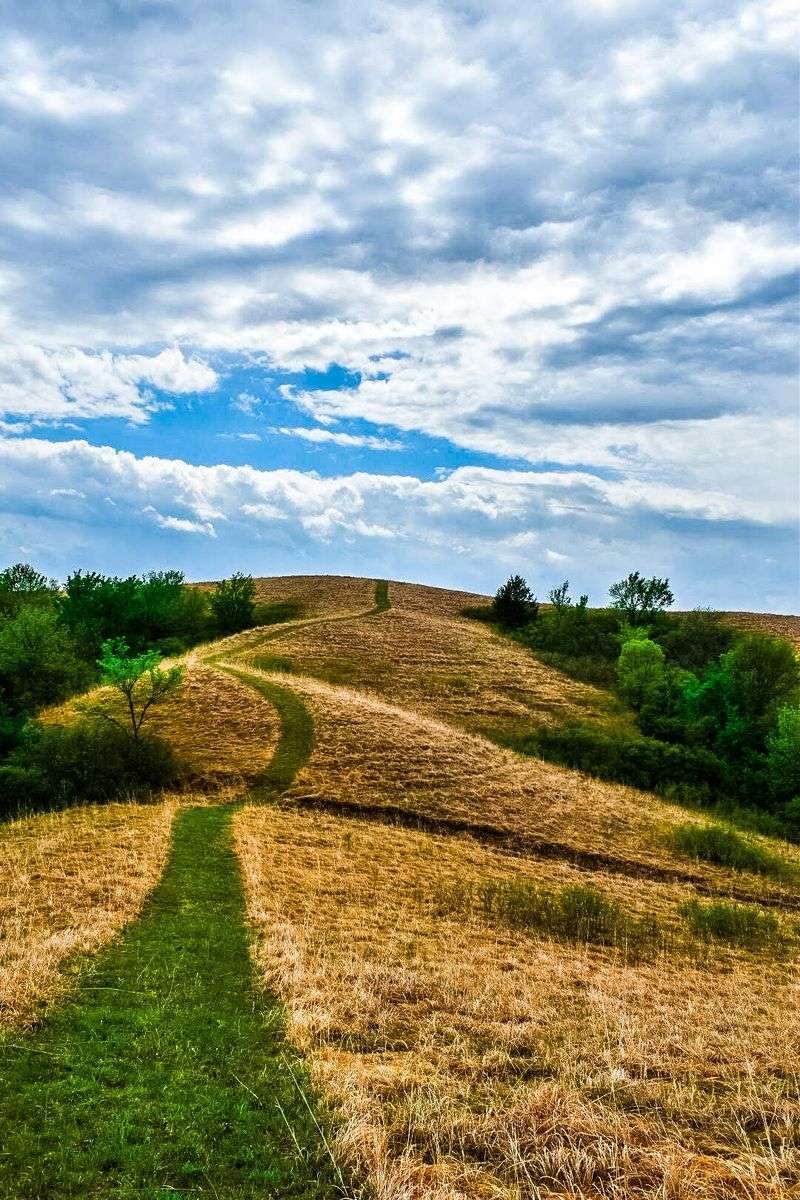
Most hills get built by rocks, glaciers, or shifting land. The ridges at Broken Kettle Grasslands Preserve were built by wind, which carried fine silt and piled it up over time.
That silt is called loess, and it forms the famous Loess Hills of western Iowa. The extent and depth of these deposits are matched only in China.
Yes, you read that right. Your road trip near Sioux City puts you on a landform that has just one real rival on the planet.
The terrain can be steep and rugged in spots. Sharp ridges rise above deep folds, creating views that surprise anyone expecting flat farmland.
Those shapes also help explain the wildlife. Dry, sunny slopes and sheltered valleys give different plants and animals their own little neighborhoods.
If you’re driving the Loess Hills National Scenic Byway, the preserve makes a natural side trip. The hills keep rolling past your windshield like waves frozen in place.
Wear shoes with good grip if you plan to hike anywhere nearby. Loess slopes can feel tougher than they look, especially when the ground is wet.
Nearly 4,000 Acres Of Prairie That Never Got Plowed Under
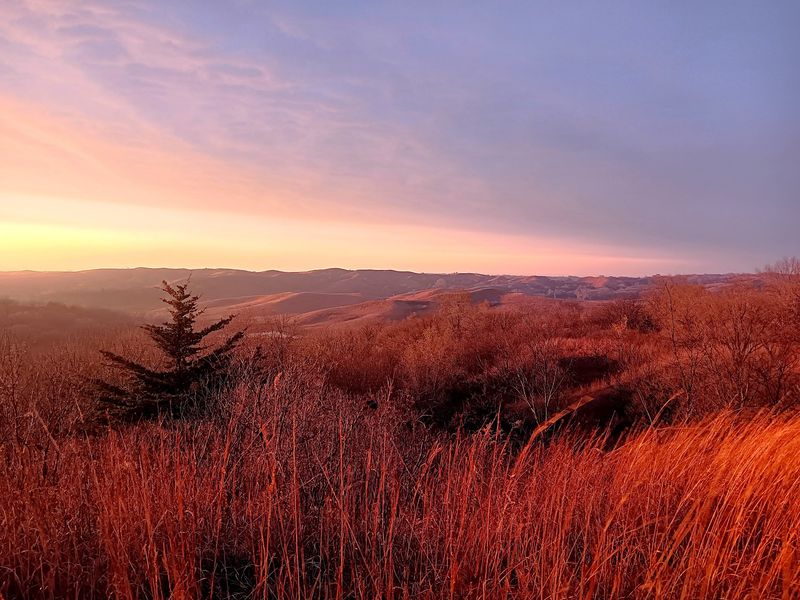
Tallgrass prairie once covered huge stretches of the Midwest. Today it ranks among the most endangered ecosystems around, which makes this place feel like a living time capsule.
Broken Kettle Grasslands Preserve protects Iowa’s largest remaining contiguous native prairie. Sources put the total at over 3,000 acres, with some listing it close to 4,000.
Either number is massive for a state known for corn and soybeans. Standing near those hills, you get a rare look at what the land resembled long before tractors arrived.
Contiguous is the key word here. It means the prairie connects in one big stretch rather than tiny scattered patches.
Connected land matters for wildlife that needs room to roam, hunt, nest, and hide. A fenced acre here and there just can’t support the same variety of life.
The grass changes with the seasons, too. Spring and summer bring fresh green growth, while fall shifts the hills into warmer tones.
Take a moment to simply look and listen. Wind moving through miles of grass is the kind of soundtrack no playlist can quite copy.
Rattlesnakes, Badgers, And Butterflies With Royal Names
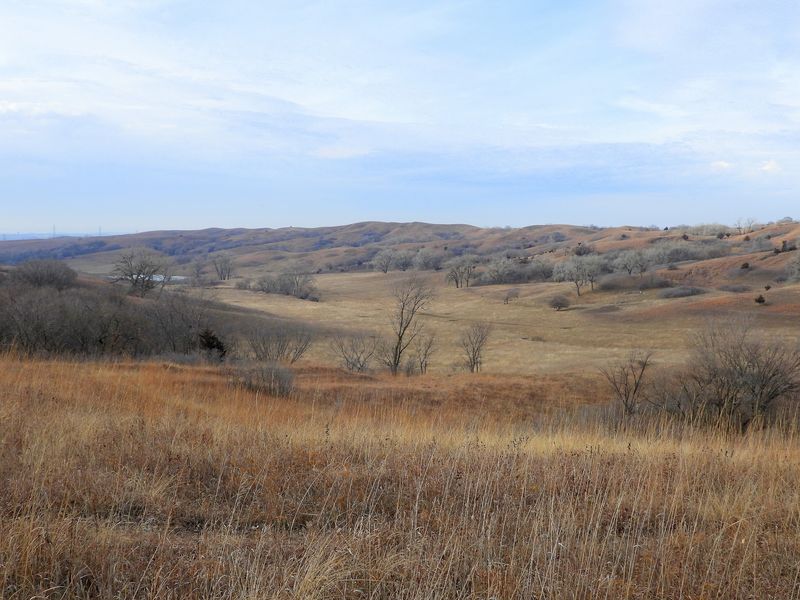
Here’s a fun fact for your next trivia night. In 1999, researchers discovered the prairie rattlesnake at this site, and it remains the only known location for that snake in Iowa.
Don’t panic about it, though. Snakes generally prefer to avoid people, so watch your step on trails and let any reptile go about its day.
The preserve is also a recognized Bird Conservation Area. Birders can look for bobolinks, western kingbirds, upland plovers, and even the black-billed magpie.
Butterflies add a splash of color to the grass. Keep an eye out for the dusted skipper and the regal fritillary, a name that sounds fancy because the butterfly is.
Badgers and coyotes live here as well. So do the Great Plains toad and the plains spadefoot, two amphibians that bring serious personality to the prairie.
Most of these creatures are shy or small. A field guide and a little patience will help you spot far more than a quick drive-by.
Every species here depends on healthy prairie. The bison grab attention, but the supporting cast makes this place truly special.
Lace Up For Miles Of Trails Beyond The Bison Fence
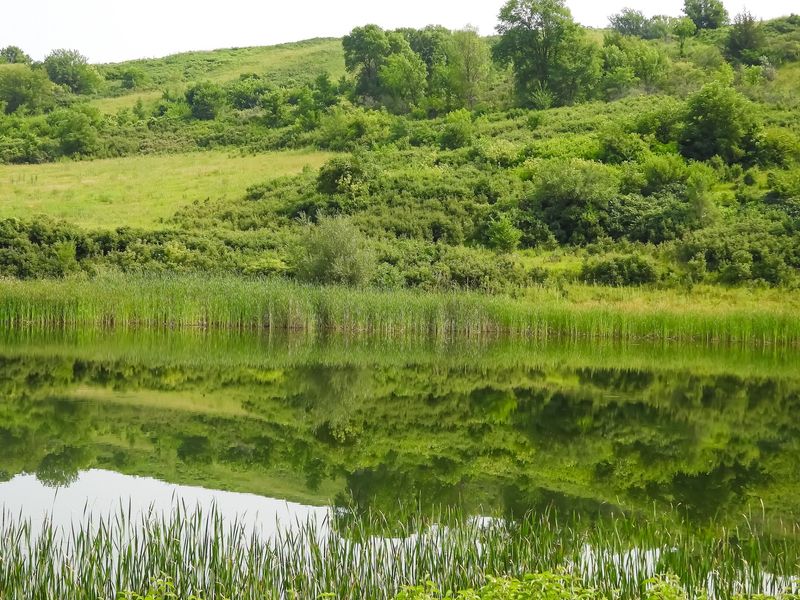
Hikers, you aren’t left out just because the bison area is closed to foot traffic. Many hundreds of acres of the preserve remain open for exploring on your own two feet.
About 10 miles of trails link the grasslands with neighboring preserves. Those connections include Five Ridge Prairie and Camp Joy Hollow, giving you plenty of options.
Camp Joy Hollow joined the preserve in 2022. It used to be a Girl Scout camp, and now it offers additional hiking through unmarked trails.
Unmarked means you should plan ahead. Download a map, tell someone your route, and bring more water than you think you’ll need.
The ridges can be steep, so pace yourself. Your legs will remind you that wind-built hills still count as real hills.
Views from the higher spots open up across the rolling prairie. On a clear day, the scenery makes every uphill step feel worth it.
Pack sunscreen, a hat, and sturdy shoes. Shade can be scarce on open grassland, and a little prep keeps the outing fun instead of exhausting.
A Repurposed Barn Holds The Backstory You’ll Want
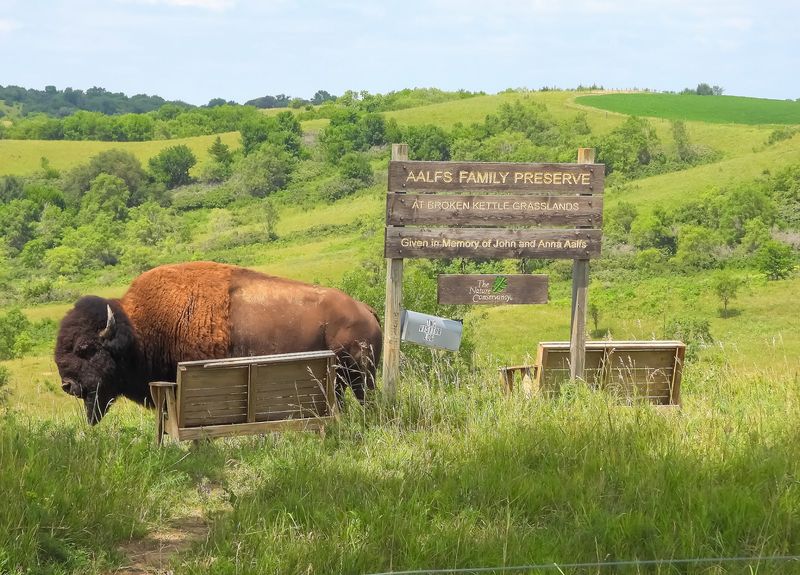
A little homework turns a pretty drive into a great one. The E.Kevin Kelly Visitor Center, set inside a repurposed barn, shares information about the preserve and the Loess Hills.
There’s also a preserve headquarters and visitor center at 24764 Highway 12. Stopping there first helps you understand what you’re seeing before you start scanning for bison.
For your GPS, the preserve’s listed address is Butcher Rd, Westfield, IA 51062. That road also happens to be your main bison-watching route, which is convenient.
The preserve is open daily from 7 a.m. to 7 p.m. Plan around those hours so you don’t arrive just as the gates of daylight close.
The area feels rural and quiet, so fill your gas tank and pack snacks before leaving Sioux City. Cell service and stores aren’t something to count on out in the hills.
Visiting early or later in the day can also bring softer light for photos. Golden hour on rolling prairie makes even a phone camera look talented.
Treat the land with respect while you’re there. Stay on open areas, pack out trash, and leave the wildlife undisturbed.
Some Of These Bison Are Heading Home To Tribal Lands
The herd here does more than graze pretty hillsides. Since 2020, The Nature Conservancy has partnered with Tribal nations to transfer bison from the preserve to their ancestral lands.
Between 2022 and 2024, 162 bison made that journey. That’s a lot of shaggy travelers, and each one helps build or grow herds far beyond Iowa.
Bison hold deep cultural importance for many Native nations. Returning them to Tribal lands reconnects people with an animal tied to their history, food, and traditions.
I believe this part of the story gives Broken Kettle Grasslands Preserve extra meaning. The prairie in Plymouth County now supports a much bigger effort across the country.
It also explains why herd numbers can shift over time. Calves arrive, transfers happen, and the population stays in balance with the land.
So when you spot bison from Butcher Road, you might be seeing future pioneers. Some could one day roam a new prairie hundreds of miles away.
That’s a pretty good reason to slow down and watch a little longer. Few roadside views carry this much history, hope, and fur in one frame.