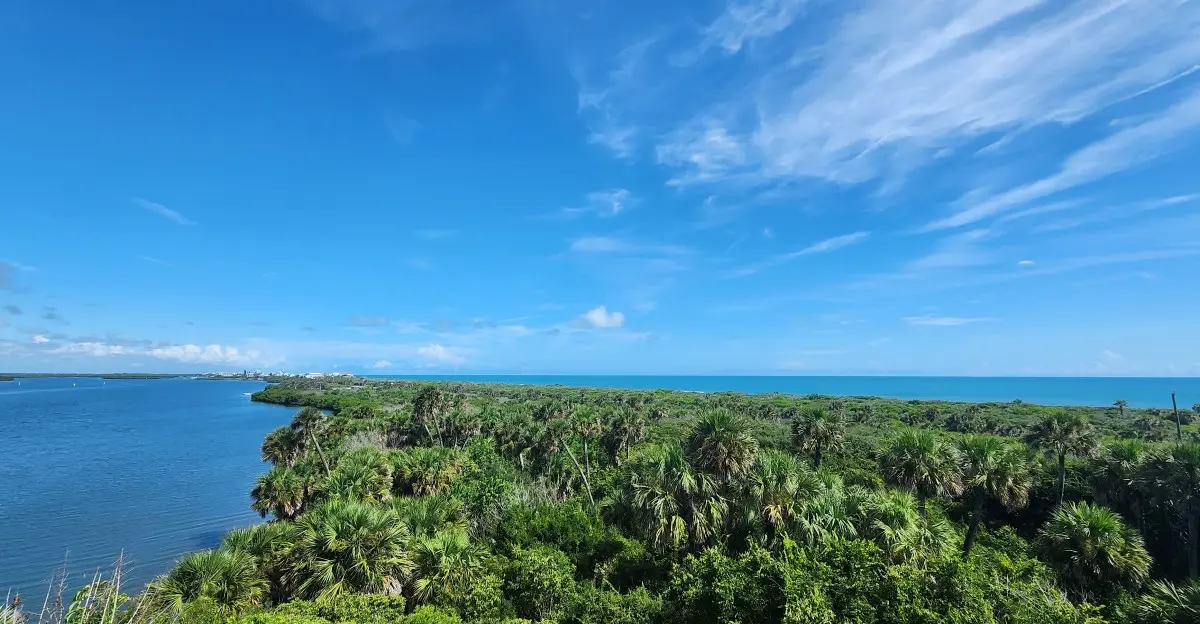
Somewhere along the Florida coast, a fishing village was flattened because it sat inside a rocket debris zone. A citrus town nearby vanished too, leaving only a few ghostly streets behind.
I can’t imagine packing up my whole life so a rocket could have some breathing room. Yet by 1964, every resident in these areas was gone.
They got paid, but not everyone liked the deal.
My favorite part comes next. The empty land around the launch pads never turned into parking lots.
Much of it became a wild, protected coastline packed with eagles, manatees, sea turtles, and ancient shell mounds.
So what happens when a space program accidentally saves a beach? The answer is quieter, stranger, and prettier than you’d guess.
Honestly, it might be the best plot twist in Florida history.
A Fishing Village Got Flattened Because Of Where It Sat
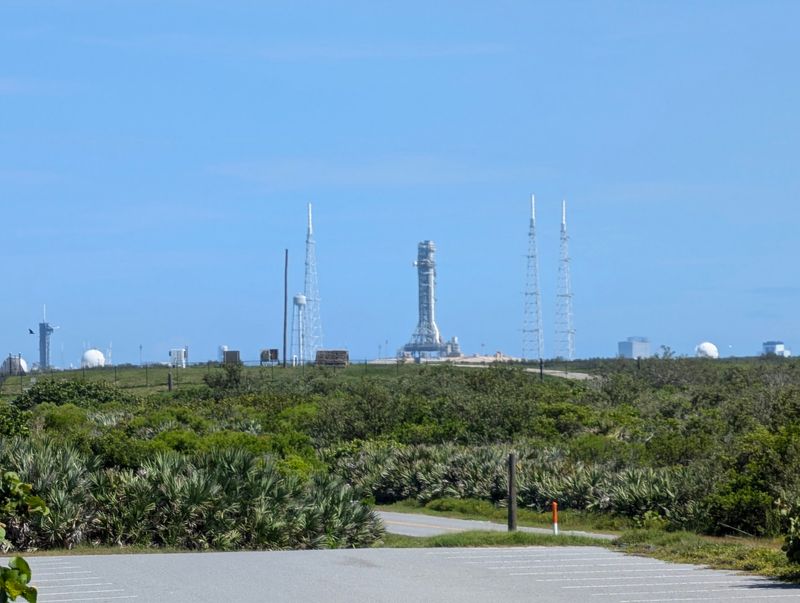
Location really is everything, and for Allenhurst, it turned out to be a problem. The small fishing community sat just north of the Haulover Canal, close to land NASA wanted.
Today, that stretch connects to the wild story of Canaveral National Seashore. To understand the park, you first need to meet the towns that came before it.
Allenhurst landed inside the debris field radius of the Kennedy Space Center. In plain words, falling rocket parts could reach it if a launch went wrong.
That was enough to seal its future. Every structure in Allenhurst was razed, from homes to anything else standing there.
Think about what that means for a fishing town. People who lived by the water and the tides suddenly had to start over somewhere else.
No rebuilding happened later, either. The safety zone needed to stay empty, and it still does around active launch areas in Florida.
Visiting the area now, you won’t find a welcome sign or a main street. What you’ll find is quiet land, water, and a story most beachgoers never hear.
Keep that in mind on your drive. The calm scenery has a surprisingly loud backstory.
The Citrus Town That Left Only Its Streets Behind
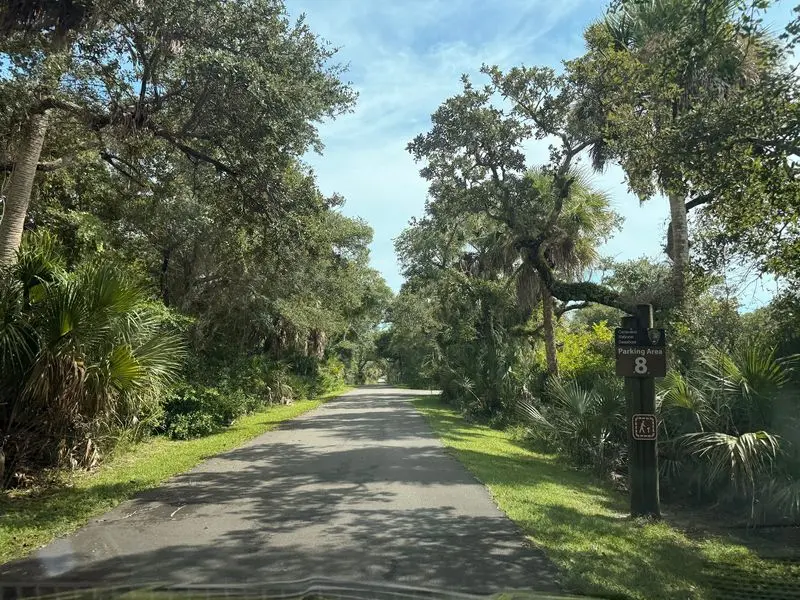
Orange groves once covered the area around Shiloh. The community sat near the Brevard-Volusia County line, north of the Haulover Canal, and citrus was its main business.
Like Allenhurst, Shiloh disappeared when NASA claimed the land. Homes and buildings came down, and the families moved on with their payments.
Here’s the eerie part. As of 2014, some abandoned streets and parking lots were still visible as ruins.
Roads usually lead somewhere. In Shiloh, they started leading nowhere, which feels like the setup for a mystery novel.
The story didn’t end there, either. The old Shiloh area was later considered as a possible commercial orbital launch site by SpaceX.
So a citrus town gave way to space buffer land, and then that land almost hosted private rockets. Few places on Earth have a resume quite like that.
Shiloh’s history also explains why the north end of the region feels so empty. The quiet you notice is not an accident.
Florida used to grow oranges here, and now it mostly grows scrub, birds, and launch-day excitement nearby. Honestly, the oranges would probably be impressed.
NASA Initially Sought More Than 200 Square Miles Of Land
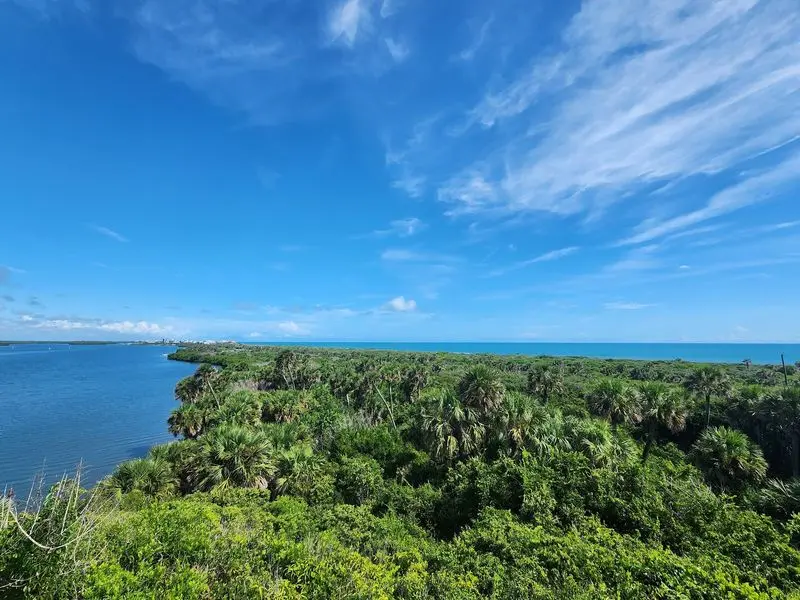
In 1961, NASA began pursuing a large area of land on and around Merritt Island for the Apollo program and what became the Kennedy Space Center. The initial target covered about 200 square miles, or 128,000 acres.
The space agency needed room for launch pads, support facilities, and wide safety zones. Rockets are powerful, loud, and not always predictable, so some nearby communities had to go.
Allenhurst and Shiloh were not alone. Clifton, Orsino, Wilson, Heath, Happy Creek, and others were also affected by the land acquisition for the Kennedy Space Center.
Wilson, for example, had a lumber mill at the corner of State Road 3 and State Road 402. Places like DeSoto Beach and Wisconsin Village were also among the communities affected.
Many existing buildings were torn down as the area was cleared. By 1964, residents of the affected communities had left.
Property owners were compensated, though the land acquisition involved negotiations and some disputes over the terms. You can imagine the mixed feelings at kitchen tables back then.
Still, the race to the moon moved fast. Over just a few years, familiar communities gave way to facilities and safety areas for the space program.
So when you look at a rocket rising over this coast, remember the trade. The expansion of the space program changed the lives of people whose hometowns once stood here.
The Empty Buffer Zone Accidentally Became A Beach Lover’s Dream
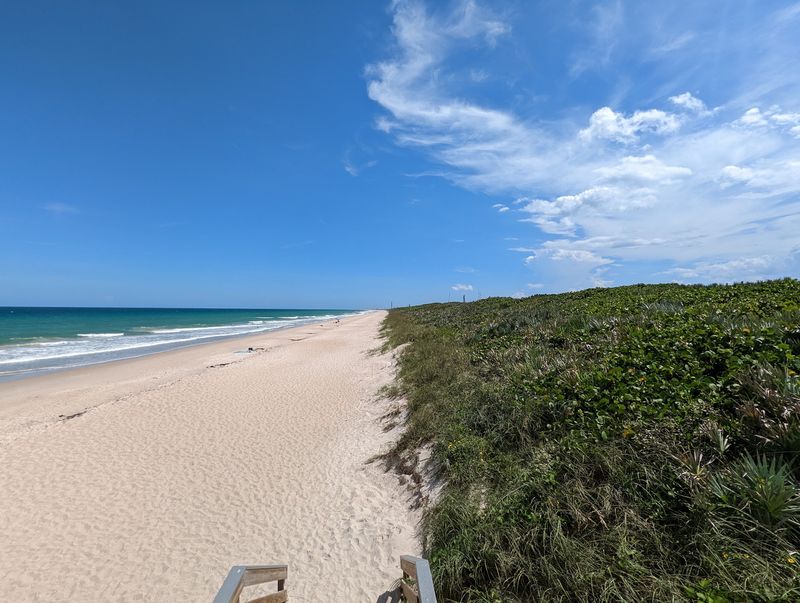
Plot twist: all that cleared land didn’t stay useless. In 1975, Canaveral National Seashore was created, using much of the undeveloped land NASA had bought as a buffer.
The National Park Service runs the seashore. Next door, the U.S.
Fish and Wildlife Service has managed Merritt Island National Wildlife Refuge since 1963.
Together, they protect a huge stretch of the Florida coast. Without the space program, condos and hotels might have filled this shoreline long ago.
That’s the strange gift inside this story. Rockets needed empty space, and empty space turned out to be great for nature.
Today, the seashore protects unspoiled beaches, wetlands, and dunes. It also saves pieces of earlier human life, from ancient shell mounds to old homes.
I like how the park doesn’t erase the past. It keeps the land wild while still letting the history speak up.
Few beaches near a big Florida tourist area feel this untouched. Here, the lack of development is the main attraction.
So when you spread out a towel here, you’re relaxing on land that once belonged to a space race plan. That’s a pretty cool place to nap.
Eldora Proves Not Every Town Needed A Bulldozer To Fade
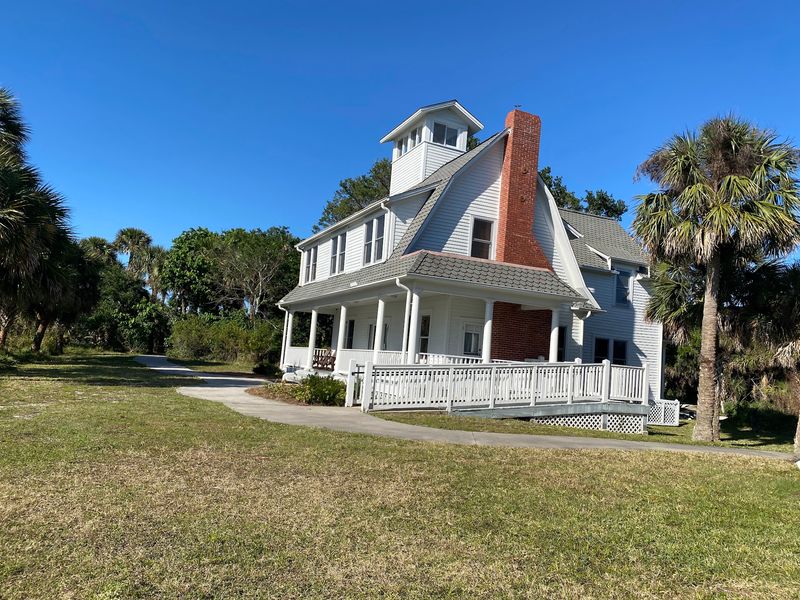
Unlike its razed neighbors, Eldora slipped away slowly. This late-1800s community sat right where the seashore stands today.
Hard freezes and changes in transportation hurt the town over time. Citrus growers struggled, and travel routes moved away, so people gradually left.
Thankfully, Eldora’s story didn’t vanish. Two houses from its early days have been rehabilitated, and one is open to the public.
That open home is the Eldora House, once called the Moulton-Wells house. It dates back to around 1900 and sits along Mosquito Lagoon.
Visiting the house offers a real time-travel moment. You get a peek at waterfront life long before rockets roared nearby.
Volunteers often help share the house’s history. Check with the park before you go, since open hours for historic sites can vary.
Eldora also adds balance to this whole story. Some towns here ended with orders and bulldozers, while this one faded with the weather and the times.
Seeing a survivor makes the lost towns feel more real. It reminds you that real families once built lives on this skinny strip of land.
Give yourself time here. History rarely gets a setting this pretty.
Some Of These Shell Piles Are Thousands Of Years Old
Long before NASA, citrus growers, or fishing villages, the Timucua lived along this coast. They left behind clues you can still see today.
Canaveral National Seashore holds more than 100 middens. Middens are heaps of shells, broken pottery, and old arrowheads that people tossed aside.
Basically, they’re ancient trash piles. Yet to historians, they are treasure chests packed with stories about daily life.
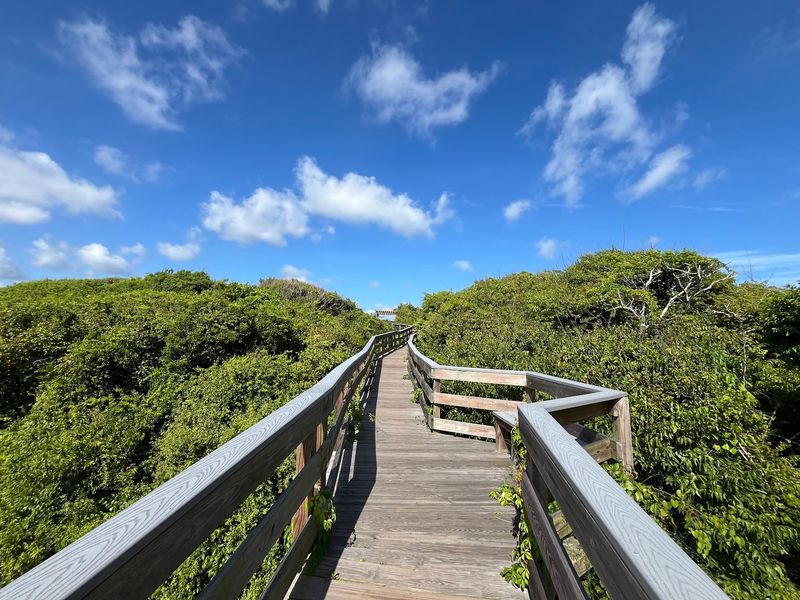
Turtle Mound is the big name to know. An elevated walkway there gives you a wide view of Mosquito Lagoon and the Atlantic Ocean.
Over at Seminole Rest, prehistoric mounds date back roughly 4,000 to 500 years. Experts believe Timucuan people gathered and processed clams there.
A half-mile trail at Seminole Rest has exhibit panels along the way. It’s short enough for kids and interesting enough for history buffs.
Please stay on paths and leave everything where it is. These mounds are protected, and every shell is part of the record.
I believe this is the most humbling part of the seashore. The towns NASA cleared lasted decades, but these mounds have lasted thousands of years.
That puts a rocket countdown in perspective. Some timelines are much, much longer.
The Neighbors Here Have Feathers, Scales, And Flippers
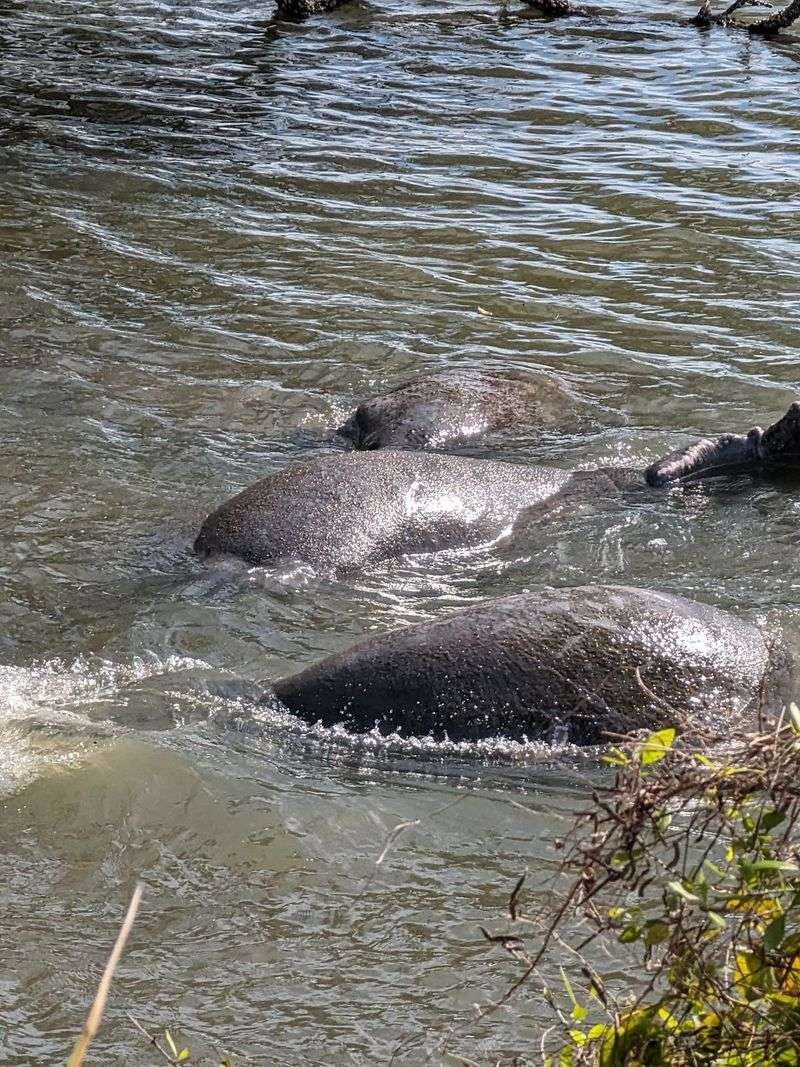
Bald eagles, alligators, and West Indian manatees all call this protected land home. Not bad for an area once cleared for rockets.
The wildlife list keeps going. Wood storks, peregrine falcons, eastern indigo snakes, and Florida scrub jays live here too.
Scrub jays are a fun one to look for. They live only in Florida, so spotting one feels like a local bonus round.
The mix of habitats makes all this possible. Beaches, dunes, and wetlands give each creature its own corner to live in.
Bring binoculars and a little patience. Early mornings and quiet trails usually give you the best chance at sightings.
Drive slowly on park roads, too. Alligators and turtles sometimes cross, and they never check for traffic first.
Keep a respectful distance from every animal you see. Never feed wildlife, especially gators, since it changes how they behave around people.
Zoom out for a second. The buffer zone that pushed people out ended up giving animals a safe place to stay.
In a way, these creatures are the new residents of the lost towns. They pay no rent, but they do keep the place lively.
You Can Watch Rockets Launch From A Nearly Empty Beach
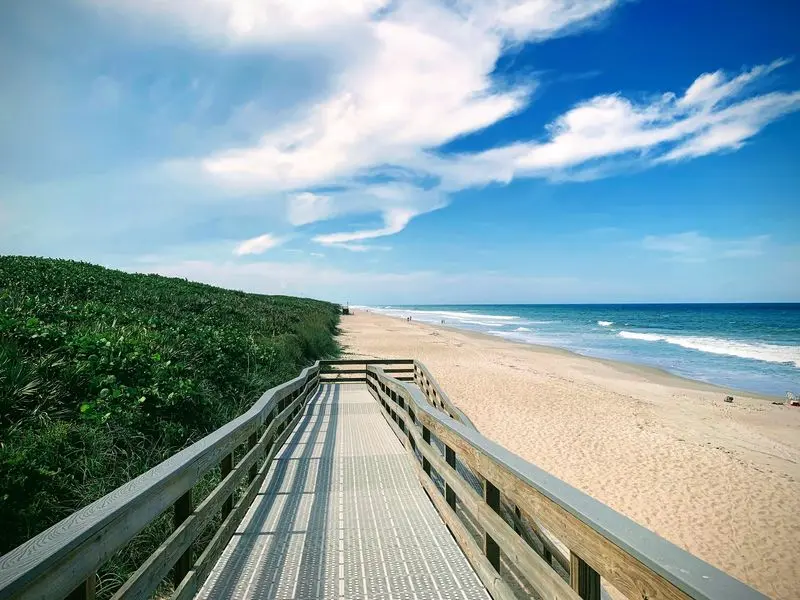
Sand between your toes, waves at your feet, and a rocket climbing into the sky. That combo is possible here on launch days.
Canaveral National Seashore sits next to Kennedy Space Center. The southern beaches, like Playalinda, give you views toward the launch area.
SpaceX and other companies launch from Florida’s Space Coast often. Check launch schedules ahead of time if you want to catch one.
Even without a launch, the beaches shine. Long stretches of undeveloped sand feel calm and open compared with busy resort shores.
Shell hunters will be happy too. The shoreline often collects shells, and storms can wash in extra surprises.
Swimming and fishing are both popular here. Waves can get strong, so watch conditions and swim with care.
Plan to pack water, sunscreen, and snacks before you arrive. Once you’re on the sand, convenience stores feel very far away.
Some beach areas have restrooms near parking lots, which helps on long days. Arrive early if you want a relaxed start to your morning.
Watching a rocket from land that once held towns feels a little poetic. The launches exist partly because these beaches stayed wild.
Plan Your Trip To The North End Like A Space Coast Pro
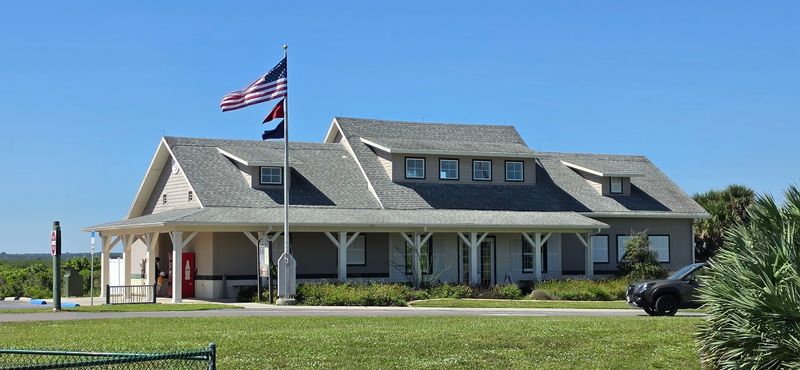
Good news for road trippers: the north district entrance is easy to find. The Canaveral National Seashore visitor area sits at 7611 S Atlantic Avenue, New Smyrna Beach, FL 32169.
A visitor center there helps you get your bearings. Rangers can share maps, rules, and tips for your day.
The seashore charges an entrance fee, and passes cover multiple days. America the Beautiful passes also work here, like at other national park sites.
Hours can change with the seasons, weather, and launch activity. Check with the National Park Service before heading out.
Numbered parking areas line the beach road with access points to the sand. Count on a slow, scenic drive rather than a quick zip.
Want a full day plan? Start at Turtle Mound, visit the Eldora House, and then claim a beach spot for the afternoon.
Paddlers can launch into Mosquito Lagoon from designated areas. Kayaks and paddleboards make it easy to explore the calm water.
New Smyrna Beach is close by for meals and places to stay. That makes the seashore an easy day trip on any Florida vacation.
Come for the beach and leave with a history lesson. Not many vacations pull off both.