Thirteen bridges stand along one quiet 21-mile path, and one old wooden trestle towers high above a forested creek canyon. Trains once rumbled across them, hauling timber out of the hills.
Now the loudest traffic is usually a bike bell.
I like how this route turns railroad history into a free family outing. It became Oregon’s first rail-to-trail state park, which gives it serious bragging rights.
It also keeps the gentle grades that old trains needed, so little legs and grandparents can usually keep up.
The path rolls through farmland, forest, and creek bottoms between two small towns. Trailheads along the way let you pick a short stroll or the full ride.
You can turn around whenever the snacks run out.
So which bridge will your crew want to cross first? I believe the trestles might start a friendly argument.
An Old Logging Railroad That Traded Trains For Bikes
Long before families pedaled here, the Banks-Vernonia State Trail was a working railroad line. Freight trains hauled logs and lumber between the timber country around Vernonia and the valley near Banks.
When rail service faded, Oregon saw a chance to give the corridor a second life. The result became the state’s first rail-to-trail state park, a title it still carries proudly.
That history explains why the path feels so steady underfoot. Railroads hate steep hills, so engineers kept the grade gentle through most of the route.
For families, that old engineering choice is a gift. Kids on small bikes can roll along without constant uphill battles, and walkers can keep a relaxed pace.
The trail runs roughly 21 miles from end to end. It connects two small Oregon communities through farmland, forest, and quiet creek valleys.
You don’t have to tackle the whole thing in one go. Several trailheads break the route into friendly chunks, so a short outing still feels like a real adventure.
Think of it as a museum you can ride through. The exhibits are bridges, cuts in the hillside, and long stretches of shade where trains once whistled past.
Thirteen Bridges Worth Counting Out Loud
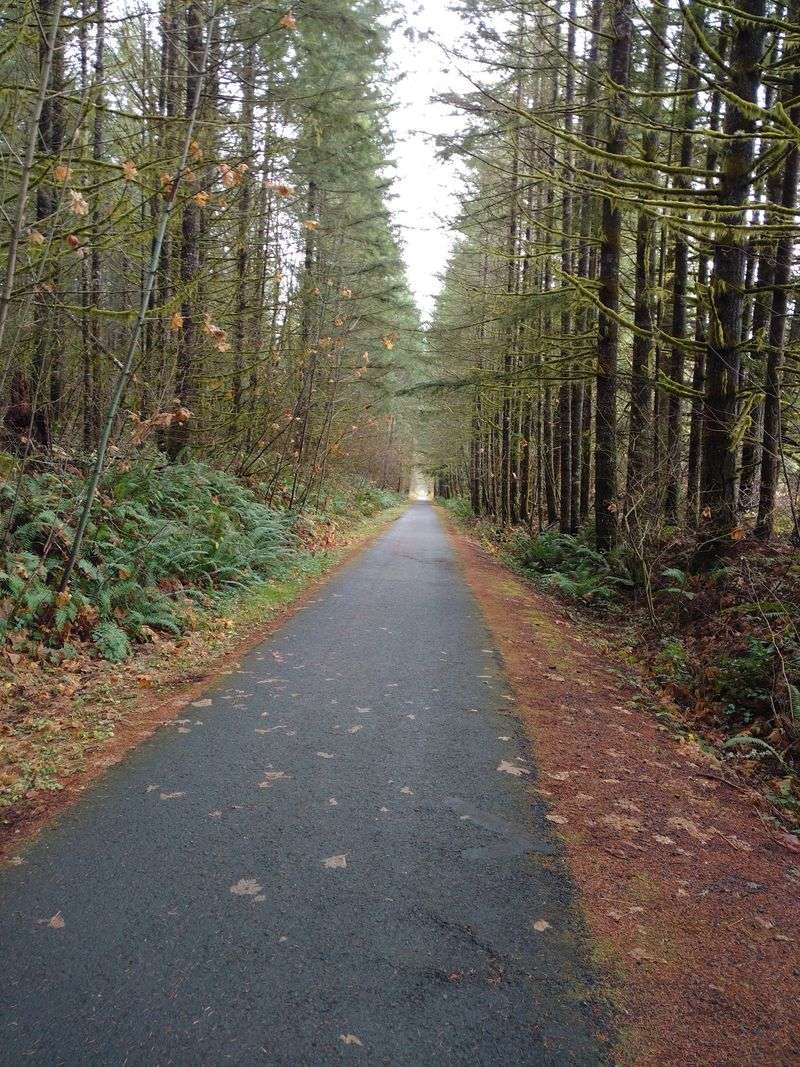
Thirteen bridges is a fun number to hand a kid at the start of a ride. Suddenly every creek crossing becomes a checkpoint, and nobody asks how much farther it is.
Not every bridge is a giant. Many are modest spans over creeks and gullies, but each one is a leftover piece of the railroad story.
The crossings give the trail its rhythm. You roll through trees, hear water below, then slip back into the forest again.
Bring a little patience at the busier bridges. Riders, walkers, and strollers all share the same space, so slowing down keeps everyone smiling.
The bridges also make natural snack stops. A creek view and a granola bar beat a rest area parking lot every single time.
Here’s a simple family game. Have each kid keep their own count and see if the numbers match at the end of the day.
Odds are someone will lose track around bridge seven. That just means you’ll have to come back and count again, which is hardly a punishment on a trail this pretty.
The Buxton Trestle Steals The Whole Show
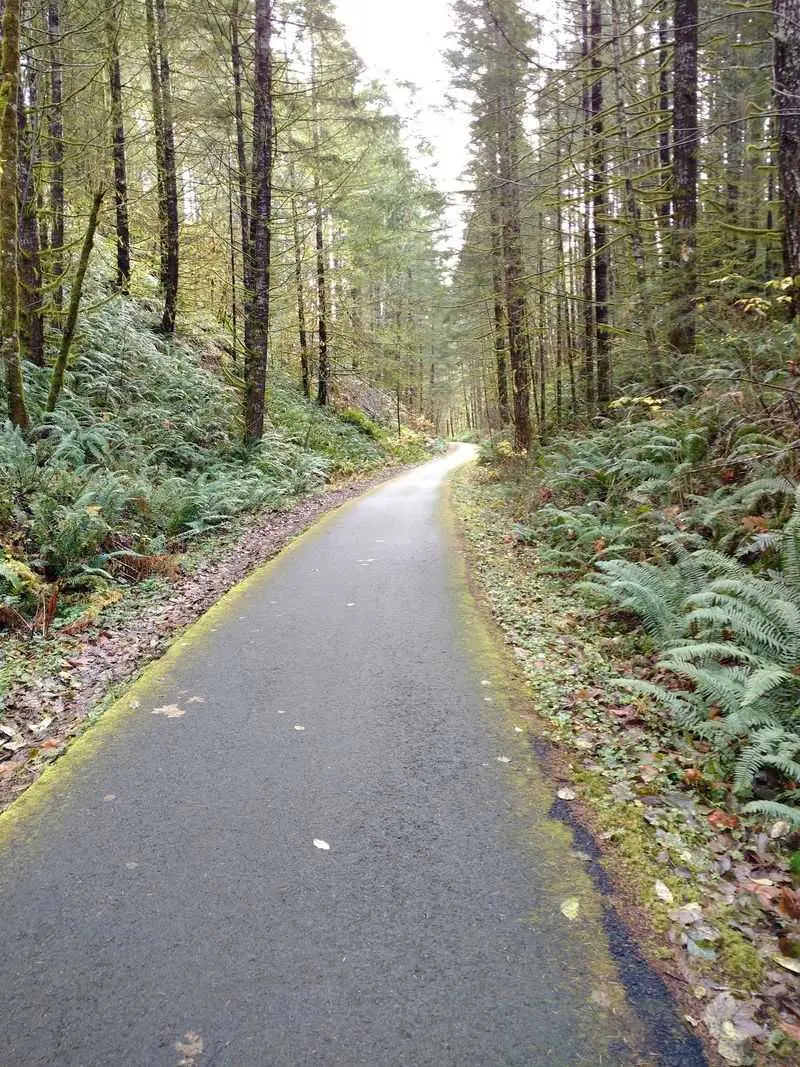
Wood creaks with history on the Buxton Trestle, the star of the Banks-Vernonia State Trail. It stretches high over a forested creek canyon near the small community of Buxton.
The trestle was restored so trail users can cross it today. Standing up there, you get a rare view down into the treetops instead of up at them.
Kids tend to treat it like a sky bridge. Parents may treat it like a good reason to hold small hands a little tighter.
Buxton has its own trailhead nearby, which makes the trestle an easy target. A short walk gets you there without committing to a long ride.
Photos from the deck show layers of green in every direction. Photos from below show just how big the old structure really is.
Try to see it from both angles if your crew has the energy. The scale makes more sense once you look up at those timbers.
Many families could plan an entire outing around this one bridge. Honestly, I can’t imagine a better payoff for such a short stroll in Oregon.
Horseshoe Trestle And The Switchback Surprise
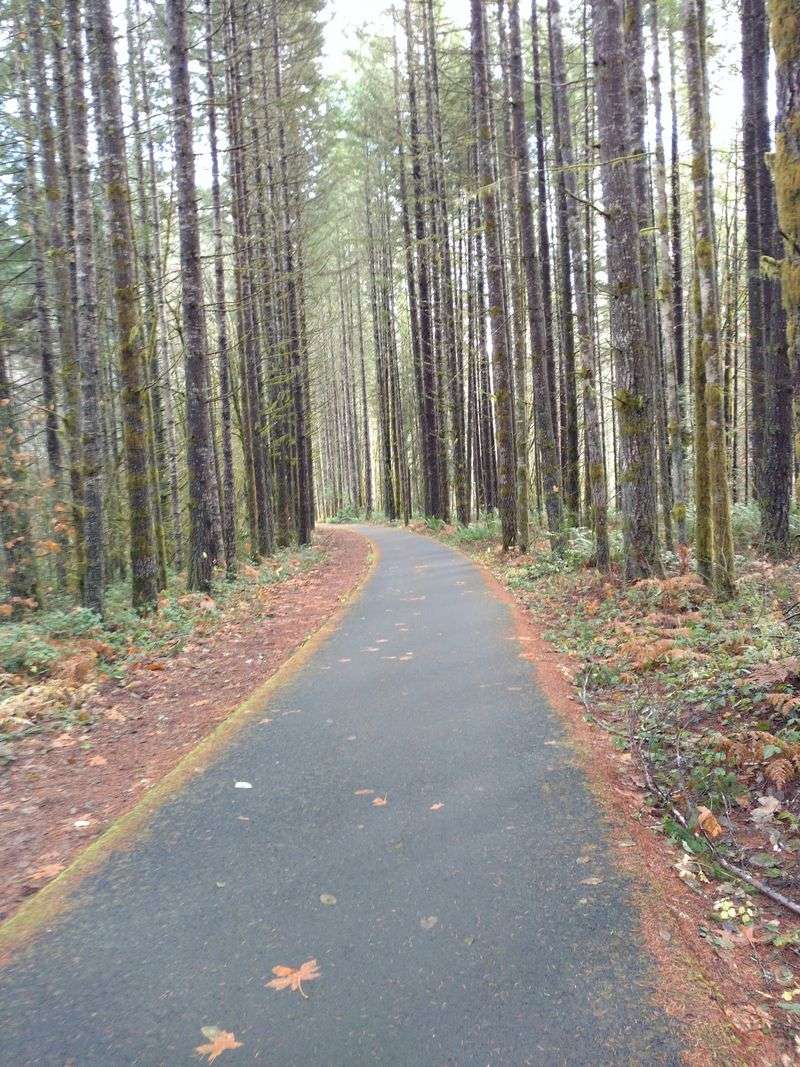
Horseshoe Trestle earns its name from the curve the old railroad made through the hills. It’s one of the most photographed spots along the route.
Here’s the twist. Trail users don’t ride across the top of this one, so the path drops around it instead.
That detour includes a steeper section with switchbacks. It’s the main spot where the trail breaks from its easygoing railroad grade.
Younger riders may want to walk their bikes here. There’s no shame in it, and it gives everyone a better look at the trestle anyway.
The Beaver Creek area serves as a handy access point for this stretch. Families can park, wander over, and admire the curve without a long haul.
Fall can be a lovely time to visit. Changing leaves frame the timber structure in warm colors that make even phone photos look fancy.
Plan your energy around this part if you’re doing the full route. Saving a snack for the climb out might just prevent a mutiny from the back seat of the tandem.
Pick Your Starting Point From A Handful Of Trailheads
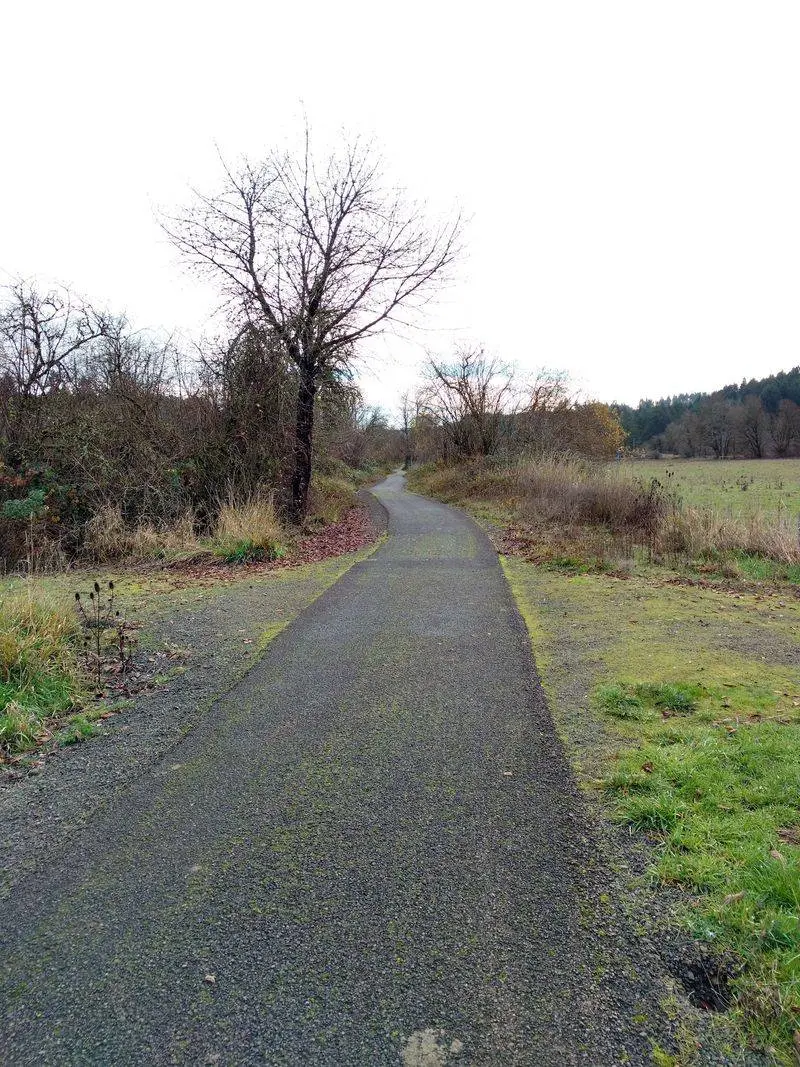
Six-year-olds and marathon cyclists rarely want the same distance. Luckily, the Banks-Vernonia State Trail offers several trailheads to suit both.
Access points include Banks, Manning, Buxton, Tophill, Beaver Creek, and Vernonia. Each one lets you hop on a different slice of the route.
Banks sits at the southern end, closer to the Portland metro area. It’s an easy start for families driving out from Washington County.
Vernonia anchors the northern end. Its trailhead connects to town, so a ride can finish near food and a restroom break.
Middle trailheads like Buxton are great for quick out-and-back trips. You can pick a bridge, ride to it, and return before anyone gets cranky.
Bigger groups sometimes use two cars for a one-way ride. Park one at the end, start at the other, and skip the return trip entirely.
Since the official address is simply listed as Oregon, check your map app for the specific trailhead you want. Facilities can vary by stop, so a quick check before leaving home saves headaches later.
Room For Wheels, Hooves, And Sneakers
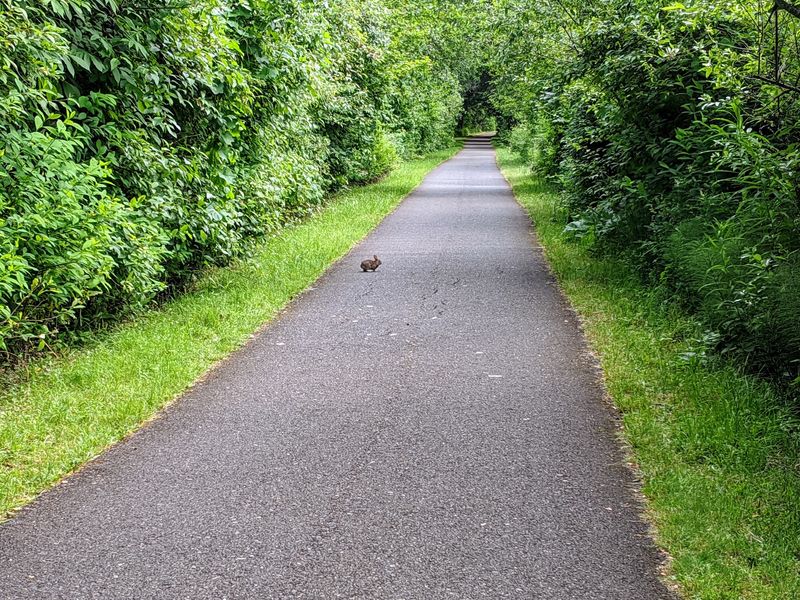
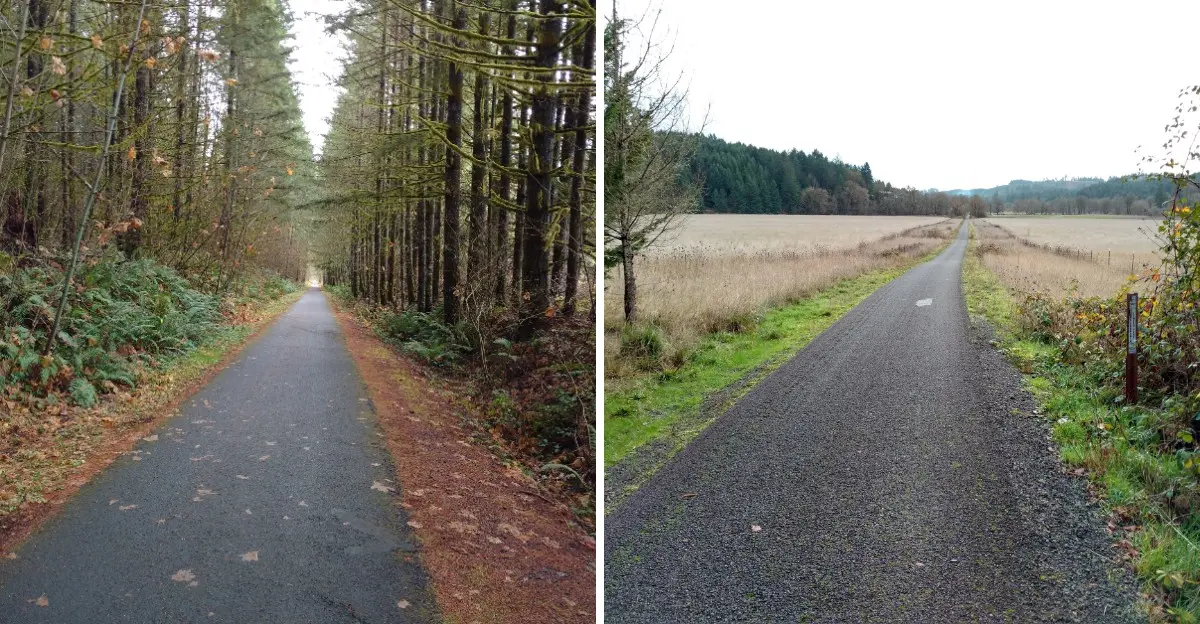
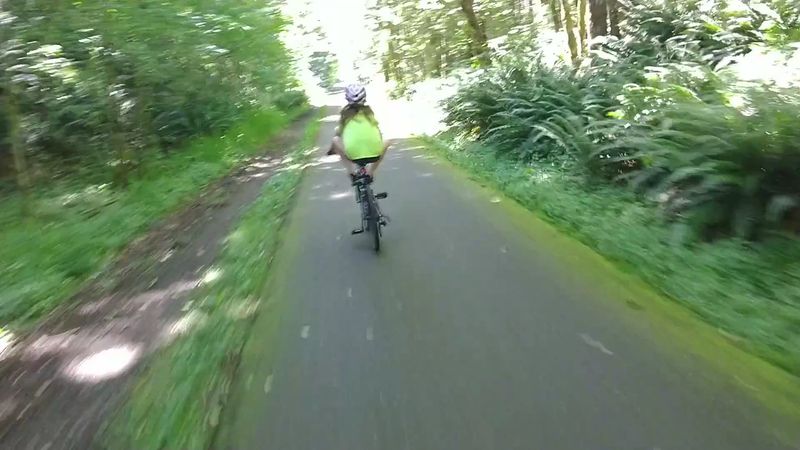
Most of the path is paved, which is great news for bikes, strollers, and scooters. Families with mixed ages can travel together without anyone getting stuck in mud.
Horses are welcome too. A softer side path runs along parts of the route so riders and their animals have their own lane.
Seeing a horse on a bike trail tends to delight kids. Just remind them to stay calm and give the animals plenty of space.
Walkers and runners use the trail as well. Basic trail manners go a long way, like keeping right and calling out before passing.
Leashed dogs can come along on many visits. Bring water and bags, because the cleanup crew is you.
The flat sections make a terrific spot for kids learning to ride without training wheels. No cars, gentle grades, and lots of room to wobble.
That shared-use setup gives the trail a neighborly feel. Everyone is out enjoying the same green corridor, just at slightly different speeds and with a slightly different number of legs.
Forest Shade, Farm Fields, And Creek Music
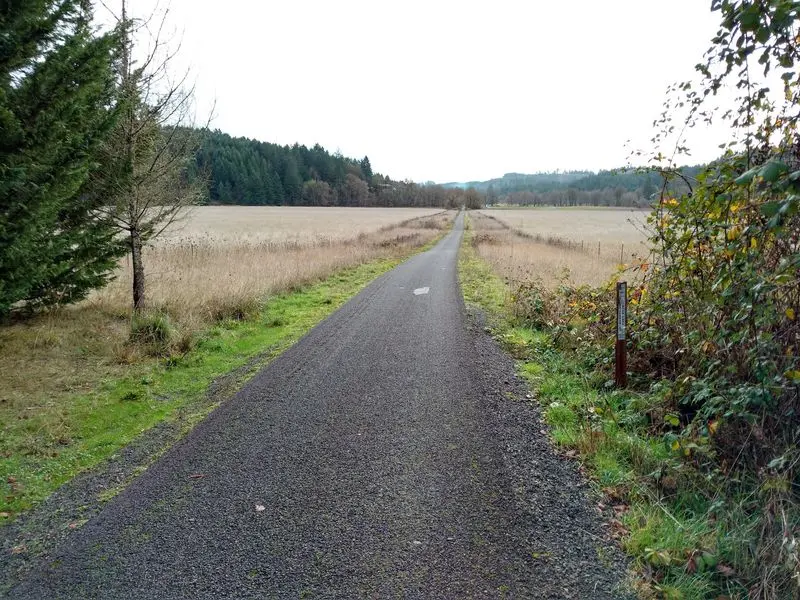
Scenery changes often along the Banks-Vernonia State Trail. Open farm country near Banks gives way to thick forest as you head toward the Coast Range foothills.
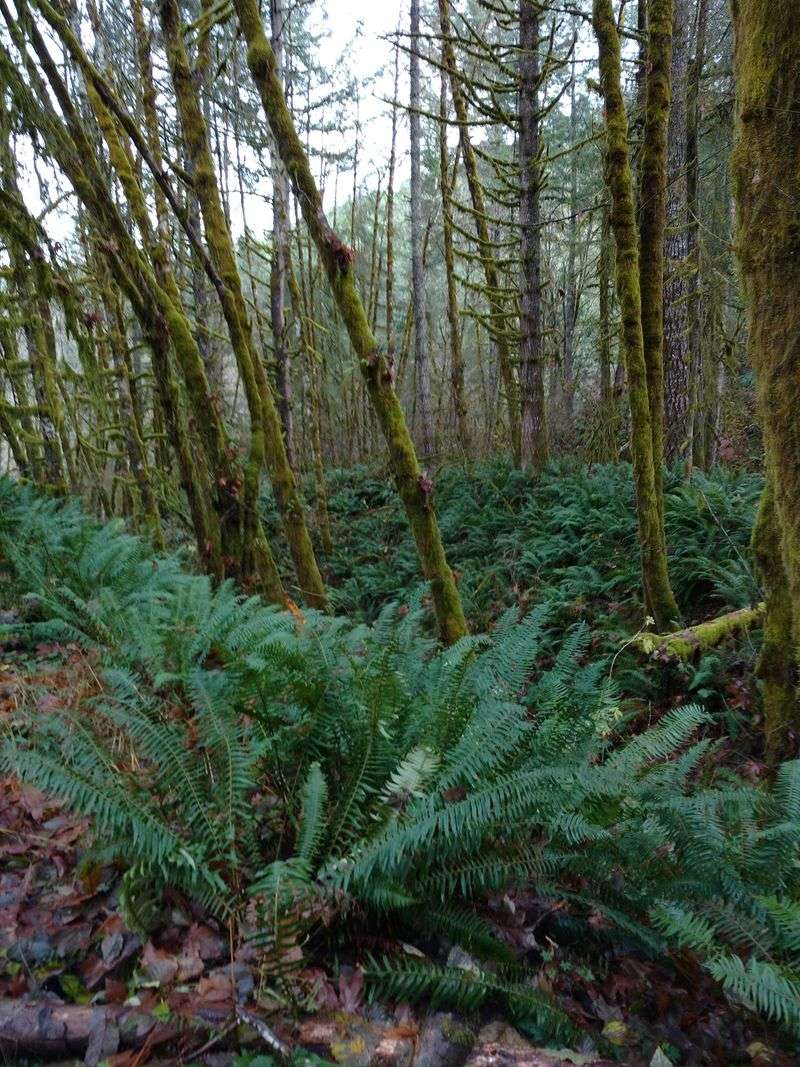
Shade is a big bonus on warm Oregon days. Much of the route runs beneath tall trees that keep the air cooler than the valley.
Creeks wind alongside the path in several places. The bridges you cross often sit right above them, adding easy views without any extra effort.
Wildflowers and fresh green growth can brighten spring rides. Fall swaps that look for golden and rust-colored leaves.
Winter can bring rain and slick spots, as with most trails in this part of the state. Good tires and a little caution help a lot.
Kids who usually zone out on car rides may actually look around here. Moving slowly through the woods makes it easier to spot birds, bugs, and interesting stumps.
No single viewpoint defines the trail. Instead, the charm builds mile by mile, like a long movie where every scene happens to be filmed in the forest.
Two Small Towns Holding Down Each End
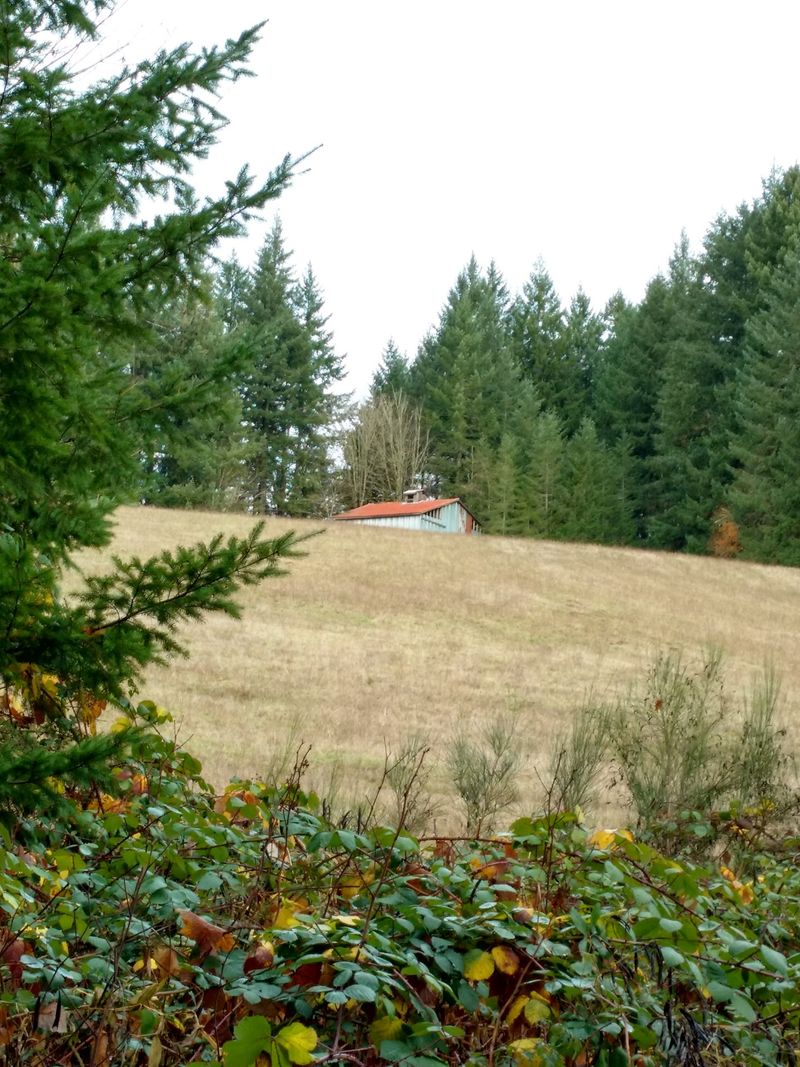
Banks and Vernonia bookend the ride, and both have a slower pace than the city. That small-town calm sets the tone before you even unload the bikes.
Banks sits closer to the Tualatin Valley. It’s an easy launch point for families coming from Hillsboro, Beaverton, or Portland.
Vernonia has deep roots in Oregon logging history. The town grew around timber, which ties right back to the railroad that once ran this corridor.
On the Vernonia end, the trail reaches a lakeside park area. It’s a pleasant spot for stretching tired legs after a long ride.
Both towns offer places to grab food, though options and hours can change. A quick check before you go keeps hungry riders happy.
Doing the full route means ending in a different town than where you started. That alone makes the trip feel like a real journey rather than a loop around the block.
Kids may enjoy saying they biked from one town to another. It sounds impressive at a family dinner, and it truly is.
A Neighboring State Park Doubles The Fun
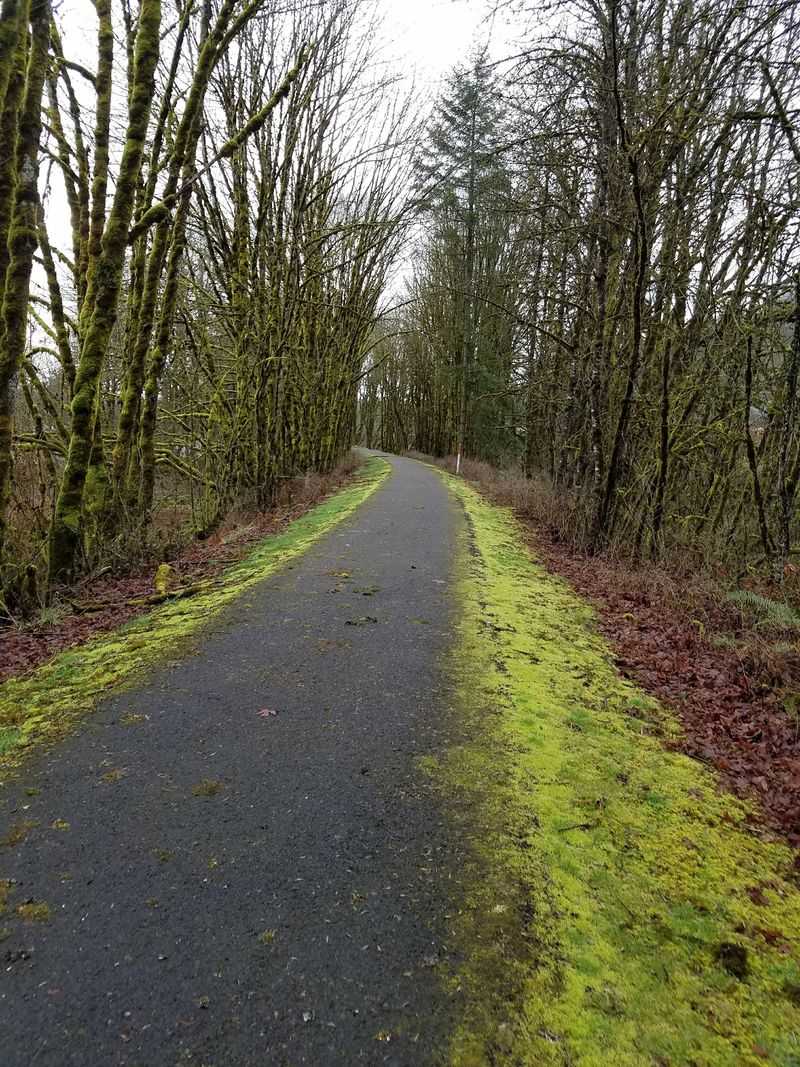
Right next door sits L.L. Stub Stewart State Park, and it connects with the trail.
That pairing turns a day ride into a possible weekend plan.
Stub Stewart offers camping and its own network of hiking, biking, and horse trails. Families who like a home base can stay close and ride without driving each morning.
The connection works nicely for mixed-energy groups. Some folks can explore the park while others knock out a longer stretch of the rail trail.
Camping availability and reservation rules can change by season. Checking with Oregon State Parks ahead of time is the smart move.
Having a second park so close adds flexibility. If one area feels busy, the other may offer a quieter corner.
The combo also helps on hot days. You can ride in the morning, then rest in the shade at camp during the afternoon.
I like how the two places feel like teammates. One brings the railroad history and bridges, and the other brings the campfire and the excuse to stay another night.
Planning Notes Before You Load The Bikes
Good news for the family budget first. The Banks-Vernonia State Trail is generally free to use, which makes it a rare bargain for a full day outdoors.
Parking rules and fees can vary by trailhead and may change. A quick look at the Oregon State Parks page before leaving is worth the minute it takes.
The trail is typically open during daylight hours. Plan to be off the path by dusk, especially in winter when evenings arrive early.
Bring more water than you think you need. Services are limited between trailheads, and kids drain bottles fast.
Helmets, a basic repair kit, and a pump can save the day. A flat tire miles from the car is not the souvenir anyone wants.
Pack layers, even in summer. Shady forest stretches can feel cooler than the sunny parking lot where you started.
Restrooms exist at several trailheads, but not everywhere along the route. Make a stop before you set out, and save everyone a long, awkward pedal to the next one.
Why This Old Rail Line Belongs On Your Family Calendar
Free, historic, and gentle enough for most ages is a tough combination to find. The Banks-Vernonia State Trail checks all three boxes without making a fuss about it.
It works for nearly any kind of outing. A short walk to a trestle, a half-day ride, or a full town-to-town journey all fit.
History fans get a real piece of Oregon railroad and logging heritage. Nature lovers get forest, creeks, and fresh air in every direction.
Kids get bridges to count and a trestle to brag about. Grown-ups get a day without screens that doesn’t require a long list of expensive gear.
The route sits within an easy drive of the Portland area. That makes it simple to fit into a weekend without burning a whole tank of gas.
Pair it with a meal in one of the end towns, or a night at the neighboring state park. Either way, the day feels bigger than the effort it took.
Start with one bridge if that’s all your crew can handle. The other twelve will be waiting patiently for round two.