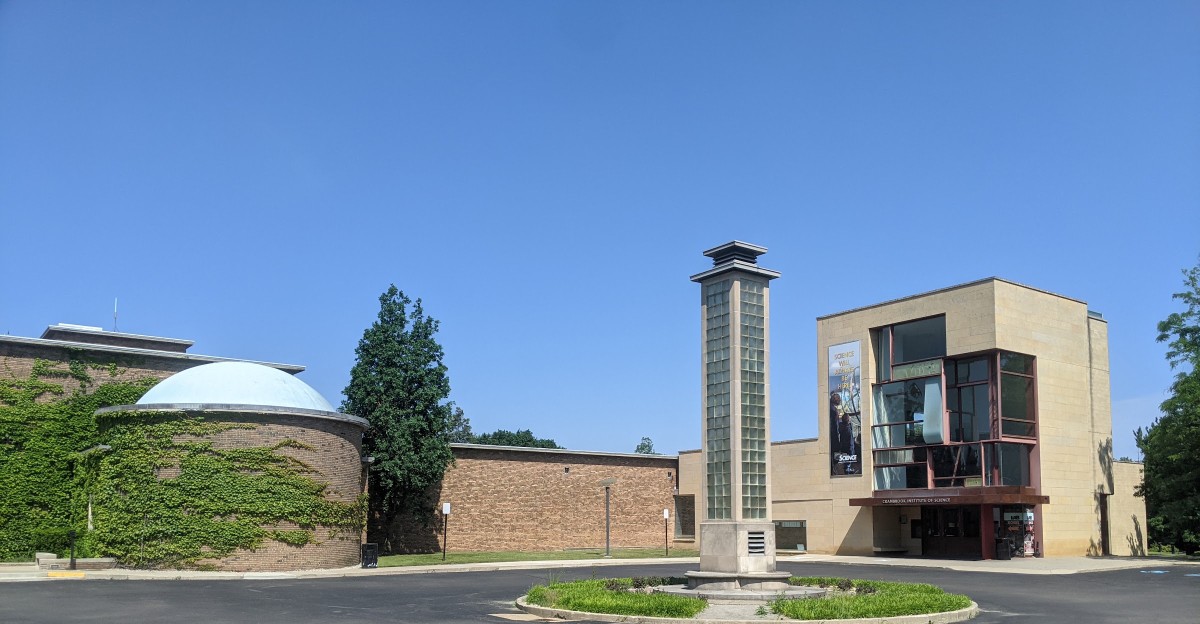
A full-sized T. rex cast nicknamed Black Beauty waits for kids near the front of this museum. Yes, Black Beauty.
Not a horse, but a towering meat-eater with a very dramatic name.
A short walk away, a 360-degree planetarium swaps bones for galaxies. One program even turns a cardboard box into a rocket.
I like how a single afternoon can jump from prehistoric jaws to distant planets.
This Michigan spot also has a real observatory with a 20-inch telescope. On select nights, families can peer at the actual sky.
It might just be the perfect way to turn a curious kid into a pint-sized astronomer.
Then there’s a glowing glass tower, a rock collection that stretches back billions of years, and outdoor trails. How does one museum fit all of that under one roof?
Black Beauty The T. Rex Steals The Show Before You Even Get Your Bearings
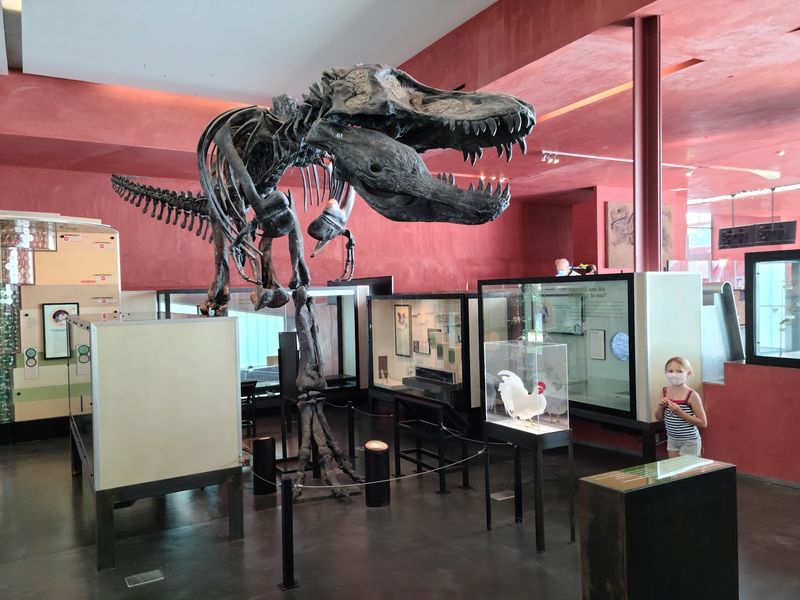
Some museums save their best trick for last. Cranbrook Institute of Science puts a full-sized Tyrannosaurus rex cast right where kids can find it fast.
The cast is nicknamed Black Beauty, which sounds more like a racehorse than a predator. The name fits, though, because the original fossil bones are famously dark.
Standing beneath it gives kids a real sense of just how huge this hunter was.
Little ones tend to measure everything against themselves. Here, that means realizing they barely reach the knees of a creature with teeth the size of bananas.
It’s a lesson in scale that no textbook page can match.
Parents, bring your phone and expect a lot of photos. Encourage kids to count the ribs or spot the tiny arms.
Those short arms make for great dinner-table debates later.
One honest heads-up helps set expectations. The T. rex is the dinosaur headliner, not part of a giant hall packed with skeletons.
Go in knowing that, and Black Beauty will feel like a celebrity meet-and-greet.
Either way, few kids forget their first face-to-skull moment with a king of the dinosaurs.
Your Kids Will Argue About Whether Birds Are Secretly Dinosaurs
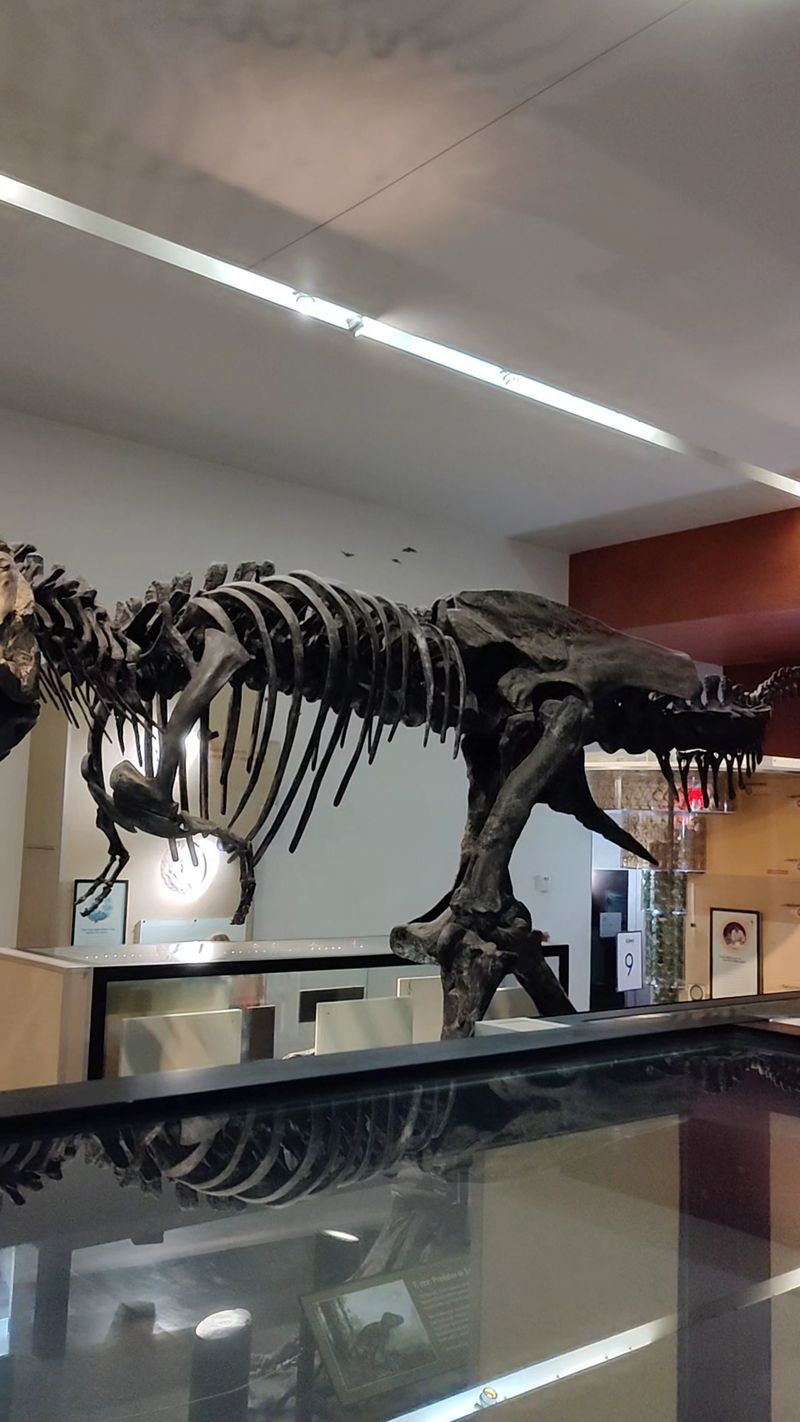
Here’s a question that can derail an entire car ride: is the robin in your backyard related to a dinosaur? The Life Changes Over Time exhibit tackles that idea head-on.
The gallery explores natural selection and evolution in a way kids can follow. It shows how living things change across huge stretches of time.
The bird and dinosaur connection is one of its most fun puzzles.
Kids who love facts will soak this up quickly. Kids who love arguing will enjoy it even more.
Let them build a case, then check the displays together for clues.
The exhibit also gives context to Black Beauty out front. Seeing the giant first, then learning how life changed afterward, helps the story click.
It turns a cool skeleton into part of a much bigger timeline.
A smart move is to give kids a mission before entering. Ask them to find three ways birds and dinosaurs seem alike.
Small goals keep younger visitors focused and proud of what they discover.
By the end, pigeons at the park may never look quite the same. That’s a pretty good return on one museum gallery.
Blast Off Without Leaving Your Seat In The Acheson Planetarium
Rockets are loud, expensive, and hard to park. The Acheson Planetarium offers a much easier ride to space.
Inside, a 360-degree audiovisual dome wraps the whole room in stars and planets. Shows change regularly, so repeat trips can bring something new.
That makes the dome a favorite for families who visit more than once.
One program called Passport to the Universe stands out for young explorers. Kids imagine turning a cardboard box into a rocket and tour the solar system.
It highlights what makes each planet special, and it’s aimed at students in third through ninth grade.
Planning ahead matters here. The planetarium doesn’t admit late arrivals once a show starts, because the theater is dark and immersive.
Arrive early, grab seats, and let kids settle before the lights dim.
It also pays to read show details before booking. Some programs suit little kids, while others lean toward teens and grown-ups.
A quick check helps match the show to your crew.
Get it right, and your backyard sky will suddenly feel a lot more crowded with questions.
Real Telescopes Turn Friday Nights Into Mini Space Missions
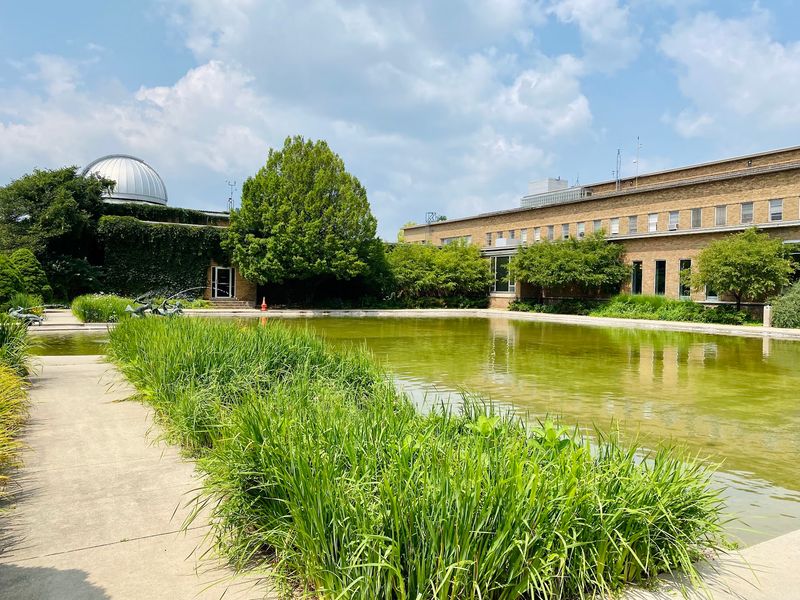
Planetarium stars are fantastic, but nothing beats the real sky. The Cranbrook Observatory lets families look at the actual universe through serious equipment.
A major upgrade in 2012 added three new telescopes. The star of the group is a powerful 20-inch CDK telescope.
The viewing space also got architectural improvements, making it friendlier for curious visitors.
The observatory opens on select Friday evenings, weather permitting. Sunday afternoons bring safe solar viewing, which means kids can study the sun without risking their eyes.
Clouds can cancel plans, so keep expectations flexible.
Best of all, observatory access is included with museum admission during open hours. That’s a sweet bonus for families already exploring dinosaurs and galleries.
It also links neatly with the planetarium for a full astronomy day.
A few tips help a night go smoothly. Dress kids in layers, since evenings in Michigan can turn chilly fast.
Talk about what you might see beforehand, like the moon or a bright planet.
Then let them take turns at the eyepiece. Watching a child spot craters for the first time is the kind of moment worth the drive.
Rocks Billions Of Years Old Are Hiding In Plain Sight
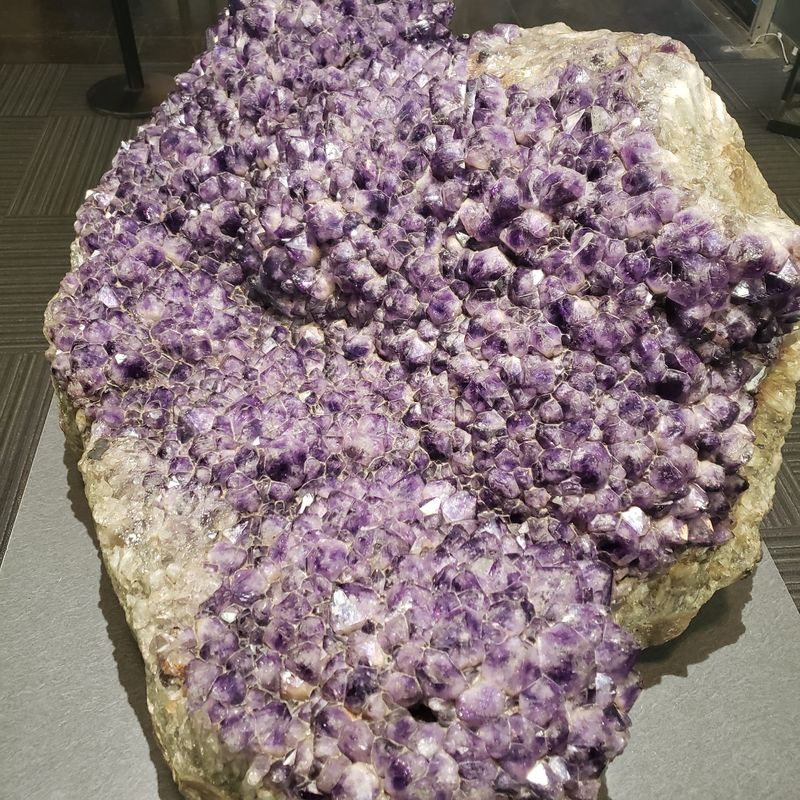
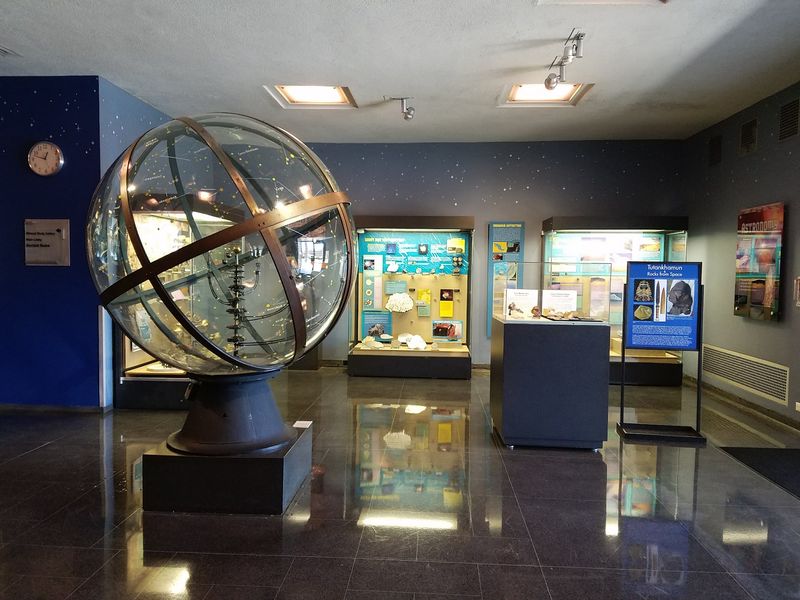
Dinosaurs feel ancient until you meet a rock that’s even older. The Every Rock Has A Story gallery shows how Earth itself was built.
Kids learn how minerals form and combine to create different kinds of rock. Those rocks hold clues about the planet’s deep past.
It’s basically a detective story where the suspects are stones.
The museum’s collection includes more than 200,000 objects. That covers gems, minerals, and anthropological artifacts.
Sparkly crystals tend to pull kids in, while the science keeps them there.
Collectors in training should bring sharp eyes. Encourage them to pick a favorite crystal and learn its name.
Then challenge them to find something similar on a nature walk later.
The mineral displays make a great quiet break between louder exhibits. Some kids need a calmer stretch after the planetarium and hands-on areas.
Glittering cases are a surprisingly good reset button.
You might leave with a new family hobby. Rock hunting costs almost nothing, and Michigan beaches and trails are full of interesting stones.
Who knew a museum gallery could inspire a weekend habit?
Push, Spin, And Balance Your Way Through Physics
Physics sounds like homework. The Motion Gallery makes it feel like recess with better signs.
Hands-on experiments teach balance, speed, and force. Kids push, roll, and test ideas instead of just reading about them.
Younger children especially enjoy the chance to touch everything without getting shushed.
Grown-ups shouldn’t stand on the sidelines either. These stations work well as family challenges.
Race each other, compare results, and see who can predict the outcome first.
A good strategy is to ask simple questions as kids play. Why did that ball roll faster?
What happens if you change the angle? Questions like these turn fun into real learning.
Interactive exhibits occasionally need maintenance, so not every station may be running. A little patience helps.
There’s usually plenty more to try nearby.
The gallery also offers a smart energy outlet. After quietly admiring minerals or watching a dome show, kids may need to move.
Letting them burn off steam here can save the rest of your visit.
Leave a little extra time. Kids often want one more try, then another, then just one more.
Sunlight Puts On A Color Show Inside This Glass Tower
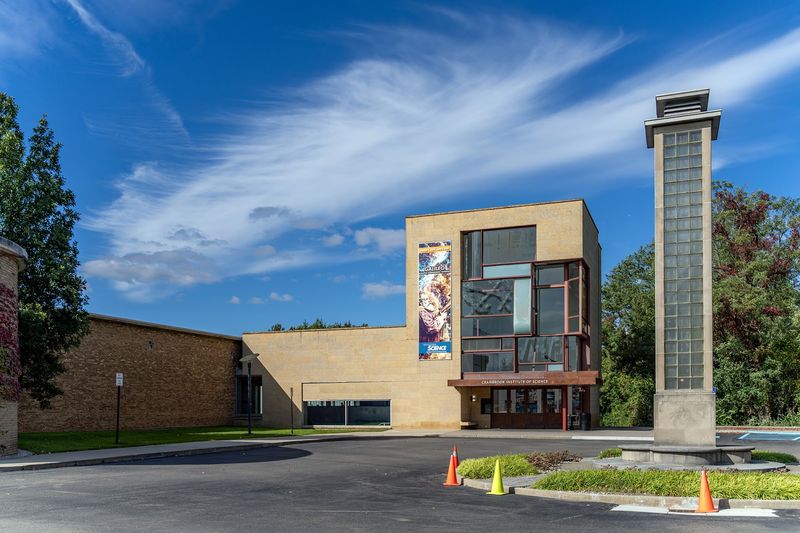
Nearly 40 feet tall and built from textured concrete block, the Acheson Light Lab looks like science and art had a very creative meeting. Seven different types of glass give it its glow.
When sunlight pours through, patterns of light and color spill across the space. Visitors become part of the display as colors land on their arms and faces.
Kids usually start chasing the shapes almost immediately.
All that beauty hides a real science lesson. The lab shows reflection, refraction, absorption, and diffusion.
Those are big words, but seeing them in action makes them easier to remember.
Sunny days are the best time to visit this spot. The brighter the light, the stronger the effects tend to be.
Cloudy skies still work, just with a softer show.
Try a little game with kids here. Ask them to find a spot where colors overlap or change.
Then talk about how glass bends and splits light.
It’s also a lovely spot for photos. Just remember that the real magic is watching young brains connect pretty colors with how light actually works.
Fresh Air, Garden Paths, And A Stegosaurus Named Steggy
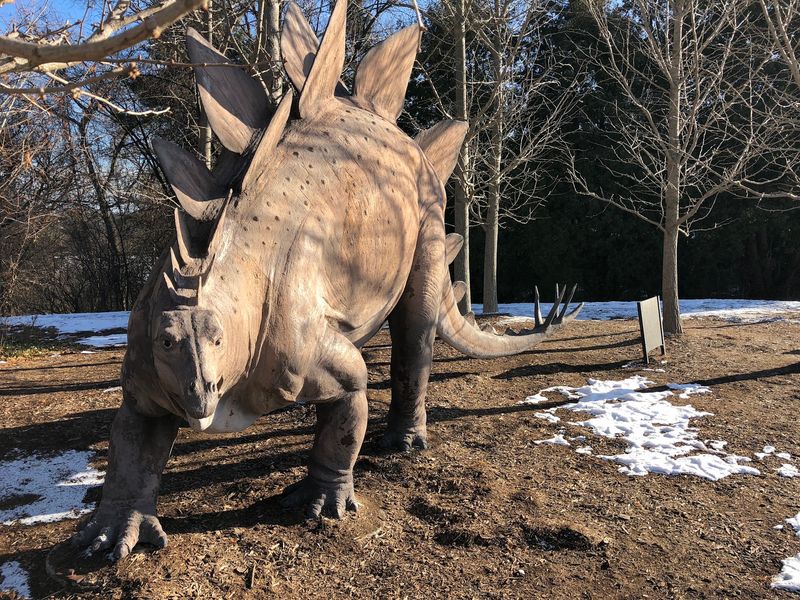
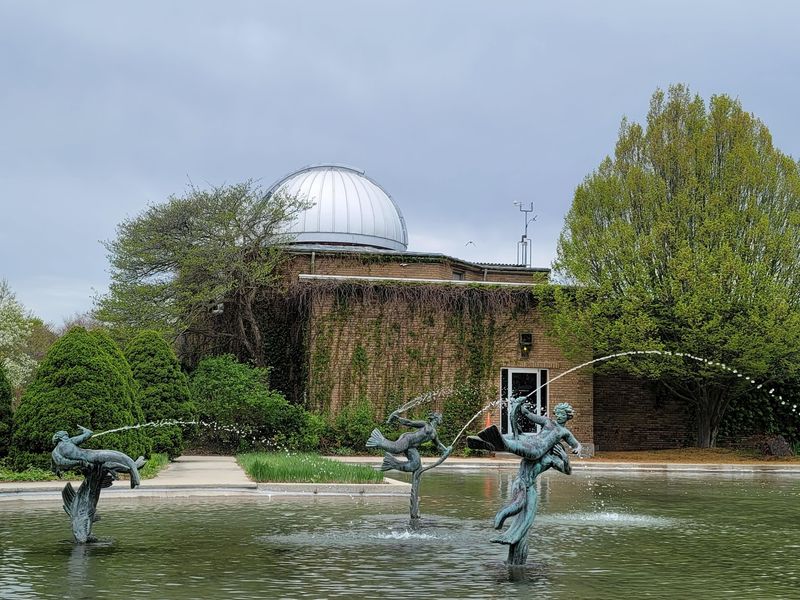
Steggy the Stegosaurus and Mary the Triceratops wait outside the building for photo ops. Kids who just met Black Beauty indoors will want pictures with both.
Beyond those friendly giants, the Erb Family Science Garden and surrounding nature trails invite exploring. Both are included with general admission.
That makes them an easy add-on after the indoor galleries.
The garden keeps its own schedule. It’s typically open 10 a.m. to 5 p.m.
Wednesday through Saturday and noon to 5 p.m. on Sundays. Check before you go, since outdoor plans depend on weather.
Outdoor time helps balance a busy museum day. Kids can stretch their legs, look for bugs, and notice plants up close.
It’s science without walls, which feels like freedom to restless legs.
Food and drinks are only allowed in the cafe inside, so plan outdoor snacks carefully. Comfortable shoes are a must for trail walking.
A small bag for treasures, like interesting leaves, can make kids feel like field scientists.
The campus grounds add a peaceful feel too. Sometimes the best learning happens while wandering a quiet path.
Plan Smart So Tiny Scientists Stay Happy All Day
Hungry explorers turn grumpy fast. Luckily, the Reflections Cafe inside Cranbrook Institute of Science keeps snacks and lunch close by.
The cafe usually runs 10 a.m. to 3 p.m. Wednesday through Friday.
Saturdays shift to 10:30 a.m. to 3:30 p.m., and Sundays run 11 a.m. to 4:30 p.m. Free First Fridays bring extended evening hours.
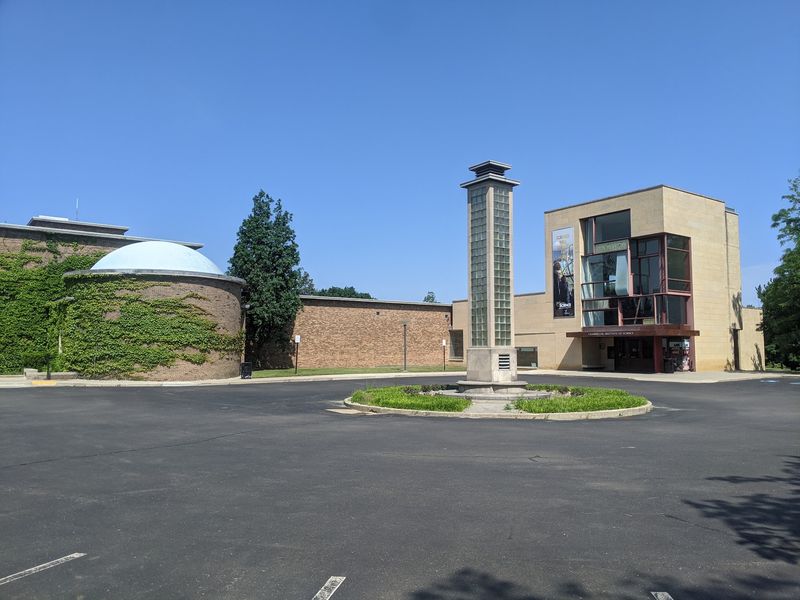
You’ll find the museum at 1 Institute Way, Bloomfield Hills, MI 48304. It’s part of the larger Cranbrook Educational Community campus.
Parking sits close to the building, which helps with strollers and tired legs.
Museum hours are 10 a.m. to 5 p.m. Wednesday through Saturday.
Sundays open at 11 a.m., and the museum closes Mondays and Tuesdays. Special extended hours happen on the first and third Fridays of the month.
General admission covers permanent exhibits, the science garden, and trails. Planetarium shows and special exhibits may cost extra, so check ahead.
Traveling exhibits rotate, giving repeat visitors fresh reasons to return.
Plan around three hours for a show and the main galleries. That’s enough time for dinosaurs, rockets, and rocks.
It might not be enough time to convince kids to leave.