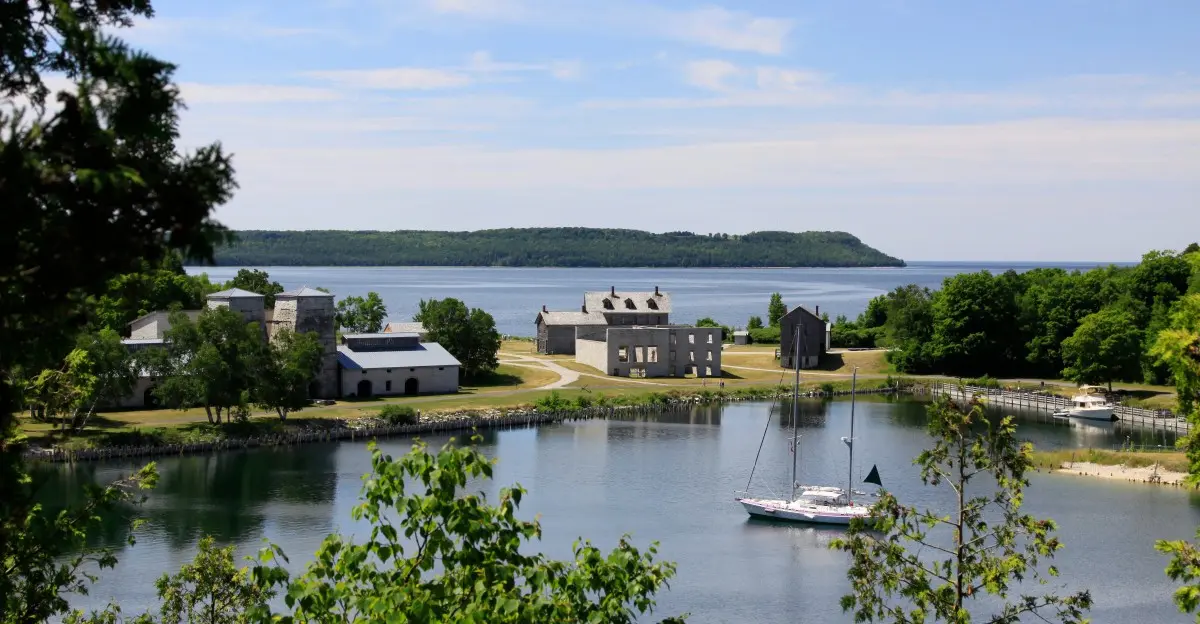
What happens when an entire town disappears, but its buildings refuse to let its story fade? Along Michigan’s Upper Peninsula, the abandoned iron-smelting town of Fayette offers a remarkable glimpse into a community left behind, where old streets, weathered buildings, and quiet woodland preserve traces of another era.
At Fayette Historic State Park, located at 4785 II Road in Garden, Michigan, you can wander through a former industrial town nestled beside a sheltered Lake Michigan harbor. The crunch of gravel beneath your shoes, the sight of limestone cliffs rising above the water, and the sturdy walls of historic buildings make the past feel surprisingly close.
Once home to workers and their families, Fayette thrived around its iron furnaces before the industry declined and residents moved away. Today, its preserved ruins invite visitors to imagine the lives once lived here.
From the town’s industrial remains to its peaceful waterfront, every corner holds another piece of Michigan history waiting to be discovered.
Walk Into a Town That Lost Its Reason to Exist
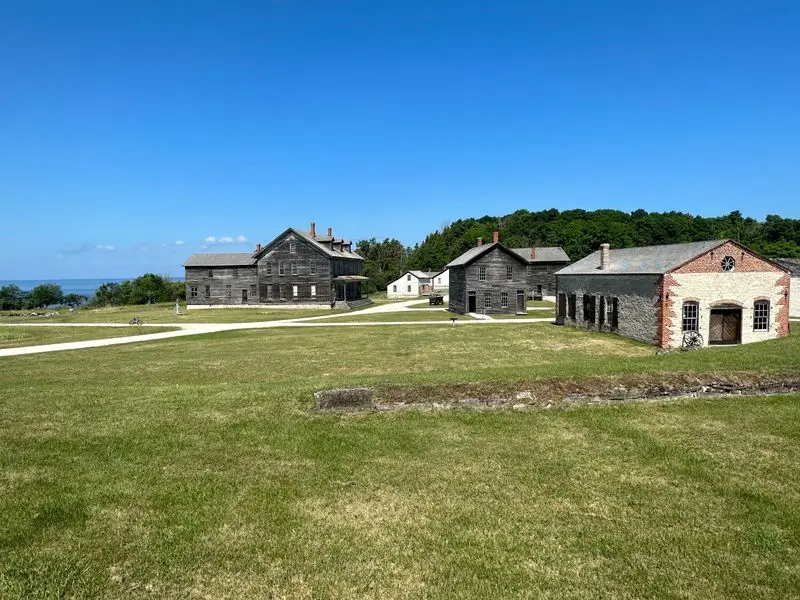
A quiet street can tell a surprisingly loud story. At Fayette Historic State Park, empty buildings and open lawns mark a place where work once shaped nearly every part of daily life.
The town grew around an iron operation that began in 1867. Its furnaces produced pig iron, a basic material used in manufacturing, while nearby forests supplied wood for charcoal and local limestone helped the smelting process.
When the operation closed in 1891, the town lost its main source of jobs. Residents left over time, so the abandonment was a gradual change rather than a single mysterious disappearance, and the site later found a new role as a preserved historic landscape.
Start your visit by studying the layout before heading into individual buildings. Notice how the homes, industrial area, and waterfront fit together, then imagine making those same trips during a working day.
Staying on marked routes protects fragile remains and helps you understand the town without disturbing it. That first slow walk turns a collection of old structures into a community you can begin to picture, one ordinary routine at a time.
Stand Before the Furnaces That Powered Everything
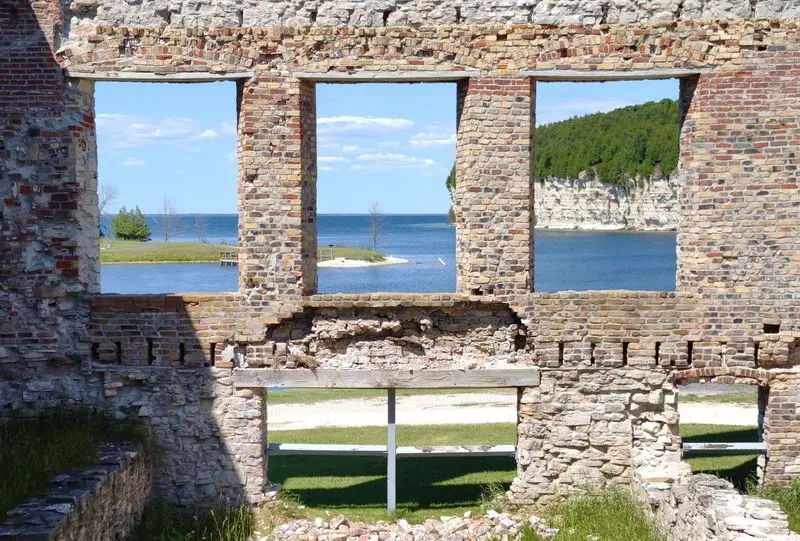
Heavy stone walls make the old iron business feel real in a way that dates alone cannot. Standing near the furnace complex, you can begin to imagine the heat, noise, and hard physical work that once filled this waterfront.
Fayette’s blast furnaces turned iron ore into pig iron using charcoal fuel and limestone. The finished iron could leave by ship, linking this remote Upper Peninsula settlement to factories and markets far beyond the harbor.
Look closely at the surviving masonry and read the nearby interpretation before moving along. Even without seeing the furnaces in action, the size of the structures helps explain why so many workers and families gathered here.
Give this area more than a quick photo stop. Try tracing the basic journey from raw materials to finished iron, using the signs to separate what survives from what has disappeared.
Keep off the stonework, even where a low wall looks easy to climb. The best reward is not a dramatic ruin shot, but a clearer picture of how an entire town depended on one demanding process and the people who kept it running.
Let Snail Shell Harbor Change the Mood
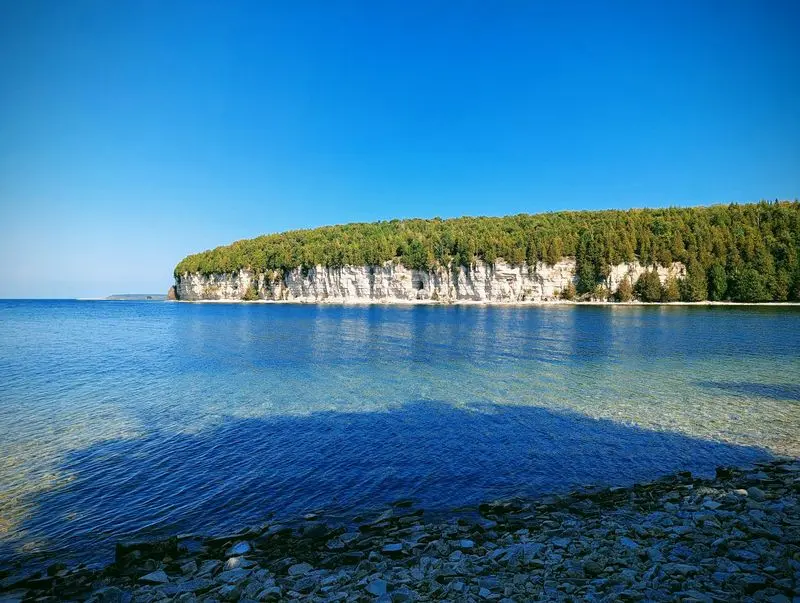
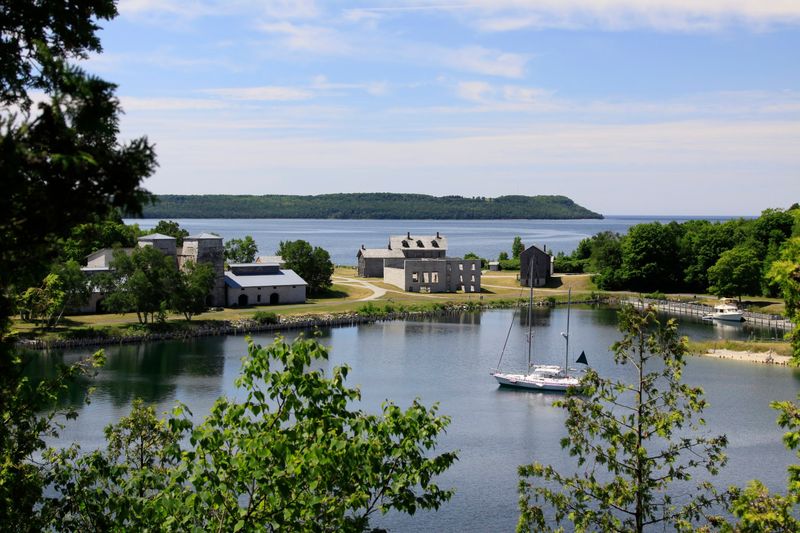
Water softens the whole scene. After the furnace ruins and empty streets, the sheltered curve of Snail Shell Harbor feels almost peaceful enough to erase the town’s industrial past.
Of course, the harbor helped make that industry possible. Ships carried materials and finished products, giving Fayette a transportation link that mattered greatly before modern roads made this corner of Michigan easier to reach.
Walk the waterfront slowly and watch how the buildings change against the water. On a calm day, reflections can draw your attention to shapes you missed on land, while the surrounding trees make the old town feel tucked away from the present.
For photographs, try including both the shoreline and a historic structure rather than filling every frame with open water. Morning or late afternoon often brings softer light, though weather can change quickly beside Lake Michigan.
Stay on public paths and respect any marina rules or posted restrictions. Even a short pause here adds something the buildings cannot provide alone: a sense of why people chose this particular pocket of shoreline for such a busy, ambitious enterprise in the first place.
Find the Human Side Inside the Hotel

Not every story here belongs to a furnace worker. Travelers, business visitors, and people passing through also needed somewhere to sleep, making the old hotel a useful window into Fayette’s wider world.
The preserved hotel stands as a reminder that an industrial town needed more than machines and shipping schedules. Visitors brought news, money, and connections, while a place to stay helped support the everyday movement of people through the settlement.
When the building is open, take time with its interpreted spaces instead of rushing from doorway to doorway. Access and exhibits can vary, so let current signs and staff guidance shape your visit rather than expecting every room to be available.
Outside, step back far enough to see how the hotel fits into the surrounding town. Imagine arriving after a long journey and looking for a bed rather than a photo opportunity.
That small shift makes the building feel less like scenery and more like a practical answer to a familiar need. Check seasonal opening information before traveling if interior exhibits are a priority, especially during quieter months when services may be limited here.
Look for Everyday Life Around the Workers’ Homes
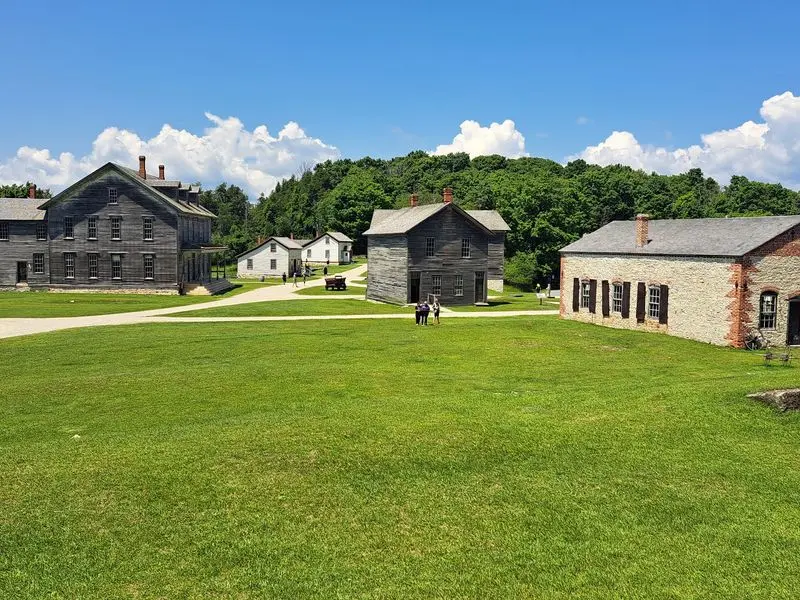
A modest house can hold your attention longer than the largest ruin. Around the residential part of Fayette, the story shifts from iron production to meals, chores, children, and the effort of keeping a household going.
Workers and their families lived close to the industry that supported them. The surviving homes and interpreted spaces help visitors consider how wages, job roles, and family needs shaped life in a company town.
Compare the scale and placement of buildings as you walk. Rather than assuming every household lived the same way, look for signs that explain differences in housing and the people associated with particular structures.
Families visiting with children can make this stop more engaging with one simple exercise: choose an ordinary task and imagine doing it here. Washing clothes, preparing dinner, or getting through a cold winter becomes a useful bridge between past and present.
Enter only buildings marked open, and leave furnishings and displays untouched. The homes offer a quieter kind of discovery, showing that Fayette was not merely a production site surrounded by trees, but a place where people built daily lives together.
Notice the Limestone Behind the Beautiful Views
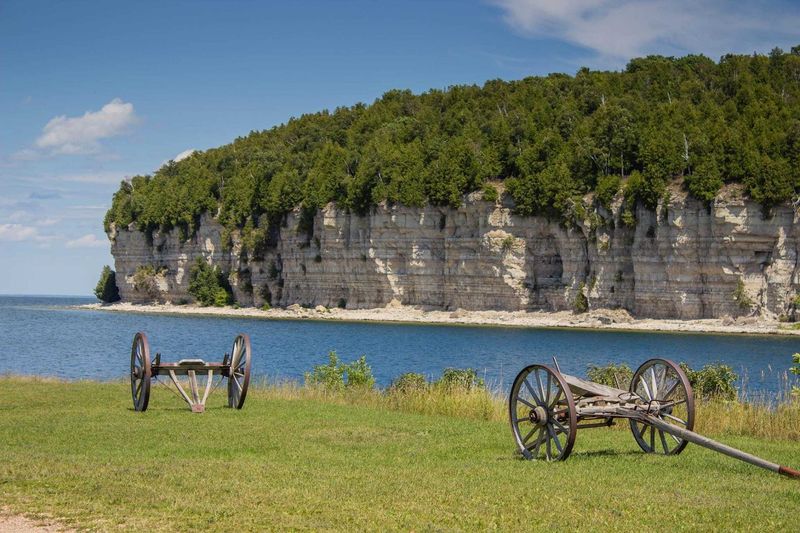
Pale rock rises beside blue water, giving the harbor a backdrop that almost steals the show. Yet the limestone around Fayette is more than a pretty edge to the landscape.
Limestone was one of the materials needed to make iron here. During smelting, it helped separate unwanted material from the iron, so the same geology that shapes the view also helped explain the town’s location.
From established viewpoints, study the contrast between exposed rock, dark trees, and the protected harbor. You do not need to know geological terms to appreciate how strongly the land influenced the choices people made.
Keep a safe distance from cliff edges and obey barriers, especially after rain when footing can become slippery. Avoid scrambling onto rock faces or collecting pieces as souvenirs.
A photograph that includes both the cliffs and the historic waterfront can tell two stories at once: the natural setting and the industry it supported. Spend a few minutes looking before reaching for your camera.
Once you connect the stone to the furnaces, the scenery becomes part of Fayette’s history rather than simply a beautiful background for it.
Follow the Trails Beyond the Old Streets
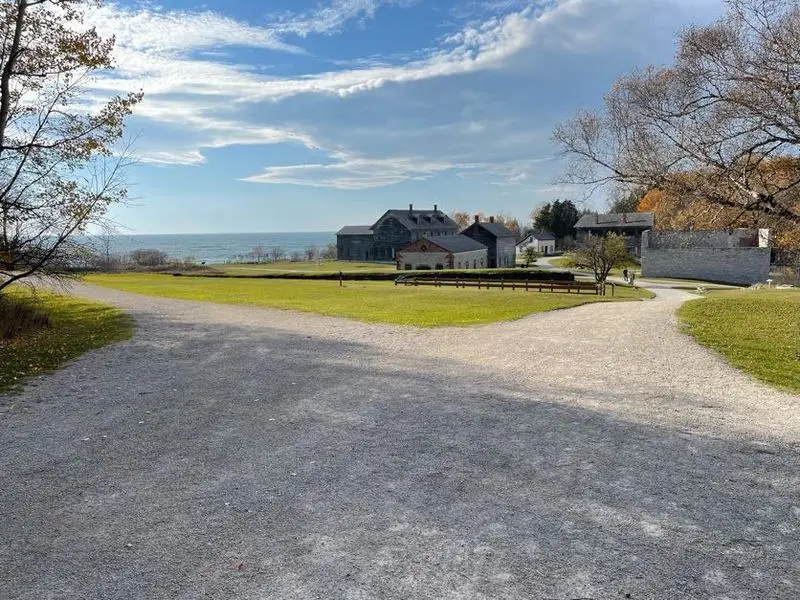
The woods offer a different kind of history lesson, one measured in shade, birdsong, and the distance between footsteps. Leave the main townsite for a while, and the industrial story begins to share space with the living landscape.
Fayette Historic State Park has trails that let visitors explore beyond the preserved buildings. Depending on your route, the walk can bring woodland scenery and fresh views of the surrounding shoreline into the same outing.
Pick up a current map before setting off, and choose a route that matches your time and comfort level. Roots, uneven ground, and changing weather can make a short walk feel more demanding than its distance suggests.
Bring water, sturdy shoes, and insect protection during the warmer months. Resist the urge to follow unofficial tracks toward ruins or cliff edges, since those shortcuts can damage sensitive areas and lead into unsafe footing.
A trail break is especially welcome after reading several exhibit signs. Instead of gathering more facts, you get room to absorb them, with the forest reminding you that this place has continued changing long after the furnaces stopped working here.
Trade Ruins for a Beach Break
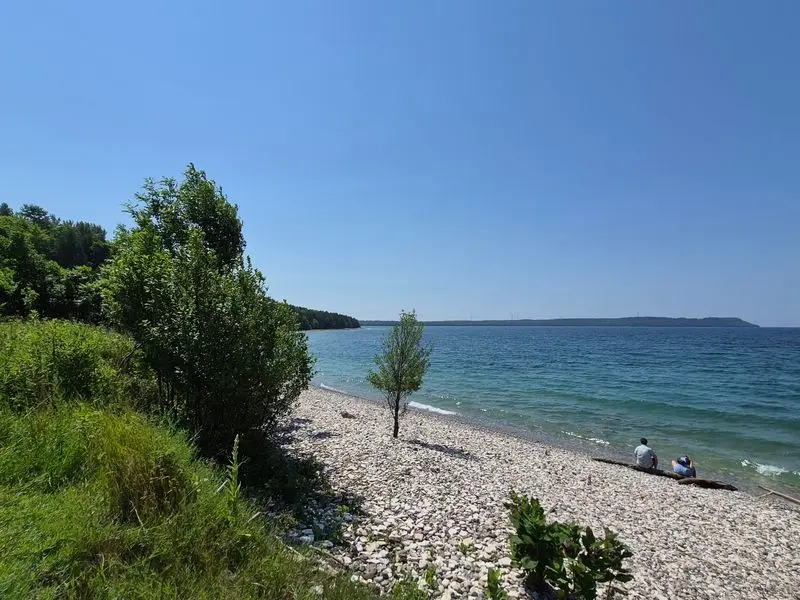
Sometimes the best way to appreciate an old town is to stop thinking about history for a little while. A shoreline break gives tired feet and busy minds a welcome change of pace.
Beyond the historic townsite, Fayette Historic State Park includes a swimming beach on Big Bay de Noc. It offers another side of the park, with open lake views replacing the enclosed feel of Snail Shell Harbor.
Pack a towel if beach time fits your plans, but let conditions decide whether swimming makes sense. Lake Michigan water can feel cold even during warm weather, and wind can quickly change the mood along the shore.
Use the designated beach rather than assuming every section of waterfront is suitable for swimming. Check posted safety information, supervise children closely, and do not count on lifeguard coverage.
A simple picnic can be just as satisfying as getting in the water, especially after a morning among the buildings. Carry out your trash and leave natural materials where you find them.
The contrast between industrial remains and an easy lakeside pause makes a day here feel pleasantly well rounded.
Stay Longer With a Night at the Campground
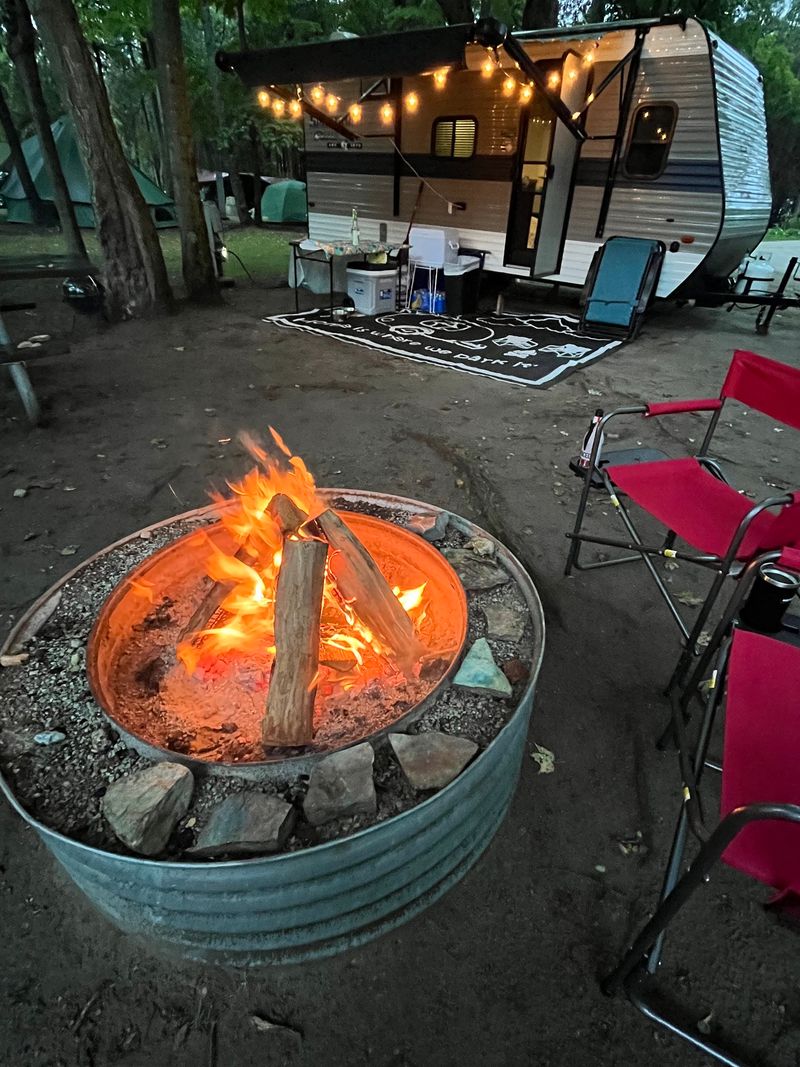
Leaving at closing time is not the only way to end the day. With a campsite reserved, the visit can stretch into a slower experience, with time for both the historic town and the surrounding park.
Fayette Historic State Park has a modern campground, making an overnight stay an option for travelers who prefer not to squeeze everything into one afternoon. Campsite features, availability, and operating dates should be checked through Michigan’s official reservation system.
Plan your historic building visits around posted hours, since camping does not mean exhibits remain open all evening. Use any extra time for permitted walks, a relaxed meal at camp, or simply listening to the woods settle down.
Reserve ahead for popular summer dates, and review campground rules before packing. Bring layers for cool Upper Peninsula nights, store food responsibly, and keep noise low so nearby campers can enjoy the setting too.
There is no need to turn the trip into a packed schedule. An overnight stay works best when it gives you breathing room, letting the old town become one part of a larger, unhurried outdoor visit here.
Arrive Prepared and Leave Time to Wander
A little planning protects the sense of discovery. Nobody wants to reach a quiet historic town only to find that the building they hoped to explore has already closed for the day.
Set your destination to Fayette Historic State Park, 4785 II Rd, Garden, MI 49835. Before leaving, check official Michigan park information for current hours, seasonal building access, entrance requirements, and any notices affecting trails or facilities.
A Michigan Recreation Passport is generally required for vehicle entry, with options depending on residency and vehicle registration. Confirm current rules and fees rather than relying on an older travel post, and ask park staff about accessible routes if uneven surfaces are a concern.
Bring drinking water, comfortable walking shoes, sun protection, and a light layer for lake breezes. Allow several hours if you want to combine the townsite with a trail or beach stop, and avoid planning around unconfirmed food service.
Most of all, leave space between destinations on your schedule. Fayette rewards small pauses: a window framing the harbor, a stone wall beside the grass, or a street that suddenly feels full of remembered lives.