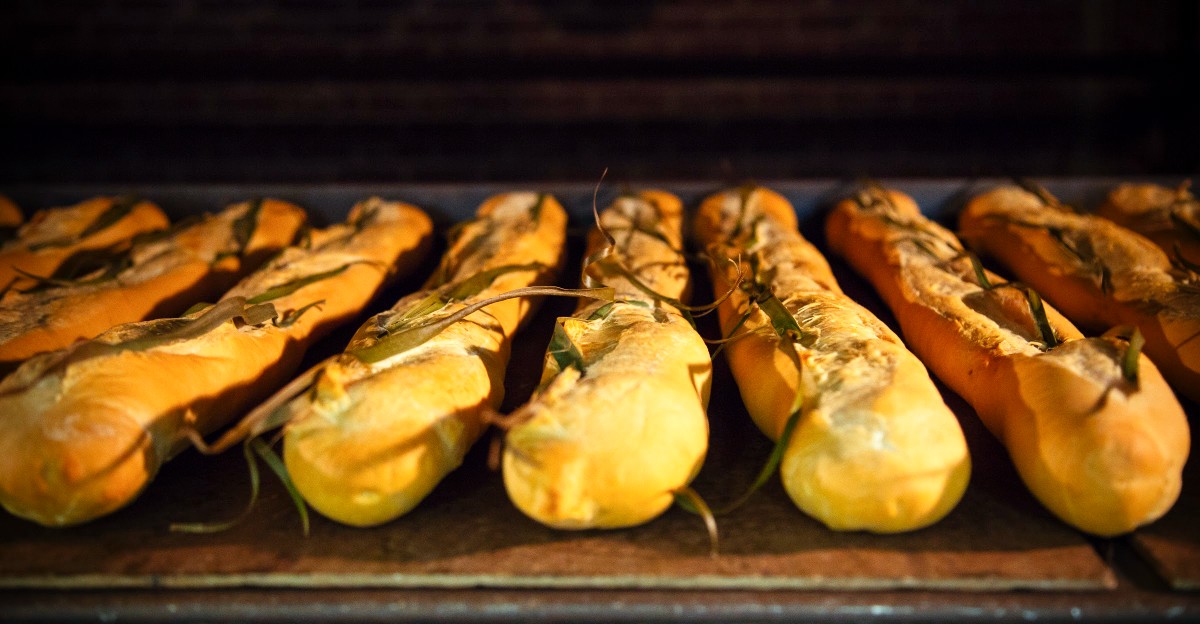
Every loaf of Cuban bread at this bakery gets a fresh palmetto leaf laid across the top before it bakes. That single strip of leaf creates the famous split down the middle.
It’s been done this way for over a century.
The bread itself takes hours to make from start to finish. Each loaf is hand-placed into the oven, one at a time.
I can’t imagine the patience that takes when the bakery turns out thousands of loaves every day.
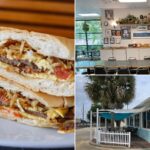
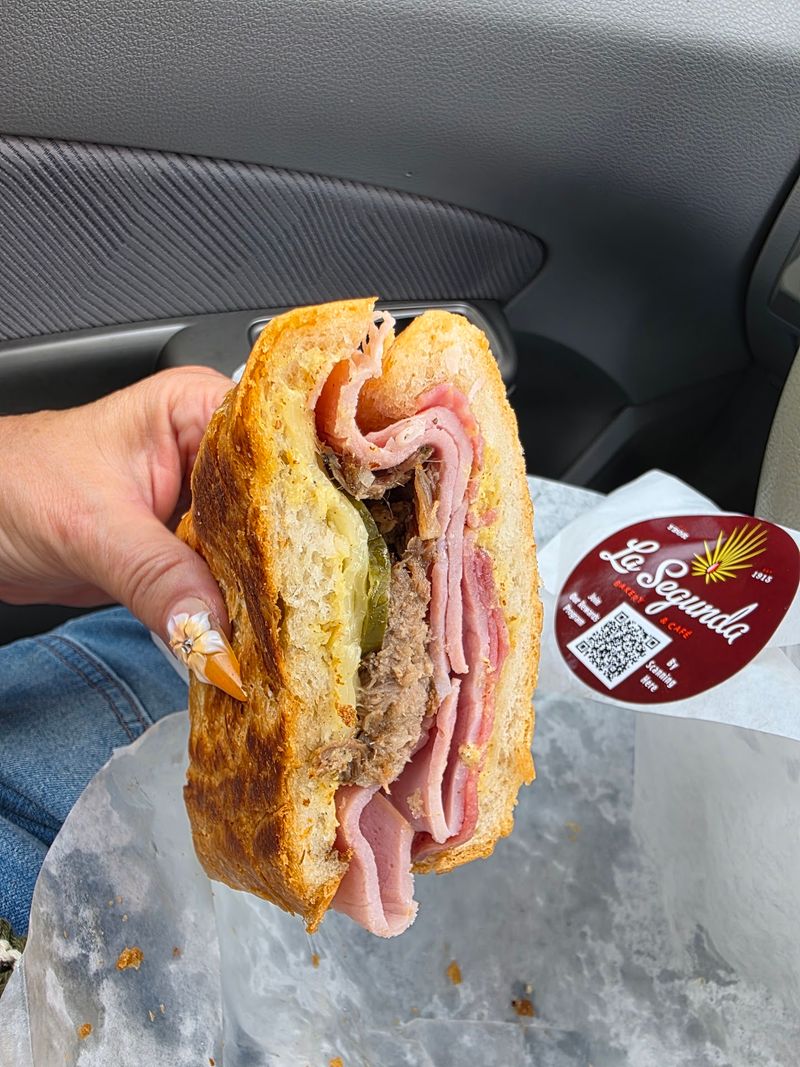
That bread is the base for one of the most serious Cuban sandwiches in Florida. Roast pork, ham, Swiss, pickles, and a thin slice of Genoa salami all get pressed together.
I believe the salami alone could start a friendly debate at any family picnic.
So what happens when a sandwich has more than 100 years of practice behind it?
That Little Palmetto Leaf Is Doing Some Very Big Work
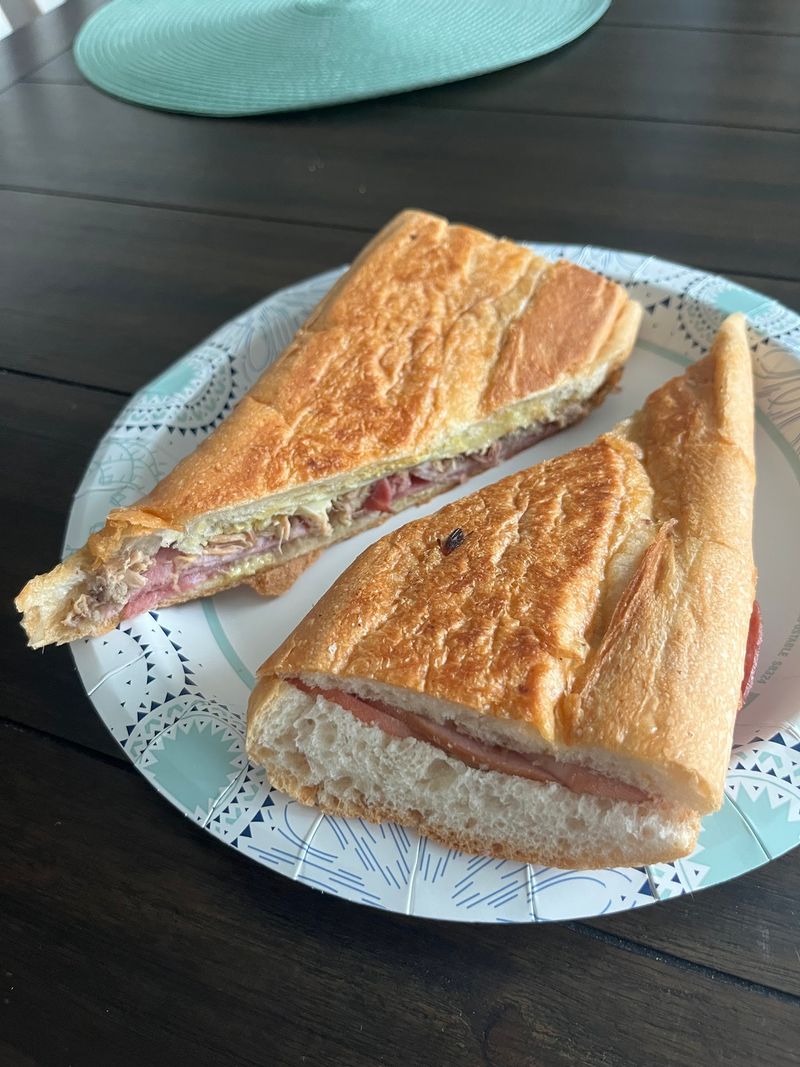
A leaf on bread sounds like a mistake. At this bakery, it’s the whole secret.
Bakers lay a fresh-cut palmetto leaf across each loaf before it goes into the oven. The leaf helps hold in moisture and creates that signature split along the top.
The process takes about 8 to 10 hours from start to finish. That’s longer than most of us spend at work.
Each loaf gets hand-placed into a stone hearth. Then it bakes for roughly 45 minutes.
The result is a crusty outside with a soft, pillowy middle. That combo is exactly what a pressed sandwich needs to stay crisp without falling apart.
Some of the bakers have worked those ovens for more than two decades. Experience like that shows up in the shape of every loaf.
Here’s a practical tip. A full loaf is long, so plan your car space before buying one.
You can take a loaf home just for toast or homemade sandwiches. Honestly, that might be the smartest souvenir in all of Tampa.
The Salami Makes This Cuban Sandwich A True Tampa Original
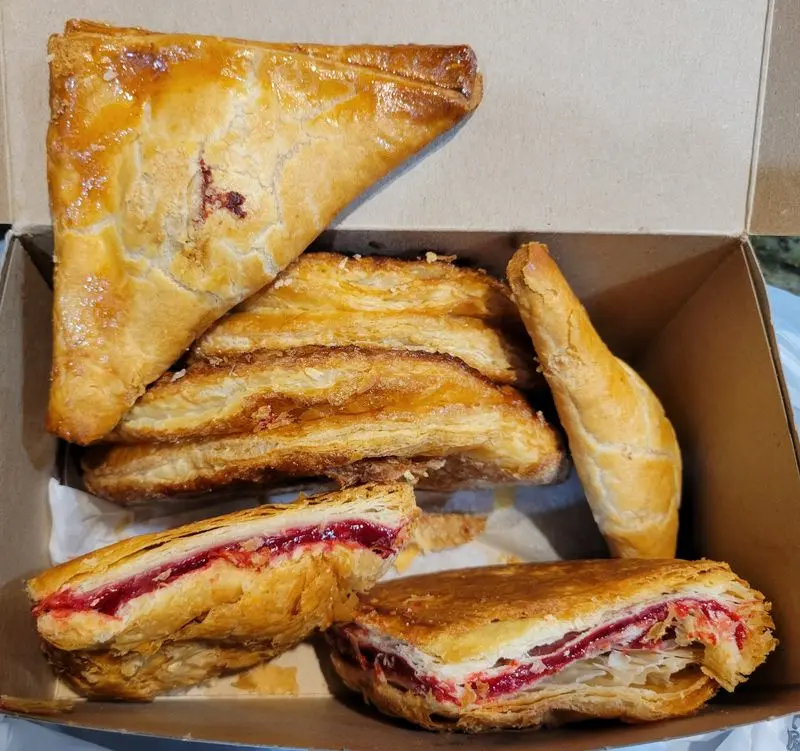
Genoa salami. That’s the ingredient that separates a Tampa Cuban from versions found elsewhere in Florida.
La Segunda builds its classic Cuban with mojo-marinated roast pork, smoked ham, and Genoa salami. Swiss cheese, pickles, and a special sauce round things out.
Everything goes onto that famous Cuban bread. Then the whole sandwich gets pressed until it’s hot and melty.
Crunchy, tangy, and hearty all at once. Good luck eating just half and saving the rest for later.
The salami nods to the Italian immigrants who lived and worked in Ybor City. Every layer reflects the mix of cultures that built this neighborhood.
Other parts of the state may argue about what belongs on a Cuban. Tampa has its answer, and this bakery has been serving it for generations.
If you only order one thing, make it this. It’s the sandwich that gives the bakery its reputation.
A friendly heads-up for road trippers. Cubans travel well, so ordering a few extra for the drive home is a very reasonable plan.
Your Second Sandwich Order Deserves Some Careful Thought
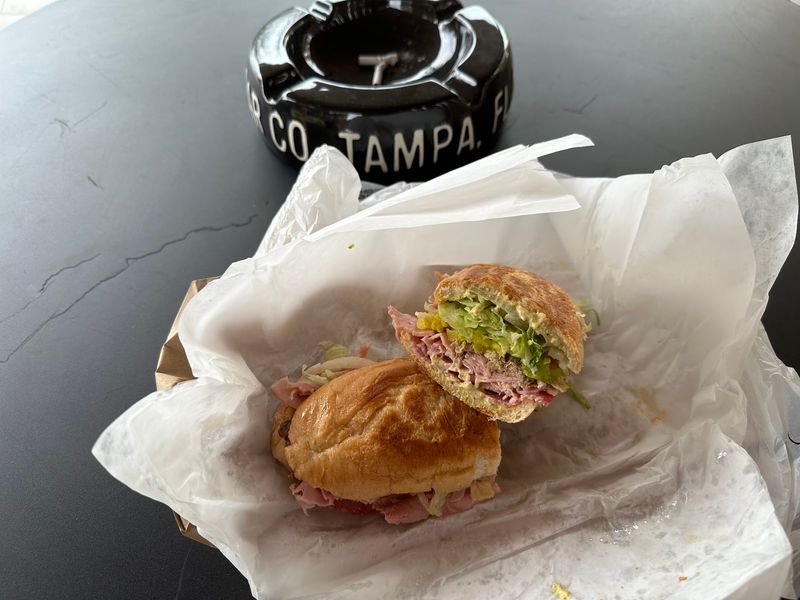
Ordering only the Cuban would be a little like visiting the beach and never touching the water. The rest of the menu has some fun options too.
The Media Noche uses the same classic fillings as the Cuban. The difference is the bread, which is softer, sweeter, and eggier, and also baked in-house.
That one swap changes the whole personality of the sandwich. It’s a great pick if you like a gentler bite.
Then there’s the 1915 Club, named after the founding year. It stacks smoked ham, oven-roasted turkey, Swiss, bacon, lettuce, tomato, and special sauce.
The Ybor’s Muffuletta is a local spin on a New Orleans favorite. Instead of a round roll, it uses Cuban bread.
Inside you’ll find olive spread, provolone, Genoa salami, smoked ham, mortadella, and capicola. That’s a lot of meat for one lunch break.
Some sandwiches on the menu honor longtime employees and family history. I like that the menu doubles as a quiet thank-you note.
Sharing two sandwiches with a friend is the easy way to try more.
Save Room Because The Guava Pastries Will Find You
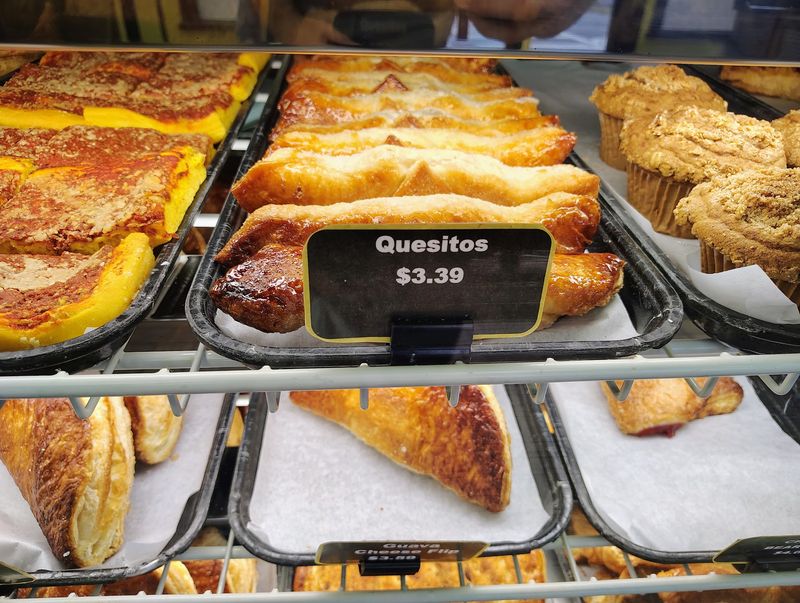
Flaky layers wrapped around sweet guava. If that sentence made you hungry, the bakery cases here are trouble.
Guava turnovers are a big draw at La Segunda Bakery and Cafe. The guava cheese version adds a rich cream cheese filling.
Quesitos are another treat worth grabbing. They have a sweetened cream cheese center and a caramelized outside.
Not a guava person? No problem at all.
The cases also hold apple turnovers and cinnamon buns. Cakes come in flavors like carrot, coconut, and rainbow.
Here’s a smart move for families. Grab a mixed box so everyone can pick a favorite and maybe trade bites.
Flaky pastries can crumble on a long trip. Packing them on top of your bag instead of underneath is a small but wise choice.
Pastries also make an easy gift for whoever is watching your dog back home. Few people say no to a box from a bakery this old.
Honestly, a Cuban sandwich followed by a guava pastry might be the most Tampa lunch possible.
Devil Crab And Croquettes Bring The Ybor City Flavor
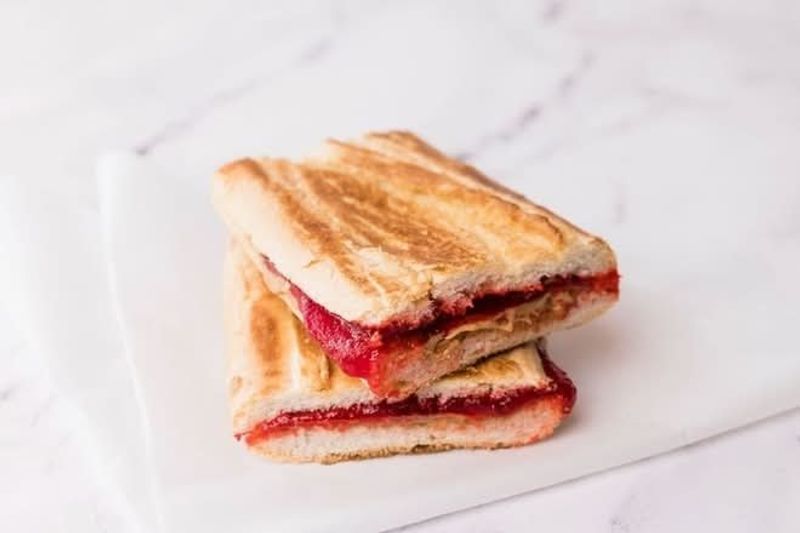
Devil Crab is not something you see on every Florida menu. In Ybor City, it’s a local classic.
La Segunda makes it with chilau-seasoned crab rolled in Cuban bread crumbs. Then it gets fried until golden.
The warm menu has more savory bites worth knowing. Ham croquettes are deep-fried and easy to eat on the go.
Empanadas come with cheesy beef or chicken fillings. They’re perfect when you want something smaller than a full sandwich.
Stuffed potatoes, also called papa rellena, might be the coziest item here. Potato dough gets filled with seasoned ground beef, then fried until crisp.
These snacks reflect the same blend of Cuban, Spanish, and Italian traditions behind the bread. Each one tells a little piece of the neighborhood’s story.
Picky eaters often warm up to croquettes fast. They’re a friendly first step into Ybor City flavors.
Grab a few savory bites alongside your sweets. A mix of both makes the trip feel complete.
A Bakery That Started Baking Before Your Great-Grandparents Were Born
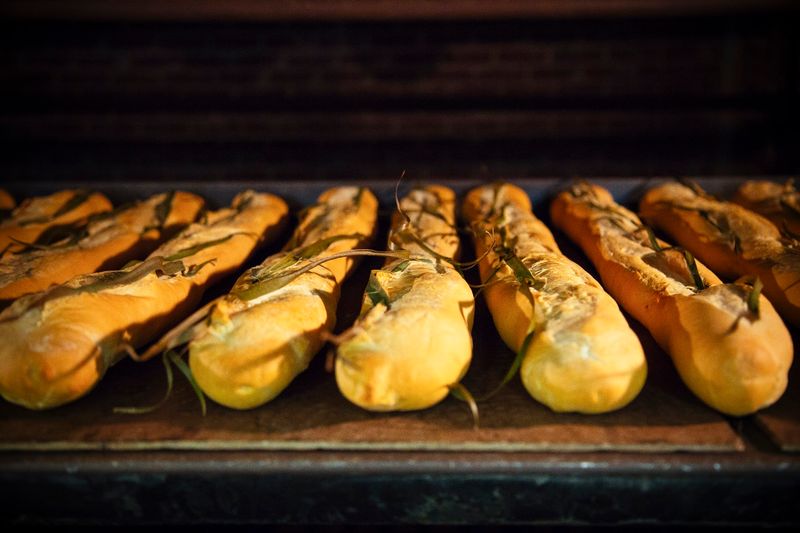
Back in 1915, a Spanish immigrant named Juan Moré started baking Cuban bread in Tampa. That bakery became La Segunda Bakery and Cafe, and it still sits in the historic Ybor City neighborhood today.
Moré came from the Catalan region of Spain. He learned to love Cuban bread while serving in Cuba, then brought that passion to Florida.
The name means the second in Spanish. La Segunda was originally one of three bakeries, and Moré eventually became the only owner.
Fun twist time. The original building burned down in 1961, and the family rebuilt on the same block.
That fire gave the name a whole new meaning. The bakery literally became the second La Segunda.
Four generations of the Moré family have kept the ovens going. Anthony Copeland Moré now runs things, carrying on what his great-grandfather started.
Plenty of businesses come and go in a few years. Lasting more than a century takes stubborn love for a craft.
I like that the recipe hasn’t been chased around by trends. The family kept the same method, the same leaf, and the same stone hearth since day one.
Early Birds Get Buttered Cuban Toast And Strong Coffee
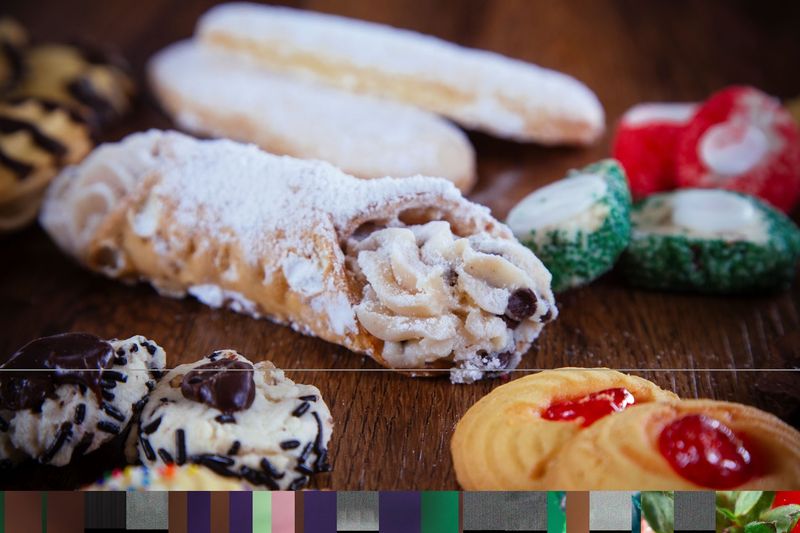
The doors open at 6:30 in the morning every day of the week. That’s good news for anyone who wakes up thinking about bread.
Breakfast keeps things simple and satisfying. Buttered Cuban toast is a staple, and it pairs perfectly with coffee.
Want something heartier? The breakfast sandwich comes hot and pressed with scrambled eggs on toasted Cuban bread.
Café con leche is the classic drink choice. It’s strong Cuban coffee mixed with steamed milk.
Dunking your toast into the coffee is a time-honored move. Nobody will judge you, and the toast was practically made for it.
Plan ahead on timing. The bakery closes at 3 p.m., so this isn’t an evening stop.
Morning visits also let you grab bread while the day is young. That leaves plenty of time to explore the rest of Tampa afterward.
I believe breakfast here is a great way to start a Florida road trip day. It’s quick, warm, and full of tradition.
Know The Game Plan Before You Pull Up
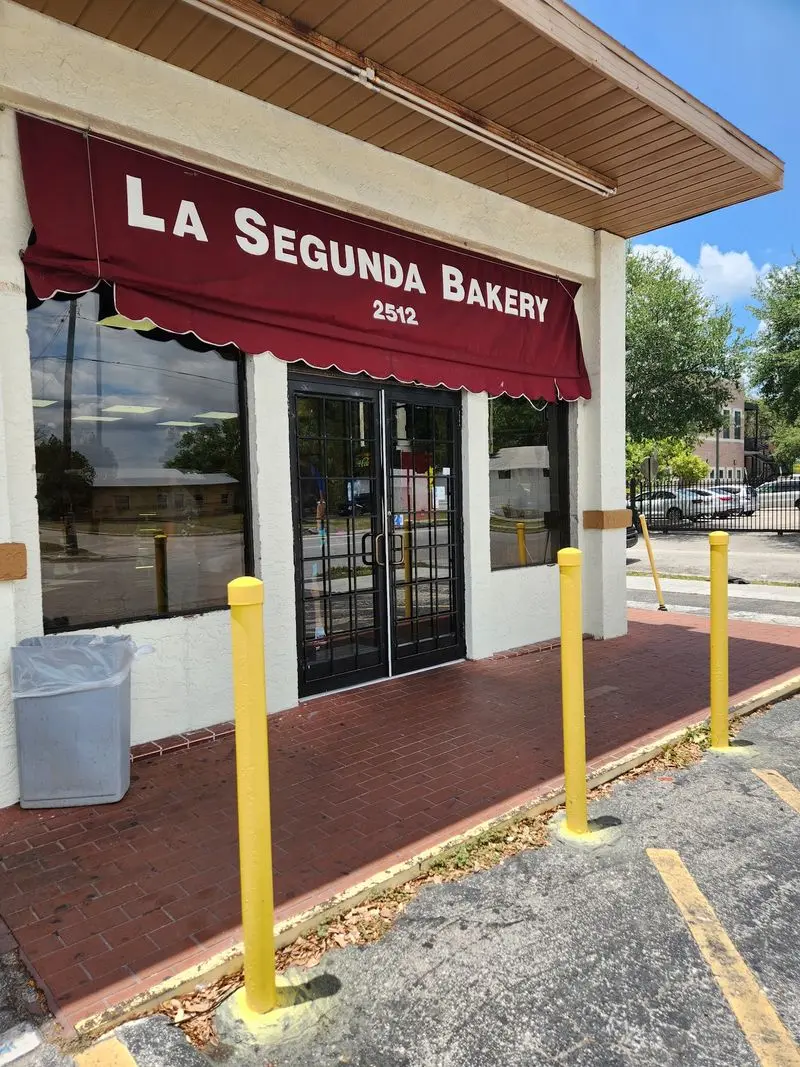
Here’s where to point your GPS. La Segunda Bakery and Cafe sits at 2512 N 15th St, Ybor City, FL 33605.
Hours run from 6:30 a.m. to 3 p.m., seven days a week. Late lunch fans should set an alarm.
This is a grab-and-go spot, not a sit-down restaurant. There’s no indoor seating at this location.
That makes it great for picnics or snacks in the car. A Cuban on a sunny Florida afternoon tastes pretty fine anywhere.
Online ordering is available, which can save time. Looking at the menu before you arrive helps the line move smoothly too.
Plenty of folks order extra to bring home. Sandwiches and bread both travel well in a cooler.
Parking can be limited, so give yourself a few extra minutes. Patience pays off here in a very tasty way.
A little planning turns a quick stop into an easy win. Then all that’s left is deciding how many pastries is too many.
Bread That Fed Cigar Workers Now Travels Across The Country
Cuban bread wasn’t fancy in old Ybor City. It was everyday food for thousands of cigar factory workers.
The neighborhood grew in the late 1800s thanks to cigar maker Vicente Martinez Ybor. Cuban, Spanish, and Italian workers arrived and brought their food traditions.
Those cultures mixed together over time. The Cuban sandwich, stuffed potato, and Devil Crab all grew from that shared table.
La Segunda kept baking through the Great Depression. It also outlasted the decline of the cigar industry that once defined the area.
Today the bread reaches far beyond Florida. It goes to restaurants and markets across Tampa and as far as Texas, New York, Boston, and Alaska.
That’s a long trip for a loaf that started in one neighborhood. Still, the Ybor City bakery remains the heart of the operation.
Visiting connects you to more than a meal. You’re tasting a piece of how this community came together.
Explore the historic district after your stop. The sandwich makes a fine walking companion.