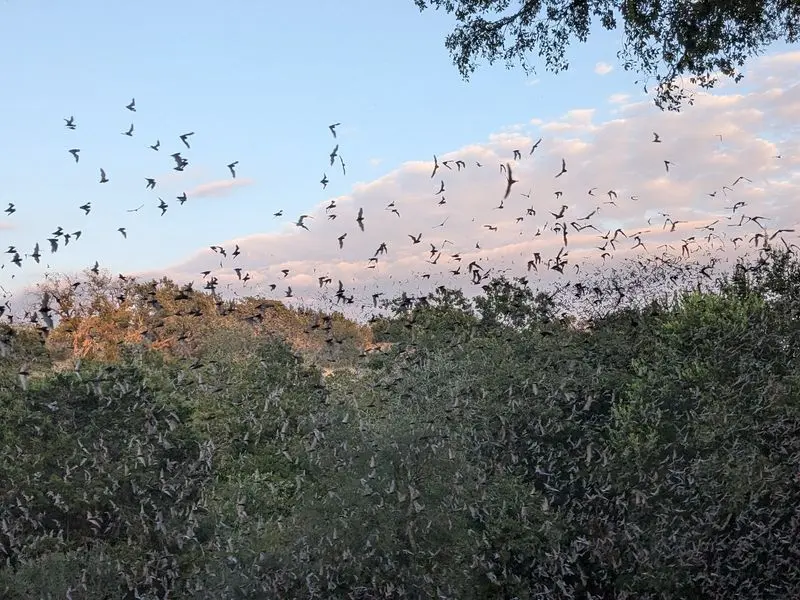
Around three million bats live inside an old railroad tunnel, and they all leave at once when the sun goes down. The exit can take 25 to 30 minutes.
Some folks call it a batnado, and honestly, that name fits.
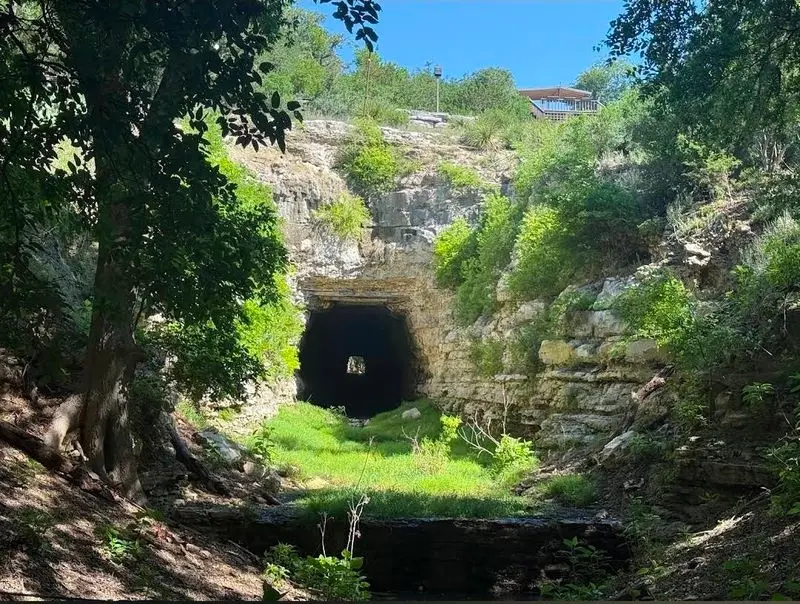
The tunnel was built in 1913 for trains. Trains stopped using it in the 1940s, and the bats moved in for good.
Now a small Texas park protects the south end of it.
I love that the whole show happens on just 16 acres. You sit on a bench, hear a ranger talk, and wait for the sky to fill.
If you cup your hands behind your ears, you can even hear the wings.
I can’t imagine a stranger way to spend a summer evening. So where exactly is this place, and how do you get a seat?
A Pocket-Size Park Hiding South Of Fredericksburg
Sixteen acres is smaller than some backyard ranches in the Hill Country. Yet Old Tunnel State Park packs one of the wildest wildlife shows in Texas onto that tiny patch of ground.
The park sits just south of Fredericksburg, a town many families already know for peaches and Main Street strolls. Plenty of Texans drive right past it without a second thought.
That’s a shame, because the park holds a 4.7-star rating across well over a thousand Google reviews. Small places rarely earn that kind of love without a very good reason.
Here, the reason flies. A historic railroad tunnel runs through the property, and it houses millions of Mexican free-tailed bats during the warm months.
Don’t expect campgrounds, a lake, or a big visitor complex. The draw is simple: a short trail, a couple of viewing areas, and a nightly flight that looks like smoke pouring into the sky.
Some longtime Hill Country residents admit they never heard of the place. That gives you serious bragging rights once you’ve seen it.
Think of it as a day trip with a twist ending. The scenery is pleasant, but the real payoff arrives right around sunset.
Trains Rolled Through Here Long Before The Bats Took Over
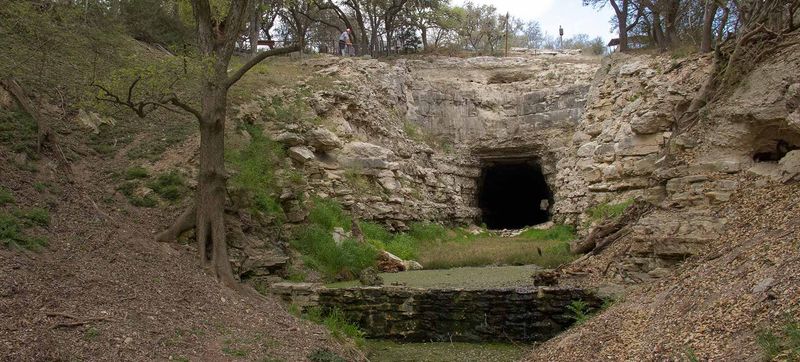
Back in 1913, workers finished a railroad tunnel through this rocky stretch of the Hill Country. Trains chugged through it for a few decades, carrying the business of the day.
By the 1940s, the line was abandoned. The tracks went quiet, and the tunnel sat empty in the hills.
Empty didn’t last long. Bats found the cool, dark passage and moved in, turning an old piece of railroad history into a giant summer roost.
Today the population can reach around three million during peak season. That’s a lot of tenants for a building nobody planned as housing.
Only the south end of the tunnel lies inside Old Tunnel State Park. The north end sits on private property, so the park view focuses on that southern opening.
History buffs and grandparents tend to appreciate this part of the story. It connects old Texas rail days with something living and very much active right now.
You can still trace the route of the old tracks along the park trail. Walking that path, it’s easy to picture a steam engine rumbling by long before the first bat ever flapped through.
Meet The Three Million Summer Roommates
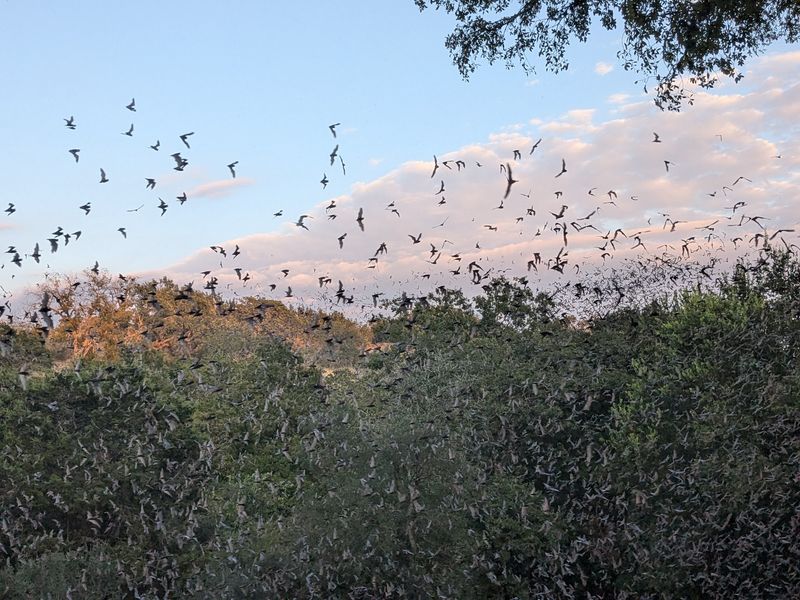
Mexican free-tailed bats are the stars here, and they bring their whole extended family. The colony can swell to around three million during the busiest stretch of the season.
They live at the tunnel from about May to October. In late October, many start heading south, so the numbers drop as fall rolls on.
Timing matters, then. A late-season trip can still deliver a show, just with fewer flyers in the air.
Weather plays a role too. In one recent year, extra moisture pushed the bats a bit later than usual, which surprised a few early planners.
These little mammals do important work after dark. Rangers and volunteers love to explain how helpful bats are, and kids usually walk away with a few new favorite facts.
Every so often, something unusual appears in the crowd. One recent emergence even included a white bat mixed in with the rest, a rare treat for anyone who caught it.
Here’s a heads-up for sensitive noses. Three million bats come with a certain smell, and it’s part of the full Old Tunnel State Park experience whether you like it or not.
Sunset Turns Into A Swirling Batnado
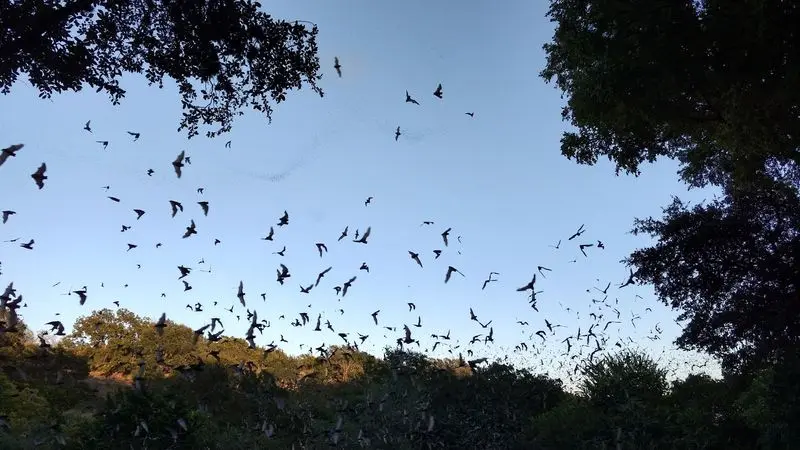
Around dusk, the first few bats slip out of the tunnel. Then the trickle becomes a flood, and the flood becomes a spinning column.
People call it a batnado, and the nickname earns its keep. The bats circle upward in a tight spiral before streaming off into the open sky.
The whole exit can take about 25 to 30 minutes. Some nights it wraps up faster, so blinking at the wrong moment is a bold choice.
Start times shift. On some evenings the flight begins around 7:25, while other nights it lands closer to 8:45.
Bats, it turns out, don’t read schedules. They once came out about ten minutes earlier than the night before, and even the ranger was caught off guard.
Nature adds its own drama. Hawks sometimes swoop in to grab a snack as the colony hits open air.
One small trick makes it even better. Cup your hands behind your ears, and you’ll hear the rush of wings far more clearly, like a soft breeze made of tiny engines.
The Upper Deck Gives You The Whole Sky
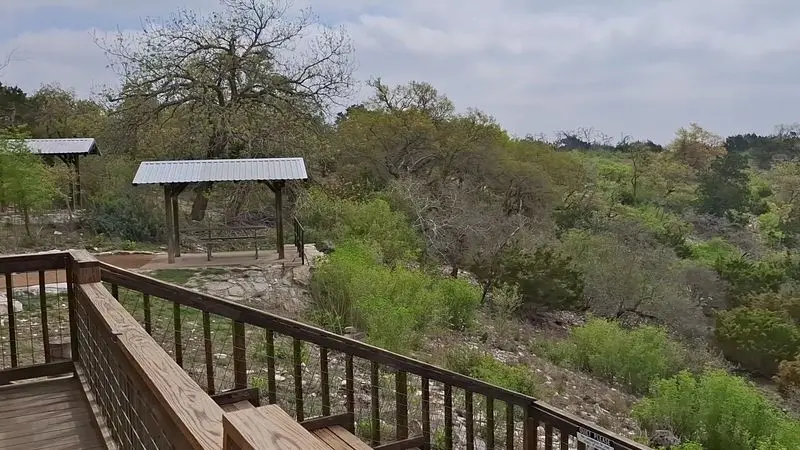
Prefer the big picture? The upper viewing area is your seat.
Bleachers up top look out over the sky as the bats leave the tunnel. From here, you can watch the full exit, including the long trail of bats flying away into the distance.
The upper level also gives a better look at bats coming from the north end. During peak season, the colony exits both ends of the tunnel, so the high spot catches more of that action.
You still get the batnado from up here. It just looks more like a moving ribbon against the horizon than a whirl right in front of your face.
Some families who missed out on lower seats ended up loving the upper deck anyway. A few said they’d pick it again on purpose.
Arrive early if you want a seat right above the tunnel. Those spots go to the folks who show up ready and waiting.
It’s also an easier choice for anyone who’d rather skip stairs. Grandparents and little legs may appreciate staying topside while still enjoying a front-row view of the sky at Old Tunnel State Park.
Down Below, You Can Practically Feel The Wings
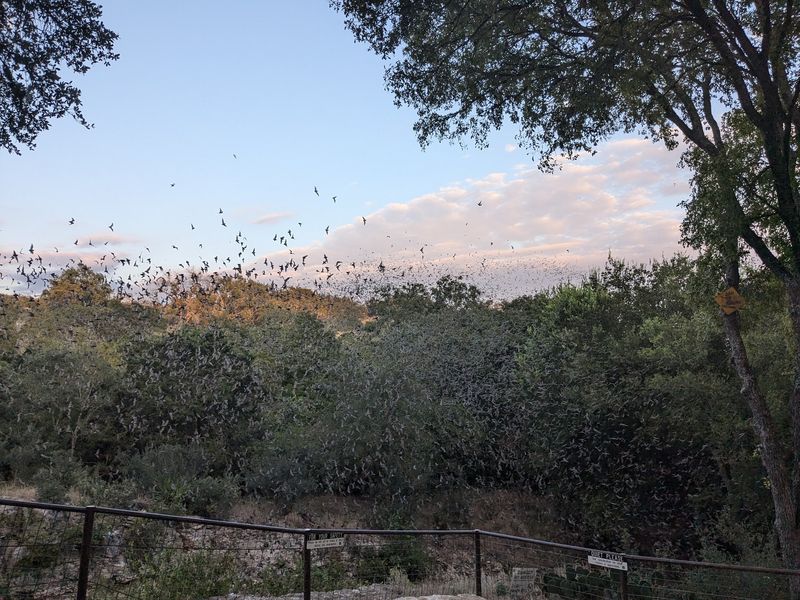
Close. Really close.
That’s the lower viewing area in two words.
A set of steps leads down toward the tunnel entrance, putting you much nearer to the swirling column. You’re close enough to hear the wings flapping without any trick at all.
There’s a tradeoff. From down here, you can’t see the north-end bats in the sky very well.
Still, many bat fans strongly encourage grabbing lower-level tickets. The up-close feeling is the part people keep talking about long after the drive home.
A red light helps the crowd see the bats as daylight fades. It’s a clever touch that keeps the show visible without bothering the colony.
The trail to the lower area could use a little maintenance in spots, though nothing major. Wear real shoes, not flimsy sandals.
One fun plan is to try both levels on two different nights. Some Austin visitors have done exactly that and found each view worth the trip.
Lower seats can sell out first. If this is the experience you’re after, book as early as you can.
A Shady Little Trail That Follows The Old Rail Line
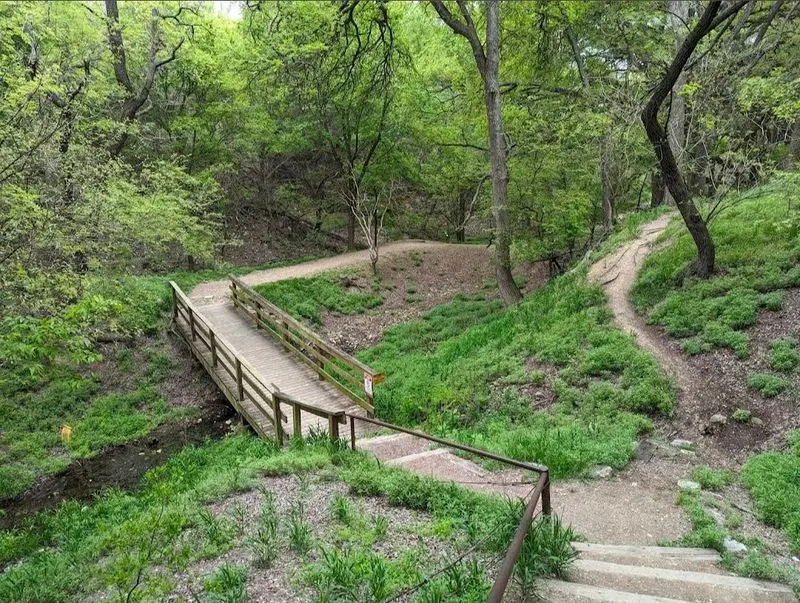
Daylight has its own appeal here. A short trail follows the old train tracks closely, leading down to a view of the tunnel opening.
The walk is relatively easy and pleasantly shady. Young kids and leisurely strollers can handle it without much fuss.
There’s a twist at the end. A loop past the main trail turns into a bit of a scramble, with quick elevation changes.
Skip the loop if anyone in your group needs flat ground. The main path still delivers the history and the tunnel view.
During bat season, you can peek into the tunnel during the day. More than a million bats may be visible inside, hanging out before their evening commute.
Even in the off-season, the trail stays worth a stroll. You’ll get the interesting history, the quiet woods, and a sneak peek of the cave opening.
Trails rank right behind bat viewing as a top topic at Old Tunnel State Park. That says something for a park this small.
Pair the walk with the evening show. It’s a nice way to stretch legs after a long drive.
Bird Feeders, Deer, And One Very Round Raccoon
Morning birders, take note. A bird feeder station draws a lot of activity in the early hours.
That makes the park a quiet bonus stop for anyone with binoculars. You don’t need a bat pass to enjoy a few feathered visitors.
Wildlife keeps showing up in the evening, too. Hawks hunt the bat column, adding a real-life nature documentary to the program.
After dark, deer often appear near the road. One group even spotted a raccoon described as notably well-fed on the drive out.
For kids, every critter counts as a win. A bird at the feeder or a deer in the headlights becomes part of the story they tell.
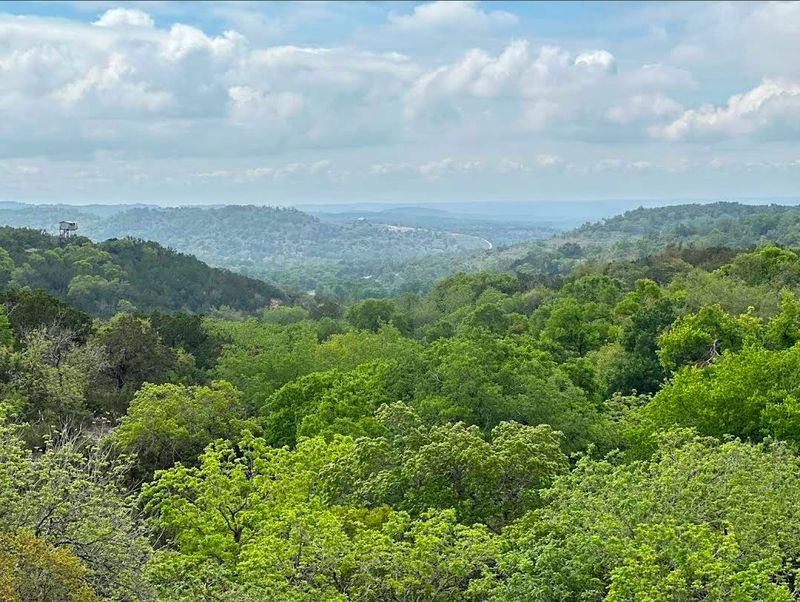
This part of Texas is full of life beyond the bats. Oaks, brush, and rocky hills give animals plenty of cover.
Bring a simple checklist for little ones. Bird, deer, hawk, bat: see how many they can spot in one visit.
It’s a free bonus layered on top of the main event. Nature here doesn’t wait for sunset to start performing.
Tickets, Timing, And The No-Signal Surprise
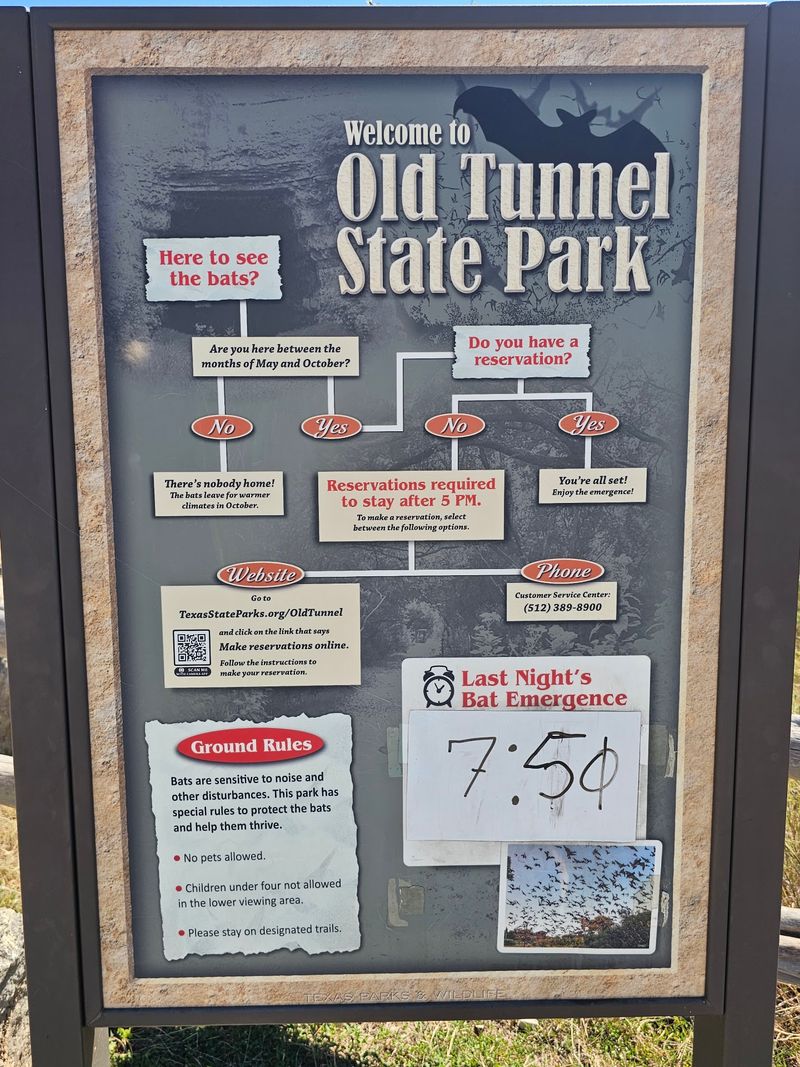
Planning ahead pays off big here. Buy your bat viewing passes online so your entry goes smoothly.
Choose between upper and lower level tickets when you book. Lower seats tend to go fast, so earlier is better.
Now the sneaky part: there’s no cell service at the park. You won’t be able to pull up an email ticket once you arrive.
Print your ticket or snap a photo of it before you leave town. Future you will be very grateful.
For emergence times, the park’s Facebook page is the place to check. Many bat fans find it more current than the website for daily and weekly updates.
Remember that the bats run on their own clock. Get there with time to spare, settle in for the ranger talk, and enjoy the build-up.
Off-season visits look different. At times there may be no ranger on site, and construction once left restrooms out of service.
State park passport collectors, here’s a tip. When no ranger is around, the stamp may be available at nearby LBJ State Park.
Getting There, Parking, And A Burger Next Door
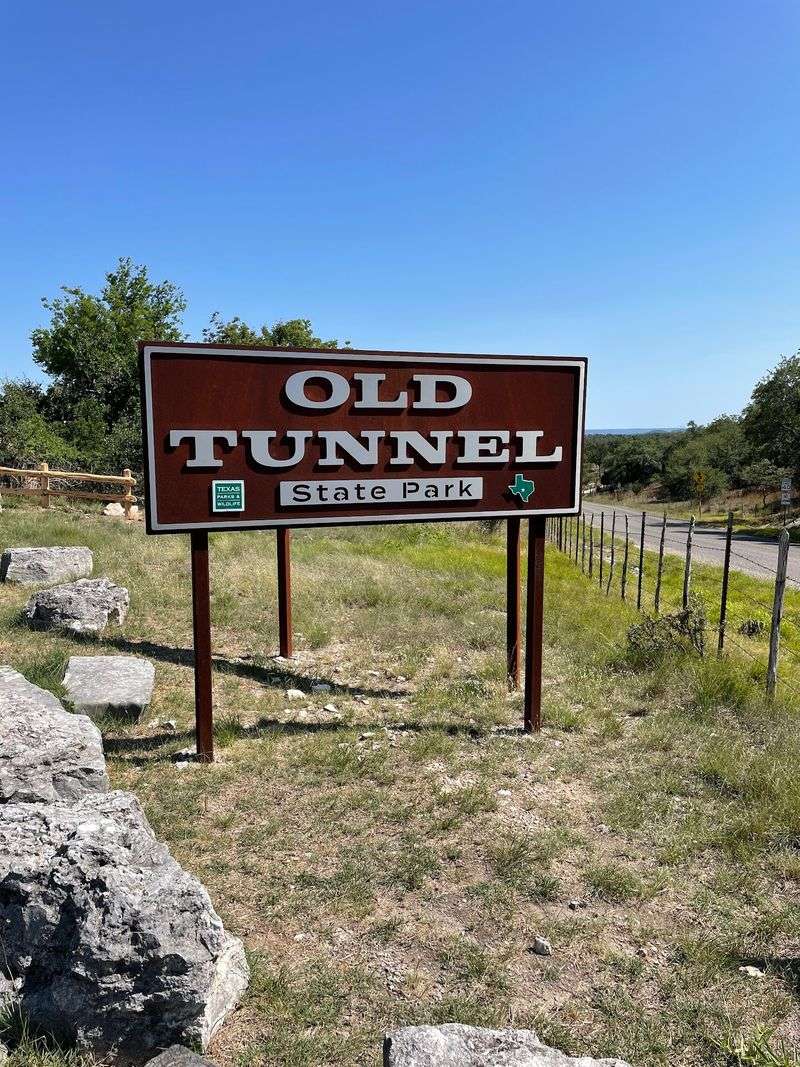
Set your map to 10619 Old San Antonio Rd, Fredericksburg, TX 78624. The park sits just south of town, an easy add-on to a Fredericksburg getaway.
Families have made the drive from Austin and called it worth every mile. San Antonio folks are within reach for a sunset outing too.
Parking is available across from the entrance. Arrive early enough to park, walk in, and grab a good spot.
The drive out after dark deserves care. The road back to Highway 290 can be challenging, with curves and wildlife along the way.
Leave slowly and watch for deer. Whoever exits first ends up leading the whole bat procession back to the highway.
Hungry? Alamo Springs Cafe sits right next door to the park.
It has a reputation for great burgers, and even local hikers regret missing it. Planning a meal around your bat night sounds like a smart move.
Fredericksburg itself makes a natural home base. Spend the day in town, then cap it off at Old Tunnel State Park as the sky turns gold.
Why This Little Park Belongs On Your Summer List
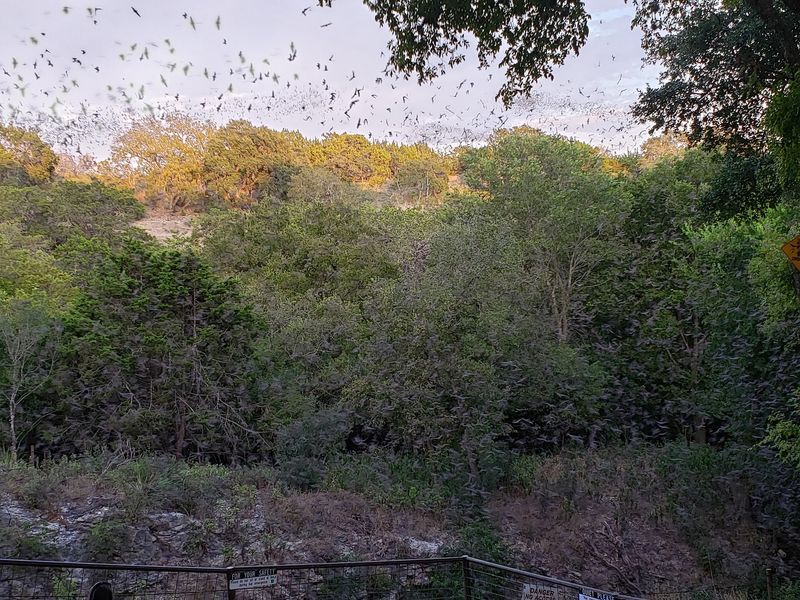
Small parks rarely deliver such a big memory. Old Tunnel State Park somehow fits millions of bats, a century-old tunnel, and a great ranger program onto 16 acres.
It works for nearly every generation. Grandparents get the rail history, parents get an easy evening, and school-age kids get a jaw-dropping science lesson.
The best window runs from about May to October. Peak season brings the full three-million-strong flight.
Keep the checklist simple. Book early, print your ticket, check Facebook for timing, and pack quiet patience.
Choose the upper deck for the sweeping sky view. Pick the lower area if you want the wings close enough to hear.
Toddlers may struggle with the hush, so know your crew. Older kids will likely beg to come back.
Texas has bigger parks, flashier attractions, and longer trails. Few can match the sight of a batnado spinning out of an old railroad tunnel at dusk.
So next time you’re near Fredericksburg, don’t just drive past. Pull over, grab a seat, and let the Hill Country sky put on its show.