You can actually spend the night inside a restored Spanish fort in Texas. Book the overnight quarters, and the whole walled compound becomes all yours after the gates close.
There’s no TV, no Wi-Fi, and no phone in the room, and honestly, I think that’s the best amenity on the whole list. The stone walls do all the entertaining.
During the day, the place tells one of the most important stories of the Texas Revolution. Plenty of history fans can recite the Alamo story by heart.
Far fewer have stood on these walls, where the 1836 story took an even heavier turn.
I love that a chapel, a quiet courtyard, and hundreds of recovered artifacts all wait behind those old walls. So why do so many Alamo fans keep driving right past it?
The Stone Fortress Most Road-Trippers Zoom Right Past
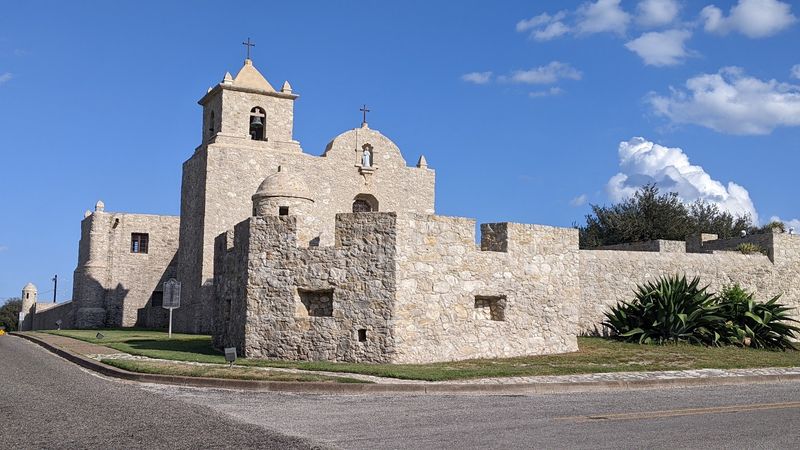
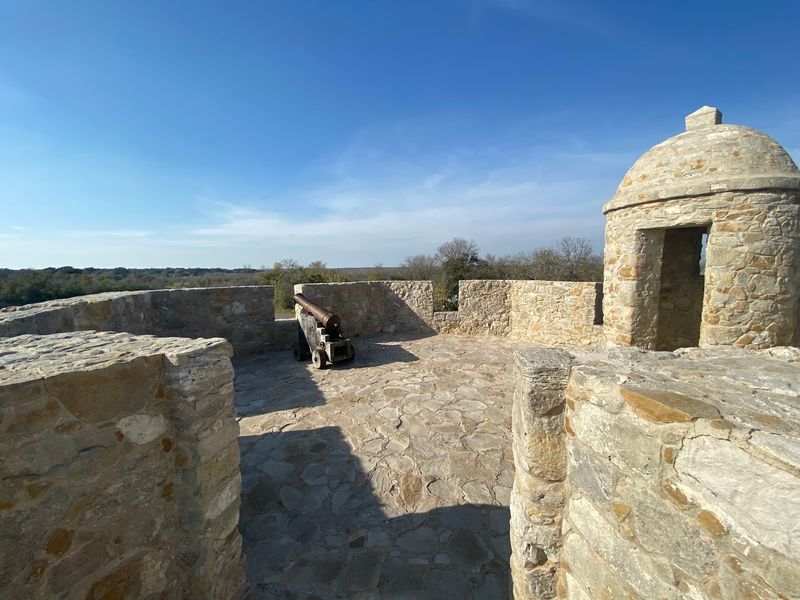
Stone walls rise from the South Texas brush like something borrowed from a Spanish history book. Welcome to Presidio la Bahía State Historic Site, a rebuilt colonial Spanish fort and chapel in Goliad, Texas.
The fort once served as a Spanish Army stronghold back in the 18th century. Today it stands restored, so you can walk the grounds and get a real sense of its size and shape.
Plenty of folks expect a small roadside marker. Instead, they find a full walled compound, and many first-timers come away surprised by how much bigger it feels than they pictured.
It’s also one of the rare reconstructed Spanish colonial sites you can explore in the state. That alone gives it serious bragging rights for any Texas history fan who thinks they’ve seen it all.
The site sits right next to Goliad State Park, which makes it easy to pair with other stops in town. Families driving through often add it on a whim and end up staying much longer than planned.
Think of it as the Alamo’s quieter cousin. Same era, same big stakes, and far more elbow room to look around at your own pace.
A Fort With A Long Name And An Even Longer Story
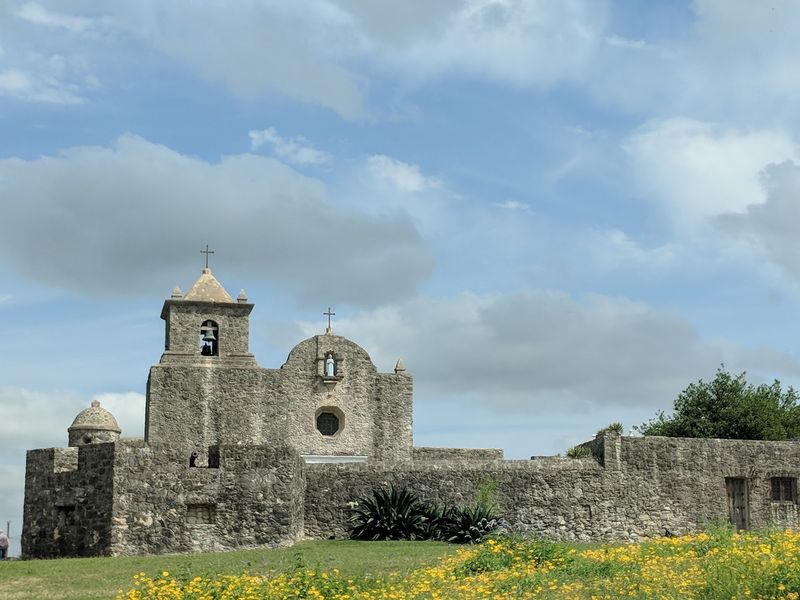
Fort of the Bay of the Holy Spirit. That’s the meaning behind the name, and it hints at just how far back this place reaches.
Spanish soldiers held this ground in the 1700s, long before Texas was a state or even a republic. Over the decades, the fort watched Spanish, Mexican, and Texian history all unfold within roughly the same patch of land.
Its most famous chapter came in 1836, during the Texas Revolution. The events tied to Goliad are less famous than the Alamo, yet many historians consider them just as significant.
Here’s a fun twist most people never hear about. The fort is linked to the birthplace of General Ignacio Zaragoza, the commander connected to the famous Cinco de Mayo victory in Mexico.
So one small Texas town ties into a holiday celebrated across two countries. That’s a pretty great fact to pull out at your next family barbecue.
The layers of history here make it a natural starting point for kids just beginning to learn about Texas. Teachers and parents alike can find a whole semester of stories packed inside these walls, minus the homework.
You Might Not Expect A Chapel This Pretty Behind Fort Walls
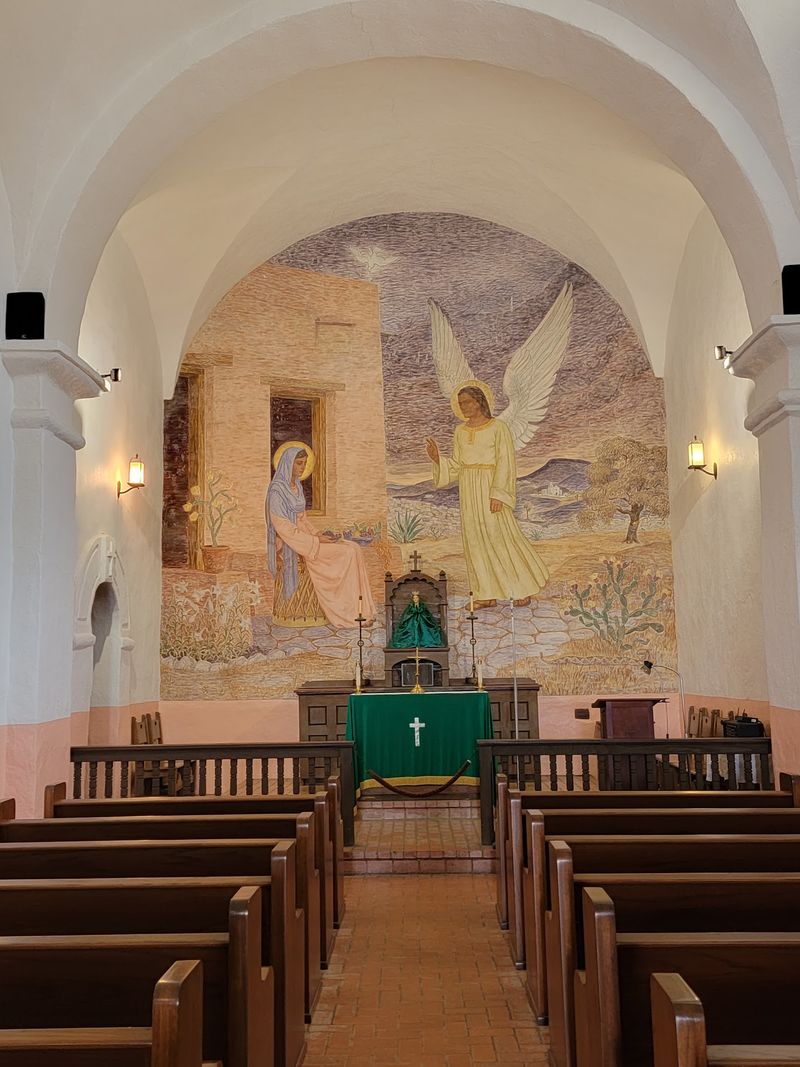
Soldiers needed a place for faith, too. That’s why a chapel stands inside the fort walls, and it’s easily one of the most photographed spots on the grounds.
The chapel comes up again and again as a favorite part of a visit. Some guests call it one of the prettiest chapels they’ve ever seen, which is high praise in a state full of historic missions.
Step out of the chapel and you’ll find a beautiful courtyard. It’s the kind of open, sunny space where kids can stretch their legs while adults read the signs and soak in the scenery.
On special event days, that same courtyard comes alive. Reenactors set up scenes of camp life, giving families a rare look at how people lived inside the fort generations ago.
I like how the chapel and courtyard balance out the heavier stories elsewhere on the site. They give you a calm moment to breathe before heading back into the museum rooms.
Bring your camera, and maybe a little patience for the family photo. Getting everyone to look at the lens with those old stone walls behind them is worth every try.
Hundreds Of Artifacts Came Straight Out Of This Ground
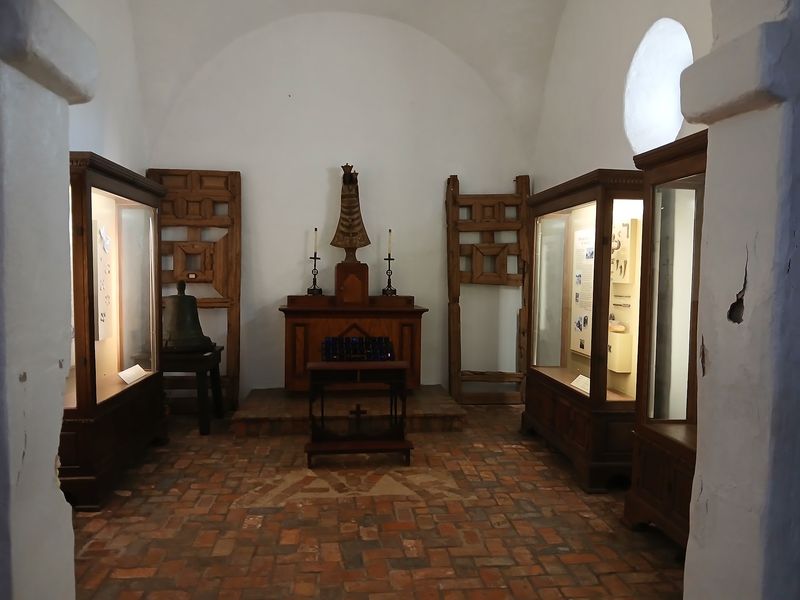
Hundreds of artifacts were recovered right here on the site. That means the items in the display cases didn’t travel far to reach you.
The museum fills several rooms with period pieces and detailed information about Spanish, Mexican, and Texas history. History buffs could easily lose an afternoon reading every label.
Start your visit with the short educational video. It lays out the fort’s story in a clear, quick way, so the artifacts make a lot more sense when you see them afterward.
Families with younger kids will appreciate that order. A short film first, then real objects to look at, keeps attention spans happy and questions flowing.
Summer visitors, take note. The museum portion has great air conditioning, which feels like a gift during a hot South Texas afternoon.
One family can breeze through in about an hour, while serious history lovers should plan on several. Either way, the museum turns dates from a textbook into something you can actually see up close.
Before you leave, the gift shop offers souvenirs at a wide range of price points. Grandparents looking for a little keepsake for the grandkids should have no trouble finding one.
Your Own Spanish Fort For The Night, No Wi-Fi Included
Most historic sites shoo you out at closing time. Presidio la Bahía does something far more fun and rents out a room for overnight stays.
The room is known as the Quarters, and it requires an advance reservation. Once the day crowd leaves, you get the entire compound to yourself.
There’s no TV, no Wi-Fi, and no phone in the room. Some might call that a downside, but I’d call it the whole point of booking a night inside an old fort.
Picture the kids trading screens for stars over the walls. It’s the kind of trip grandparents will talk about for years and grandkids will brag about at school.
The Quarters also make sense for road-trippers who want to see the whole area without rushing. Spend the evening at the fort, then wake up close to Goliad State Park and other nearby stops.
Since space is limited to one room, booking early is a smart move. Holiday weekends and school breaks are prime time for Texas families planning a getaway like this one.
Few places in the country let you sleep inside history quite this literally.
Living History Days Turn The Courtyard Into A Time Machine
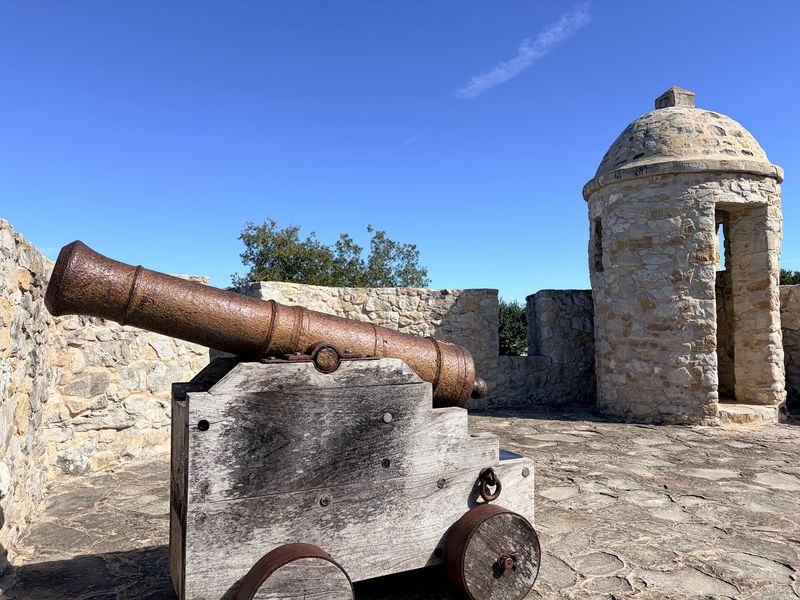
Period costumes, campfires, and the clatter of reenactors fill the grounds during special events. For history-loving families, those days are the main event of the year.
The site has hosted reenactments tied to the anniversary of the 1836 events at Goliad, including a recent 190th anniversary program. Scenes of camp life inside the courtyard help kids see history as real people, not just names.
Bring lawn chairs and a sack lunch if you come for an event. Enjoying a picnic on the grounds while the action unfolds makes for a relaxed, budget-friendly family day.
Even on quieter days, there’s playful stuff for kids. A scavenger hunt has been offered, turning the fort into a giant puzzle for curious young explorers.
Collectors will love the nifty passport you can pick up here. Take it to other historical sites for stamps, and suddenly every road trip becomes a collecting mission.
Since event schedules can change, check the site’s announcements before you plan around one. A little timing can turn an ordinary visit into a memory your family will retell for decades.
Know Before You Go: Hours, Parking, And A Sweet Ticket Deal
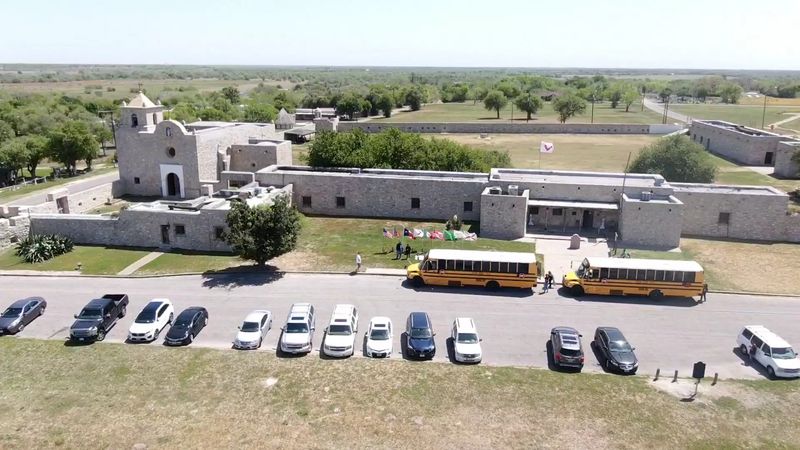
Good news for flexible planners. The fort opens daily from 10 am to 5 pm, seven days a week.
You’ll find it at 217 US-183, Goliad, TX 77963, right next to Goliad State Park. If you buy park admission the same day, you can get a discount on admission here.
Admission is famously low, the kind of cost that barely dents a family road-trip budget. For the amount of history packed inside, it’s one of the best values in South Texas.
You can explore on a self-guided tour whenever you like. Narrated tours are also available, but those require an advance reservation.
Parking is free, though the lot is on the small side. Street parking nearby helps fill the gap on busier days.
The site is wheelchair accessible, which makes it a solid pick for multigenerational groups. Grandparents and little ones in strollers can join in without much worry.
Friendly, knowledgeable staff come up often in descriptions of the place. With a 4.8-star rating from more than 1,400 Google reviews, the welcome seems to match the history.
Why Goliad Deserves A Spot On Your Next Texas Road Trip
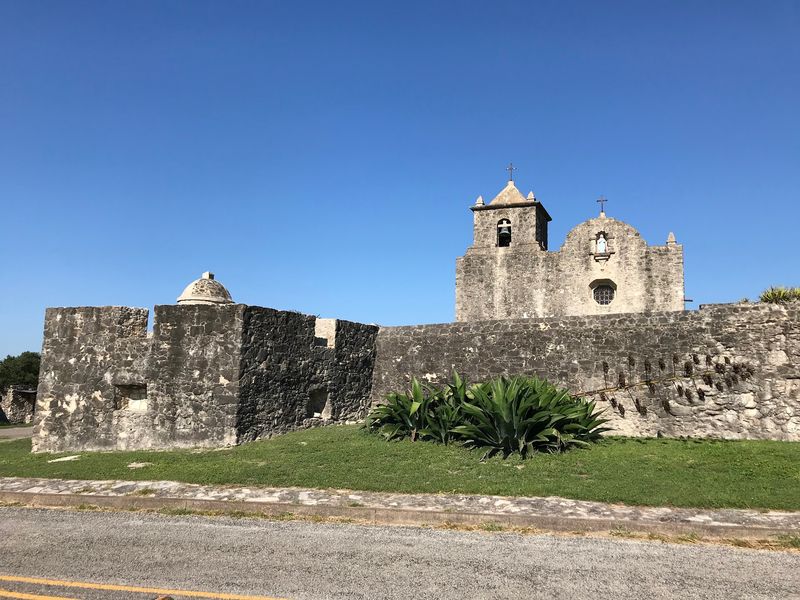
One stop in Goliad rarely stays just one stop. The fort sits close to several more pieces of the same story, so plan for a full day if you can.
Mission Espíritu Santo, inside Goliad State Park, makes a natural next visit. Every year on April 16, sunlight can shine through a window and fully light up the crucifix inside the church.
That only happens when the sky cooperates, of course. Still, it’s a rare sight worth timing a spring road trip around.
The Fannin monument sits just down the street from the fort. It’s an easy add-on that helps complete the 1836 story for older kids and grown-up history buffs.
So is Presidio la Bahía worth the miles? For Texas families who love real places that haven’t been glossed over, I believe the answer leans strongly toward yes.
You get stone walls, a lovely chapel, a museum full of local artifacts, and even a room to spend the night. Not bad for a fort that many Alamo fans have never even heard of.
Go now, and earn some serious Texas bragging rights.