Three rescued miniature horses here are named Navy, Army, and Mayday.
They visit schools and events to teach kids about horses, and nobody rides them.
I love that their whole job is basically being adorable with a purpose.
The bigger horses have their own stories.
Many arrived abandoned, neglected, or headed toward a terrible fate.
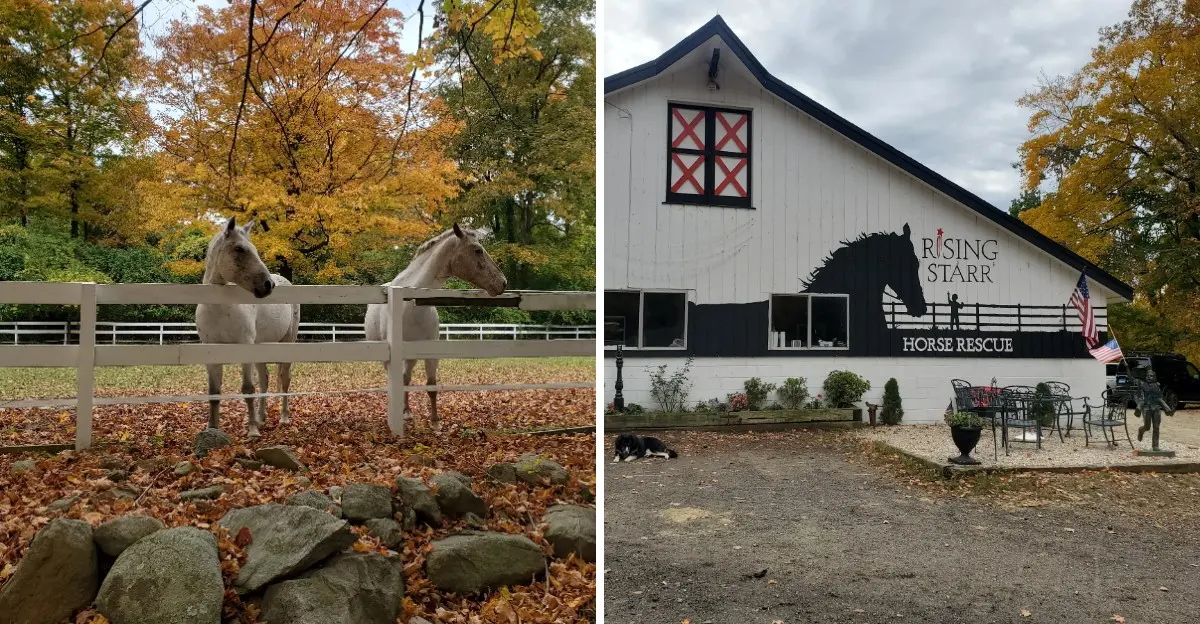
Now most spend their days turned out in pastures on a 40-acre Connecticut farm.
The founder rescued her very first horse, Bigg Bert, back in 2005.
That single horse sparked a nonprofit that saved 49 horses in 2025 alone.
I can’t imagine a better origin story for a barn full of second chances.
And here’s the part that gets me. Families can come meet these horses, groom them, and even help with chores.
So why do so few people know it exists?
One Horse Named Bigg Bert Started All Of This
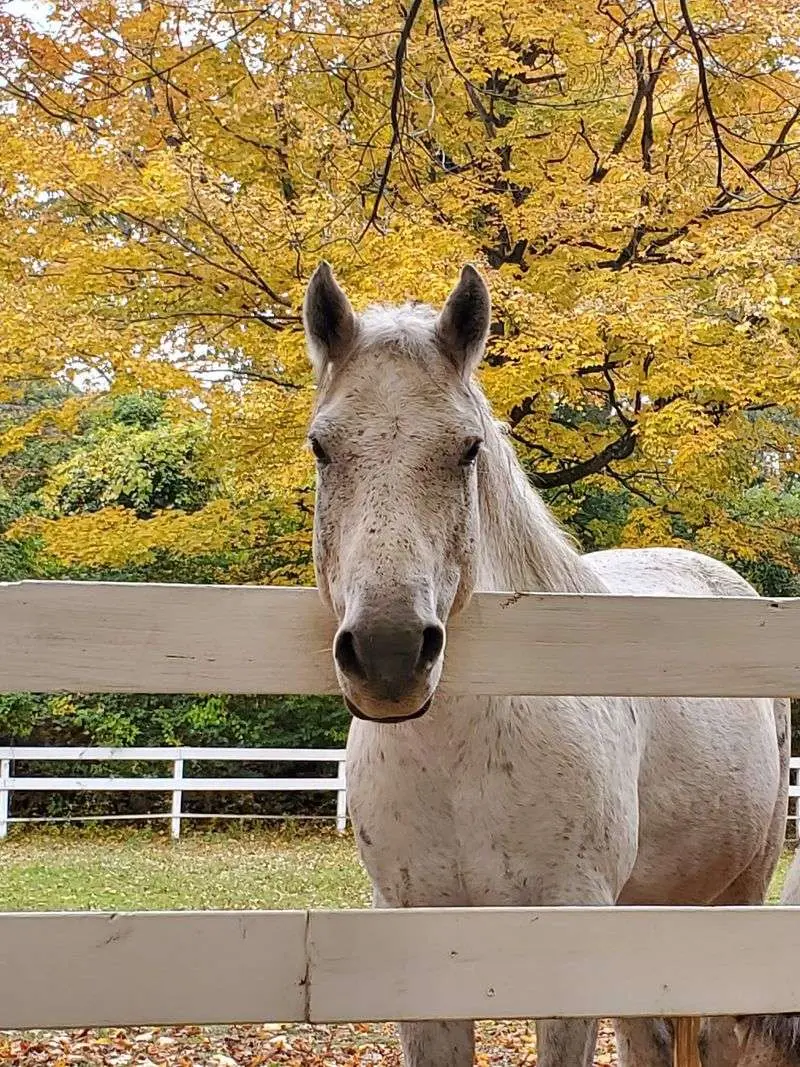
Every rescue has a beginning, and this one starts with a horse called Bigg Bert. Kelly Stackpole saved him in 2005 after learning horses were being shipped off to slaughter.
That discovery stuck with her for years. In 2015, she officially founded Rising Starr Horse Rescue to help as many horses as she could.
The mission sounds simple but takes serious work. The team saves, rehabilitates, retrains, and rehomes horses that were abandoned, neglected, or abused.
The numbers show how far one idea can travel. In 2025, the rescue saved 49 horses and found new homes for 32 of them.
On a typical year, they rescue and rehome about 25 horses. That’s a lot of hay, a lot of hoof care, and a lot of patience.
The goal goes beyond getting horses out of bad situations. The team wants every horse to be happy, healthy, and confident before it moves on.
Care is also individual, not one-size-fits-all. A nervous horse gets different attention than a bold one, which makes perfect sense.
I like that the whole operation still feels rooted in that first rescue. Bigg Bert would probably approve, assuming horses approve of nonprofits.
Forty Acres Of Room To Stretch Those Legs
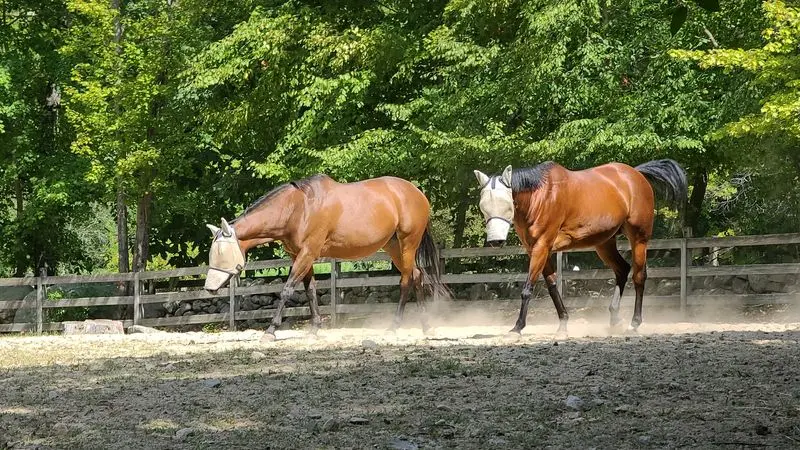
Space matters when you weigh over a thousand pounds. The Wilton farm covers 40 acres, with more than 100 acres of perimeter land around it.
Most of the horses spend their time turned out in pastures. They have safe shelters, fresh water, grain, and forage whenever they need it.
The facility also includes a 30-stall barn and an indoor arena. That arena keeps lessons and training going when Connecticut weather gets moody.
Safety gets real attention here too. Security cameras, a monitored fire and alarm system, and a driveway gate help protect the herd.
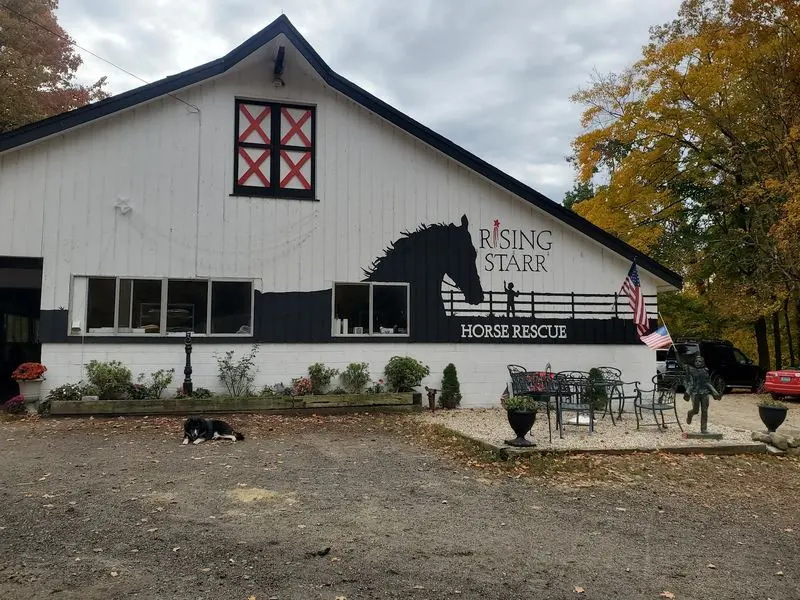
Rising Starr Horse Rescue moved to this property on December 5, 2019. Before that, it operated in nearby Redding, Connecticut.
The move gave the horses far more room to roam. For animals that once had very little freedom, wide pastures are a huge upgrade.
You’ll find the farm at 93 Silver Spring Road, Wilton, CT 06897. It sits in a quiet corner of Fairfield County.
Bring comfortable shoes and clothes you don’t mind getting a little dusty. Barns are many things, but spotless is rarely one of them.
Former Racehorses Are Learning A Brand-New Job
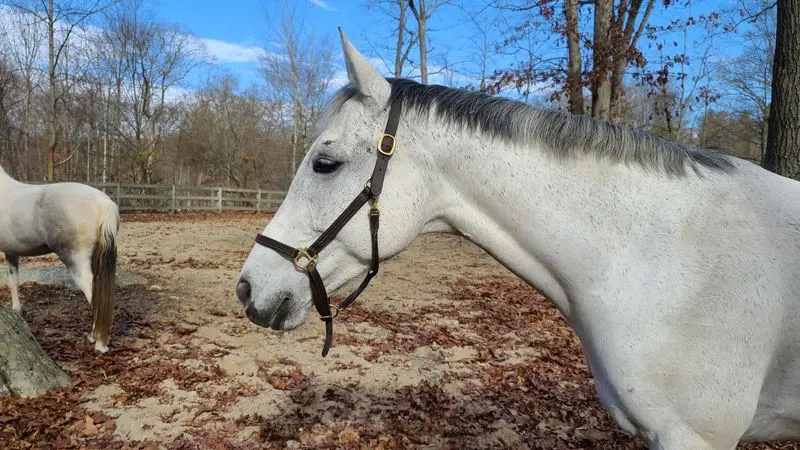
Racing careers end fast, often while the horse is still young. Rising Starr usually cares for 8 to 13 Off-Track Thoroughbreds, known in horse circles as OTTBs.
These horses were built for speed on a track. Life after racing means learning to slow down, trust people, and try new things.
Overall, the rescue keeps more than 25 horses in training at a time. Each one moves at its own pace, which is the only pace that works.
Retraining helps horses become good partners for future owners. A calm, confident horse has a much better shot at finding a forever home.
The rescue’s work has earned national attention. Rising Starr is a USEF outreach program and a USHJA-approved riding facility.
It also became Verified by the Global Federation of Animal Sanctuaries on November 15, 2021. Charity Navigator gives it a 4 out of 4 star rating.
Those badges might sound dry, but they mean something. They show the horses get real standards of care, not just good intentions.
Honestly, watching a former racehorse relax sounds like therapy for everyone involved. Speed is impressive, but peace looks good on them too.
Kids As Young As Five Can Roll Up Their Sleeves
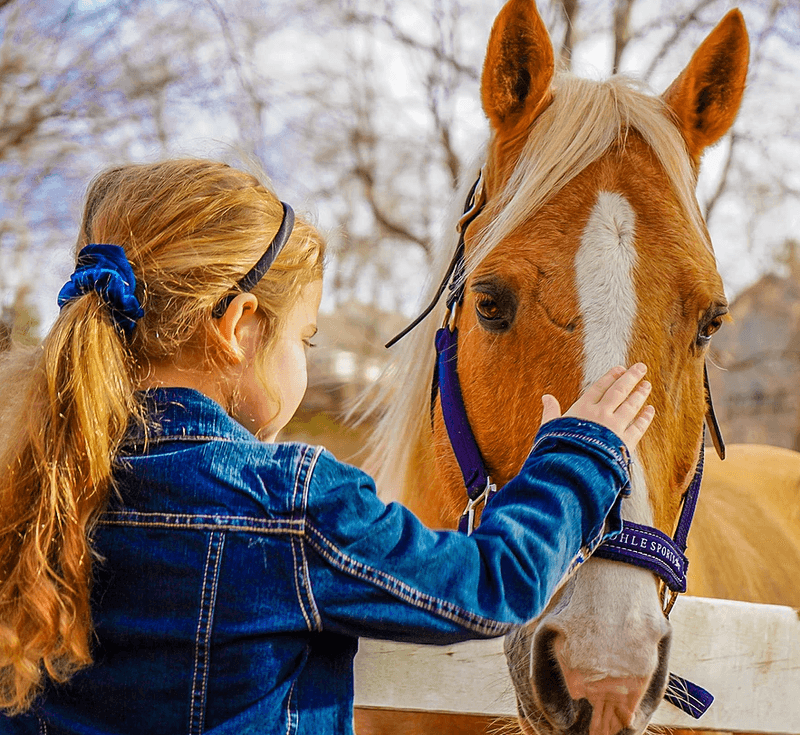
Five-year-olds mucking stalls might sound like a parenting dream. At this rescue, volunteers of all ages help, including children as young as five.
The jobs are real and they matter. Volunteers muck stalls, feed horses, groom them, and spend quiet time building trust.
That last task might be the sweetest one. Some horses arrive nervous around people, so calm company helps them heal.
Volunteers put in 10,192 hours during 2025. That’s a staggering amount of brushing, scooping, and gentle conversation with horses.
For kids, the lessons go far beyond the barn. They learn responsibility, patience, and how to read an animal’s mood.
Adults benefit too, especially anyone craving a break from screens. Few things reset a busy brain like brushing a horse that leans into it.
Rising Starr Horse Rescue depends on these helpers every single day. The operation simply wouldn’t run without them.
If your family wants a hobby with heart, this could be it. Just know that horses notice who shows up regularly, and they remember.
Navy, Army, And Mayday Steal Every Show
Small horses, big personalities, and zero riding allowed. Meet the Spokes Miniature Horses, a trio named Navy, Army, and Mayday.
These little ambassadors lead hands-on educational programs. Kids get to interact with them up close while learning about horse ownership.
The programs also teach people about at-risk horses. It’s a gentle way to explain a serious topic to younger audiences.
Here’s a handy detail for schools and groups. The minis can visit outside venues or host programs right at the farm in Wilton.
That flexibility makes them great for classrooms, libraries, and community gatherings. A miniature horse fits through far more doors than a full-size one.
Size definitely helps nervous kids feel brave. Petting a horse at eye level is a lot less scary than looking up at a tall one.
I love that education is built right into the rescue’s mission. Teaching the next generation might be the best long-term protection horses can get.
Fair warning, though. After meeting Navy, Army, and Mayday, your kids may start naming every stuffed animal after them.
Riding Lessons Here Actually Help Save Horses
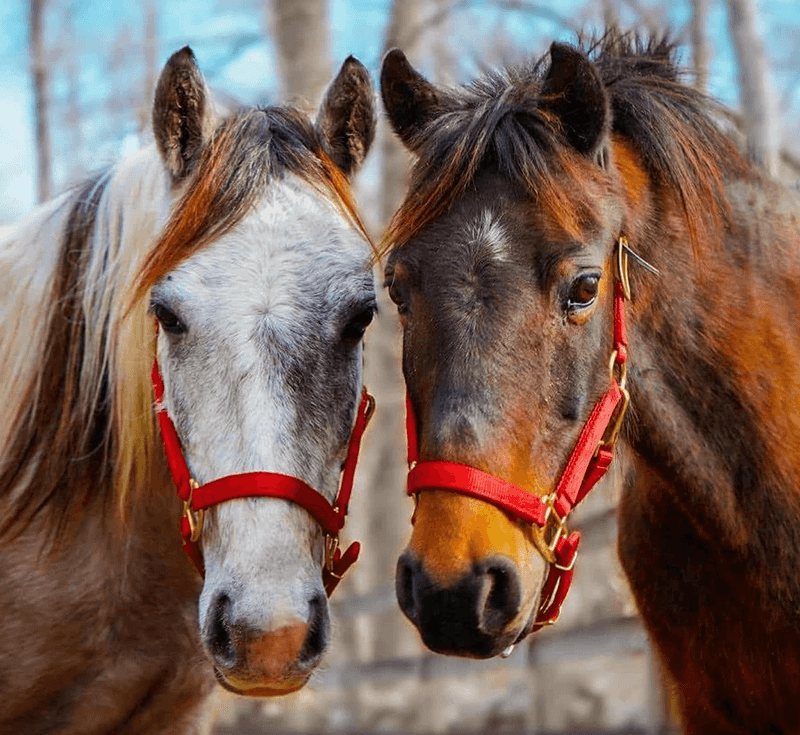
Lessons usually just teach you to ride. At Rising Starr, signing up also directly supports the rescue’s work with horses.
Mounted and ground lessons run year-round. The focus includes natural horsemanship, horse care, and trail rides.
Natural horsemanship means learning how horses think and communicate. It’s less about bossing a horse around and more about building a partnership.
Summer brings day programs for kids ages 5 and up. Campers groom horses, learn riding basics, care for the barn, and head out on hikes and trail rides.
That’s a pretty dreamy summer for any horse-crazy kid. It sure beats another week of video games in the basement.
Riders with competitive goals have options too. The rescue’s show team became double National champions in the Athletic Equestrian League in 2025.
Those titles came in both the junior and adult divisions. Not bad for a barn built around second chances.
Connecticut has plenty of riding stables, but few tie lessons to a rescue mission. Here, every ride helps another horse find its footing.
Veterans And First Responders Find Calm In The Barn
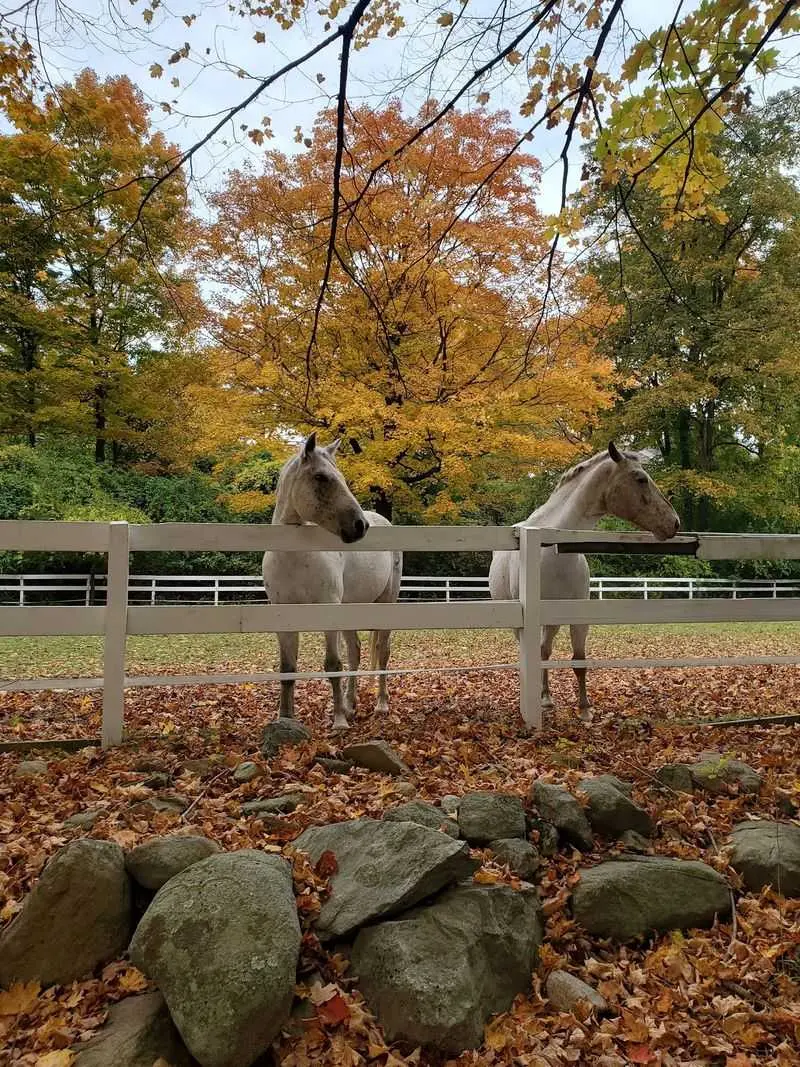
Horses can sense stress before you say a word. That sensitivity makes them powerful partners in the StandFast Equine Program.
StandFast offers equine-assisted services for Veterans, First Responders, active military members, and special teams. The program supports personal growth through time with horses.
It completed its first full year in 2025. For a new program, that’s an encouraging start.
There’s also a physical therapy option called hippotherapy. A Doctor of Physical Therapy leads sessions that combine a horse’s movement with therapeutic techniques.
A horse’s walk moves the rider’s body in a rhythm similar to human walking. That makes it a useful tool for certain therapy goals.
I find it moving that rescued horses help people heal too. Everyone in the arena is working on trust, including the horse.
Families with a veteran or first responder may want to learn more. The program is designed specifically for people who serve and protect.
Nobody needs riding experience to appreciate a quiet moment with a horse. Sometimes a calm, steady presence says more than any pep talk.
Adopting A Horse Takes 70 Questions And A Lifetime Promise
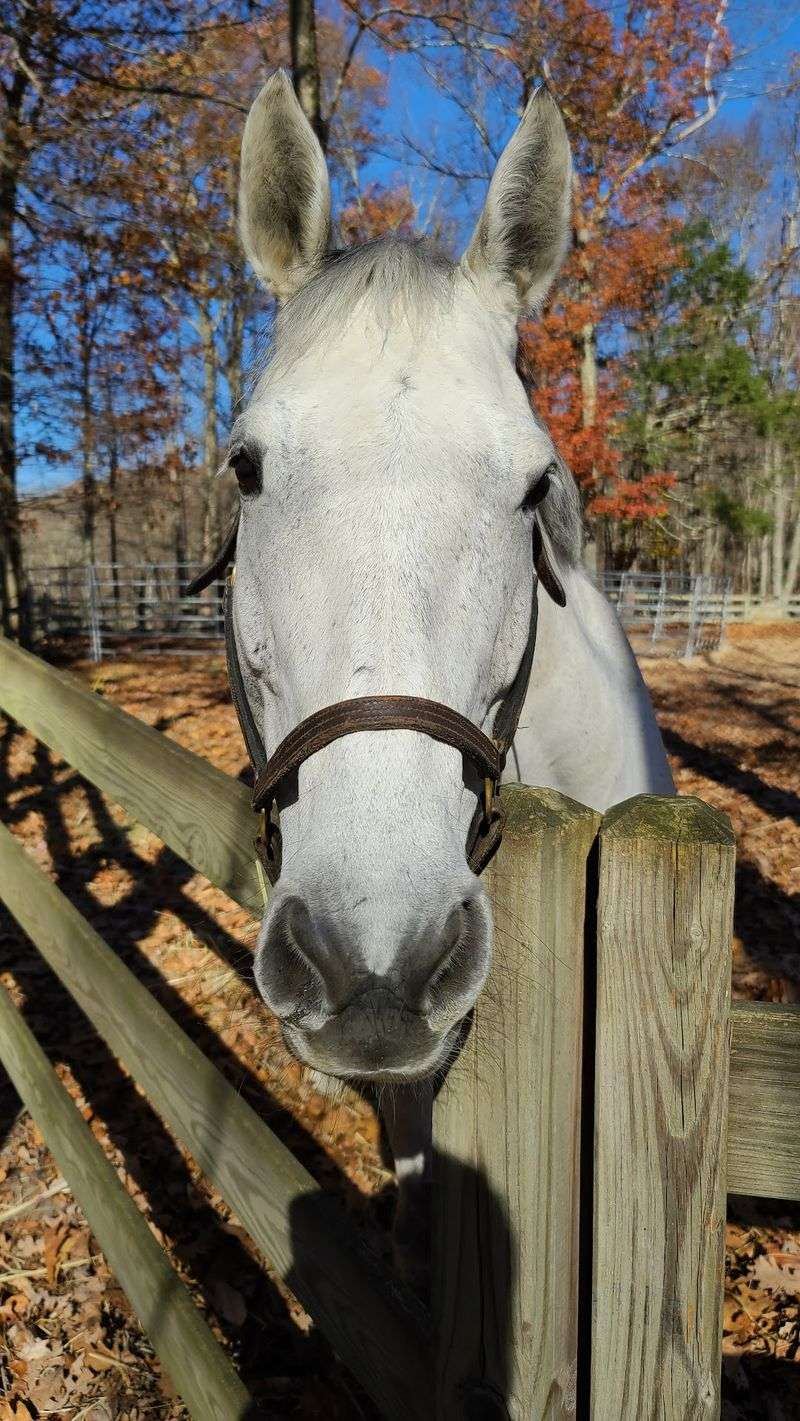
Seventy questions might feel like a pop quiz you didn’t study for. That’s the length of the adoption application at Rising Starr Horse Rescue.
The process doesn’t stop at paperwork. Adopters go through on-site visits and spend time being observed with the horse.
It may sound strict, but there’s a good reason. A bad match can send a horse right back into trouble.
The rescue provides a long-term safety net for adopted horses, which are microchipped and subject to its adoption agreement.
That means no adopted horse can quietly slip back into danger. The rescue follows its horses for life.
Horse ownership is a big responsibility, and the team makes that clear. Teaching responsible ownership is part of the rescue’s core mission.
Rising Starr is developing a 154-acre sanctuary in Staunton, Virginia, for horses that are difficult to place or cannot be adopted. It will care for horses that are hard to place or can’t be adopted.
So every horse has a path, even the ones who never find a family. That kind of planning ahead deserves a standing ovation, or maybe a carrot.
Costumes, Galas, And A Free Chance To Say Hello
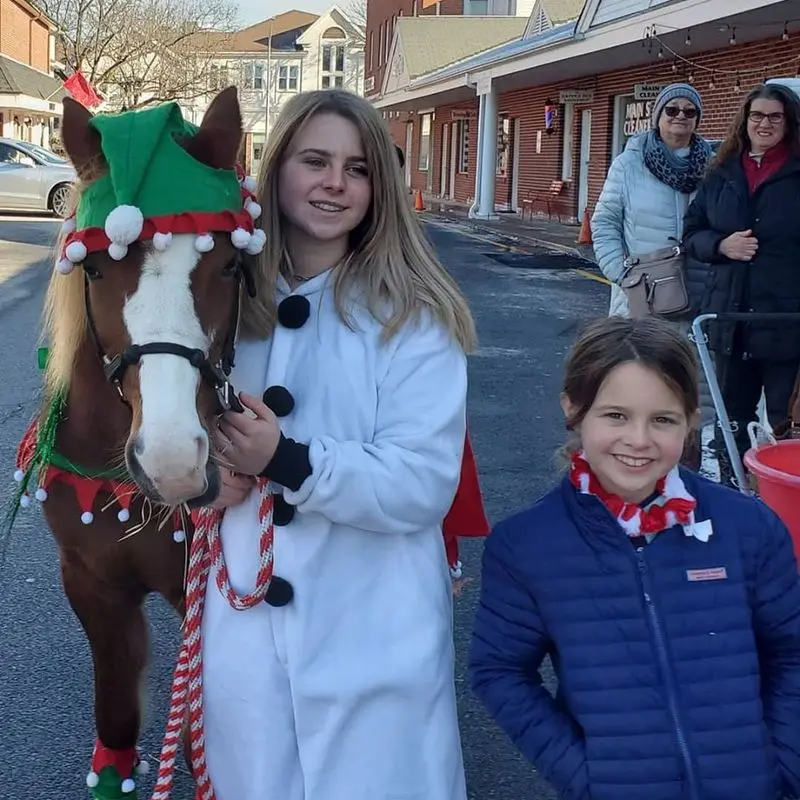
Trick-or-treating with horses beats a neighborhood candy run any day. Every October, the rescue hosts Trick-or-Treat with the Horses, open to the public for a donation.
It’s a festive, low-pressure way to meet the herd. Kids get costumes, candy, and a barn full of friendly faces.
The biggest fundraiser of the year is the Starry Night Gala. Horses are often brought out so guests can meet them.
Other family-friendly gatherings and fundraisers pop up throughout the year. They’re perfect for first-timers who want a gentle introduction.
Visitors can contact Rising Starr Horse Rescue to arrange a visit outside scheduled events.
Hours can change, so check before heading to Wilton. The farm is generally closed on Fridays.
A donation box is there if you want to give back. Every dollar helps with feed, vet care, and future rescues across Connecticut and beyond.
Honestly, it’s wild that more families haven’t discovered this place. Your next Saturday plan might just have four legs and a very soft nose.