Two British cannons from the 1700s sit on a rebuilt earthen wall right in a downtown neighborhood.
Nobody charges a ticket to see them.
Fort George Park is generally open from sunrise to sunset unless otherwise posted.
I love that detail.
A fort that changed hands in a famous 1781 siege now shares space with sidewalks and parking spots.
Nearby, the foundations of an officers’ kitchen sit exposed in a public plaza.
This Florida city keeps its old forts mostly underground, and archaeologists have spent decades peeking at them.
Some of what they found is now out in the open.
Wooden overlooks and signs help you read the ground like a history book.
I can’t imagine strolling past all that without stopping. Yet plenty of folks do exactly that every day.
So what else is waiting under your feet?
Your Free History Lesson Starts In A Shady Plaza
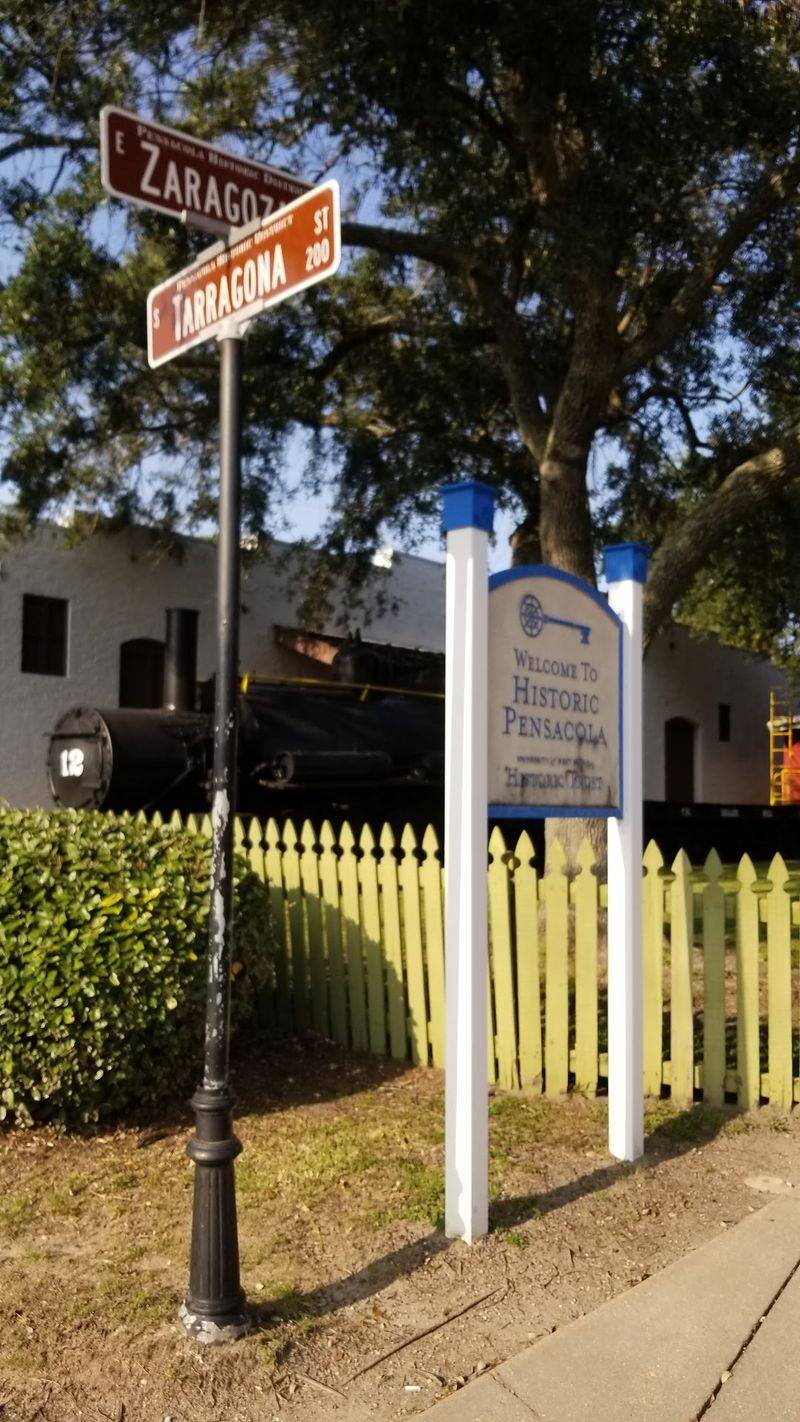
Most trails start at a trailhead. The Colonial Archaeological Trail starts beside a museum, facing one of the most important squares in Florida.
The route begins at the T.T. Wentworth, Jr., Florida State Museum, which looks out over Plaza Ferdinand VII.
From there, the trail links ruins and stops scattered across the Historic Pensacola Village area.
Think of it as a scavenger hunt where the prizes are centuries old. Each stop uses interpretive panels to explain what once stood there and who used it.
The trail covers Pensacola’s story from 1752 to 1821. During that stretch, Spanish and British forces built a series of forts right here.
Control flipped more than once over those years. Spain held the area first, Britain took over in 1763, and Spain returned in 1781.
That back-and-forth left layers of buildings stacked in the soil. Archaeologists from the 1960s through the 1990s dug up many artifacts from both centuries.
Grab a brochure at the Tivoli House before you set out. It makes connecting the dots much easier, and your sense of direction will thank you.
The Spot Where Florida Officially Became American
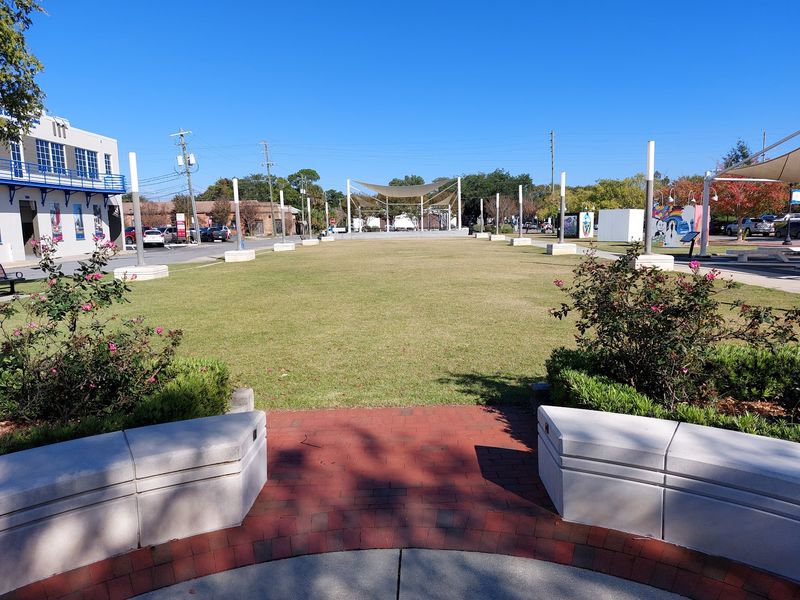
Plenty of parks have nice lawns. Few can claim a nation-changing handoff happened on their grass.
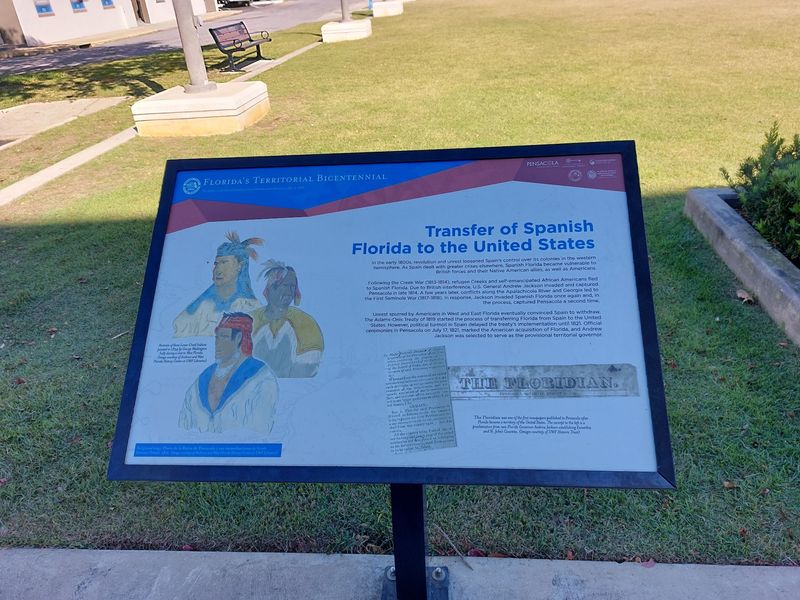
Plaza Ferdinand VII is a National Historic Landmark. In 1821, Spain formally transferred Florida to the United States on this very spot.
Long before that ceremony, the square had a tougher job. It served as the parade grounds for the Spanish Fort San Miguel.
So soldiers once marched where people now relax under trees. That contrast makes the plaza a perfect first stop on the trail.
Digging here has turned up colonial artifacts and portions of an original fort. Researchers still had surprises coming, though.
In 2002, archaeologists found evidence of British structures nobody knew existed. Some excavated portions are now on public display as part of the trail.
That means you can see real foundations instead of just reading about them. It feels a bit like the ground pulled back a curtain.
Take a slow lap around the plaza before moving on. Look for the panels that explain each feature, since they turn a pleasant park into a time machine you can stand in.
Somebody Cooked Dinner For Officers Right Here
Kitchens tell the truth about history. Fancy speeches get written down, but meals happen every single day.
On Plaza Ferdinand VII, the foundations of an Officers’ Room and Kitchen sit exposed for anyone to study. The British built this structure in 1775.
Its working life did not end with the British. U.S. troops later used it during Andrew Jackson’s occupations of Pensacola.
I like how a simple outline of a building can carry that much history. You can trace the walls and picture where daily chores took place.
Kitchen sites matter to archaeologists for good reason. They often hold clues about what people ate, used, and threw away.
The trail highlights features like kitchen sites, trash pits, and wells across its stops. Yes, old garbage is a big deal here.
Trash pits can reveal broken dishes, tools, and food remains. To researchers, someone’s leftovers from the 1700s are pure treasure.
Spend a minute at the panel before you snap photos. Knowing what each wall section was makes the foundations far more interesting than a pile of old bricks.
Climb A Rebuilt Rampart And Meet Two British Cannons
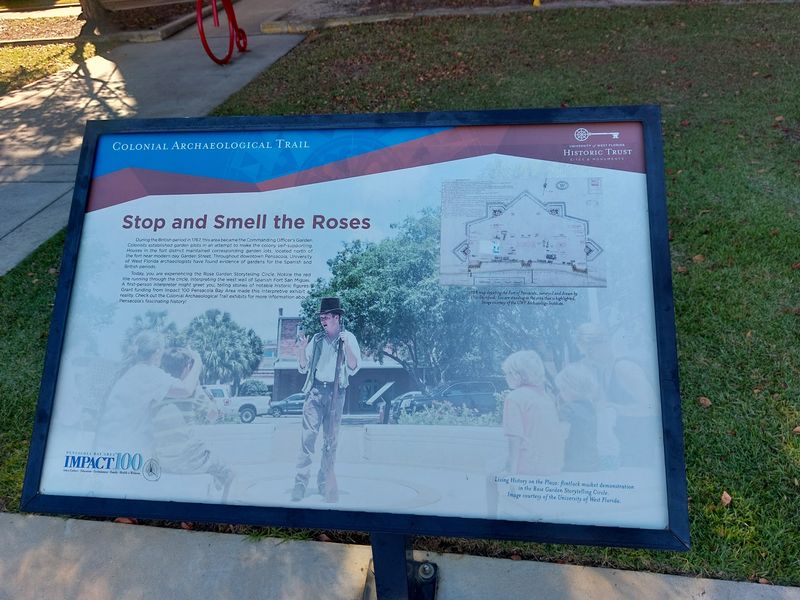
History buffs, this is the big one. Fort George Park sits at the corner of Palafox and La Rua, and it packs serious drama.
The site holds partially reconstructed remains of British Fort George. Archaeologists excavated it in 1974 and 1975.
In 1781, Spanish forces led by Bernardo de Galvez captured the fort. That victory took Florida back from the British.
After the Spanish regained control, they renamed it Fuerte San Miguel. Same dirt, new flag, new name.
Today you can see a reconstructed section of the ramparts. Two 18th-century British cannons sit on display there.
Displays and interpretive panels explain the siege and the fort’s layout. They help you understand why this hill mattered so much.
Best of all, the Fort George remains are free and open 24 hours a day. Night owls and early risers both get a turn.
Bring the kids who think history is boring. Cannons tend to change that opinion fast, and the panels give curious young minds plenty of questions to ask on the walk back.
A Boardwalk Lets You Hover Over The Commander’s Old Turf
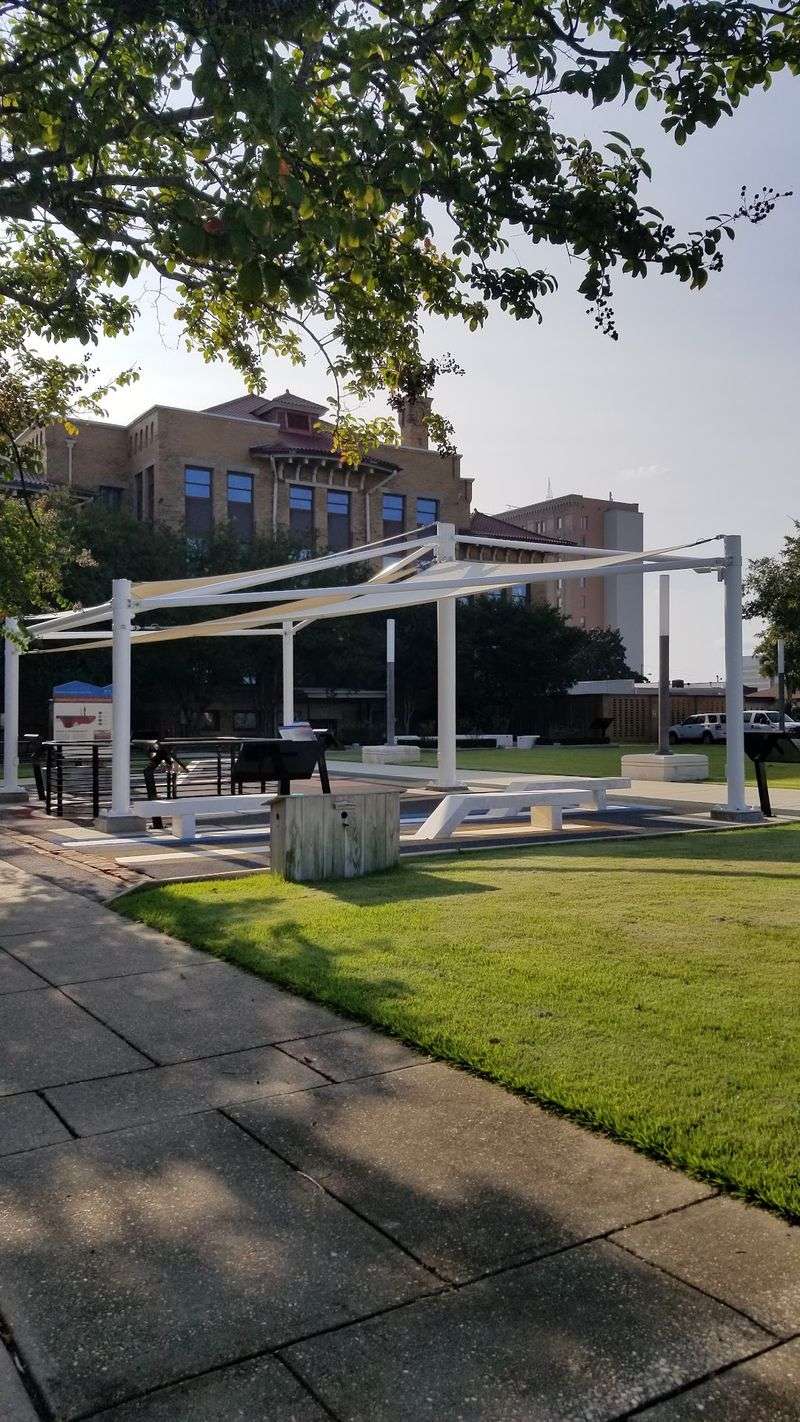
Walking on top of an excavation feels a little rebellious. Here, it’s completely allowed.
The Commanding Officer’s Compound sits inside the UWF Historic Pensacola Village, behind the Pensacola Museum of History. A boardwalk carries you over the dig site.
The British built or rebuilt these structures after 1767. Later, the Spanish used them too.
That shared history fits the theme of the whole trail. Empires came and went, but good buildings stayed useful.
Archaeologists worked this site in 2005 and 2006. Their fieldwork added fresh pieces to Pensacola’s colonial puzzle.
The boardwalk gives you a clear view without disturbing anything below. Your shoes stay clean, and the history stays safe.
Stops like this one show how the trail grew over time. It wasn’t built in one go.
The project came together through the UWF Archaeology Institute, the UWF Historic Trust, the City of Pensacola, and the Florida Public Archaeology Network. Funding arrived in phases, with state support in 1988-1989 and 1993-1994.
That’s a lot of teamwork for one walk.
Tiny Foundations Hint At A Busy Colonial Fort
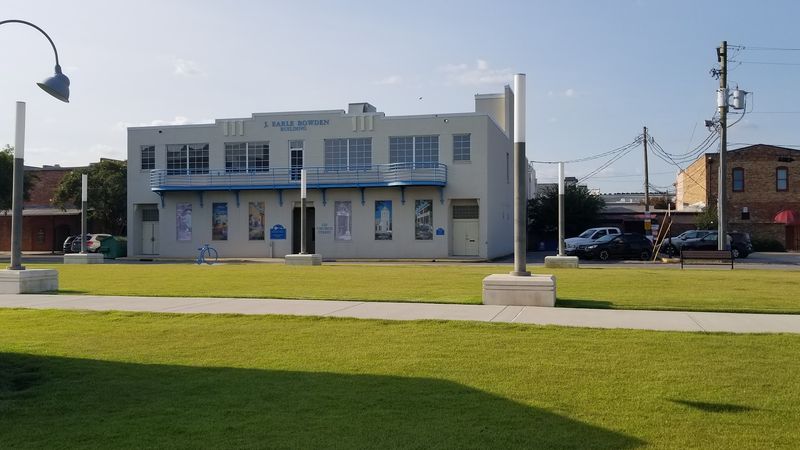
A fort was basically a small town with walls. The Colonial Archaeological Trail shows off several of its working parts.
Just inside the western gate of the British fort, you’ll find foundations of the officer of the day’s building. That officer handled the daily running of the post.
The trail also marks foundations of the British colonial administration building. Paperwork existed in the 1700s too, sadly.
Then there’s the colonial ordnance building, where military supplies would have been managed. Each one adds a new role to the story.
Step just outside the western gate, and the scene changes. A trader’s home and warehouse once stood there.
I believe that detail is one of the trail’s best. It reminds you that forts drew merchants, families, and everyday business.
Ruins of the British Government House are part of the route as well. Together, these spots sketch a full community.
Read the panels in order if you can. The fort’s layout clicks into place, and suddenly those low brick outlines feel like rooms people actually used.
Newer Stops Add Churches, Houses, And Talking Posts
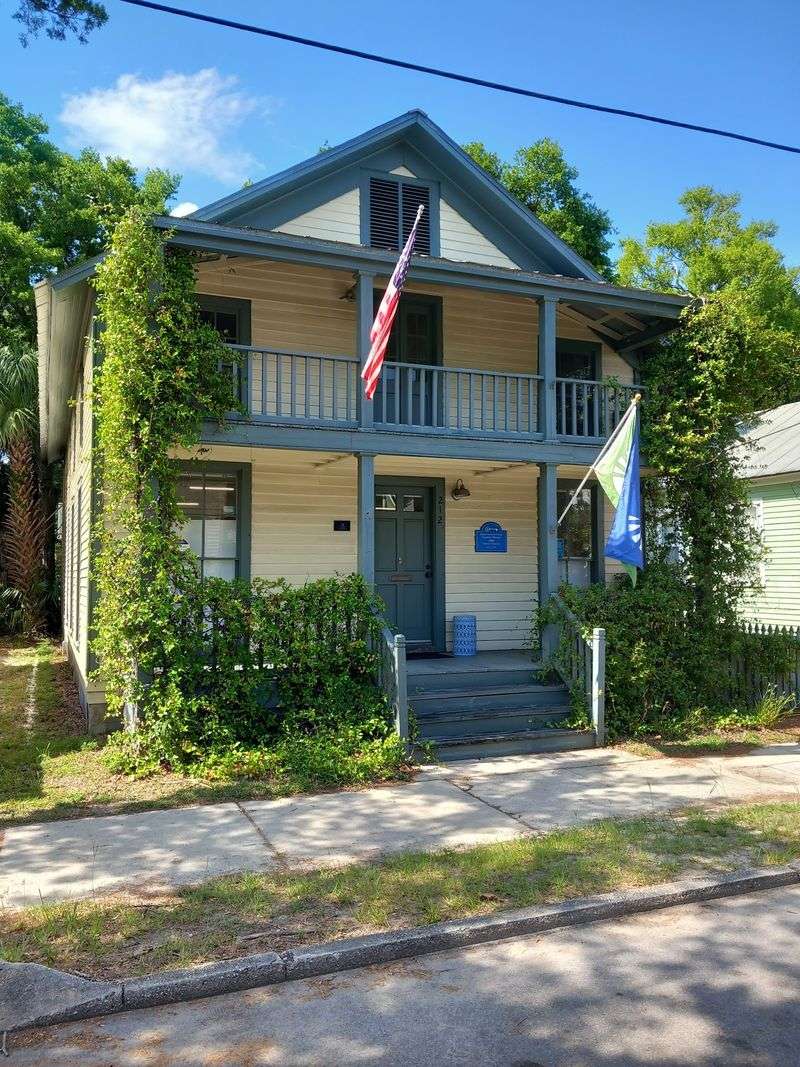
Good news for repeat visitors. The trail recently got an upgrade with new panels, protective fencing, and fresh exhibit elements.
Three new stops joined the lineup. They are the Tivoli High House, Old Christ Church, and the Barkley House.
The Tivoli High House site once held the first Spanish governor’s house. Not bad for a single patch of downtown ground.
Old Christ Church brings serious bragging rights. Built in 1832, it’s one of Florida’s oldest masonry churches still standing on its original foundation.
The Barkley House rounds out the new additions. It gives the route even more to explore beyond the fort ruins.
Now for the fun gadget part. New interpretive sound posts let you listen to history at certain stops.
You’ll find sound posts at St. Michael’s Cemetery, the Barkley House, and Historic Pensacola. They’re great when your eyes need a break from reading.
If you walked the trail years ago, it’s worth another round. The expansion makes it feel richer, and the audio adds a storytelling touch that signs alone can’t match.
Pay Your Respects At One Of The State’s Oldest Cemeteries
Quiet stops can leave the strongest impression. St. Michael’s Cemetery is that kind of place.
It ranks among Florida’s oldest cemeteries. The King of Spain officially designated it for use in 1807.
Think about that date for a second. Florida was still Spanish territory, and the transfer to the United States was years away.
That makes the cemetery a direct link to the final chapter of Spanish rule. It bridges the colonial era and the American one.
The site now has one of the trail’s new interpretive sound posts. You can listen to its story while you take in the setting.
Please treat the grounds with care. Stay on paths, keep voices low, and leave everything as you found it.
I like how this stop slows the whole walk down. After cannons and fort walls, it offers a calmer kind of history.
Plan a few extra minutes here instead of rushing through. The old markers and the audio together give you a fuller sense of the people who shaped early Pensacola.
Smart Moves For Exploring On Your Own Schedule
Planning this walk is refreshingly simple. No reservations, no tour times, and no fancy gear required.
The Colonial Archaeological Trail uses 212 Church St, Pensacola, FL 32502 as its central address. The route itself spreads across the Historic Pensacola Village area.
One heads-up for map users. The trail actually begins behind the T.T.
Wentworth, Jr., Florida State Museum, so aim for Plaza Ferdinand VII.
The exhibits are designed to be handicap accessible. Wooden overlooks at many stops make viewing easy for everyone.
Comfortable shoes are a smart call. You’ll cover several downtown blocks, especially if you add Fort George Park.
Pick up a brochure at the Tivoli House to stay on track. It beats wandering in circles while pretending you meant to.
Florida sun can get intense, so carry water and a hat. Early mornings and late afternoons usually feel more pleasant.
Above all, slow down and read. The ruins are low and easy to miss, but each panel turns ordinary pavement into a story about empires, soldiers, traders, and the city that grew on top of them.