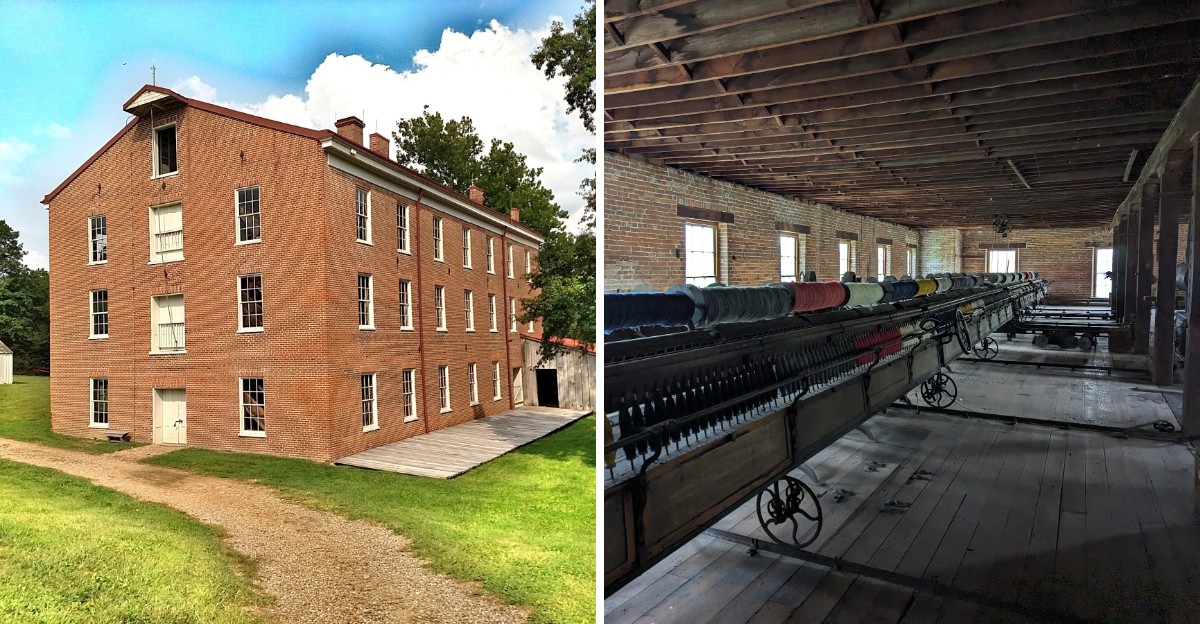
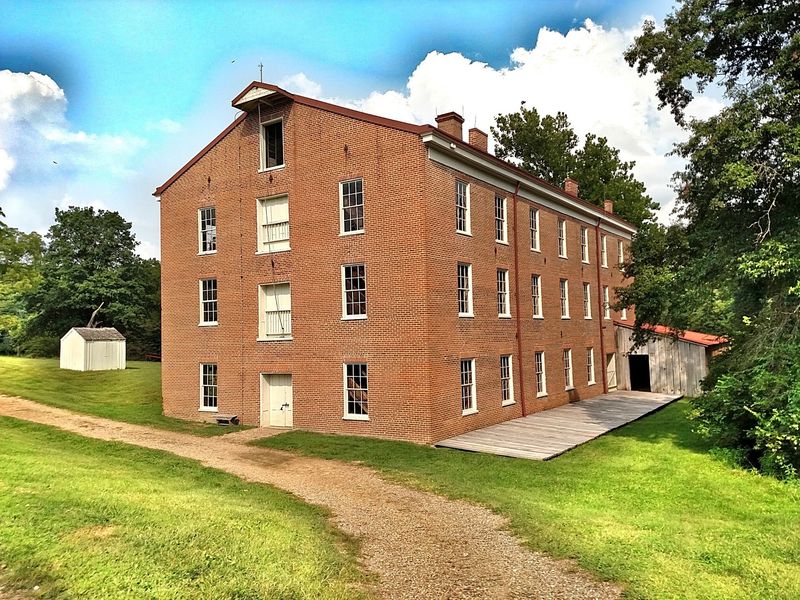
A Missouri family once raised 11 children who helped run a working woolen mill. That mill still stands today, and you can walk right through it with a guide.
The tours run about 45 minutes, and they start on the hour. There’s also a separate tour of the family’s house next door.
A museum even holds a miniature replica of the whole mill.
I love that this slice of history comes with a 100-acre lake attached. You can learn about wool in the morning and fish off the shore by lunch.
That feels like a pretty good trade for one tank of gas.
I can’t think of many places that mix old machinery, family stories, and a beach day this easily. So how did one family build all of this out in the country?
A Woolen Mill And A Lake Share One Missouri Address
Watkins Woolen Mill State Park And Historic Site sits near Lawson, Missouri, north of Kansas City. It pairs a historic textile mill with a large state park around it.
The setup is simple but clever. One side holds history, while the other side holds a lake, trails, and campsites.
The park description mentions a textile mill, a living-history farm, and a biking path. There’s also a 100-acre lake and a campground.
That’s a lot of ground for one stop.
Families can plan the whole day without moving the car much. Grandparents can take the mill tour while kids burn energy on bikes.
Everybody meets back at a picnic table later.
The park earns a 4.7-star rating across more than 1,600 Google reviews. That’s a strong showing for a place built around wool and water.
Day visitors can enter for free, which makes this a friendly pick for budget trips. Plenty of Missouri families already know the lake.
Fewer realize the old mill buildings are still waiting nearby with guides ready.
The combination makes it easy to sell to almost anyone in the car. History buffs win, anglers win, and the kids get a beach.
Eleven Kids Kept This Family Business Humming
Running a mill took serious muscle, and the Watkins family had plenty of helpers. The family raised 11 children who were deeply involved in the work.
Their story sits at the heart of the historic site. The museum and guided tours explain how a family built an industry from scratch out here.
It’s easy to forget how much labor went into a single bolt of cloth. Wool had to be cleaned, spun, and woven before anyone could wear it.
Every step needed hands, and a big family helped fill that need.
The site preserves that history so later generations can understand it. The buildings have been renovated and protected for exactly that purpose.
Older visitors may hear echoes of their own family farms in these stories. Chores were shared, and kids pitched in early.
That part of rural Missouri life still feels familiar to many grandparents today.
Younger visitors get something different from the visit. They see that clothes once started as fleece on a nearby farm.
That’s a lesson no screen quite matches.
The tour turns a family name into real people. You leave knowing the Watkins clan a little better.
Guided Mill Tours Put You Right Among The Old Machines
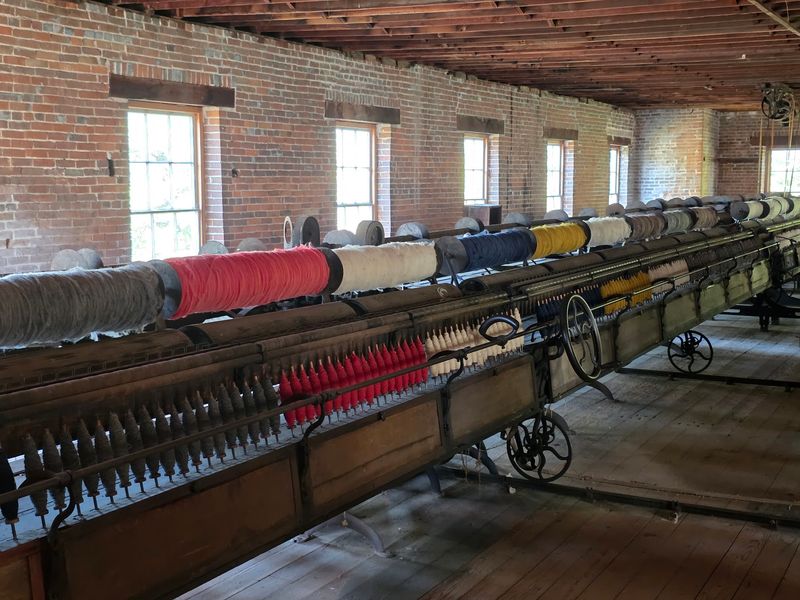
Here’s the main event, and it’s worth timing your day around it. Guided tours take visitors inside the original mill building.
Tours start on the hour and last around 45 minutes. A guided tour is the way to go, since it lets you step inside and look around properly.
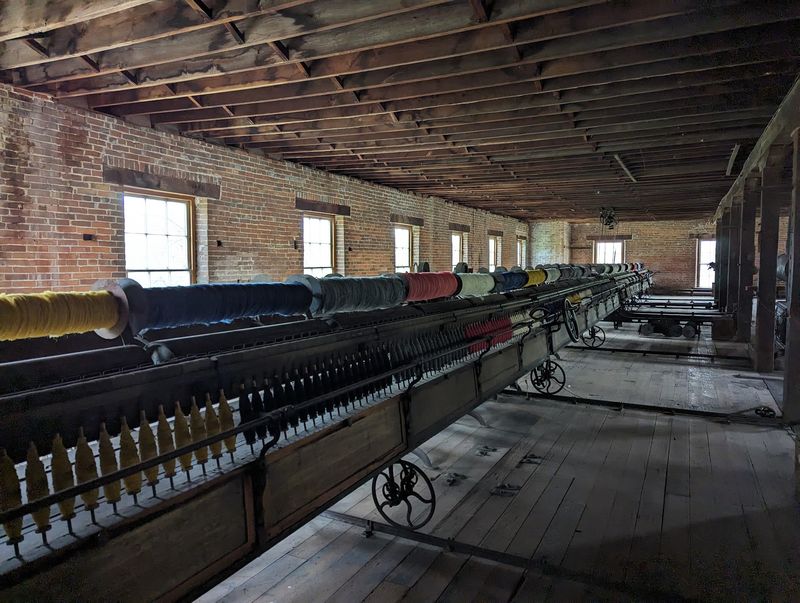
Visitors who take the tour get to see the machinery up close. The textile process comes alive as guides walk through each stage of making wool cloth.
Scout troops have even used it as a lesson in textile production.
Good guides make or break a tour like this. Recent visitors describe the guides here as engaged, knowledgeable, and happy to answer questions.
One praised a guide whose history background clearly showed.
That kind of passion keeps a 45-minute tour moving. Nobody wants a guide reading facts off a card.
Plan for some walking and some stairs inside the buildings. Folks with limited mobility should keep that in mind before heading in.
Arriving early in the afternoon is smart. At least one visitor missed the last tour and had to settle for exploring the grounds instead.
The Family Home Gets Its Own Tour Too
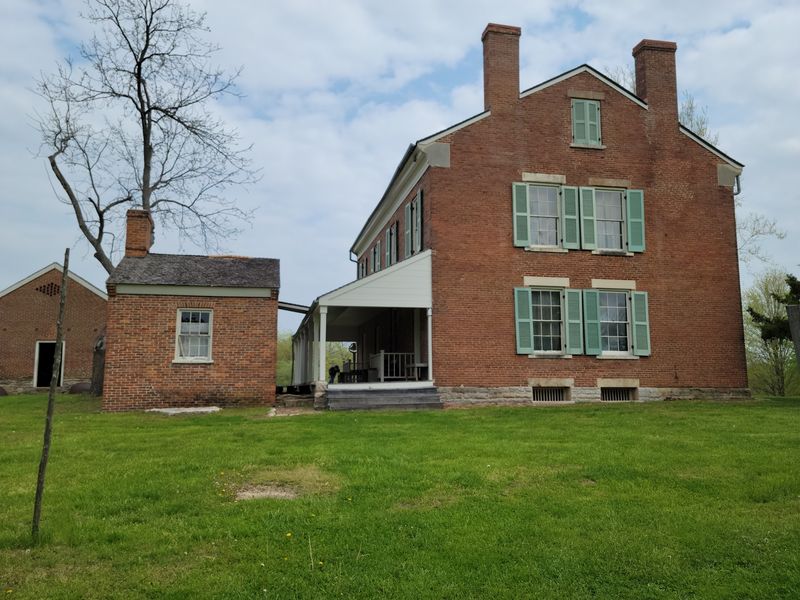
Once the mill tour wraps up, the story moves next door. The Watkins family house offers a second guided tour.
This one also runs around 45 minutes. Pair it with the mill and you’ve got a solid morning or afternoon of history.
Seeing the home adds a personal layer to the visit. The mill shows the work, while the house shows the people behind it.
Visitors enjoy peeking into how a large family actually lived.
Some tours have even run in bitter cold. One December guide led visitors through the mill and house in 20-degree weather.
That’s dedication, and it’s also a reminder to dress for the season.
The estate also includes a family cemetery. It’s a quiet spot that rounds out the family’s story on the property.
For grandparents, the house can spark plenty of memories. Old furnishings and family rooms often lead to stories about Grandma’s kitchen.
Those moments are part of the fun.
Kids may find the house just as interesting as the machines. Comparing their bedrooms to one shared by many siblings tends to start a good conversation on the drive home.
A Tiny Mill Model Steals The Museum Show
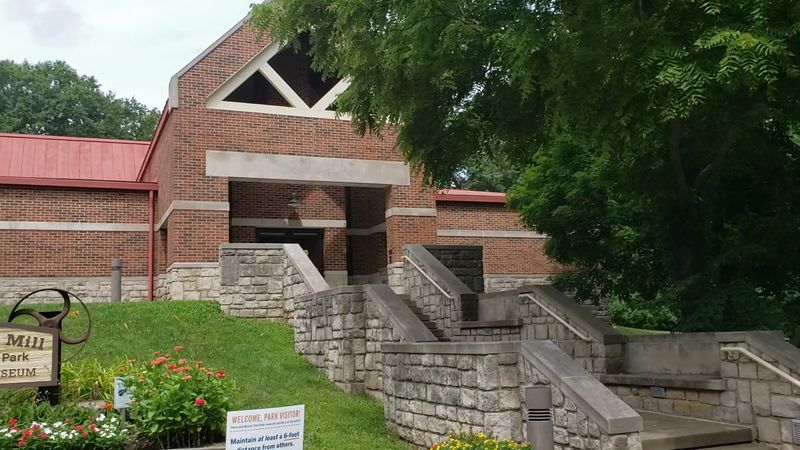
Small things sometimes make the biggest impression. Inside the museum, a miniature replica of the mill draws plenty of attention.
The model gives a bird’s-eye view of the whole operation. It’s a great way to understand the layout before or after the real tour.
The museum itself holds plenty of detail. Visitors describe it as informative and well kept, with many photos included.
It explains how the textile industry started and grew.
Staff at the visitor center also get warm marks for being helpful. That’s handy when you’re figuring out tour times or where to head next.
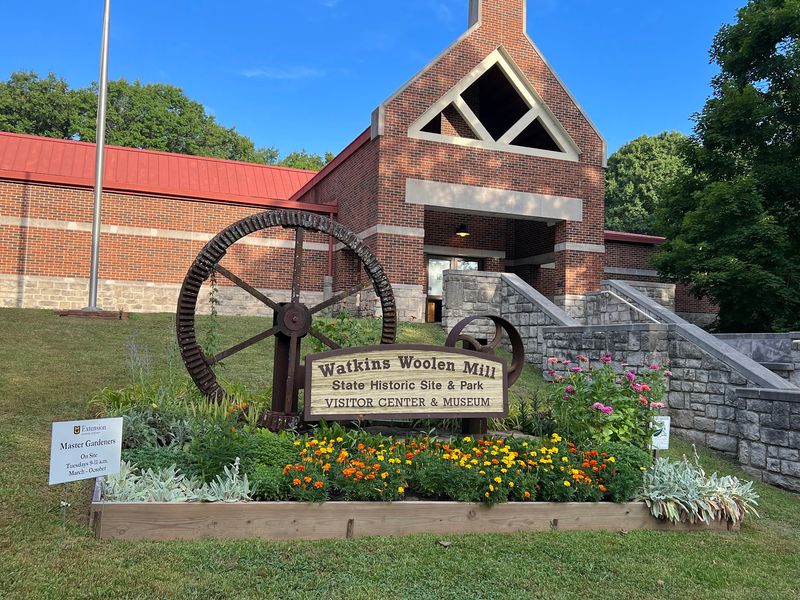
The museum makes a nice first stop for families. Kids can get their bearings and spot the buildings they’ll see later.
Adults get the background that makes the tour richer.
It’s also a good option for anyone skipping the stairs. The exhibits still tell a big chunk of the story at an easy pace.
Give yourself time to read rather than rushing through. The details are what make the Watkins story stick.
A quick lap might miss the best parts.
Costumed Guides Bring Summer Days To Life
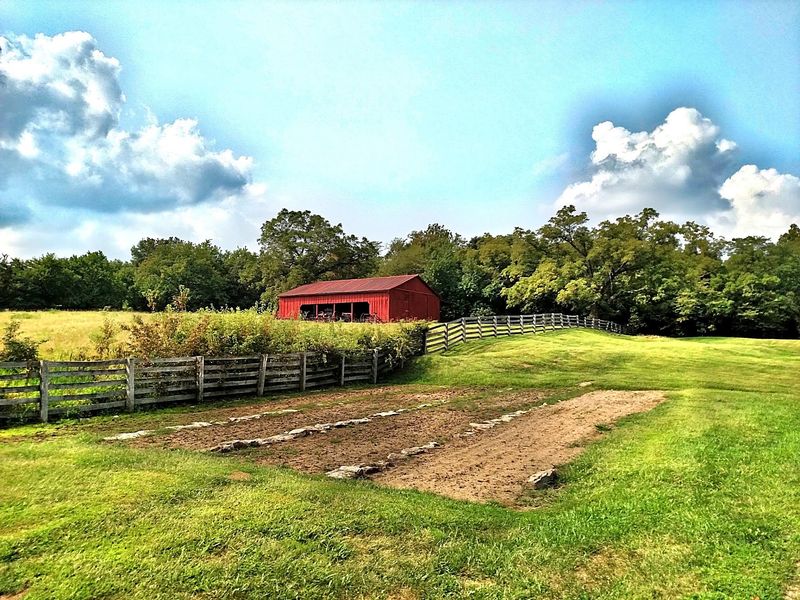
Summer adds an extra layer of fun to the history side. The park offers a living history program during the warmer months.
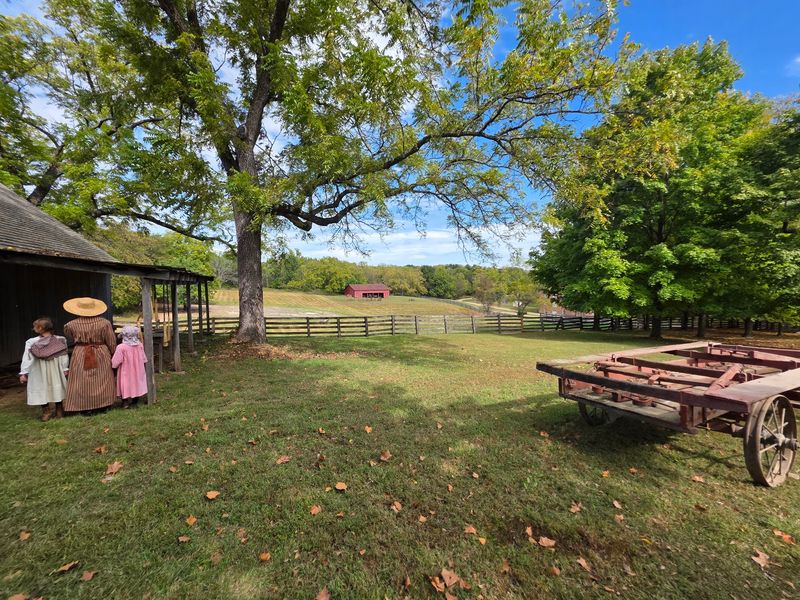
Some tours during that season are led by guides in costume. It’s a fun touch that helps kids picture life back then.
The living-history farm is part of what makes the site special. It shows that the mill didn’t stand alone.
Farming and wool work went hand in hand in rural Missouri.
Seeing people dressed in period clothes makes the past feel close. A costume can say more about daily life than a long sign ever could.
Schedules for living history programs can change by season. Calling ahead before the drive is a smart move, especially with little ones expecting a show.
Grandparents might enjoy this part the most. It’s a chance to share what they remember hearing from their own grandparents.
Those stories pair nicely with what the guides explain.
Summer visits also let you split the day between history and the lake. Tour first while it’s cooler, then head for the water.
Everyone ends the day happy and a little sunburned.
Williams Creek Lake Begs For A Fishing Pole
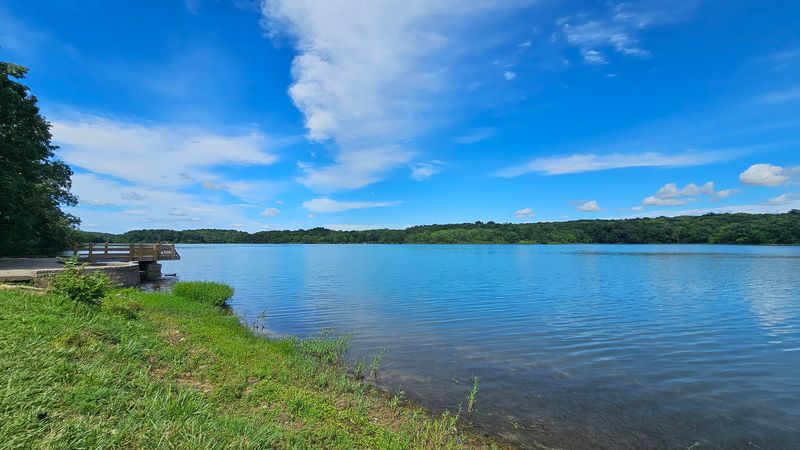
Fishing ranks among the most mentioned activities here, and that’s no surprise. Williams Creek Lake covers about 100 acres.
Anglers can launch a small boat or simply cast from shore. One visitor noted the fish bite right off the bank, too.
There’s a boat launch for those hauling a craft. Kayaks and canoes fit right in on the water.
Scout groups have enjoyed kayaking here as part of weekend trips.
The lake was man-made, but it doesn’t feel that way. Its shoreline views get frequent praise, and wildlife shows up often.
Bird watching works well here too. Bring binoculars along with the tackle box, and you might keep both busy.
For families, the lake keeps things flexible. One person fishes while another paddles, and the kids explore nearby.
Nobody has to agree on just one plan.
Remember to check Missouri fishing license rules before casting. It’s an easy step that saves headaches later.
Early mornings tend to be peaceful on any lake. Pack a thermos, find a spot on shore, and let the water do its thing for a while.
Nearly Four Miles Of Paved Trail Loop The Water
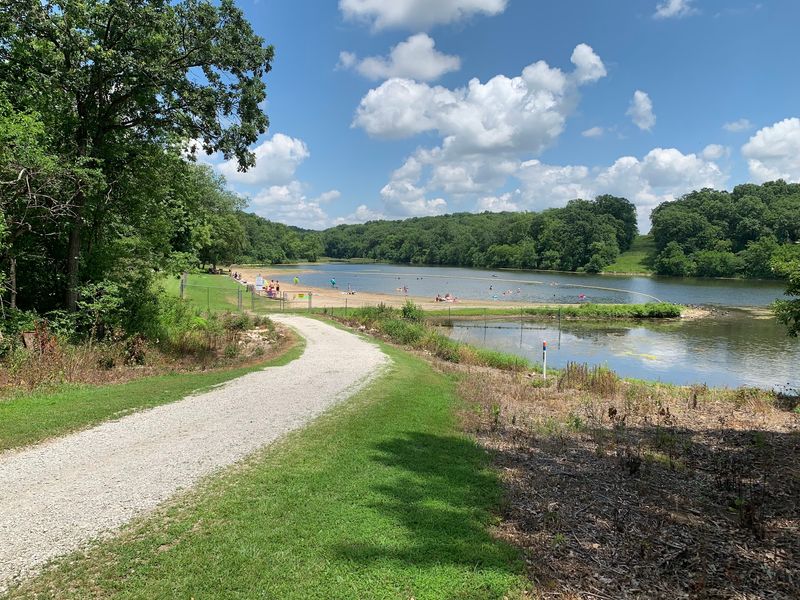
Bikes, strollers, and walking shoes all get a workout on this loop. A paved trail circles the lake for about 3.75 miles.
That length makes a nice half-day adventure for families. Joggers, strollers, and cyclists all share the path.
Kids on bikes do well here, though a few spots need care. One bridge at the bottom of a hill has a gap where training wheels can catch.
Warning signs mark the bumpy sections.
The views stay pleasant the whole way around. Lake scenery and woods keep the miles moving quickly.
Dogs are welcome on park trails, which pleases plenty of pet owners. Keep in mind dogs aren’t allowed around the mill grounds, so plan accordingly.
Fall might be the prettiest time for this loop. Cooler air and changing leaves make for an easy weekend drive from Kansas City.
Spring offers its own rewards with green trees and wildlife. Either season works well for older walkers who prefer a smooth surface.
Finish the loop, then head to the beach to cool off. That’s a classic Missouri summer afternoon right there.
Sand Castles And A Free Summer Beach
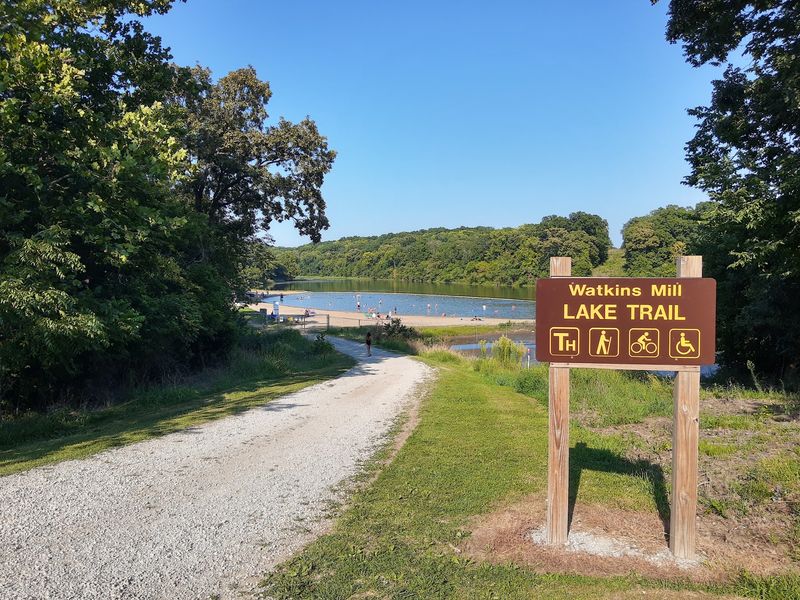
Kids building sand villages on a free beach? That sounds like summer done right.
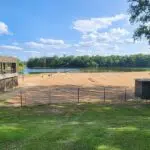
The public beach opens during the summer months at no charge. It’s a budget-friendly way to end a hot afternoon.
The water gets deeper gradually rather than dropping off suddenly. It reaches about 6 feet near the yellow barrier.
There’s no lifeguard on duty, so adults need to keep watch. Life-saving equipment is available nearby for emergencies.
Shade is limited right on the sand. A few shady spots sit in the grass up a ledge, so bring an umbrella or canopy.
Changing rooms are available near the beach. Facilities are older, as many state park buildings are, but they do the job.
The beach pairs nicely with a ride around the lake. Bike first, then swim to cool down.
It’s an easy formula for tired, happy kids.
Pack snacks, towels, and plenty of sunscreen. Bring water too, since summer days in Missouri can get steamy fast.
For grandparents, it’s a chance to relax lakeside while the little ones splash. Nobody needs a fancy resort for that kind of fun.
Campsites With Shade And Space To Spread Out
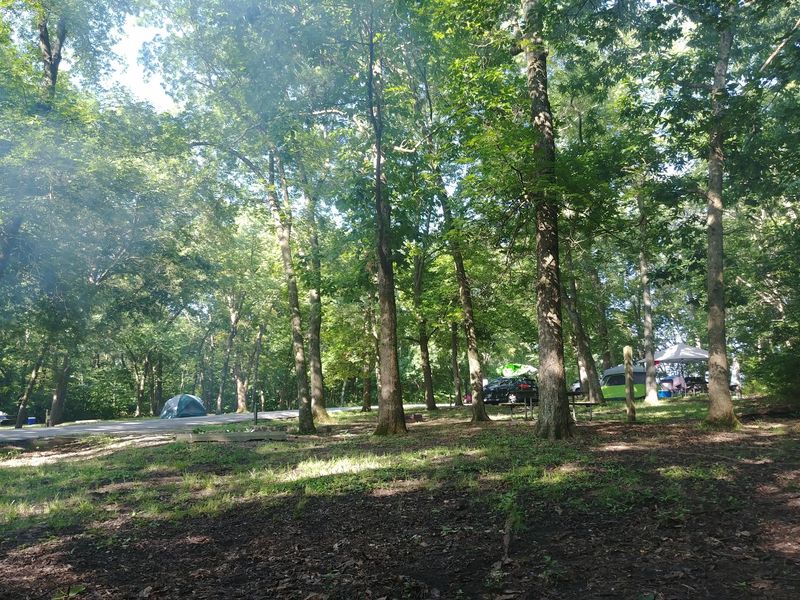
Ninety-plus campsites give overnight guests plenty of choices. The campground ranks as the single most talked-about topic for this park.
Sites offer electricity, though water requires a trip to a fill station. RV campers may want to arrive with a full fresh-water tank.
Many sites sit under shade, with decent space between neighbors. A shower house serves campers as well.
There’s even a separate area for scout groups. Picnic tables, shade, and fire pits with cooking grates make it a solid base for troops.
Camp hosts earn warm words for being helpful and accommodating. The campground is described as clean and quiet.
The gate locks at 9 at night. Campers with a reservation receive a code to get back in.
Tent campers will feel right at home here. The setting suits classic camping, with campfires and lake views.
The location helps too. The nearby town offers groceries and supplies for that forgotten item.
Families from Kansas City can get here quickly. That means more campfire time and less highway time, which everyone appreciates.
Getting There And Planning Your Visit
Good news for road-trippers: the route is easy. Visitors describe the drive from Kansas City as scenic with clear signage.
You’ll find the park at 26600 Park Road North, Lawson, MO 64062. It sits not far from Excelsior Springs as well.
Day visits to the park are free. That’s a big plus for families watching the budget.
Tours of the mill and house start on the hour. Each runs around 45 minutes, so allow time for both.
Hours can vary by season, especially for tours and living history programs. Call ahead before making the drive to avoid surprises.
Parking is reportedly easy to find. That makes life simpler for anyone traveling with grandparents or little ones.
Remember that dogs aren’t allowed in the historic buildings or around the mill grounds. They’re welcome on park trails, though.
Wear comfortable shoes for the stairs and walking during tours. Bring layers for cooler months, since some tours happen in the cold.
Pack a picnic to stretch your dollars further. The park has plenty of spots to eat lunch with a view.
Why This Old Mill Earns A Spot On Your Missouri List
Few day trips pack this much into one free-entry park. History, nature, and family fun all share the same stretch of Missouri countryside.
Watkins Woolen Mill State Park And Historic Site preserves a family story worth hearing. The guided tours make that story easy to understand.
The lake then turns history day into a relaxed outing. Fishing, paddling, biking, and swimming keep every age busy.
Campers can stretch the trip into a weekend. Shady sites and helpful hosts make that an easy sell.
For older Missouri families, it’s a fitting place to share memories. Talk about farm chores, family businesses, and how things used to be.
Kids may surprise you with their questions. Seeing real machines tends to spark curiosity that lasts longer than any lecture.
The park’s strong ratings back up the appeal. Plenty of folks clearly leave happy and planning a return.
So tag a family member who loves history or a good fishing hole. Pick a free weekend, check the tour schedule, and point the car toward Lawson.
This one feels worth the drive.