More than 10,000 artifacts pulled from 41 shipwrecks sit inside one lakeside museum. That alone made me stop scrolling.
These objects came from ships that went down in Lake Michigan, some nearly two centuries ago.
The cold, fresh water here acts like a giant time capsule. Some wrecks offshore still hold their cargo.
A few even have their masts standing tall underwater.
I like how this Wisconsin spot connects those silent wrecks to real stories on dry land. You get the history without needing a wetsuit or a strong stomach for cold water.
There’s also a real submarine parked right outside, which feels like a bonus prize.
I can’t imagine a better rainy-day plan near the lakeshore. So what exactly is waiting down there, and how much of it can you see up close?
Thousands Of Shipwreck Treasures Wait Just Inside The Doors
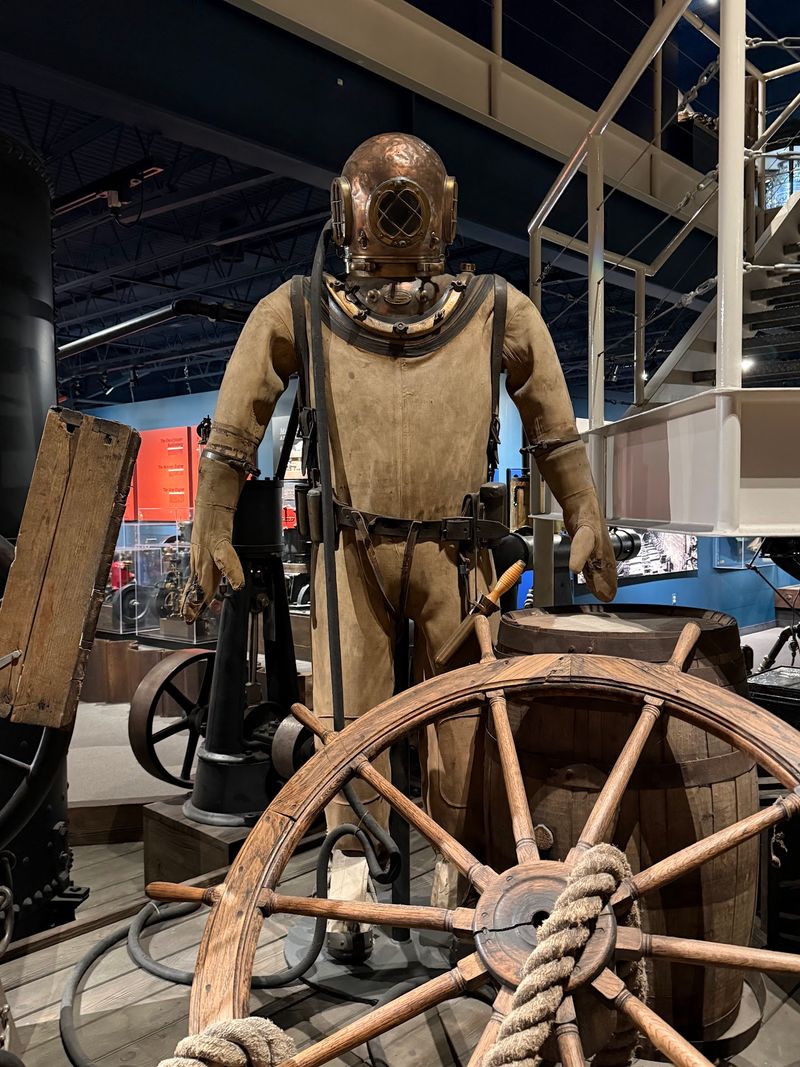
Ten thousand objects is a lot of history to fit under one roof. The Wisconsin Maritime Museum in Manitowoc holds more than that from 41 different shipwrecks.
The museum serves as the preferred home for recovered Wisconsin shipwreck artifacts. That means items pulled from the lake often end up here for safekeeping and study.
A big part of the stash is the Klopp Collection. It’s an extensive group of artifacts that helps tell the story of life aboard Great Lakes vessels.
Why does that matter for you? Federal law strictly bans taking artifacts from historic shipwrecks, so a museum is your best legal chance to see them.
Each object once belonged to a working ship, a sailor, or a cargo hold. Looking at them turns old shipping records into something you can actually picture.
Give yourself time to read the labels instead of rushing past. The small details often explain where a ship was headed and what it carried.
Kids may spot things adults miss, so let them lead for a bit. Ask them to guess what an item was used for before reading the answer.
It’s a fun game that sneaks in a history lesson.
The Lake Off Shore Is Basically An Underwater Park
October 9, 2021, changed the lake outside the museum forever. That day, the Wisconsin Shipwreck Coast National Marine Sanctuary became the 15th national marine sanctuary in the country.
The sanctuary covers about 962 square miles of Lake Michigan. It runs along roughly 82 miles of coastline off Ozaukee, Sheboygan, Manitowoc, and Kewaunee counties.
NOAA and the State of Wisconsin manage it together. Their goal is to protect historic wrecks and share their stories with the public.
Right now, the sanctuary protects 36 known historically significant shipwrecks. They date from the 1830s all the way to the 1930s.
Here’s the wild part. Researchers believe 59 to more than 100 additional wrecks may still be hiding in those waters.
As of March 2024, 27 of the known wrecks were listed on the National Register of Historic Places. That’s a lot of official honors for ships nobody can see from the beach.
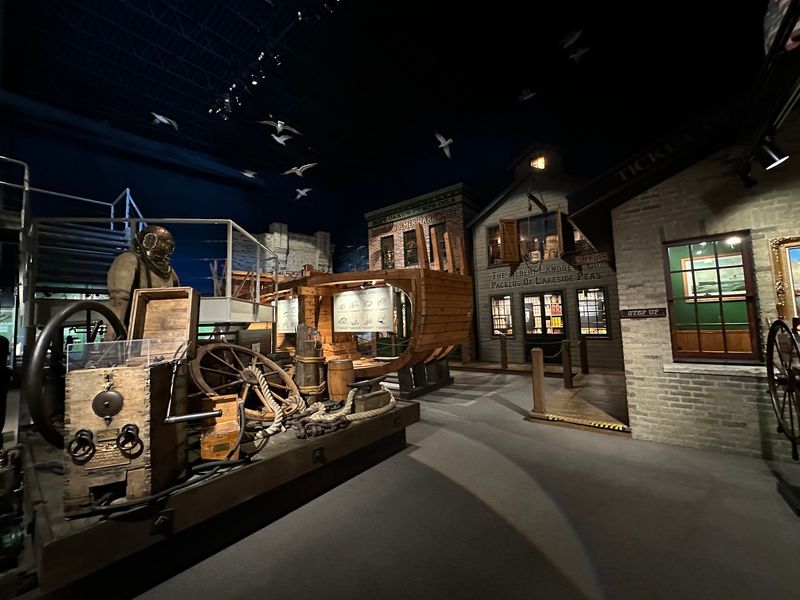
The museum’s exhibits help connect you to this sanctuary. They also spotlight the underwater explorers and archaeologists who document these sites.
Think of the building as the front door to a park you’d otherwise need scuba gear to visit.
Cold Water Kept These Old Ships Shockingly Intact
Salt water is rough on old wood. Fresh, cold Lake Michigan water is much kinder, and that’s great news for history fans.
Many wrecks in the sanctuary remain remarkably preserved. Fifteen of them are almost completely intact.
Three still have standing masts. Picture a ship that sank generations ago, still pointing its masts toward the surface like it never got the memo.
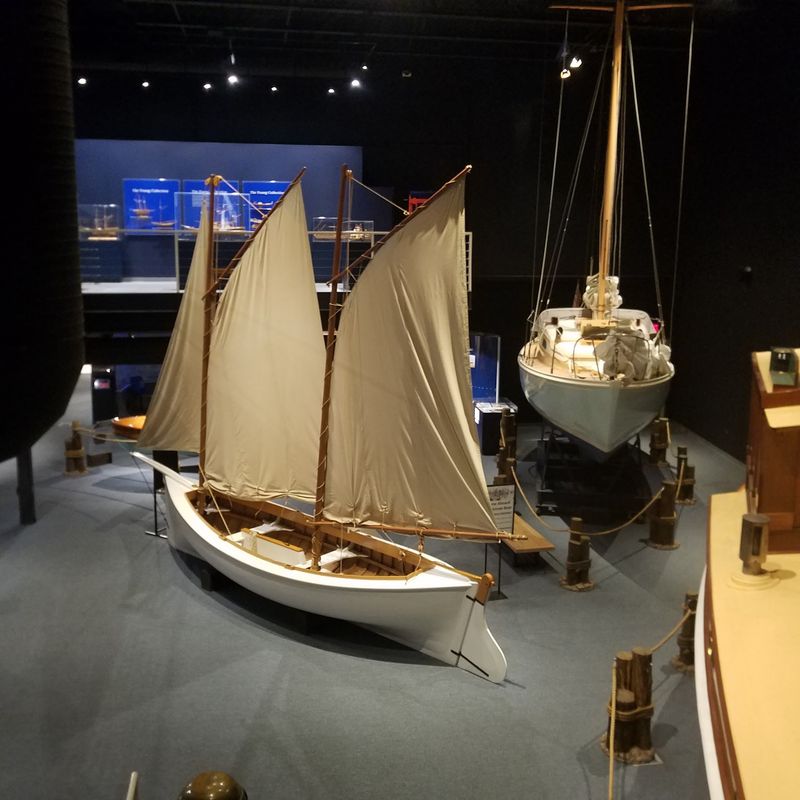
Shipwrecks here span about a hundred years of Great Lakes travel. They include sailing schooners, steamers, and freighters that once linked Wisconsin to other lake ports.
That variety makes the area a kind of open-air classroom. Each wreck shows a different stage in how people moved goods across the lakes.
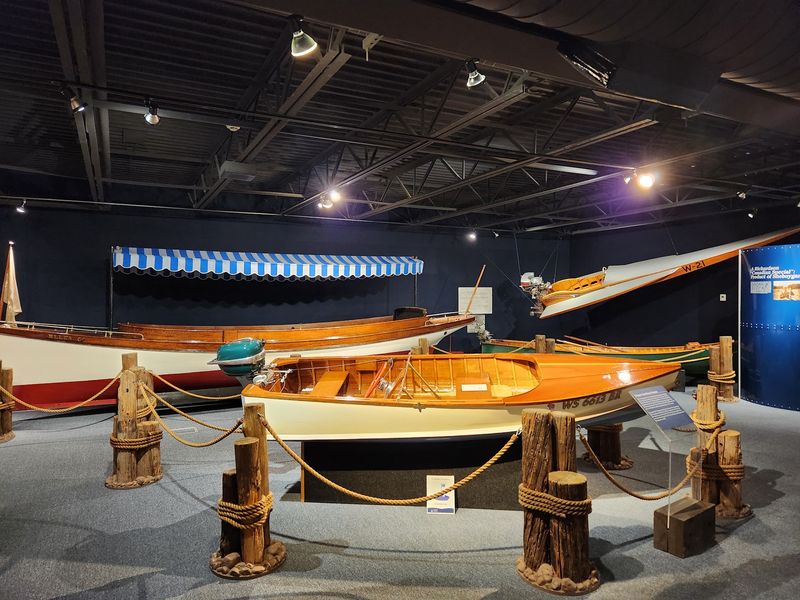
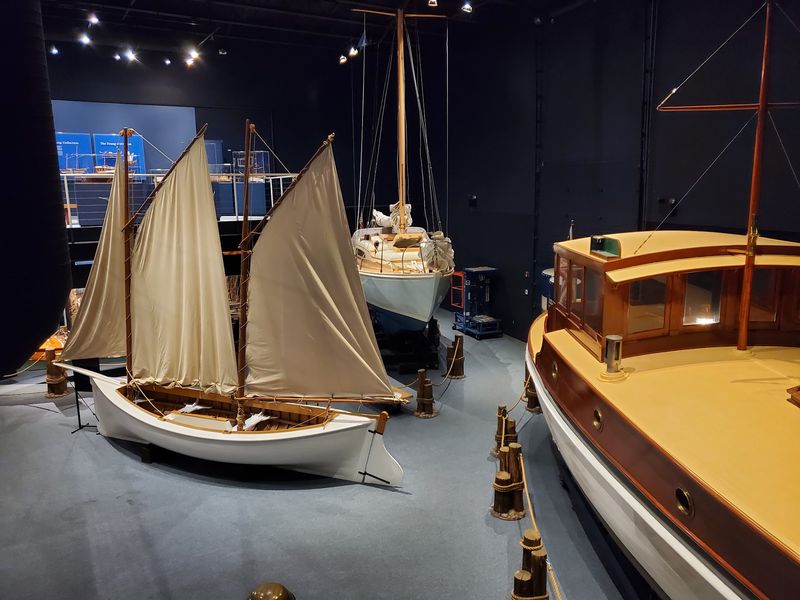
The museum helps you understand why these ships matter. Exhibits share artifacts and stories, so you can learn what life aboard looked like.
A helpful tip: pay attention to the shipbuilding displays too. Knowing how ships were built makes it easier to understand why some survived better than others.
Once you know what to look for, those old photos of underwater hulls start to make a lot more sense. Suddenly, a pile of timbers becomes a real ship again.
Some Of The Coolest Wrecks Sit Practically Next Door To Two Rivers
Two Rivers sits just up the shore from Manitowoc, and its waters hide some famous stories. A few of the best ones rest only a short distance offshore.
The wooden package freighter Vernon sank near Two Rivers during an 1887 gale. Experts call it an underwater museum because so much cargo remains visible inside its hull.
Then there’s the schooner Lookout. It ran aground near Rawley Point in 1897 and lies partly embedded in quicksand, about 4.35 miles northeast of Two Rivers.
The steamer Francis Hinton has a strong local tie. It was built in Manitowoc in 1889 and sank between Manitowoc and Two Rivers in 1909.
Local divers found it in 1987. That’s a pretty good reminder that discoveries here aren’t just ancient history.
The 245-foot Continental also rests near Two Rivers, grounded in sand. It went down in 1904 while carrying coal and iron ore.
Learning these names before you visit the Wisconsin Maritime Museum makes the trip richer. You’ll recognize the stories when they pop up in exhibits.
It’s like knowing the characters before the movie starts.
Wisconsin’s Oldest Known Wrecks Carry Big Bragging Rights
Age gives some shipwrecks serious star power. Two schooners in the sanctuary hold the title of Wisconsin’s oldest known shipwrecks by construction date.
The Gallinipper sank in 1851. The Home followed in 1858.
Both ships come from an era when sails powered most lake travel. Wind, skill, and a bit of luck decided whether cargo made it to port.
The sanctuary also holds the Rouse Simmons, better known as the Christmas Tree Ship. Its nickname alone makes people want to learn more.
These ships show how important Lake Michigan was for early Wisconsin. Before highways, the lake acted like a busy road connecting towns and markets.
Inside the Wisconsin Maritime Museum, exhibits help explain that bigger picture. You can see how shipping shaped the communities along this coast.
Here’s a fun way to approach it with family. Pick one ship name before your visit and try to learn something new about it during the day.
Kids especially love having a mission. It turns a museum stroll into a small detective adventure.
And yes, the Christmas Tree Ship tends to win the popularity contest.
A Real Submarine Is Docked Right Outside
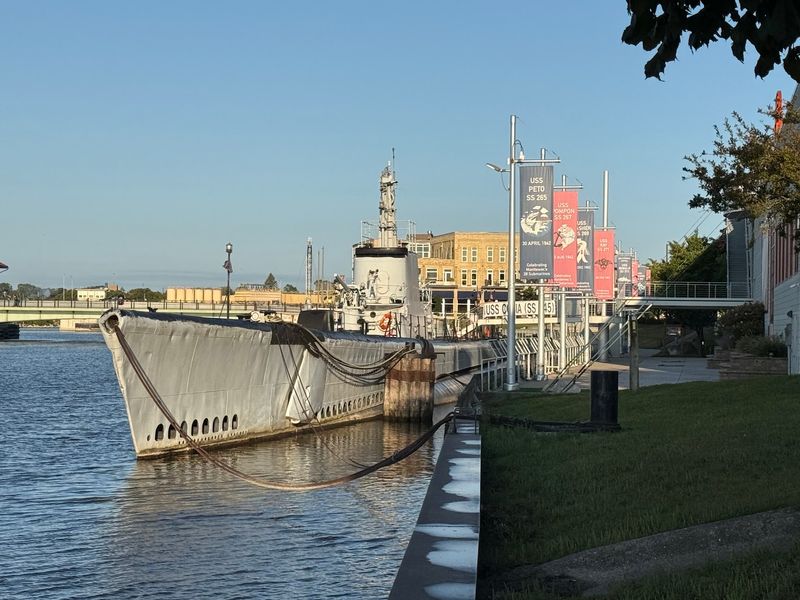
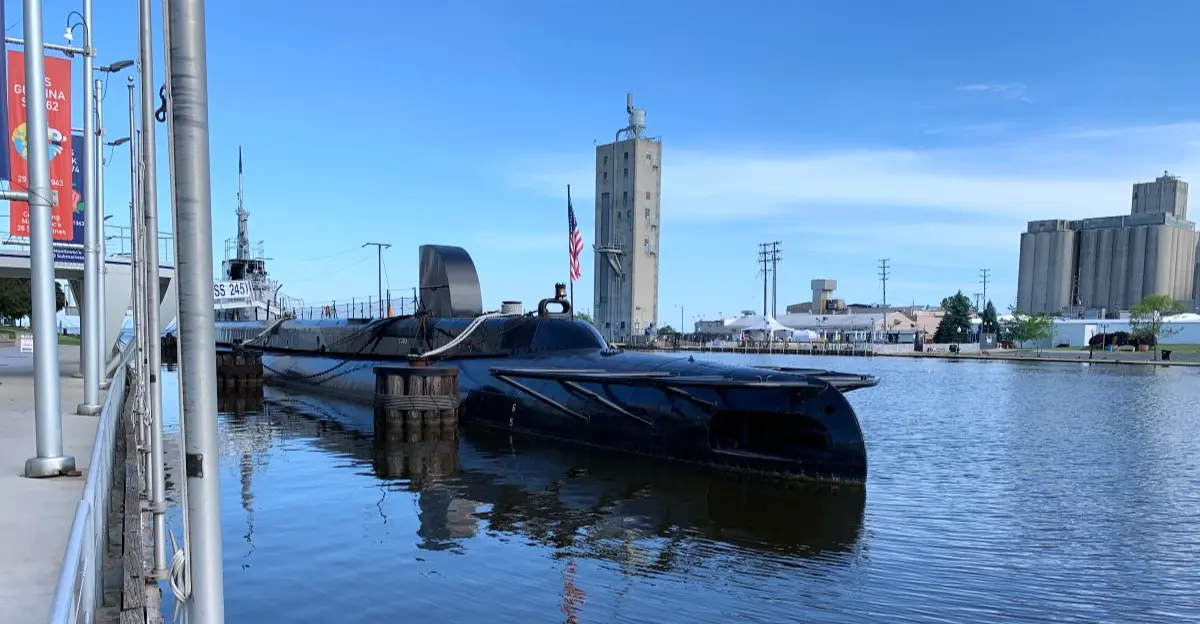
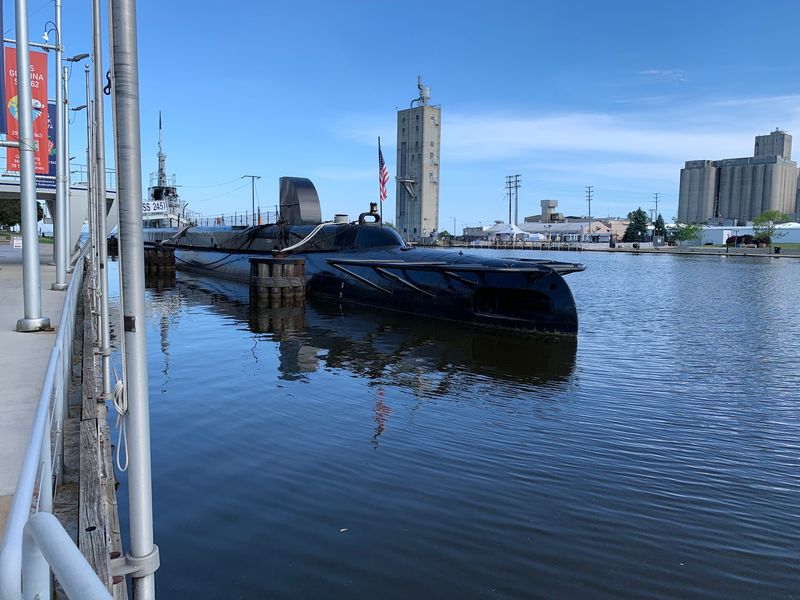
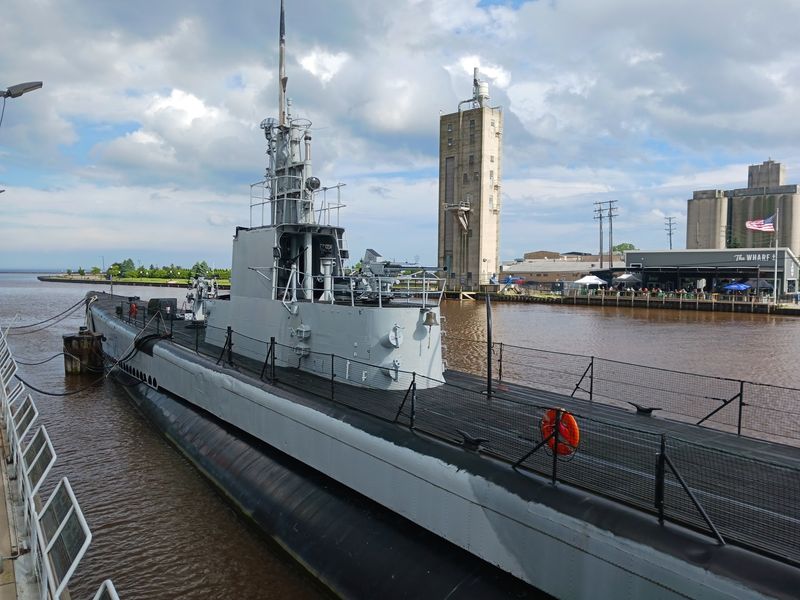
Not every museum has a submarine in the parking lot, or close enough to it. Docked by the building sits the USS Cobia, a restored World War II-era submarine.
Manitowoc built 28 submarines during that era. Building them on fresh water and sending them out to the ocean is a story worth hearing.
Touring the Cobia lets you squeeze through hatches and see bunks, the control room, and the engine room. It’s narrow inside, so be ready for tight spaces.
You can take a guided tour or explore at your own pace. Guided tours add stories you’d likely miss walking through alone.
The museum also offers overnight stays aboard on select dates. Scout groups and curious families can sleep where crews once rested.
So how does a sub fit a shipwreck trip? It shows how Manitowoc’s shipbuilding skills reached far beyond Lake Michigan.
If small spaces make you nervous, try the museum exhibits about the Cobia first. They give helpful background before you climb aboard.
Wear comfortable shoes with good grip. Ladders and hatches don’t care about your fancy sandals.
Families Get Plenty Of Hands-On Fun Between Exhibits
Little sailors need room to splash. Luckily, the museum includes a children’s water play room where kids can float toy boats along a waterway.
There’s also a side area for kids’ activities. Sensory options like noise-canceling headphones and fidget tools are available for those who need them.
Accessibility gets real attention here. Exhibits are wheelchair accessible, and an elevator connects the floors.
Groups like schools and homeschoolers can sometimes join educational programs. Some include underwater robot activities, which feels very fitting for a shipwreck-focused place.
Strollers work well around the exhibits too. That makes life easier when toddlers decide walking is optional.
A good plan is to mix heavier history with play breaks. Read about a wreck, then let kids burn off energy at the water room.
The museum also has interactive displays, including working periscopes. Peeking out through one is a quick favorite for curious minds of every age.
Bring a spare shirt for younger kids. The water room is fun, and fun sometimes gets a little soggy.
Nobody wants a damp ride home.
Plan Around These Hours So You Don’t Miss Out
Timing matters more than you’d expect here. The museum is closed on Tuesdays and Wednesdays, which can surprise midweek travelers.
On other days, it opens at 10 a.m. and closes at 4 p.m. That gives you a solid window, but not an endless one.
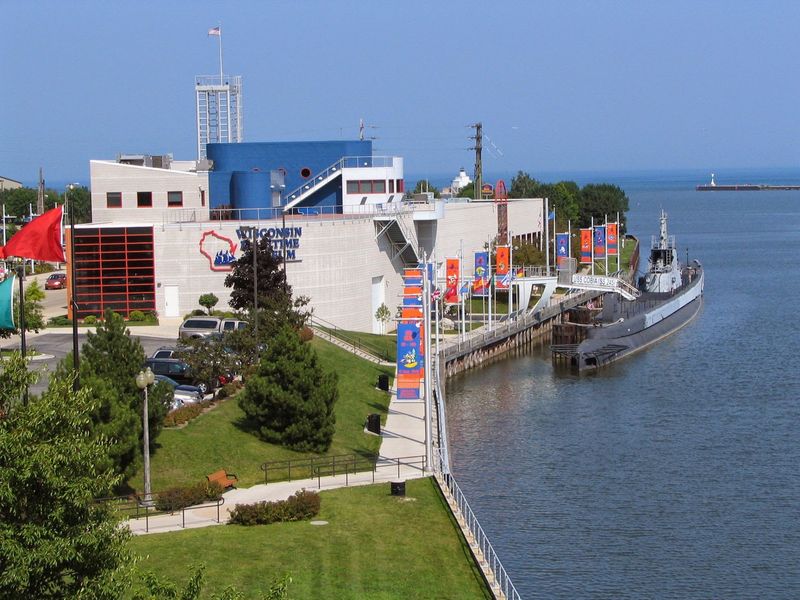
You’ll find the Wisconsin Maritime Museum at 75 Maritime Dr, Manitowoc, WI 54220. It sits right on the water where the Manitowoc River meets Lake Michigan.
Many families spend around two hours inside, and that’s before the submarine. Arriving early helps you see everything without rushing.
Tickets typically include both museum exhibits and the Cobia tour. Veterans may find a discount, and active-duty service members may get in free.
Online tickets can speed up check-in. Just stop by the front desk when you arrive.
A gift shop sits on site for souvenirs. Shipwreck books make a great take-home if the stories hooked you.
Check the museum’s current schedule before you go. Hours can shift, and nobody enjoys a locked door after a long drive.
A quick double check saves the whole day.
Keep The Shipwreck Adventure Going After You Leave
One museum visit rarely satisfies a true shipwreck fan. Thankfully, the Wisconsin shoreline near Two Rivers offers more ways to explore.
Point Beach State Forest sits close by. It offers 6 miles of sandy beach, 127 campsites, and the Rawley Point Lighthouse.
Its nature center also displays shipwreck artifacts. That makes it a natural next stop after Manitowoc.
Prefer the water? From May to October, two-hour sailings on the 1946 schooner Utopia leave from Manitowoc.
Those trips include talks about shipwrecks. You get lake breezes and history in one outing.
Paddlers have something new to watch for too. Weatherproof QR codes are being added to buoys at near-shore wrecks.
Scan one, and you can hear a narrated backstory about the ship below. It’s like a tour guide floating in the lake.
Divers, boaters, kayakers, and anglers all use the sanctuary. Just remember the golden rule: never remove anything from a historic wreck.
Those artifacts belong to everyone’s story. Leave them where they rest, and save souvenir shopping for the gift shop instead.