More than 20,000 varieties of heirloom seeds are quietly stored on one farm, and nobody tells you to stay out of the gardens. It’s the largest nongovernmental seed bank in the nation, and it happens to have hiking trails.
The whole thing started with two family seeds. A morning glory and a pink tomato came from Bavaria with immigrant great-grandparents, and those seeds still matter here today.
I like how this place treats seeds like family heirlooms instead of shopping items. In northeast Iowa, the property spreads across 890 acres of gardens, orchards, pastures, and wooded bluffs.
You can wander display gardens, stroll past rare white cattle, and even fish a trout stream. I can’t imagine a better excuse to learn where your next tomato really comes from, can you?
A Vault Full of Vegetables Is Sitting Under Your Feet
Most seed banks hide behind locked doors and lab coats. Seed Savers Exchange flips that idea by letting you roam the farm that protects its collection.
Heritage Farm is the headquarters, and it sits just outside Decorah in northeast Iowa. The farm holds the largest nongovernmental seed bank in the United States.
That collection preserves more than 20,000 varieties of heirloom and open-pollinated seeds. Most of them are edible garden plants, like fruits, vegetables, and herbs, plus plenty of flowers.
Why does that matter to a regular gardener? Every packet of saved seed keeps a plant’s story, flavor, and toughness from fading out of the world.
The farm itself covers 890 acres, and nearly 1,000 varieties grow in its gardens each year. Some of those plants are being grown out so fresh seed can be collected and stored again.
So when you stroll past a row of odd-looking beans, you’re seeing a living library at work. Pretty cool for a Tuesday afternoon, right?
Bring curiosity and comfortable shoes. The bank part stays behind the scenes, but the gardens out front tell the same story in full color.
Two Tiny Seeds From Bavaria Started Everything
Grandpa Ott’s morning glory might be the most famous flower in this whole story. Its seeds, along with a German Pink tomato, traveled from Bavaria to Iowa with Diane Ott Whealy’s immigrant ancestors.
Diane received those family seeds and realized they could vanish if nobody kept growing them. So in 1975, she and Kent Whealy founded Seed Savers Exchange.
The early version was simple and kind of charming. About thirty gardeners took part in the first seed swap, mailing treasured varieties to one another.
That small network kept growing for years. In 1986, the group bought the land that became Heritage Farm, giving the seeds a permanent home base.
Fast forward to 2025, and the organization celebrated 50 years of protecting plant diversity. Not bad for a project that began with a flower vine and a tomato.
Diane still leaves her mark on the grounds through a garden she designed and maintains. That personal touch makes the history feel close instead of dusty.
Next time someone hands you a few seeds from Grandma’s garden, think twice before tossing them. You might be holding the start of something big.
Your First Stop Smells Like a Garden Center and Feels Like a Museum
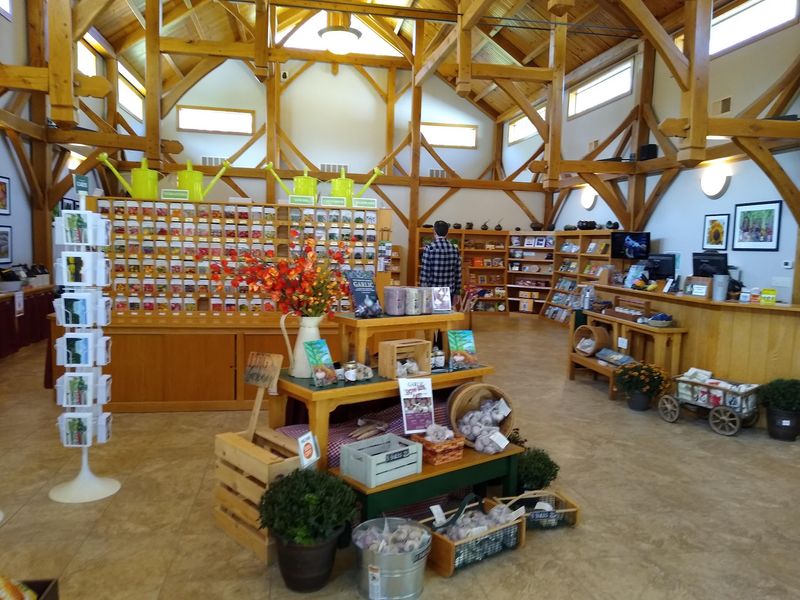
Seed packets line the shelves at the Lillian Goldman Visitors Center, and choosing just one is harder than it sounds. This building serves as the main welcome point for Heritage Farm.
You’ll find it at 3074 N Winn Rd, Decorah, IA 52101. Plug that into your map before you leave town, since the farm sits out in the countryside.
Inside, the gift and garden store covers a lot of ground. Expect seeds, gardening tools and gear, food items, garden-themed gifts, local art, and books.
Here’s a smart move. Stroll the display gardens first, take notes on plants that catch your eye, then come back and hunt down their seeds.
The center also gives a helpful introduction to the organization and the farm. If you’re unsure where to wander, grab your bearings here before heading outside.
One small rule worth knowing ahead of time involves pets. Only service animals are allowed inside the building, so plan for your leashed pup to wait outdoors with someone.
Leave a little room in your trunk. Heirloom seeds are tiny, but garden books and gifts add up fast.
These Gardens Double as a Seed Catalog You Can Walk Around In
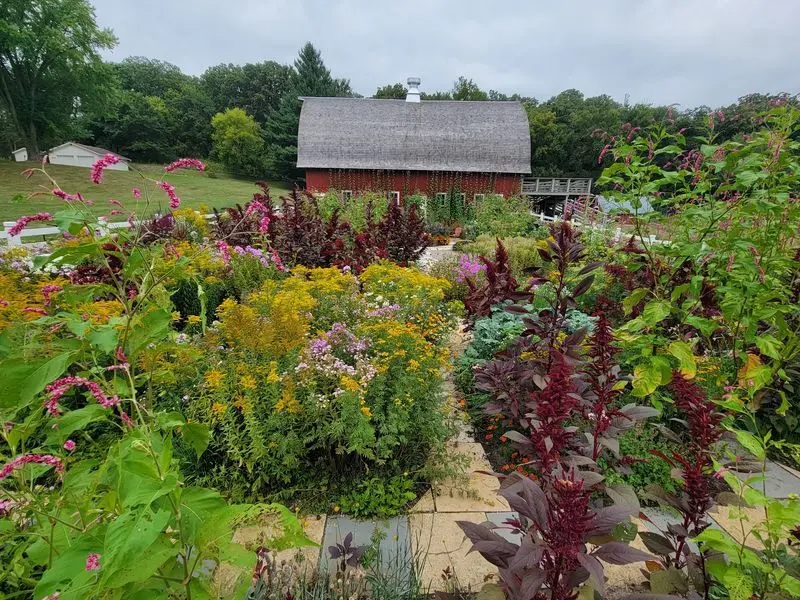
Flipping through a seed catalog is fun. Seeing those same plants growing right in front of you is a whole different level of temptation.
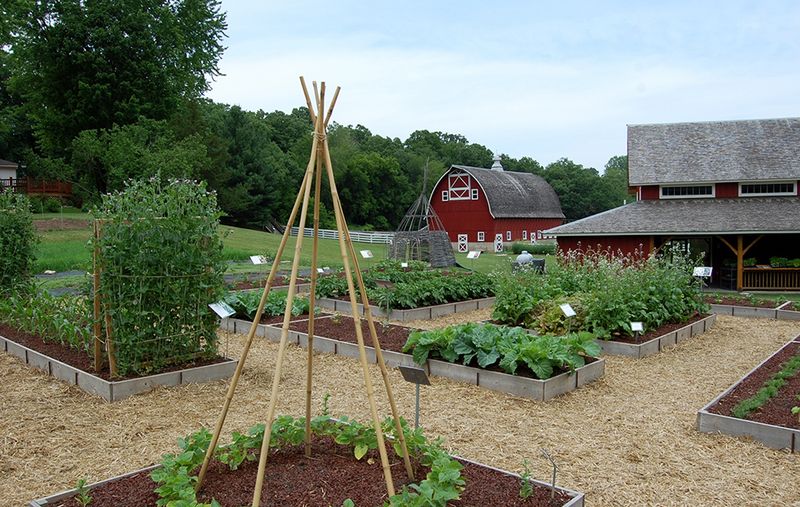
The display gardens at Heritage Farm showcase varieties from the Seed Savers Exchange collection and catalog. You get to see leaf shapes, plant heights, and blooms before committing to anything.
That’s a real advantage for home gardeners. A pepper photo on a packet rarely shows how big the plant actually gets by midsummer.
Diane’s Garden adds a personal layer to the tour. Co-founder Diane Ott Whealy designed it and still maintains it, so it reflects her own eye and history.
Timing matters a lot here, because these are real working gardens in Iowa weather. Early spring beds will look very different from the full, busy rows of late summer.
Bring your phone for photos and a little notebook for names. Heirloom varieties often have wonderfully strange names, and you won’t remember them all.
Watch your step and give the pollinators some space. The bees are busy doing important work, and the gardens depend on them.
Grab a Bucket Because the Apples Are Fair Game
Free apples might be the best surprise on the entire farm. At the Amy Goldman Heritage Orchard, guests can pick up to a five-gallon bucket for personal use.
That orchard highlights Midwestern apple varieties. Many of them are types you’ll never spot in a grocery store produce aisle.
Then there’s the Historic Orchard, which holds hundreds of distinct apple tree varieties. Walking those rows feels a bit like browsing an apple encyclopedia with real branches.
Each variety carries its own history, flavor, and purpose. Some apples were prized for baking, while others shined in sauce or storage through long winters.
Plan your visit for harvest season if picking is your goal. Spring brings blossoms instead, which are lovely but much harder to bake into a pie.
Bring your own bucket or bag so you’re ready. Keep the limit in mind, too, since the orchard is shared with everyone who stops by.
Here’s a fun kitchen idea for later. Taste a few varieties side by side at home and see which one wins your family vote.
A Century-Old Barn Still Has a Job to Do
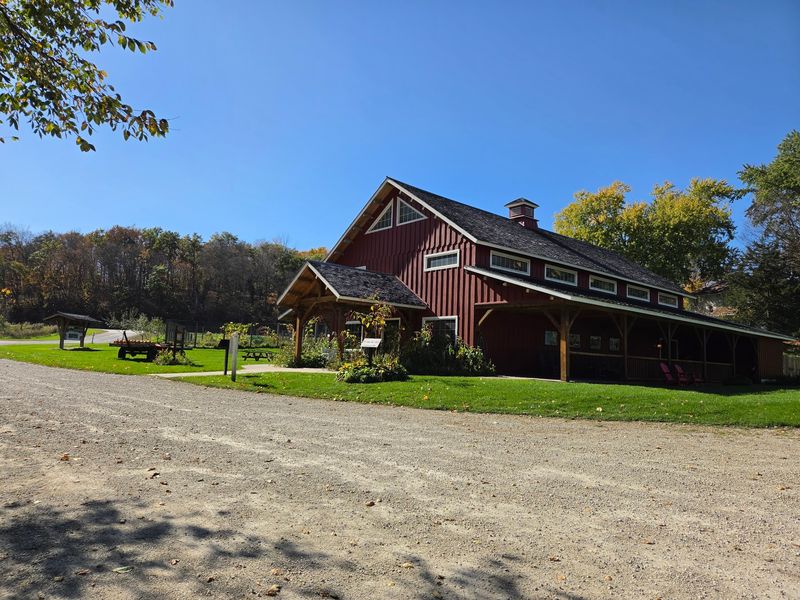
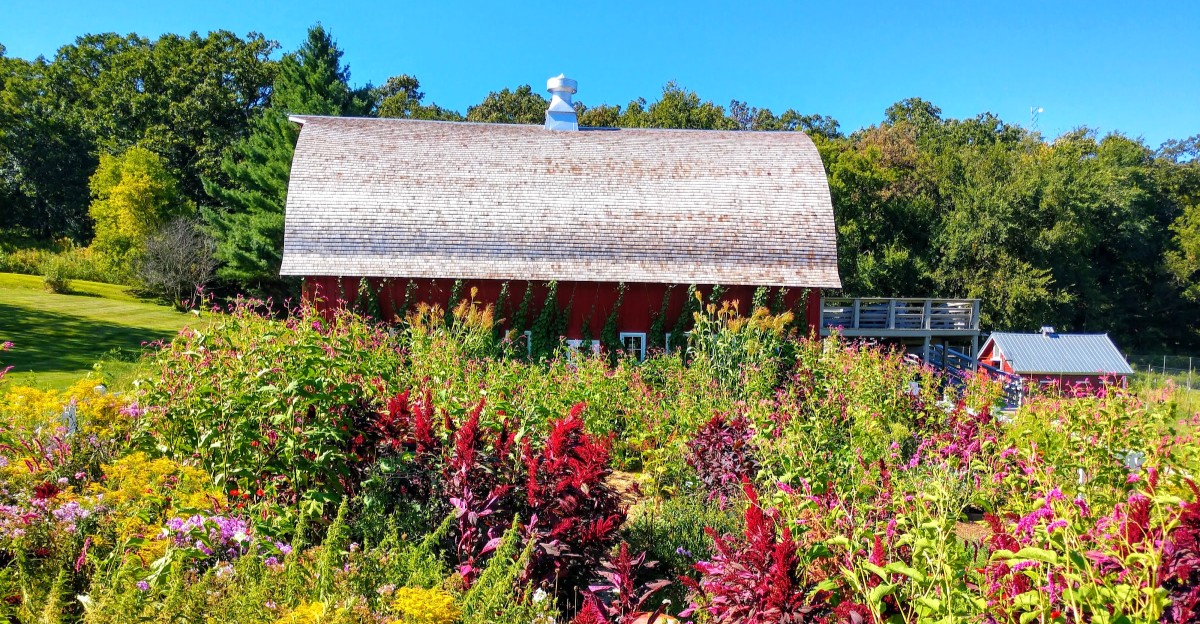
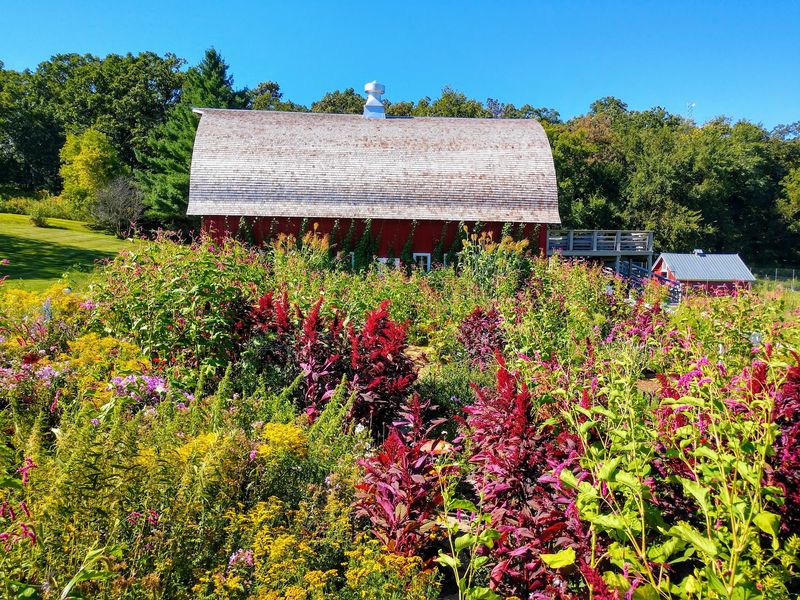
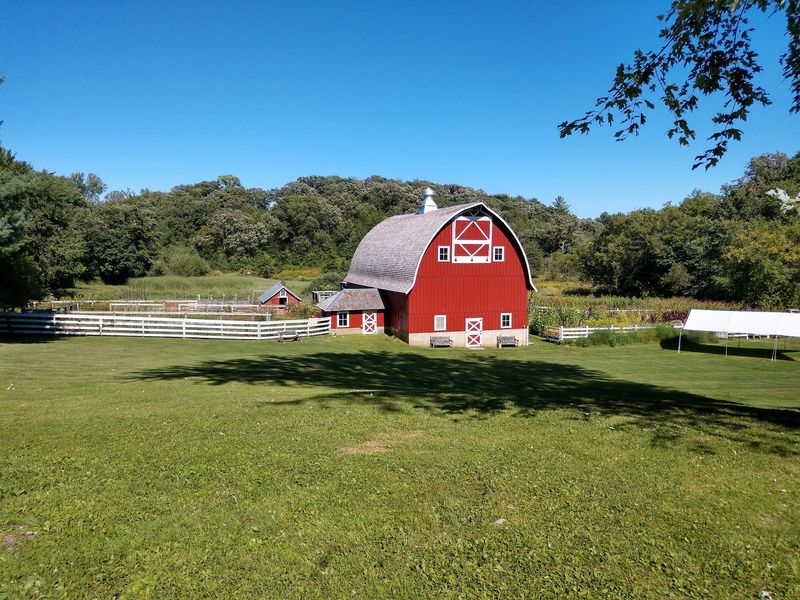
Built between 1929 and 1930, the Gothic-arch barn on Heritage Farm has never really retired. It still works as part of the farm’s daily operation.
Inside, crews process seeds from fleshy crops like tomatoes and peppers. That’s messy, hands-on work, and the old barn handles it well.
The barn also hosts community events throughout the year. During special events, the hayloft sometimes opens for tours, so keep an eye on the event calendar.
Heritage poultry breeds live near the barn, which adds plenty of personality. Kids tend to love seeing chickens and waterfowl that look nothing like the usual farm cartoon.
Out in the pastures, look for the herd of Ancient White Park cattle. These rare animals have white coats with dark points on the ears and nose, and they’re striking against green grass.
The animals fit the farm’s bigger mission perfectly. Saving old breeds follows the same thinking as saving old seeds.
Keep a respectful distance and let the critters do their thing. Your camera will get great shots without getting too close.
Lace Up Your Boots or Pack a Fly Rod
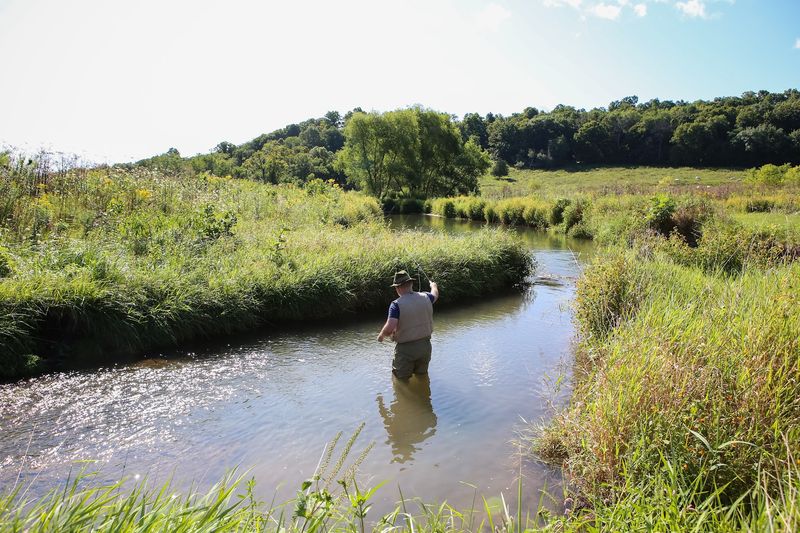
Gardens get the spotlight, but the wild side of this farm deserves equal attention. Miles of hiking trails wind through wooded bluffs and open valley pastures.
The trail network stretches up to about nine miles. That leaves room for a short stroll after shopping or a longer outing that fills a whole morning.
Trails, gardens, and trout streams stay open to the public from sunrise to sunset all year. So even when the visitors center is closed, the land still welcomes you.
Anglers, this part is for you. A trout stream on the property is open to the public for fishing, which feels like a bonus prize on a seed farm.
Make sure your Iowa fishing license and any trout requirements are in order before casting. A quick check saves headaches later.
Dress for the terrain, since bluffs mean some climbing. Sturdy shoes, water, and a light layer will make the hike far more pleasant.
Leashed dogs are welcome on the grounds if you clean up after them. Your pup will probably vote this the best stop of the trip.
Mark Your Calendar for Tomato Season
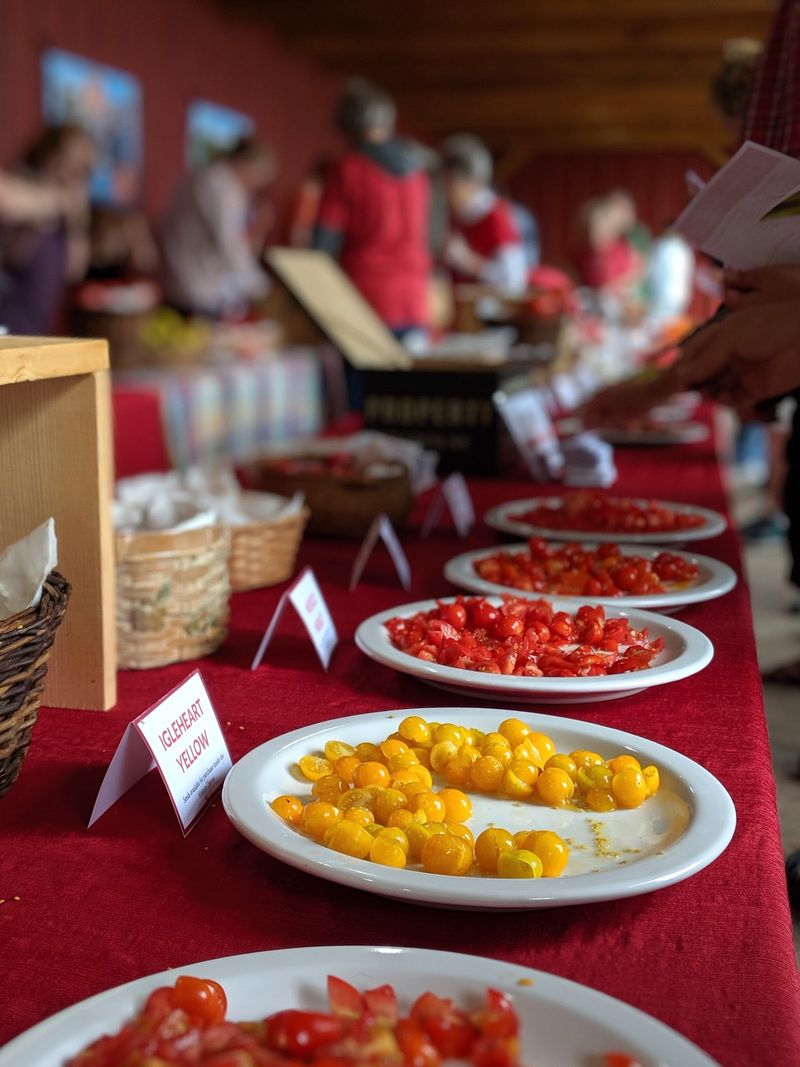
Heirloom tomatoes come in colors that look almost made up. The Tomato Tasting event in late summer lets you sample that wild variety firsthand.
It’s one of the most popular events Seed Savers Exchange hosts. Showing up hungry for tomatoes makes total sense here.
Spring has its own big draw with the Heirloom Plant Sale in May. That’s a great chance to bring home starter plants instead of beginning everything from seed.
Throughout the year, the calendar also includes seed swaps, workshops, and speaker presentations. Each one fits the original spirit of gardeners sharing what they grow.
Groups can book guided tours of the lower campus gardens from May through September, Monday through Friday. Tours run 45 to 60 minutes for groups of 15 or more.
Families should know about the shorter interactive tour for kids ages 5 to 12. Every tour needs scheduling at least two weeks ahead, so plan early.
Special events sometimes include behind-the-scenes tours of the preservation seed lab and processing shed. If you’ve ever wondered how seeds get cleaned and saved, that’s your moment.
A Few Smart Moves Before You Head Out
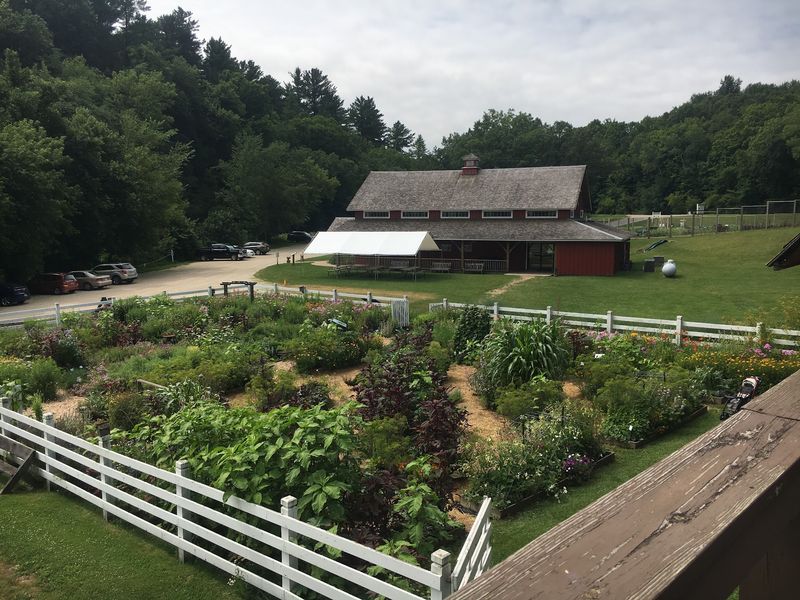
Good planning turns a nice visit into a great one. Start by checking the hours for the Lillian Goldman Visitors Center, because they shift with the seasons.
The center also closes on certain holidays, including Memorial Day, Juneteenth, July 4, and Labor Day. A quick look before driving saves a disappointing pull into the parking lot.
Remember that the grounds follow a different schedule. Trails, gardens, and streams stay open sunrise to sunset all year long.
Smoking isn’t allowed anywhere on the property. The rule protects the plants from a virus that can spread to crops like tomatoes and peppers.
Pets are fine outside on a leash, though they’re discouraged during events. Picking a quieter day works best if your dog is joining the adventure.
Seed Savers Exchange also supports a seed rematriation program. It helps Indigenous communities reclaim ancestral seeds and the traditions tied to them.
That bigger purpose makes a simple garden walk feel meaningful. Few stops in Iowa let you shop, hike, pick apples, and support living history in one afternoon.