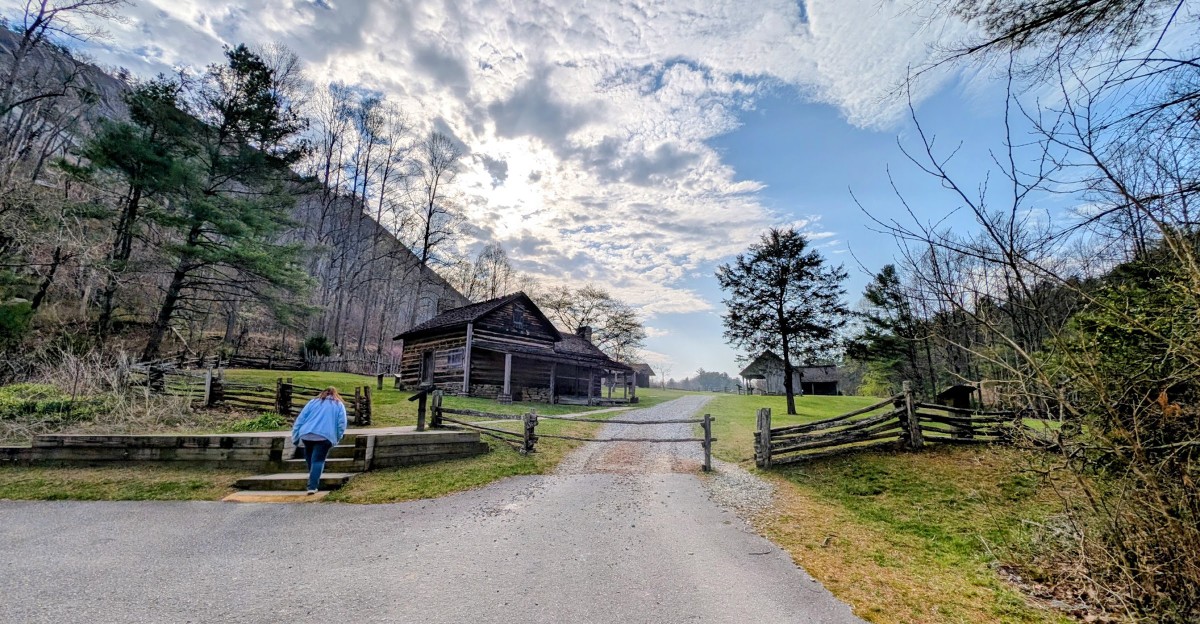
A bare granite dome rises more than 600 feet above the forest, and you’re allowed to stroll right over the top of it. No ropes, no fancy gear.
Just your own two feet on solid rock.
The dome has been a National Natural Landmark since 1974. Its brown-gray face stands out from miles away.
I like how it looks less like a mountain and more like a giant stone loaf left to cool.
North Carolina has plenty of peaks, but few let you feel this much open sky underfoot. The forest drops away on every side.
Waterfalls, trout streams, and an old farmstead wait nearby.
I can’t imagine a better way to spend a day outside. So what does it actually feel like to cross the top of that rock?
You Get To Walk On The Mountain Itself, Not Just Near It
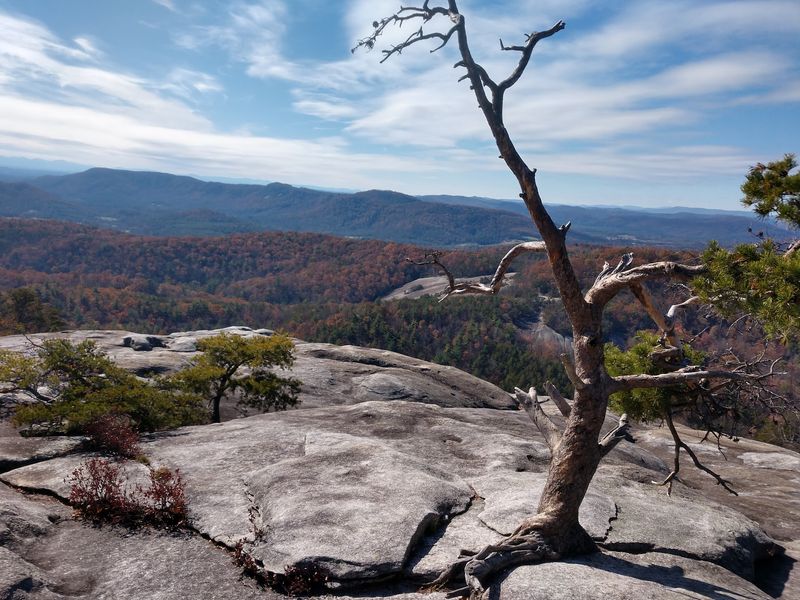
Most mountains hide under trees and dirt. The big dome at Stone Mountain State Park shows off its bare granite for everyone to see.
The rock rises more than 600 feet above the land around it. Its smooth, mostly treeless sides have a brown-gray color you can spot from miles away.
That open surface is the whole fun. Once you reach the top, you walk across wide stretches of exposed stone instead of a narrow dirt path.
The views open up in nearly every direction. Rolling ridges of North Carolina forest stretch out below, and the sky feels close enough to touch.
Granite can feel grippy when dry, but it turns slick when wet. Good shoes with real tread make a big difference here.
Stay on marked routes and away from the steep edges. The dome curves downward faster than it looks from the top.
Bring water and snacks, since there’s no shop on the summit. A light jacket helps too, because wind can sweep across that open rock.
Honestly, standing on a mountain you can see is a strange and wonderful feeling. Few hikes give you that kind of front-row seat.
Uncle Sam Gave This Rock A Gold Star Back In 1974
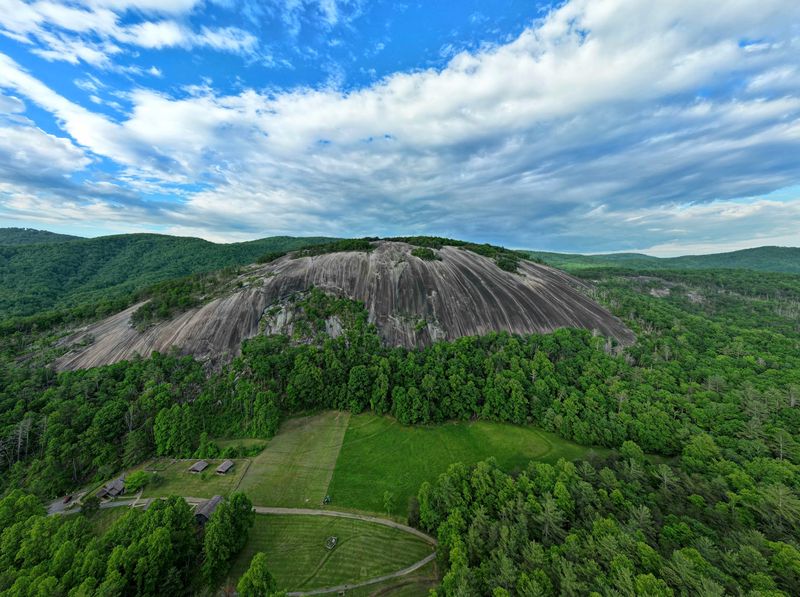
Plenty of hills are pretty. Only a select group earns the title of National Natural Landmark, and this dome got it in 1974.
That honor marks places that show off the country’s natural history in a special way. Here, the star is a massive granite dome that stands tall over the surrounding hills.
Think of it as nature’s trophy shelf. Water, wind, and time stripped away softer material and left this tough rock standing proud.
The park itself came along a few years earlier. It was established in 1969 and has grown to cover more than 14,000 acres.
That’s a lot of room to roam. Forests, streams, trails, and campsites spread out around the dome like a giant backyard.
Knowing the backstory makes the visit richer. You aren’t just climbing a big rock, you’re walking across a recognized piece of natural history.
Kids especially might enjoy that angle. Telling friends they hiked a national landmark sounds a lot cooler than saying they went for a walk.
Take a moment at the top to look closely at the stone. You’re standing on the reason this park exists at all.
Lace Up For The Loop That Leads To The Top
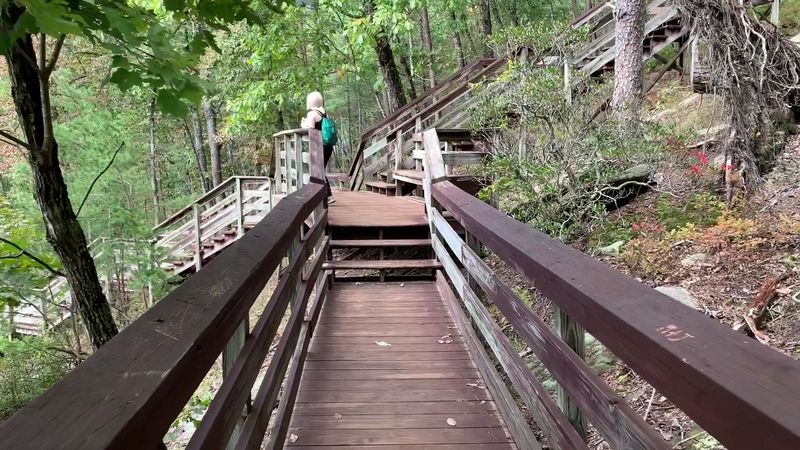
Ready for a workout with a view? The Stone Mountain Loop Trail is the classic route to the summit, and it runs about 4.5 miles.
The park calls it strenuous, so plan on real effort. Most hikers finish the full loop in about two and a half to three hours.
The trail normally connects the summit, a 200-foot waterfall, and a historic homestead. That’s three big highlights packed into one hike.
Here’s the catch for now. A section near the waterfalls has been closed until further notice, so check trail status before you go.
When the full loop isn’t open, out-and-back hikes still work. You can climb to the summit from the upper trailhead and return the same way.
Expect stairs and some steep stretches. Good shoes, plenty of water, and a slow, steady pace will carry you a long way.
Phone signal in the area can be weak, so grab a paper map before starting. The visitor center is a smart first stop.
Start early in the day to give yourself breathing room. The views from the top deserve more than a quick glance and a rush back down.
A 200-Foot Waterfall Steals Some Of The Spotlight
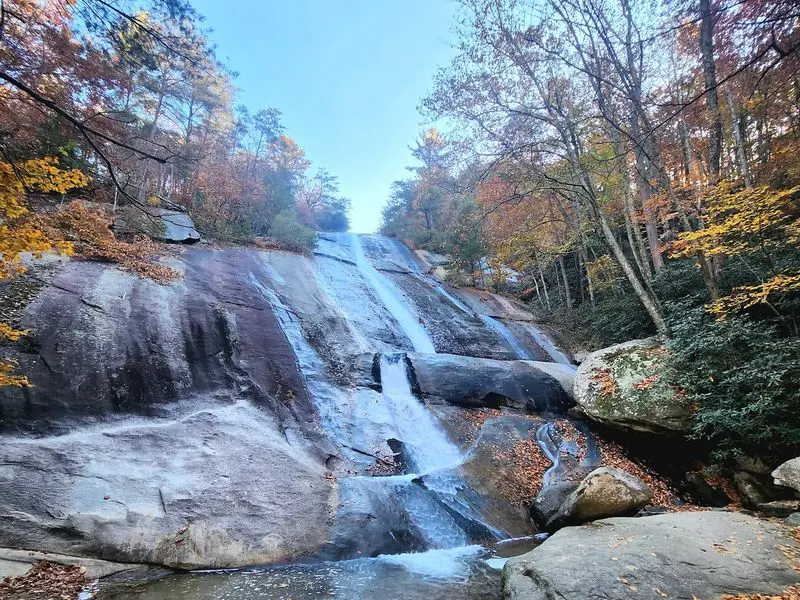
Water sliding down 200 feet of rock is hard to ignore. Stone Mountain Falls is the tallest of the park’s four named waterfalls.
The falls pour down a long granite face instead of dropping straight off a cliff. It’s a big, dramatic sight along the Stone Mountain Loop Trail, although access is currently closed.
Plans matter here, though. Stone Mountain Falls and the nearby section of the Stone Mountain Loop Trail have been closed since November 3, 2025, for a stair replacement project.
Always check the park’s latest updates before driving out just for this waterfall. The closure remains in effect, and the park has not announced a reopening date.
The good news? This park has other waterfalls to explore.
Middle Falls and Lower Falls are also part of the park’s trail network, but check current access conditions before planning a visit.
Widow’s Creek Falls is another option. This roughly 25-foot waterfall sits a short distance up Widow’s Creek Trail, near a small parking area along the park road.
Wet rocks near any waterfall can be very slippery. Stay on the trail, watch your footing, and enjoy the view from safe spots.
When the replacement work is complete and the trail reopens, visitors can look forward to enjoying Stone Mountain Falls again. Until then, check the park’s official updates before making plans.
Nature Built A Water Slide At Widow’s Creek
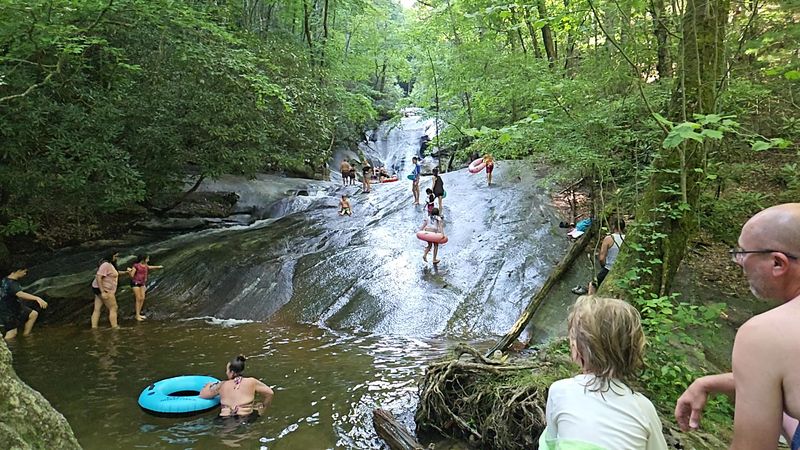
Summer heat meets cool mountain water at Widow’s Creek Falls. This roughly 25-foot waterfall spills into a small pool below.
The real draw is the rock. Natural cascades work like a stone slide, which makes the spot a summer favorite for wading.
Fair warning: mountain water stays chilly. That first splash might make you gasp, then grin.
Pack a picnic and make an afternoon of it. The area works nicely for a lunch break between hikes or after a climb to the summit.
Wear water shoes or old sneakers for grip. Smooth rock and moving water can make footing tricky, so take slow, careful steps.
Keep an eye on younger kids around the pool and slides. Even shallow water deserves attention when rocks are slick.
Widow’s Creek also has a longer trail nearby. The Widow’s Creek Trail runs about 2.5 miles if you’d like to stretch your legs more.
This might be the easiest place in the park to win over a tired kid. Few things fix grumpy hikers like a natural water slide.
Climbers Can Take The Steep Way Up
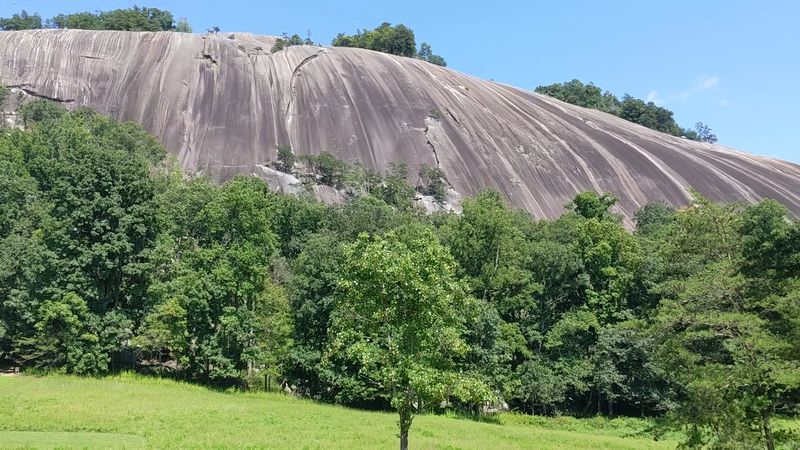
Walking up the dome is one way to reach the top. Climbing straight up its granite face is quite another.
Stone Mountain State Park is a well-known rock climbing spot in North Carolina. The huge exposed face gives climbers plenty of stone to work with.
There are rules, and they matter. Climbers must register with park staff and carry a valid Special Use Permit.
All climbing has to happen in designated areas. Proper equipment is required, so this isn’t the place to wing it with sneakers and hope.
Teen climbers need extra paperwork. Anyone under 18 must have a parent or legal guardian sign the permit.
If you’re new to climbing, consider learning with experienced climbers or a guide first. Granite slabs reward skill and patience more than bravery.
Non-climbers can still enjoy the action. Watching tiny figures inch up that massive wall gives you a real sense of the dome’s size.
Either way, the rock earns respect. Whether you climb it or hike it, the view from above feels hard-won.
Step Back Into Farm Life At The Hutchinson Homestead
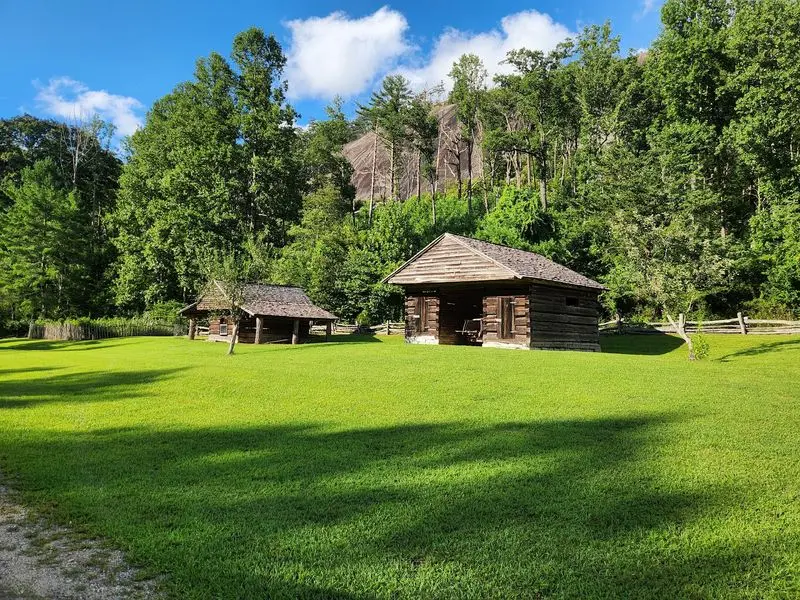
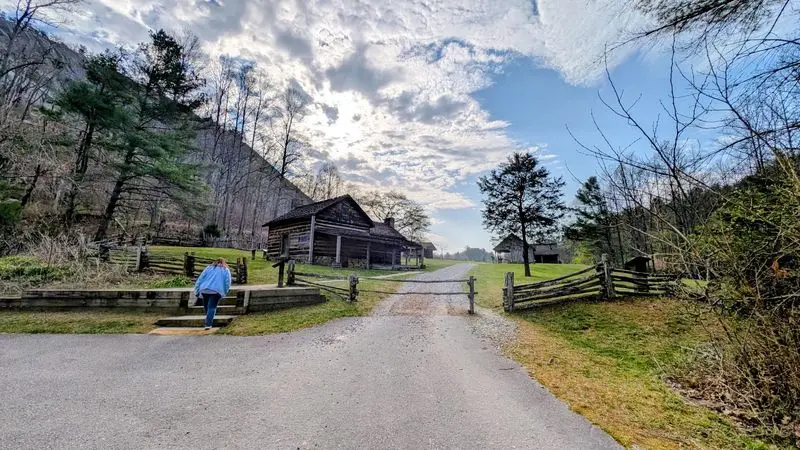
Right at the foot of the dome sits a piece of the 1800s. The Hutchinson Homestead is a restored mid-19th-century farm.
It shows how early settlers lived in these mountains. Families with English, German, Irish, French, and Scots-Irish roots built communities in this area.
Life here took grit. Imagine farming with that giant rock looming over your fields every single day.
The homestead also offers one of the best views of the dome’s face. Standing below it, you really feel how tall that granite wall is.
Accessibility is a nice bonus. Hikers can reach the homestead by trail, and there’s also a road for vehicle access for those who need it.
Plan time for the visitor center too. Exhibits there cover mountain culture, local wildlife, and the natural world of the park.
History buffs and curious kids will both find something here. It’s a quieter stop that balances out the big hikes nicely.
Bring a camera for the farm buildings with the dome behind them. That combo might be the most memorable photo of your trip.
Bring A Fly Rod Because The Trout Are Waiting
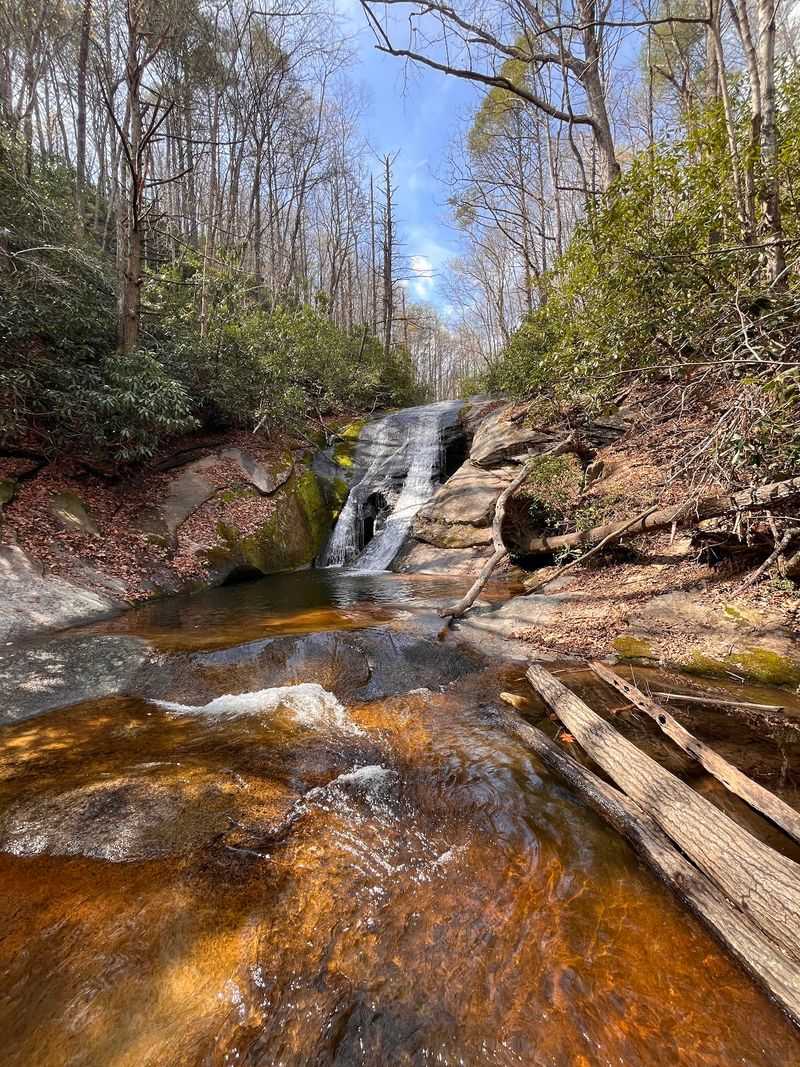
More than 17 miles of designated trout streams run through this park. That’s a serious amount of water for anglers to explore.
Rainbow, brown, and brook trout inhabit these streams. Fishing here mixes mountain scenery with the thrill of a tug on the line.
Paperwork comes first. You’ll need a valid North Carolina fishing license and a trout privilege before casting.
Some areas follow special rules. Bullhead and Rich Mountain creeks have designated “Fish for Fun” sections where fishing is strictly catch-and-release.
Those sections require barbless flies and nets, and anglers must obtain a special daily fishing permit. You can purchase the permit at the Bullhead Creek parking area.
The East Prong of Roaring River works differently. It’s a stocked stream with sections governed by delayed-harvest regulations, where seasonal restrictions apply.
Read up on current rules before your trip, since different streams and sections follow different guidelines. A quick check saves headaches at the water.
Even without a bite, a few quiet hours by a mountain stream feel pretty great. Then again, a trout makes a better story.
Pitch A Tent And Let The Dome Wait For Morning
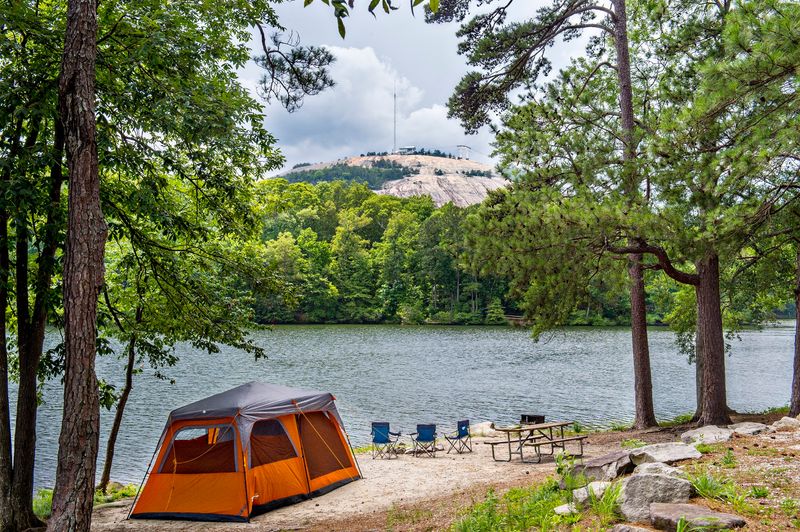
One day rarely feels like enough here. Luckily, the family campground offers 90 sites for tents, trailers, and RVs.
Some sites include electric and water hookups. Bathhouses with hot showers, picnic tables, fire rings, and a dump station round out the setup.
Groups have their own option. Four walk-in group tent sites each accommodate up to 35 people, with a bathhouse nearby.
Reservations are required.
Want more of an adventure? Four primitive backcountry sites sit along Widow’s Creek Trail and require a hike of about 1.5 to 3 miles, depending on the campsite.
Backcountry camping requires a reservation, so arrange that ahead of time. Reservations are also recommended for family campground sites.
Dogs can come along too. Pets must stay on an attended leash no longer than six feet and can’t go inside park buildings.
The family campground is reached via Royal Camp Lane, which provides 24-hour access even after the park gates close. That makes late arrivals less stressful.
Waking up close to the trails means an early start on the summit. Cool morning air and a quiet path sound like a winning combo.
Time Your Trip Right And The Whole Day Opens Up
Getting here is the easy part. Set your map to 3042 Frank Parkway, Roaring Gap, NC 28668, and start the adventure.
Stone Mountain State Park is open year-round, but hours shift with the seasons. From May through August, gates are open from 7 a.m. to 9 p.m.
March, April, September, and October run from 7 a.m. to 8 p.m. Winter months, November through February, close at 6 p.m.
The park closes on Christmas Day. Every other day gives you a shot at that granite summit.
Beyond the dome, there’s plenty more to explore. The park has more than 18 miles of hiking trails, including the short Cedar Rock Trail and Black Jack Ridge Trail.
Horse lovers get 10 miles of bridle trails. A piece of the Mountains-to-Sea State Trail also crosses the park.
Picnic grounds with shelters make family gatherings simple. There’s even an amphitheater for events.
Download maps before arriving, since signal can fade nearby. Then go claim your spot on one of the coolest rocks in North Carolina.