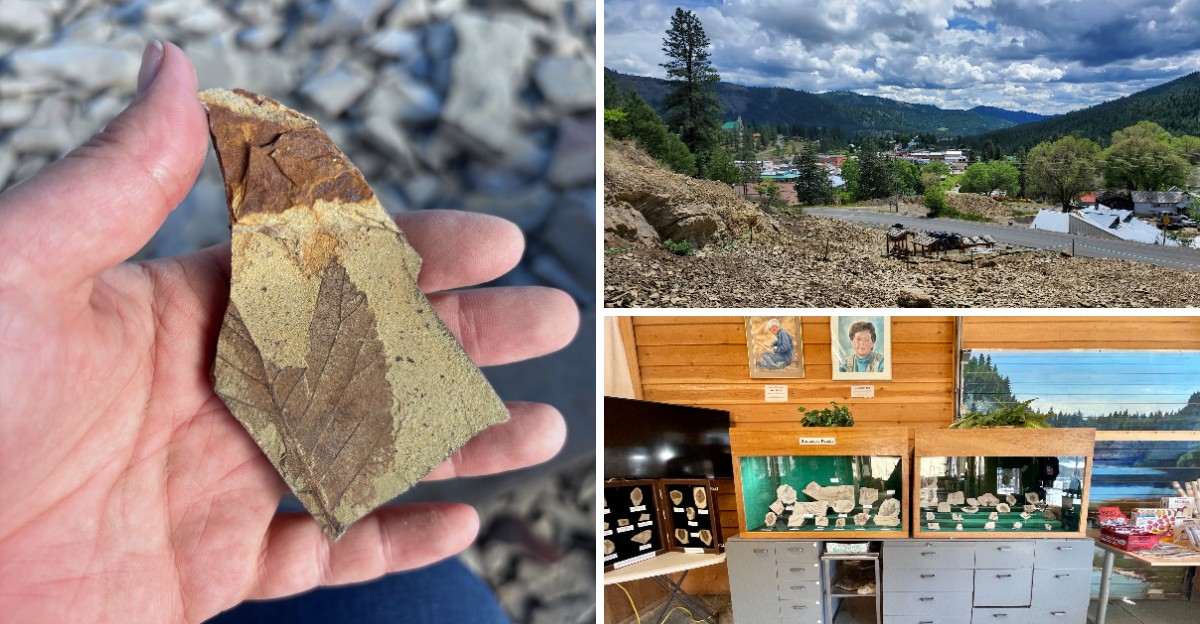
Kids here tap a rock with a chisel, it splits open, and a leaf from 50 million years ago looks back at them. Then they get to take it home.
The rocks come from an ancient lakebed full of fossil leaves, ferns, and even a prehistoric rose. Staff will look over what your family finds and tell you what it is.
I love that this happens in a small mountain town in northeast Washington, far from any big city science museum. No degree is needed, and no fancy gear either.
A hat, water, and a little patience go a long way.
I can’t imagine a kid who wouldn’t want to be the first person in history to see a certain leaf. So what do you need to know before you load up the car?
A Small-Town Museum With A Very Old Backyard
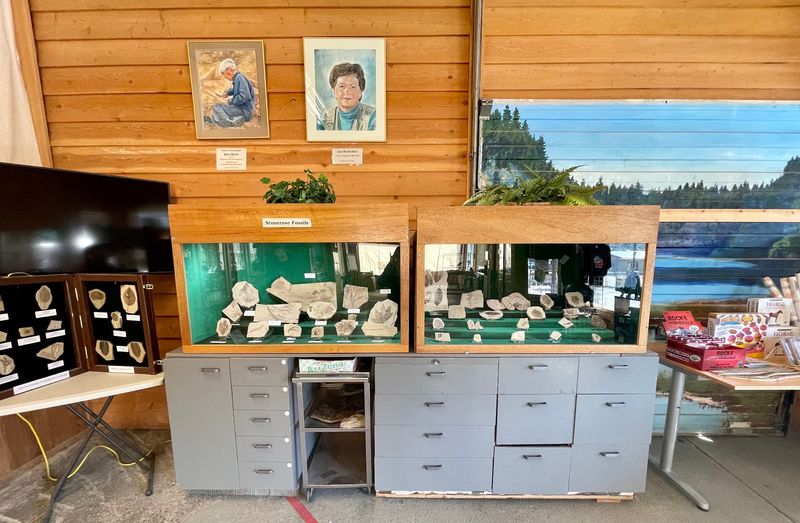
Stonerose Interpretive Center & Eocene Fossil Site sits in Republic, a small town in the northeast corner of Washington. It’s part museum, part launch pad for a real fossil dig.
The center itself works as the front door. You stop here first to learn the basics, get permission to dig, and pick up any tools you need.
Then you head up the hill to the collecting site.
The big draw is the Eocene age of the rocks. Fossils here date back roughly 50 million years, to a time when the area looked very different.
One visitor pointed out that the fossils come from when nearby Curlew Lake was a very different place.
That mix of indoor learning and outdoor hunting is what makes the stop so family-friendly. Kids get a quick lesson, then they get to put it to work with their own hands.
The center holds a 4.7-star rating across 77 Google reviews. That’s a strong showing for a small spot far from any big city.
Friendly staff and rock splitting come up again and again in that feedback, which tells you a lot about what the day feels like.
Fossil Leaves That Tell A Lakebed Story
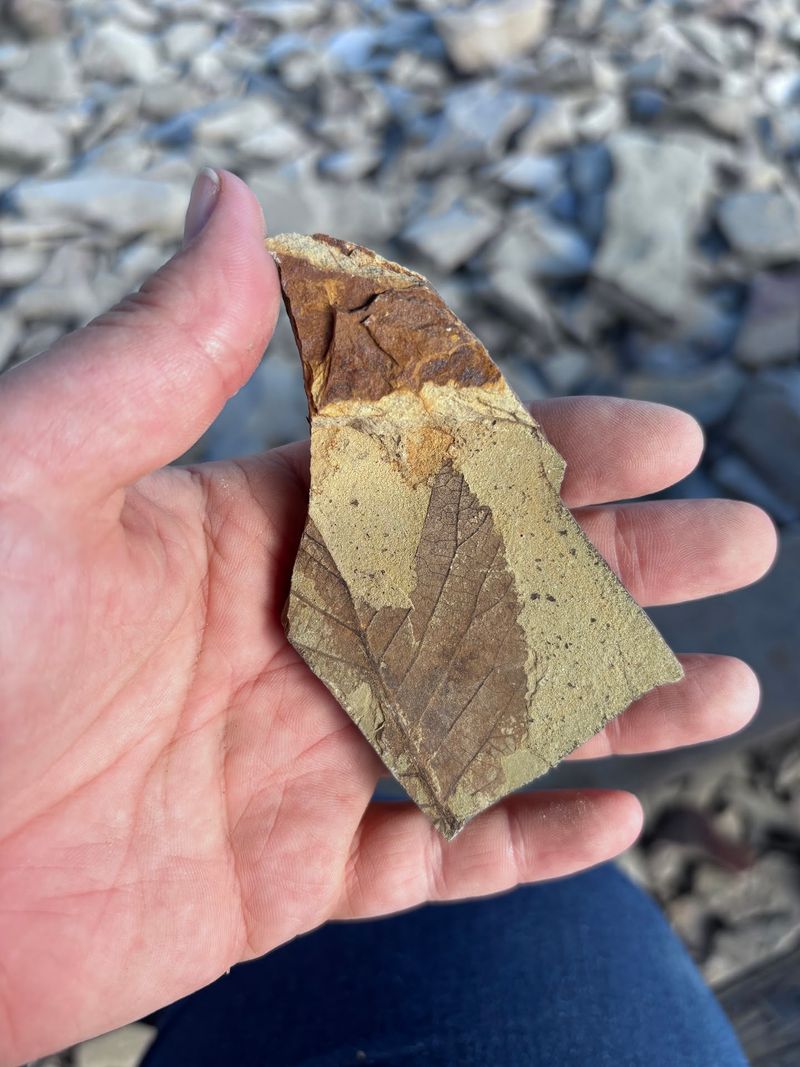
Fifty million years sounds like a made-up number to a kid. Holding a leaf print that old makes it feel real fast.
The rocks at this site are layered shale. Those thin layers formed slowly at the bottom of an ancient lake, trapping plants as they settled.
Split a slab along its seam, and you may open a page from that long-gone world.
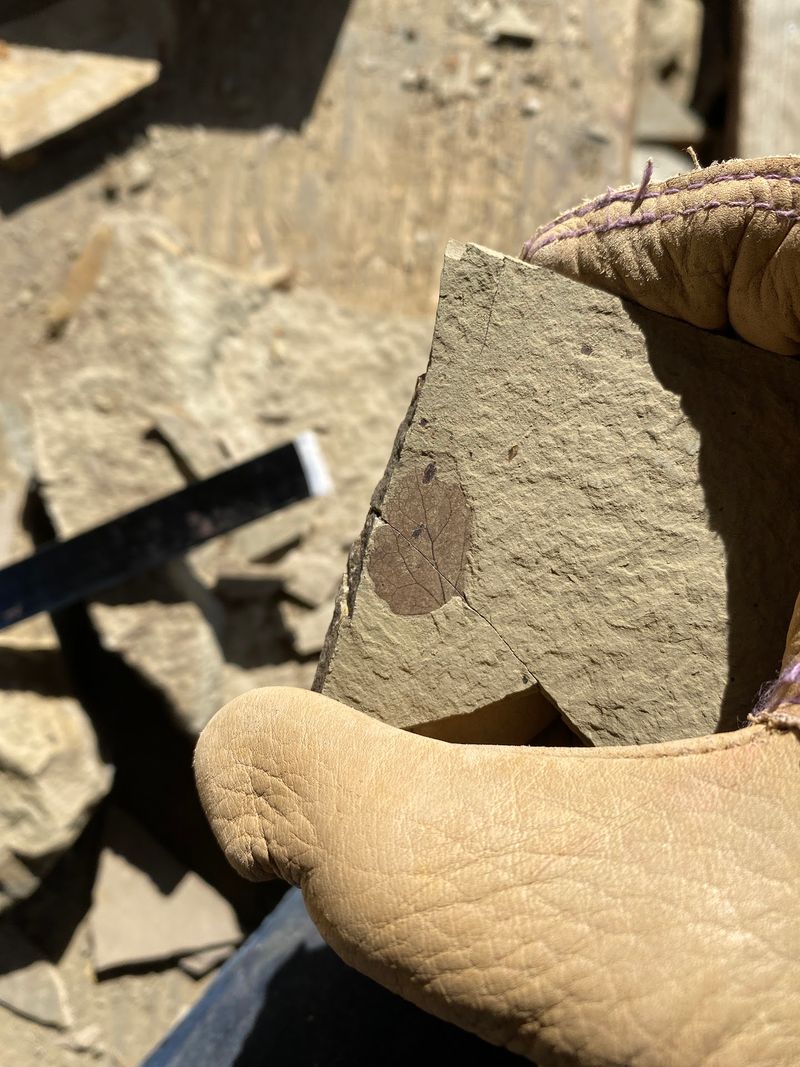
Most finds are plants. Leaves and ferns show up most often, and one longtime visitor said you’re nearly guaranteed to find some sort of fossil.
Animal fossils are much rarer, so plant finds are the realistic goal.
The museum exhibits help kids connect the dots. Visitors describe the collection as small but diverse, with a layout that walks through the geological history of the area.
It’s an easy primer before the dig.
One reviewer summed up the magic well. Revealing a leaf to sunlight it hasn’t seen in 50 million years felt like pure poetry to them.
That’s a pretty good pitch for a family afternoon.
It’s science class without a single worksheet in sight.
The Stone Rose Everyone Hopes To Find
Ever wonder where the name comes from? The center is named for the stone rose, a fossil flower found in these Eocene rocks.
Finding one is a bit like pulling a golden ticket. Leaves are common, but a rose fossil gives a family serious bragging rights.
A few visitors have reported finding one during their dig.
Staff take these moments seriously, too. One couple said their rose fossil cracked in half, and the team kindly glued it back together.
That’s the kind of help that saves a little heartbreak on the drive home.
Full, perfect specimens are hard to come by. Many slabs are small, and complete fossils can be rare.
A family might come home with fragments, partial leaves, or a nice piece on a big rock.
Honestly, that’s part of the fun. Every slab holds a small chance at something special, so kids keep tapping.
The hunt itself becomes the prize, and a rose is the bonus round.
Set expectations gently with younger diggers. Tell them leaves are a win, and a flower would be a legend.
Splitting Rocks On The Hill Above Town
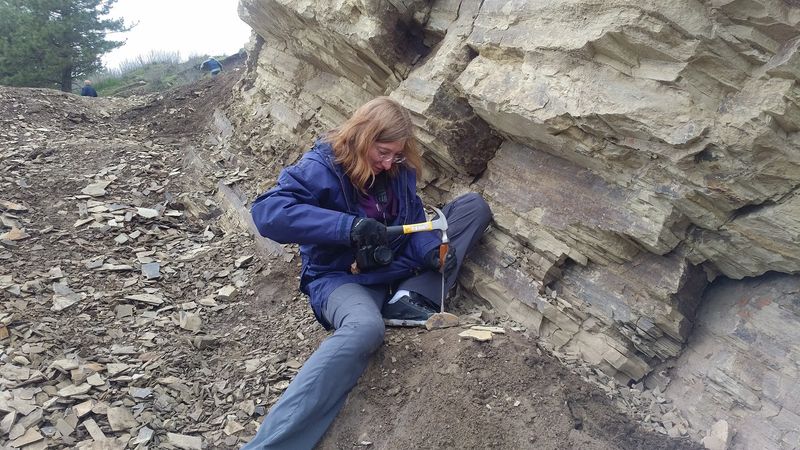
Tap, tap, crack. That simple rhythm is the whole activity, and kids pick it up quickly.
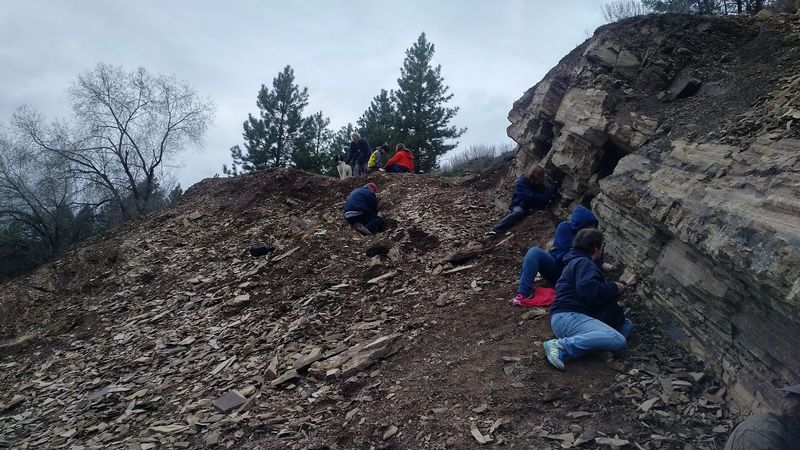
The dig site sits a short walk from the center, about two blocks up the hill. You look for rocks with nice, clean layers.
Then you tap them hard enough to split along the seam, but not so hard that they shatter.
It takes a little practice. Visitors note that smaller tools tend to work best, and pretty much any chisel will do.
You can bring your own or rent a set at the center.
Families settle in for a while once they find a rhythm. Some visitors spend two or three hours splitting rock.
You can also leave for lunch and come back, which helps with restless little ones.
When you’re done, bring your finds back down. Staff look over what you collected and explain what you found.
Kids love that expert moment.
One fair heads-up: the amount of fresh rock can vary. A few visitors found good pieces hard to come by, so patience pays off.
Packing Smart For Sun, Shale, And Little Knees
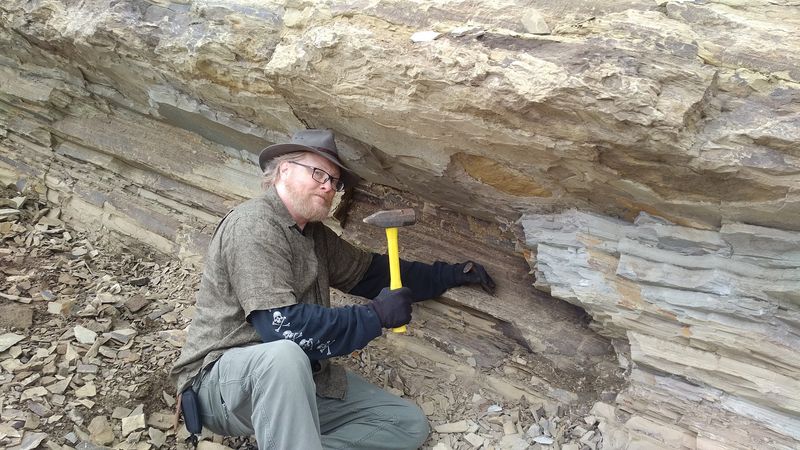
Full sun, sharp rocks, and a slope. Those three facts shape your entire packing list.
The dig site has no shade, so hats, sunscreen, and plenty of water are musts. Snacks help too.
A long-sleeve sun shirt is a smart extra for anyone who burns easily.
Footwear matters more than you’d think. Closed-toe shoes or hiking boots handle the loose, sharp shale far better than sandals.
Long pants beat shorts, since you’ll likely kneel or sit on the ground.
Gloves protect hands from the edges of slate rocks. Knee pads or a foam cushion make long sessions much comfier.
Some regulars bring five-gallon buckets to haul rocks to tables or to sit on.
Bring a box for your finds. Carrying rocks down the hill in bare hands is nearly impossible, as one family learned.
The good news? None of this is specialty gear.
Most families already have it in a garage or closet, and the center rents tools if you lack a chisel. That keeps the day low-cost and low-stress.
Who Will Love This Outing Most
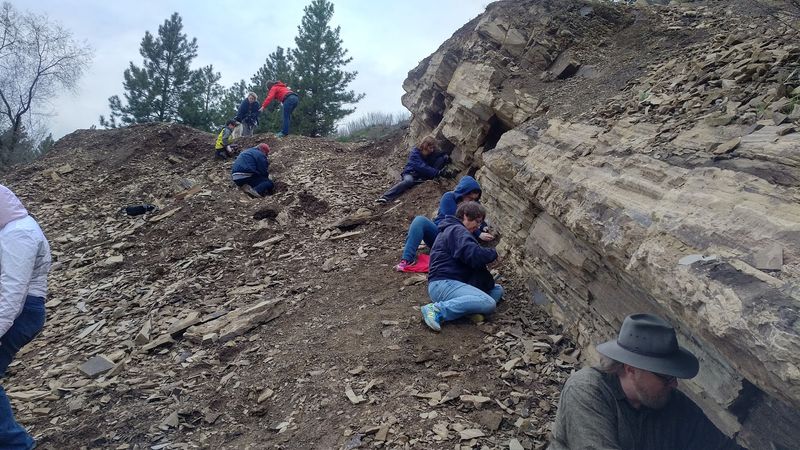
Curious kids top the list, of course. A three-year-old even handled the terrain with family help, one parent reported.
Older kids and teens tend to love the treasure hunt. Adults get hooked too, which is rare for a family outing.
Some fans dream of spending most of a week rummaging for fossils here.
Grandparents should plan carefully. The hillside has steep, loose shale, and at least one visitor with walking challenges found it very hard to manage.
Anyone using a mobility aid may want to enjoy the museum and let others handle the slope.
Disabled parking at the dig has been mentioned, along with limited shoulder parking for a couple of cars. Watch for a rut along that shoulder.
Restroom options at the dig may be limited, so plan a stop at the center first.
Dog lovers get a nice perk. A recent visitor described the spot as dog friendly for travelers.
Across the street, there’s a park where kids can run and families can picnic. It’s a handy reset button between museum time and digging time.
Hours, Cost, And The Road To Republic
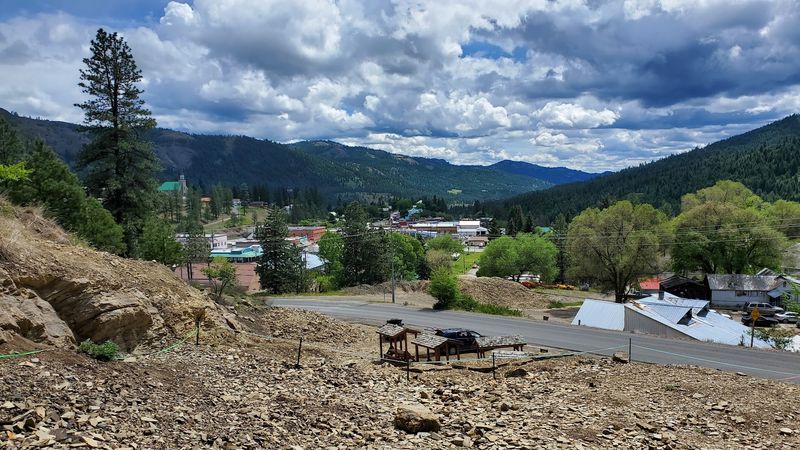
Plan your visit for midweek or the weekend. Stonerose Interpretive Center & Eocene Fossil Site is open Wednesday through Sunday, 9 AM to 5 PM, and closed Mondays and Tuesdays.
You’ll find the center at 15 N Clark Ave, Republic, WA 99166. Stop there first, since that’s where you get permission to dig and rent tools.
Digging requires a modest fee. Visitors call it a great deal for a few hours outside, though fees can change, so check before you go.
Kids can keep a set number of fossils, and staff will explain the limit.
The dig has a season, too. One family arrived when the site was closed for the year, so confirm timing before a long drive.
Summer is the classic window for Washington families.
Republic is a real road trip from the big cities. Spokane families have reported about three hours each way.
Pair the trip with an overnight stay or other area stops to make it worthwhile.
Morning visits can feel quieter. One couple had the dig site to themselves for about an hour.
A Rock-Solid Pick For A Summer Family Day
Kindness may be the sneaky star here. One staffer let a young birthday girl help split a slab, then gave her a free leaf fossil when the dig was closed.
Stories like that explain the glowing feedback. Staff and volunteers come up again and again as friendly, funny, and knowledgeable.
They make first-timers feel capable, which matters when kids are holding chisels.
Is it perfect? Not for everyone.
The steep slope can challenge some visitors, and fresh rock isn’t always plentiful.
Still, the core promise holds up. For a small fee, a family can spend hours outside and maybe bring home something truly ancient.
Few souvenirs in Washington beat a leaf older than the Rocky Mountains’ latest chapters.
Stonerose Interpretive Center & Eocene Fossil Site rewards curious, patient diggers. Pack the sunscreen, bring a bucket, and lower expectations just enough to be thrilled by a fern.
Your kids may not remember every road trip snack. They’ll remember cracking open a rock and finding a leaf that waited 50 million years for them.