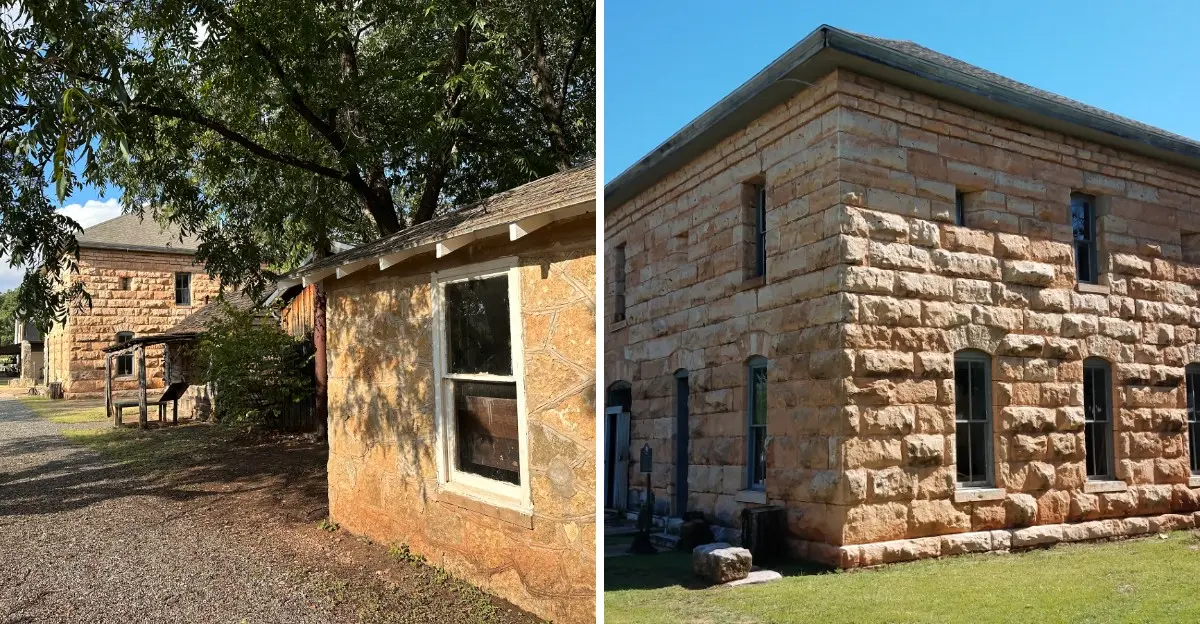
A jail, a courthouse, a blacksmith shop, and an old gas station all share one quiet patch of West Texas. Kids can wander between them like they’re running errands back in the 1890s, just without the horse.
None of these buildings were made for a theme park. They were rescued from around the area before time and bulldozers could claim them.
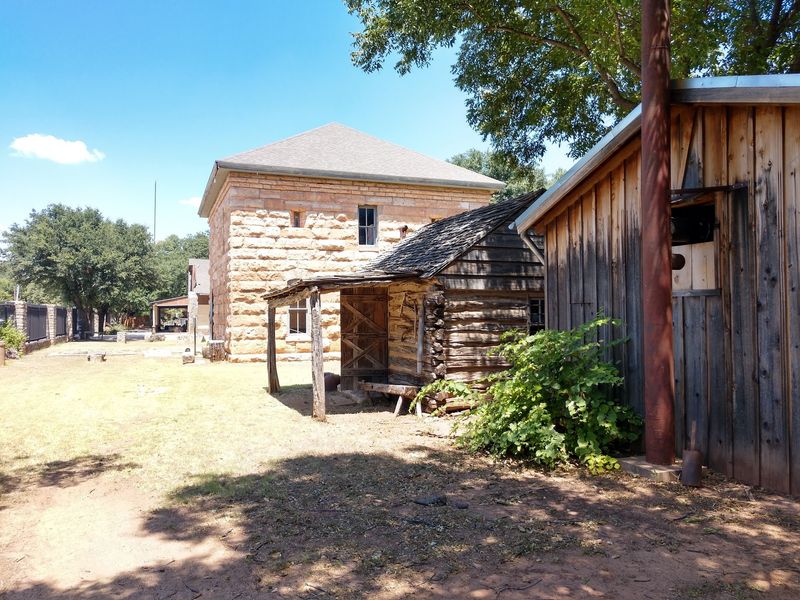
Then they were gathered into one walkable frontier town, with buildings spanning the 1880s to the 1920s.
I like how little gets roped off here. Children can peek into rooms, study real artifacts, and read stories about people who actually lived these lives.
The whole place sits a short drive from a much bigger Texas city, yet plenty of road-trippers cruise right past it. So what does an afternoon spent back in the 1800s actually look like?
A Whole Frontier Town Waits A Short Drive From Abilene
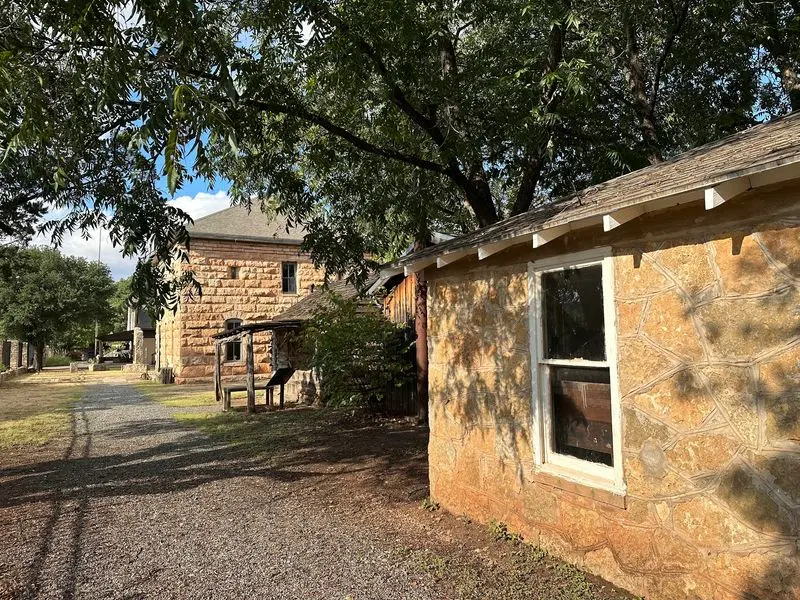
Most towns save one old building and slap a plaque on it. Buffalo Gap Historic Village went much further and saved an entire main street’s worth of them.
The museum sits in the small community of Buffalo Gap, a quick drive from Abilene in West Texas. It’s a preserved frontier-town complex, with buildings dating from the 1880s through the 1920s.
That span covers a lot of change. Families can move from pioneer-era structures to the early days of cars, all within the same easy stroll.
The setting matters too. Buffalo Gap itself is a quaint, quiet village, so the historic buildings don’t feel boxed in by highways or strip malls.
Inside the grounds, there’s also an art gallery and a gift shop. Those extras make the stop feel fuller than a simple outdoor display.
Google ratings currently sit at 4.7 stars across more than 250 reviews. For a small-town museum in Taylor County, that’s a strong showing and a good sign the drive pays off.
Families planning trips across Texas often treat it as a stretch-your-legs break. It also works as the main event for a relaxed Hill Country-style day out near Abilene, minus the crowds of bigger attractions.
Every Building Here Got A Second Chance
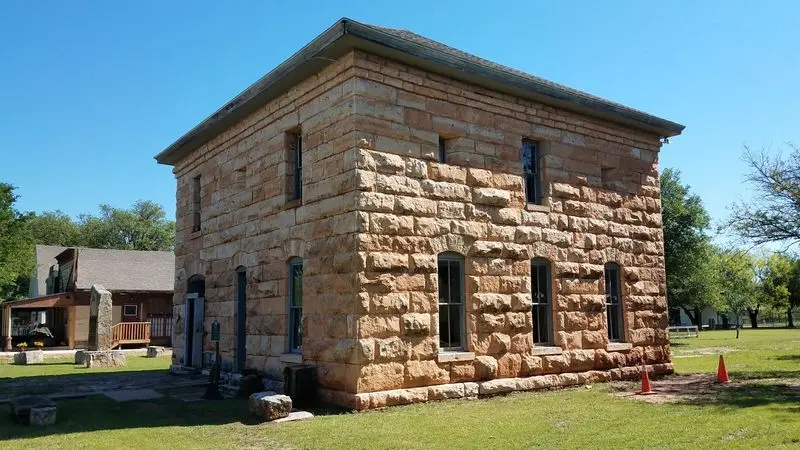
Bulldozers almost won. As towns and cities in the region kept growing, plenty of older buildings were at risk of being torn down or simply forgotten.
The folks behind Buffalo Gap Historic Village stepped in and rescued different structures from around the area. Instead of losing them, they brought them together in one place where people could still walk through them.
That backstory changes how the whole visit feels. You’re not looking at replicas built to resemble the past.
These are original buildings with real histories tied to the land around them.
Each structure comes with detailed stories about actual people who lived and worked in this rugged country. It turns a row of old walls into something closer to a family album for the region.
Some families have personal ties, too. Descendants of Buffalo Gap’s founding settlers have brought their own kids here to see where their roots began.
I believe that’s the real magic of preservation done this way. A child can stand in a doorway that someone used over a century ago and actually feel the distance between then and now.
History books rarely pull that off, and this village does it without any fancy gadgets.
Bank, Jail, And Blacksmith Shop All On One Stroll
Need to make a deposit, mail a letter, and check on the local outlaw? Back in the day, a frontier town handled all of that within a few short steps.
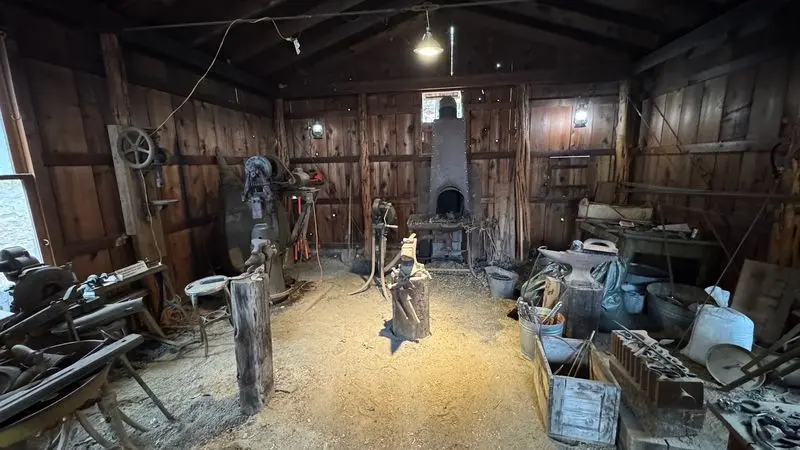
Buffalo Gap Historic Village recreates that rhythm with roughly ten buildings spread across about four acres. The lineup has included a bank, a post office, a jail, a courthouse, and a blacksmith shop.
Then there’s the gas station. It’s a fun reminder that this village stretches all the way into the 1920s, when automobiles started rolling into small Texas towns.
Kids tend to have favorites right away. The jail is an easy pick for anyone who likes a little drama, while the blacksmith shop shows how much muscle daily life once required.
Each building tells a different slice of community life. Together, they show how a small town actually functioned when everything depended on neighbors.
Some buildings may be closed for renovation at times. Even then, you can usually peek inside and still learn what each one was for.
Four acres sounds small on paper. Once you start ducking in and out of doorways, though, the afternoon disappears faster than you’d expect.
Kids Get Closer To The Past Than Most Museums Allow
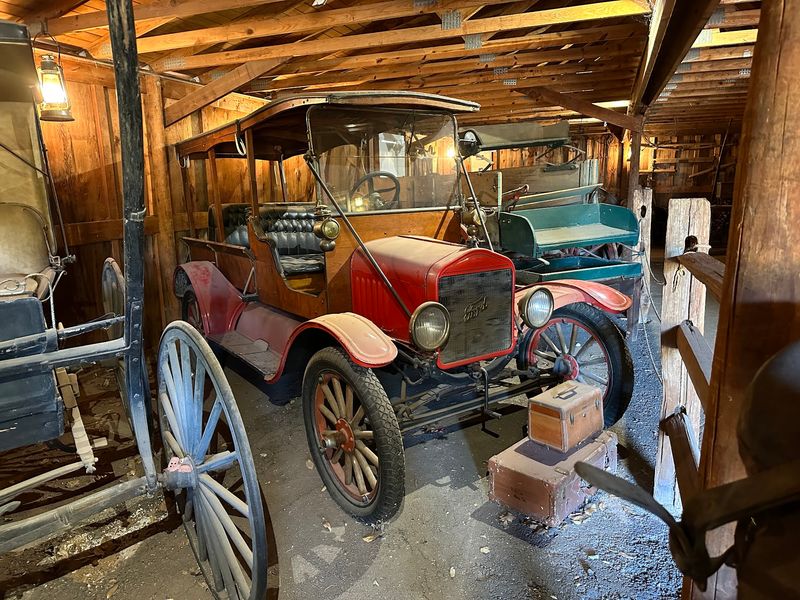
Glass cases and velvet ropes can make young visitors fidget fast. Here, many rooms aren’t barred off, so children get a much fuller look at how pioneer families lived.
That freedom comes with a small job for parents. Keep an eye on curious hands, because these are original artifacts from the era, not plastic props.
The collection is surprisingly deep. Some travelers have found more antiques and artifacts here than at larger museums they toured nearby.
Household items, tools, and everyday objects help explain how people adapted to tough West Texas conditions. It’s history you can almost reach out and grab.
Exhibits also pull fascinating stories from around the state. That gives older kids a bigger picture of Texas life beyond one small town.
Fun facts are scattered throughout, which helps keep younger attention spans engaged. A good fact about the jail can buy you at least ten more minutes of quiet curiosity.
This is the kind of history lesson that rarely shows up in school. Kids see how people cooked, worked, traded, and got by, and they remember it because they stood right there in the room.
A Pocket Map That Turns The Visit Into A Treasure Hunt
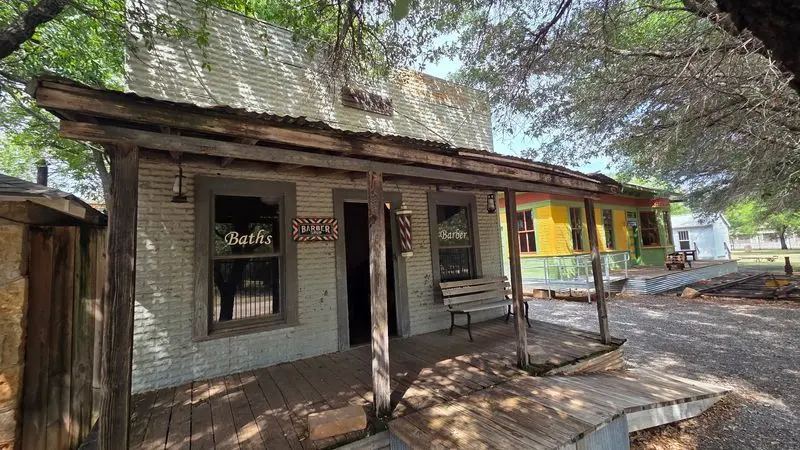
Tour guides are great, but kids love being in charge. At Buffalo Gap Historic Village, the self-guided format hands them the map and lets them lead.
Tickets come from the visitor center, along with a pamphlet. That pamphlet includes a map and descriptions for each building on the grounds.
Matching the numbered spots to the right stories feels a bit like a scavenger hunt. Older kids can read aloud while younger ones race ahead to find the next door.
The pace is entirely yours. Linger at the courthouse, breeze past whatever doesn’t grab the crew, and circle back if someone missed their favorite.
Staff are known for being friendly and helpful. If you arrive later in the day, someone may point out the must-see stops so you can hit the highlights.
That flexibility works well for multigenerational groups. Grandparents can take it slow and read every sign, while energetic grandkids bounce between buildings without anyone feeling rushed.
Honestly, it’s hard to beat a tour where nobody has to keep up with a guide. Everyone gets the version of the 1800s that suits them best.
Pack A Picnic And Save Time For The Art Gallery
History makes kids hungry, apparently. Luckily, this village has long offered a covered picnic area for families who bring their own lunch.
A small playground has also been part of the grounds, including a merry-go-round. After an hour of reading about frontier hardships, a few spins can reset the whole group’s mood.
Packing a lunch also stretches the day without stretching the budget. You can easily turn a quick museum stop into a relaxed afternoon outdoors.
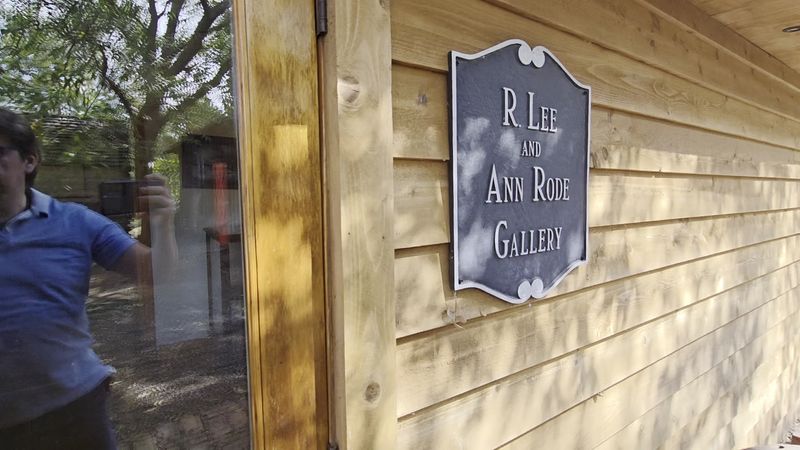
Then there’s the art gallery. It adds a different flavor to the visit and gives grown-ups something calmer to enjoy after chasing kids between buildings.
The gift shop rounds things out nicely. It’s an easy place to grab a small keepsake, and staff there have a reputation for warmth and kindness.
I can’t imagine a better combo for a family day trip in West Texas. Old buildings, open air, a shady lunch spot, and a little art all fit neatly into one stop.
Just plan ahead, since picnic supplies are on you. A cooler in the trunk might be the smartest thing you pack.
Plan Around That Tuesday Through Saturday Schedule
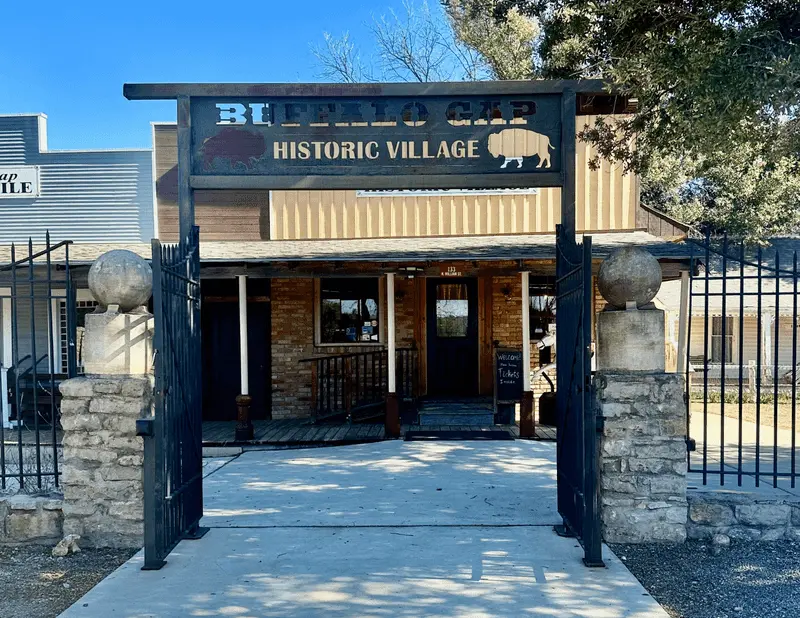
Showing up on a Monday is the classic rookie mistake. Buffalo Gap Historic Village opens Tuesday through Saturday from 10 AM to 5 PM and stays closed Sunday and Monday.
Holidays can also mean locked gates. At least one traveler arrived on Christmas Eve and found everything closed, so double-check before any holiday road trip.
You’ll find the village at 133 William St, Buffalo Gap, TX 79508. It’s an easy add-on for anyone driving through Abilene on a summer vacation or weekend getaway.
Parking is simple, with level gravel spaces right along the street. That’s handy for strollers, grandparents, and anyone hauling a picnic cooler.
Admission is handled at the visitor center. The village has also been included in Abilene’s Round Up pass, which can make it an even better value.
Aim to arrive with a couple of hours to spare. Rolling in right before closing works in a pinch, but you’ll want time to enjoy every building.
Hungry afterward? Perini Ranch Steakhouse sits about five minutes away, making for a very satisfying end to a Texas history day.
Grandparents Who Came Years Ago Are Bringing The Kids Back
Some places stick with you for decades. One family first brought their children here on July 4, 2006, then returned years later as empty nesters and loved it just as much.
Another traveler from South Texas visited over twenty years ago. Driving near Abilene on a summer road trip, he made a point to stop so his own family could share that same experience.
That’s the kind of pull Buffalo Gap Historic Village has. It doesn’t chase trends or flashy upgrades, and that old-fashioned character is exactly the point.
Staff have shared plans for future improvements, and the village has even hosted a traveling Smithsonian exhibit called Crossroads of Rural America. Still, the heart of the place remains its original buildings.
For Texas families, it checks a lot of boxes. It’s affordable, kid-friendly, easy to reach, and packed with real stories from real pioneers.
Kids walk away understanding how hard frontier life could be. Adults walk away appreciating how communities still found joy in each other.
Plenty of folks speed past Buffalo Gap without a second glance. Stop once, though, and don’t be surprised if you’re bringing the next generation back someday.