A robotic T. rex stomps and roars inside a museum gallery here, and it shares the room with a moving Apatosaurus. Yes, robotic.
I can’t imagine a better way to make a seven-year-old forget about screens for an afternoon.
The animatronic crew also includes a Maiasaura and a Pachycephalosaurus, the dinosaur with the famously thick, domed head. Each one is based on fossil records and scientific research.
So the roaring comes with real science attached.
I like how the fun doesn’t stop at watching. Kids can dig through a dino dig box and make fossil rubbings, just like junior paleontologists.
That’s a pretty great deal for a museum in Massachusetts that first opened its doors back in 1899.
So what happens when a kid meets a moving dinosaur bigger than the family car? Let’s find out.
The Robotic Dinosaurs Actually Move, And Kids Notice Fast
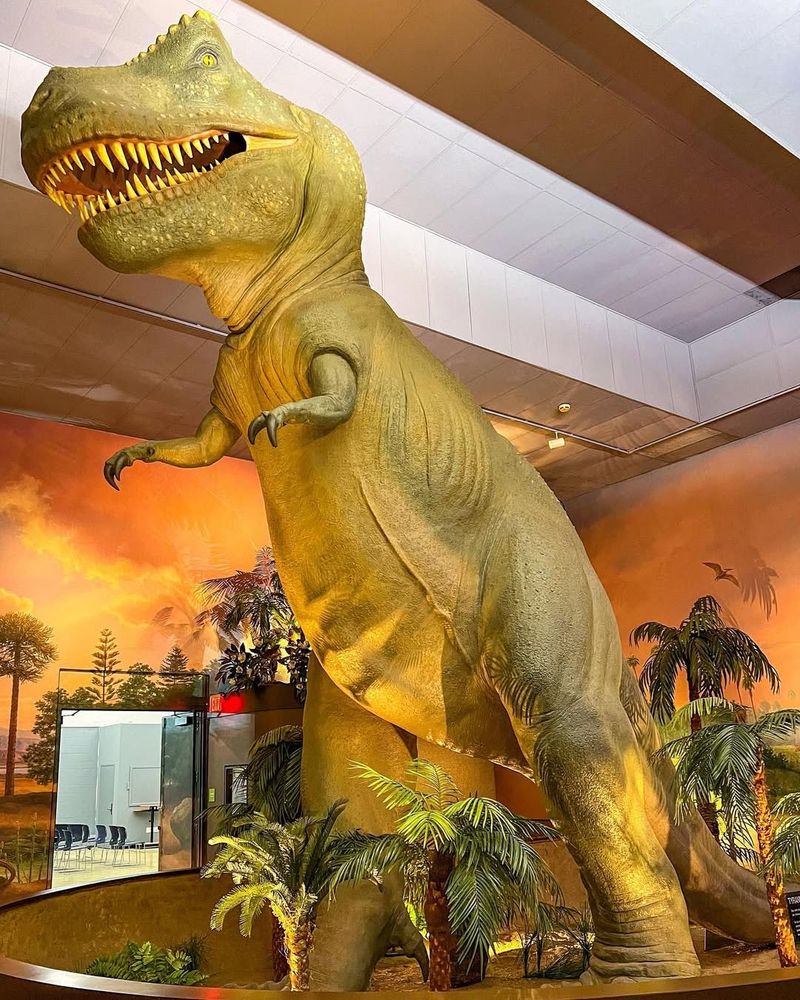
Roaring dinosaurs are a tough act to follow. At the Springfield Science Museum, the Dinosaur Hall delivers exactly that with stomping, roaring, robotic dinosaurs.
The lineup reads like a kid’s dream team. You’ll find a Maiasaura, an Apatosaurus, a Pachycephalosaurus, and yes, a T. rex.
What makes them special is the science behind the show. Each animatronic is based on fossil records and scientific literature, so these aren’t random cartoon monsters.
That detail gives parents a sneaky win. Kids think they’re watching a dinosaur movie come to life, but they’re actually learning how scientists rebuild ancient animals.
A quick tip helps here. Ask your kids which dinosaur they think ate plants and which one ate meat, then check the signs together.
The Maiasaura is a fun one to talk about. Its name means good mother lizard, which makes it an easy favorite for little ones who love baby animals.
Smaller kids may need a moment before getting close. That’s perfectly normal when something taller than your dad starts moving and making noise.
Let them watch from a comfortable spot first. Most kids warm up quickly once curiosity beats the nerves.
Your Kid Gets To Play Paleontologist For A While
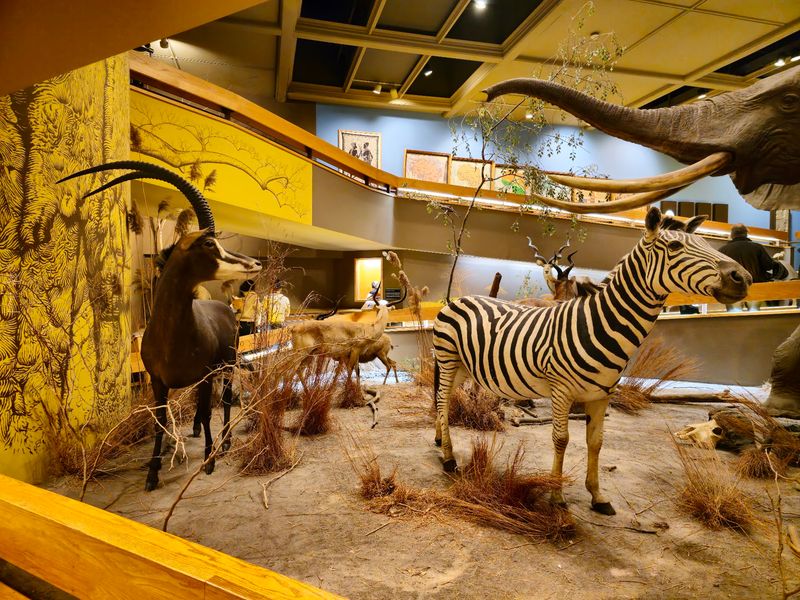
Brushes, sand, and buried bones make a pretty irresistible combo. The museum’s hands-on dino dig box lets kids uncover fossils the way real scientists do.
Paleontologists spend hours carefully clearing away dirt. Kids get the short, fun version, which is probably the right amount of patience for most of us.
Nearby, fossil rub stations add another layer of play. Kids place paper over textured surfaces and rub with a crayon to reveal dinosaur shapes.
Those rubbings make great free souvenirs. Slip them into a folder and you’ve got artwork for the fridge and proof of an awesome day.
Here’s a practical idea. Bring a few crayons of your own just in case, since kids often want to make more than one rubbing.
These activities work well for different ages. Toddlers enjoy the digging motion, while older kids like spotting the details in each fossil shape.
Hands-on moments also help kids remember what they learned. Touching and discovering often sticks better than reading a sign ever could.
Plan a little extra time for this area. Once the digging starts, pulling them away might take some serious negotiating skills.
Real Skeletons And Footprints Bring The Scale Home
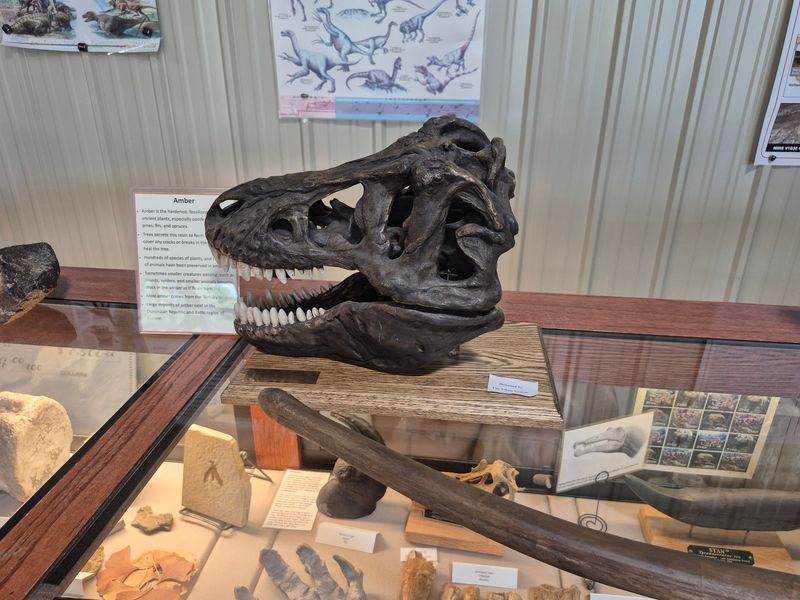
Size is hard to understand until you stand next to it. Full-size dinosaur models, fossil skeletons, and footprints at the museum give kids that big wow moment.
Seeing a skeleton up close changes how kids think about dinosaurs. Suddenly those bones in their books turn into real creatures that once walked the Earth.
Footprints are especially fun to explore. Kids can compare their own feet to the tracks and figure out just how massive these animals were.
Try a simple game while you look. Ask your child to guess how many of their steps would fit inside one dinosaur step.
Skeletons also show clues about how dinosaurs lived. Long necks, sharp teeth, and heavy tails each tell a different story about eating and moving.
Older kids may enjoy playing detective here. Encourage them to look for features that hint at speed, strength, or defense.
Photos work great in this space too. A kid posed beside a giant skeleton makes a memorable picture for the family album.
Take your time with the details. The longer you look, the more surprising things you start to notice in those ancient bones.
Birds And Crocodiles Have Some Surprising Relatives
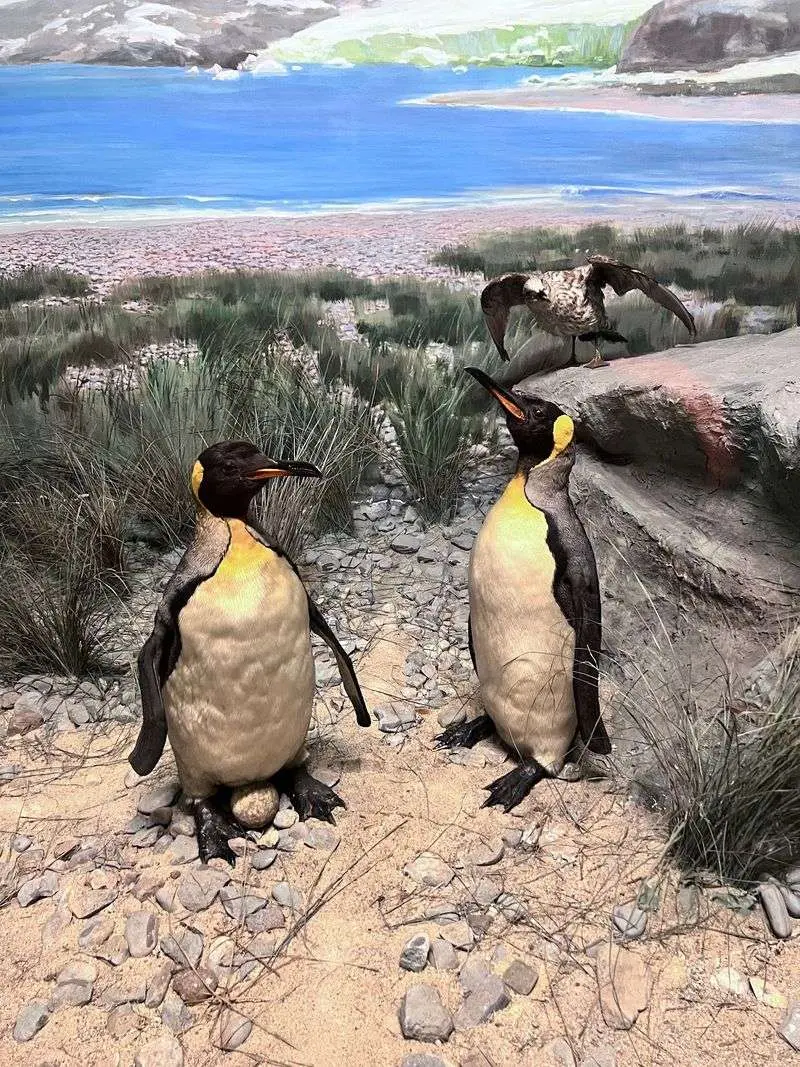
Did you know the pigeon outside might be related to a dinosaur? The Springfield Science Museum explores that idea in a gallery called Dinosaurs Still Live: The Story of Archosaurs.
Archosaurs are a big group of animals. It includes dinosaurs, birds, and crocodiles, which sounds like the strangest family reunion ever.
This gallery is a great follow-up to the robotic dinosaurs. After all that roaring, kids get to discover that dinosaur relatives still exist today.
The idea often blows young minds. Learning that birds connect to dinosaurs can make a backyard robin seem a lot more exciting.
Use this as a conversation starter on the way home. Point out birds you see and ask kids what dinosaur traits they might share.
Older kids tend to love these surprising science connections. They get to feel like experts when they share the fact with friends later.
Younger kids may simply enjoy spotting the animals. That works too, since curiosity grows a little at a time.
It’s a smart way to link ancient history to everyday life. Dinosaurs suddenly feel less like legends and more like part of our world.
The Star Show Comes From A Record-Holding Projector
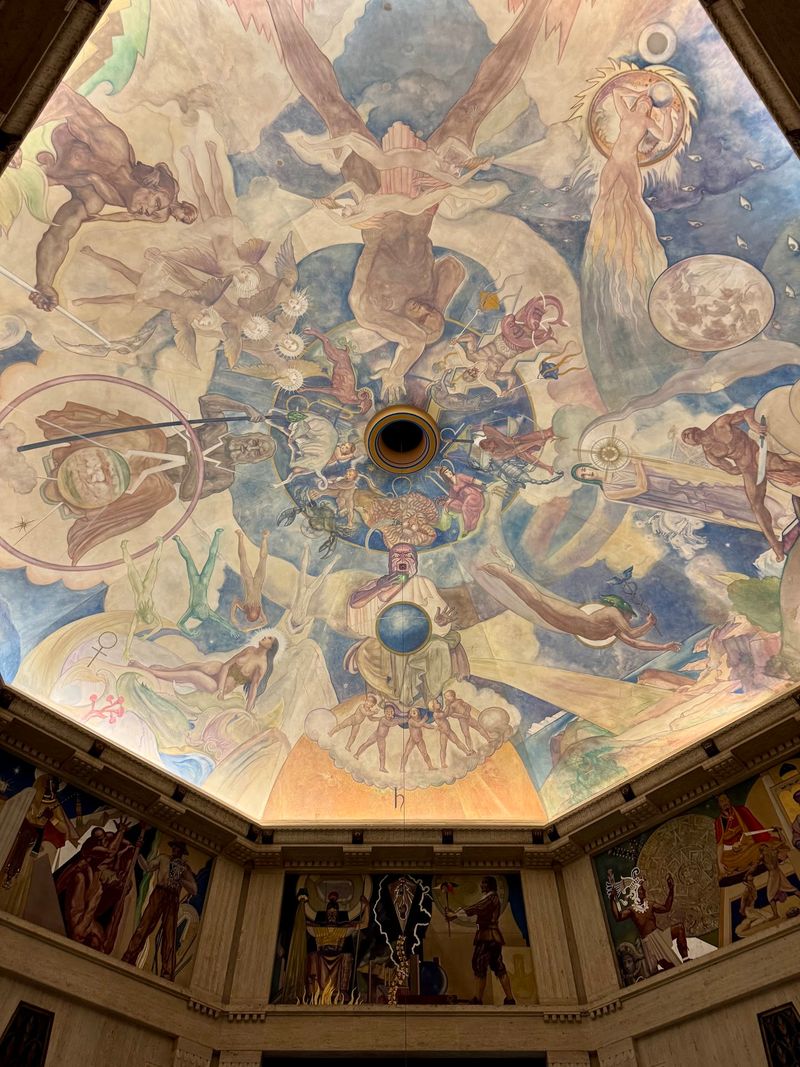
After the dinosaurs, look up. The Seymour Planetarium inside the museum holds a seriously cool record.
Its Korkosz star projector is the oldest operating star projector in the United States. Even better, it was made right here in Springfield.
The planetarium pairs that history with modern tech. A Zeiss full-dome projection system brings today’s space shows to the dome.
That mix makes for a neat lesson. Kids see how people explored the stars long ago and how we do it now.
Planetarium shows can be a nice rest stop too. After a busy morning of stomping dinosaurs, sitting in the dark under stars feels pretty great.
Here’s a helpful move. Check the show schedule when you arrive so you can plan your gallery time around it.
Space and dinosaurs are actually connected in a fun way. Many scientists believe an asteroid from space played a role in the dinosaurs’ story.
That link makes a handy talking point. Kids love connecting big ideas, and this one spans millions of years and the whole sky.
Tiny Inventors Can Build Big Ideas Here
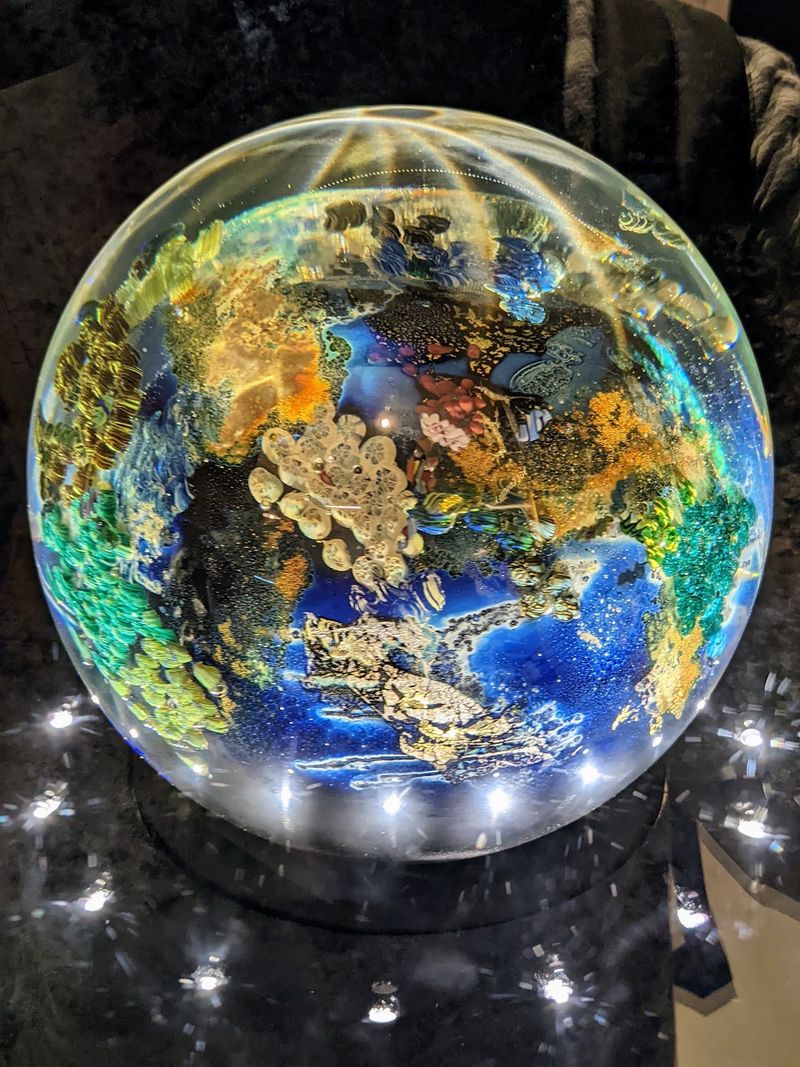
Some kids want to look at things, and others want to build them. Spark!Lab gives those builders a place to shine.
The space is a hands-on invention area based on a Smithsonian Lemelson Center education program. That connection makes sense, since the Springfield Museums is a Smithsonian Affiliate.
Kids get to test, tinker, and try again. Mistakes are part of the fun, which is a great lesson for any young thinker.
I believe this kind of space builds real confidence. Solving a problem with your own hands feels way better than just reading about one.
Encourage your child to explain their creation to you. Talking through ideas helps them understand how inventors actually think.
This area pairs nicely with the dinosaur exhibits. Paleontologists also invent tools and methods to dig, measure, and study fossils.
Plan for messy curiosity and a bit of time. Inventing rarely happens in two minutes, especially with an excited kid in charge.
Spark!Lab adds balance to the visit. After watching giant creatures, kids get to become the creators themselves.
Animals That Breathe Today Deserve A Look Too
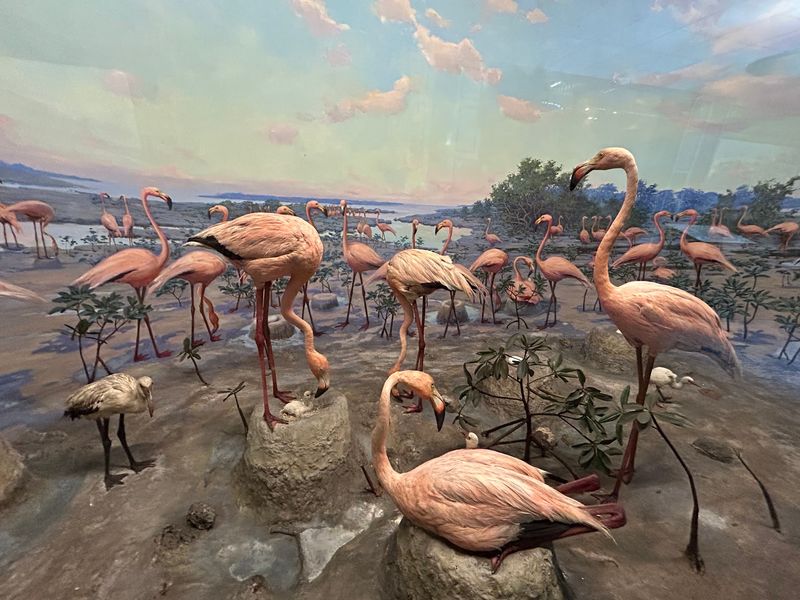
Not every creature here is ancient. The Springfield Science Museum also houses a live animal center for kids who love today’s critters.
Down on the lower level, Investigation Station adds aquariums and water exhibits. It’s a good spot for little ones who like watching fish swim around.
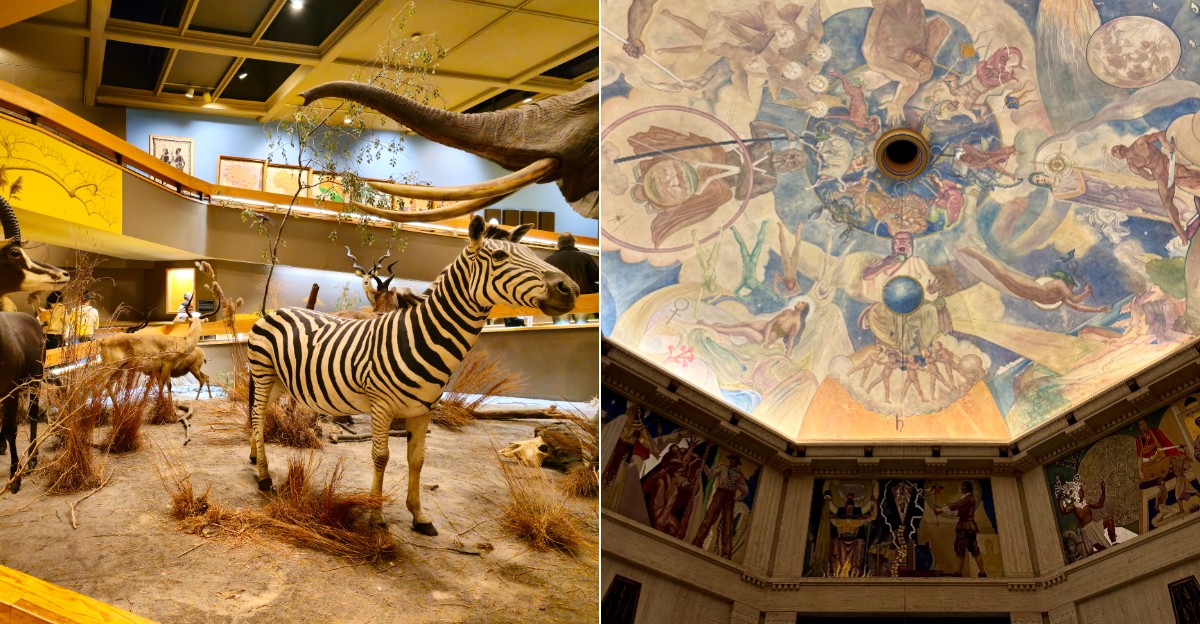
More galleries round things out. You can explore Living Waters: From Oceans to Valleys, Earth Hall, and the R.E.
Phelon African Hall.
Each area gives kids a fresh topic to explore. One minute it’s rocks, the next it’s ocean life, then animals from far away.
A smart approach is letting kids choose the next stop. Giving them a say often keeps energy and interest high.
These spaces also connect back to dinosaurs nicely. Scientists study living animals to better understand how ancient ones may have behaved.
Bring a little notebook if your child enjoys drawing. Sketching an animal is a great way to slow down and really observe.
With so much variety, the visit never feels like one long lesson. It feels more like a treasure hunt through the natural world.
One Ticket Opens The Door To Way More Fun
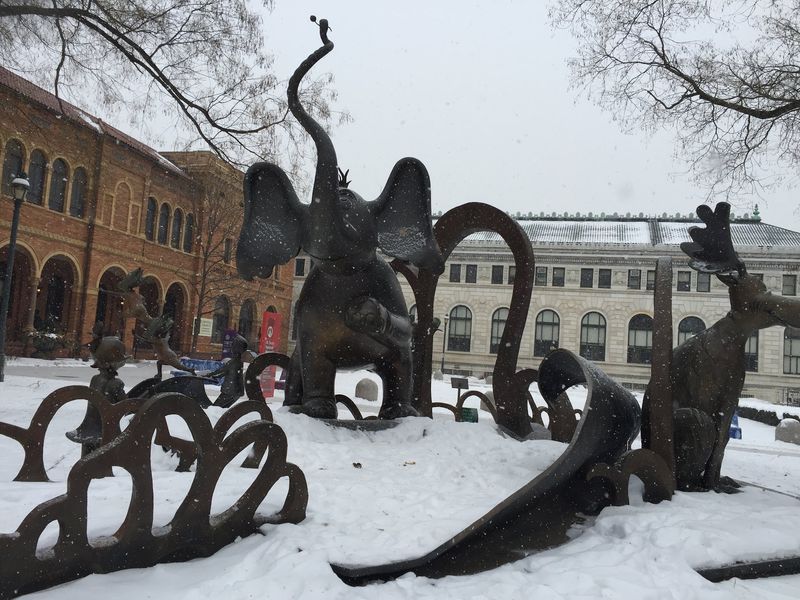
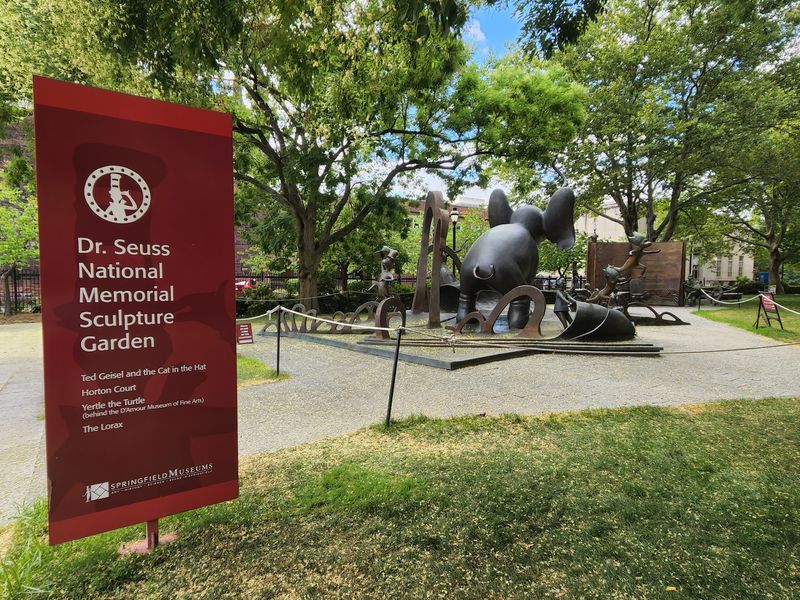
Bonus content is the best kind of content. General admission covers all five Springfield Museums plus the Dr. Seuss National Memorial Sculpture Garden.
You’ll find the Springfield Science Museum at 21 Edwards Street, Springfield, MA 01103. It sits on a campus with roots stretching back to 1857.
Kids who love dinosaurs often love Dr. Seuss too. The Amazing World of Dr. Seuss Museum offers interactive exhibits and a maker space called The Cat’s Corner.
That’s a lot of fun packed into one Massachusetts campus. Families can easily turn a dinosaur trip into a full day.
Springfield residents with a valid photo ID get free general admission. That’s a fantastic perk for local families who want to visit often.
Hours run Tuesday through Saturday, 10 am to 5 pm, and Sunday from 11 am to 5 pm. The museums close on Mondays.
Free visitor parking is available in the museum lots. Look for the Edwards Street and State Street locations.
Accessibility is covered too, with accessible parking, restrooms, and mobility-device access. Everyone gets to join the dinosaur adventure.
Hungry Dino Hunters Have Easy Options Nearby
Roaring makes everyone hungry, apparently. Luckily, the Blake House Café sits right on the museum campus.
The building itself is historic, dating back to 1839. Right now the café serves items from Smoked, the 413’s BBQ food trailer.
You’ll also find soups, salads, sandwiches, coffee, tea, pastries, and muffins. The café runs Tuesday through Sunday from 11 am to 3 pm.
Museum admission isn’t required to eat there. Free Wi-Fi is available too, which helps when you’re planning the rest of your day.
Prefer packing a lunch? Outside food is allowed in designated spots like the Welcome Center, outdoor picnic tables, and the Quadrangle Green.
A picnic can be a great reset for busy kids. Fresh air and snacks often recharge little explorers for round two.
Lockers and cubbies are available in each museum. That makes it easier to stash coats and lunch bags while you explore.
Before leaving, stop by the Hanmer Museum Store in the Welcome Center. A small dinosaur souvenir might keep the excitement going all the way home across Massachusetts.