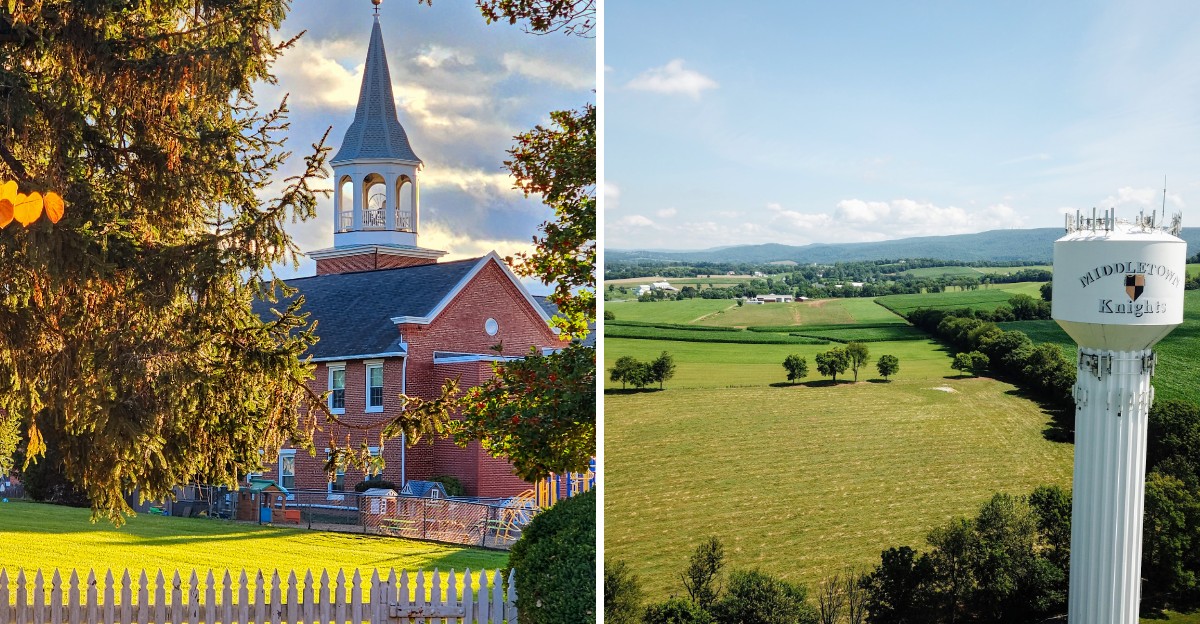
In 1864, an army rode into a small farm town and demanded cash to leave it alone. The town handed over money to keep its homes standing.
Two years earlier, those same streets had filled with tens of thousands of marching soldiers. Then the wounded came back down the mountain, and local churches turned into hospitals overnight.
I like how a place this small carried so much weight in the story of Maryland. Today it’s a quiet valley town with an old main road, brick buildings, and mountain views on two sides.
The past still sits right there in plain sight.
I can’t imagine a better way to spend a Saturday with kids who think history lives only in textbooks. So which little Frederick County town pulled all this off, and what can you see there now?
A Valley Town Wedged Between Two Mountains
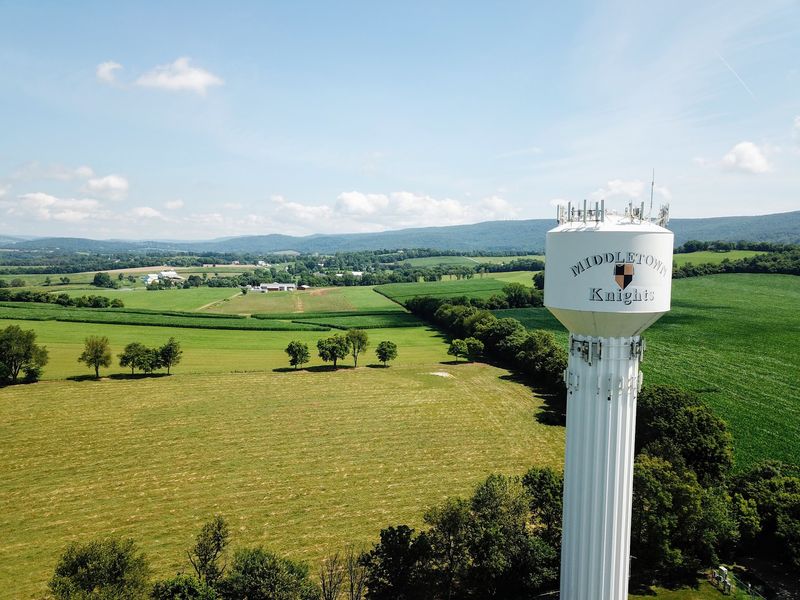
Mountains guard Middletown, Maryland, on both sides, and that geography explains almost everything about its story. Catoctin Mountain rises to the east, while South Mountain stands to the west.
Between them stretches the Middletown Valley, a broad bowl of farmland in Frederick County. The town sits near the middle, which is a pretty honest way to earn a name.
It’s a small place, too. The 2020 census counted 4,943 residents, so you won’t need a map app to find your way around.
That size works in your favor on a day trip. You can park once, stroll the historic core, and still have time for the mountain parks nearby.
The town is roughly eight miles west of Frederick. Most families coming from Baltimore or the DC suburbs can expect about an hour in the car, depending on traffic.
Here’s why the location matters so much. Any army heading west across South Mountain had to pass through this valley, and that made Middletown a front-row seat for history.
Keep that picture in mind as you explore. The quiet fields around you once held some very loud days.
Roots Planted Back In 1767
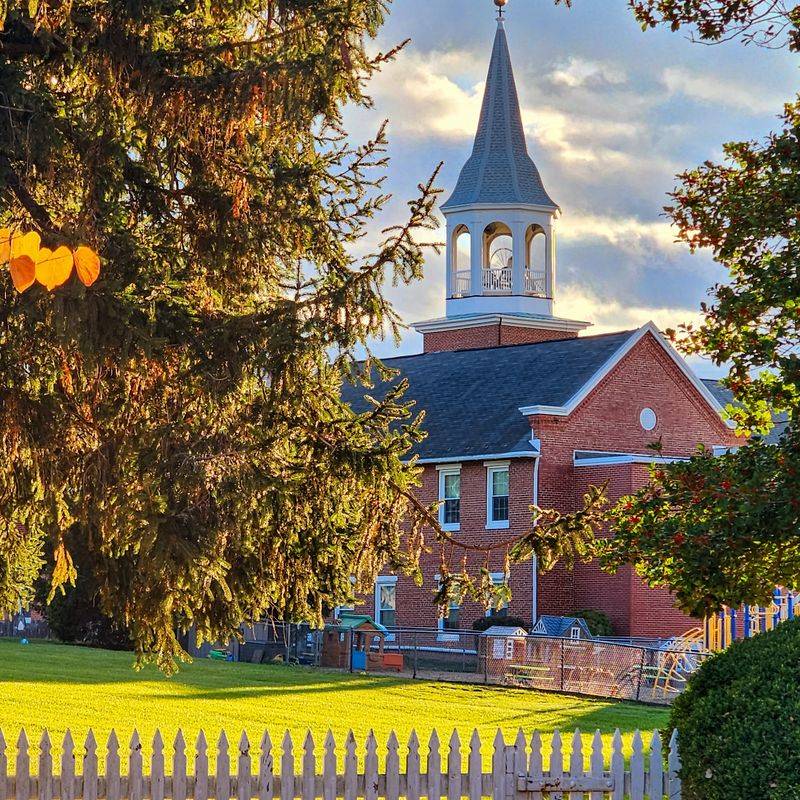
Long before soldiers or highways, Middletown started as a simple plan on paper. The town was laid out in 1767, nearly a decade before the Declaration of Independence.
Early settlers in the valley included many German families who farmed the rich soil. Their influence shows up in the area’s old churches and family names.
Fast forward to 1833, and Middletown became an incorporated town. That made it official, with its own local government and a growing main street.
Kids usually love hearing that the town is older than the United States itself. It’s a fun fact that makes a regular walk feel a little more special.
The valley’s farms fed the town for generations. Rolling fields still surround Middletown, so the rural roots aren’t just a story told in a museum.
I believe that farming backbone is part of what kept the town grounded through hard times. People here were tied to their land, and they stayed put.
So when you drive in, you’re entering a community with more than 250 years behind it. Not bad for a town you can cross in a few minutes.
Main Street Follows America’s First Big Highway
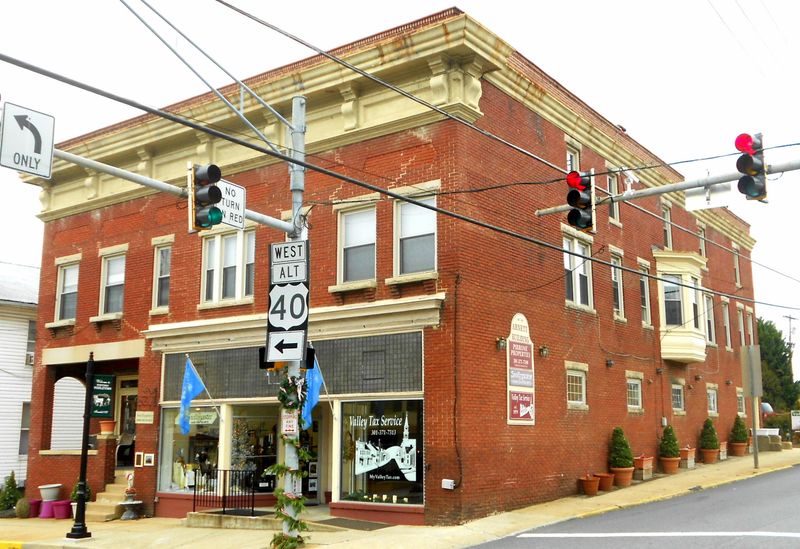
Ever driven on a road that wagons used two centuries ago? Middletown’s Main Street carries the old National Road, often called the National Pike.
The National Road was the first major highway built with federal funding in the United States. It helped move settlers, goods, and livestock west toward the Ohio River.
Today this stretch is known as Alternate Route 40. Cars have replaced stagecoaches, but the path through town follows the same historic line.
That road brought business to Middletown for years. Travelers needed food, rest, and supplies, and towns along the route grew to meet them.
It also brought armies. When troops needed to cross South Mountain in 1862, the pike through Middletown was a natural route to take.
Walking Main Street gives you a feel for that old travel rhythm. The buildings sit close to the road, the way they did when traffic moved at horse speed.
Point out the route to kids before you arrive. Telling them they’re riding on a road from the early 1800s turns a boring drive into part of the adventure.
The September Week Soldiers Flooded The Streets
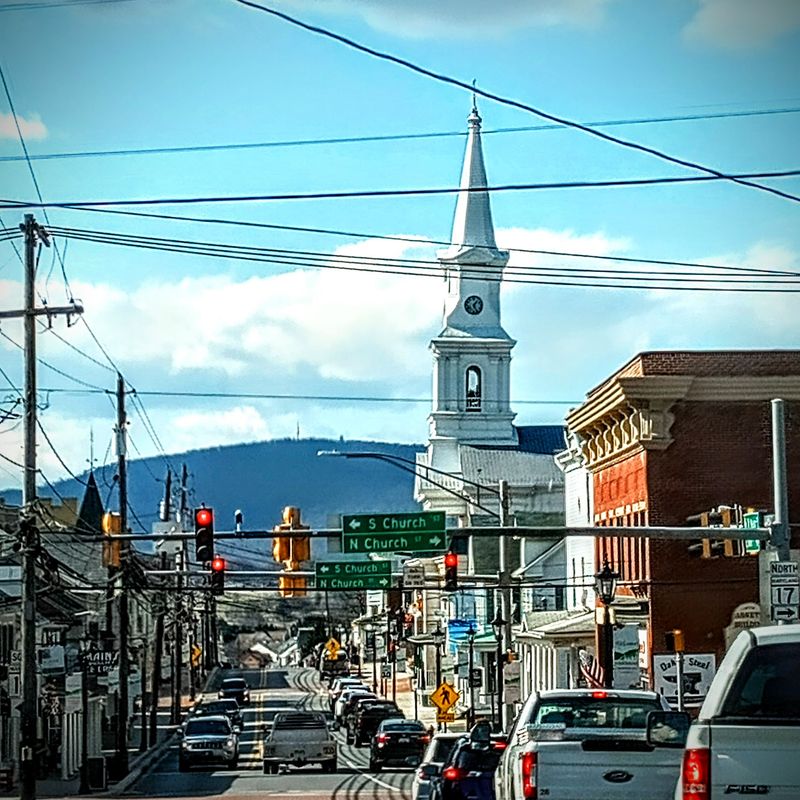
September 1862 changed this quiet valley in a matter of days. Confederate General Robert E.
Lee had moved his army into Maryland, and Union forces followed close behind.
The Union Army of the Potomac marched west from Frederick. Its path ran straight through the Middletown Valley and along the National Road.
Picture a town of a few hundred homes watching thousands of troops pass by. Wagons, horses, and marching columns filled the road for what must have felt like forever.
Ahead lay South Mountain and its narrow gaps. Confederate troops held those passes, hoping to slow the Union advance.
On September 14, 1862, fighting broke out at Turner’s Gap, Fox’s Gap, and Crampton’s Gap. The Battle of South Mountain was the first major clash of the war on Maryland soil.
Residents in Middletown could hear it from town. The battle set the stage for Antietam, which came just three days later near Sharpsburg.
That’s a lot of history for one small valley. Standing on Main Street, it’s easy to see why these mountains mattered so much.
Church Pews That Became Hospital Beds
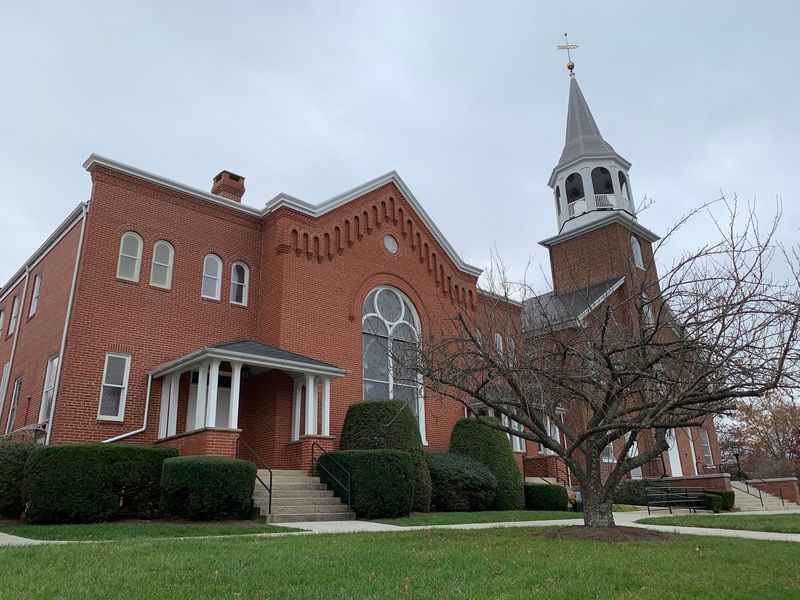
After the fighting on South Mountain, the wounded needed somewhere to go. Middletown, the closest town on the eastern side, became that place.
Churches, homes, and other buildings across town filled with injured soldiers. Boards were laid across pews so they could serve as makeshift beds.
Christ Reformed Church on Main Street was among the buildings used to care for the wounded. Other local churches helped too, and so did ordinary families.
The care continued after Antietam, when even more wounded arrived in the area. For weeks, the whole town became part of the medical effort.
I like how this chapter shows the people of Middletown, not just the generals. Neighbors cooked, cleaned, and nursed strangers from both near and far.
Kids often connect with this part of the story best. It’s about helping others, which feels more personal than troop movements on a map.
As you walk past the old church buildings, take a moment to look up at the steeples. Some of these structures watched over an entire town pulling together during its hardest season.
A Ransom Demand That Saved The Town
Paying money so an army won’t burn your town sounds like a movie plot. In July 1864, it happened in Middletown.
Confederate General Jubal Early led his troops into Maryland that summer. As they moved east, they demanded ransoms from towns along the way.
Hagerstown and Frederick faced large demands. Middletown received its own demand, and the town came up with a payment to spare its buildings.
Frederick’s ransom became the most famous, and the city kept paying off its loans for decades. Middletown’s story is smaller, but it belongs to the same tense week.
Days later, Early’s army clashed with Union troops at the Battle of Monocacy near Frederick. That fight delayed his march toward Washington.
It’s a wild chapter to share with older kids. They tend to be shocked that towns literally bought their way out of trouble.
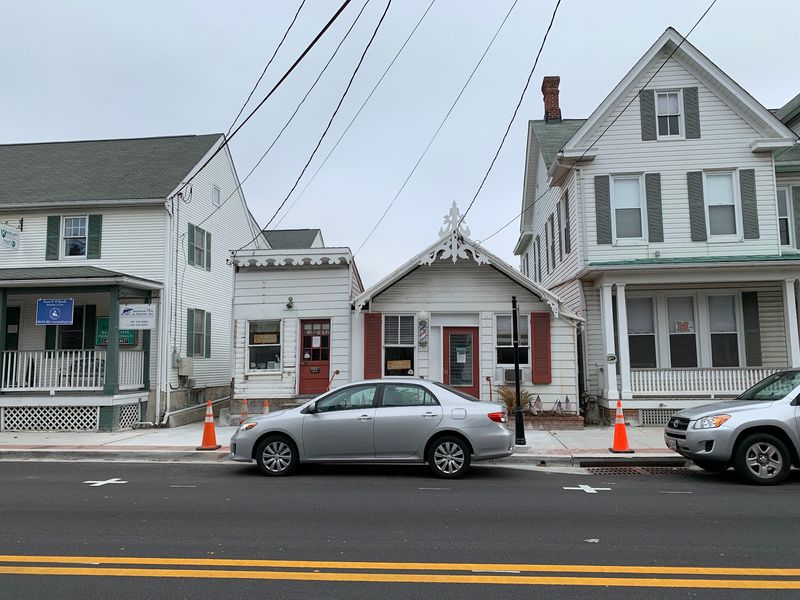
When you see Middletown’s old homes still standing today, you’re seeing part of that payoff. The buildings survived, and so did the town’s character.
Brick, Stone, And Plenty Of Front Porches
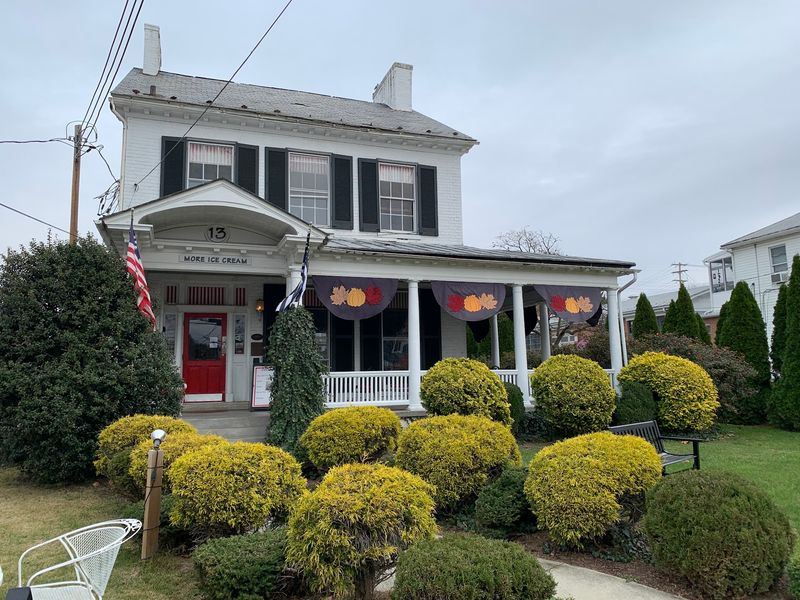
Old buildings tell stories without saying a word, and Middletown has plenty of them. The town’s historic core is listed as the Middletown Historic District on the National Register of Historic Places.
Much of that district lines Main Street. You’ll see brick and stone buildings that reflect the town’s growth along the National Road.
Church steeples rise above the rooftops in several spots. They make handy landmarks if your kids like playing tour guide.
A slow stroll works best here. Sidewalks along Main Street make it easy to take in the buildings at walking pace.
Turn it into a game for younger kids. Ask them to spot the oldest-looking building, the tallest steeple, or the fanciest doorway.
Remember that many of these buildings are private homes and working businesses. Admire from the sidewalk and keep the visit respectful.
The best part costs nothing at all. A self-guided walk through a National Register district is about as budget-friendly as Maryland history gets.
Local Keepers Of The Valley’s Memory
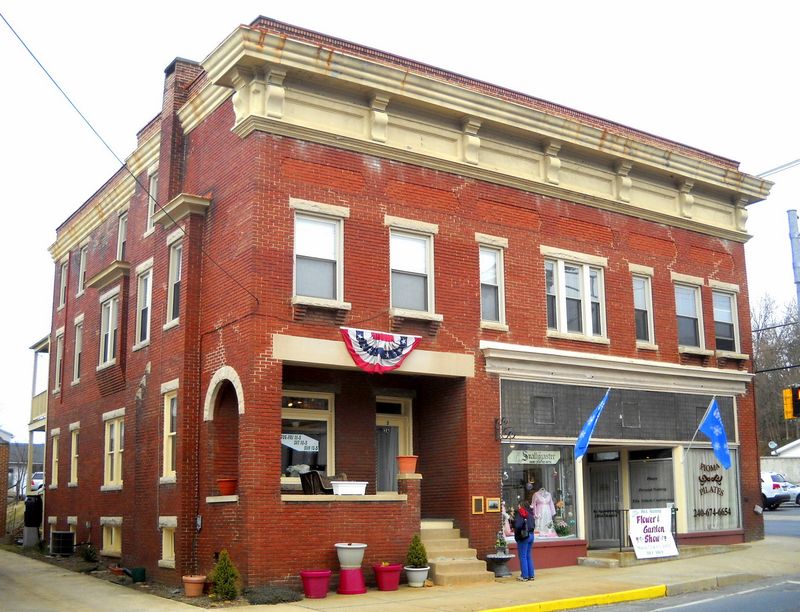
Every small town needs someone who saves the old photos and stories. In Middletown, the Middletown Valley Historical Society has taken on that role.
The group works to preserve and share the history of the whole valley. That includes farming life, early settlers, and the town’s part in the 1860s.
The society maintains a museum space in town. It’s a great stop if your crew wants to see local items up close instead of just reading signs.
Hours for small volunteer-run museums can be limited. Check the society’s schedule before you go so you don’t arrive to a locked door.
Groups like this often host talks, tours, or special events during the year. Those can add a lot to a day trip if your timing lines up.
I believe local historical societies are some of the most underrated stops anywhere. The people involved care deeply, and it shows in how they tell their town’s story.
Even a short visit helps connect the dots. You’ll head back to Main Street with sharper eyes and better questions.
The Mountain Battlefield Just Up The Road
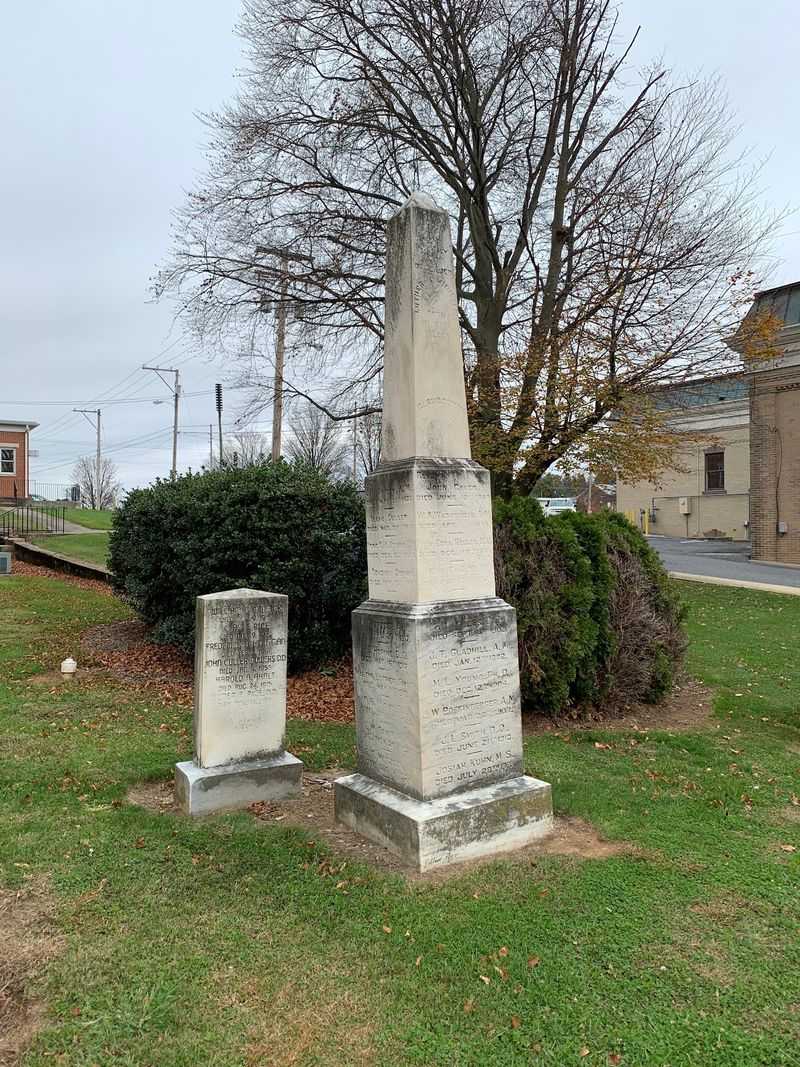
Head west from town on the old pike, and the road climbs toward Turner’s Gap. That’s where South Mountain State Battlefield begins to unfold around you.
The state battlefield protects key ground from the September 14, 1862, fighting. It spans sites at Turner’s Gap, Fox’s Gap, and Crampton’s Gap.
Interpretive signs help explain what happened at each spot. They’re a smart way to connect the story you heard in Middletown to the actual terrain.
Fox’s Gap holds monuments to two generals who fell there. One honors Union General Jesse Reno, and another remembers Confederate General Samuel Garland.
The Appalachian Trail runs along the ridge through this area. Hiking a short piece lets kids say they walked part of a trail stretching from Georgia to Maine.
Sturdy shoes are a good idea for any trail time. Some paths are rocky, and mountain weather can shift quickly.
Battlefield access is generally free, which makes it a great match for a budget-minded day. Confirm any visitor center hours before your trip, since schedules can change.
An Arch Built For Newspaper Reporters
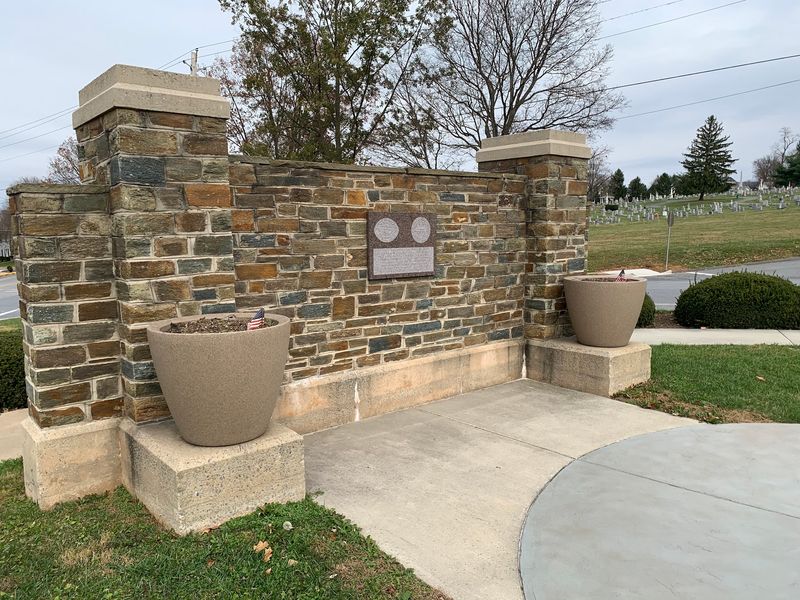
Of all the monuments in the area, this one is the quirkiest. At Gathland State Park, a towering stone arch honors the reporters and artists who covered the 1860s conflict.
The War Correspondents Memorial was built in 1896. It’s the creation of George Alfred Townsend, a journalist who wrote under the pen name Gath.
Townsend built an estate on this mountain spot, and the park’s name comes from his pen name. His ruined stone buildings still stand on the grounds.
The arch looks almost like a castle gate dropped onto a hilltop. Kids usually stop in their tracks when they first see it.
Gathland sits at Crampton’s Gap, one of the passes fought over in 1862. So the park blends battle history with a story about storytelling itself.
The Appalachian Trail passes right through the park as well. A short walk on the trail makes an easy add-on for active families.
It’s a quick drive from Middletown through the valley. Plan a stop here if your crew enjoys history with a strange twist.
The Original Washington Monument Lives Nearby
Most people think the Washington Monument stands only in DC. Maryland got there first, right on top of South Mountain.
Washington Monument State Park sits near Boonsboro, a short drive over the mountain from Middletown. Its stone tower was first built by local citizens in 1827.
That makes it the first completed monument dedicated to George Washington. It’s shaped a bit like a big stone milk jug, which kids find pretty funny.
The tower has been rebuilt over the years, and visitors can often climb to the top. When it’s open, the view stretches across the valleys below.
Fall is a popular time to visit because of the color on the mountains. The site is also known for hawk watching during migration season.
Reaching the monument takes a short uphill walk on a path that shares the Appalachian Trail. It’s doable for most families with patient little hikers.
Hours and tower access can vary by season. Check with Maryland State Parks before heading out to avoid any surprises.
Planning Your Day In The Valley
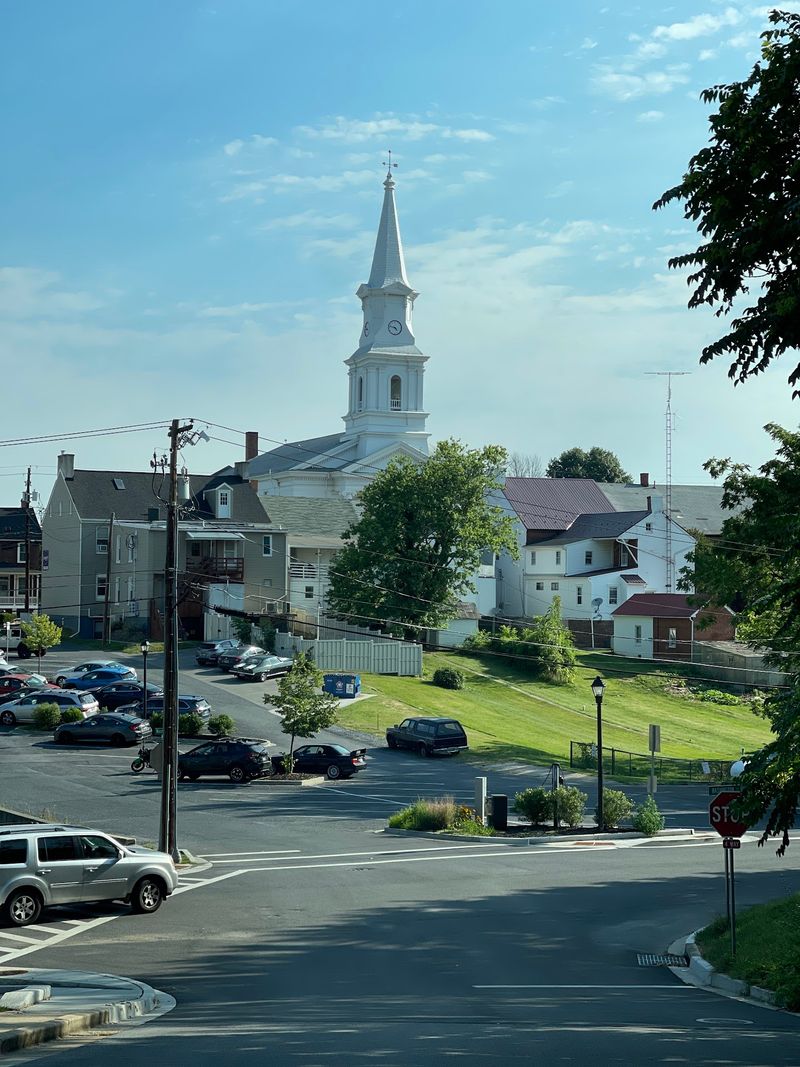
Getting here is the easy part. Set your GPS for Middletown, Maryland 21769, and follow Alternate Route 40 into the heart of town.
From Frederick, it’s a short hop west. Drivers from Baltimore or the DC suburbs usually reach town in about an hour, though traffic can change that.
Start your morning on Main Street while the day is cool. A walk through the historic district takes as long as you want it to.
After that, head up the mountain to South Mountain State Battlefield or Gathland. Save Washington Monument State Park for later if your crew still has energy.
Spring and fall are great seasons for this trip. The weather is comfortable for walking, and the mountain views look their best.
Pack water, snacks, and good shoes, especially for any trail time. Some park spots have limited services, so it pays to come prepared.
Most of the outdoor history here costs little or nothing to enjoy. Museum hours and park schedules can shift, so check before you go and you’ll be set.
Small Town, Big Story, Easy Yes
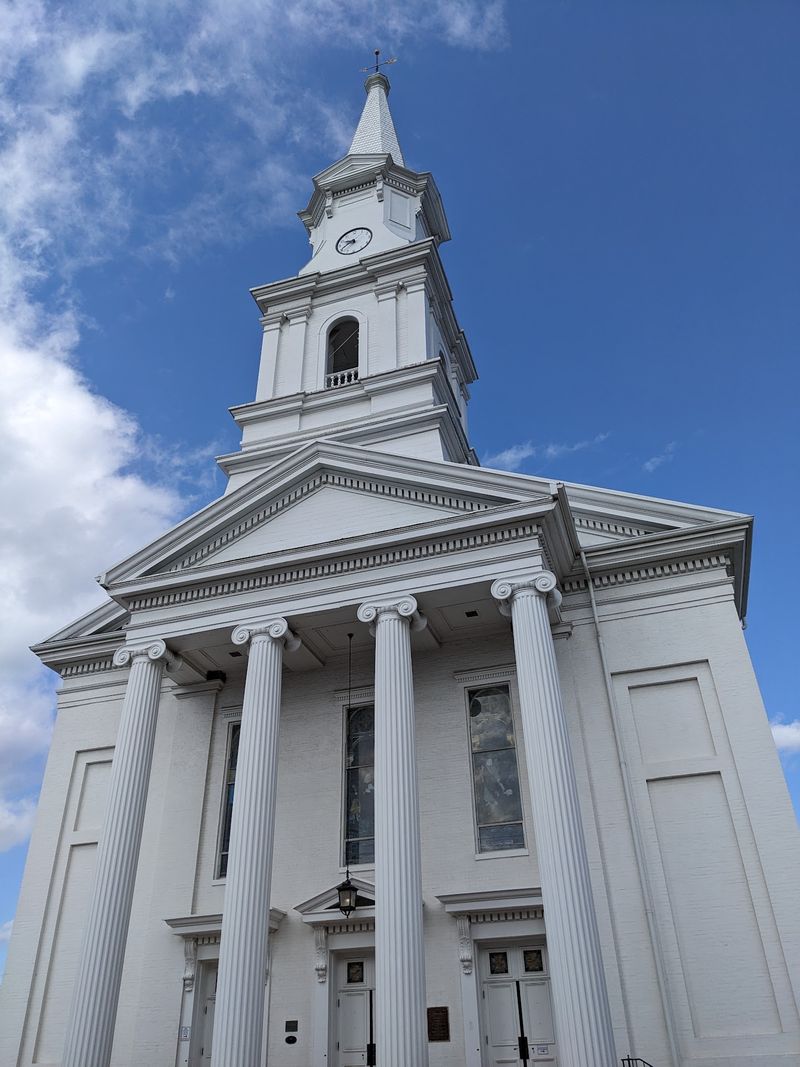
Few towns this size can claim so many turning points. Middletown watched armies march past, cared for the wounded, and paid a ransom to stay standing.
Yet the town today feels calm and welcoming. That contrast is exactly what makes a visit so memorable for kids and grown-ups alike.
You get real history without huge crowds or big ticket prices. Much of it is right on the sidewalk or up on the mountain.
The nearby parks add fresh air and trail time to the mix. Few day trips in Maryland pack battlefields, a castle-like arch, and the first Washington Monument into one drive.
I like that the story here is about everyday people too. Farmers, church members, and families shaped how this valley remembers its past.
Grandparents will appreciate the history, and kids will love the climbs and stories. Everyone in between gets a laid-back day close to home.
So if your weekend needs a plan, consider this little valley town. It’s proof that some of Maryland’s biggest stories live in its smallest places.