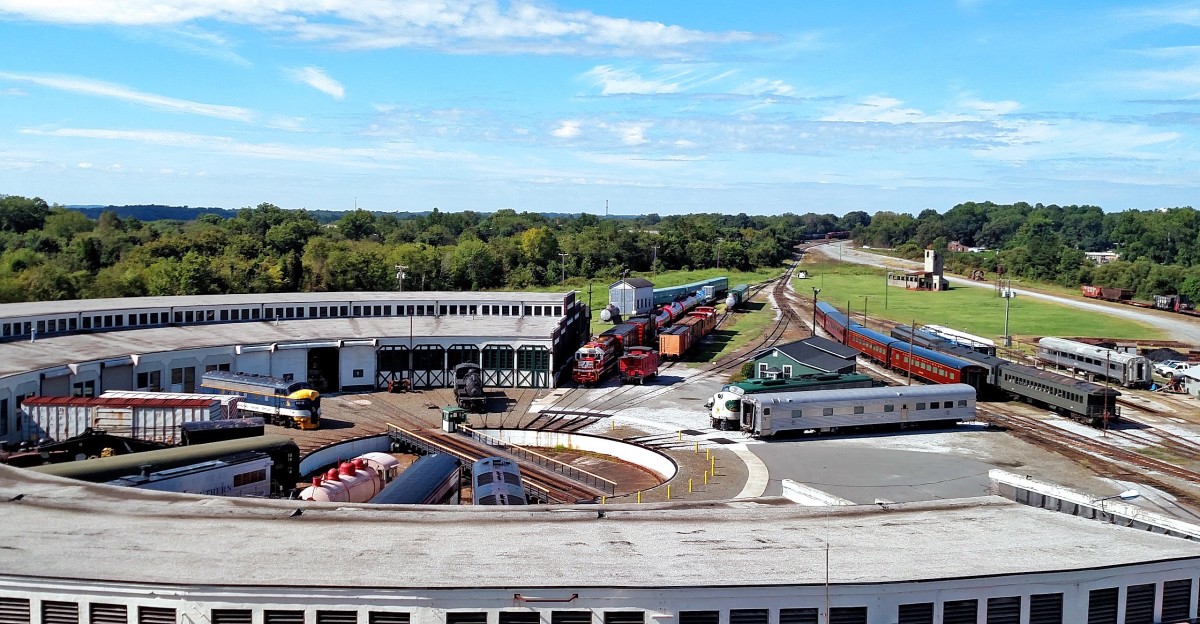
A 100-foot turntable still spins inside a 1924 roundhouse, and every so often visitors get to ride it. That roundhouse has 37 bays and covers about 100,000 square feet.
I like how this place doesn’t stop at one big building. Old repair shops now hold steam engines, shiny fire trucks, antique cars, vintage trucks, and even a full-size Wright Flyer replica.
The whole site sits in North Carolina on grounds where up to 3,000 workers once kept Southern Railway’s steam locomotives running day after day. I can’t imagine the noise those shops made back then.
Today the loudest sound might be a vintage diesel horn calling riders aboard for a slow loop around the yard. So how much train history can one family really fit into a single afternoon?
The Roundhouse Is Big Enough To Make You Rethink The Word Big
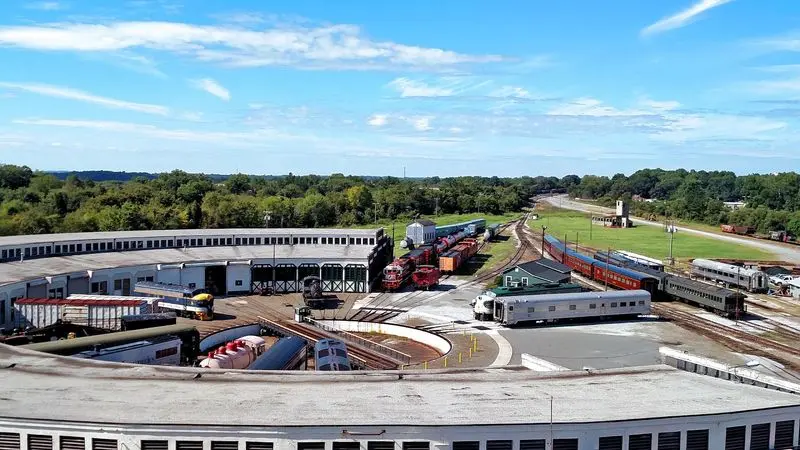
Thirty-seven bays. That’s how many stalls curve around the Bob Julian Roundhouse at the N.C.
Transportation Museum, and each one once held a steam locomotive waiting for repairs.
Built in 1924, the building covers about 100,000 square feet. It’s known as the largest remaining functioning roundhouse in North America, which is a pretty strong brag for one brick building.
Workers repaired steam engines here from 1924 until 1953. After that, the building sat quiet for years before restoration started in 1994.
The renovated roundhouse reopened in 1996, and it now holds a big chunk of the museum’s collection. You’ll find locomotives, passenger cars, cabooses, and aviation exhibits sharing the same giant space.
Yes, aviation. A full-size replica of the Wright Flyer lives in here too, which feels fitting in North Carolina, the state that loves its first-flight story.
Give yourself real time in this building. The engines are huge, the details are everywhere, and you’ll want to read the signs instead of just snapping photos.
Little ones may want to sprint between bays. Older kids and grown-ups usually slow down once they realize how much history is parked in one curved row.
A 100-Foot Turntable Still Does Its Spinning Job
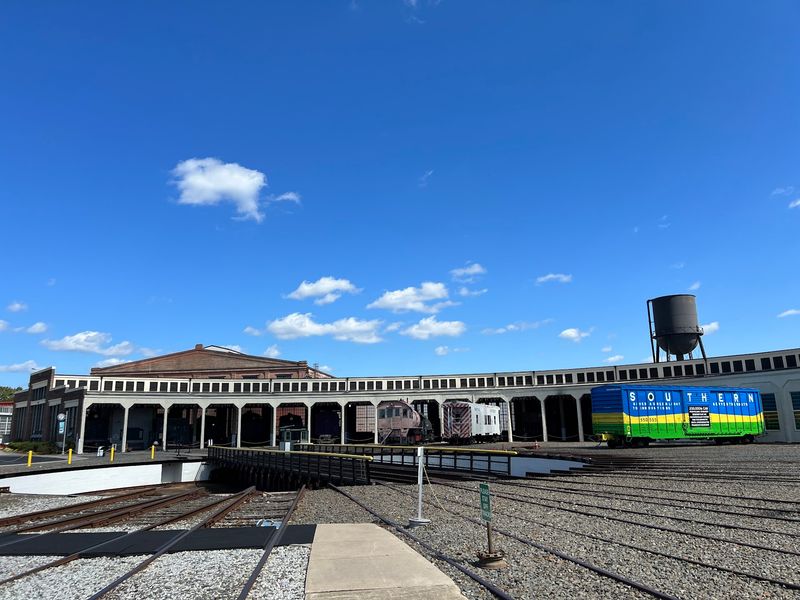
Most museum pieces sit still behind a rope. The restored turntable at the roundhouse is different, because it still works.
Measuring 100 feet across, it was the tool that pointed locomotives toward the right bay. Railroad crews would roll an engine onto the bridge, rotate it, and send it straight into its stall.
Without a turntable, a roundhouse makes about as much sense as a parking garage with no ramps. The two pieces were designed to work as a team.
Restoration on both the turntable and the roundhouse began in 1994. Today, the turntable is active and occasionally offers rides to visitors.
That word occasionally matters. Turntable rides don’t run every day, so check the museum’s schedule before promising anyone a spin.
Even when it isn’t moving, it’s worth a close look. Stand near the edge and trace the tracks fanning out toward the bays like spokes on a wheel.
Photographers, this is your spot. The curved brick building behind the turntable makes one of the best backdrops on the property, especially when an engine is parked on the bridge.
Your Ticket Starts At A Real 1898 Train Station
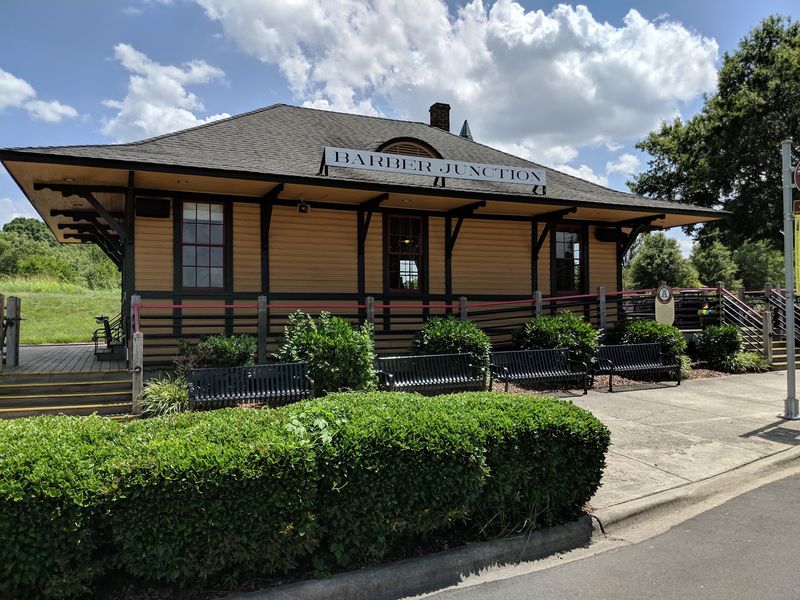
Plenty of museums greet you at a plain front desk. Here, the visitor center is an actual train depot from 1898.
Barber Junction Depot was moved to the site in 1996. It’s where you buy or check in for tickets, grab your bearings, and board the on-site train rides.
The museum sits at 1 Samuel Spencer Dr., Spencer, NC 28159. Put that into your GPS, and the depot becomes your natural first stop.
On operating days, a vintage diesel locomotive pulls riders on a loop around the historic grounds. The trip lasts about 25 minutes, which is just right for wiggly kids.
Train rides have been part of the visit since 1986. That’s decades of families rolling past old shop buildings and parked rail cars.
Rides are seasonal, so plan around the calendar. Special options like locomotive cab rides and caboose rides also pop up, giving fans a closer seat to the action.
Need wheelchair access on the train? Give staff about 15 minutes of advance notice, and they can make it work.
The Back Shop Hides Fire Trucks, Planes, And A Cheerwine Surprise
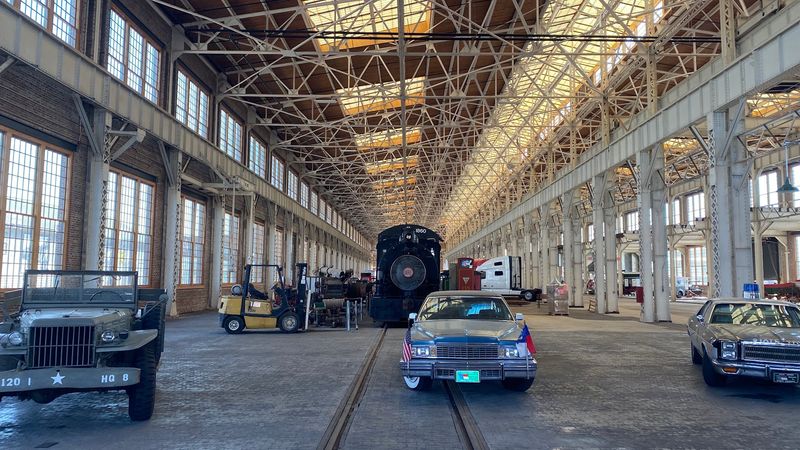
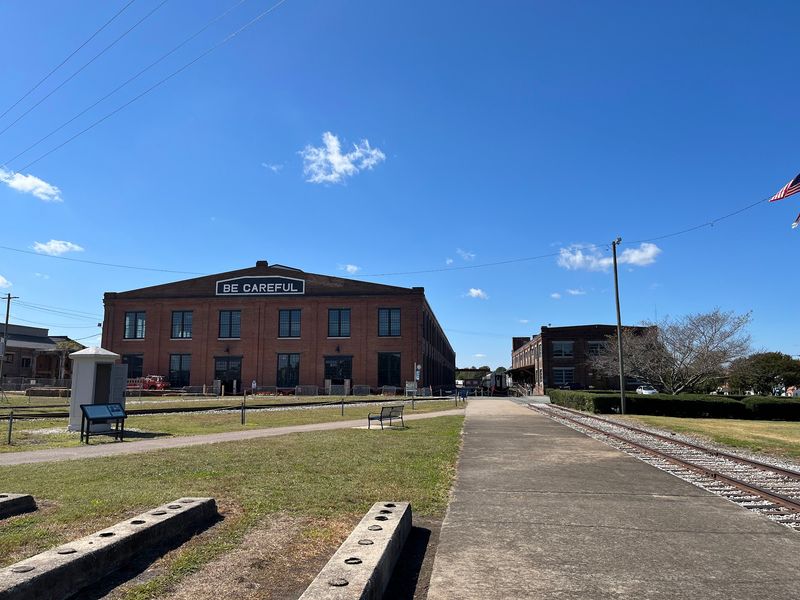
Back in 1905, railroad crews used this enormous building for full steam locomotive overhauls. Engines came in tired and left ready for the road again.
Today, the Back Shop holds a wide mix of exhibits. Railroading, automobiles, fire engines, trucking, and aviation all share the space.
Fans of local flavor should look for the 1928 Cheerwine delivery vehicle. The soft drink started in nearby Salisbury, so this one feels like a hometown shout-out.
Aviation fans get a treat too. A Piedmont Airlines DC-3 restoration sits inside, connecting the building to the state’s flying history.
Trucking gets its moment with Old Dominion Freight Line trucks on display. Nearby, a Brockway Ladder Truck reminds everyone that firefighters needed serious wheels too.
The building itself deserves attention. Look up and around, because the sheer size tells you how big locomotive repair work once was.
Kids who don’t care about trains often light up here. A ladder truck and an airplane can win over just about anyone.
Car Lovers Get Their Own Lane In Bumper To Bumper
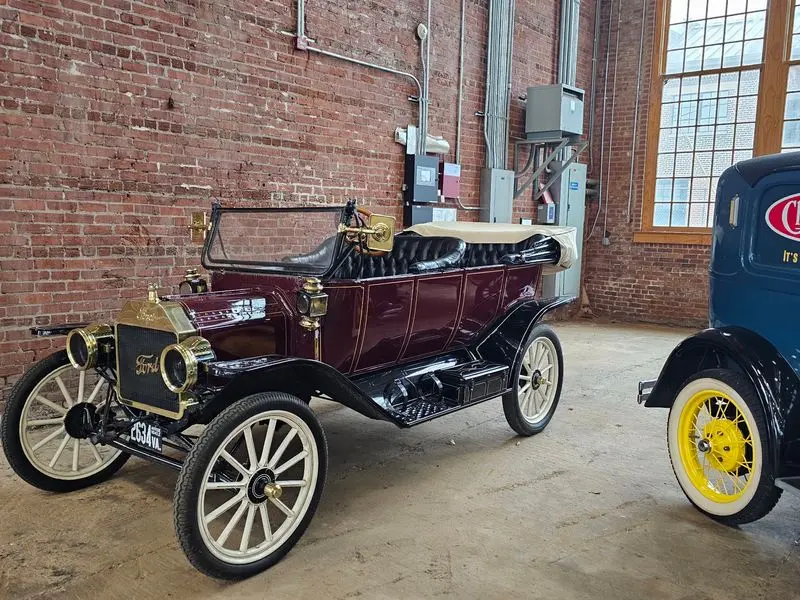
Train fans may run this show, but car people aren’t left out. The Flue Shop, built in 1924, houses the Bumper to Bumper automotive exhibit.
Inside, you’ll spot several Model Ts and a Model A. These are the cars that put regular families on the road.
The rare 1907 Ford Model R is a real treat. Not many people get to see one of these early Fords up close.
Then there’s the 1935 Highway Patrol car. It’s a neat look at how North Carolina troopers got around long before modern cruisers.
Remember milkmen? Probably not, but the Divco Milk Truck will show you how fresh milk once arrived at the front door.
A Lincoln Continental adds some classic style to the lineup. It’s the kind of car that makes grandparents start telling stories.
That might be the best part of this building. Old cars spark conversations across generations, so bring the family member who always talks about their first car.
Fancy Private Rail Cars Tell Stories Worth Hearing
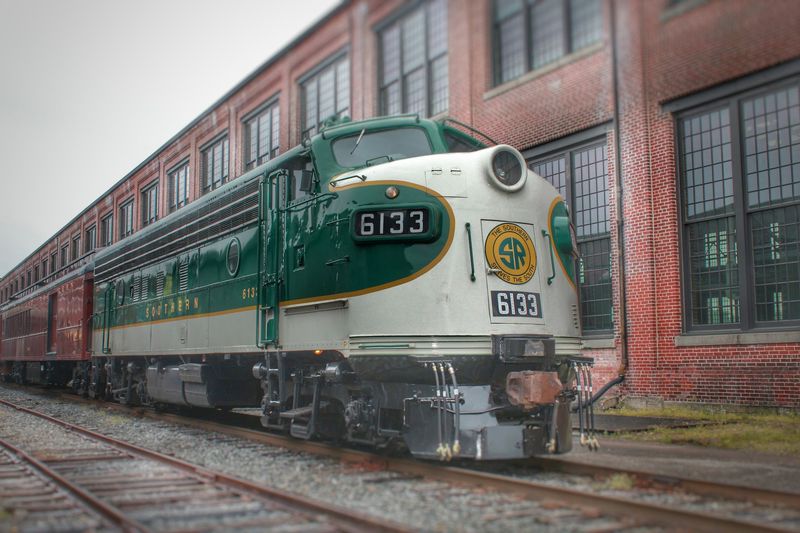
James B. Duke didn’t ride in an ordinary coach.
His private rail car, The Doris, is part of the collection here.
Duke’s name is tied to big parts of North Carolina history, including The Duke Endowment. Seeing his personal rail car makes that history feel a lot more personal.
Another standout is The Loretto. It was originally built for steel tycoon Charles Schwab, so expect some serious old-school luxury.
Not every car tells a glamorous story, though. Southern Railway Car No. 1211 was divided to follow Jim Crow laws.
That car offers an important lesson for older kids and adults. It shows how rail travel reflected unfair rules that shaped daily life in the South.
The museum holds the largest collection of rail relics in North and South Carolina. Steam, diesel, and electric locomotives sit alongside passenger cars and cabooses.
Special tours of The Doris have been offered on select dates. If seeing inside matters to you, watch the event calendar closely before you go.
Up To 3,000 Workers Once Kept This Place Humming
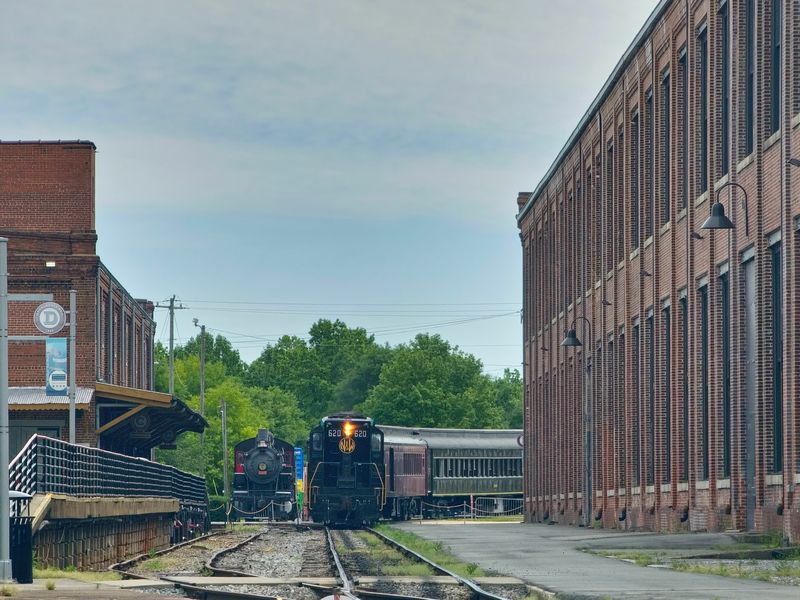
Southern Railway opened Spencer Shops in 1896. It became a major steam locomotive repair stop between Washington, D.C., and Atlanta.
At its busiest, the site employed up to 3,000 people. That’s practically a small town showing up to work every day.
The shops stayed active until the late 1970s. When diesel engines replaced steam, the need for this kind of heavy repair work faded.
In 1977, Southern Railway donated four acres to start a museum. Two years later, 53 more acres joined in, which explains the famous 57-acre number.
Fun fact for the detail lovers: the grounds have grown since then. Property purchases pushed the N.C.
Transportation Museum to about 60 acres today.
The museum officially opened in 1982. Its first exhibit, People, Places and Time, arrived the following year.
Knowing this backstory changes how you see every building. These aren’t props built for a museum, but real workplaces where generations of North Carolina families earned a living.
Holiday Magic And Blue Engines Fill The Calendar
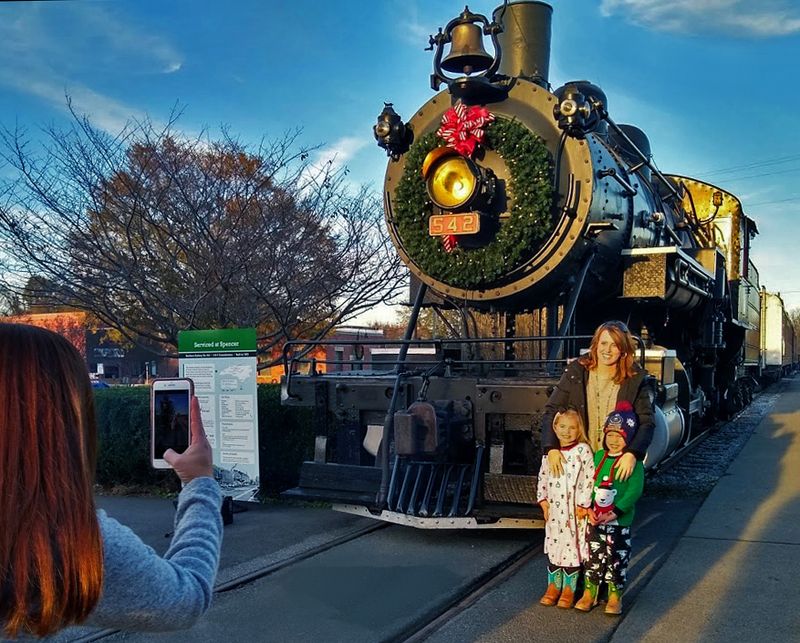
Kids in pajamas, a glowing train, and a ride to the North Pole. THE POLAR EXPRESS Train Ride runs here during November and December.
It’s one of the museum’s best-known events. Tickets are handled separately, and event days may have different hours, so plan ahead.
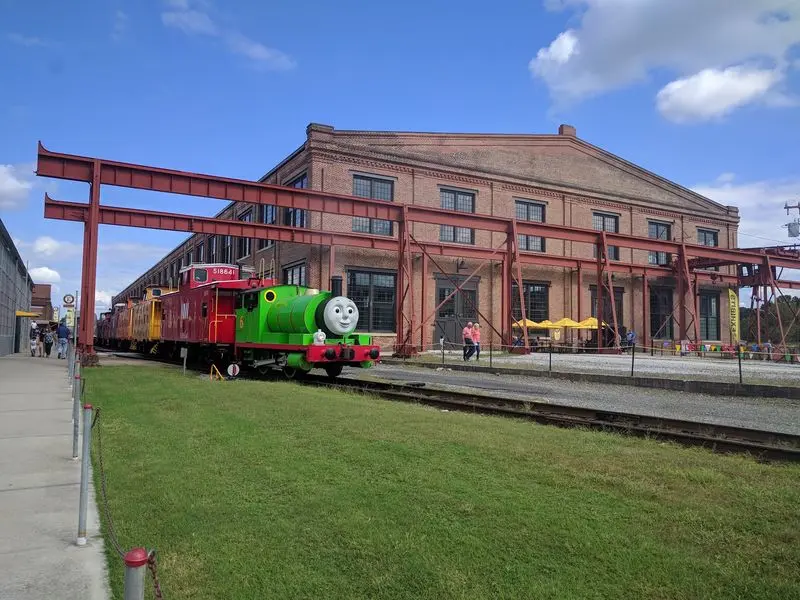
Thomas fans have their own big day. Day Out With Thomas brings rides with a life-sized Thomas the Tank Engine and his buddy Percy.
That event also includes character photos, inflatable games, and live music. Basically, it’s a toddler’s dream schedule.
The fun keeps rolling through other seasons too. Winter Train Rides, the Easter Bunny Express, and a Harvest Festival all show up on the calendar.
Science-minded kids might like Wind and Wings: The Science of Flight. Tractor fans can look for Tractors and Trains.
Big events draw big crowds, so arrive early if you also want time for the exhibits. Nobody wants to rush past a roundhouse because the train is boarding.
Save Room For Souvenirs And A Picnic Break
Every great train trip needs a stop for snacks. The Gift Station has them, along with transportation-themed gifts and museum merchandise.
You’ll find it inside the Master Mechanic’s Office. That building dates back to 1911 and also holds the museum offices.
It’s home to the Wagons, Wheels, and Wings exhibit too. The name pretty much sums up how many ways people have traveled through history.
A souvenir from here doesn’t have to be fancy. Little engineers tend to treasure anything with a locomotive on it for years.
Bringing lunch from home? Picnic shelters and tables are available on the grounds, which makes a full-day visit much easier.
A picnic break also helps tired legs. The site is large, and the buildings are spread out, so a sit-down moment can save the afternoon.
Pick a table, refuel, and plan your next stop. The roundhouse, the Back Shop, and the car exhibit will all still be waiting.
A Little Planning Turns A Good Visit Into A Great One
Mondays are off the table. The museum typically opens Tuesday through Saturday from 9 a.m. to 5 p.m., and Sunday from noon to 5 p.m.
Hours can shift by season and during special events. A quick check of the schedule before you drive saves a lot of grumbling in the car.
Accessibility gets real attention here. Exhibit buildings and restrooms are wheelchair accessible, which matters on a site this big.
A shuttle bus with a wheelchair lift also runs on the property. It helps visitors get between buildings without long walks.
Comfortable shoes are a smart move for everyone else. Between the depot, roundhouse, Back Shop, and Flue Shop, you’ll cover plenty of ground.
Families should check train ride days before choosing a date. The ride is seasonal, and it’s often the highlight for younger kids.
Spencer is an easy trip for many North Carolina families looking for a hands-on history day. Pack snacks, charge your camera, and get ready to meet some very large machines.