For about five and a half hours every Labor Day, a five-mile stretch of Interstate 75 belongs to people in sneakers. No cars.
Just thousands of walkers strolling roughly 200 feet above the water.
The tradition started in 1958, one year after the bridge opened. The governor usually leads the crowd.
Some years have drawn as many as 85,000 walkers, which is a lot of matching family T-shirts.
I love that a giant piece of Michigan highway becomes a morning stroll. You can walk to the middle and turn back.
You can also go all the way across and figure out the ride home later.
Honestly, how often do you get to stand in the center of a famous bridge with lakes on both sides? Most of us just zip over it and grab a quick glance.
One Morning A Year, Your Feet Get The Fast Lane
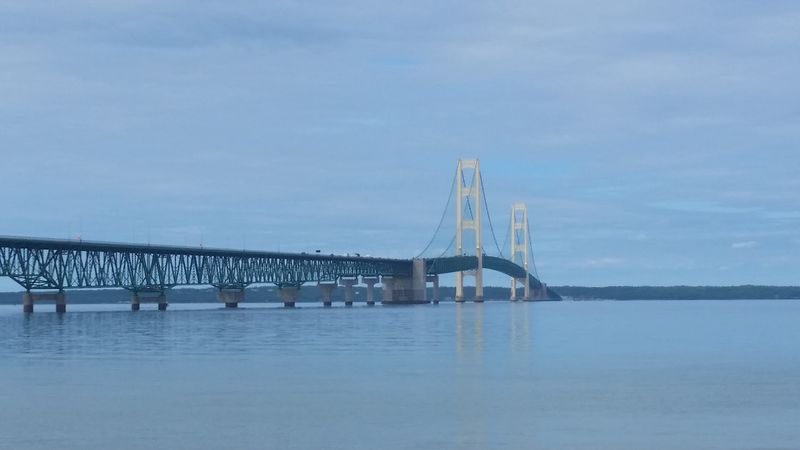
Cars get the Mackinac Bridge 364 days a year. On Labor Day, walkers finally get a turn on the Mackinac Bridge in Mackinaw City.
The event is called the Mackinac Bridge Walk. It’s the only time all year that pedestrians may legally walk the span.
Public vehicle traffic stops from 6:30 a.m. until noon. That gives walkers the whole roadway for one bright, busy morning.
The bridge stretches about five miles across the Straits of Mackinac. Those waters connect Lake Michigan and Lake Huron, so you get two Great Lakes in one view.
Most people finish the crossing in about two hours. That’s long enough to feel accomplished and short enough to still enjoy lunch.
Kids, grandparents, and everyone between join the parade of walkers each year. Recent crowds have ranged from about 21,000 to 35,000 people.
That number sounds huge, and it is. Still, five miles of bridge gives everyone room to spread out and set their own pace.
Plan to arrive early, since roads near the bridge get busy before the closure. A calm start beats a frantic sprint to the ramp.
Bring patience, comfy shoes, and a camera. The bridge provides everything else, including bragging rights.
Pick Your Adventure Before You Tie Your Shoes
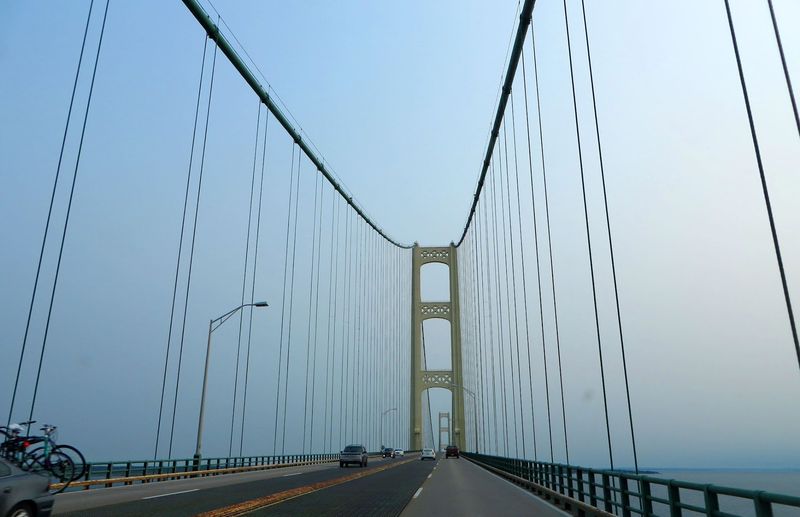
Three choices, one bridge. Walkers can head to the midpoint and return, cross the full span one way, or tackle a round trip.
The midpoint option works nicely for younger kids. You still reach the middle of the bridge without signing up for a ten-mile day.
Going all the way across feels like the classic experience. However, no buses carry one-way walkers back to their starting side.
That detail matters a lot. You’ll need your own plan for getting back once the bridge reopens to cars.
Some families park a second car on the far side. Others arrange a pickup with a friend who skipped the walk and gladly holds the snacks.
A round trip covers about ten miles total. That’s a serious workout, so save it for the strong walkers in your group.
Talk through the options before Labor Day arrives. Nobody wants a debate about tired legs at the halfway point.
Honest planning keeps the morning fun for everyone. Choose the route that fits your slowest walker, not your most ambitious one.
After all, a happy two-mile kid beats a grumpy five-mile kid every single time.
North Or South? Both Starting Lines Have Perks
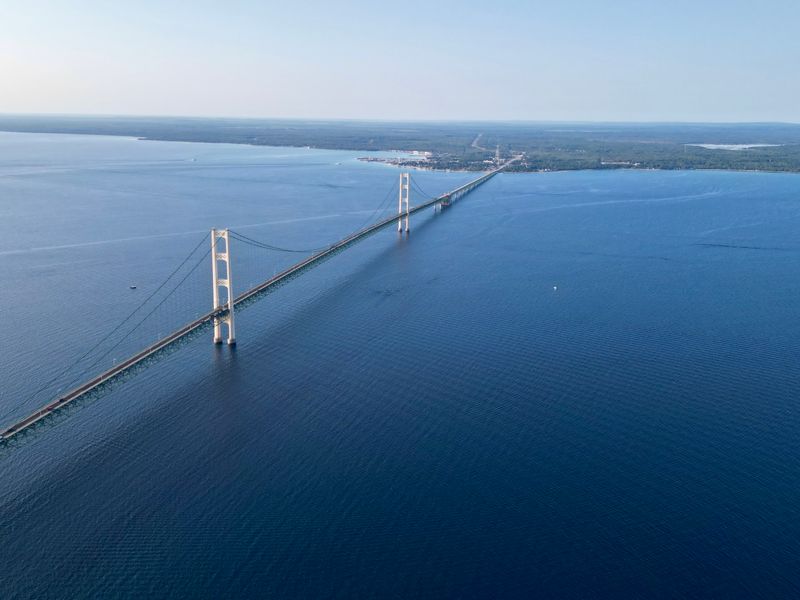
Mackinaw City sits at the southern end, while St. Ignace holds the northern end. Each town offers its own starting spot for the walk.
On the south side, walkers begin at the Jamet Street ramp in Mackinaw City. Many Lower Peninsula visitors find this side handy.
Up north, the start is Bridge View Park in St. Ignace. That park also offers a fine view of the bridge on any ordinary day.
Your choice may come down to where you’re staying. Short drives before sunrise make everyone in the car happier.
The Mackinac Bridge links Michigan’s Upper and Lower Peninsulas. Starting from either end means you’re stepping from one peninsula toward the other.
For mapping purposes, the bridge sits along I-75 at Mackinaw City, MI 49701. Arrive early to locate parking and your entrance point.
Portable toilets sit near the entrances on both sides. Use them before you start, because the bridge itself has no restrooms.
That fact deserves a gentle reminder to the kids. Five miles is a long way to discover you should have gone earlier.
Pick a side, set an alarm, and enjoy the early light.
Leave The Wagon At Home, Seriously
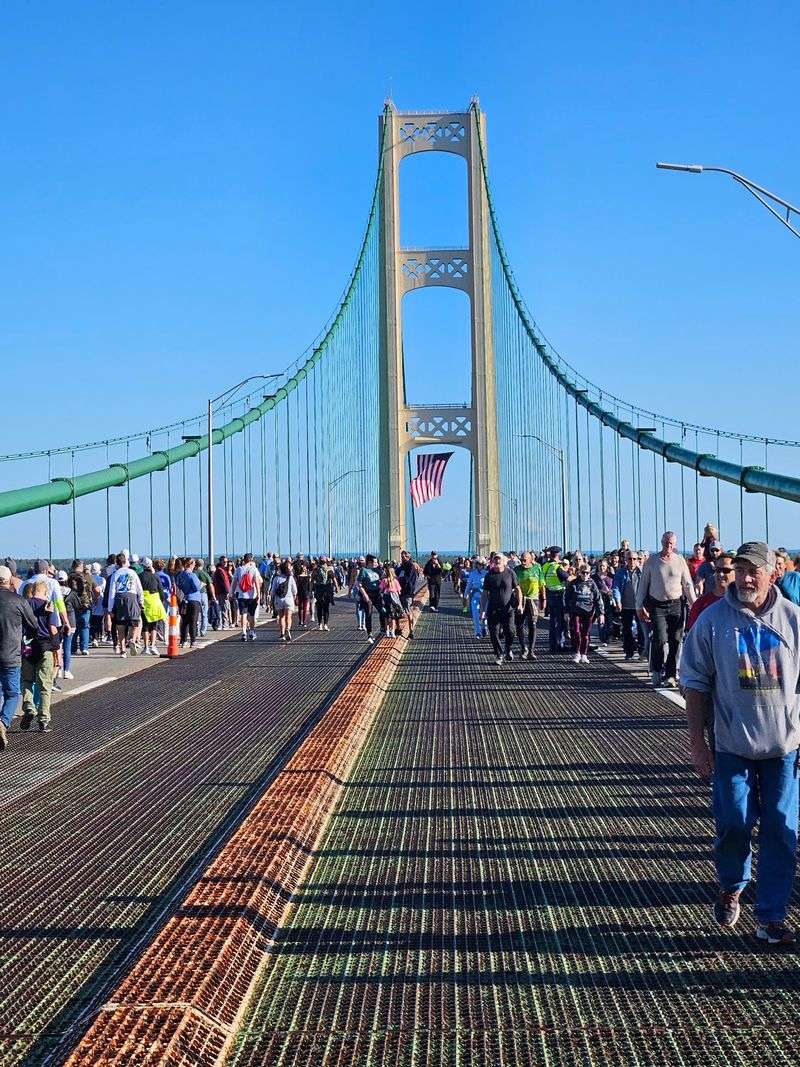
Bicycles, skateboards, roller skates, and wagons all stay off the bridge during the walk. Sorry, future wagon-pulling champions.
Signs, banners, and umbrellas are also on the prohibited list. That rule keeps sightlines clear and the crowd moving smoothly.
Pets need to sit this one out too. Only working service dogs are allowed on the span.
So what should you bring? Comfortable shoes top the list, since you’ll spend about two hours on your feet.
A light layer is smart for northern Michigan mornings near the water. Weather can feel different up high than it does in town.
Pack water and maybe a small snack for younger walkers. A tiny bag keeps your hands free for photos and high fives.
Charge your phone before leaving. You’ll want pictures from the middle, and dead batteries feel extra rude at that moment.
Remember there are no restrooms out on the bridge. Plan breaks around the portable toilets near each entrance.
Traveling light really pays off here. The less you carry, the more you’ll notice the towers, the water, and the happy crowd around you.
Follow The Governor, Join A Decades-Long Tradition
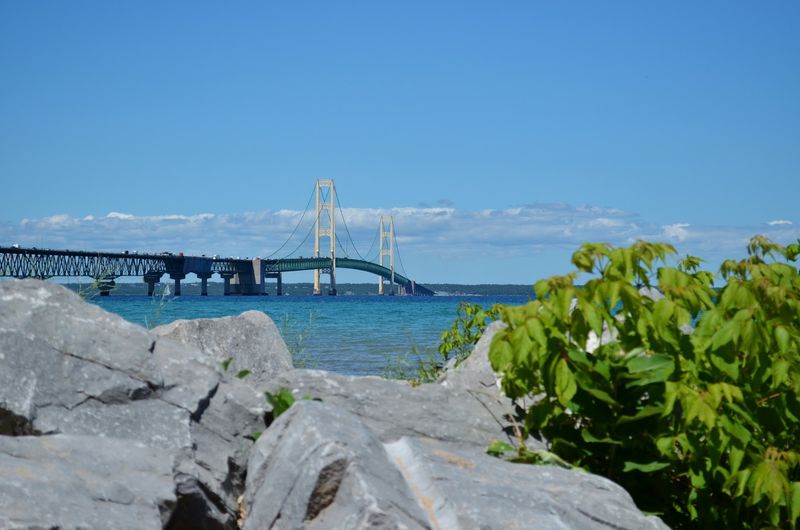
Few states let their governor set the pace for a Labor Day stroll. In Michigan, the governor traditionally leads walkers across the bridge.
The Mackinac Bridge Walk began in 1958. That was only one year after the bridge opened to traffic in November 1957.
Since then, the walk has happened every year except 2020, when it was canceled. That’s a long streak for a single morning event.
Crowds have changed over the decades. At its peak, the walk drew as many as 85,000 people.
More recent years have brought somewhere between 21,000 and 35,000 walkers. That’s still enough people to fill a small town.
For many families, the walk marks the end of summer. Labor Day, school around the corner, and one last big outing together.
Parents who walked as kids now bring their own children. The tradition keeps rolling forward one generation at a time.
You don’t need special history to join, though. First-timers fit right in with everyone else heading toward the towers.
Walk once and you become part of the story. Walk again next year and you might start a family tradition of your own.
The Numbers Up Here Are Wildly Impressive
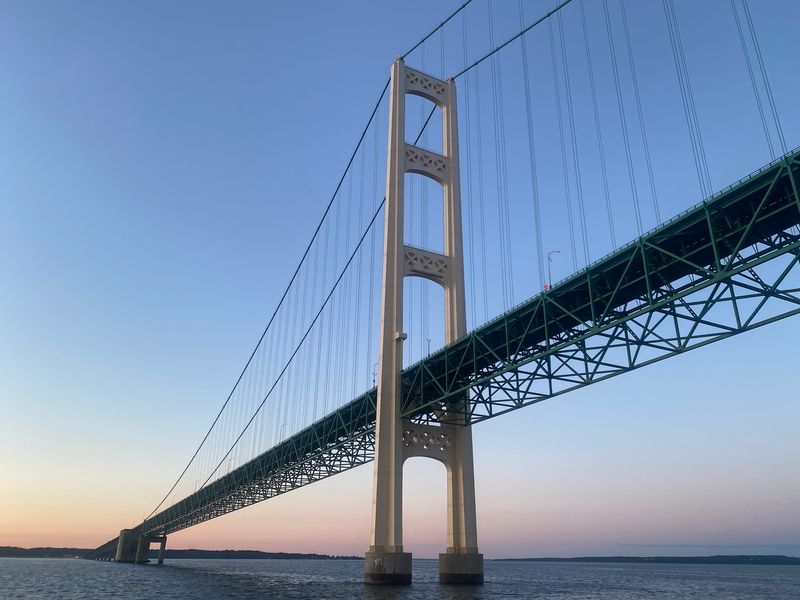
About 26,372 feet. That’s the total length of the Mackinac Bridge, or roughly five miles from end to end.
It’s the longest suspension bridge between anchorages in the Western Hemisphere. Not bad for a structure built in the 1950s.
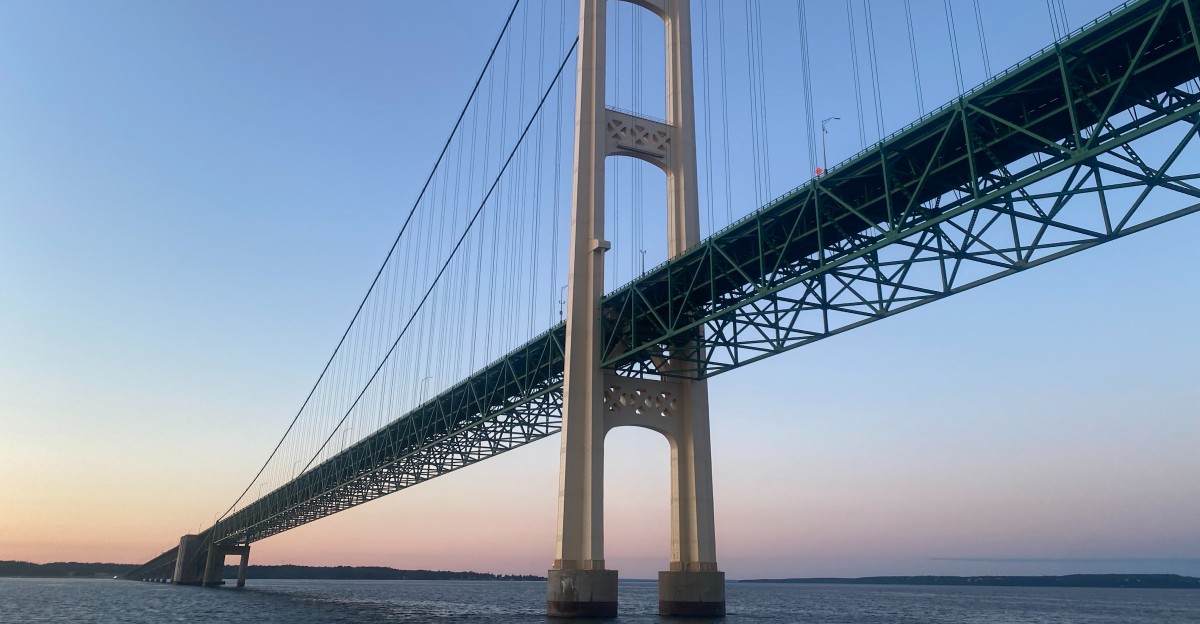
The main span between the two towers measures 3,800 feet. When you walk under those towers, you’ll feel very small in a fun way.
The roadway sits about 200 feet above the water. Ships get 155 feet of clearance below, so freighters can pass underneath.
Here’s a detail kids love. The deck can move up to 35 feet sideways in response to wind, temperature, and weight.
Engineers planned for that motion on purpose. Flexibility helps big suspension bridges stay safe and steady over time.
Engineer David B. Steinman designed the bridge.
He included features for aerodynamic stability, using lessons learned from the Tacoma Narrows Bridge failure.
Construction began on May 7, 1954. The bridge opened to traffic on November 1, 1957.
Share a few of these facts during the walk. They make great conversation and might keep curious kids marching happily toward the middle.
Why Engineers Gave It A Fancy Official Honor
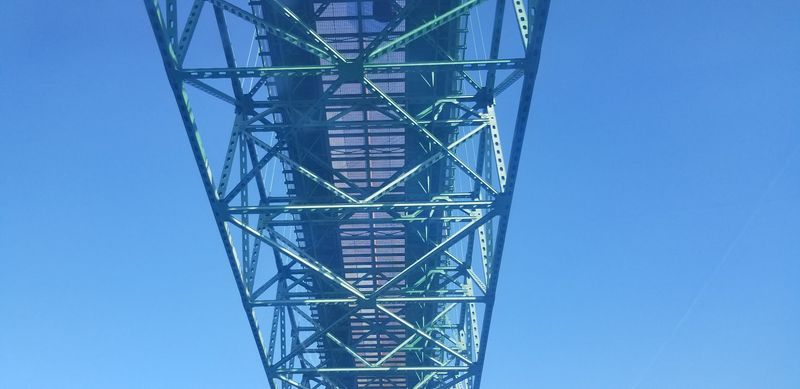
Before 1957, crossing between Michigan’s two peninsulas meant catching a ferry. The bridge replaced that ferry service and changed travel in the region.
Today the Mackinac Bridge forms part of Interstate 75. It’s also a link on the Great Lakes Circle Tour.
In 2009, the bridge was named a National Historic Civil Engineering Landmark. That’s a big deal in the engineering world.
Its nicknames are friendlier. People call it the Mighty Mac or Big Mac, and both fit nicely.
The paint color is ivory. It was chosen to stand out against the blue sky and the surrounding water.
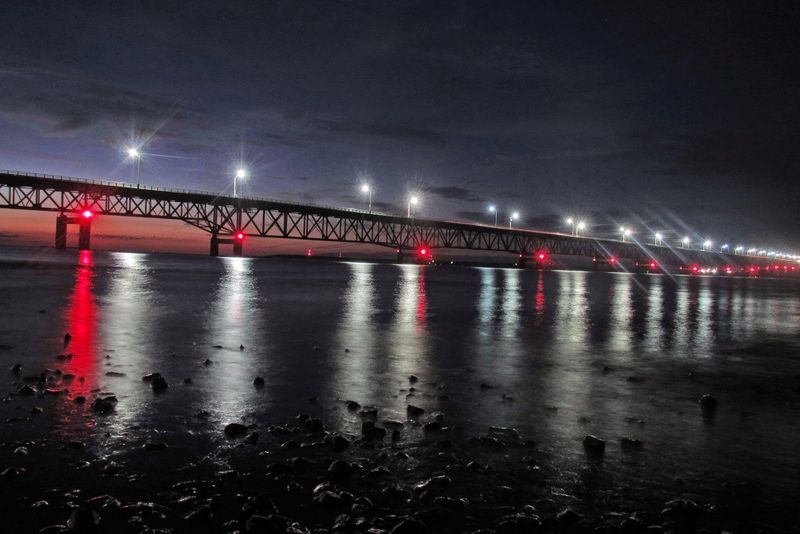
At night, colored lights decorate the main cables. If you’re staying nearby, the evening glow makes a lovely bonus view.
That ivory color looks especially sharp in walk-day photos. Your pictures will pop against the lake without any filters.
Knowing this background makes the crossing feel richer. You’re walking on a piece of engineering history, not just a road.
Point out the landmark status to your group. Then watch someone pretend they’re an engineer for the rest of the morning.
Nervous About Heights? Help Exists Year-Round
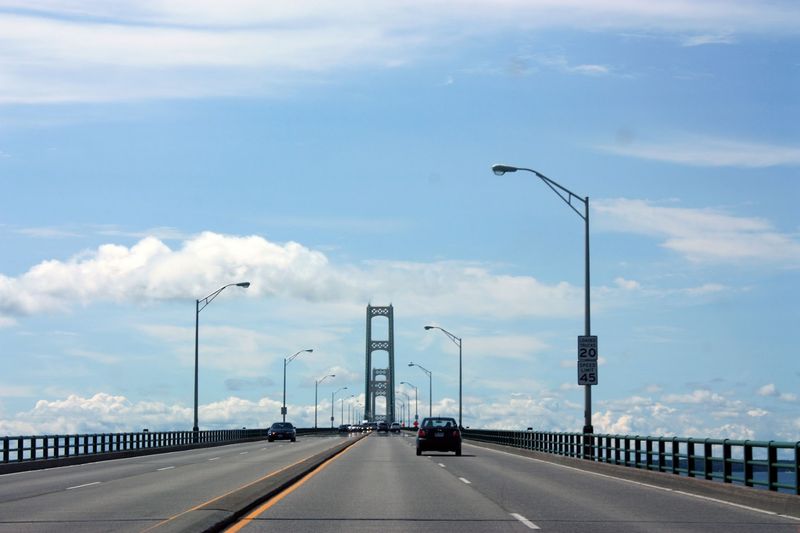
Not everyone loves heights, and that’s completely okay. Walking with a crowd on Labor Day often feels easier than driving across alone.
The rest of the year, the bridge offers a Drivers Assistance Program. Professional drivers can take the wheel and chauffeur your vehicle across.
That service is a kind touch for anxious travelers. You can enjoy the trip to the Upper Peninsula without white knuckles.
During the walk, you set your own speed. Nobody honks, and you can stick near the center of the group if that helps.
Going only to the midpoint might suit a nervous first-timer. You still get the experience, then head back toward solid land.
Talk with kids ahead of time about the height. Sharing facts about the bridge’s careful design can calm a lot of worries.
Remember that the walk takes place in daylight. Morning light and plenty of company make the crossing feel friendly.
Some people discover they actually enjoy the view once they start. Others just feel proud for trying.
Either way, everyone who finishes earns a well-deserved snack and a great story.
Stretch The Day With Forts And Fine Views
Finishing the walk by noon leaves plenty of afternoon. Luckily, both ends of the bridge offer good places to keep exploring.
Near the southern end in Mackinaw City, you’ll find Fort Michilimackinac State Historic Park. It sits close to the Mackinac Bridge.
History fans of every age can enjoy the reconstructed fort setting. It pairs nicely with a morning spent on a famous landmark.
On the north side, Bridge View Park in St. Ignace lives up to its name. You get a wide look at the span you just crossed.
That view hits differently after walking it. Suddenly, five miles looks both enormous and totally doable.
If you visit on another day, the park still delivers great photos. Sunsets and evening cable lights add extra charm.
Northern Michigan makes a fine base for a long weekend. Labor Day timing helps families squeeze in one last summer trip.
Book lodging early, since the holiday brings big crowds. Last-minute rooms near the bridge can be hard to find.
End the day with feet up and photos out. You walked between two peninsulas, and that deserves a little celebration.