A real sycamore tree, roughly 350 years old, sits indoors here, and kids are allowed to climb right through it. That tree is older than the United States.
I can’t imagine a cooler way to meet history.
The same building once held a nightclub and a pizza-and-games arcade. Now it holds stream tables, blueprints, and a giant inflatable globe.
I like how the place traded flashing lights for real curiosity.
It’s also the first and only children’s museum in all of Delaware. People talked about building one for around 20 years before it finally opened.
Good things clearly take patience.
Kids here don’t just look at science. They splash it, climb it, build it, and slide down it.
So which exhibit would your crew rush toward first?
Climb Through A Tree That Was Growing Before The Colonies Became A Country
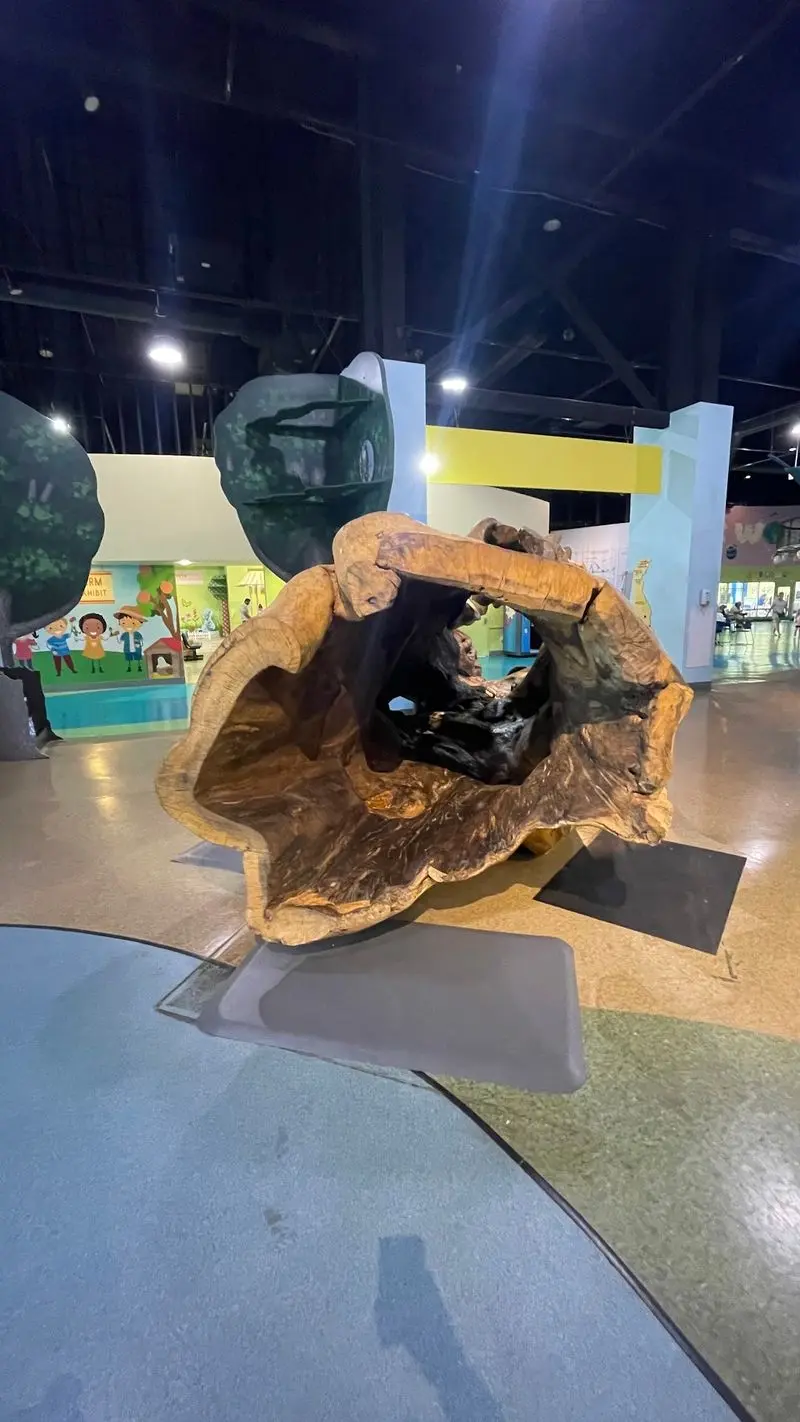
Most kids climb trees in the backyard. At the Delaware Children’s Museum, they climb through one that’s about 350 years old.
The Tree Pavilion sits inside the ECOnnect exhibit. The sycamore stretches about 21 feet long and stands seven and a half feet wide and tall.
That’s big enough for kids to wiggle through like explorers. It’s also a real piece of nature, not a plastic copy painted brown.
I love how this turns a simple climb into a mini history lesson. Ask your kids what was happening in the world when this tree first sprouted.
The answer might surprise them. The tree took root long before cars, phones, or even the founding of the United States.
ECOnnect adds more to explore around it. The Nature Nook shares wildlife facts, and the Wilderness Gear station lets kids dress like outdoor adventurers.
Pair the climb with a quick chat about how trees grow. Counting rings, soaking up sunlight, and housing animals are easy topics for curious minds.
Your kids may leave seeing every tree in Delaware a little differently. That’s a pretty great result from one wooden tunnel.
Bring A Towel Because The Stream Table Is Hard To Leave
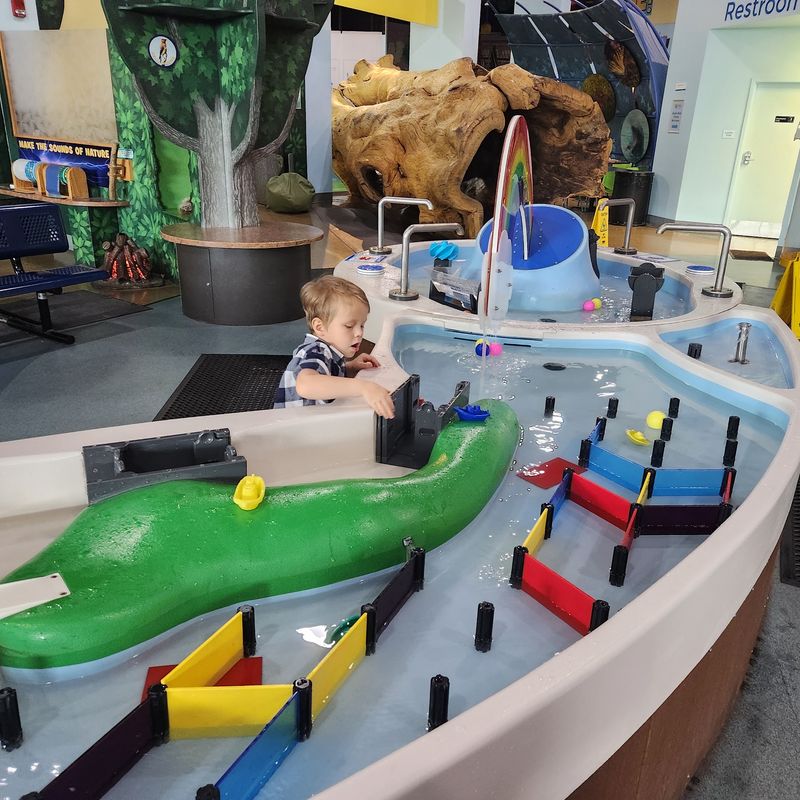
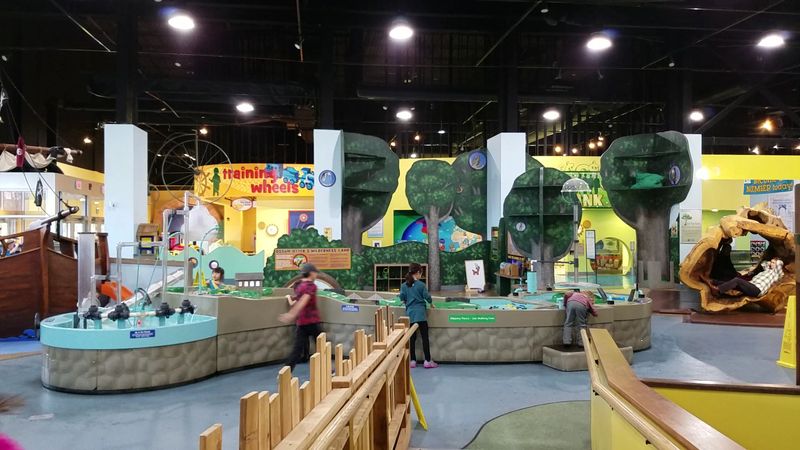
Water is basically a magnet for kids. The stream table inside ECOnnect knows this and puts that magnet to good use.
Children can explore how water locks work as they guide flowing water through channels. They can also learn about wind power at the same station.
This is science they can feel with their fingers. Moving water from one level to another suddenly makes sense when little hands control the flow.
Engineers use these same ideas on real rivers and canals. Your kid gets a junior version without needing a hard hat or a boat.
Fair warning, sleeves may get damp. Rolling them up before play saves a soggy ride home.
Try asking questions while they splash. What happens if you block one path, or open two gates at once?
Those small experiments build big thinking skills. Kids learn to predict, test, and try again, which is exactly how scientists work.
Younger kids will enjoy the splashing. Older kids can treat it like a puzzle and figure out the best routes for the water.
Either way, plan extra time here. Pulling kids away from flowing water is a skill few parents fully master.
Your Toddler Gets A Whole Transportation Zone Built Just For Tiny Feet
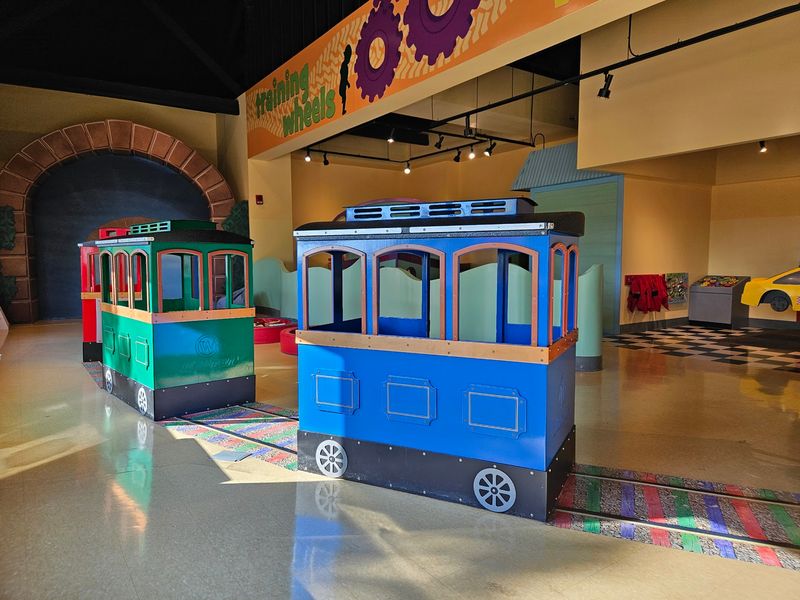
Little ones need space where bigger kids won’t zoom past them. Training Wheels gives toddlers exactly that kind of safe, cozy corner.
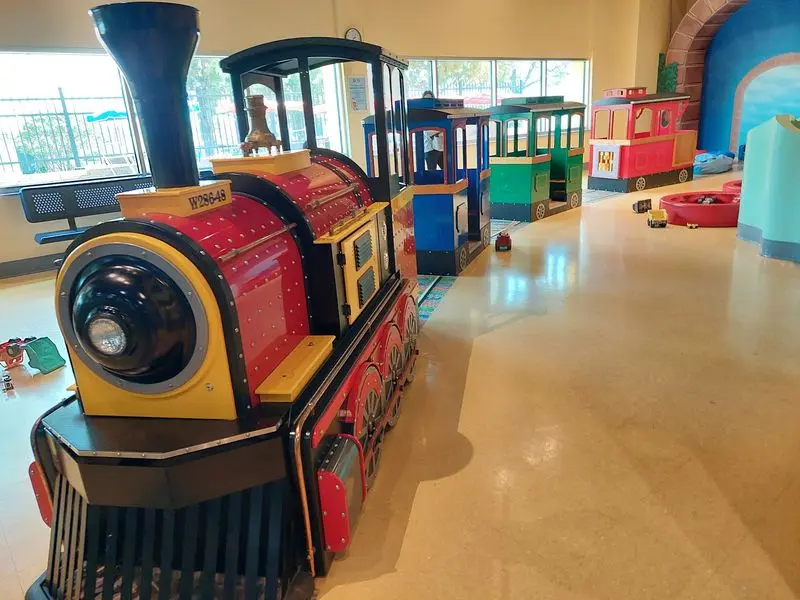
Everything here follows a transportation theme. There’s a train to explore and a miniature auto shop for pretend repairs.
Early walkers get a special treat too. A padded boat lets wobbly legs practice moving without hard bumps.
Role-play matters more than it looks. When toddlers pretend to fix a car, they practice problem-solving, words, and teamwork.
Parents of babies will appreciate one thoughtful detail. A private nursing area sits right inside the exhibit.
That means you don’t have to leave the fun to care for an infant. Older siblings can keep playing nearby while you take a quiet break.
Babies under 12 months get in free, which makes a family trip easier on the wallet. Everyone else pays general admission at the front desk.
This zone works well as a starting point. Let your toddler warm up here before heading to the busier areas.
Small wins, like steering a train or turning a toy wrench, can make a little kid feel ten feet tall.
Future Architects Can Sketch Blueprints Before Lunch
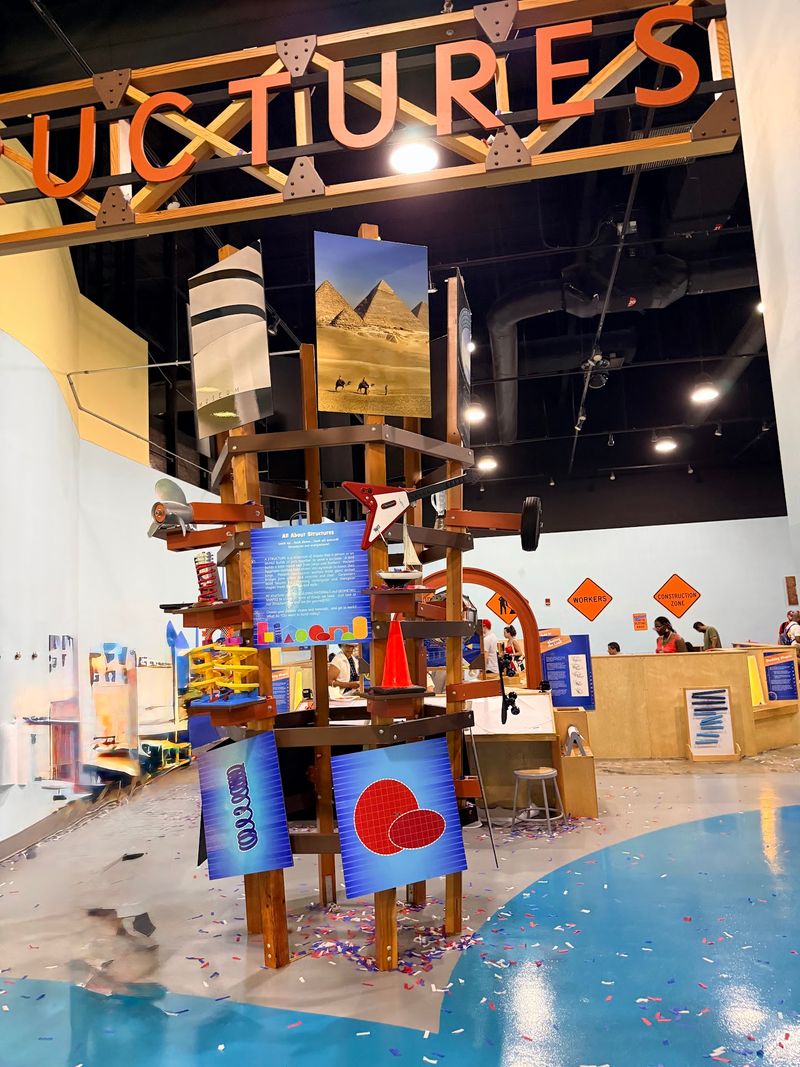
Ever wonder who decides how tall a building can safely stand? The Structures exhibit lets kids find out firsthand.
This area introduces careers in the building industry. Kids learn about architects, structural engineers, steel workers, and designers.
They can draw their own blueprints, just like the pros. Then they explore what makes a structure stable instead of wobbly.
I believe this kind of play plants real career ideas. A kid who loves stacking blocks might discover that engineering is an actual job.
Building tests patience in the best way. When a tower tumbles, kids figure out why and try a smarter design.
That bounce-back attitude helps far beyond the museum. Schoolwork, sports, and friendships all need a little trial and error.
Try challenging your kids to a friendly contest. Who can build the tallest structure that still stays standing?
Grown-ups are welcome to join in. You might learn something about balance yourself.
This exhibit fits the museum’s STEAM focus perfectly. Science, technology, engineering, arts, and math all show up in one creative space where mistakes count as progress.
A Rainbow Climbing Web Made North American History
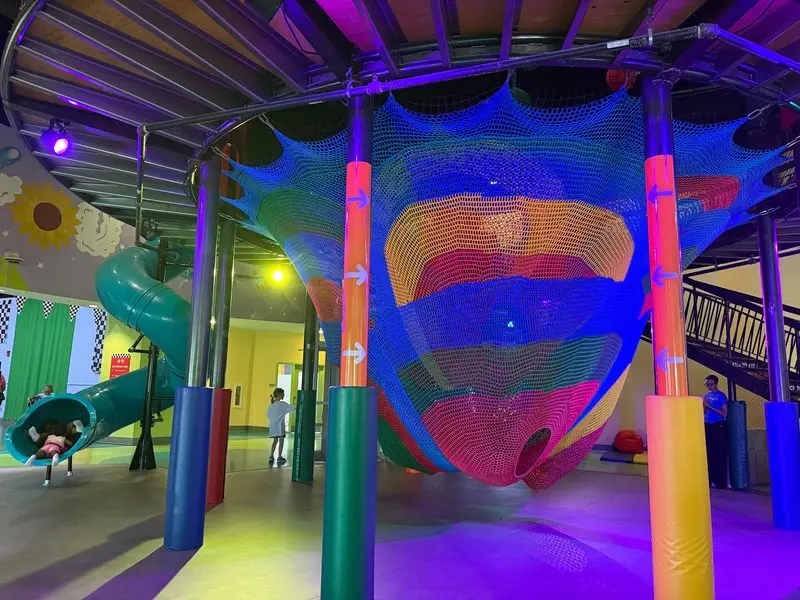
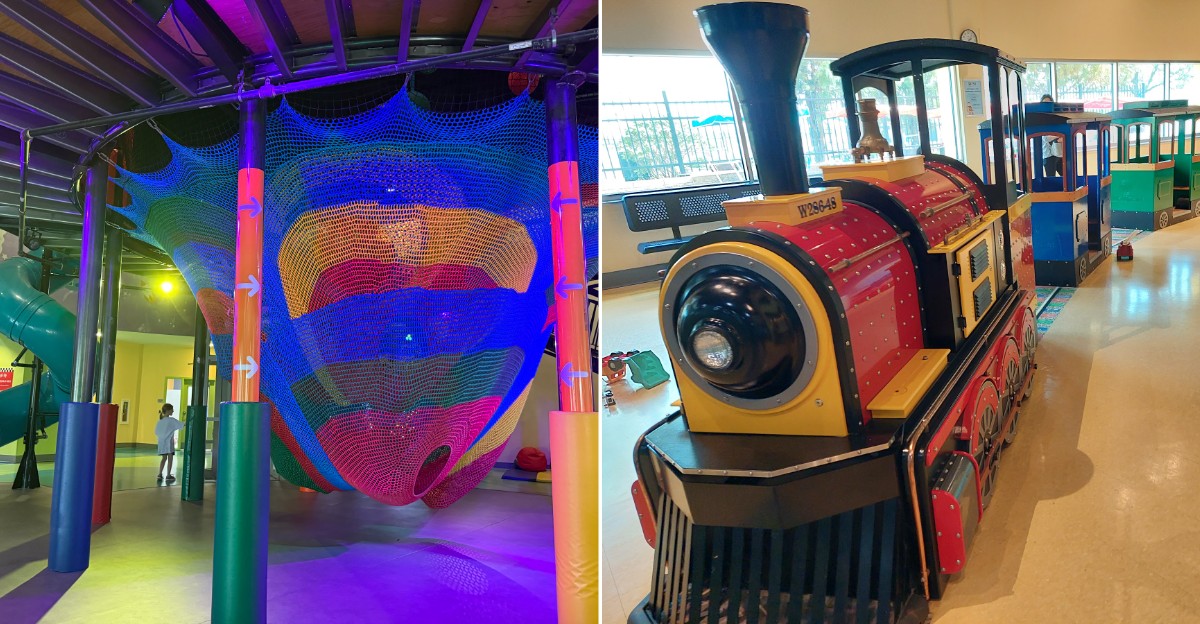
Hand-woven, bright, and bursting with color, Kokoun looks like a giant art project. Kids treat it like the ultimate jungle gym.
This climbing structure was the first indoor installation of its kind in North America. That’s a pretty big claim for a play space in Wilmington, Delaware.
Kids can climb, explore, and slide through the woven layers. It’s a full-body workout disguised as pure fun.
Climbing builds strength, balance, and coordination. It also teaches kids to plan their next move, which is sneaky brain training.
Older kids often love this part most. It offers a challenge that feels more adventurous than the toddler zones.
Here’s a practical tip for parents. Dress kids in comfy clothes that stretch easily, since they’ll be twisting and reaching a lot.
Socks are smart to pack too. Some play areas ask kids to remove shoes before heading in.
You may lose sight of your child for a moment inside the web. Stay close to the exit points and listen for happy chatter.
When they finally pop out, expect flushed cheeks and big smiles. Then expect them to ask for one more round.
Thirty Kids Can Fit Inside One Giant Planet
Most kids study the world on a flat map. The Earth Balloon lets them step inside a 19-foot inflatable globe instead.
Up to 30 people can fit in at once. That makes it a natural fit for school groups and curious families.
The goal is learning about our planet in a way that sticks. Seeing continents and oceans wrap around you beats squinting at a textbook page.
Geography can feel dull on paper. Inside a giant glowing ball, it suddenly feels like an adventure.
Kids can spot where they live and compare it to faraway places. It’s a fun way to show how big, and connected, our world really is.
Use the moment to start a conversation. Ask which country they’d visit first, or which ocean looks the biggest.
Those questions turn a quick look into lasting curiosity. Kids often remember what they discover with their own eyes.
Field trips and summer camp groups visit the museum too. The Earth Balloon fits right into that kind of group learning.
Honestly, it’s hard to beat a classroom shaped like the planet itself. Even grown-ups may feel a little wonder in there.
Money Lessons Somehow End On A Big Slide
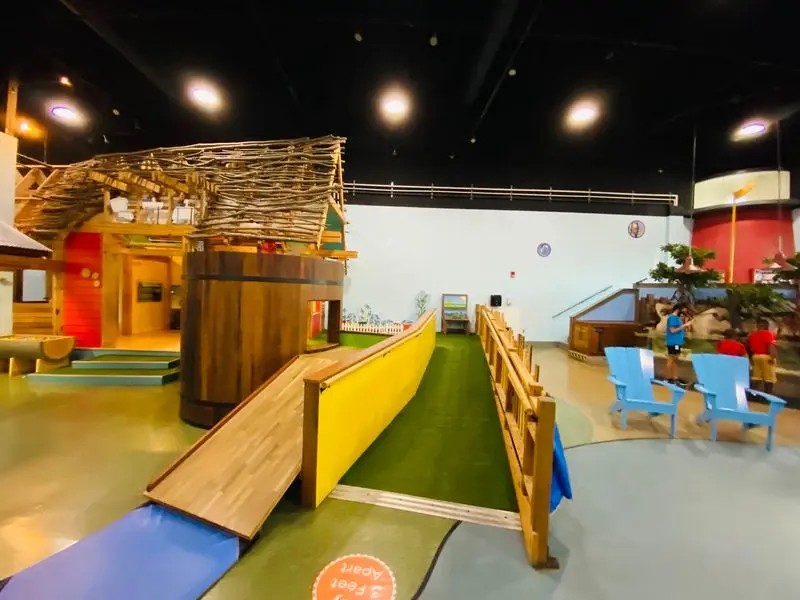
Saving money rarely sounds exciting to a seven-year-old. Bank On It changes that by mixing smart lessons with a large slide.
The exhibit teaches kids about managing money through games. It’s an early peek at saving, spending, and making choices.
Money skills matter for everyone. Learning the basics young can help kids feel confident later on.
Games make tricky ideas easier to grasp. Kids learn by doing instead of sitting through a long lecture.
Then comes the reward. A big slide waits nearby, which might be the best motivation any bank has ever offered.
Parents can stretch the lesson after the visit. Try giving kids a small allowance and letting them plan how to use it.
The DCM Depot gift shop sits next to the admission desk. It sells toys, branded items, and snacks, making it a real-life spending decision.
Ask your child whether they want to buy something now or save for later. That simple choice brings the exhibit’s message home.
Who knew a slide could teach financial planning? Somewhere, a banker is wondering why their office doesn’t have one.
Test That Fastball And Shoot Some Hoops Indoors
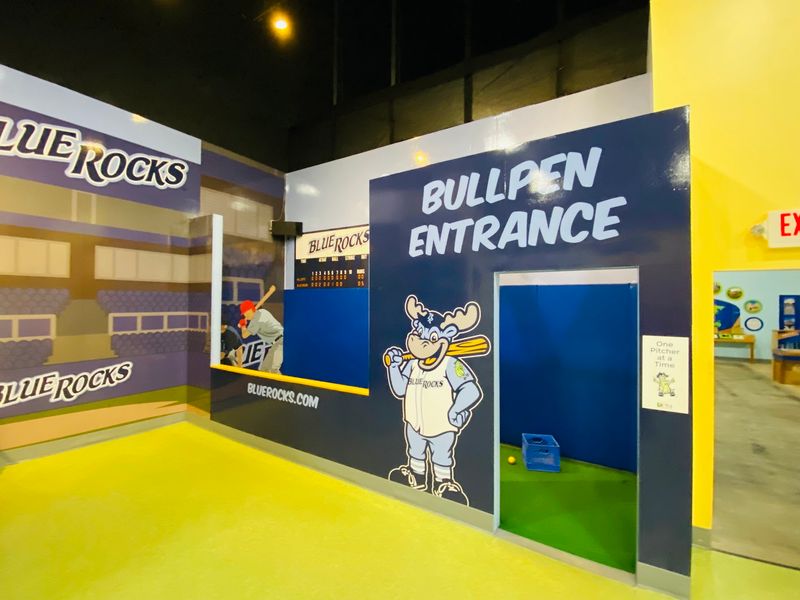
How fast can your kid throw a ball? The Power of Me exhibit will happily give you a number.
This area focuses on physical challenges. Kids can shoot basketball hoops and test their pitching speed.
It’s a smart way to connect science with the human body. Speed, force, and aim all come into play with every throw.
Active kids especially love this zone. After quieter exhibits, it gives them a chance to burn off serious energy.
Rainy days can make kids restless at home. Indoor spaces like this help them move without needing sunshine.
Friendly competition adds extra fun. Siblings can compare scores and try to beat their personal best.
Parents might want a turn too. Just be ready if your child throws harder than you do.
Talk about what helps improve a score. Practice, posture, and focus all make a difference, both here and on a real field.
That lesson sticks better when kids see their own progress. Watching a speed number climb feels amazing at any age.
Take a water break afterward. Those little athletes will have earned it.
Plan Your Visit Around These Handy Hours And Deals
Timing your trip can save both money and stress. The museum opens Wednesday through Sunday from 10 AM to 5 PM.
It stays closed Mondays and Tuesdays. However, it opens on certain holiday Mondays like Presidents’ Day and Labor Day from 10 AM to 3 PM.
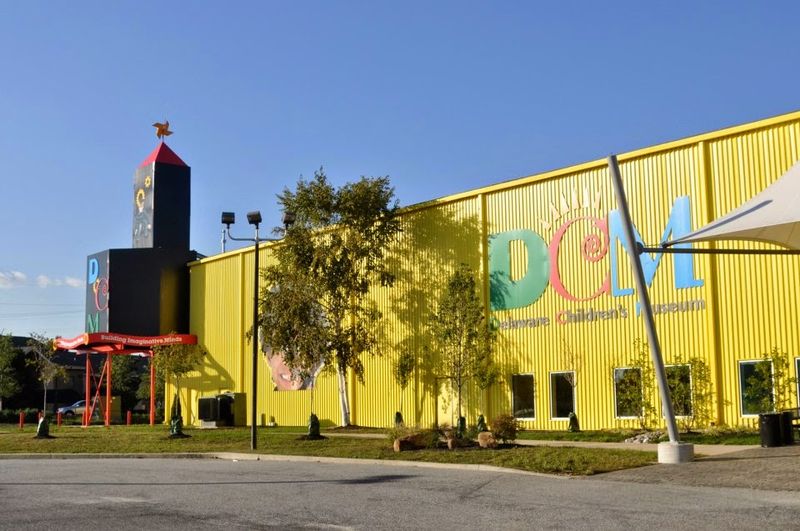
You’ll find the Delaware Children’s Museum at 550 Justison Street, Wilmington, DE 19801. For GPS to the free parking lot, enter 601 S Madison Street instead.
That lot is called LOT K, at Beech Street and Shipyard Drive. Free parking always makes a family outing feel better.
Tickets are sold only at the admissions desk. Online sales aren’t offered right now, so plan for a short check-in.
Budget-friendly families should circle CAPs Nights on the calendar. On the third Wednesday of each month, admission drops dramatically from 5 PM to 8 PM.
Teachers and military members get free admission on CAPs Nights with valid ID. They also enter free on Memorial Day, Labor Day, and Veterans Day weekends.
The museum is closed on Christmas, Thanksgiving, and Easter Sunday. A quick check before heading out keeps surprises away.
Pack Lunch, Then Wander The Riverfront Afterward
Hungry explorers need fuel, and there’s no café inside. Good news though, outside food and drinks are welcome.
Picnic benches sit outdoors for easy lunches. Packing sandwiches and fruit can keep energy high and costs low.
The museum sits along the Wilmington Riverfront. This lively area offers dining, arts, entertainment, and outdoor fun.
Several restaurants are within walking distance. Big Fish Grill and Delaware Duck Café are both nearby options.
Warm months bring another bonus. Riverwalk Mini Golf, an 18-hole course, sits right next door seasonally.
That makes it easy to turn one museum trip into a full day. Science in the morning, mini golf in the afternoon sounds like a winning plan.
Celebrating a birthday? The museum allows parties in its public spaces, though everyone pays general admission.
Birthday kids can get a treat bag and a loudspeaker announcement. Just leave the balloons at home, since they aren’t allowed inside.
The building is handicap accessible too. That helps every family enjoy this Delaware favorite comfortably.
By day’s end, your kids may be tired but buzzing. Honestly, that’s the best kind of tired.