More than 70 species of ancient sharks have turned up inside a cave in central Kentucky. Sharks.
Underground. Hundreds of miles from the nearest beach.
Scientists began identifying them around 2019, and the count kept climbing. Some teeth are tiny.
Some cartilage pieces are so delicate that experts study them right where they sit in the rock walls.
I love that the evidence comes from an ocean that covered this land roughly 330 million years ago. Long before horses or hills, the Bluegrass State had reefs, currents, and some very toothy residents.
I can’t imagine a better story to share with kids on a family road trip. The ocean is long gone, but the sharks left their calling cards behind.
So where exactly do you go to see the spot where a sea turned into stone?
The Longest Known Cave System On Earth Lives Right Here
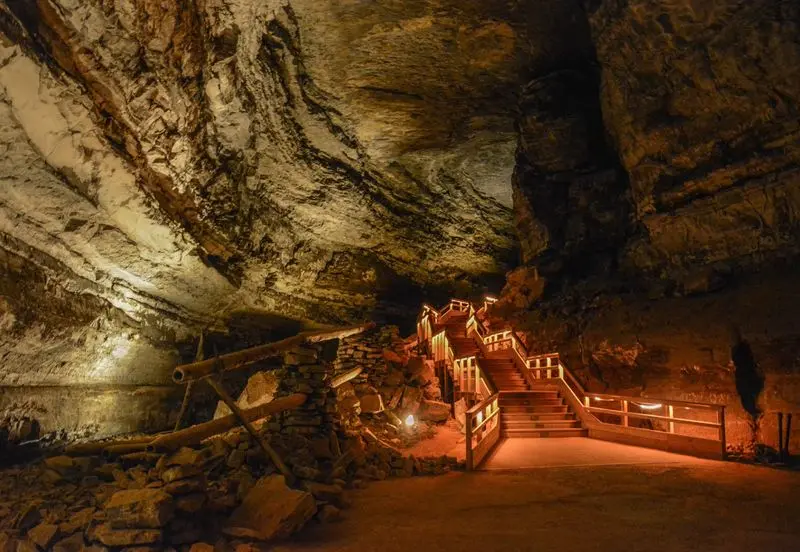
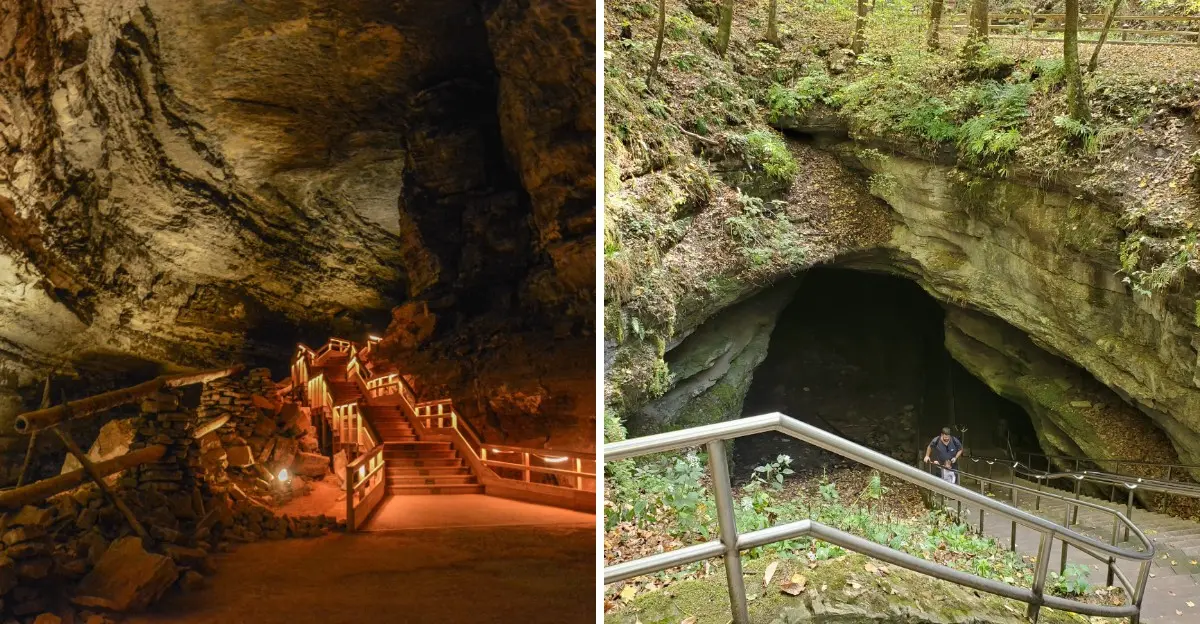
More than 420 miles of passages have been mapped beneath Mammoth Cave National Park. That makes it the longest known cave system in the world, and surveyors keep adding more.
The park sits in south-central Kentucky, between Bowling Green and Elizabethtown. Its mailing location is Mammoth Cave, Kentucky 42259, and the visitor center makes an easy first stop.
Above ground, you get rolling hills, thick hardwood forest, and the Green River winding through. Below ground, you get layered limestone, huge rooms, and narrow crawlways that twist for miles.
It became a national park in 1941. Later, it earned recognition as a World Heritage Site and an International Biosphere Region.
Those titles sound fancy, but the appeal is simple. Families can stand in a passage that has drawn curious people for thousands of years.
For Kentucky families, this is a home-state treasure worth rediscovering. Plenty of folks remember a school trip here, and plenty more are overdue for one.
Now add the sharks. The same rock that forms these tunnels once sat at the bottom of a warm, shallow sea.
That ancient seafloor is exactly why fossil hunters keep finding surprises in the walls and ceilings, and why this cave keeps making headlines today.
An Ocean Once Rolled Over Central Kentucky
Roughly 330 million years ago, warm salty water covered much of what is now Kentucky. Geologists call this stretch of time the Mississippian Period.
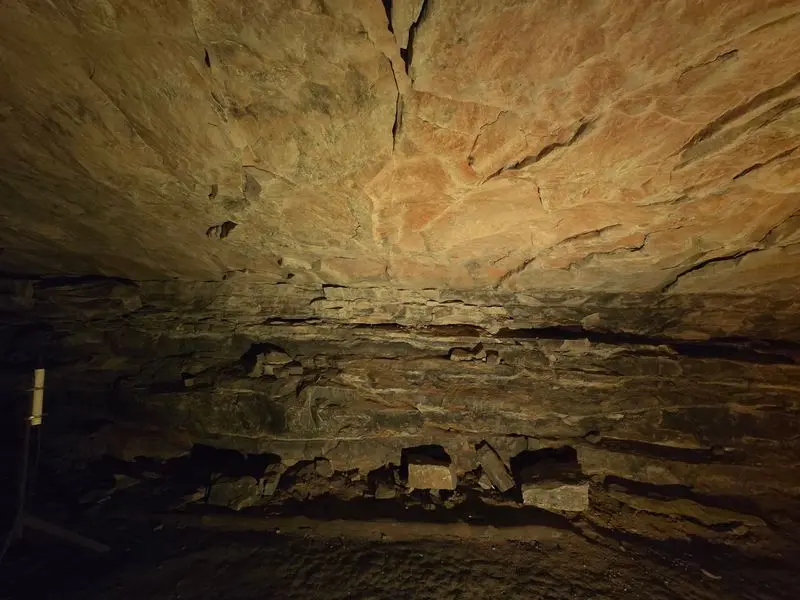
Back then, the region sat closer to the equator. Shells, corals, crinoids, and countless tiny creatures piled up on the seafloor over enormous spans of time.
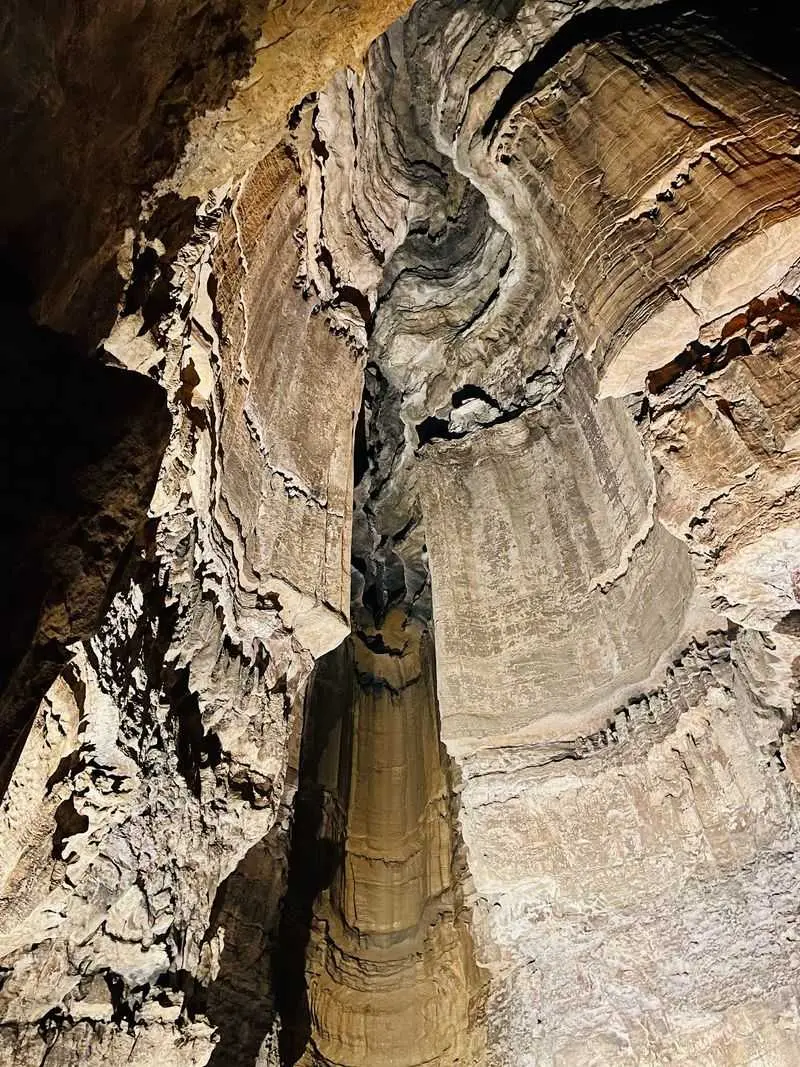
Those layers slowly hardened into limestone. Much later, slightly acidic water seeped through cracks and dissolved the rock bit by bit.
Give that process millions of years, and you get tunnels. Give it even longer, and you get the giant passages families explore at Mammoth Cave today.
So the cave and the fossils share the same origin story. The sea built the rock, and the water carved the rock, revealing what the sea left behind.
It’s a neat lesson for kids who love dinosaurs. These sharks lived long before the first dinosaurs ever appeared.
That timeline can stretch young imaginations in a fun way. Ask them to guess how old the walls are, then watch their faces when you tell them.
Kentucky may be landlocked now, but its rocks still remember the waves. Few places let you literally stand inside an old ocean floor quite like this one.
Seventy-Plus Shark Species And Counting
Teeth, scales, fin spines, and even bits of cartilage. Those are the clues paleontologists have been pulling from the cave since a major survey kicked off around 2019.
The work became part of a Paleontological Resources Inventory. National Park Service staff teamed up with outside experts, including shark specialist John-Paul Hodnett.
Their tally has passed 70 species of ancient sharks and shark relatives. Some were brand new to science when they were identified.
One standout got the name Troglocladodus trimblei. It honors a former park ranger, and the creature may have reached roughly 10 to 12 feet long.
Another, Saivodus striatus, ranks among the larger finds. Estimates suggest it could have been about the size of a modern great white.
Many finds sit in remote passages that ordinary tours never reach. Researchers sometimes crawl through tight spaces just to study a single tooth.
That effort pays off. Each find helps scientists piece together who swam where in that old Kentucky sea.
Kids tend to love the idea that names are still being given out. History here isn’t finished.
New chapters keep arriving, one fossil at a time, from a cave that clearly hasn’t run out of secrets yet.
Why The Fossils Mostly Stay Put
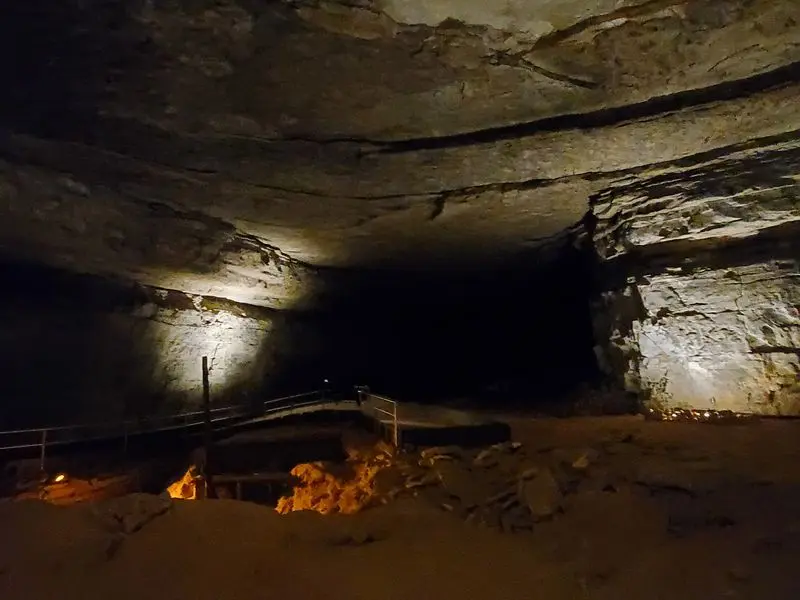
Grabbing a souvenir tooth sounds tempting. Inside a national park, though, fossils are protected, and collecting them is against the rules.
Scientists treat these pieces with real care too. Cartilage fossils are especially fragile, so researchers often photograph and study them right where they rest.
That approach keeps the record intact for future experts. It also means the cave itself acts like a giant, dark museum.
Families can turn that idea into a great conversation. Kids usually get it fast when you explain that a fossil out of place loses part of its story.
The location of each find matters as much as the find itself. Rock layers tell scientists when an animal lived and what the sea floor looked like.
Rangers often weave fossil talk into tours and programs. Topics can vary by season, so it’s smart to check what’s offered before you go.
Leaving things where they belong feels pretty good, honestly. You become part of protecting something that has waited hundreds of millions of years.
And the takeaway photo still works. A picture of a shark tooth in a cave wall beats a dusty shelf trinket any day.
Guided Tours Are Your Ticket Underground
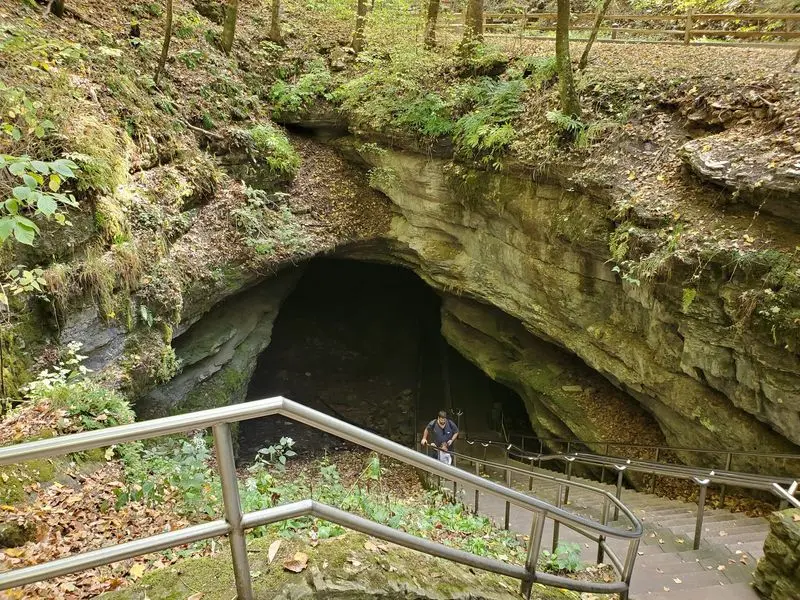
Ranger-led tours are the main way to see the cave. Options can range from short, easy walks to longer, more strenuous routes.
The Historic Tour is a longtime favorite. It visits famous spots and includes tight squeezes and plenty of stairs.
The Frozen Niagara Tour is often a gentler pick. It shows off dripstone formations and can suit younger kids or folks who prefer fewer steps.
Tour lineups, lengths, and fees can change by season. Booking ahead through the official reservation system often helps, especially during busy summer weekends and holidays.
Cave temperatures usually hover in the 50s year-round. A light jacket works well, even when July feels steamy outside.
Sturdy shoes matter too. Paths can be damp, uneven, and long, so leave the flip-flops in the car.
Families with small children should read each tour’s description carefully. Some routes have age guidelines or demanding sections that won’t suit everyone.
Choosing the right tour makes the whole day smoother. Kids stay curious, grownups stay comfortable, and nobody ends up grumbling halfway through a passage.
A good match turns a long drive into a memory your family brings up for years.
Thousands Of Years Of Human Footprints
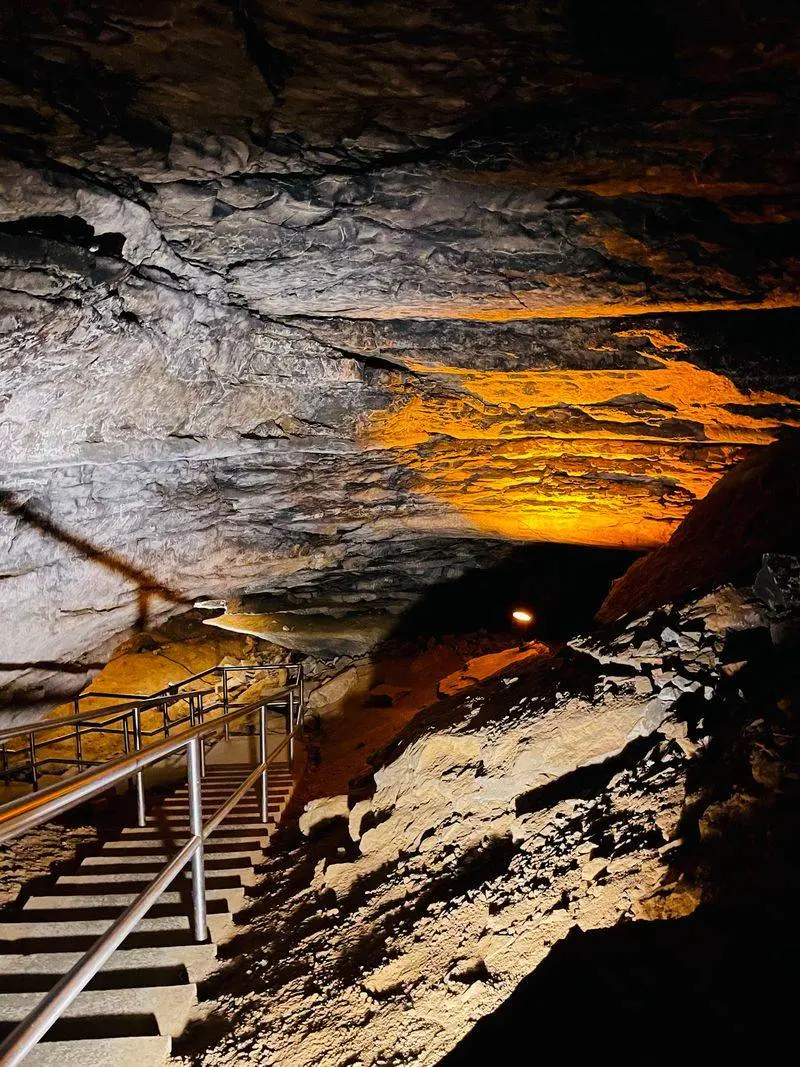
Long before anyone hunted shark teeth here, people explored these passages by firelight. Native Americans entered the cave thousands of years ago.
Archaeologists have found traces like cane torch remains and evidence of mineral gathering. Those early explorers traveled impressively deep with very simple tools.
Later, in the early 1800s, workers mined saltpeter inside the cave. That material was used to make gunpowder, and leftover equipment remains visible on some routes.
Enslaved guides also shaped the cave’s history. Stephen Bishop explored and mapped many passages in the 1830s and 1840s, and his work still matters.
Tourism took off in the 1800s too. Visitors arrived by stagecoach, and later by train and car, all eager to see the famous underground world.
Every era left a layer of story. Sharks first, then ancient explorers, miners, guides, and generations of curious families.
That mix makes the cave feel personal for many Kentuckians. Grandparents may recall their first trip, and kids now get to add their own.
Ask around at your next family dinner. Somebody probably has a cave story, and it’s likely worth hearing.
Plenty To Love Above Ground, Too
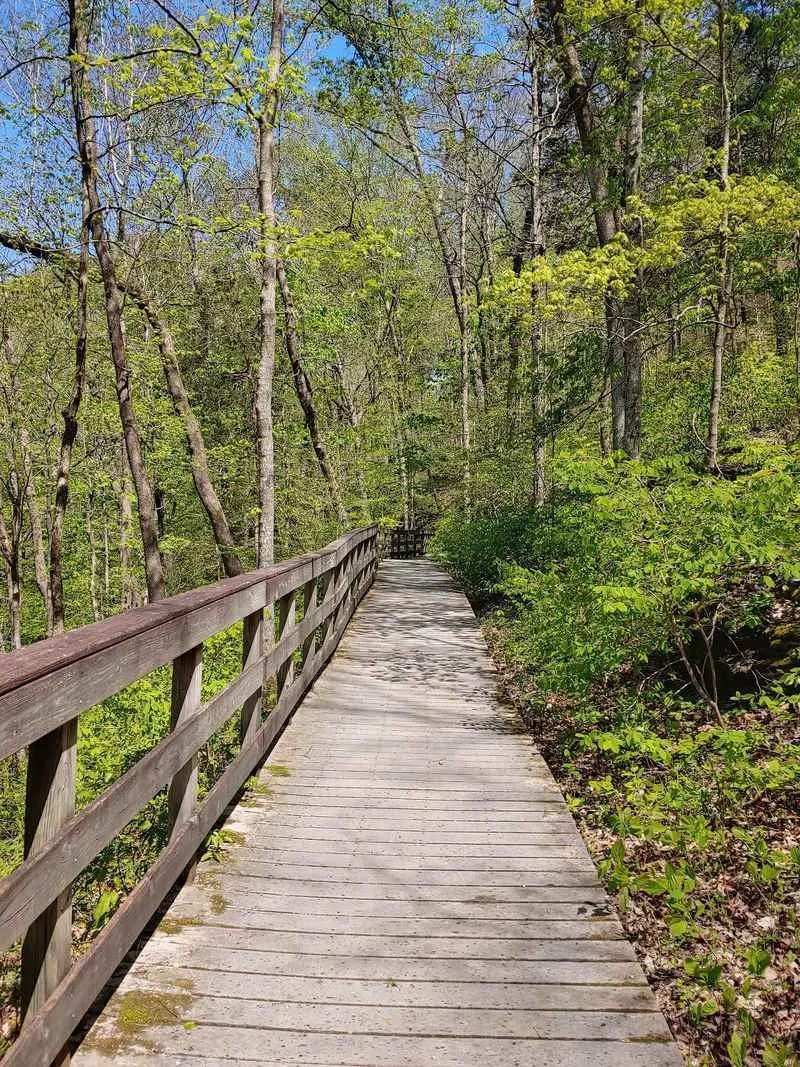
Sunlight counts as an attraction here. The park’s surface covers more than 52,000 acres of forest, hills, and river valleys.
Hiking trails loop through the woods and past springs and sinkholes. Some are short enough for little legs, while others stretch for miles.
The Green River and Nolin River add paddling options. Canoeing and kayaking can be popular in warmer months, depending on water conditions.
Bike riders can try the Mammoth Cave Railroad Bike and Hike Trail. It follows an old rail route and makes a pleasant family ride.
Horseback riding trails also wind through parts of the park. Wildlife sightings, like deer and wild turkeys, are fairly common along quiet roads.
The Green River Ferry offers a fun little crossing too. Operations can depend on river levels, so check before planning around it.
Mixing surface time with a cave tour helps balance the day. Kids can burn energy outside, then cool down underground.
It’s a great reminder that the park isn’t only a hole in the ground. The whole landscape tells the same story, shaped by water from top to bottom.
A Family Outing That Feels Like A Field Trip
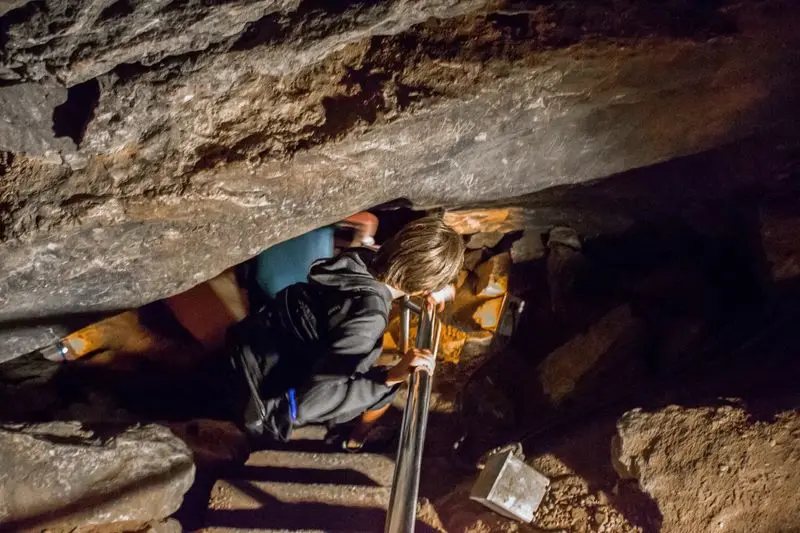
Kids get their own mission here. The Junior Ranger program can let young visitors complete activities and earn a badge.
Ranger talks and seasonal programs add even more learning. Topics may cover bats, geology, history, and, of course, those fossil sharks.
The visitor center has exhibits that help set the stage. Stopping there first gives kids context before they head below ground.
Shark fans especially get a thrill. Few kids expect to learn about ocean predators in the middle of Kentucky farmland.
The park suits a wide range of families. Toddlers may enjoy surface trails, while older kids and teens can handle longer cave routes.
Grandparents fit right in too. Many easier tours and scenic drives keep the day comfortable for multiple generations.
Entry to the park itself is free, though cave tours usually carry fees. That mix makes it a fairly budget-friendly outing for Kentucky families.
Pack snacks, water, and a jacket. With a little planning, a single day here can feel like a full school unit in science, history, and adventure, minus the homework and the pop quiz.
Staying Overnight Near The Cave
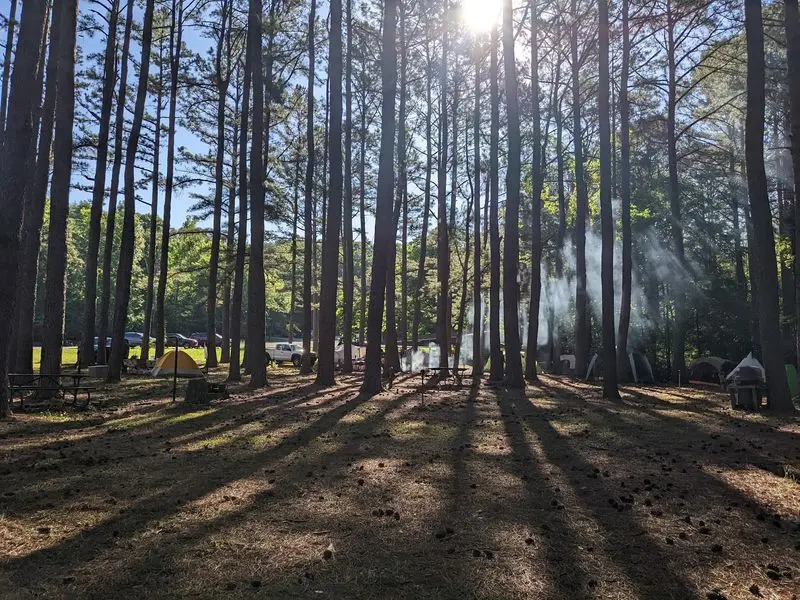
Want more than a day trip? The Lodge at Mammoth Cave sits inside the park, close to the visitor center.
It offers hotel rooms and cottages, plus on-site dining. Room types and seasonal availability can vary, so reserving early often helps.
Camping is another favorite. Mammoth Cave Campground sits near the visitor center, and other sites around the park offer quieter options.
Staying overnight opens up evening programs and early morning tours. You also skip a long drive home after a tiring day.
Nearby towns like Cave City and Park City offer extra lodging and food choices. They sit just minutes from park entrances.
Families coming from Louisville or Nashville can reach the park in under two hours. From Bowling Green, the trip is even shorter.
That closeness makes weekend getaways realistic. Many Kentucky families can leave Friday evening and fit plenty into Saturday.
Nights in the park feel peaceful after busy cave days. Kids get the thrill of sleeping near a world-famous attraction, and grownups get a slower pace and a starry sky to enjoy before bed.
Smart Tips Before You Hit The Road
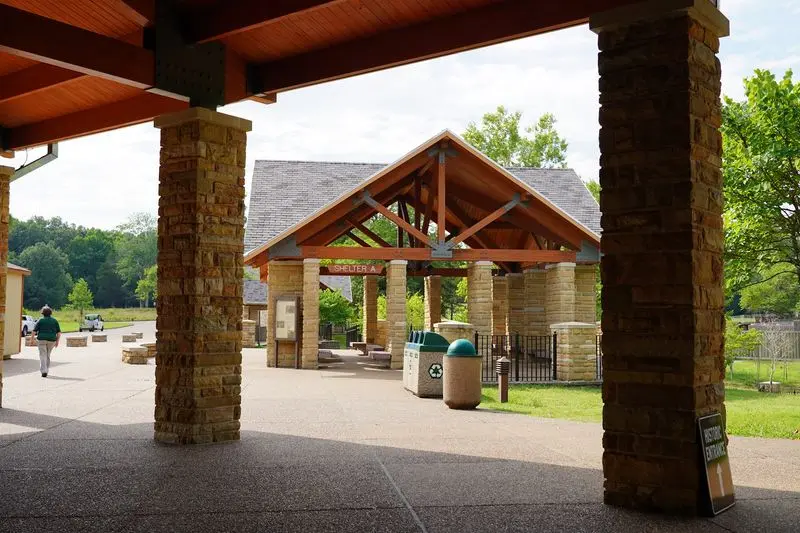
A little prep goes a long way. Cave tours can sell out during peak months, so reserving tickets ahead is usually wise.
The park sits mostly in Edmonson County, with easy access from Interstate 65. Signs from Cave City and Park City guide drivers in.
Plan to arrive early. Parking, check-in, and a quick restroom stop all take time before your tour starts.
Hours for the visitor center and tour schedules shift by season. Checking the official park pages before leaving keeps surprises to a minimum.
Cell service may be spotty in some areas. Download maps and tickets ahead, just in case.
Visitors sometimes need to walk over bio-security mats after tours. Those mats help protect bats from white-nose syndrome, a serious fungal disease.
Bring layers, sturdy shoes, and plenty of patience for stairs. Strollers and large bags often aren’t allowed on tours.
Also remember that flash photography rules can vary by tour. Ask your ranger before snapping away underground.
Preparing well keeps the day relaxed. You’ll spend less time sorting logistics and more time enjoying the cave together.
An Old Ocean Worth Visiting Again And Again
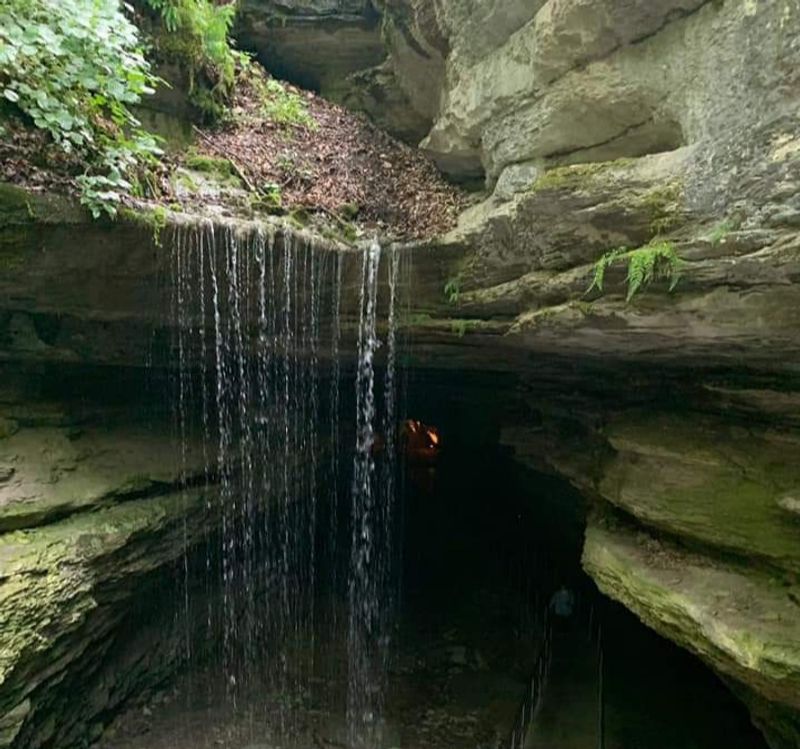
Sharks in Kentucky still sounds wild, even after hearing the science. That’s exactly why Mammoth Cave keeps pulling people back.
The park blends deep time, rich history, and easy family fun. Few places manage all three without feeling crowded or rushed.
Every visit can feel different too. Pick a new tour, a new trail, or a new season, and the story shifts a little.
Meanwhile, researchers keep studying the walls. Future trips might come with fresh fossil news you can share with the kids.
For Kentucky families, it’s a chance to reconnect with something truly homegrown. This cave belongs to the state’s identity as much as horses and hills.
Maybe your family visited decades ago. Maybe you’ve never gone at all, which honestly makes this the perfect excuse.
Go for the sharks, then stay for the stories. Bring a jacket, a curious mind, and someone who will gasp at the right moments.
An ocean vanished from Kentucky long ago. Its leftovers are still waiting underground, and they make a pretty great reason for your next family road trip together.