Ancient faces and figures are carved into basalt right beside the Columbia River, and you can walk to them from a lakeside campground. No climbing gear required.
No trail map anxiety either.
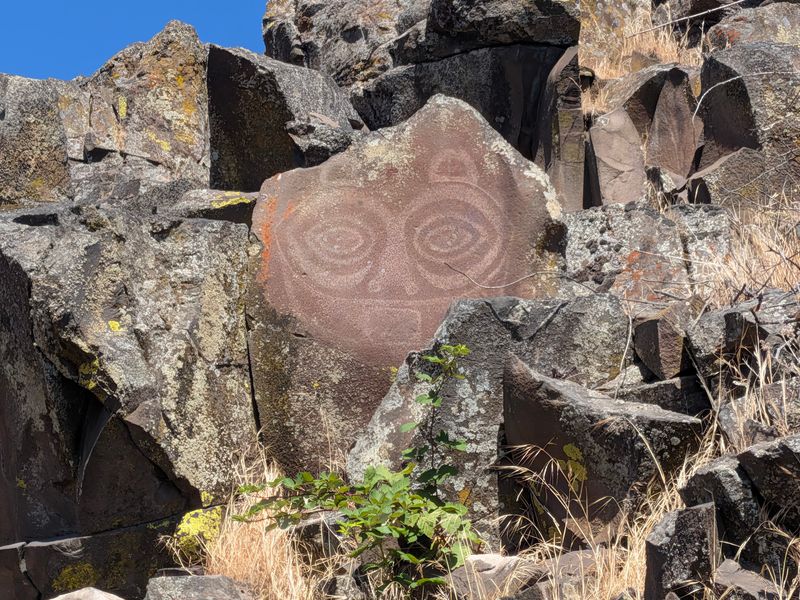
The most famous image even has a name: She Who Watches. Seeing her takes a reservation for a guided tour, offered on weekend mornings with tribal permission.
I like how that one rule makes the whole visit feel more meaningful.
The rest of the park keeps kids busy without much effort. There’s a small lake for paddling and fishing.
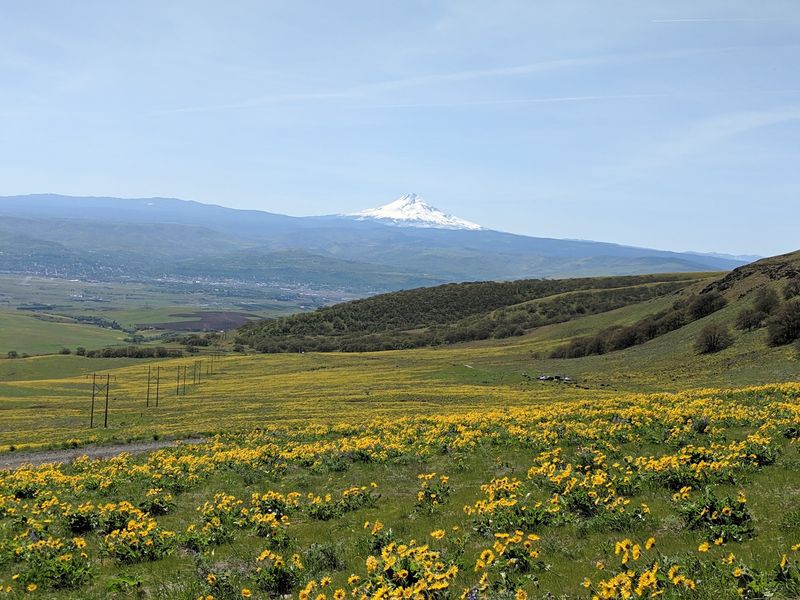
Eagles nest nearby, and spring wildflowers can paint the hills purple and gold.
This corner of Washington feels a little wild but very doable. Short walks, big views, and history older than any textbook.
So why haven’t more families made this drive yet?
A Riverside Park Where History Sits Right Off the Highway
Columbia Hills Historical State Park sits along the Columbia River Gorge in south-central Washington. It blends camping, fishing, walking paths, and Native American petroglyphs in one easygoing package.
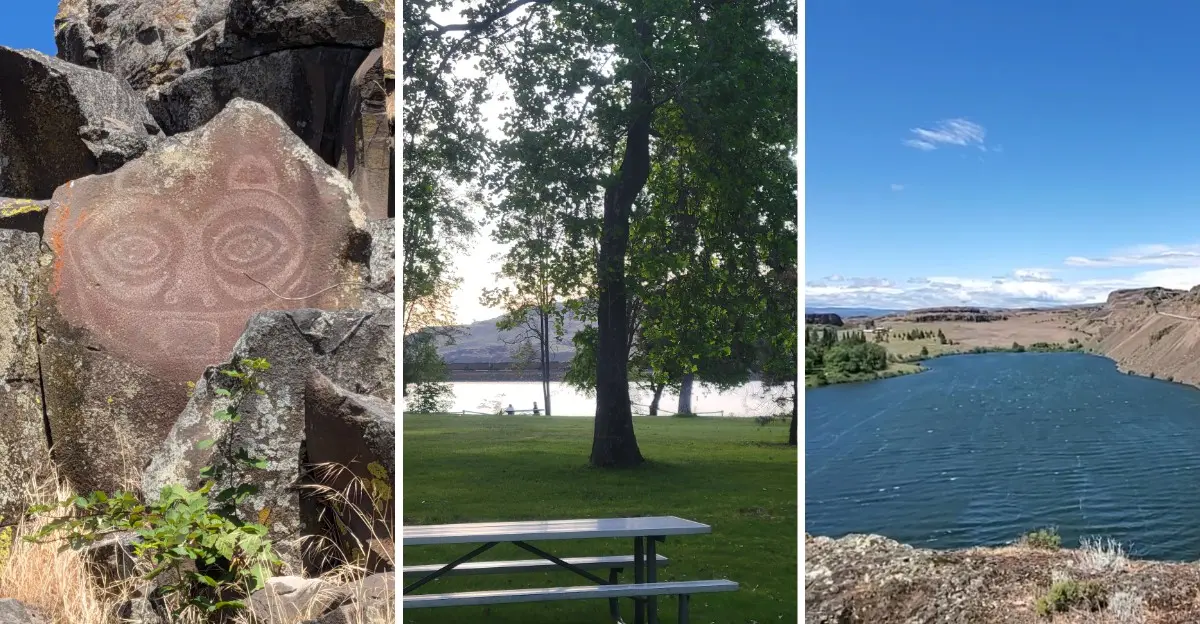
The heart of the main area is Horsethief Lake, set in a valley ringed by rocky hills. You’ll also find a day-use area, a campground, and a small boat ramp onto the river.
Here’s what makes it family-friendly. You don’t need to commit to a big hike to see something remarkable.
The petroglyphs are reachable on foot from the lake area, so even little legs can manage.
The park actually spreads across several sections. Each one has its own parking, so you can choose your adventure and drive straight to it.
Want a quick stop on a road trip? Stay ten minutes.
Want a full day? Fish, picnic, and hike.
That flexibility is gold for parents juggling nap schedules and short attention spans. Grandparents will appreciate it too, since nobody has to march miles just to reach the good stuff.
The park holds a strong 4.6-star rating across more than 500 Google reviews. Not bad for a spot many Washington families still haven’t heard about.
Carvings That Have Outlasted Every Map of Washington
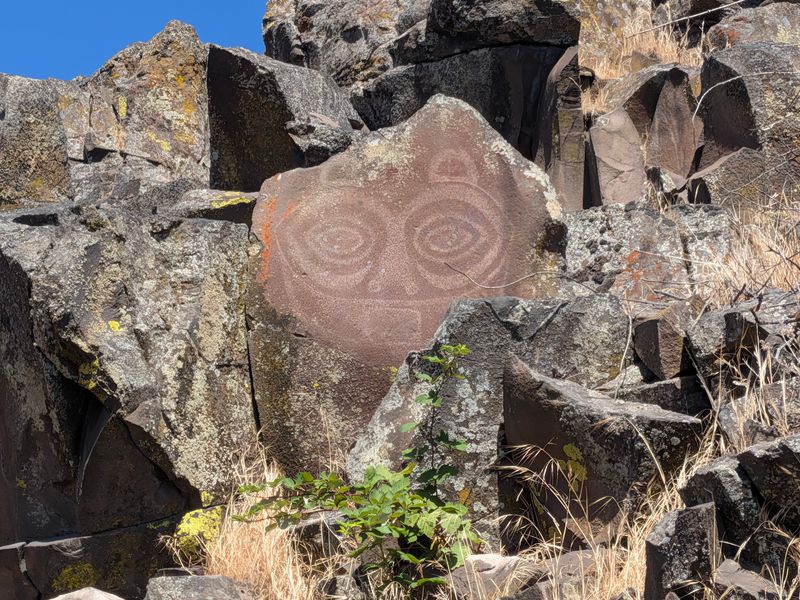
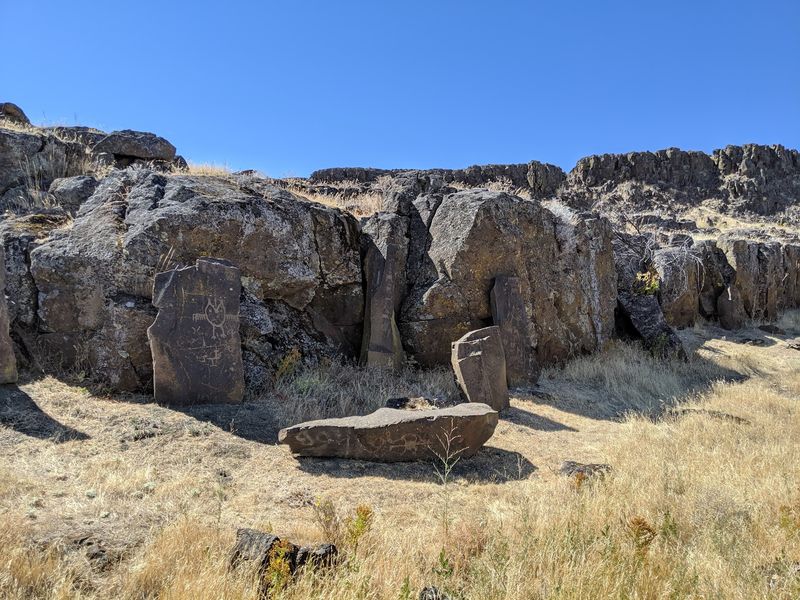
Long before highways or trains, people carved images into the dark basalt here. The petroglyphs are the reason this park carries the word historical in its name.
Kids tend to treat them like a treasure hunt. Spot a face, find a creature, look for a spiral.
It’s history they can actually see instead of read about.
The carvings near the lake area are close enough for a short walk. That makes this one of the easiest ways in Washington to show children rock art made centuries ago.
There’s also a lesson in respect built into the visit. Some images in the area were damaged by vandals over the years.
That’s part of why access to certain sites is now carefully managed.
Use it as a teaching moment before you arrive. Remind kids to look with their eyes and never touch, scratch, or climb on the rock.
These marks can never be replaced.
Interpretive signs help explain what you’re seeing. Read them aloud together, and suddenly a quick stroll becomes a field trip nobody complains about.
Honestly, it might be the coolest show-and-tell story your kids bring back to school.
Your Reservation for Meeting She Who Watches
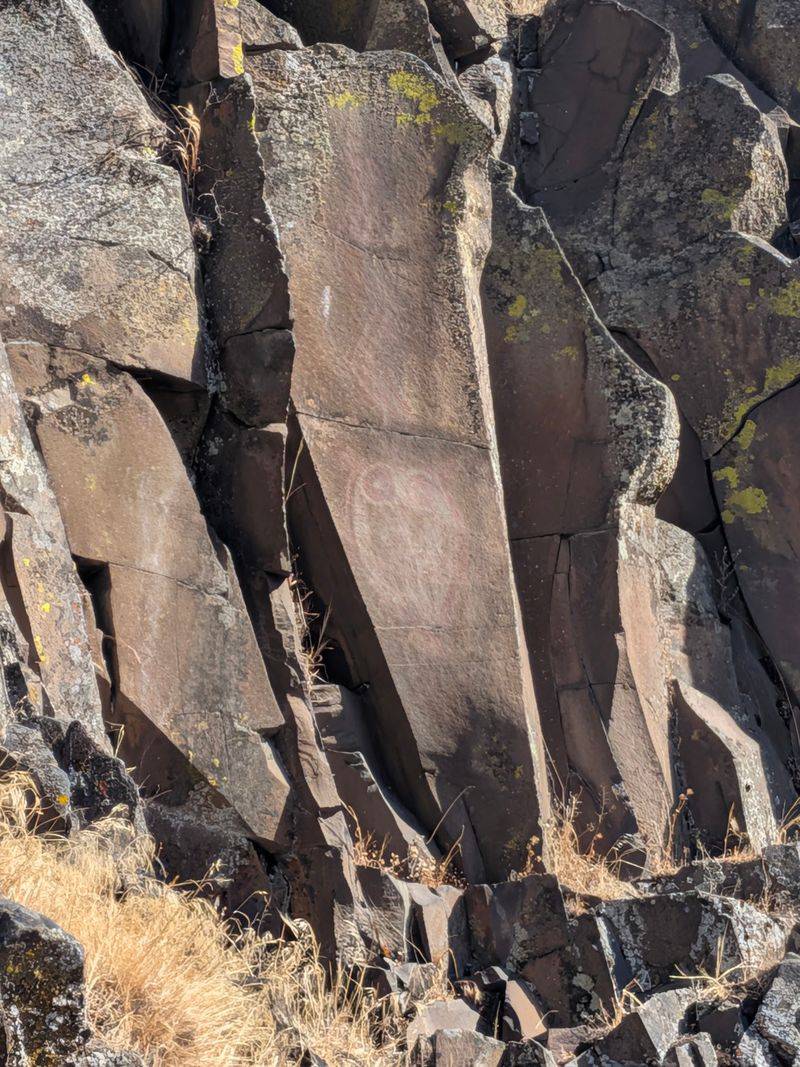
She Who Watches is the park’s most famous image, and she isn’t on a self-guided path. You’ll need to book a guided tour ahead of time to see her.
Tours have run on weekend mornings at 9 a.m. The park worked with four different tribes to keep these tours possible, which explains the careful rules.
Plan ahead, because showing up without a reservation means missing her entirely. Other open areas remain available, but they make for a shorter stop.
The guided walk includes both pictographs, which are painted, and petroglyphs, which are carved. Visitors have traveled from as far as Georgia just to join one.
Tour guides here earn real praise for being friendly and knowledgeable. Kids with a million questions will finally meet adults who can answer them all.
Schedules can change seasonally. Call or check with the park before you lock in your weekend plans, so the early alarm pays off.
Bring water, sturdy shoes, and a curious attitude. Leave the snacks packed until afterward.
You’ll be standing near something sacred and centuries old, and that deserves your full attention.
For older kids especially, this might be the highlight of the year.
Horsethief Lake Is Ready for Paddles and Splashes
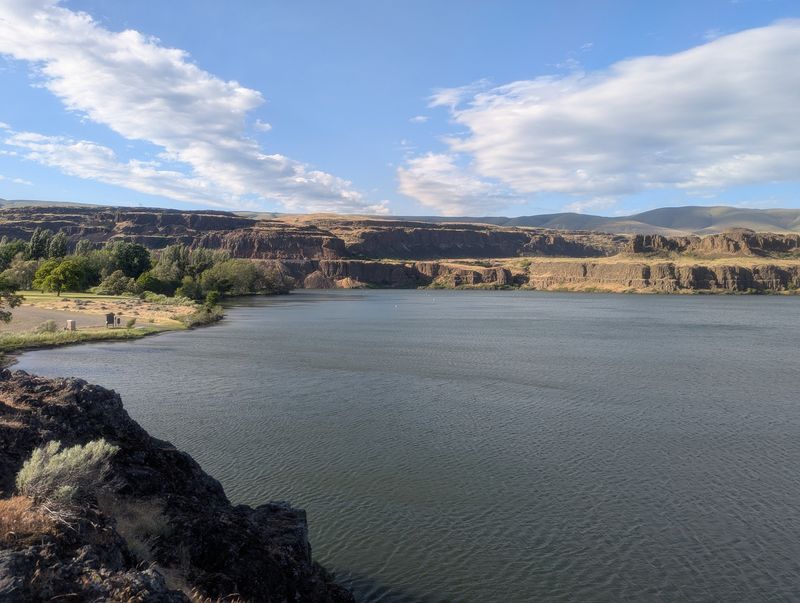
Paddleboards and kayaks are welcome on Horsethief Lake. That alone wins over plenty of families looking for water fun without a motorboat.
The lake is also popular for fishing and swimming. One parent even took a four-year-old into the water, and the whole family had a blast.
A small number of kayak rentals has been available through the camp host. Supplies may be limited, so ask early if you’re counting on one.
Wind is the big thing to watch here. Steady gusts sweep through the Gorge, so stay closer to shore than you might on a calmer lake.
Life jackets for kids are a smart non-negotiable. Even confident swimmers can tire quickly if the breeze kicks up.
Not into boating? A small walking trail loops around the lake with scenic views.
It isn’t wheelchair accessible, but it’s gentle enough for a casual family stroll.
Fishing families can cast from shore and hope for bites. Bring a few snacks, a folding chair, and patience for the little anglers.
Grass near the water is kept green and tidy, which makes it a great base for a towel, a picnic, and some lazy afternoon lounging.
Bald Eagles Overhead and Stars After Dark
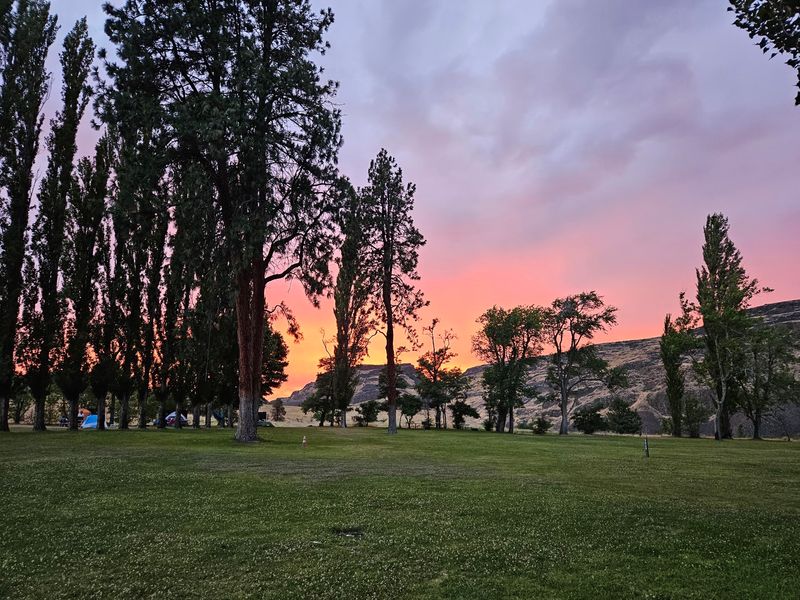
Look up. An eagle nest sits inside the park, and watching the birds circle overhead is a real treat.
Kids who get bored easily usually snap to attention when a giant raptor glides by. Pack a pair of binoculars and let them play wildlife spotter.
The show doesn’t stop at sunset either. Night skies here can be astonishingly clear, far from big-city glow.
Stargazers have called the view unbelievable. Phone cameras struggle to capture it, so a small telescope earns its spot in the car.
Camping families get the best of both. Daytime eagle watching rolls into evening star counting without leaving your site.
Teach kids a few constellations before you go. Spotting the Big Dipper over the Columbia River feels a lot more memorable than finding it on a tablet app.
Bring layers for nighttime. Wind and open terrain can make evenings feel cooler than the afternoon suggested.
Wildlife viewing also extends beyond eagles. Keep an eye out on rocky areas, since rattlesnakes are part of this dry landscape.
Staying on trails and watching your step keeps everyone safe.
Nature here isn’t staged. It’s the real Washington outdoors, wings, stars, and all.
Spring Hills Turn Into a Wildflower Party
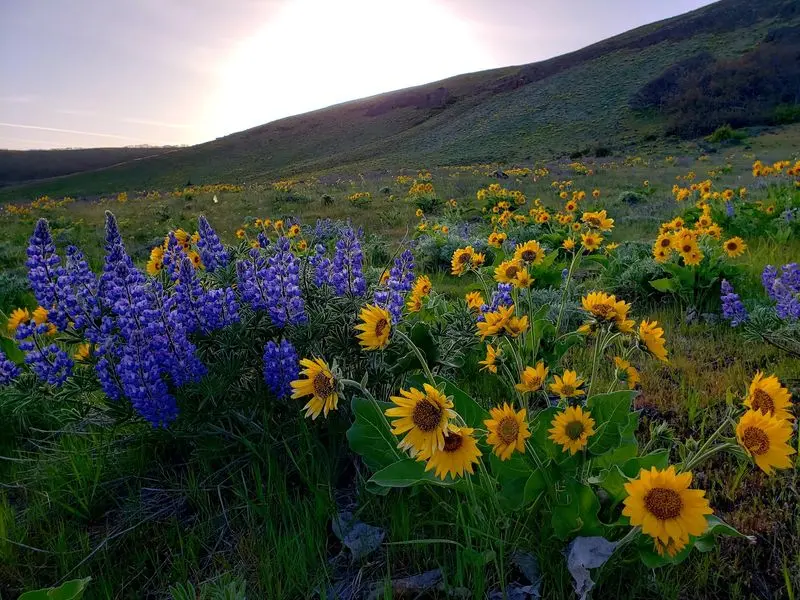
Purple lupine and bright spring blooms are a huge reason people seek out the Columbia Hills. Wildflowers come up again and again as a top draw.
Timing matters, though. One family arrived in mid-June and found they’d missed peak bloom by about a month.
Some years run even earlier than normal. A wet spring helps the desert-like landscape burst to life, while drier years may bring a quieter show.
So aim for spring and check conditions before you go. April and May are good months to start watching for updates.
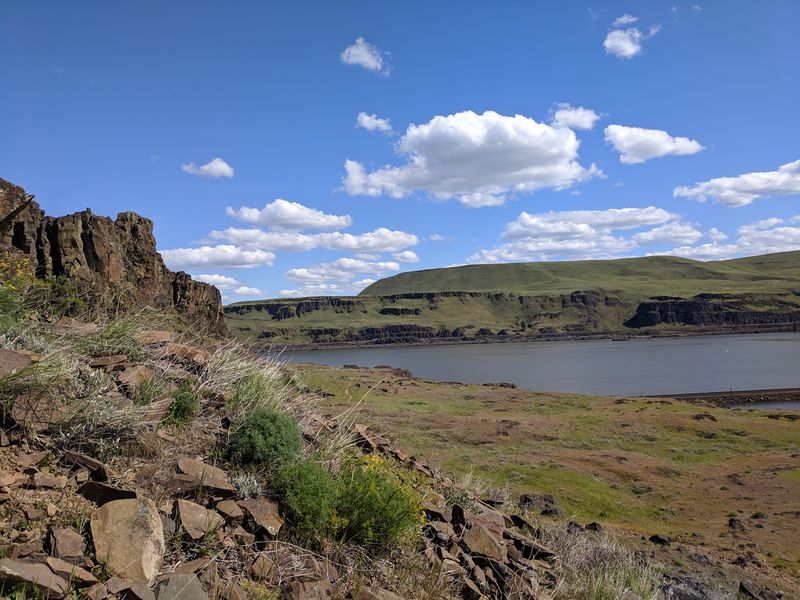
The views stack up beautifully with the flowers. Mount Hood and Mount Jefferson rise across the river in Oregon, and the Columbia stretches out below.
Kids love naming colors and counting different flowers. Turn it into a game, but remind them to leave the blooms growing for everyone else.
Photographers, prepare for wind. Gusts can make flower close-ups tricky, so patience helps.
Picnic tables have been added at a newer trailhead for wildflower season. Packing lunch turns a quick flower walk into an easy half-day outing.
Few Washington spring traditions feel this colorful for this little effort.
Trails for Short Legs and Bigger Ambitions
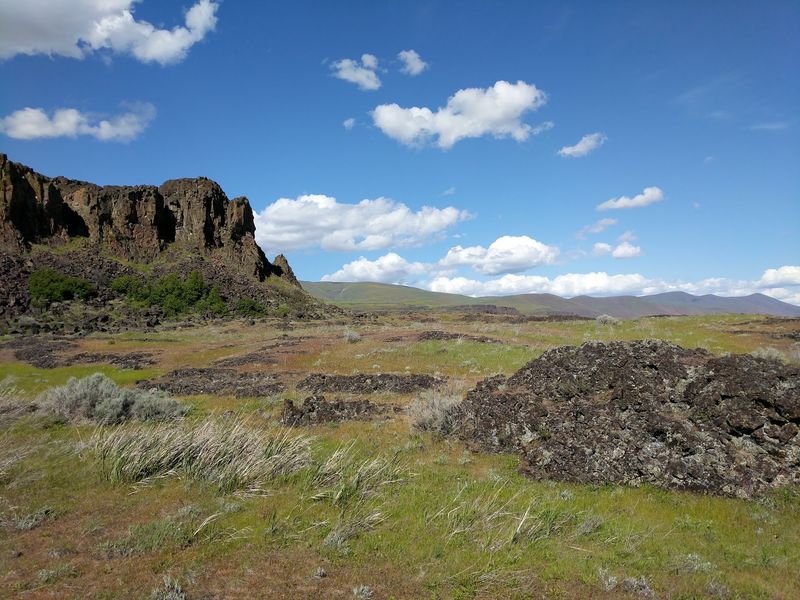
Easy walks near the lake suit little hikers just fine. For families wanting more, the wider park opens up serious trail options.
The Vista Loop runs a little over six miles with expansive views in every direction. That’s better for older kids or grandparents who like a longer outing.
Crawford Oaks trailhead offers wide open spaces and few people. It’s also a great spot to see geology shaped by the ancient Missoula Floods.
Trails here are described as well maintained. Information plaques along some routes add little history lessons as you go.
There’s even old ranch and farming equipment to check out near Mountain Ranch Road. Kids who love tractors will be thrilled.
Stacker Butte is up a gravel road and has limited parking. Arrive early or skip it on busy wildflower weekends.
Nearby Horsethief Butte is another fun stop. It’s not huge, but the views from the top are great, and rock climbers often use it.
Pick routes based on your crew’s stamina. A short win beats a meltdown halfway through a long loop.
Wind at higher elevations can be fierce, so hold onto hats and small hands.
Trains, Wind, and Other Quirks Worth Knowing
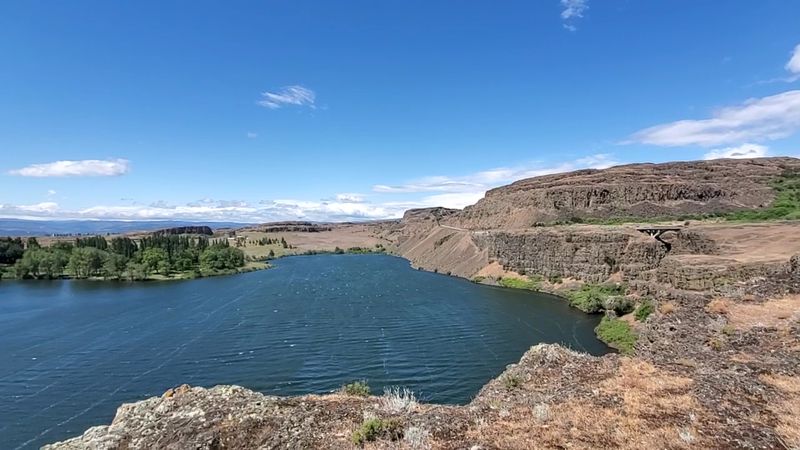
Train fans, you’re in luck. A rail line runs across the lake, and trains pass regularly.
For some families, that’s a bonus attraction. Kids who love locomotives may count them like shooting stars.
Light sleepers might feel differently. The sound travels, so earplugs are a wise addition to your packing list.
Highway noise is part of the soundtrack too. Plenty of campers say it isn’t bothersome, but it’s good to know ahead of time.
Then there’s the wind. The Columbia River Gorge is famously breezy, and gusts here can be strong.
Tent sites have windbreaks built in to help. Still, stake everything down and keep lightweight gear secured.
Summer heat is another factor. Temperatures have climbed past 100 degrees in August, which limits outdoor plans fast.
Shade trees help in the campground, but trails may feel brutal at midday. Morning visits work best during hot spells.
Rattlesnakes live in this dry terrain. Stick to trails, watch rocky spots, and keep kids close.
None of these should scare you off. They’re just the honest personality of eastern Gorge country.
Prepare a bit, and the quirks become part of the story.
Camping Comfort Without the Fuss
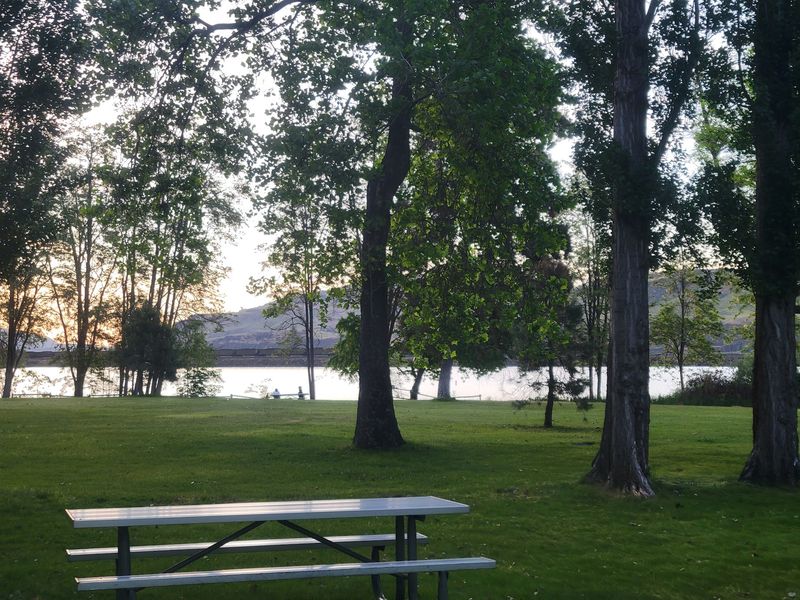
Clean bathrooms come up constantly when people describe this campground. For parents, that might be the single best review possible.
Horsethief Lake Campground offers tent sites and a small number of RV spots. RV sites have water and electric but no sewer hookups, though a dump station is available.
Showers are available too. Some have been free, while indoor showers have taken quarters, so bring a few coins just in case.
Trees provide welcome shade over parts of the camping area. On hot days, that shade can make a real difference.
Camp hosts are a standout here. They’re often described as friendly, knowledgeable, and helpful, and kids especially seem to adore them.
Sites are limited, so planning ahead pays off. Reservations help secure your spot, especially during wildflower season.
Campfire smoke can drift in the steady wind. Be considerate with your fire, and pick a site thoughtfully if smoke bothers your family.
Walking distance to the petroglyphs makes this campground special. Breakfast, a stroll to ancient rock art, then back for lake time?
That’s a pretty great Saturday.
Overflow space exists if needed. Check with the hosts for details.
Parking Passes and Getting There Smoothly
Bring a Discover Pass, Washington’s state parks parking permit. You’ll need one to park here, or you can pay a day-use fee instead.
Passes have been available for purchase at the newer trailhead. Still, buying ahead saves time and keeps kids from getting antsy in the lot.
One pass works at many state recreation sites. That makes it a smart buy for families planning several outings this year.
The park’s main address is 8514 Lewis and Clark Hwy, Lyle, WA 98617. It sits along State Route 14 on the Washington side of the Gorge.
Signage can be confusing. You may see Horsethief Lake on signs rather than the full park name, so don’t panic.
Map apps have occasionally sent people astray near the ranch area trailhead. Continue past the ranch and the pond to reach parking.
Different sections have separate lots. Pick the one that matches your plan, whether that’s the lake, the petroglyphs, or a trailhead.
Parking at Stacker Butte is tight. Arrive early on spring weekends.
Restrooms and trash cans are available at main lots. Trailheads may only offer vault toilets, so plan bathroom stops accordingly.
Timing Your Trip for Happy Kids
Seasonal operations matter here. The park is open seasonally in some areas, so check before heading out.
Spring tends to be the sweet spot. Wildflowers, milder temperatures, and active wildlife all line up nicely.
Early mornings are wonderful too. One family arrived around 8:30 on a Sunday and found minimal crowds and pleasant weather.
Summer brings lake time and swimming. Just watch the heat, which can soar well past what many western Washington families are used to.
Cooler, cloudy days can actually be lovely. They make trails more comfortable and keep snakes less active.
Weekend mornings are when She Who Watches tours have taken place. Schedule your trip around a reservation if that’s your top goal.
Grandparents will appreciate the flexibility. Short walks, picnic spots, and lake views mean nobody needs to push past their comfort level.
Pack sunscreen, hats, plenty of water, and wind layers. Snacks are essential, since restaurants aren’t right next door.
Nearby attractions can stretch the day. Maryhill’s Stonehenge replica lies roughly a half hour east, a quirky add-on kids tend to love.
A little planning turns this into a breezy, memorable family day.
An Easy Yes for Curious Families
Ancient art, a paddle-friendly lake, eagles, wildflowers, and trains. Few places pack this much into one stop.
Columbia Hills Historical State Park delivers the kind of day families actually remember. Kids get adventure, adults get views, and nobody needs special skills.
A Discover Pass covers your parking, which keeps costs friendly. Bring a picnic, and you’re set for hours.
Is it perfect? Not quite.
Wind, heat, trains, and the occasional rattlesnake keep things real.
Yet those quirks fit the setting. This is wild Gorge country, and that’s part of the charm.
History lovers should book the guided tour. Seeing She Who Watches with a knowledgeable guide gives the trip real depth.
Outdoorsy families can camp right by the lake. Waking up within walking distance of petroglyphs is a pretty great flex.
Casual day-trippers can stay an hour and still feel rewarded. That’s rare for a destination this rich.
For Washington families craving something different, this park earns a spot near the top of the list.
Pack the car, charge the binoculars, and check the wildflower timing. The rocks have waited centuries.
They’ll happily wait for your weekend.