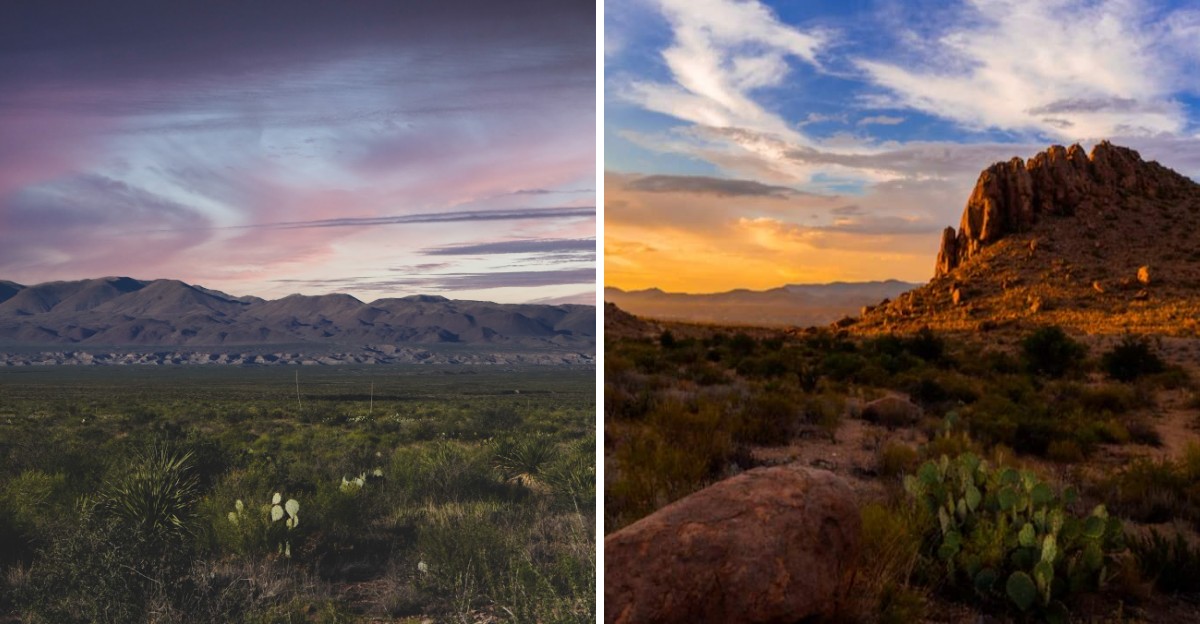
The night sky here ranks among the darkest in the lower 48 states. Kids can tip their heads back and see the Milky Way stretch overhead with no telescope at all.
That’s not a lucky-night thing. The park holds Gold Tier status as an International Dark Sky Park, the highest rating available.
I like how the whole experience costs almost nothing once you arrive. No ticket booth for the stars, no screen, no gift shop line.
Just a blanket, a bit of patience, and a sky that looks almost invented.
I believe every Texas kid deserves one night like this. Out in the far corner of the state, the lights of towns fade away completely.
What does a child say the first time the galaxy actually shows up?
A Gold Tier Sky Hiding In Far West Texas
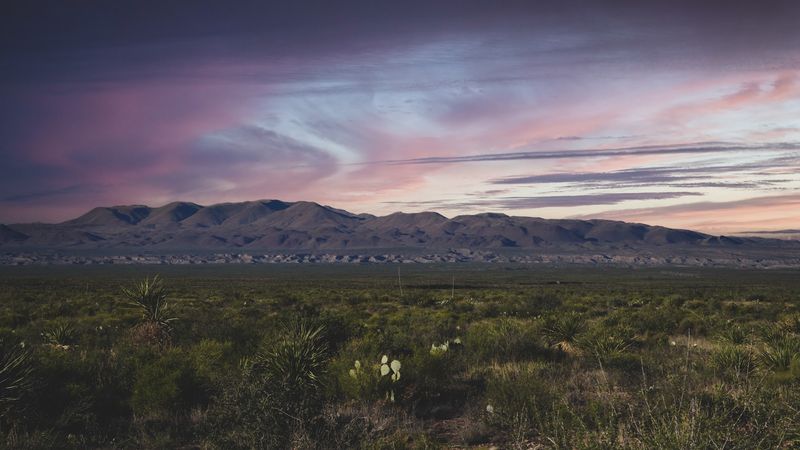
Big Bend National Park sits in the far southwest corner of Texas, pressed against the Rio Grande and the Mexican border. It covers more than 800,000 acres of desert, mountains, and river canyon.
In 2012, the International Dark-Sky Association named it an International Dark Sky Park. It earned Gold Tier status, the top level the program gives out.
That rating matters for families. It means the sky is dark enough to show the Milky Way, faint meteors, and even shadows cast by starlight on moonless nights.
The reason is simple geography. The nearest big cities sit hundreds of miles away, so there’s very little light glow on any horizon.
Park managers also work to keep it that way. Many lights inside the park use shielded fixtures that point down, so they don’t wash out the stars.
Neighboring communities have joined in too. The larger Greater Big Bend region was later recognized as an International Dark Sky Reserve, one of the largest in the world.
So when people call this one of the best stargazing spots in the country, it isn’t hype. The darkness has paperwork to back it up.
How A Wild Border Corner Became A National Park
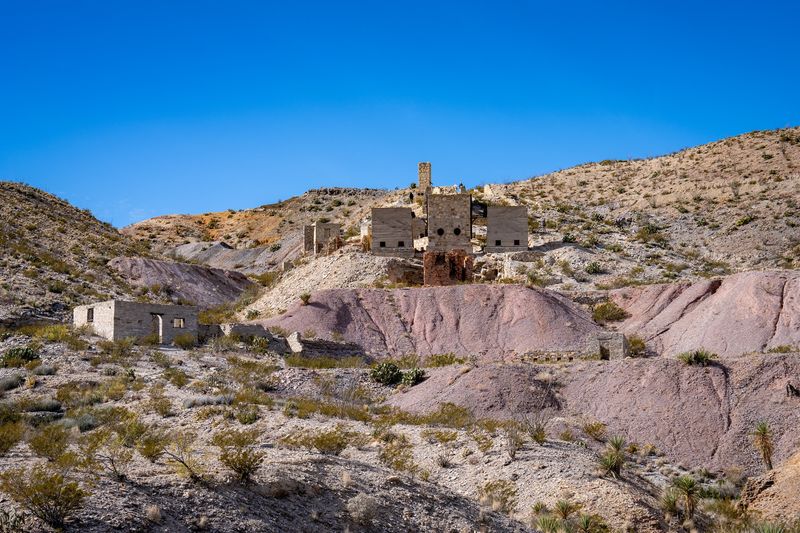
Long before telescopes showed up, this land belonged to sky watchers of another kind. Native peoples, later Spanish explorers, ranchers, and miners all lived beneath the same stars.
The state of Texas first protected part of the area as Texas Canyons State Park in 1933. A year later it was renamed Big Bend State Park.
Texans then bought up land and handed it over to the federal government. Big Bend National Park was officially established on June 12, 1944.
The name comes from the giant curve the Rio Grande makes along this stretch of border. On a map, the river swings south and then hooks back north.
That bend marks roughly 118 miles of the park boundary. It’s a long, quiet line of water between two countries.
History still peeks out across the landscape. Old ranch buildings, a historic hot springs site, and former mining areas sit inside park boundaries.
Grandparents may enjoy pointing out how little has changed. The roads are paved now, but the mountains, canyons, and stars look much like they did generations ago.
For a family trip, that’s a nice bonus. Daytime brings a history lesson, and nighttime brings an astronomy lesson.
The Milky Way Shows Up Without Any Gear
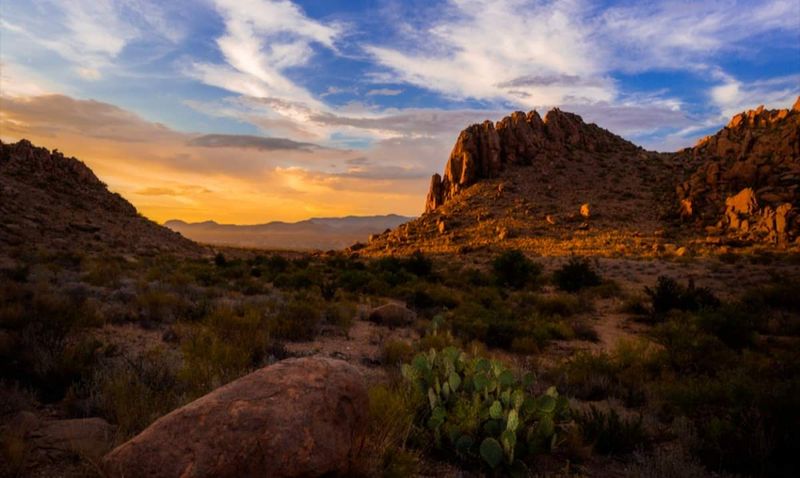
Bare eyes are all you need. On a clear, moonless night, the Milky Way looks like a pale cloud spilled across the whole sky.
Most kids raised near city lights have never seen it once. Here, it can look so bright that first-timers mistake it for real clouds.
Give everyone’s eyes about 20 to 30 minutes to adjust. Stay away from phone screens during that time, because bright light resets your night vision.
A red flashlight helps a lot. Red light lets you walk safely without ruining everyone’s view.
Timing makes a big difference too. The brightest core of the Milky Way rises best in the warmer months, roughly spring through early fall.
Moon phase may matter even more. A new moon week gives the darkest skies, while a full moon can hide many faint stars.
Planets, satellites, and shooting stars often join the show. Kids love counting satellites as they slide quietly across the sky.
Binoculars are a fun extra if you have them. Still, the best moment usually comes when a child looks up without anything at all and gasps.
Ranger Night Programs Turn Stars Into Stories
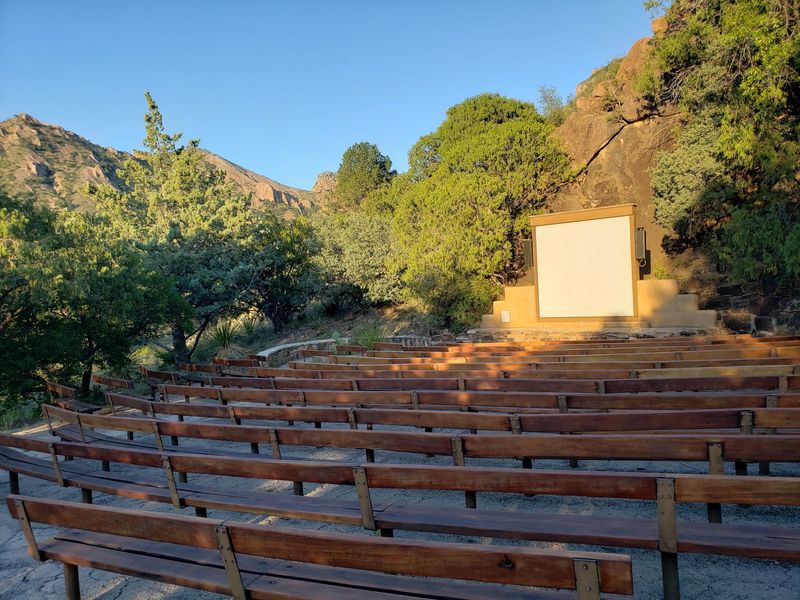
Rangers here know the sky well. The park often offers night sky programs, star parties, and evening talks, especially during busier seasons.
Schedules change through the year. Check the park calendar or ask at a visitor center once you arrive.
These programs may cover constellations, planets, and the reasons dark skies matter for wildlife. Some events include telescopes for close-up views of the moon or planets.
Kids tend to remember stories more than facts. Rangers often share star legends from different cultures, which keeps young listeners hooked.
The Junior Ranger program is another win. Children can complete activities, then earn a badge, and some activities focus on the night sky.
Programs are usually low key and family friendly. Bring layers, because desert nights can cool off fast after sunset.
Arrive a little early so eyes can adjust. Leave white flashlights off, since bright beams bother everyone around you.
Even without a scheduled event, the sky does the teaching by itself. Still, a ranger with a laser pointer makes it easier to find Scorpius or the Summer Triangle.
It’s a simple, old-fashioned evening. Folks sit outdoors together and look up.
The Chisos Mountains Rise Right In The Middle
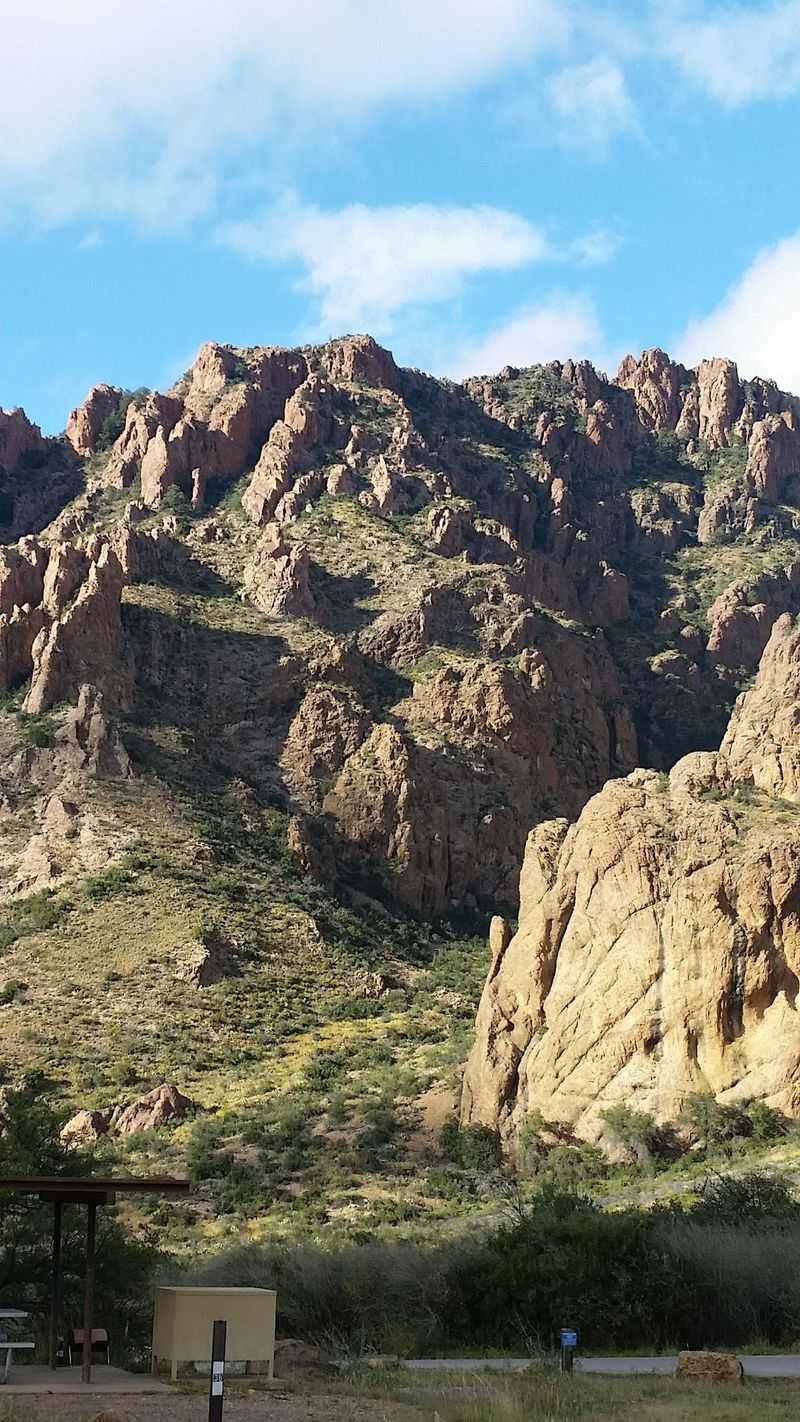
Smack in the center of the park, a whole mountain range pops up out of the desert. The Chisos Mountains sit entirely inside Big Bend National Park.
That makes them the only mountain range in the United States fully contained within a single national park. Pretty good trivia for the car ride home.
Emory Peak is the high point at about 7,825 feet. Older kids and strong hikers can reach it on a challenging day hike.
Most families start with the Chisos Basin. A scenic road climbs into a bowl ringed by peaks, where the air feels noticeably cooler.
The Window View Trail is short and easy. It leads to a view through a notch in the mountains called the Window, a classic sunset spot.
The longer Window Trail drops down to that same pour-off. Remember that the walk back climbs uphill the whole way.
Wildlife lives up here too. Black bears, mountain lions, and the tiny Carmen Mountains white-tailed deer roam these slopes.
Keep food stored properly and stay together on trails. Then settle back after dark, because the mountain outlines framing the stars look amazing.
Canyon Walls And A River You Can Touch
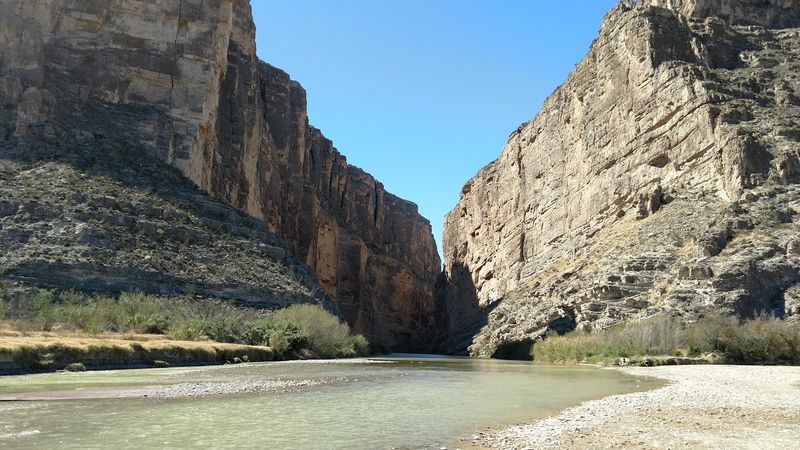
Walls of rock about 1,500 feet tall split open at Santa Elena Canyon. The Rio Grande slides right through the gap.
One side is Texas, and the other is Mexico. Kids get a kick out of seeing another country just across the water.
The Santa Elena Canyon Trail runs about 1.7 miles round trip. It crosses Terlingua Creek, which may be dry, muddy, or wet depending on recent rain.
Then the path climbs a few short switchbacks before dropping beside the river. Voices echo nicely against the cliffs.
Getting there is half the fun. The Ross Maxwell Scenic Drive winds about 30 miles past volcanic rock, overlooks, and historic sites.
Stops along the way include the Mule Ears viewpoint and Tuff Canyon. Each one breaks up the drive for restless backseat passengers.
Over on the east side, Boquillas Canyon offers another river walk. The trail there leads to sandy banks below more towering walls.
Water levels and river conditions change often. Swimming in the Rio Grande isn’t recommended, so enjoy the views from shore and keep little ones close.
Soaking In A Historic Hot Spring By The Border
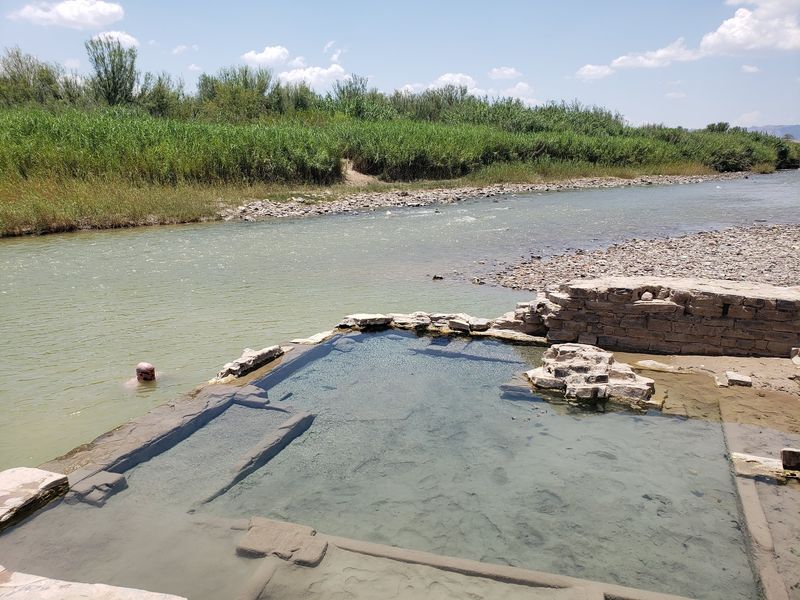
Warm water bubbles up right next to the river. At the Hot Springs Historic District, a stone foundation holds a natural pool of spring water.
The water sits around 105 degrees. It’s the remains of an old bathhouse from the early 1900s, when a homesteader ran a small health resort here.
A short trail of about a mile round trip leads past old buildings. Look for the former post office and store, along with faded pictographs on rock walls.
The road down is narrow and unpaved. It’s fine for regular cars, but large RVs and trailers can’t make the trip.
The pool fits only a handful of people at once. Share the space and take turns if others are waiting.
After dark, the setting becomes extra special. Soaking under a starry sky beside the Rio Grande feels like something from a storybook.
Check park hours and rules before planning a nighttime soak. River flooding can sometimes cover the spring completely.
Bring water shoes and a towel. Little kids will probably want to hop in and out a dozen times.
Quiet Desert Nights Fit Curious Kids And Grandparents
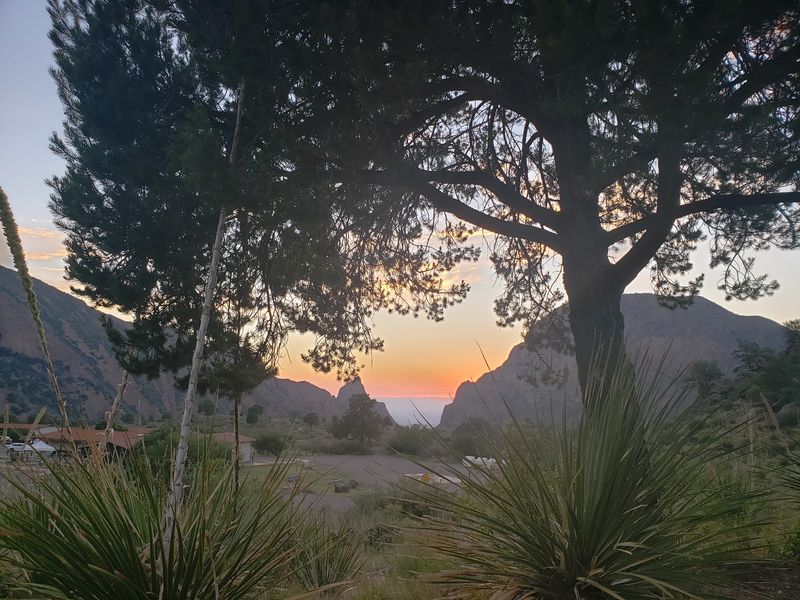
Silence might be the most surprising feature here. Many visitors notice how quiet the desert becomes after sunset.
That calm suits all ages. Grandparents can settle into camp chairs while kids sprawl on blankets and hunt for shooting stars.
The park is huge, so crowds spread out. Holidays and spring break can get busy, though, especially in the Chisos Basin.
Families who like the outdoors tend to feel right at home. Days fill with short hikes, scenic drives, and wildlife spotting.
Roadrunners, javelinas, and jackrabbits sometimes cross paths with visitors. Birders also love Big Bend, since hundreds of species have been recorded in the park.
Cell service is limited or missing in much of the area. Some parents see that as a bonus rather than a problem.
Without screens, conversation comes back naturally. Grandparents may share stories about skies they remember from childhood.
It works best for folks who enjoy simple pleasures. If your crew needs arcades and theme rides, this may feel slow at first.
Give it one evening though. The sky usually wins people over.
Campgrounds And A Lodge For Sleeping Under The Stars
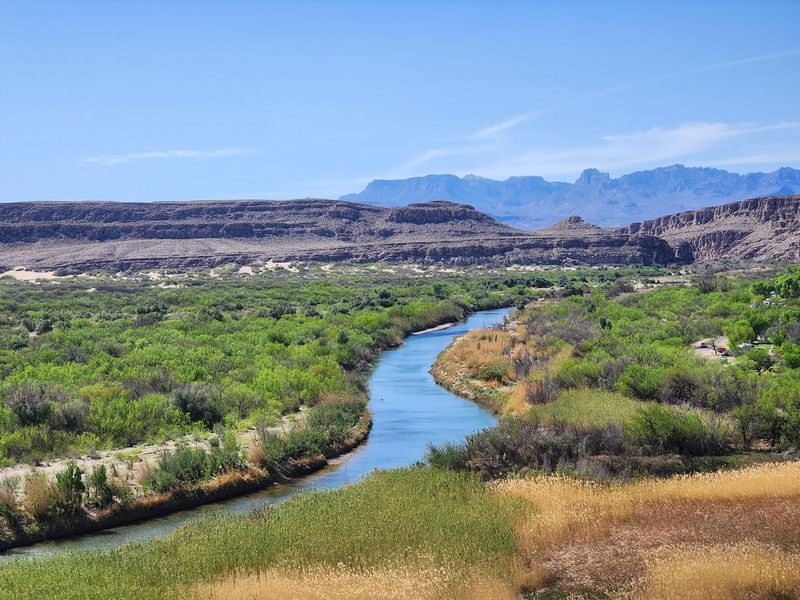
Staying overnight inside the park makes stargazing far easier. You skip the long dark drive and step outside straight into the show.
Big Bend National Park has three developed campgrounds. They are Chisos Basin, Rio Grande Village, and Cottonwood near Castolon.
Reservations are strongly recommended, especially in cooler months. Book through the federal recreation reservation system well ahead of busy seasons.
Rio Grande Village also has an RV area with hookups. A camp store sits nearby for snacks and basic supplies.
Prefer a real bed? Chisos Mountains Lodge offers rooms and a restaurant up in the basin, the only lodging inside the park.
Backcountry campsites are another choice for more adventurous families. They need a permit, and many sit along rough dirt roads.
Gateway towns outside the park offer more motels, cabins, and campgrounds. Terlingua and Study Butte sit just west of the park entrance.
Whatever you choose, pack for big temperature swings. Desert days can be hot while nights turn chilly.
Plan your stay around a new moon if possible. That one choice can double the number of stars you see.
Road Trip Math, Entry Fees, And When To Go
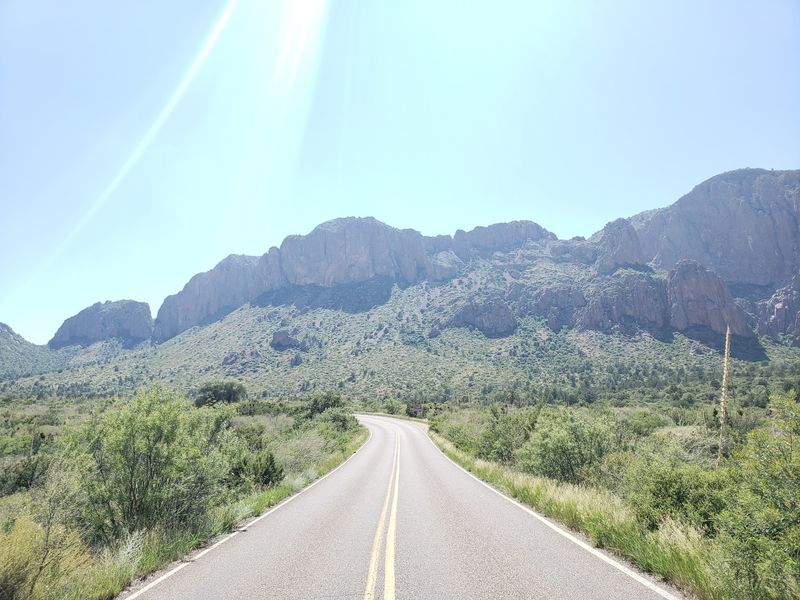
Bring patience for the drive. This corner of Texas sits far from everything, and that distance is exactly why the sky stays dark.
The park address simply reads Texas 79834, USA. Most travelers navigate to the Panther Junction Visitor Center near the middle of the park.
From Midland or Odessa, the drive often runs around four hours. From San Antonio, Austin, Dallas, or Houston, plan on a full day behind the wheel.
Fuel up whenever you get the chance. Gas stations are few and far apart in the region.
The park charges a weekly entrance fee per vehicle. An annual park pass also works, and fourth graders may qualify for a free pass through the Every Kid Outdoors program.
The park stays open year-round, day and night. Visitor center hours vary by season, so check before you go.
Fall, winter, and spring bring the most comfortable temperatures. Summer can be extremely hot in the lowlands, though nights are prime for the Milky Way core.
Carry plenty of water at all times. Desert heat and dry air surprise even experienced Texans.
Worth Every Mile For One Unforgettable Sky
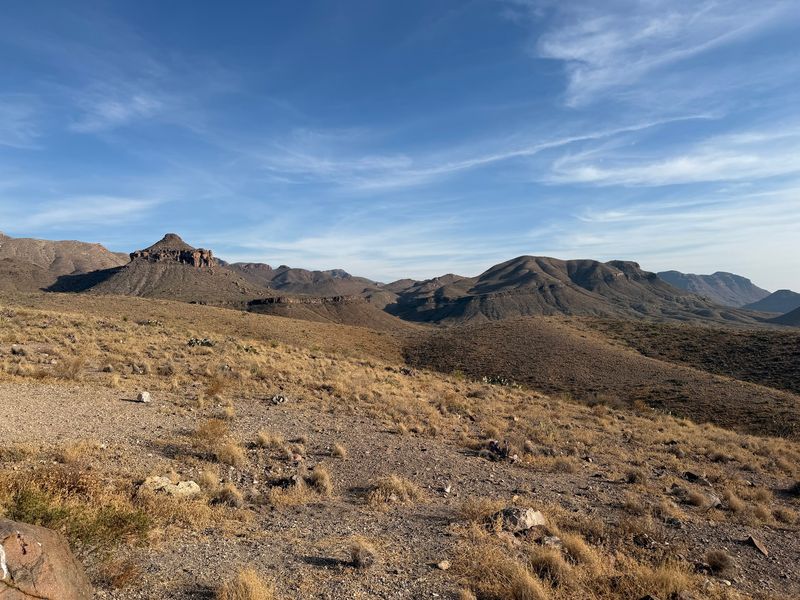
Long drives can test any family. Still, few road trips in Texas pay off quite like a clear night at Big Bend National Park.
The value is hard to beat. One modest vehicle fee covers a week of canyons, mountains, hot springs, and the best natural light show in the state.
Kids get a real lesson in astronomy. Grandparents get a sky that looks the way it did decades ago, before city lights crept in.
Days bring adventure and history. Nights bring quiet, wonder, and plenty of pointing.
It isn’t fancy, and that’s part of the charm. The park keeps things simple so the land and sky can shine.
Pack layers, a red flashlight, extra water, and snacks. Check the moon calendar, then aim for the darkest week you can manage.
Then let the evening unfold slowly. Turn off the headlights, wait for eyes to adjust, and look straight up.
Somewhere in that moment, a child will spot the Milky Way for the first time. Many Texans have driven across this state for years without seeing that.
Your crew doesn’t have to be one of them.