A 17th-century London church, designed by Christopher Wren, was taken apart and rebuilt stone by stone in a small Missouri town. I still find that wild.
Who ships a whole church across an ocean?
The list keeps getting stranger. Another town has a theater that has run since the 1850s.
Another lets you climb into an attic to see a massive timber roof frame built in 1806.
I love that these places are small enough to walk but packed with stories. You can tour a cave that inspired a famous novel.
You can stand where one of the earliest Civil War battles ended. Some streets still hold French colonial homes from the 1790s.
Each stop below holds enough history to fill a full day. Pack comfortable shoes and a curious mind.
Gas up the car and grab a snack. Which story would you chase first?
1. Arrow Rock
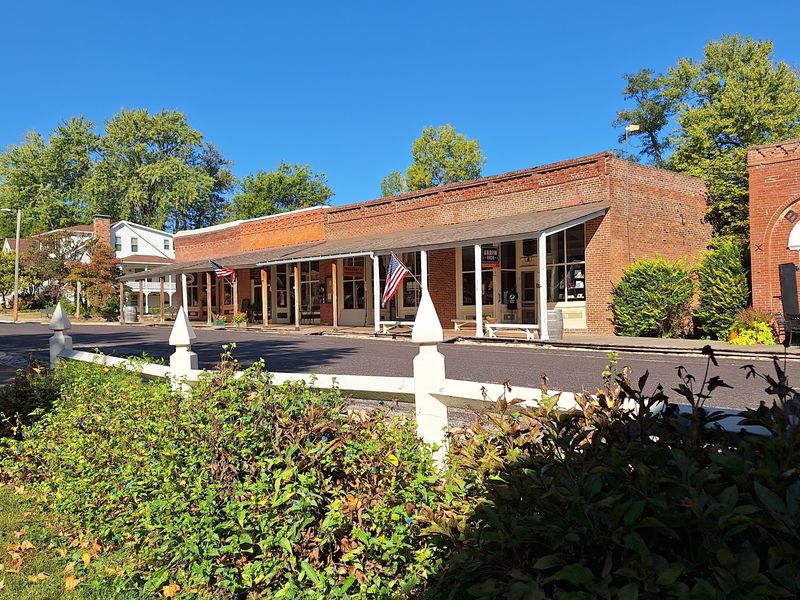
Lewis and Clark noted the bluff here in 1804, so this village has been making an impression for a while. The town itself came along in 1829 and became a stop on the Santa Fe Trail.
Today, the whole village is a National Historic Landmark. Start at the state historic site visitor center, which packs nearly 9,000 square feet of exhibits.
A 20-minute film sets the scene before you head out. Exhibits cover Native American history, the Santa Fe trade, and painter George Caleb Bingham.
Then grab a walking tour map and wander. The Shelby Log Cabin dates to around 1830 and was moved to save it.
Next, peek into the Print Shop Museum inside an 1868 lodge hall. Its old letterpress gear includes a hand press that’s roughly 150 years old.
Hungry yet? The J.
Huston Tavern dates to 1834 and calls itself the oldest continuously operating restaurant west of the Mississippi.
Family-style fried chicken and country cured ham headline the menu, so check its limited weekly hours first. Stay late, and the Arrow Rock Lyceum Theatre might have a professional show running that night.
2. Ste. Genevieve
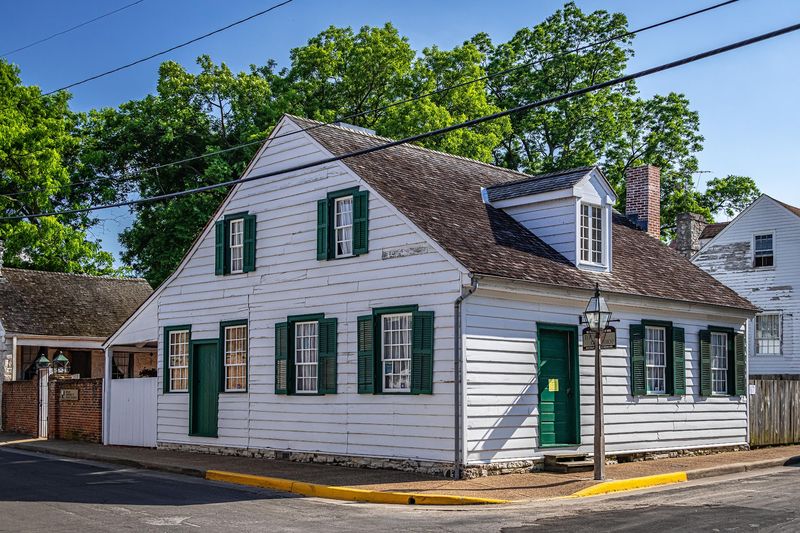
Missouri’s oldest permanent European settlement started around 1735, back when French Canadians ran the show. A flood in 1785 pushed the town to higher ground, and the move paid off.
Your first stop should be the Welcome Center for Ste. Geneviève National Historical Park.
A 12-by-12-foot diorama shows the town as it looked in 1832.
Free tickets there get you ranger-guided tours of the Green Tree Tavern and Jean Baptiste Vallé House. Tours depend on staff and weather, so arrive early.
Don’t skip the Bauvais-Amoureux House from around 1792. Its posts-in-ground walls are so rare that only five such houses remain in the whole country.
Over on Market Street, the Bolduc House Museum shows off French Creole vertical log building from 1788. Saturdays from spring through fall bring living history at the Linden house.
Save energy for the Guibourd-Vallé House, built in 1806. It’s the only house in North America open to the public with full attic access.
Up there, you’ll see a massive Norman truss holding up the roof. Book ahead, because tours run just twice a day in season.
3. Fulton
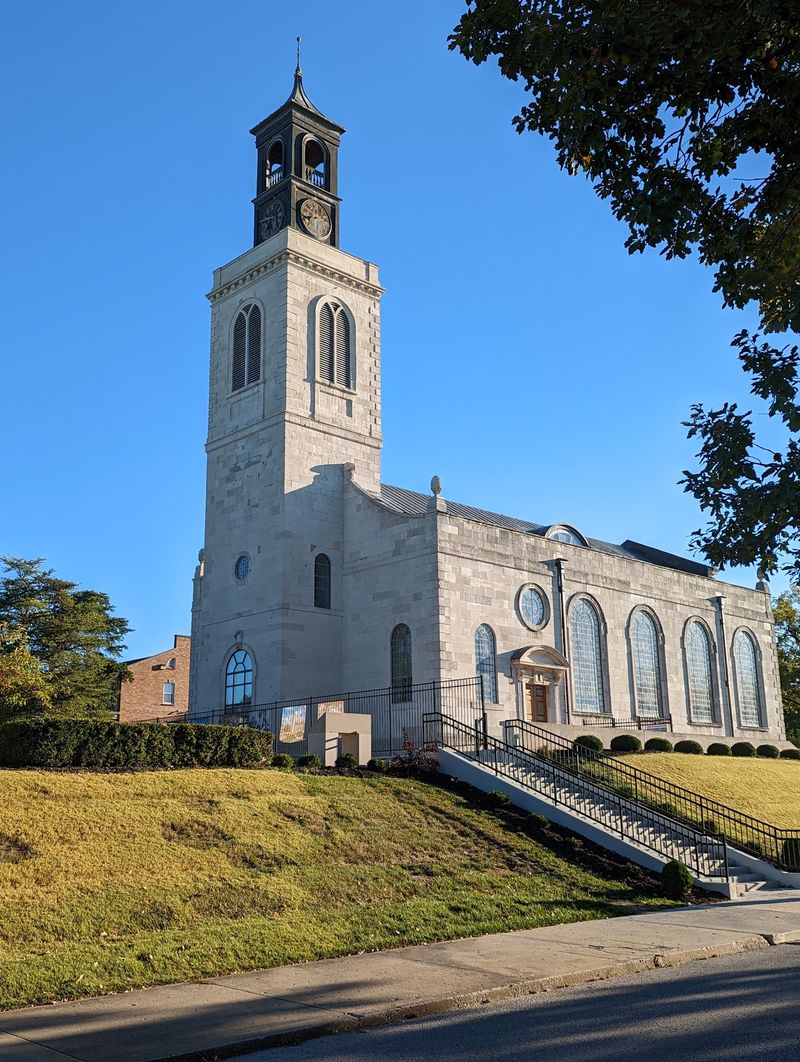
Winston Churchill gave his famous Iron Curtain speech here in 1946, which is a big moment for a small college town. Then the town went even bigger and brought over a London church.
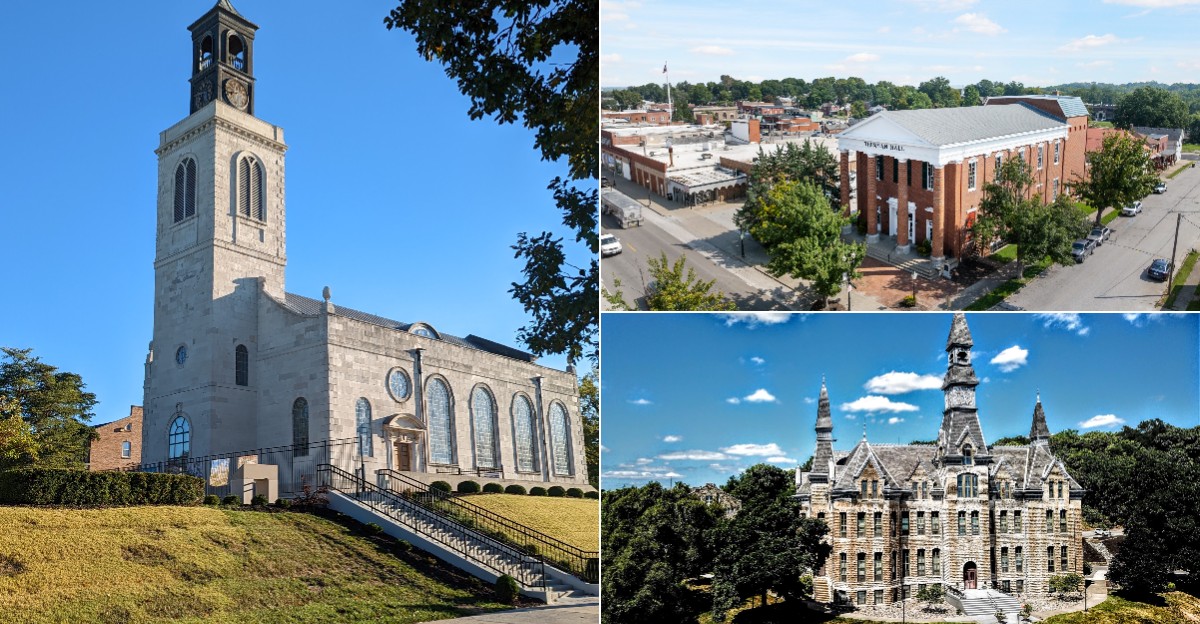
America’s National Churchill Museum sits on the Westminster College campus. Above it stands the Church of St. Mary the Virgin, Aldermanbury, designed by Christopher Wren.
Crews moved it from London and rebuilt it stone by stone. Standing outside, you might wonder how many puzzle pieces that took.
Head downstairs into the museum galleries for Churchill’s life story. Plan around Mondays, since the museum stays closed that day.
Outside, look for Breakthrough, a sculpture made from eight sections of the Berlin Wall. Churchill’s granddaughter, Edwina Sandys, created it, and that family link makes it hit harder.
Fulton’s local story has a twist too. Legend says Callaway County folks bluffed Union troops into a truce in 1861 using logs posing as cannons and plenty of campfires.
That bluff earned the nickname Kingdom of Callaway. The historical society museum is closed for renovations, but its Research Center on East 4th Street welcomes visitors Tuesday through Friday.
4. Hannibal
Sam Clemens moved here at age four, and the town basically became his rough draft. Tom Sawyer and Huckleberry Finn both owe a lot to these river streets.
The Mark Twain Boyhood Home and Museum spreads across eight buildings. One ticket covers the whole campus for two days in a row, which is handy for slow readers.
You’ll see the boyhood home, a National Historic Landmark, plus the Becky Thatcher House. The gallery also holds 15 original Norman Rockwell paintings.
Next, cool off at the Mark Twain Cave, Missouri’s oldest show cave. It stays 52 degrees year-round and inspired scenes in The Adventures of Tom Sawyer.
Guided tours last about an hour, so bring a light jacket even in July. Cameron Cave offers a second underground option.
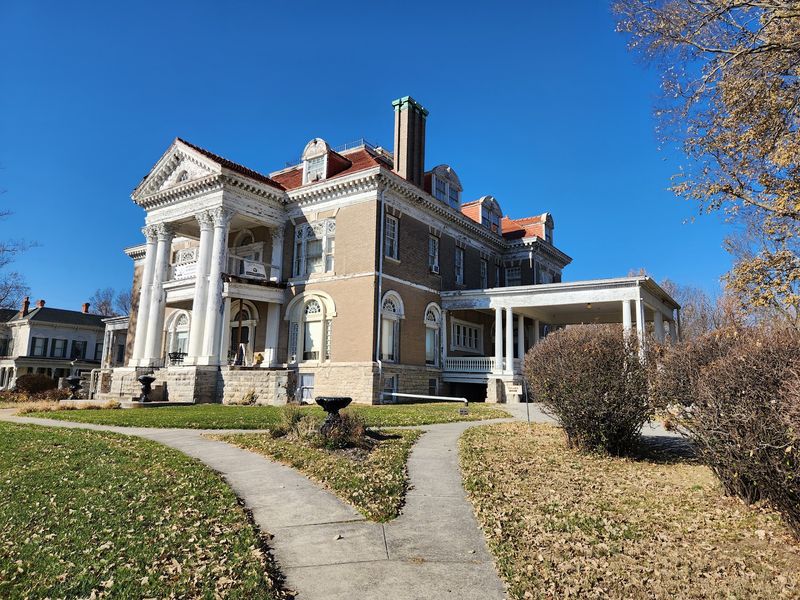
Back above ground, Rockcliffe Mansion shows how a lumber baron lived around 1900. The 13,500-square-foot house still has original furnishings in Late Victorian and Art Nouveau styles.
Tours run from mid-April to mid-November, so winter visitors will miss it. Squeeze in the Hannibal History Museum on Main Street for steamboats, railroads, and Gilded Age stories.
5. Weston
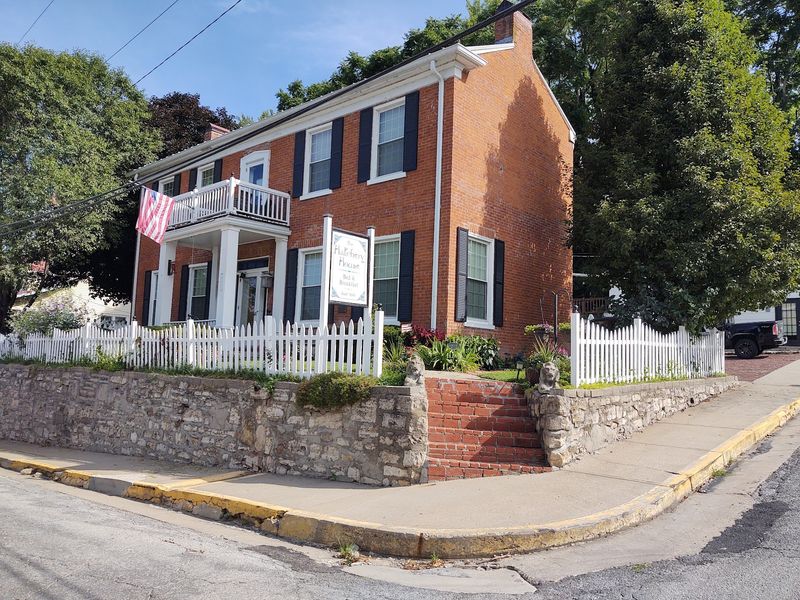
An 1881 flood shoved the Missouri River two miles away, leaving a busy port town high and dry. Oddly enough, that mishap helped save its old character.
Weston started in 1837 and boomed with river traffic plus the tobacco and hemp trade. Lewis and Clark passed this stretch even earlier, in 1804.
The Weston Historical Museum on Main Street is free and packed. Displays run from prehistoric times through World War II, including steamboat relics and Civil War items.
Look for the replica newspaper office, plus china, tools, and furniture from earlier generations. Native American and African American history are part of the story too.
The museum runs mid-March through mid-December, Wednesday through Sunday. Plan accordingly, or you’ll be reading the door sign instead of the exhibits.
At the foot of Main, the old railroad depot now serves as City Hall. Inside, a free Lewis and Clark exhibit covers the plants, animals, and land the explorers recorded.
Finish at Weston Bend State Park for bluff views over the river. One original tobacco barn still stands there as a shelter, a nod to the county’s farming past.
6. Hermann
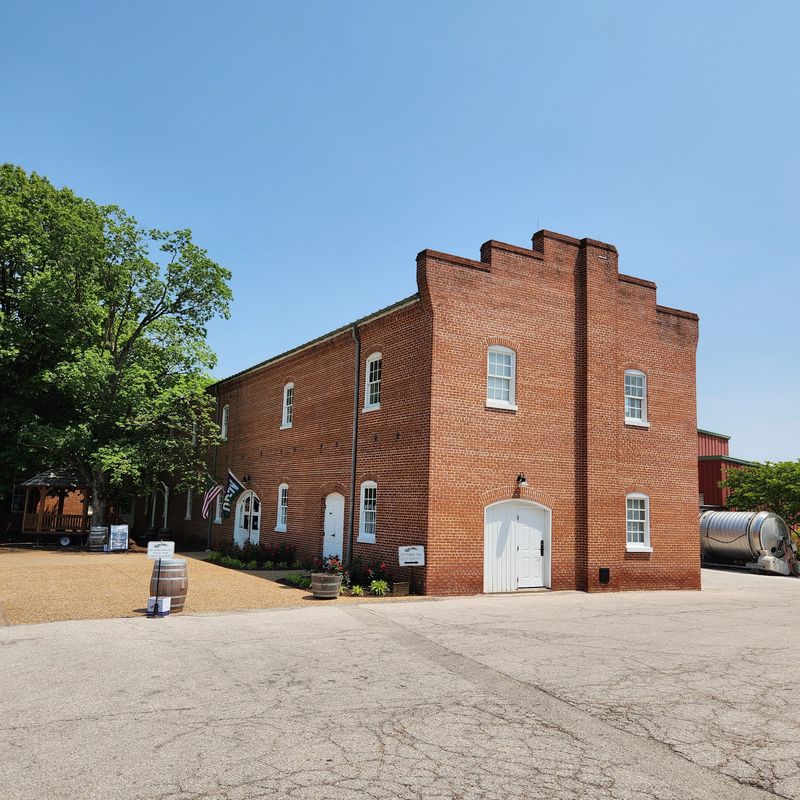
German settlers from Philadelphia founded this town in 1837 with one big goal: keep their traditions alive. Judging by names like Schiller Street, they meant it.
Start at Deutschheim State Historic Site on West Second Street. The Pommer-Gentner house dates to 1840, and the Carl Strehly house followed in 1842.
Both are furnished like the homes of mid-1800s German families in Missouri. Grapevines planted in the 1850s still grow on the property, which is wild to think about.
From April to October, guided tours run three times daily. Winter visits are limited to Thursday through Sunday.
Next, head to the Historic Hermann Museum inside the 1871 German School Building. Kids learned in both English and German here until 1955.
Check out the Kinder Room full of antique toys and the River Room with riverboat models. The clock tower lets you see its inner gears at work.
Fire buffs should swing by the fire company museum on East 2nd Street. Old hand pumpers named Consequence and Washington share space with a 1935 Chevrolet truck.
7. Boonville
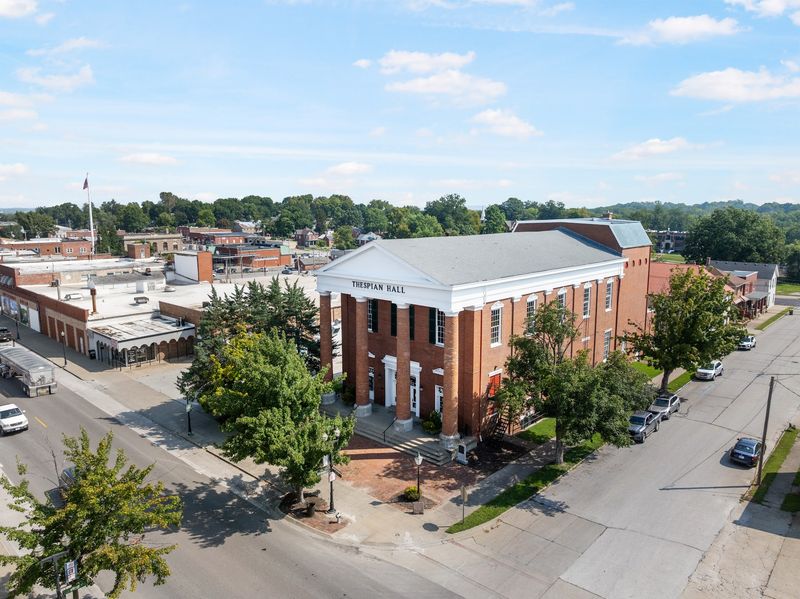
Pioneers once loaded up here before heading down the Santa Fe Trail. Today, Boonville counts over 400 sites and structures on the National Register of Historic Places.
That’s a lot of plaques for one river town. Civil War history runs deep too, with a battle here on June 17, 1861, among the war’s first land fights.
For a spooky start, tour the Old Cooper County Jail on East Morgan Street. Built in 1846, it held prisoners until 1978, longer than any other county jail in Missouri.
Frank James, brother of Jesse, once sat behind these bars. Tours run during business hours, but call ahead for weekends.
Thespian Hall on Main Street opened in the 1850s and is the longest continuously operated theater west of the Alleghenies. During the Civil War, it also served as a hospital.
Car fans can book a visit to Lewis Miller’s Mitchell Collection through the visitor center. It holds 12 original Mitchell automobiles and the only known surviving Mitchell bicycle.
Wrap up at the Spanish Mission style Katy Depot from 1911-1912. It sits on the Katy Trail, the longest recreational rail-trail in the country.
8. Carthage
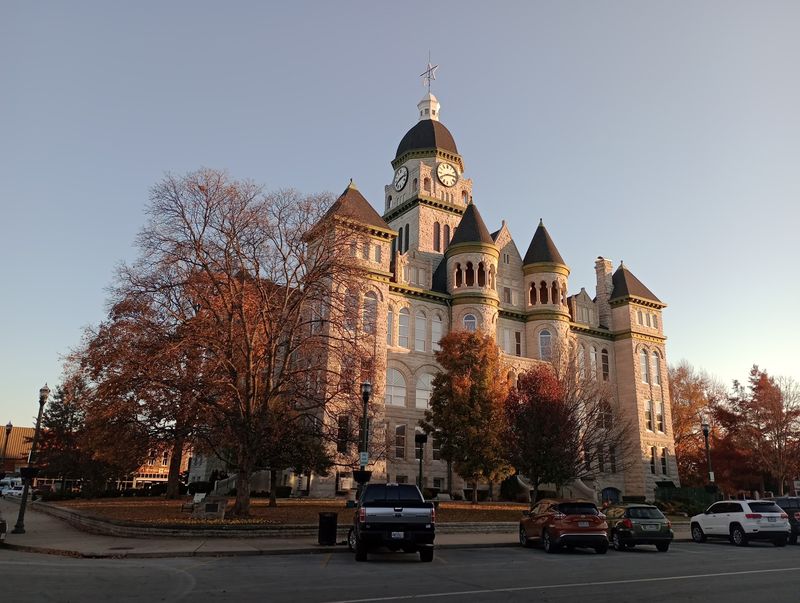
Eleven days before Bull Run, this area hosted a full-scale Civil War battle on July 5, 1861. The fighting lasted about 12 hours and rolled across the countryside.
Start at the Battle of Carthage Civil War Museum on Grant Street, where admission is free. A detailed diorama and a 7-by-15-foot mural by Andy Thomas bring the day to life.
Then drive to the Battle of Carthage State Historic Site, where the final clash happened. The quiet meadow and spring there once served as a camp for troops.
The war left much of town burned, and only the Kendrick House survived. Carthage rebuilt with local marble, and the Jasper County Courthouse shows off the results.
Built in the 1890s, it ranks as Missouri’s second most photographed building after the Gateway Arch. Inside, ride the wrought-iron cage elevator and see Lowell Davis’s Forged in Fire mural.
Visit on a weekday, since the courthouse closes on weekends. Afterward, cruise Route 66 past the restored 1939 Boots Court Motel.
Still have daylight? The free Red Oak II village nearby features an old general store, schoolhouse, and Phillips 66 station.
9. Parkville
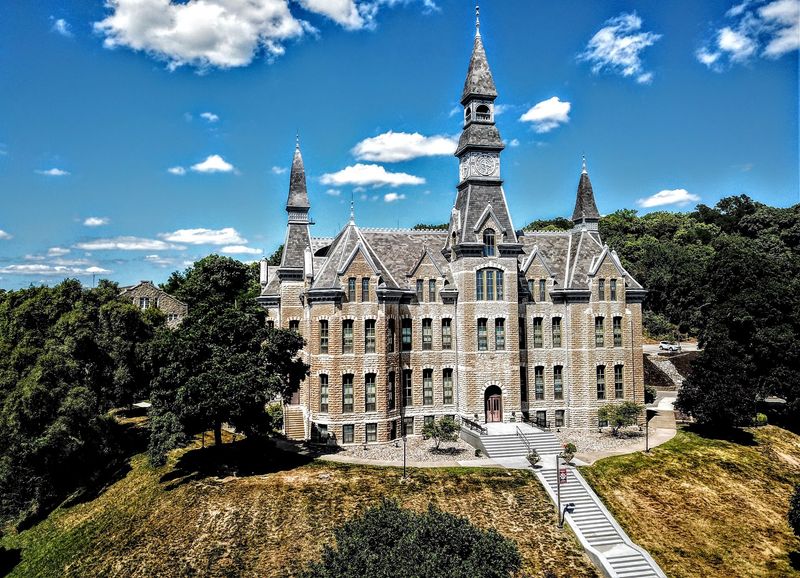
Colonel George S. Park bought this steamboat landing in 1838 and platted the town in 1844.
By 1850, the riverfront was buzzing with traffic.
Its past has heavy chapters too. The riverfront was tied to the slave trade, and many enslaved people tried to escape across the Missouri River to free Kansas.
English Landing Park now covers that riverbank with 68 acres of green space. Three miles of trails make it easy to stretch your legs between history stops.
Look for the Waddell A Truss Bridge from 1898 crossing Linn Branch Creek. The 1889 train depot nearby also houses a Lewis and Clark exhibit.
Up the hill, Mackay Hall crowns the Park University campus. Students quarried limestone from the grounds to help build it between 1886 and 1893, earning tuition along the way.
Talk about a hands-on education. You can admire its clock tower and mix of Romanesque and Gothic styles from outside, since it’s a working campus building.
Finish downtown on Main Street, where 19th-century buildings now hold local shops and restaurants. It’s a pleasant spot to grab lunch and swap your favorite facts from the day.
10. Kimmswick
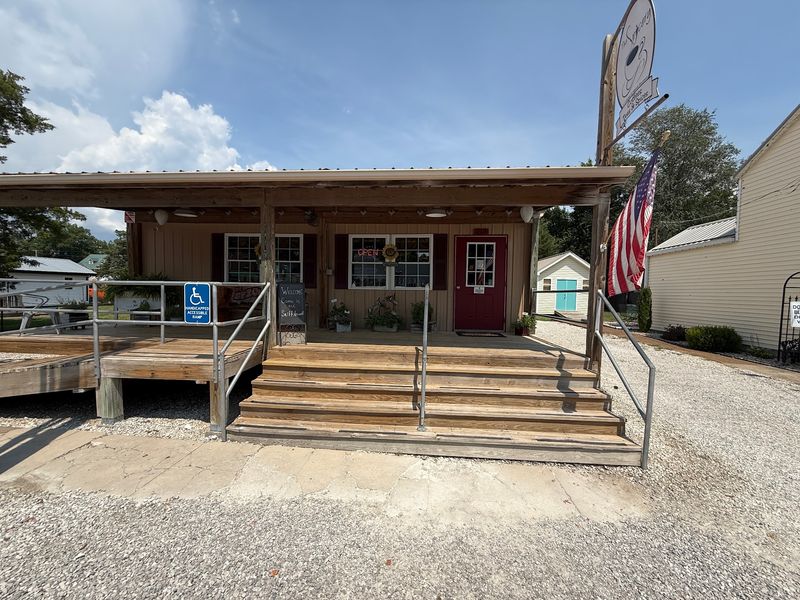
Mastodons once roamed close to this little river town, and scientists have the bones to prove it. In 1979, they found a Clovis spear point lying with mastodon remains nearby.
That find gave the first clear evidence that people and mastodons lived at the same time in eastern North America. You can see the story at Mastodon State Historic Site in nearby Imperial.
The museum shows fossils, artifacts, and a full-size mastodon skeleton replica. Kids may want a photo with it.
Back in town, German immigrant Theodore Kimm founded Kimmswick in 1859 along the Mississippi River. Its historic district counts 44 contributing buildings from 1859 to around 1940.
Preservation work started in 1970, which is why so much still stands. Stroll the streets and see the old river-town layout up close.
On Sundays from April to October, the Burgess-How House opens its doors. Dating to the 1840s, it’s the oldest log building in town and is set up like an 1850s farmhouse.
Don’t miss the 1874 wrought iron bridge, the oldest known in Missouri. It moved here from St. Louis in 1930, which makes it quite the traveler.