Somewhere in the rolling knobs of central Kentucky, a group of monks wakes up long before sunrise to pray, and later in the day, some of them make fudge. That is not a joke, and it is not a gimmick.
The community has followed the same rhythm of prayer and work since 1848, which means it was already settled in more than a decade before the Civil War began. Today the grounds welcome day-trippers, hikers, book lovers, and people who simply want a break from their phones.
There is a welcome center with a film about monastic life, a church where anyone can join the chanted prayers, free trails with statues and a hilltop cross, and a shop stocked with treats made right on the property. Keep reading to learn how to plan a visit, what to expect, and why that box of fudge carries so much history.
Where the Story Begins
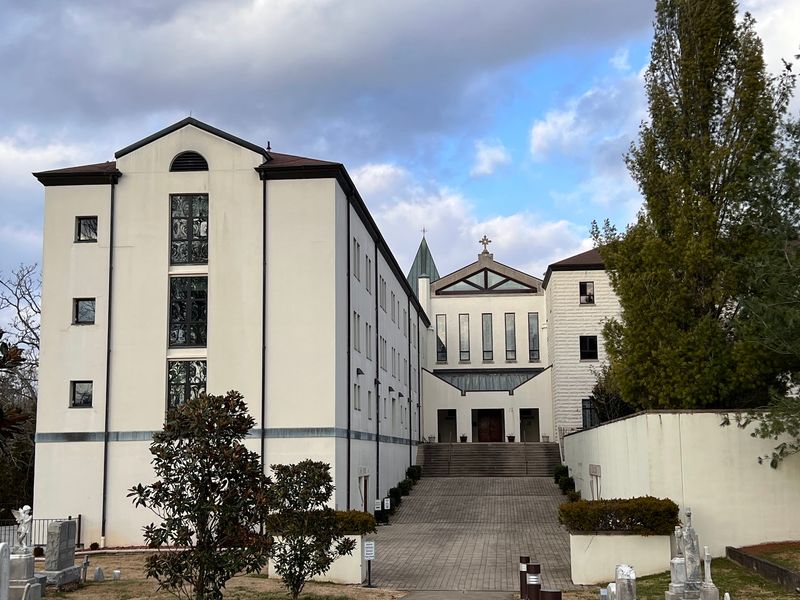
Tucked into the quiet countryside of Nelson County, the Abbey of Gethsemani sits at 3642 Monks Rd, Trappist, KY 40051, in the United States. The town name is a clue, since Trappist is the name of the Catholic monastic order that lives here.
The monks belong to the Cistercians of the Strict Observance, often called Trappists. Their days follow an old pattern of prayer, work, and silence.
Founded in 1848, the abbey is often described as the oldest monastery in the United States that is still running. That date puts it ahead of the Civil War by more than ten years.
The location is rural, so a car is the easiest way to arrive. Plenty of free parking waits near the welcome center and gift shop.
Bardstown, the closest larger town, sits a short drive away and makes a handy base for lodging and meals.
A little planning goes a long way here. Check the weekly hours before leaving home, and the trip becomes far smoother from the very first mile.
Fudge With a Spiritual Side

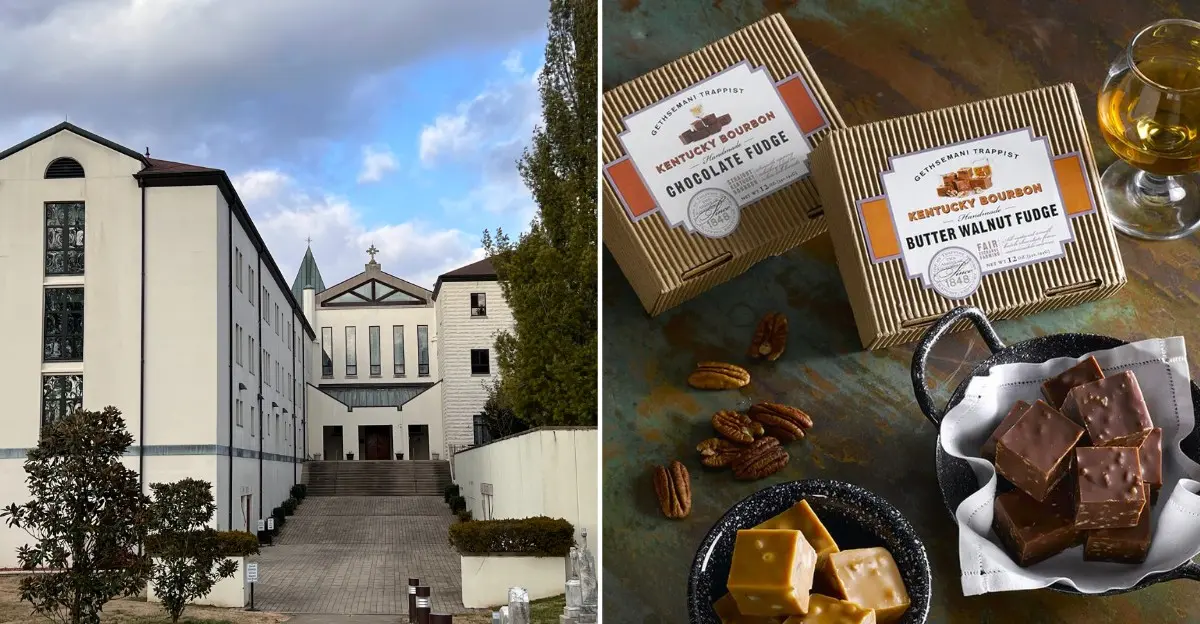
Sweet tooth, meet holy hands. The fudge sold here is made by the monks themselves, right on the property, as part of their daily work.
Trappist life follows a simple idea that prayer and labor belong together. Making food products helps the community support itself, and fudge is one of the most popular results.
The monks have sold goods under the Gethsemani Farms name for decades. Fudge sits on the shelves alongside fruitcake, cheese, and honey, all produced at the abbey.
Many day guests make the shop their final stop so they can carry a box home. It makes a thoughtful gift for friends, coworkers, or anyone who loves a story with their snack.
Here is a helpful tip for planners. Buy a few extra boxes, because these treats tend to disappear quickly once family members spot them.
Each purchase helps keep a centuries-old way of life going strong in the Kentucky hills, which makes dessert feel almost like a good deed.
Fruitcake, Cheese, and Honey Too
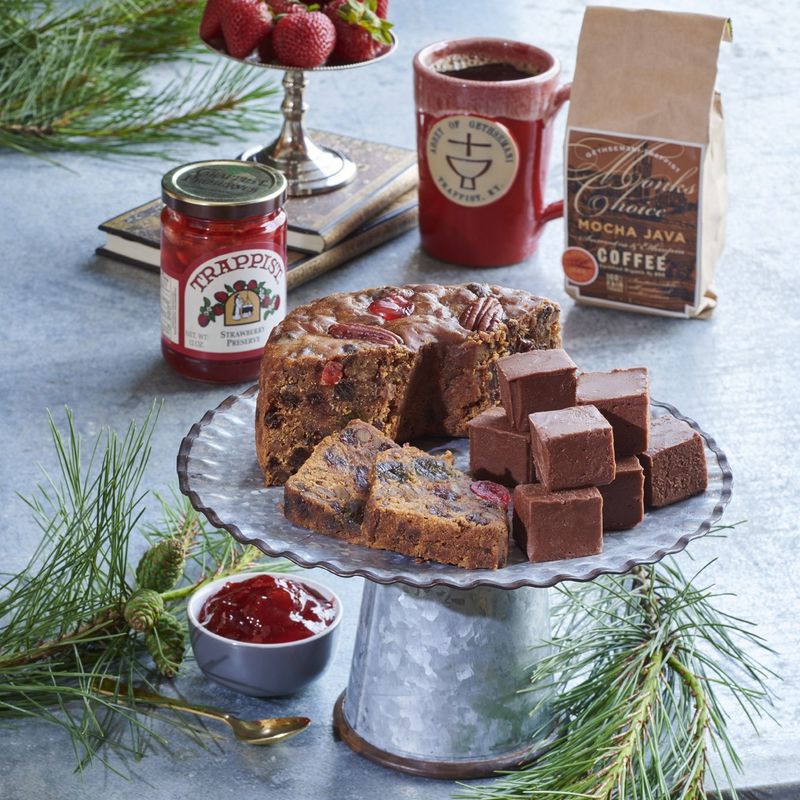
Fudge may grab the headline, but it has some famous shelf neighbors. Trappist fruitcake has been a signature product of the abbey for many years.
The monks also make cheese, which has built a loyal following of its own. Many fans call it one of the best things in the whole shop.
Honey rounds out the lineup of goods made on the grounds. Every item supports the community and its mission of hospitality.
Ordering is not limited to in-person trips. The abbey sells its products online through Gethsemani Farms, so treats can ship to homes across the country.
Holiday shoppers often lean on that option. A fruitcake from a monastery founded before the Civil War makes a memorable present with a built-in conversation starter.
A smart move is to visit the shop first, see what is in stock, and jot down favorites for future online orders. That way, the next craving can be handled without another long drive through the countryside.
A Short Film Worth the Seat
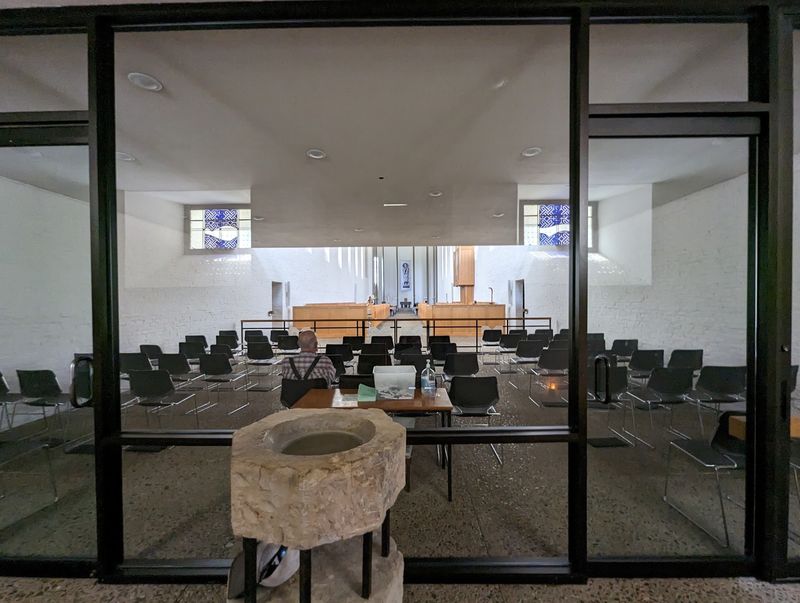
Few people expect a movie on a monastery trip. Yet a small room near the gift shop entrance plays a film that shows a day in the life of a monk.
The film runs on a continual loop, so guests can walk in at any point and stay until they catch up to where they started. It lasts roughly 20 to 30 minutes.
Watching it first makes the rest of the trip richer. The schedule of prayer, the quiet meals, and the daily work all make more sense after a glimpse behind the scenes.
Since the monks live in a cloister, most of their daily routine stays private. The film offers a respectful window into that hidden world.
Families with curious kids will find it especially useful. Children often have plenty of questions about why monks wear robes or stay silent, and the film answers many of them.
Grab a seat, settle in, and let the monks explain themselves. It is the best tour guide on the property.
Chanting the Hours
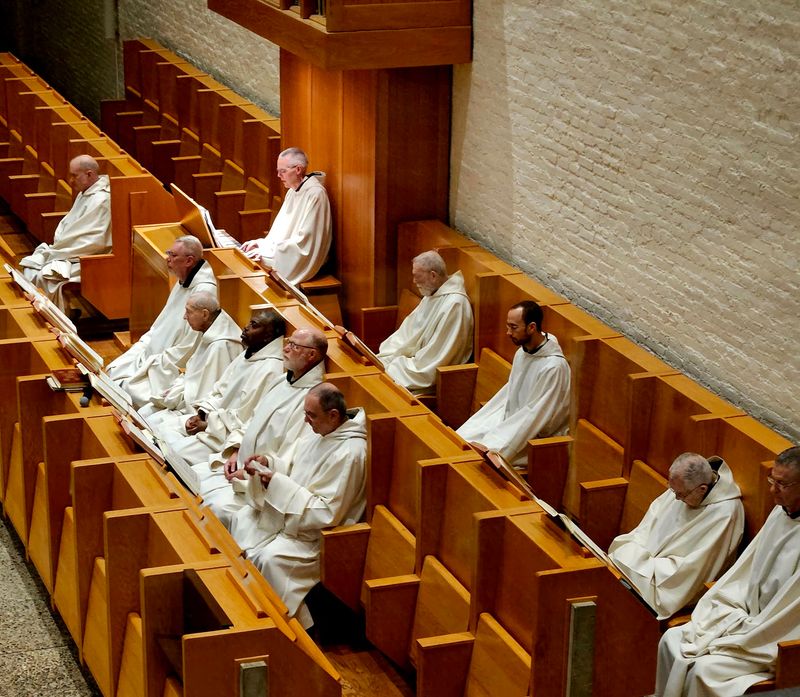
Seven times a day, the monks gather in the church to pray. These services are called the Liturgy of the Hours, and day guests are welcome to join.
The prayers are chanted, mostly from the Psalms. Many first-timers find the experience calming and deeply moving.
Times are posted online and on a board outside the church. Midday prayer, known as Sext, is an easy one for day-trippers to catch.
The guest entrance leads up a set of stairs, with accessible access available. At the top, one door opens to the main church and another to a smaller guest chapel for private prayer and Confession.
For a better view of the monks in their choir stalls, head to the balcony. It gives a clear look at the whole space without getting in anyone’s way.
Arrive a few minutes early and keep conversation to a minimum. The silence before the first note is part of the gift.
The Famous Writer Who Lived Here
Thomas Merton put this quiet abbey on the world map. He joined the community in 1941 and became one of the best-known spiritual writers of the twentieth century.
His autobiography, The Seven Storey Mountain, came out in 1948 and became a surprise bestseller. Readers across the country suddenly wanted to know more about monastic life.
Merton wrote dozens of books while living here, covering prayer, peace, and the search for meaning. Many people still credit his words with changing their lives.
The abbey does not build flashy displays around him. That plain approach fits the monastic motto often linked to Gethsemani, which is God Alone.
Still, his presence remains easy to find. The gift shop carries a strong selection of Merton titles along with other spiritual reading.
Fans planning a trip might reread one of his books beforehand. Seeing the hills he described in person adds fresh meaning to familiar pages, and it may inspire a new favorite quote or two.
Trails Across the Road
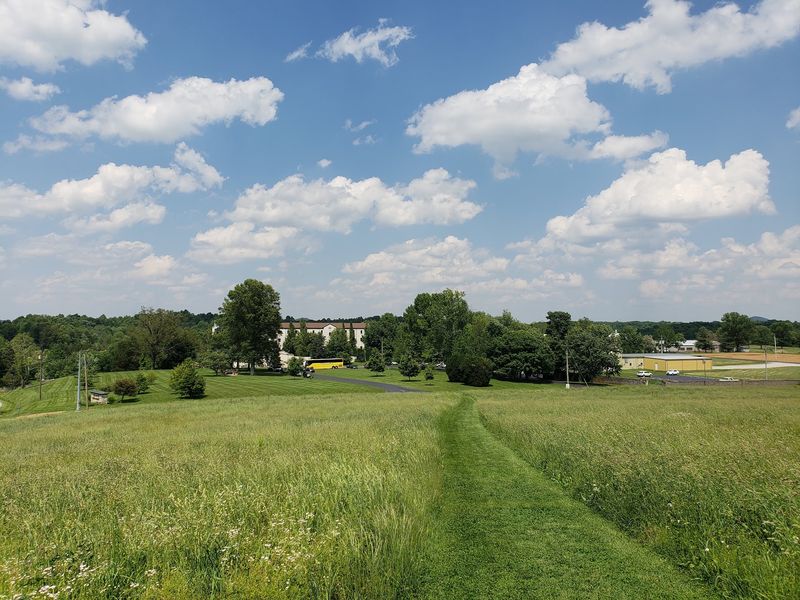
Hiking boots belong in the trunk for this trip. Across the road from the main buildings, the abbey offers trails that are open to the public and free to use.
The land sits among the Kentucky knobs, which are steep, rounded hills. Some paths stay fairly easy, while others climb with real effort.
Staff at the gift shop can point hikers toward the right starting spots. Asking before setting out saves time and wrong turns.
Trails here suit a range of energy levels. A short stroll works fine for families, while stronger hikers can tackle the steeper climbs.
Bring water, wear sturdy shoes, and check the weather before leaving. Paths can get muddy after rain, so extra care helps on slopes.
These woods also give the trip a nice balance. After time in the quiet church and the busy shop, an hour outdoors rounds out the day, and the legs will remember the knobs long after the fudge is gone.
Statues in the Woods
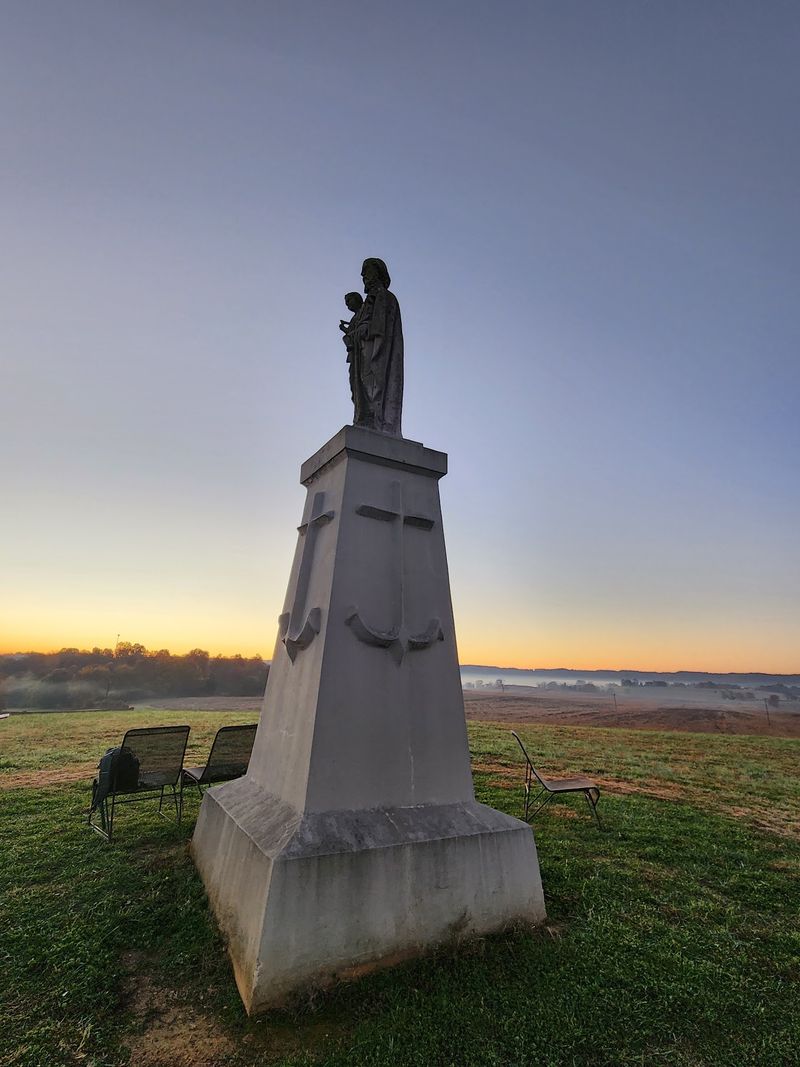
Out among the trees, a set of religious statues waits for those who follow the path. The scene recalls the Garden of Gethsemane, which gives the abbey its name.
Two routes lead to the statues. One winds through the woods, and the other stays flat and simple.
The wooded option is a favorite because it feels peaceful yet remains pretty easy for most people. The flat route works well for anyone who prefers steady ground.
Many folks pause here for quiet prayer or reflection. Others simply sit for a few minutes before heading back.
It helps to remember that this is a sacred spot, not a playground. Keeping voices low and leaving everything as it was shows respect for the monks and other guests.
Photos are generally fine from a respectful distance, but put the phone away for a while too. Some moments here are better kept in memory than in a camera roll, and this quiet corner proves it nicely.
Up to Cross Knob
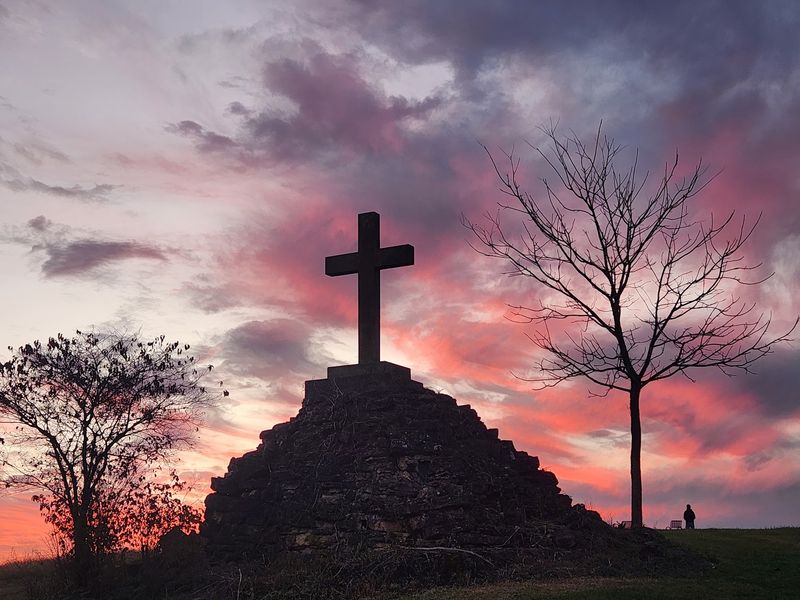
Ready for a challenge with a payoff? Cross Knob is the climb many hikers point to as a must on the abbey grounds.
The route heads up one of the steep knobs, and it gives legs a solid workout. At the top stands a large cross.
Cross Knob is listed on AllTrails, which makes it easier to check distance and route details before going. Downloading the map ahead of time is wise, since cell signal can be spotty in rural areas.
Pace yourself on the way up. There is no prize for speed, and the steep sections reward slow, steady steps.
Morning hikes tend to work well, especially in warmer months. Cooler hours make the climb more comfortable, and the rest of the day stays open for the church and shop.
Pack a snack, and maybe save a square of that monk-made fudge for the summit. A little reward at the top feels well earned after all those switchbacks.
Staying Overnight in Silence
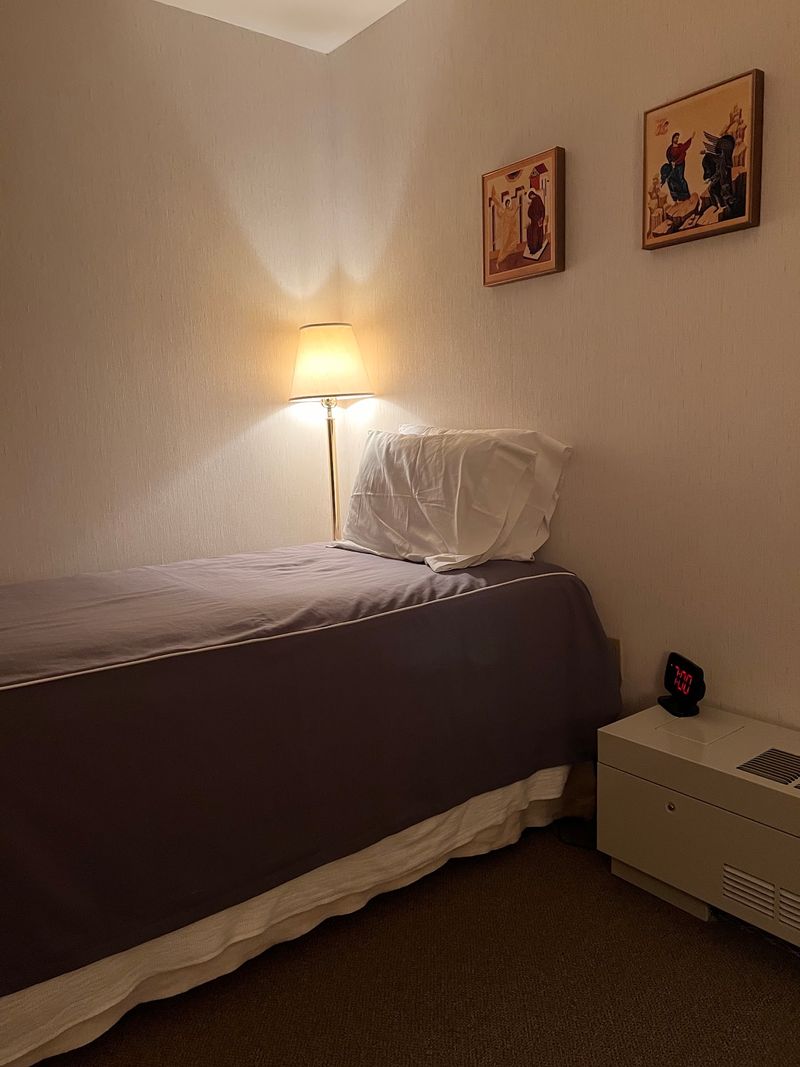
A single afternoon is wonderful, but some people stay for days. The abbey hosts personal silent retreats for guests who want time to pray, read, and rest.
Rooms are simple, clean, and private. Meals are plain but plentiful, matching the monastic idea of living with a little less.
Retreatants can join the monks for the prayers throughout the day. Talks from the guestmaster are offered too, giving guidance during the stay.
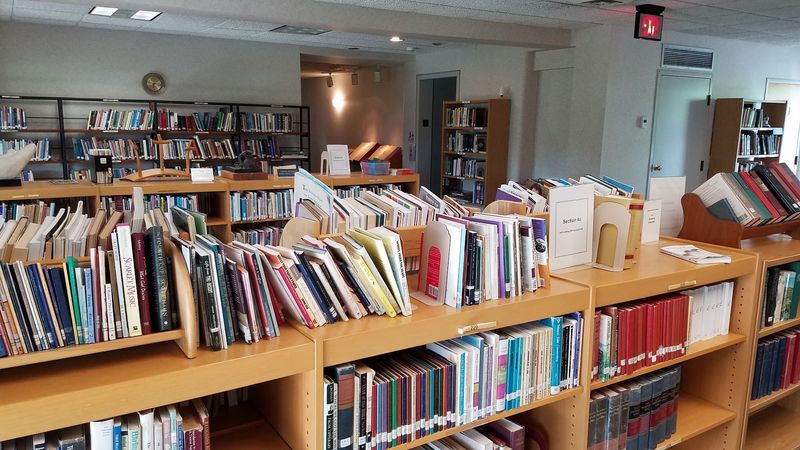
A library is available, though bringing personal books is a smart idea for anyone with specific reading plans. Many guests also enjoy long walks on the grounds.
Silence is the main rule, and it often becomes the best part. Without the usual noise, people find space to think, pray, and unplug from screens.
The abbey is Catholic, but people of all faiths, and those with none, are welcome as long as they show respect. Reservations should be made well ahead, since quiet is clearly in high demand.