A mountain made of sand sits right in the middle of a busy beach town on the Outer Banks of North Carolina. It does not stay still, either.
The wind pushes it around a little every single year, so the hill you climb today is not quite the same one your parents climbed years ago. Kids race up its slopes, kite flyers chase the breeze, and hang gliders float off its ridges like it is the most normal thing in the world.
The giant pile of sand in Nags Head is the tallest living dune system on the entire East Coast, and it comes with a story full of shipwrecked sailors, pony races, and a group of neighbors who refused to let it disappear. Keep reading to learn where it is, how to explore it, and the smart tips that make a visit easier.
Where the Sand Mountain Hides
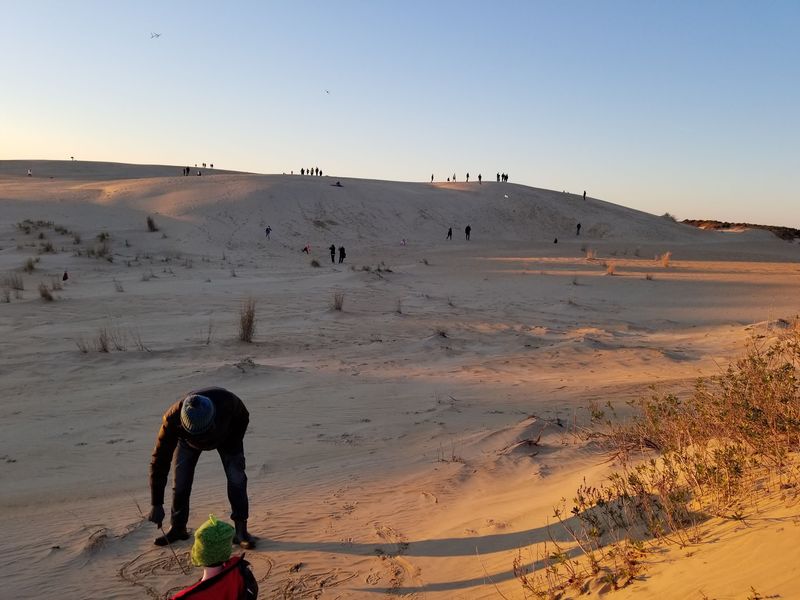
Finding a giant dune sounds easy, and thankfully it is. Jockey’s Ridge State Park sits at 300 W Carolista Dr, Nags Head, NC 27959, on the Outer Banks of North Carolina.
The main entrance is just off the US 158 Bypass, near milepost 12. That makes it a quick drive from the beach rentals, shops, and restaurants that line this stretch of coast.
Once inside, a visitor center and parking lot greet guests before the sand takes over. The dunes rise right behind the building, so there is no long hike just to see them.
The park stretches across about 426 acres. It reaches from the busy highway side all the way west to the calm waters of Roanoke Sound.
Admission to the park is free, which is a pleasant surprise in a tourist town. Hours change with the seasons, so checking the official North Carolina State Parks website before heading over is a smart move.
With the address handled, the real fun can begin.
A Dune That Refuses to Sit Still
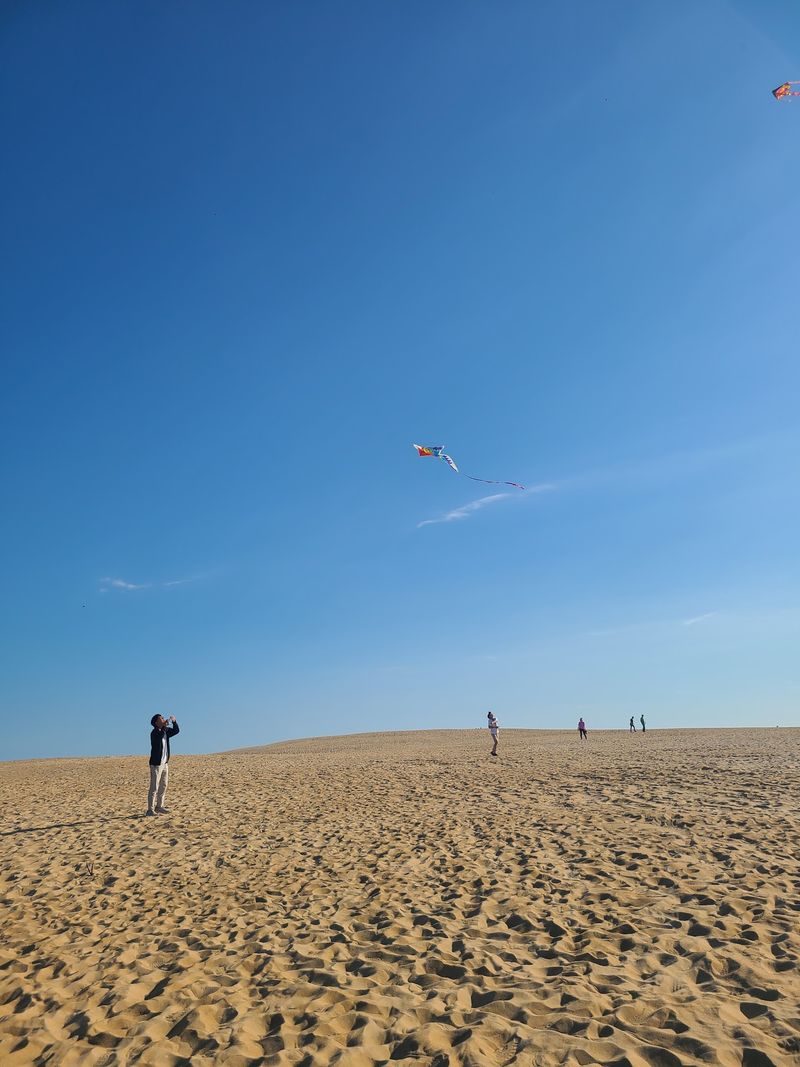
Here is a fun fact that surprises many people. The dune at this park is called living because it keeps moving.
Strong winds blow from the northeast in cooler months and from the southwest in warmer months. Those back and forth winds push the sand around but also help keep the dune system in roughly the same area.
Even so, the dune slowly creeps southwest over time. Over the years it has crept onto nearby land, and people have even watched it swallow parts of old structures.
The height changes too. Measurements have usually placed the tallest point somewhere between about 80 and 100 feet, though it was taller in past decades.
Scientists study the dune to learn how sand moves along the coast. Park rangers track its shape and share what they learn with guests.
So the next time someone calls a sand hill boring, here is proof that some of them are always on the go. This one just takes its time getting anywhere.
The Story Behind the Name
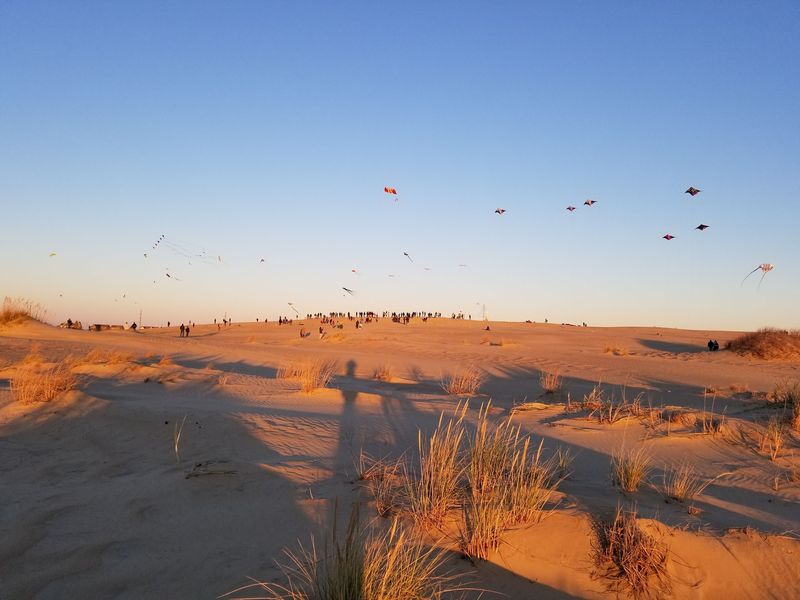
Nobody knows for certain how the ridge got its name, and that mystery is part of the charm. The most popular story involves horses.
Long ago, early settlers on the Outer Banks were said to catch wild ponies and race them in the flat area at the base of the dunes. Spectators supposedly watched from the high sand, which gave the place a jockey connection.
Another idea points to a family with a similar last name who may have lived nearby. Historians have not settled the debate.
Either way, the name stuck for generations. It now appears on maps, signs, and souvenirs all over Nags Head.
The town name itself carries its own legends, many tied to horses and the coastline. The area has a long history of sea travel, storms, and shipwrecks.
Learning these tales adds a layer of fun to the climb. Every step up the slope connects to a past that locals still enjoy talking about at the visitor center.
Neighbors Who Saved a Landmark
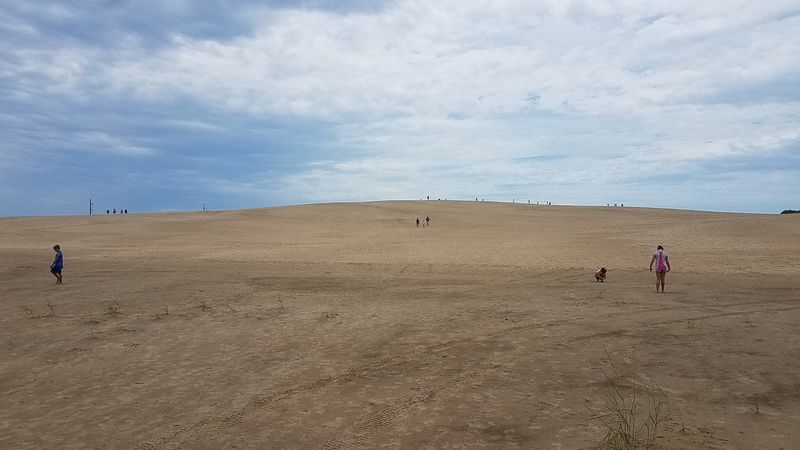
Back in 1973, a bulldozer almost changed everything. Developers had started clearing land near the dune for new homes.
A local woman named Carolista Baum saw the work and decided to act. She reportedly stood in front of the machine to stop it.
Her bold move sparked a community effort called the People to Preserve Jockey’s Ridge. Neighbors signed petitions, raised money, and pushed lawmakers to protect the area.
Their hard work paid off. In 1975, the land became a state park, and the dune was also named a National Natural Landmark around that same time.
The street name at the park address honors her, which is a nice touch. Carolista Drive keeps her story alive every time someone types it into a map.
Without that group of determined residents, the area might be full of houses today. Instead, families can still climb, explore, and fly kites freely, all thanks to people who simply cared about their hometown.
Floating on the Breeze
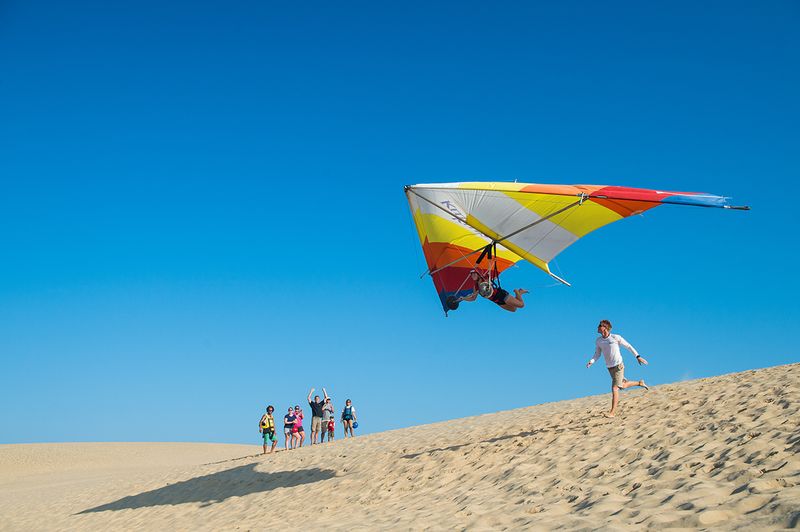
Some people come to climb. Others come to fly.
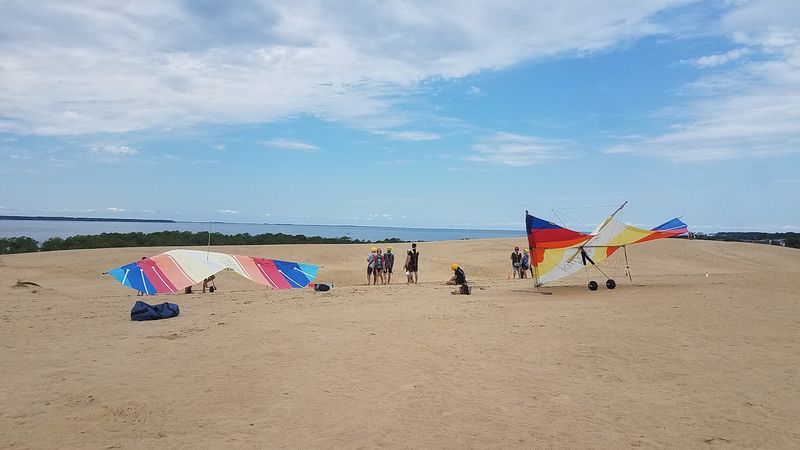
The park is one of the most famous hang gliding spots on the East Coast. Soft sand and steady winds make it a friendly place for beginners to learn.
Kitty Hawk Kites, a well known local company, runs lessons at the dunes. Students usually take short, low glides close to the sand with trained instructors guiding them.
Fun fact: the Wright Brothers made their first powered flights just a few miles north in Kill Devil Hills. The Outer Banks has a long love story with the sky.
Hang gliding requires a permit or a lesson through an approved provider. Guests should not just bring gear and launch on their own.
Even without trying it, watching gliders lift off is entertaining. They drift a few feet above the slopes, land gently, then trudge back up to try again.
It is a great reminder that learning to fly takes plenty of patience and a lot of uphill walking.
Kites, Kites, and More Kites
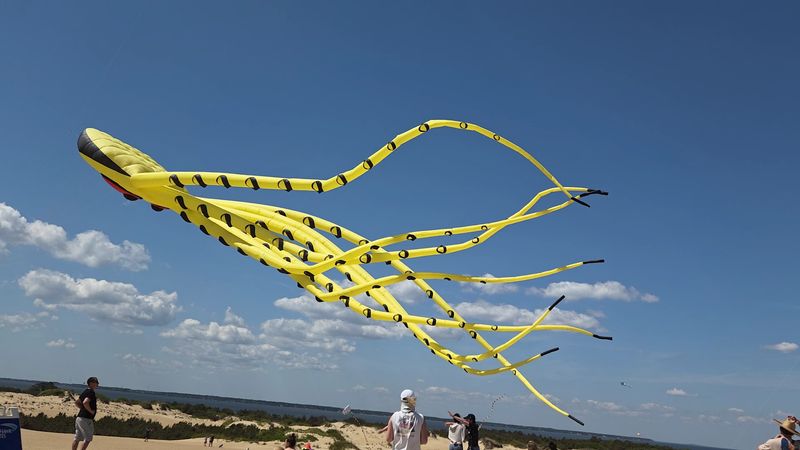
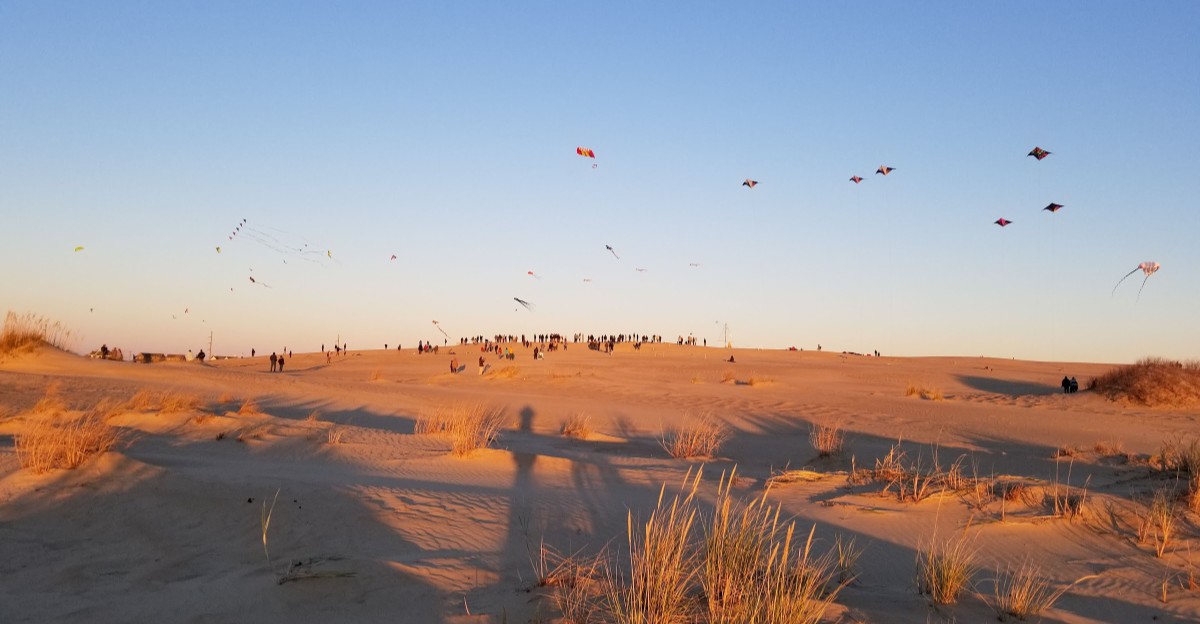
Wind is the main ingredient here, and kite fans know it. The open dunes give kites plenty of room to climb high without trees or power lines getting in the way.
Families often bring simple diamond kites, while experienced flyers show up with big stunt kites that loop and dive. Both kinds work well on breezy days.
Need a kite? Shops in Nags Head sell plenty of them, so forgetting one at home is not a big problem.
Wind direction and speed can change during the day. Afternoons are often breezier, which can help a beginner get a kite off the ground faster.
A few tips help keep the fun going. Stay away from hang glider areas, keep strings untangled from other flyers, and pack the kite away carefully when finished.
The park sometimes hosts kite events too. Checking the park calendar before a trip could mean catching a sky full of shapes, from simple squares to giant creatures floating overhead.
The Quiet Side by the Sound
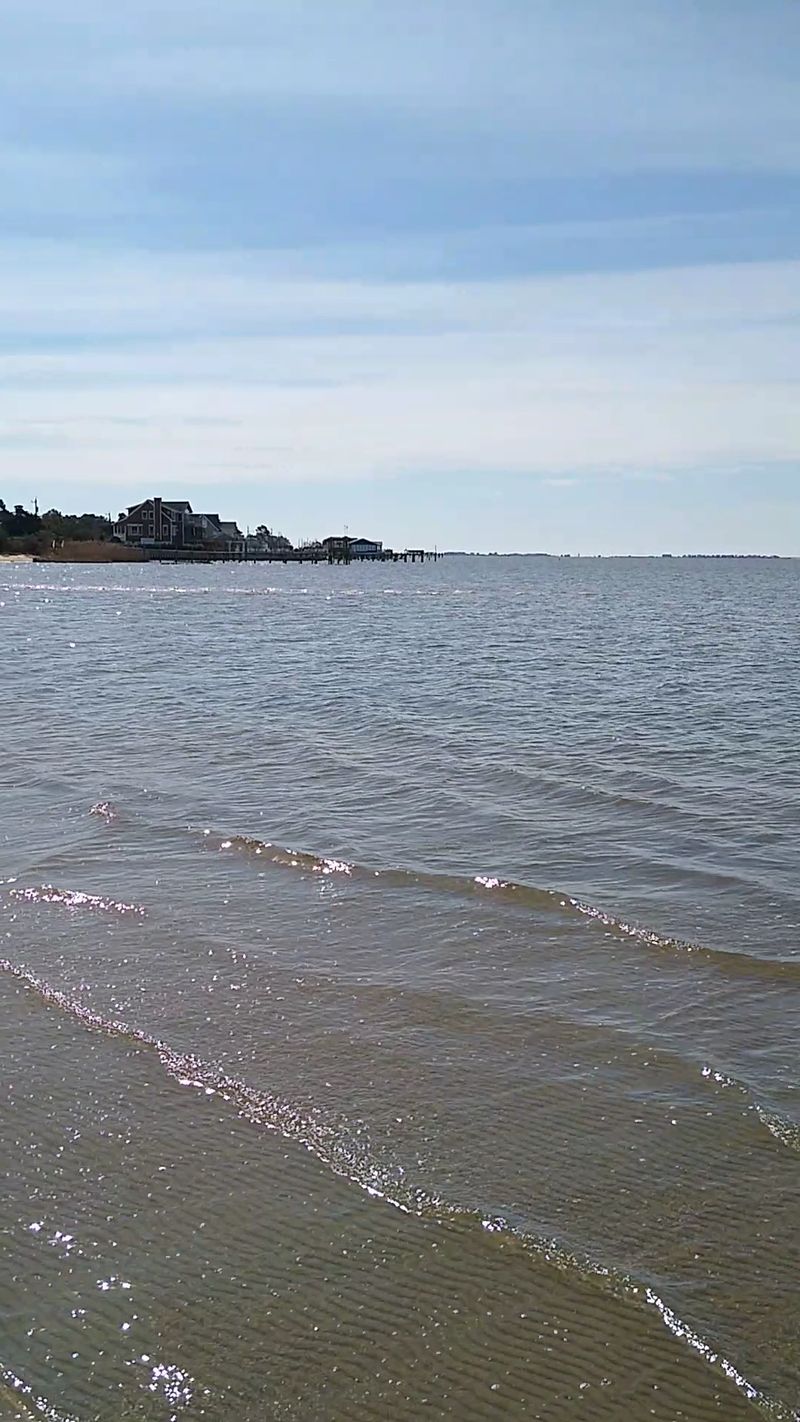
Most people stay near the tall dunes, but the western edge holds a calmer surprise. The park reaches Roanoke Sound, where the water is shallow and gentle.
A separate soundside access area has its own parking lot off West Soundside Road. That makes it easy to skip the climb and head straight to the water.
Families with little kids often like this spot. The water stays shallow for a long way out, so wading is simple.
Kayakers and windsurfers also use the sound. Its open water and steady breezes suit paddling and sailing beginners.
Sunset fans may want to plan a visit here near the end of the day. The sound faces west, so the evening sky over the water is a popular sight.
Bring water shoes, since shells and crabs live along the bottom. A little planning turns this quiet corner into one of the most relaxing parts of the whole park.
Trails Beyond the Sand
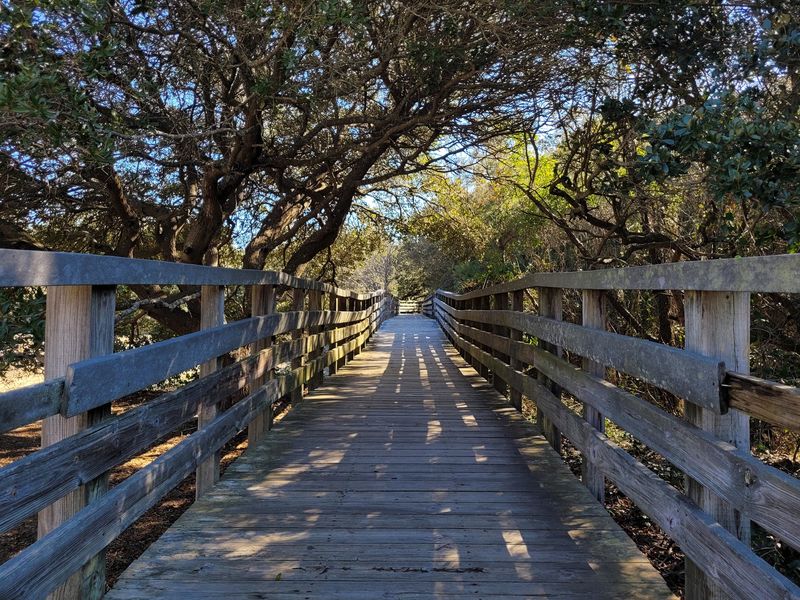
Sand gets most of the attention, yet the park has marked trails too. They offer a way to explore with a little more guidance.
The Tracks in the Sand Trail is about 1.5 miles long. It runs from the dunes toward the sound and has markers that point out animal tracks and plant life.
The Soundside Nature Trail is shorter, at around one mile. It loops through maritime thicket and grassy areas near the water.
A boardwalk near the visitor center adds an accessible option. It is about 360 feet long and ends at an overlook.
Trail markers help, but the sand can shift and cover footprints quickly. Staying aware of landmarks like the visitor center keeps everyone headed the right way.
Hikers often spot signs of foxes, deer, and birds along the way. Tracks in the morning sand can reveal who wandered through overnight, turning a simple walk into a fun detective game for kids.
Timing Is Everything
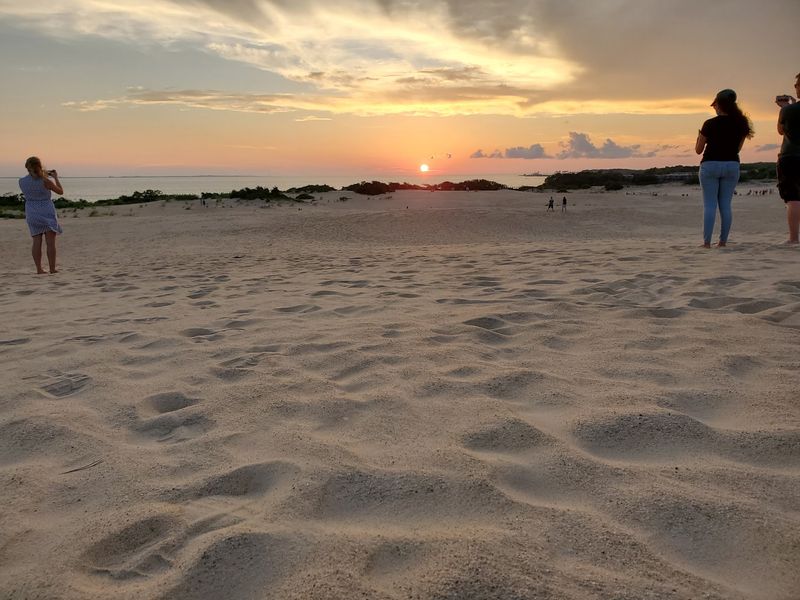
Plan the clock carefully, and the trip gets much better. Summer brings the biggest crowds and the hottest sand.
Early mornings in summer are cooler and calmer. Fewer people are around, and wildlife tracks are still fresh.
Evenings are a local favorite. Many families climb the dunes to watch the sun set over Roanoke Sound, so arriving a bit early helps with parking.
Spring and fall often bring milder weather. Those seasons can be great for longer hikes without worrying about burning feet.
Winter is quieter, though wind can feel strong out on the open sand. Layers make a big difference.
Thunderstorms deserve attention year round. The dunes are the highest open ground around, so leaving the sand quickly when storms appear is very important.
Park hours shift by month, with longer days in summer. Checking the schedule ahead of time prevents showing up to a closed gate, which nobody wants after a long drive.
Smart Moves Before Heading Out
A little preparation keeps the adventure smooth. Start with shoes, since hot sand is the number one complaint on summer afternoons.
Pack plenty of water for everyone. There are no drinking fountains out on the dunes, and shade is rare.
Sunscreen, hats, and sunglasses help a lot. Blowing sand can bother eyes on windy days, so glasses are useful.
Leave sleds and boards that damage the dune at home unless park rules allow them. Rules can change, so reading the signs at the entrance is wise.
Pets are allowed on a leash, but their paws can burn too. Keep that in mind before bringing a furry friend.
The visitor center has restrooms, a small museum, and staff who answer questions. Rangers also lead free programs in busy seasons.
With these basics covered, the tallest living dune on the East Coast becomes an easy, memorable stop. It remains a free piece of North Carolina history that keeps moving, one breeze at a time.