Most kids today have never seen the Milky Way. City lights wash it out, so the night sky at home might show only a handful of stars.
In Central Oregon, there is a spot where that changes fast.
Families gather after dark, line up at telescopes, and spot Saturn’s rings with their own eyes. Volunteers point out constellations with laser beams and answer every question a curious kid can throw at them.
During the day, the same place lets you look safely at the Sun and see spots on its surface.
Keep reading to learn how it works, when to go, what to bring, and a few smart tips that will make your family’s first big stargazing trip one to remember for years.
Where the Stars Come Out to Play
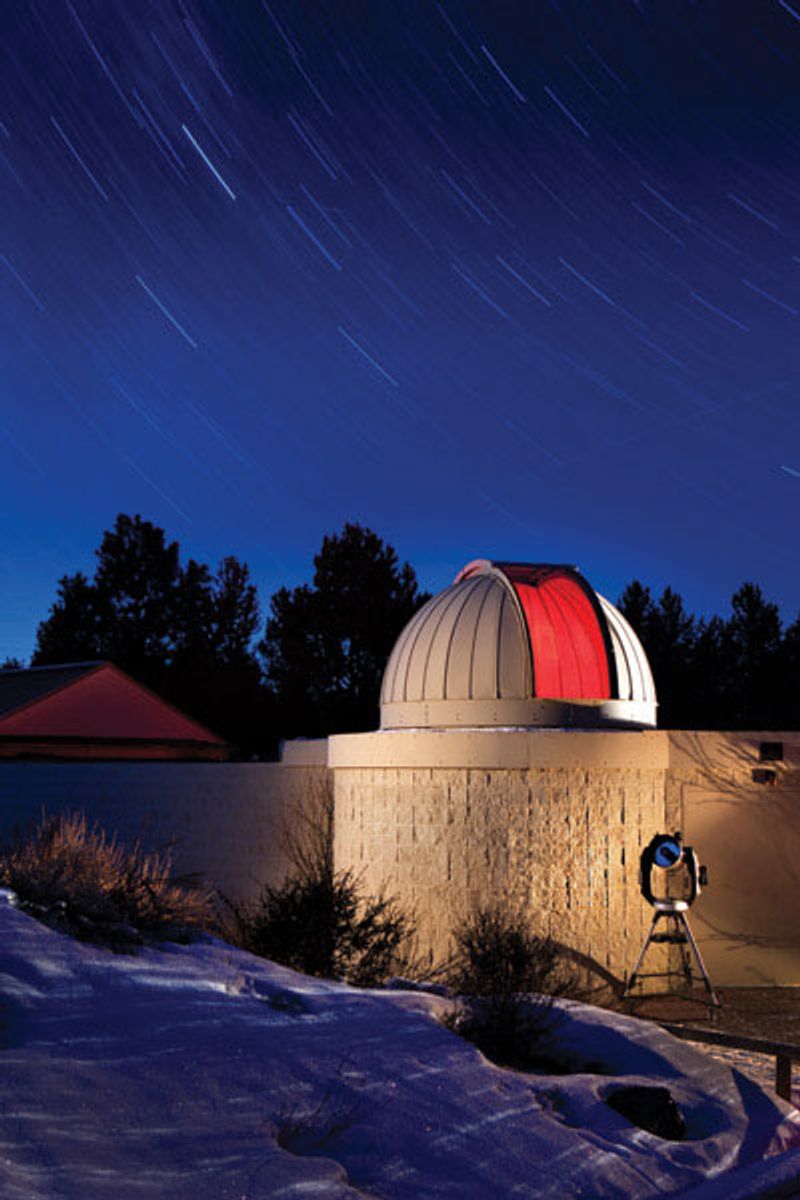
Tucked among the pines of Central Oregon sits a place built for curious minds. The Oregon Observatory at Sunriver Nature Center & Observatory is located at 57245 River Rd, Sunriver, OR 97707.
Sunriver is a resort community south of Bend, in the high desert country of Oregon, United States. That setting matters a lot for stargazing.
Far from big city lights, the area enjoys dark skies that let faint stars show up clearly. Kids who only know the bright few stars over their home towns often get a big surprise here.
The observatory shares its grounds with a nature center, so one trip covers two kinds of learning. You can study animals and trails in the afternoon, then come back to study planets after dark.
Finding the site is simple once you reach Sunriver, since River Road runs right through the community. Plan for a short drive if you are staying in Bend or nearby towns.
Consider this your launch pad for a family adventure among the stars.
Telescopes of Every Size
Ever wanted to peek through a giant telescope? Here, the chance comes many times in one night.
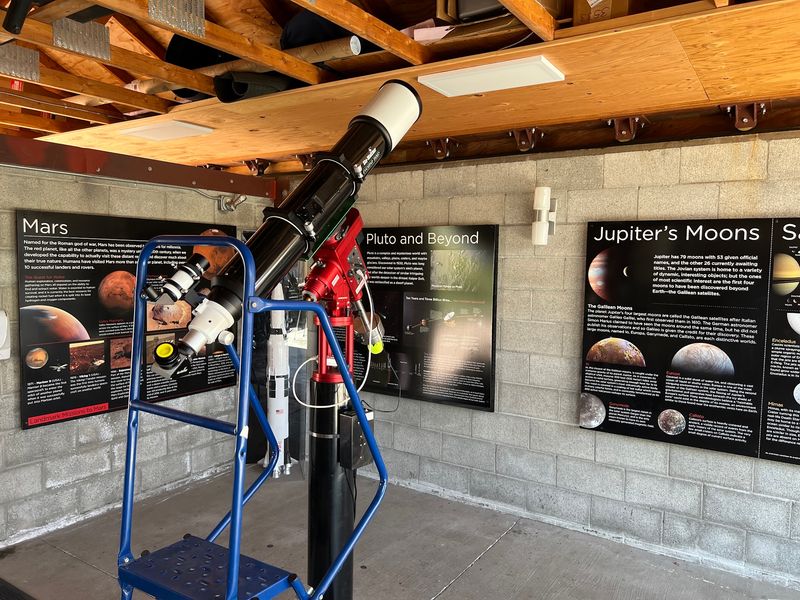
The observatory sets up a whole field of scopes, ranging from small 4-inch models up to large 30-inch reflectors. Each one is often aimed at something different, so every line leads to a new view.
One telescope might show Jupiter and its moons lined up like tiny dots. Another could reveal Saturn with its rings, Mars, a star cluster, or the Andromeda Galaxy.
Staff and volunteers sometimes move the scopes to new targets during the evening. That means a telescope you already visited may show something brand new an hour later.
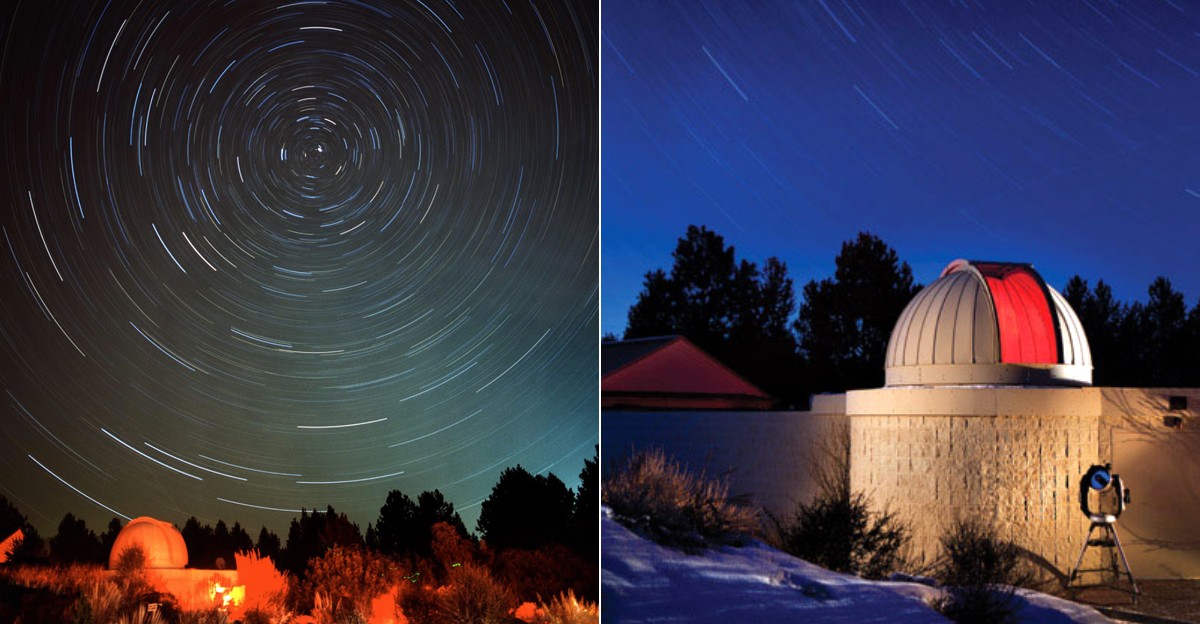
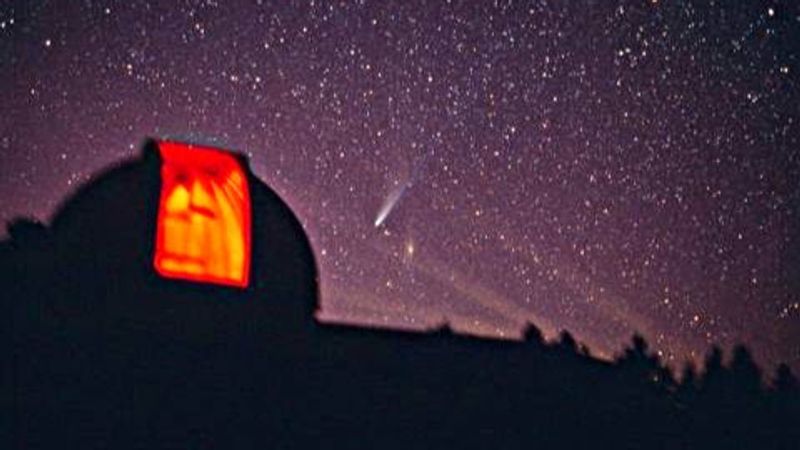
There is also a big dome telescope that tends to be a favorite stop. Kids love seeing the dome itself, which looks straight out of a science movie.
Because there are plenty of scopes, lines usually move along at a decent pace, even with larger groups. Patience pays off, and the payoff is a planet.
Guides Who Love Their Job
Behind every great view is someone who knows exactly where to point. The people running this observatory are a huge part of what makes it special.
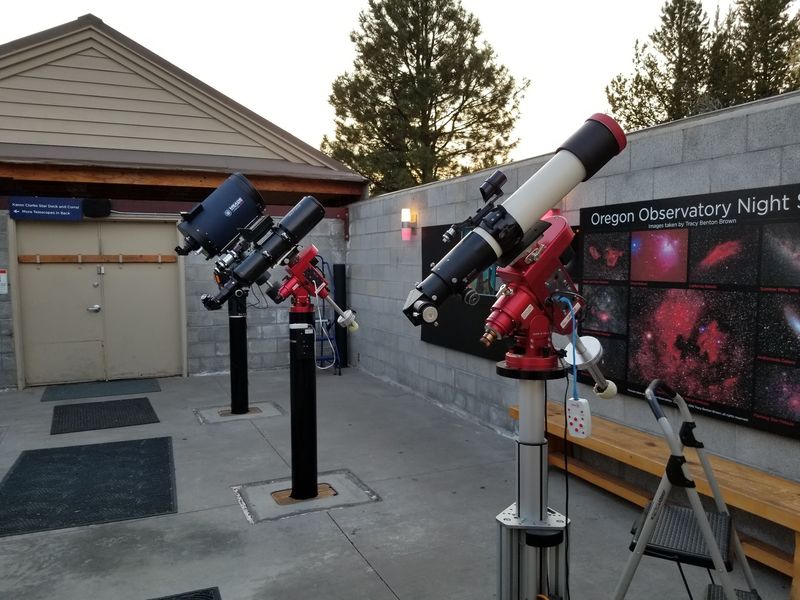
Staff and volunteers take time to explain what you are looking at and why it matters. They answer questions from little kids and grown-ups with the same patience.
School groups visit often, and even a crowd of fifth graders gets kind and steady attention. That says a lot about the team.
Some volunteers bring their own large telescopes to share with guests. Their excitement about space tends to rub off on everyone nearby.
Here is a tip for parents: encourage your kids to ask questions. The guides seem to enjoy it, and kids remember facts better when they ask for them.
Questions like how far away Saturn is or why Mars looks orange are welcome. Do not be shy about asking a few of your own, either.
Good guides turn a simple peek into a real lesson.
Laser Tours of the Sky
A single green beam stretching into the dark can teach more than a whole textbook chapter. Many evening programs end with a constellation tour using a laser pointer.
A guide traces the shapes of star patterns across the sky. Suddenly the Big Dipper, Cassiopeia, or other groupings become easy to find.
This part of the night is a hit with kids. They finally see how ancient people connected dots of light into heroes, animals, and objects.
The best part is that the skill comes home with you. Once your child learns a few constellations, they can look for them from the backyard.
Keep in mind that clouds can roll in and cut the tour short. Weather in the high desert can shift, so a clear forecast is your friend.
Some nights also include a short talk at the start about stars or space missions. Past topics have covered things like Mars exploration.
Bring curiosity and a crick-free neck.
The Milky Way Shows Up
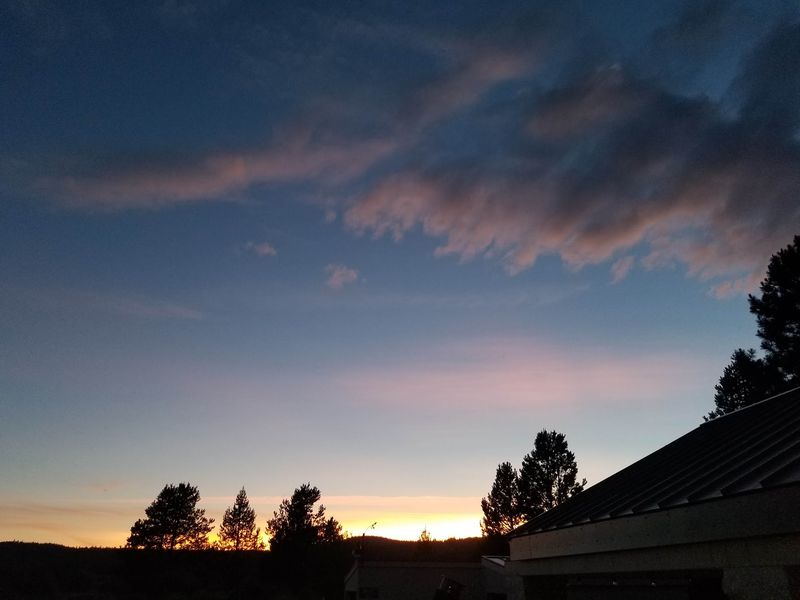
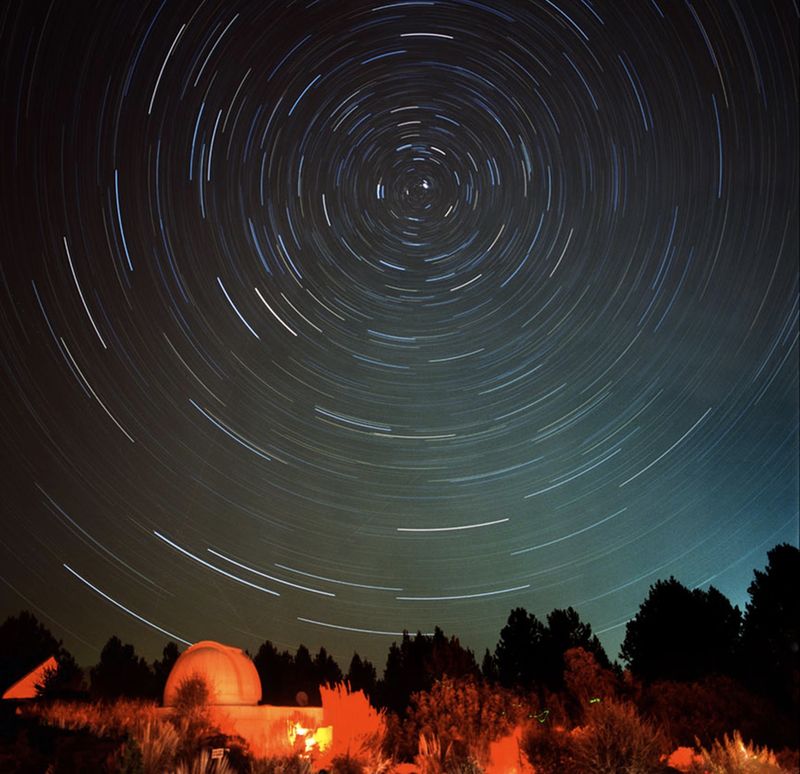
Plenty of adults have never seen the Milky Way with their own eyes. At this observatory, many see it for the first time.
The secret is darkness. With very little artificial light around, the sky shows far more stars than most families expect.
Even without a telescope, simply looking up can be the highlight of the night. Shooting stars sometimes streak by, adding a bonus moment.
Some guests have spotted huge numbers of stars even on nights forecast to be cloudy. Still, clear nights give the best show.
Here are a few ways to make the most of the dark:
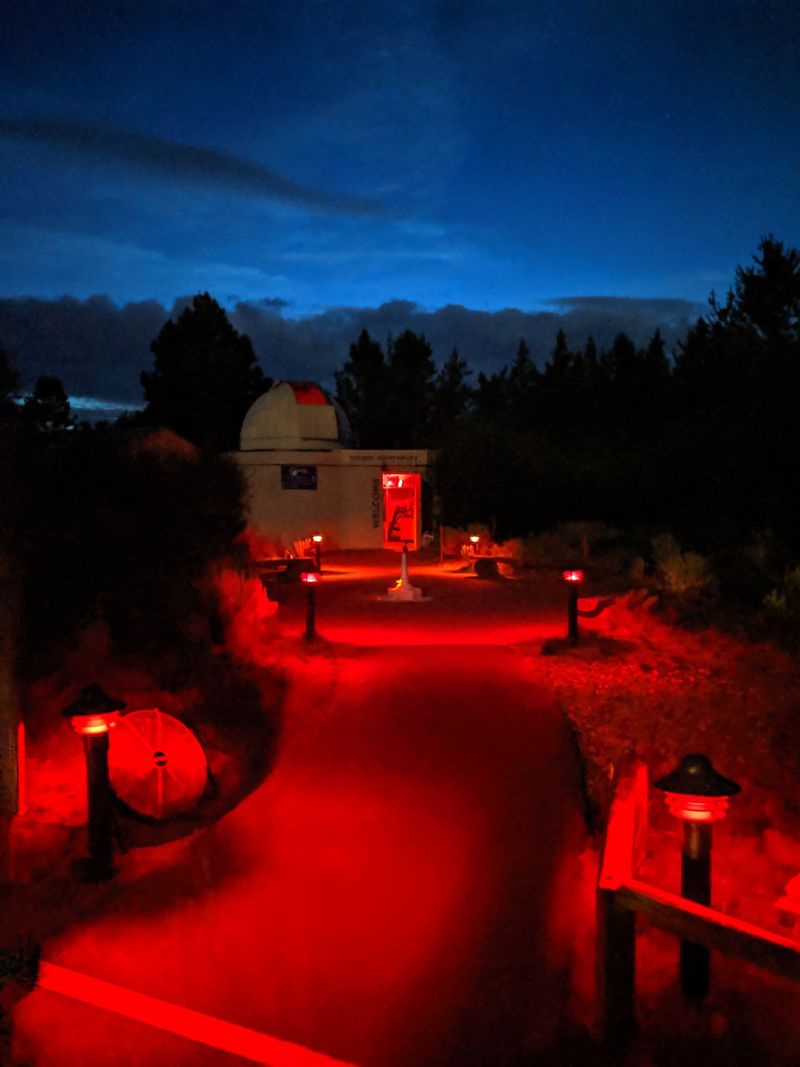
Let your eyes adjust for several minutes before deciding what you can see. Avoid looking at phone screens, since bright light resets your night vision.
If you must use a light, keep it dim and pointed at the ground. Other guests will thank you.
Kids may stay quiet for a moment when they first notice that glowing band overhead. That silence says plenty.
Daytime Sun Spotting
Stargazing is not just a nighttime hobby. The closest star of all is visible in broad daylight, and the observatory knows how to show it safely.
Daytime hours run Wednesday through Saturday from 11 AM to 3 PM. During these visits, special telescopes can show the Sun up close.
Guests have seen sunspots, which are darker patches on the Sun’s surface. Kids find it amazing that a star can have spots at all.
Never look at the Sun without proper equipment. The observatory uses gear made for this purpose, so it is the right place to try it.
Daytime trips work well for families with younger children who go to bed early. You still get a real astronomy lesson without staying up late.
Pair the daytime visit with a walk around the nature center. That way, the whole afternoon stays packed with learning.
Fun fact: the Sun is a star, just like the ones you see at night. It only looks bigger because it is much closer.
Animals and Trails Next Door
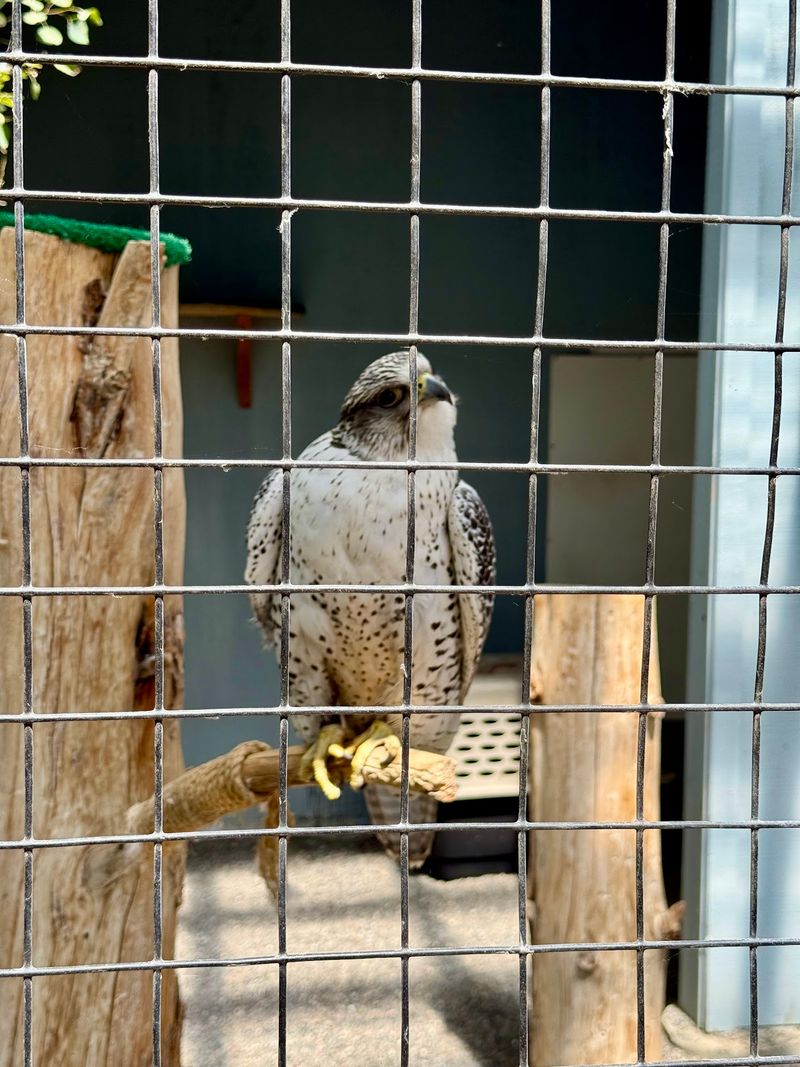
Two attractions for one trip is a deal any parent can appreciate. The observatory sits beside the Sunriver Nature Center, which adds plenty more to explore.
Families can see a variety of animals and learn from informative exhibits. Kids who love creatures as much as comets will feel right at home.
A walking path loops around a pond, giving everyone a chance to stretch their legs. It is a relaxed way to break up the day.
The nature center helps kids connect space science with life on Earth. Both topics fit together under the same big idea of exploring the world around us.
Plan your day so you visit the nature center first while the sun is up. Then head home for a rest before coming back for a night program.
This approach keeps younger kids from getting too tired. It also spreads the learning out so nobody feels rushed.
Check the official website for current exhibits and hours. Details can change by season.
Planning Your Big Night
A great stargazing trip starts with a little homework. Checking schedules and weather ahead of time makes all the difference.
Visit the official website at snco.org to see current programs, hours, and ticket details. Night programs vary by season.
A full visit can take around an hour and a half. Give yourself extra time so nobody feels rushed at the telescopes.
Keep an eye on the forecast before heading out. Clear skies mean better views, though the staff still find ways to make cloudy nights worthwhile.
Here are a few extra tips worth remembering:
Go early to beat the bigger crowds. Weeknight visits, such as a Thursday, can be a nice option.
The small fee helps keep the observatory running for future visitors. That is money spent on science and wonder.
When the night ends, your kids may already be planning the next trip. Few family outings leave such a lasting spark.
Look up, ask questions, and let the universe do the rest.