Where the Columbia River finally meets the Pacific Ocean, a hillside town has been quietly collecting fans for more than two centuries.
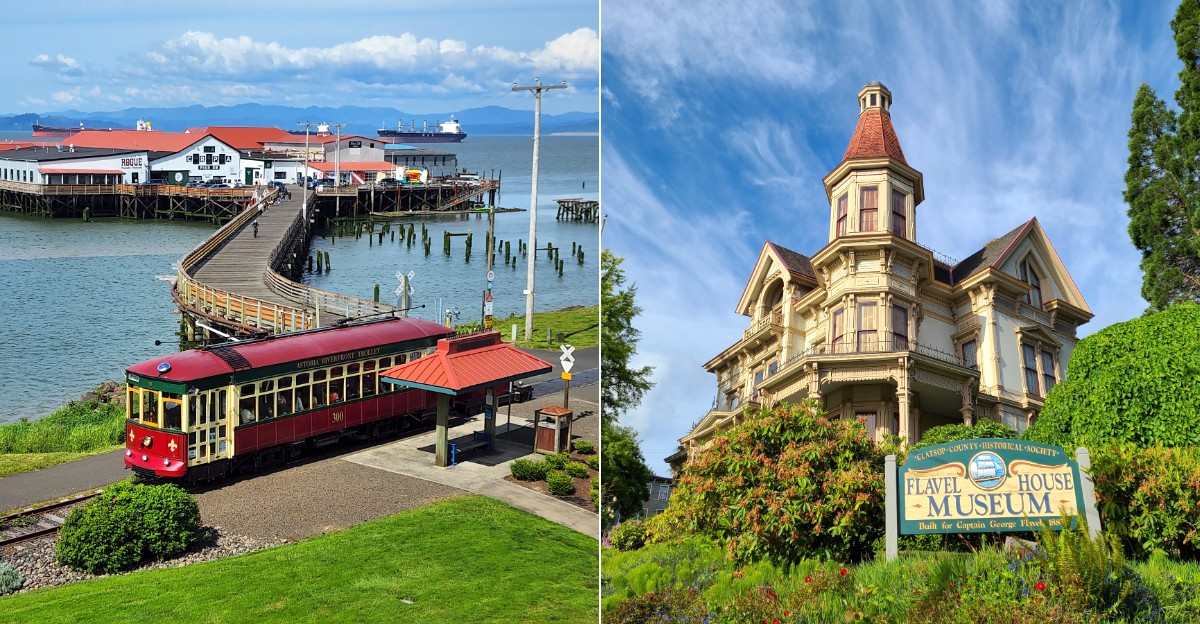
Painted Victorian houses stack up the slopes like seats in a stadium, and giant cargo ships glide past the docks all day long.
It is the oldest American settlement west of the Rocky Mountains, yet plenty of travelers drive right past it on their way to the beach. Locals will happily tell you they live in the prettiest town in the country, and they have a strong case.
A movie classic was filmed here, a famous expedition spent a winter nearby, and a 125-foot tower on the hill offers one of the best views in the Northwest.
Keep reading to find out why this little river town deserves a spot on your travel list.
Older Than You Think
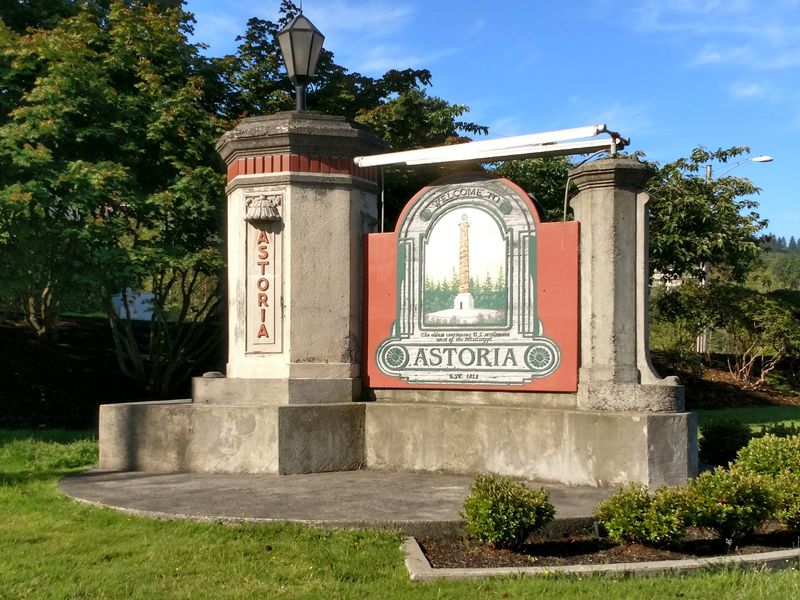
History buffs, take note. Astoria was founded in 1811, which makes it the oldest American settlement west of the Rocky Mountains.
The town got its name from John Jacob Astor, a wealthy businessman who sent a team here to start a fur trading post. That post, called Fort Astoria, helped the young United States stake a claim in the Pacific Northwest.
You can still visit the site downtown. A small reconstructed blockhouse and a mural mark the spot where it all began, right in the middle of everyday city life.
The area’s story goes back even further. The Clatsop people and other Chinookan tribes lived along this river long before any traders arrived.
Over the years, the town grew into a busy fishing and canning center. Workers from Finland, Norway, China, and many other places came to find jobs on the water.
That mix of cultures still shapes the town today. Street names, festivals, and old buildings all carry little clues about the people who built this place one dock at a time.
A Tower With a Story to Tell
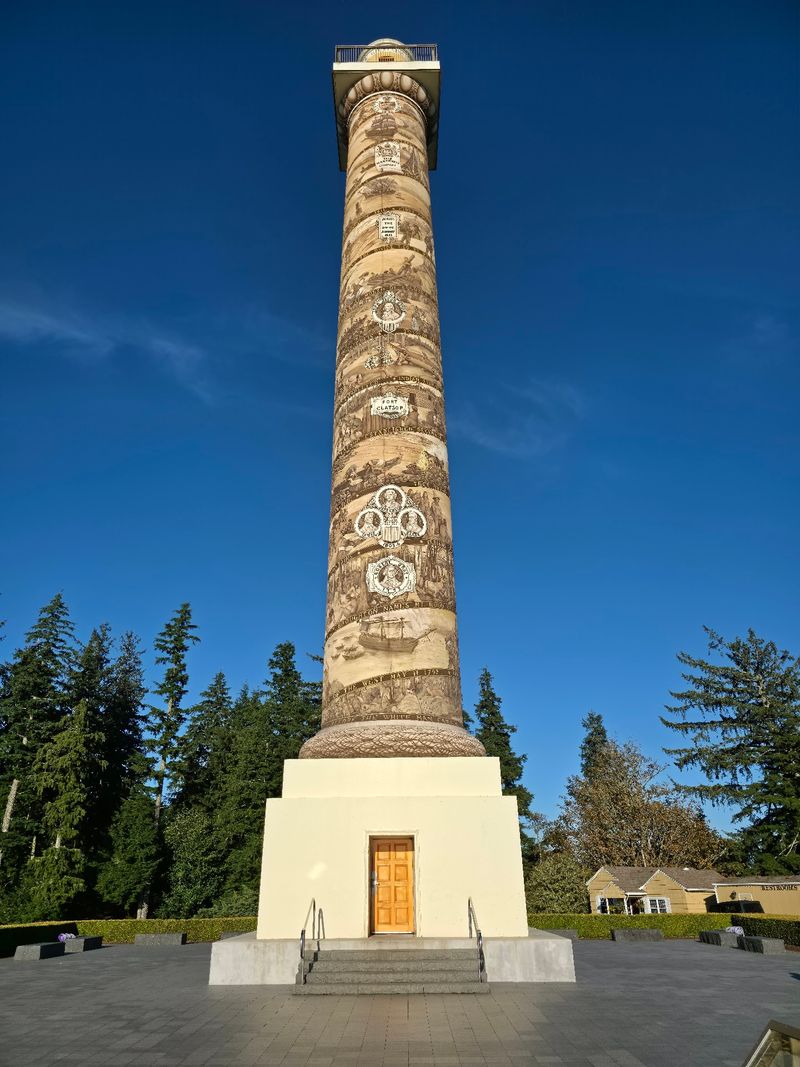
Some monuments just stand there. The Astoria Column, on the other hand, practically reads you a history book.
Built in 1926, the tower stands 125 feet tall on top of Coxcomb Hill. A painted frieze wraps around the outside in a spiral, showing key moments in the region’s past.
The scenes include the arrival of Captain Robert Gray, the Lewis and Clark Expedition, and the founding of Fort Astoria. Reading them from bottom to top is like flipping through chapters.
Inside, a spiral staircase of 164 steps leads to an observation deck. The climb takes some effort, so pace yourself and take breaks if needed.
Up top, the view stretches over the river, the bridge, the ocean, and on clear days, distant mountain peaks. It is easily one of the best lookouts in the state.
Here is a fun local tradition worth trying. Many people buy small balsa wood gliders at the gift shop and send them flying off the top deck.
Ships, Storms, and Brave Rescuers
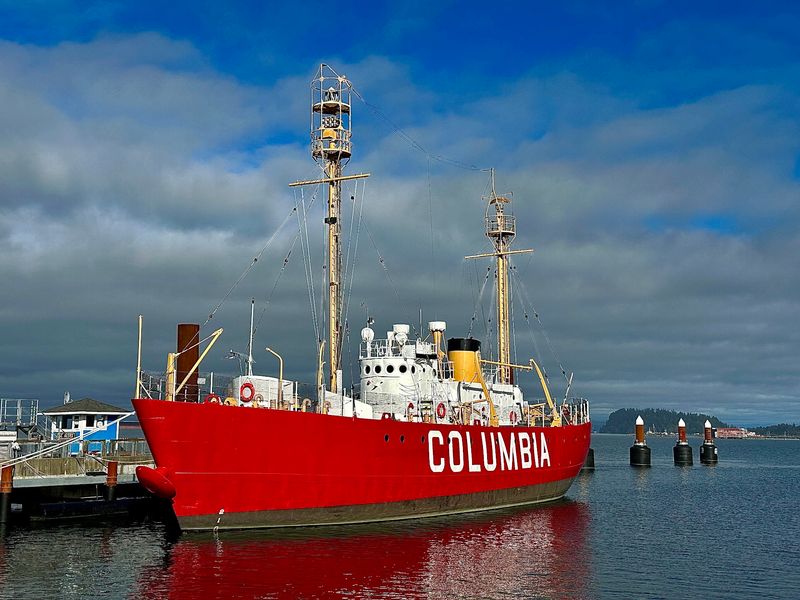
The mouth of the Columbia River has earned a nickname that sailors take seriously. It is often called the Graveyard of the Pacific because the sandbar here is so tricky to cross.
The Columbia River Maritime Museum tells that story in an engaging way. Its waterfront building is filled with exhibits on fishing, shipping, and military history.
One highlight shows how Coast Guard crews race out in rough water to help boats in trouble. The display gives you real respect for the people who do that job.
You will also learn about river bar pilots. These skilled guides board huge ships and steer them safely across the dangerous bar every single day.
Outside, the museum’s ticket includes a visit to the Lightship Columbia. This floating lighthouse once helped guide ships before modern technology took over.
Families should budget a couple of hours here. Kids tend to love the hands-on displays, and grown-ups often leave knowing far more about the sea than they expected.
Where the River Meets the Sea
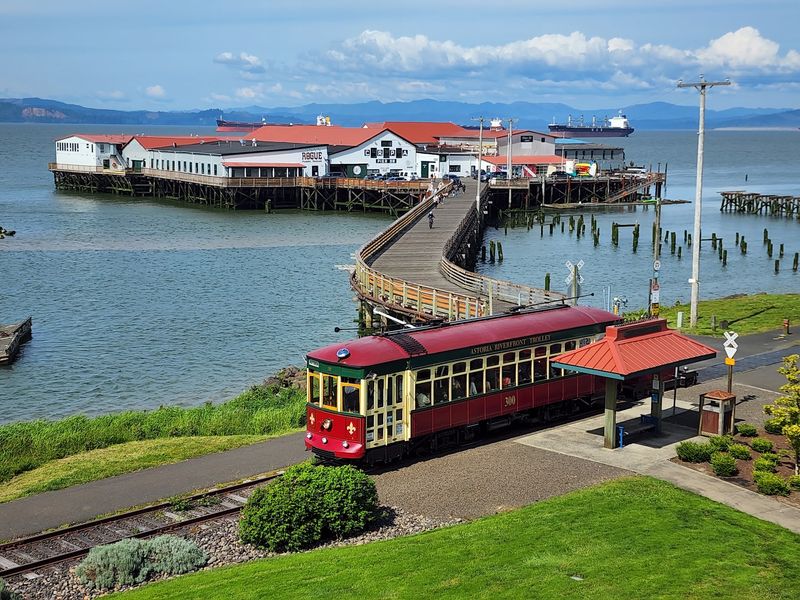
Few towns can claim a front-row seat to one of the mightiest rivers in North America. Astoria, Oregon 97103, USA, sits on the south bank of the Columbia River, just a few miles from where it empties into the Pacific Ocean.
The town is in Clatsop County, in the far northwest corner of Oregon. Washington State sits right across the water, connected by a long bridge.
Homes and shops climb steep hills that rise straight up from the shoreline. That layout gives almost every street a view of the river, which helps explain why locals brag so much.
Getting here is fairly simple. Portland is roughly a two-hour drive away, and the beaches of Seaview and Cannon Beach are close by too.
Many travelers use the town as a home base for exploring the whole coast. Hotels, inns, and vacation rentals are spread along the waterfront and up into the hills.
Plan for at least two full days. Once you see how much is packed into this small place, you may wish you had booked a third.
Hollywood Came Knocking
Movie fans, get ready for a treat. The 1985 adventure film The Goonies was filmed right here, and the town has never quite gotten over it.
Several spots from the movie still stand. The old Clatsop County Jail, which appears in the opening scene, now houses the Oregon Film Museum.
That museum covers more than one movie. Kindergarten Cop, Short Circuit, and other films also shot scenes in the area, and the exhibits show how Hollywood used the town as a backdrop.
The famous Goonies house sits on a private hillside street. Please be respectful, since real people live there, and the owners have asked fans to keep their distance.
Every few years, the town throws a big celebration for the film’s anniversary. Fans travel from all over the world to join the fun.
Even if you have never seen the movie, the buzz is contagious. You might find yourself queuing it up at your hotel that very night.
Downtown With Old-School Charm
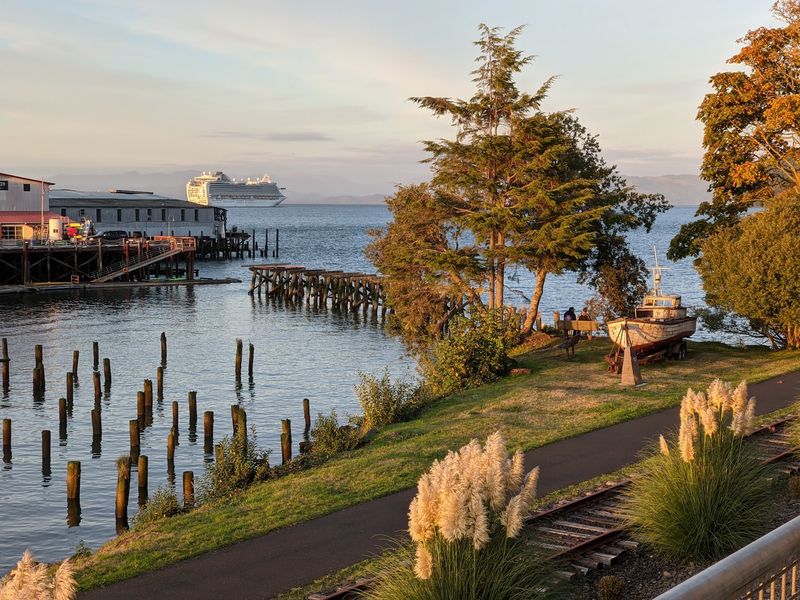
Strip malls are hard to find in the heart of town, and that is a good thing. Downtown Astoria is packed with historic brick buildings, many dating back to the early 1900s.
Much of the area was rebuilt after a large fire in 1922. The result is a downtown full of handsome buildings from the 1920s that still house businesses today.
The Liberty Theatre is a standout. This restored 1925 venue hosts concerts, plays, and community events throughout the year.
Browsing the shops is a pleasant way to spend an afternoon. Bookstores, antique stores, art galleries, and local boutiques line the streets.
From May through October, the Astoria Sunday Market fills several blocks with vendors. Crafts, plants, and local goods make it a lively weekend stop.
Parking is generally manageable, but the hills are real. Wear comfortable shoes, because what looks like a short stroll on the map can turn into a decent workout.
Bridging Two States
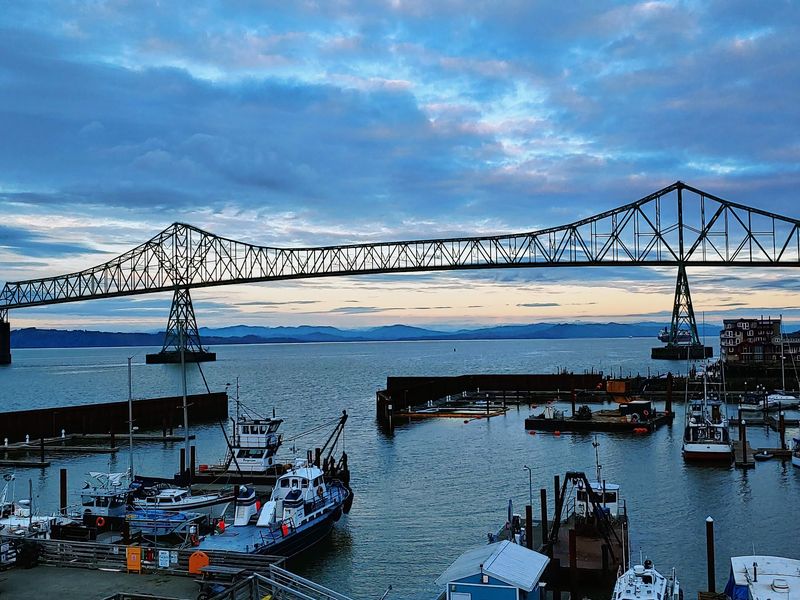
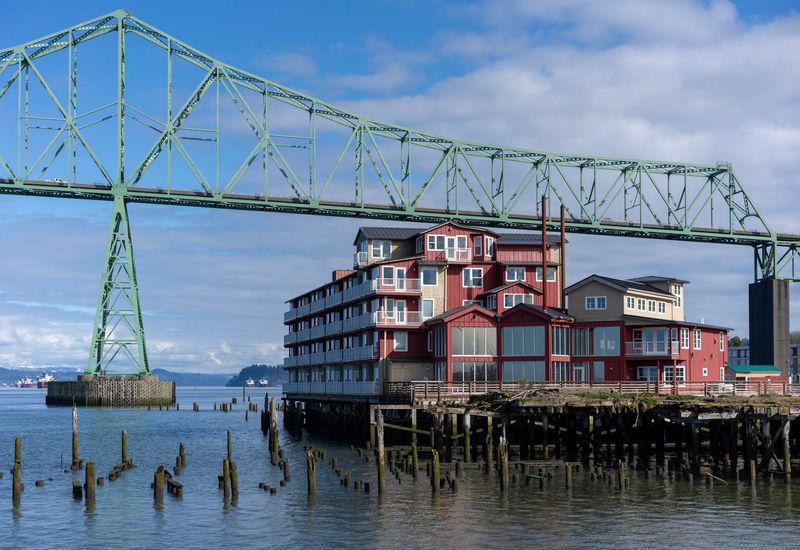
At about 4.1 miles long, the Astoria-Megler Bridge is hard to miss. It connects Oregon to Washington across the wide mouth of the Columbia River.
Opened in 1966, it is known as the longest continuous truss bridge in North America. The Oregon end curves in a big loop to climb high enough for ships to pass underneath.
Driving across is an adventure on its own. The middle section sits low near the water, while the Oregon side rises steeply above the shipping channel.
Once a year, the bridge closes to cars for the Great Columbia Crossing. Runners and walkers get to cross on foot for a special 10K event.
Photographers love capturing the bridge from the Riverwalk or from the Astoria Column. Sunset is a popular time to snap a shot.
On the Washington side, you can explore nearby towns and parks. It is a simple way to add a second state to your trip without much extra driving.
Timing Your Trip Just Right
Weather here has a reputation, and it is mostly earned. The town gets plenty of rain, especially from late fall through spring.
Summer is usually the driest and most popular time to come. July through September tends to bring milder days and more sunshine, which makes outdoor exploring easier.
Crowds grow during those months, so book lodging early. Weekends during big events can fill up fast.
Spring and fall are great for a quieter trip. Prices on rooms often drop, and you will have more space at museums and lookouts.
Winter visits have their own appeal. Storm watching from a cozy spot near the coast is a favorite pastime for many Oregonians.
Whatever the season, dress in layers and bring a waterproof jacket. Temperatures stay fairly mild year-round, rarely getting very hot or very cold.
Pack a little patience, and this hillside river town will reward you. A town this pretty is worth a few clouds.