Deep under a quiet hill in southwest Missouri, a wall of stone stretches across a cave passage like something a crew of builders might have made.
Nobody built it with tools, though. Slow drips of mineral-filled water did the work over a very long time, one thin layer after another.
The result is a natural dam that many people walk past without knowing how rare it is.
Above ground, the setting is just as interesting, with a family-run attraction that has welcomed guests for generations, a rock and mineral museum, and a gift shop that people talk about long after they leave.
Keep reading to learn what makes this Ozarks cave worth a road trip, what to expect on the tour, and a few smart tips that will help your visit go smoothly.
A Hidden Hill With a Big Secret
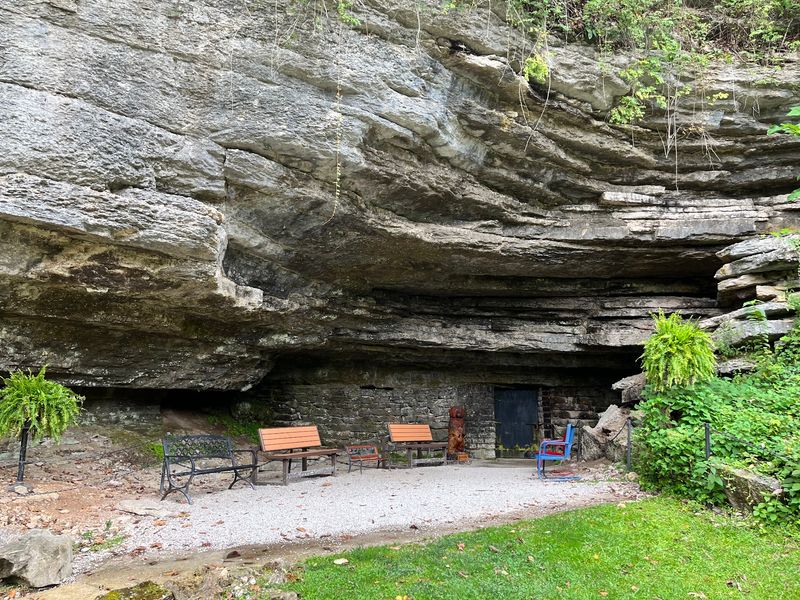
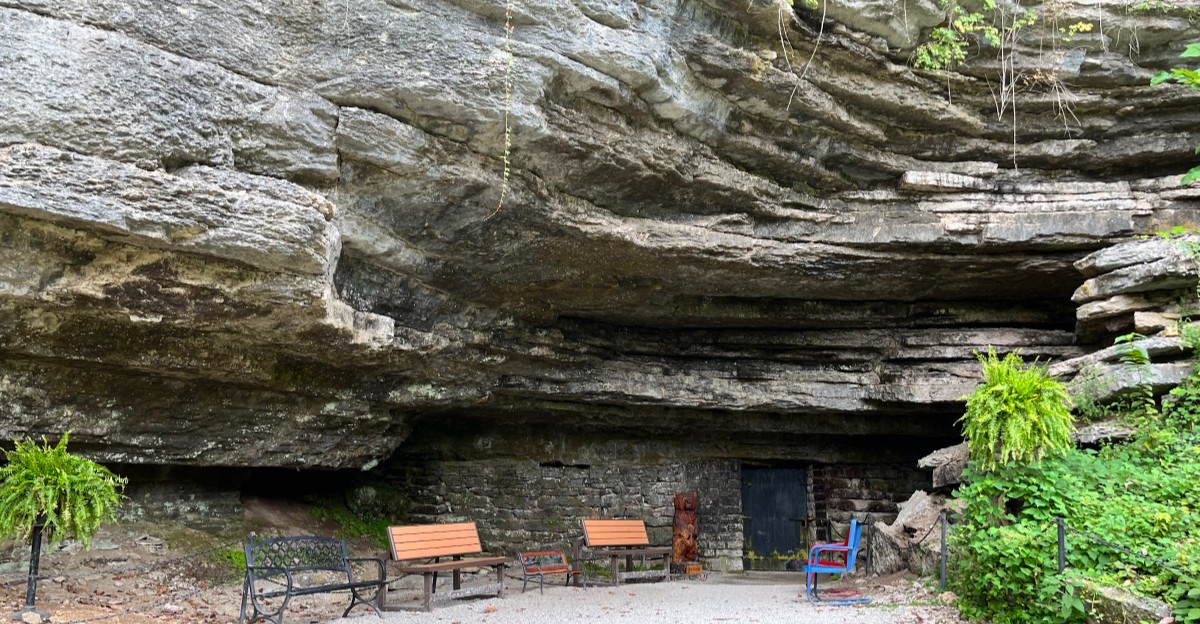
Small towns sometimes hide the biggest surprises. Bluff Dwellers Cave sits at 163 Cave Rd, Noel, MO 64854, in the far southwest corner of Missouri, close to the Arkansas and Oklahoma borders.
The area belongs to the Ozarks, a region famous for rolling hills, clear streams, and a ground full of limestone. That limestone matters a lot.
Water slowly wears it away, and over time that process can carve out tunnels and rooms underground.
Here, the result is one of the larger cave systems in the state. Families stop by on trips between Missouri and Arkansas, and many treat it as a last-minute detour that turns into the highlight of the drive.
Getting there is simple once you reach Noel. The attraction is set on a hillside, so plan on a short climb of stairs to reach the main building where tours begin.
Once inside, you will find tickets, a gift shop, and a museum all under one roof. The real adventure, though, waits below your feet.
How Drips Became a Dam
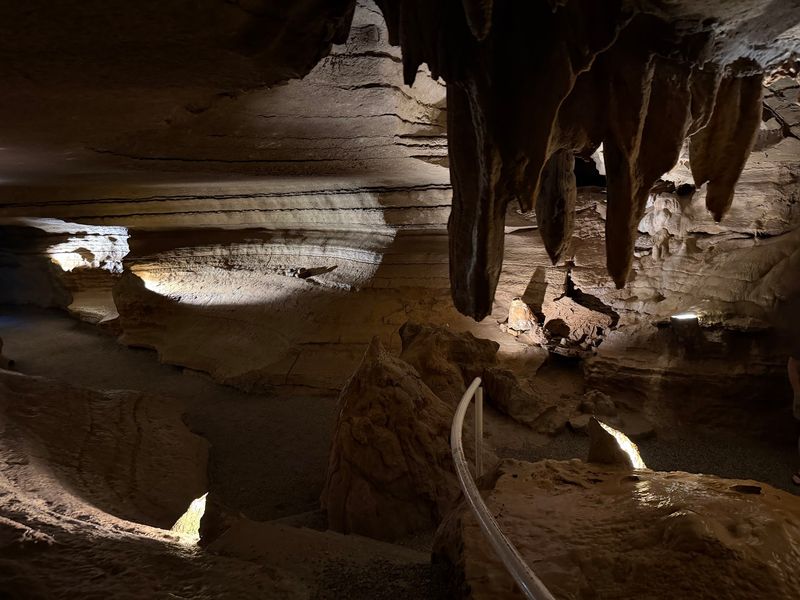
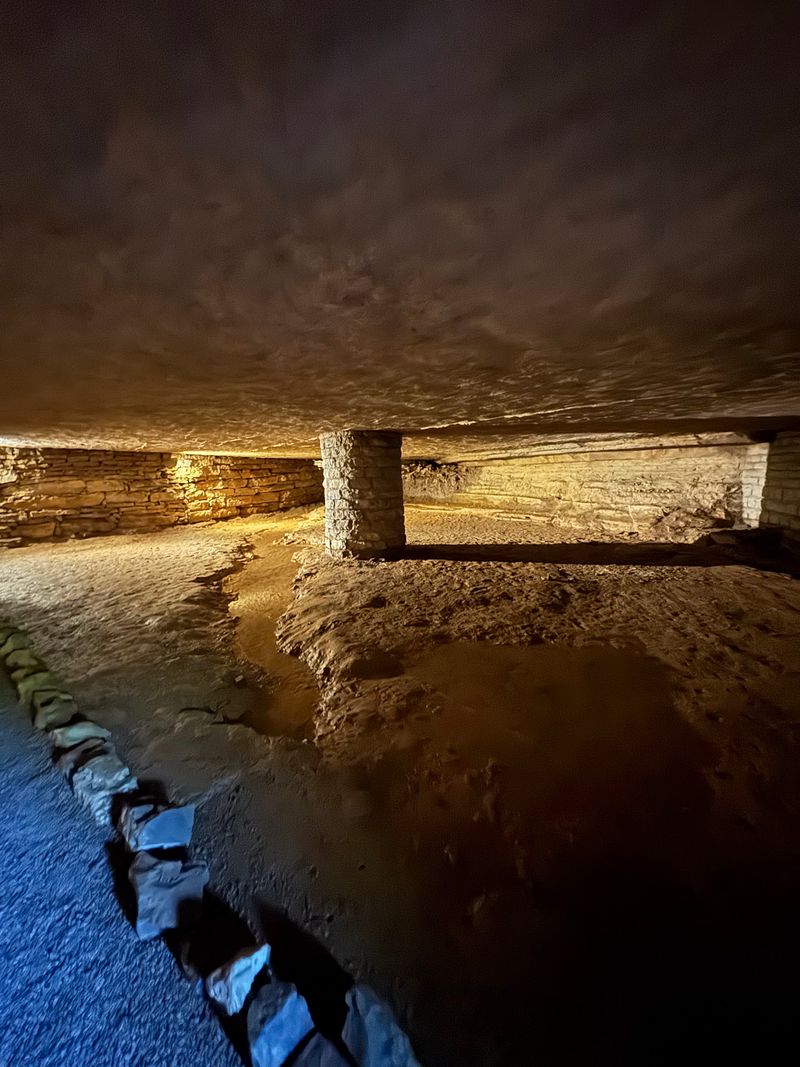
Patience is the secret ingredient behind the most famous feature underground. The cave holds a natural dam that stretches about 75 feet, and no person had a hand in making it.
So how does water build a wall? Rainwater picks up a mineral called calcite as it soaks through limestone.
When that water drips or flows into the cave, it leaves a tiny bit of calcite behind.
Each drop adds a layer thinner than a sheet of paper. Repeat that process for thousands upon thousands of years, and those thin layers stack into something solid and impressive.
Formations like this are often called rimstone or flowstone dams. They form along the edges of pools where mineral-rich water spills over and slowly hardens.
Seeing one this long is a real treat for anyone who loves science. Ask your guide to explain how it grew, because the answer turns a pretty rock wall into a lesson in how slowly and steadily nature works.
Guides Who Love Questions
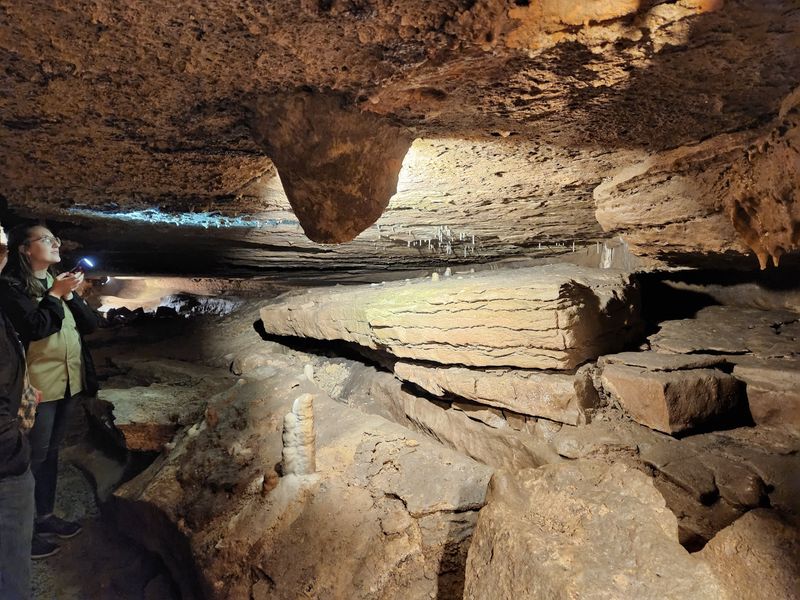
Kids ask a lot of questions in caves. Good news: the guides here seem to enjoy every single one of them, even the silly ones.
Tours are led by a team of staff members who share cave science, local history, and wildlife trivia along the way. They mix facts with humor, so the walk feels more like a fun conversation than a classroom lecture.
Groups tend to stay small. Sometimes it is just one family and a guide, which makes the experience feel personal and relaxed.
Guides also take their time. Nobody hurries you past a formation you want to study, and there is room to stop, look closely, and ask follow-up questions.
Families with toddlers, teens, and grandparents all find something to enjoy. Staff members are known for being patient with every age and every energy level.
A tip for your trip: let your kids come prepared with a list of questions. The guides will likely have answers, plus a few bonus facts nobody thought to ask about.
Tiny Residents in the Dark
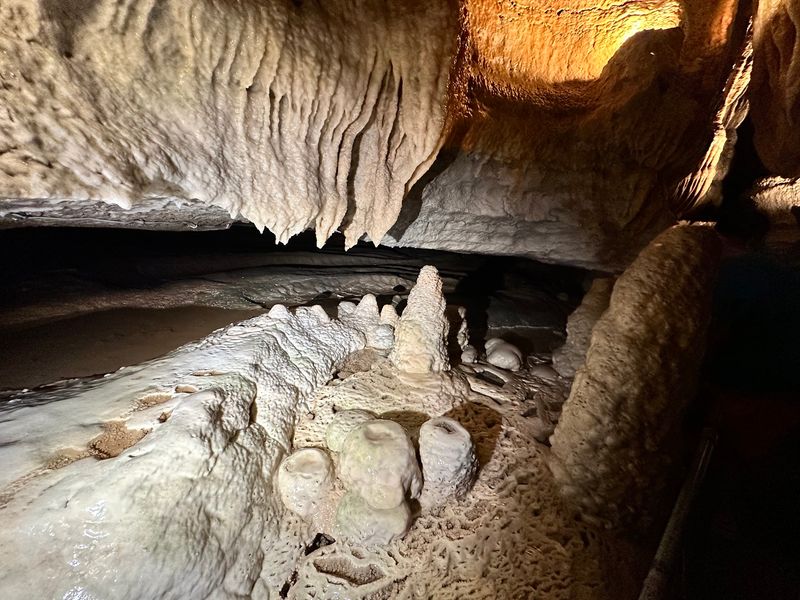
Salamanders steal the show for many young explorers. These small, slender amphibians live in the cave and often pop up along the walls or near damp spots during tours.
Spotting one feels like winning a small prize. Kids tend to count them as they go, and some groups see several on a single walk.
Bats may make an appearance too. A couple of them might be hanging quietly from the ceiling, and small frogs sometimes show up as well.
Remember that these creatures call the cave home. Keep your hands to yourself, speak softly near them, and follow your guide’s directions so the animals stay safe and undisturbed.
The cave staff puts real effort into conservation. That care helps protect the animals and the formations for future generations of curious guests.
Here is a fun idea for families: turn the tour into a quiet scavenger hunt. Award a point for every salamander, bat, or frog someone spots, and see who wins by the end.
Winding Paths and Wild Shapes
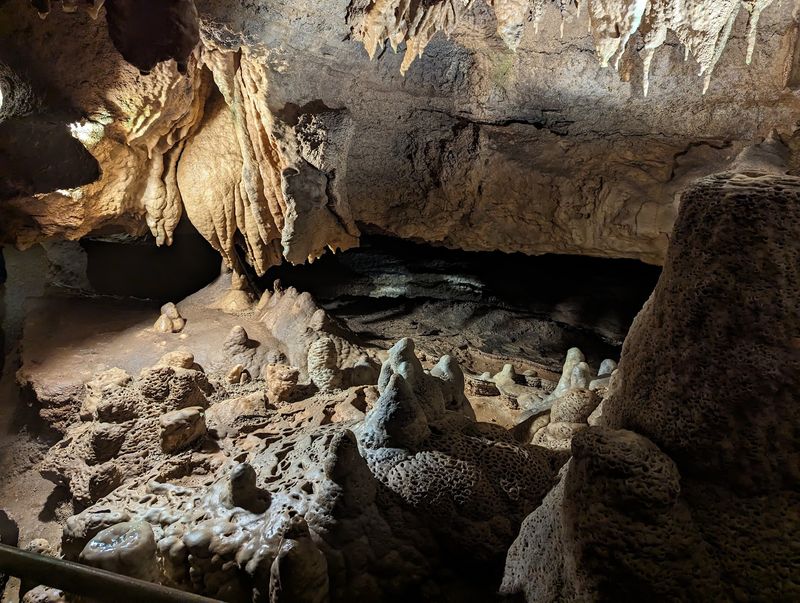
Straight lines are rare underground. Much of the tour follows winding paths that twist and turn through passages, which makes this walk feel different from many other cave visits.
Along the way, you will see a wide variety of formations. Stalactites hang from the ceiling, stalagmites rise from the floor, and some meet in the middle to form columns.
Each shape tells a story about how water moved through that spot. Your guide can point out which ones are still growing and which have stopped.
The size of the cave surprises plenty of people. Many expect a short little tunnel and end up amazed by how big and roomy some of the spaces turn out to be.
Take your time on the turns. Every bend can reveal a new formation, and moving slowly helps you notice the small details.
One friendly reminder: touching formations can harm them, since oils from skin can stop their growth. Look all you like, but keep your fingers in your pockets.
A Family Story Spanning Decades
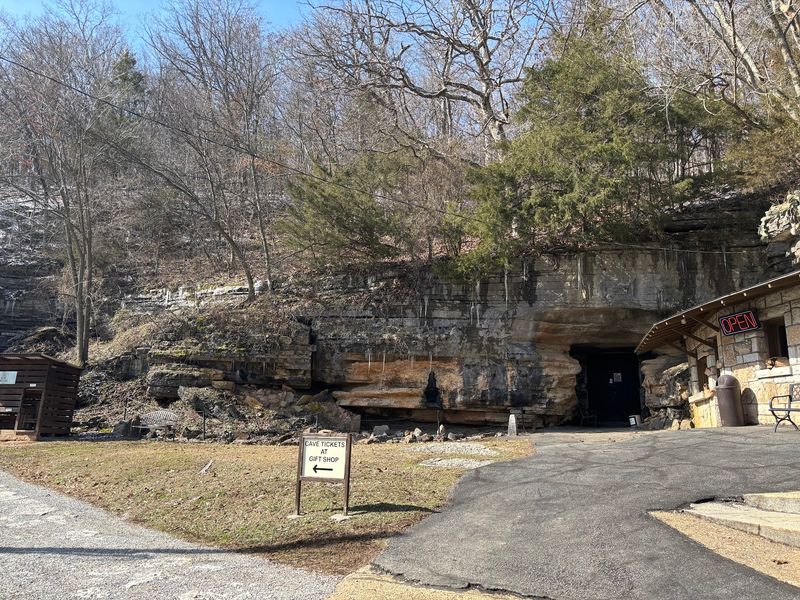
Some places get passed down like a favorite recipe. Bluff Dwellers Cave is still owned and operated by a family, which is pretty unusual for an attraction that has been open for so long.
That long history shows in the guests too. Some people first came as kids in the 1970s with a grandparent, and now they bring their own grandchildren along.
The name itself points back to an even older story. Long before tours existed, people in the Ozarks used rock shelters and bluffs in the area, and arrowheads and other artifacts connect the site to that past.
Tours include bits of this cave history. Guides talk about how the cave was found, how it was opened to the public, and how it has been cared for over the years.
History lovers should ask plenty of questions. The staff can share details that make the cave feel like more than a pretty hole in the ground.
It is a place where family tradition and natural history walk side by side.
Rocks, Gems, and Arrowheads
After the tour, the fun keeps going upstairs. Tucked inside the souvenir shop is a museum that catches many guests off guard in the best way.
Display cases hold minerals, gems, and rocks in all kinds of colors and shapes. Some pieces sparkle under the lights, while others show off strange crystal patterns that look almost made by hand.
Arrowheads are another big draw. These small stone points connect the area to the people who lived in the Ozarks long ago.
The museum is free to wander as part of your stop, and it is a great place for budding geologists. Kids can compare what they saw underground with the samples on display.
Science fans will appreciate how much there is to learn here. It is much more than a few dusty shelves.
Plan an extra 20 to 30 minutes for this room. Rushing through it would mean missing some of the most interesting rocks in southwest Missouri.
A Shop Worth Lingering In
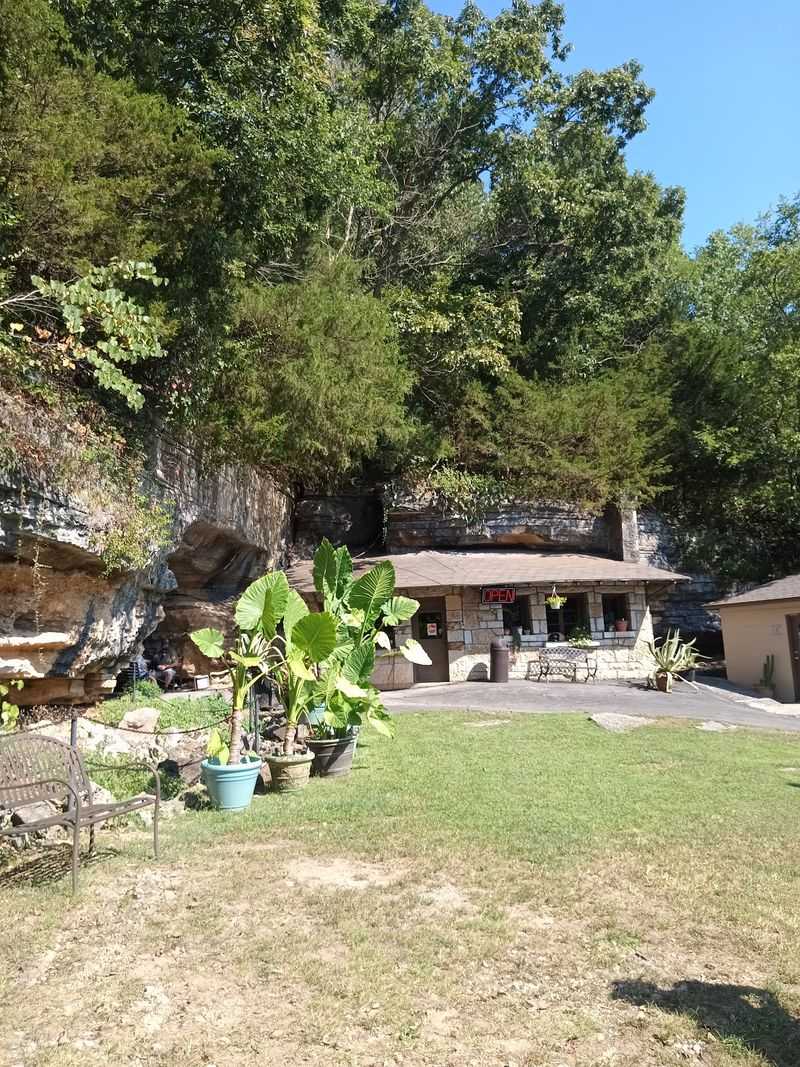
Gift shops do not usually get much praise. This one is a happy exception, with many calling it one of the best in the area.
Shelves are stocked with crystals, geodes, polished stones, and cave-themed souvenirs. Prices are fair, which makes it easier to let the kids pick out a treasure or two.
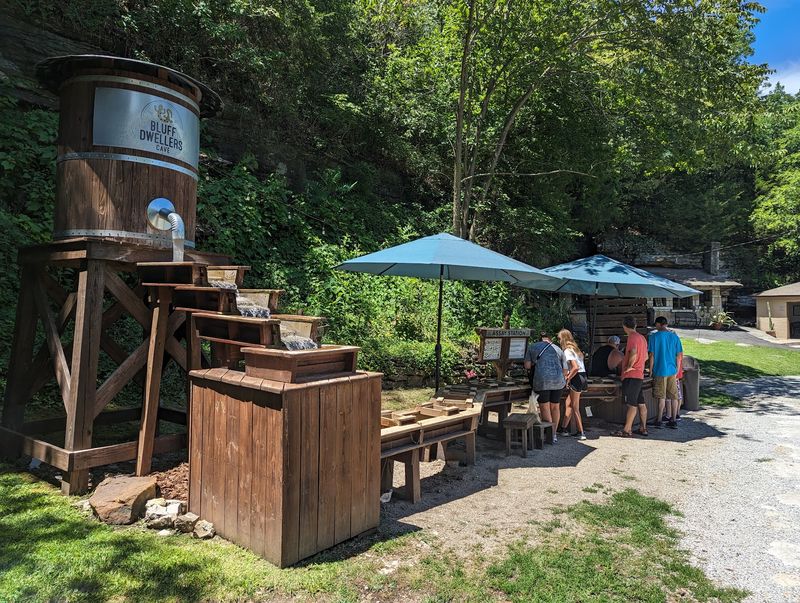
Fossil mining bags are a hit with young ones. Kids can sift through sand and dirt to uncover small stones and fossils, which stretches the adventure long after the tour ends.
The staff does not rush anyone out. Families can browse at their own pace and ask questions about the items on display.
Shopping here also supports a family-run business. Every purchase helps keep the cave open and cared for.
Bring a little extra spending money if you are traveling with rock collectors. Telling a curious kid no in a room full of shiny crystals might be the hardest challenge of the whole trip.
Smart Tips Before You Go
A little planning goes a long way. Tours run from 10 AM to 4 PM Thursday through Monday, and the cave is closed on Tuesdays and Wednesdays.
Expect the tour to last about an hour, sometimes a bit longer. There is a lot to see, and guides like to give groups time to explore.
Inside, the paths are mostly flat and easy to walk. Even toddlers handle it well, and many find the toughest part is the stairs leading into the building before the tour starts.
Note that the cave is not wheelchair accessible. Tall guests over six feet may need to duck in a few tight spots, so watch your head.
Caves stay cool all year, so bring a light jacket even on a warm summer day. Comfortable shoes with good grip are a smart choice too.
Check the official website before you leave home. Hours and details can change, and a quick look can save you a wasted drive.
Picnics, Stays, and One Last Look
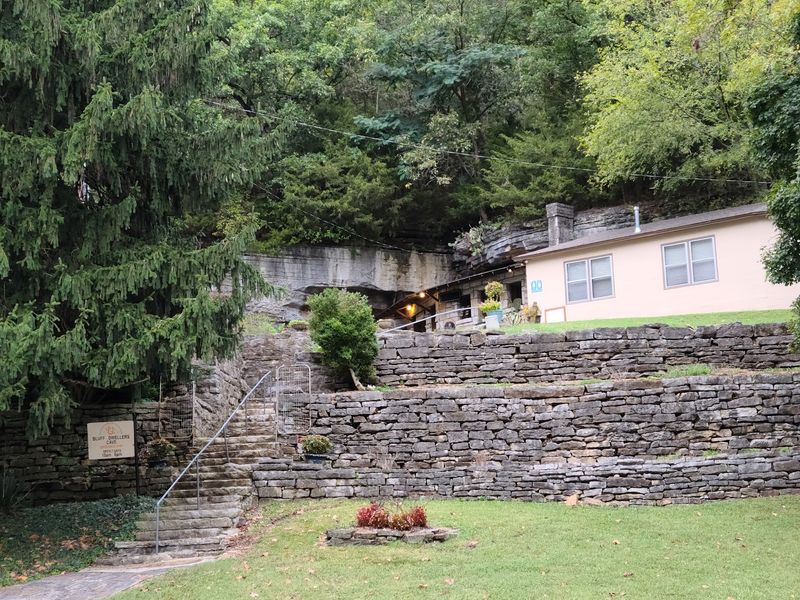
Nobody says the day has to end when the tour does. Picnic tables sit at the bottom of the hill, giving families a handy spot to relax and recharge after exploring.
Restrooms on site are kept clean, which parents with little ones will surely appreciate. Small comforts like that make a long road trip much easier.
Want to stay longer? A house on the property is available to rent, either as a single room or the whole home, so you can turn a quick stop into a mini getaway.
The location also works well as part of a bigger Ozarks trip. Joplin is a short drive away, and the Arkansas line is close by.
Many guests leave already planning a return visit. Some come back to show friends or relatives what they found.
In the end, a slow stack of stone layers built a 75-foot dam under this hill. A visit here proves that great things really do take time, and they are worth the wait.