Some Louisville drivers pass the same building for years before finally pulling in, and plenty of them wish they had done it sooner. Inside, dinner does not come with a fork as the main tool.
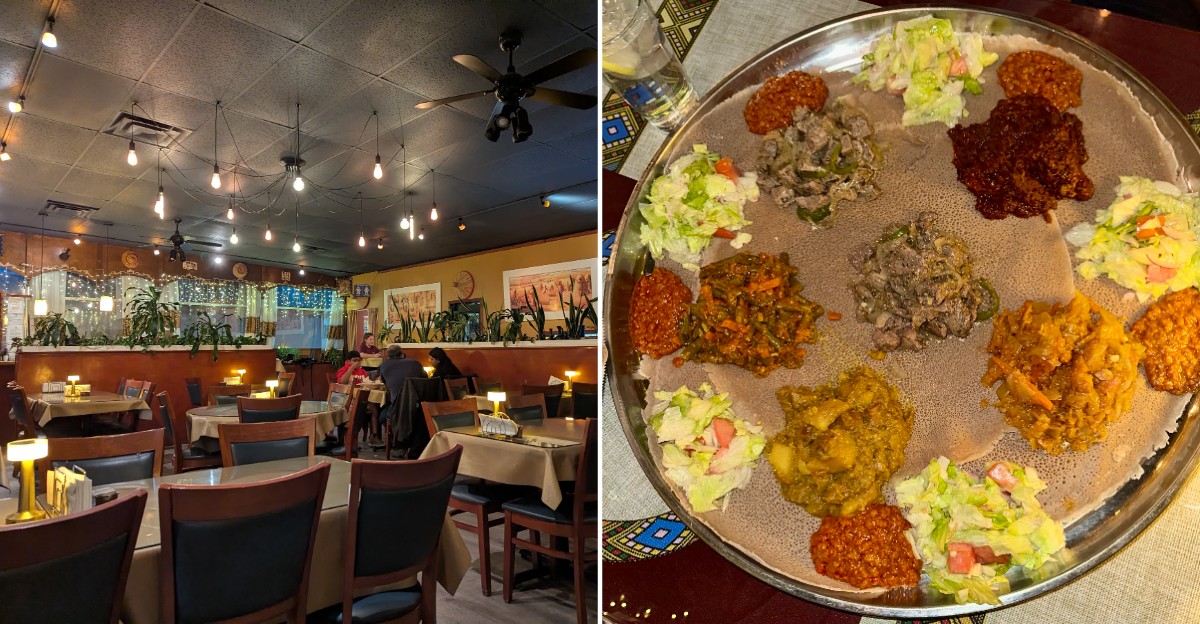
It comes on a big round of injera, a soft flatbread that works as plate, spoon, and side dish all at once. Groups lean in, tear off pieces, and share stews like doro wat from the same platter, the way families do in Ethiopia.
Servers here are known for patiently walking first-timers through every step, so nobody feels lost. Vegetarians find plenty of choices, meat lovers get generous portions, and the prices stay friendly.
Keep reading to learn where this spot sits, how to order like a regular, when to go, and why so many guests leave already planning their next visit.
A Quiet Corner Across From Bowman Field
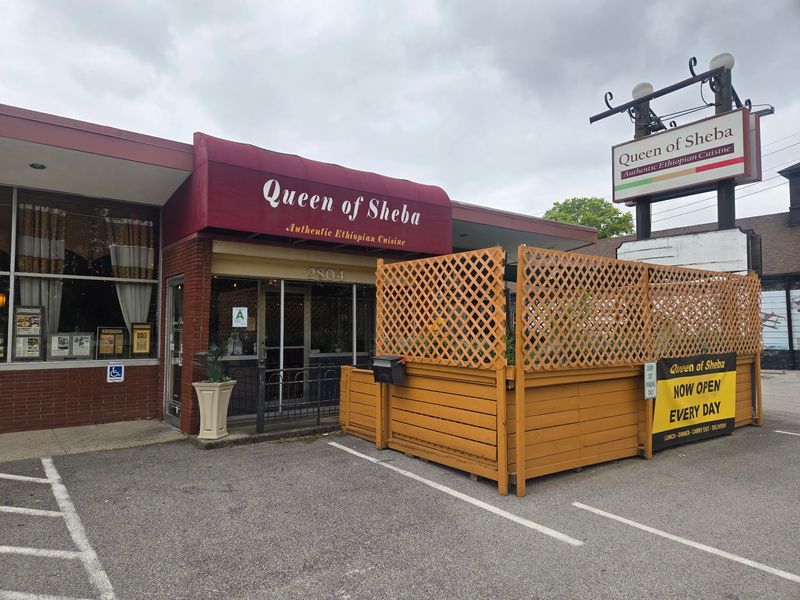
Some of the best meals hide in plain sight. Queen of Sheba Restaurant sits at 2804 Taylorsville Rd, Louisville, KY 40205, in the United States.
The building faces Bowman Field, the historic airport on the city’s east side. It also sits right next to a local radio station, which makes it easy to spot once you know the area.
Plenty of locals admit they drove past for decades before finally stopping in. That kind of delay usually ends with one thought, and it is often a wish that they had come sooner.
The setting is simple and unfussy. There are no fancy frills out front, just a casual restaurant that lets the cooking do the talking.
Parking and access are straightforward, which matters when you arrive hungry. The neighborhood feels relaxed, so the stop works for a weeknight dinner or a weekend outing with friends.
Write the address down before you go. Once you have eaten here, the drive along Taylorsville Road will never feel quite the same again.
Injera Does Triple Duty
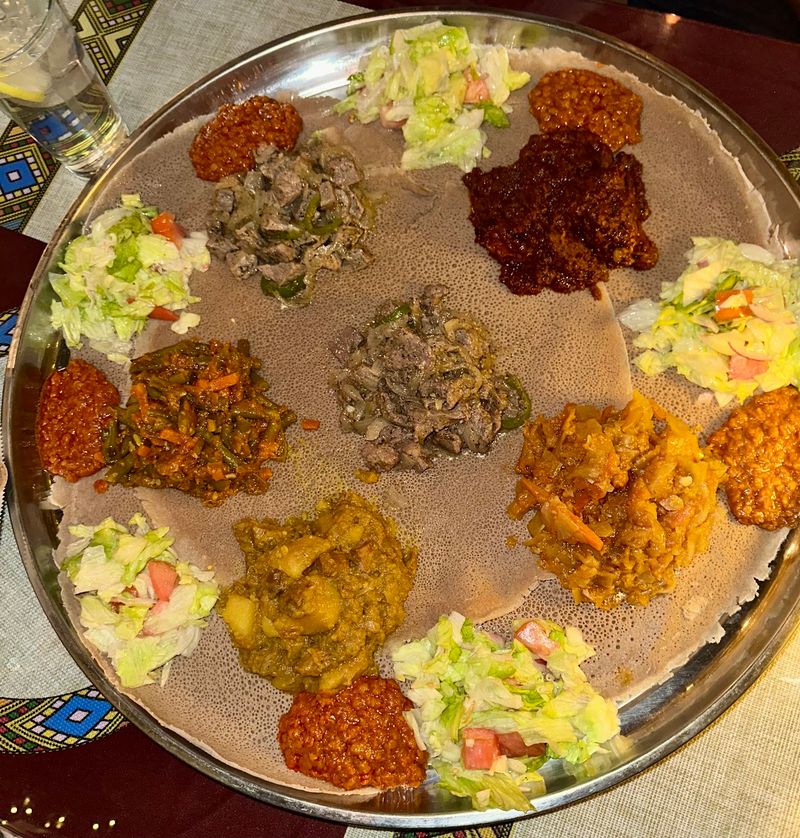
Forget the silverware drawer for a while. At this Ethiopian kitchen, injera is the star tool on the table.
Injera is a thin, spongy flatbread made from teff, a tiny grain grown in Ethiopia for thousands of years. It covers the platter, holds the stews, and gets torn into pieces you use to scoop up each bite.
That means the plate is part of the meal. By the end, the bottom layer has soaked up everything above it, and many diners save that part for last.
Extra rolls of injera usually come on the side. Use them freely, because running out of bread halfway through is the only real mistake you can make here.
A simple tip helps beginners. Tear a small piece with your right hand, pinch some stew, and fold it up like a tiny pocket.
Fun fact: teff is so small that a handful contains thousands of grains. It might be tiny, but on this table it carries the whole show.
The Doro Wat Tradition
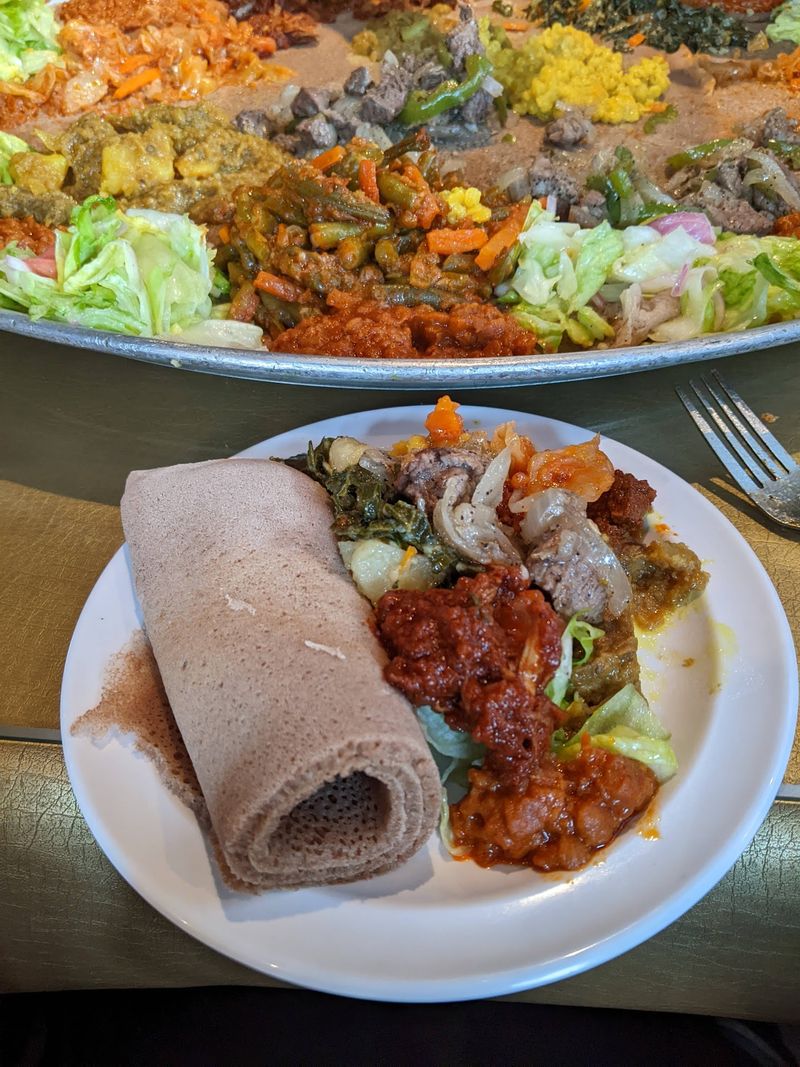
Ask almost anyone from Addis Ababa about a celebration meal, and doro wat will come up fast. It is a slow-cooked chicken stew often called Ethiopia’s national dish.
The stew is built on berbere, a spice blend that brings real warmth, and niter kibbeh, a seasoned clarified butter. Traditionally it includes a hard-boiled egg, and it is often served at holidays and family gatherings.
Cooks in Ethiopia may spend hours on the onions alone. That patience is the secret behind its deep, rich character.
Here in Louisville, Ethiopian classics like this land on the shared platter alongside other stews. Pairing a chicken dish with a few vegetable sides gives you a full picture of the cuisine in one sitting.
Spice levels can vary from visit to visit. Some guests find dishes milder than expected, so speak up if you want more heat.
Ordering a chicken stew here is more than dinner. It is a small taste of how Ethiopian families mark special days together.
Servers Who Teach the Table
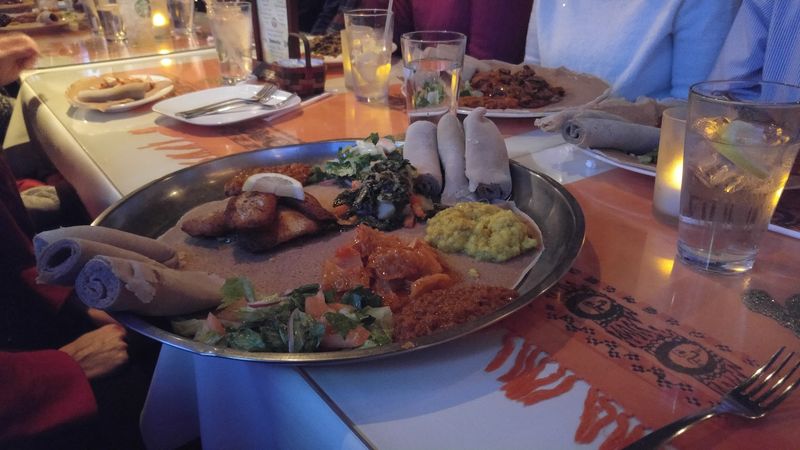
First Ethiopian meal? Relax, because you are in good company.
A big part of this restaurant’s charm is the staff. Servers regularly take time to explain the menu, the ordering styles, and the hand-eating method to newcomers.
Groups who have never tried the cuisine often leave with ten new favorite dishes. That happens because someone patiently guided them through the choices instead of rushing them.
The kitchen gets involved too. On many nights, the cook steps out to check on tables and chat about the spices and dishes being served.
That personal touch is what gives the room its family-table feeling. It feels less like a transaction and more like being welcomed into someone’s home.
Quick advice for beginners: tell your server what you usually like to eat. They can steer you toward combinations that match your taste and spice comfort.
Not every night is perfect, as with any busy restaurant. Still, most guests walk out feeling like they learned something, and that is a rare bonus with dinner.
A Haven for Plant-Based Eaters
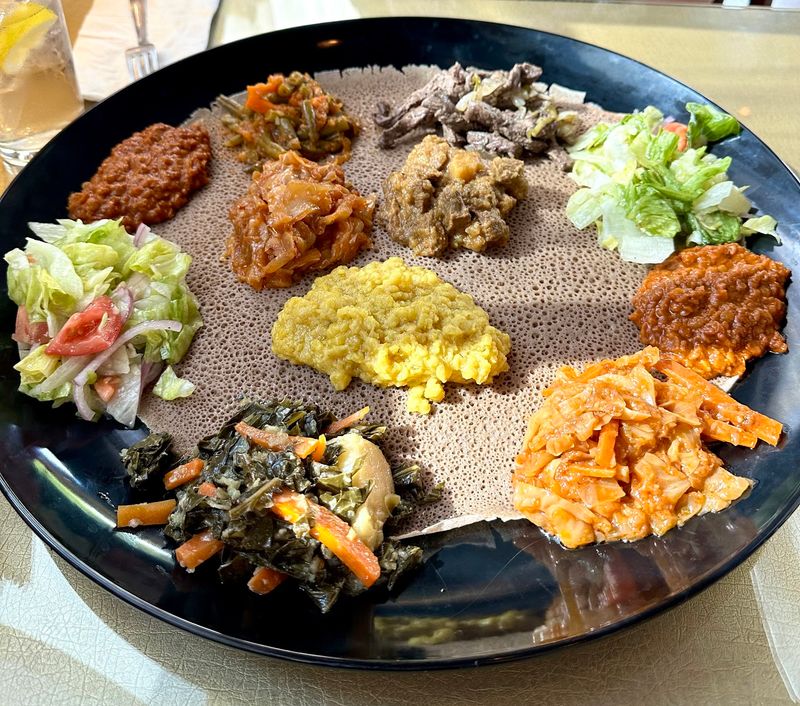
Vegetarians, this one is for you. Ethiopian cooking has a long tradition of meatless dishes, partly because many Ethiopian Orthodox Christians follow fasting days without animal products.
That history shows up on the menu here. The vegetarian platter is a favorite, and vegans can find plenty to enjoy as well.
Expect choices like red lentil stew, split pea stew, collard greens, and green beans with carrots. The vegetables are cooked with care so they keep some bite instead of turning mushy.
Even dedicated meat eaters often order the veggie platter. It is a smart way to sample many flavors at once without committing to just one main.
One helpful tip: when ordering delivery, double-check your specific stews. Lentil and split pea dishes can occasionally get mixed up, so dining in gives you the best shot at exactly what you want.
Plant-based meals here never feel like an afterthought. They are a proud part of a cuisine that has celebrated vegetables for centuries.
Tips, Combos, and Big Portions
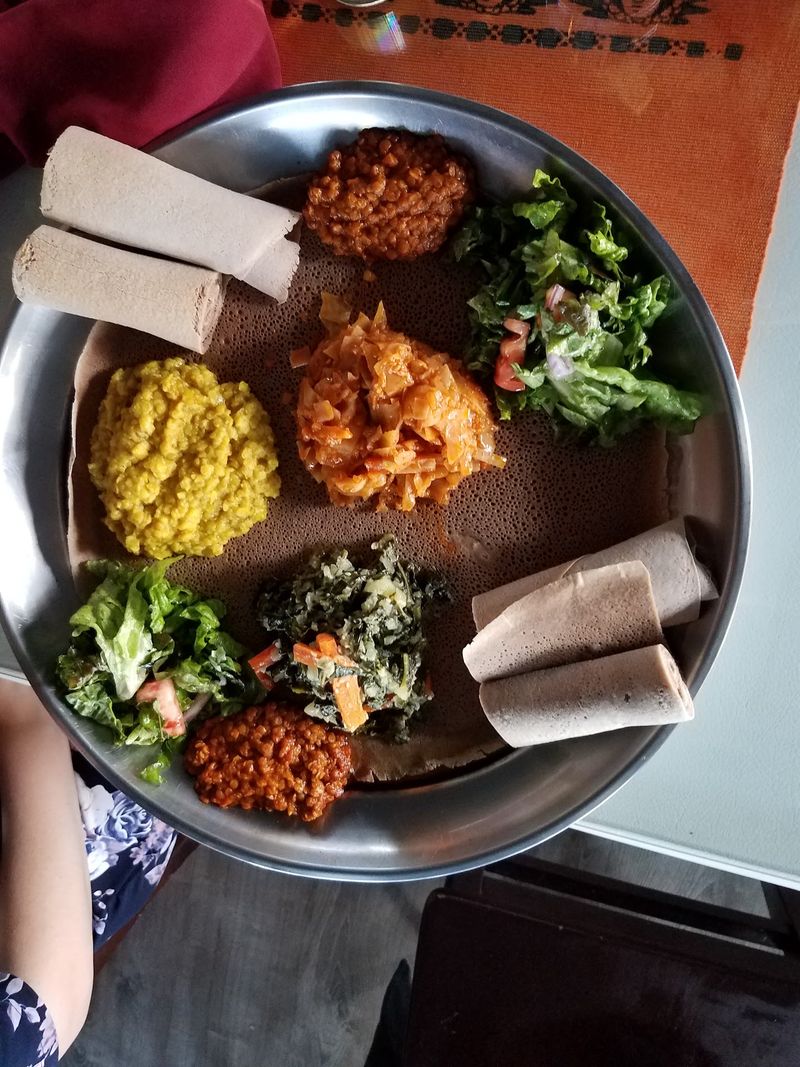
Hungry guests, take note. Portions at this spot are generous, and leftovers are common.
The meat side of the menu leans on tips, which are pieces of beef, lamb, chicken, or fish cooked with Ethiopian seasonings. Options like Sheba tips, awaze tips, and lega tips each bring a different style.
The meat combination is a popular choice for indecisive eaters. Another favorite mixes tips with a vegetarian selection, so you get a bit of everything.
Fish fans should not skip the fish tips. Some diners call them among the best fish they have ever had.
Gored gored, a traditional Ethiopian beef dish, also gets plenty of attention from regulars. It is a good pick if you want something classic.
Many dishes can be ordered traditional style, served on injera. Ask about the difference when you order.
Bring a friend and share two platters. Splitting is the whole point of an Ethiopian meal, and your wallet will appreciate it too.
Eating With Your Hands, the Right Way
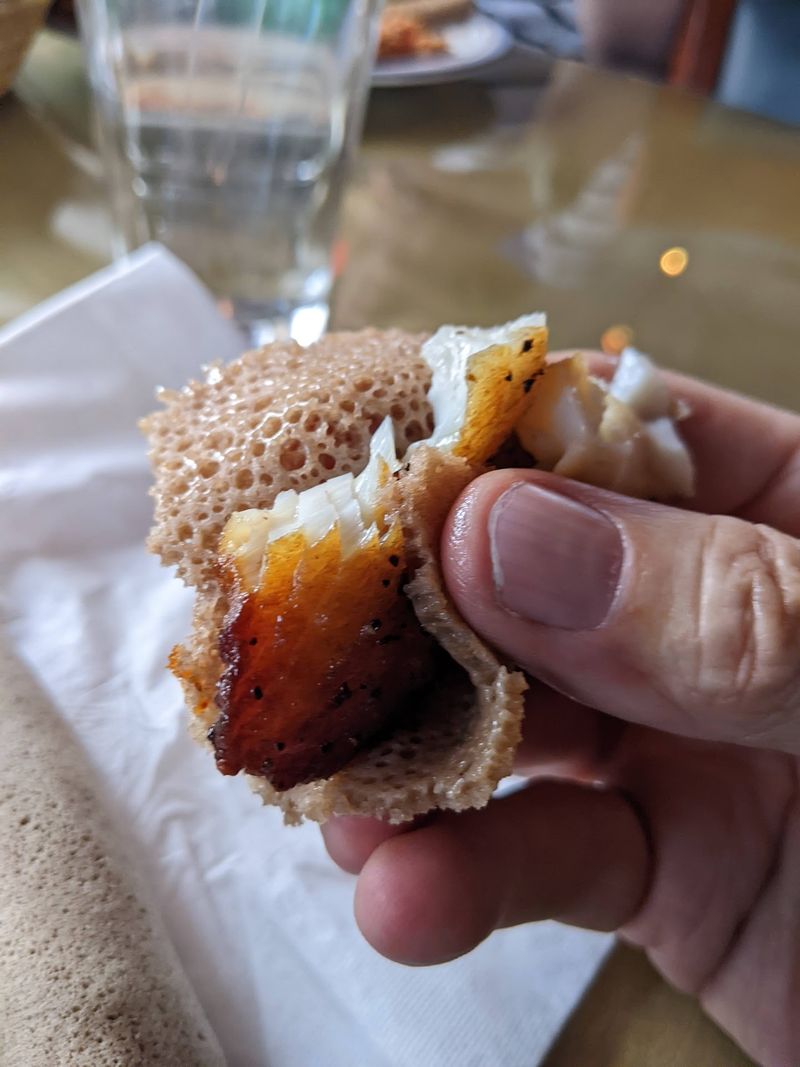
Yes, you really do eat with your hands here. It is not messy rule-breaking, it is tradition.
In Ethiopia, sharing food from one platter is a sign of closeness. There is even a custom called gursha, where one person places a bite directly into a friend’s or family member’s mouth as a gesture of love.
You do not have to go that far on a first visit. Still, knowing the custom helps you see why meals here feel so connected.
A few basics make it easy. Wash up first, use your right hand, and eat from the section of the platter closest to you.
Silverware is usually available if you need it. Just ask your server, and nobody will judge.
Kids often love this style of eating. Letting them scoop and fold can turn a regular dinner into a fun lesson about another culture.
Once you get the hang of it, forks might start to feel a little boring.
Room to Gather Inside and Out
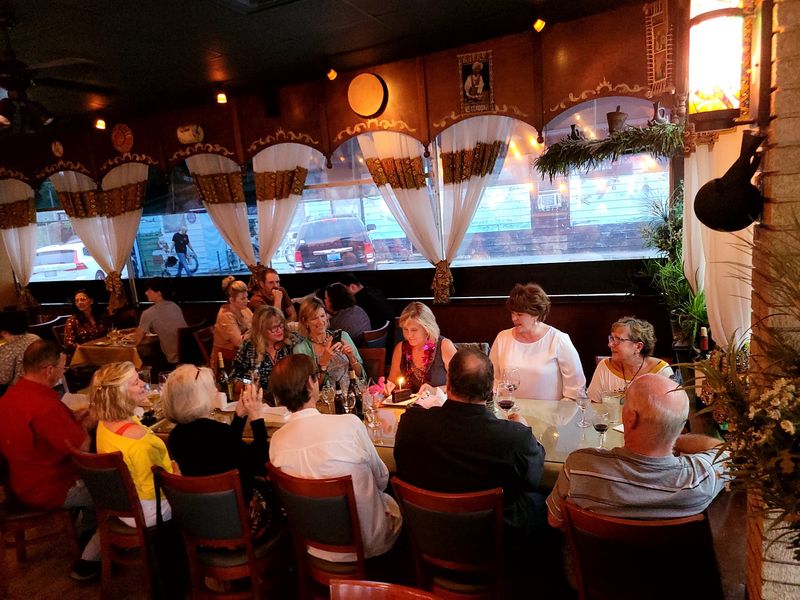
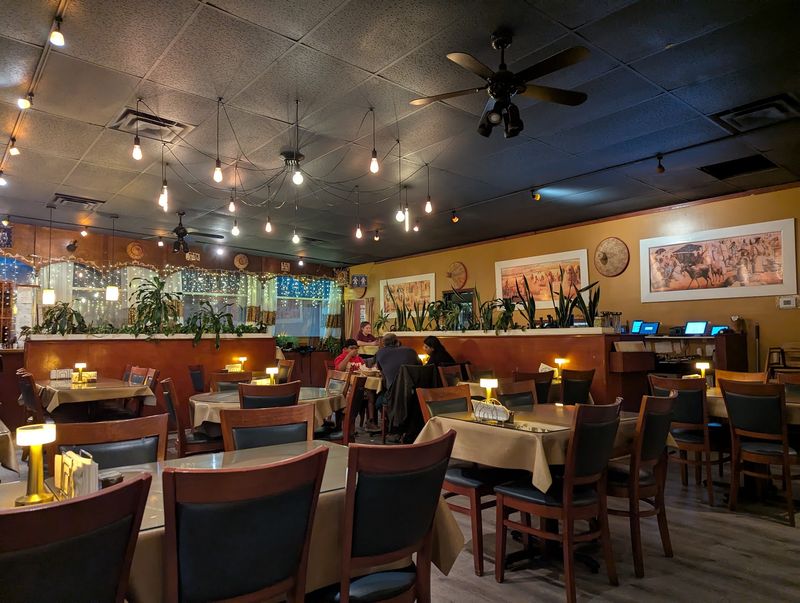
Bigger groups can breathe easy. The dining room is spacious, clean, and thoughtfully designed.
It is also not overly loud, which matters at a meal built around sharing and conversation. You can actually hear the person across the platter.
Seating is available both indoors and outdoors. When the weather cooperates, an outdoor table makes for a relaxed evening.
The overall vibe is casual and unpretentious. Nobody needs to dress up, and families, couples, and coworkers all fit right in.
That comfortable space supports the restaurant’s best quality. It feels like a place to linger, swap bites, and talk instead of eating fast and leaving.
Planning a birthday or group outing? Calling ahead is a smart move for larger parties, especially on weekend nights when the room fills up.
Busy evenings can mean a short wait. Most people agree the meal is worth it, so bring patience and a good appetite.
Coffee, Baklava, and a Sweet Finish
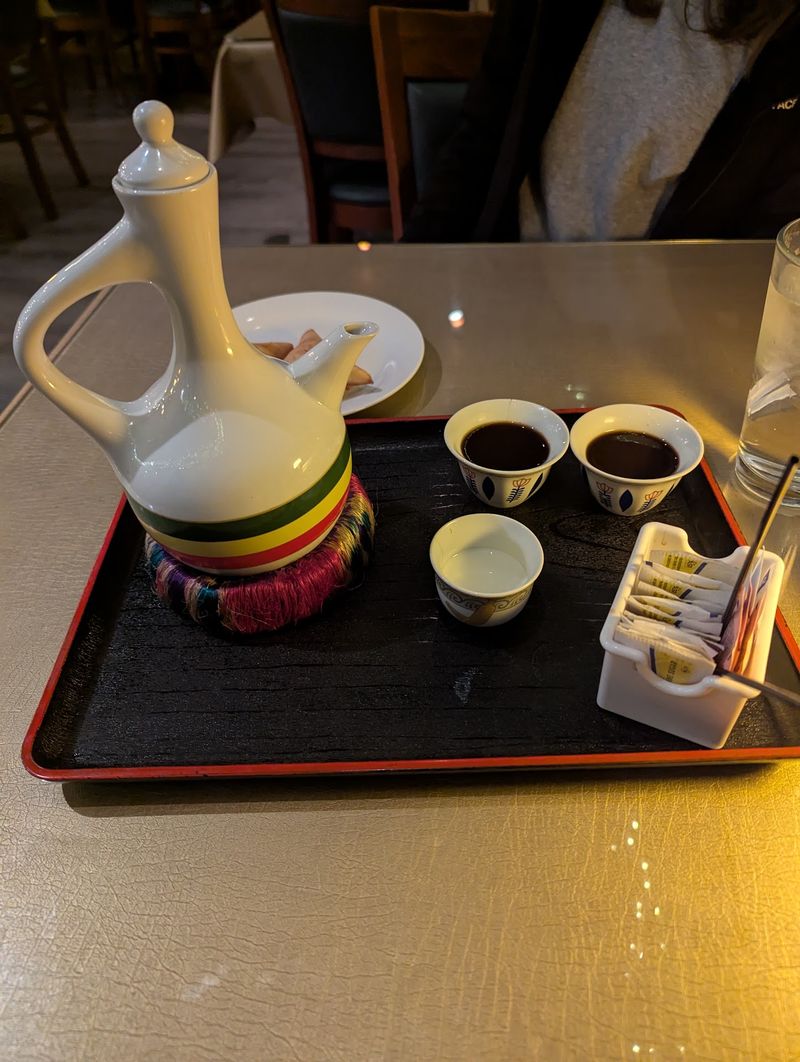
Here is a fun fact to share at the table. Many historians believe coffee first came from Ethiopia, where legend says a goat herder named Kaldi noticed his goats getting lively after nibbling coffee berries.
So ordering Ethiopian coffee after dinner feels fitting. In Ethiopian homes, coffee is often part of a ceremony that welcomes guests and brings people together.
This restaurant offers Ethiopian coffee, and it makes a nice way to close the meal. Take your time with it rather than rushing out.
Desserts also earn attention. Baklava and lemon cake are popular picks for anyone who saved a little room.
The appetizer sampler is another crowd-pleaser at the start of the meal. Starting light and finishing sweet gives you a full tour of the menu.
Tip for groups: order one dessert per two people. Portions are already filling, and sharing keeps the family-table spirit going right to the last bite.
Timing Your Visit Just Right
Good planning makes a great meal even better. The restaurant keeps split hours most days, so timing matters.
Lunch runs from 11:30 AM to 2 PM Sunday through Friday. Dinner runs from 5 PM to 10 PM on most nights, and Sunday dinner wraps up at 9 PM.
Saturday is dinner only, from 5 PM to 10 PM. Showing up at 3 PM on a weekday means waiting outside, so check the clock first.
Lunch is a smart choice for a quieter, quicker meal. Dinner brings more energy and is perfect for groups who want to linger.
Prices are friendly for the portion sizes. That makes it easy to try something new without worrying about the bill.
Delivery is available too, though dining in gives you the full experience. The shared platter just hits differently at the table.
In the end, this little spot across from Bowman Field brings a slice of Addis Ababa to Louisville, one shared platter at a time. Pull up a chair and stay awhile.