Somewhere along Highway 101 near Florence, an elevator drops about 200 feet straight down through solid rock. At the bottom waits a sea cave so large it is often called the biggest in America, and the residents are loud, whiskered, and completely wild.
Families stand on a viewing ledge and look down into the cave while sea lions haul out on the rocks below. Outside, ocean decks show off one of the most photographed lighthouses on the Oregon Coast.
This stop has drawn road trippers for decades, and it still surprises people who expect a simple roadside attraction.
Keep reading to learn how the cave was found, when the sea lions are most likely to be home, where to park without stress, and the smart timing tricks that make the whole visit smoother for kids and grown-ups alike.
A Cliffside Address Worth the Detour
Plenty of coastal stops promise a view, but very few send families into the ground to get one. Sea Lion Caves sits at 91560 US-101, Florence, OR 97439, United States, perched high on a rugged stretch of the central Oregon Coast.
The attraction is a privately owned wildlife preserve and bird sanctuary. That detail matters, because the animals here are not kept, fed, or trained.
They come and go as they please.
The building itself looks modest from the highway. A gift shop greets everyone at the top, and tickets are sold inside.
From there, a series of stairs and paths leads down the cliff toward the elevator and the outdoor decks.
The drive north from the town of Florence is short and scenic, making this an easy add-on to a coastal road trip. Hours typically run from 9 AM to 4 PM every day of the week.
Checking the official website before heading out is a smart move, since schedules can change with the seasons and the weather.
How a Sailor Stumbled Into History
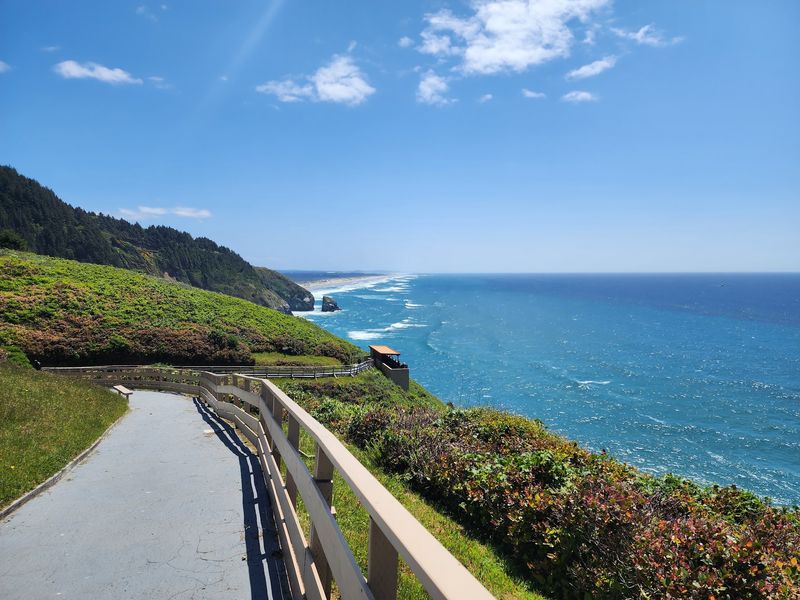
Back in 1880, a local sea captain named William Cox reportedly sailed his small boat into the cave during calm weather. He found a huge natural chamber that few people had ever seen.
For years after that, the cave stayed hard to reach. Getting there meant a tough trip by water or a risky climb down the cliffs, so most people simply never went.
Things changed when the property was developed as an attraction and opened to the public in 1932. Early guests followed a long trail and stairway carved along the cliff face.
The elevator came later, in the early 1960s, and it made the cave far easier for families to explore.
Inside, signs share bits of this story along with facts about the animals. The history adds real depth to the visit, turning a quick scenic stop into something kids can actually learn from.
Not bad for a discovery that started with one curious sailor and a calm afternoon.
Twenty Stories Down in One Smooth Ride
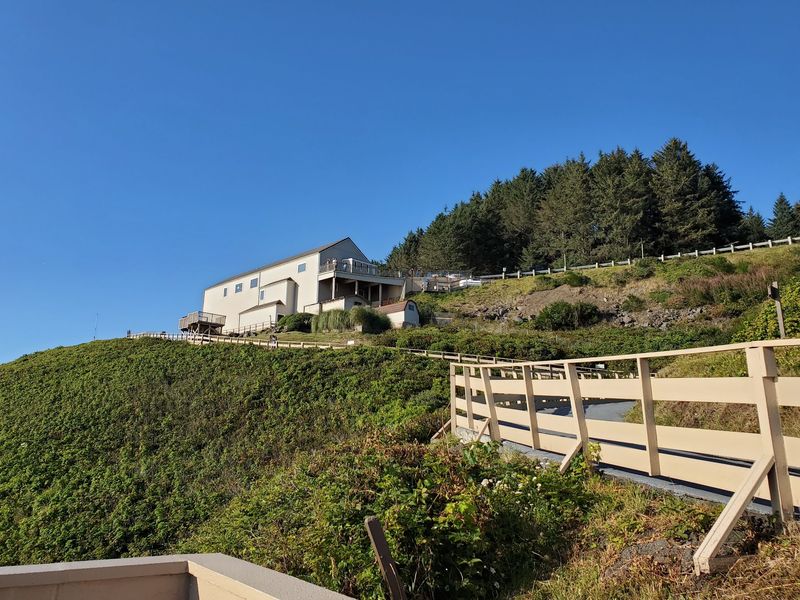
Here is a fun fact for the kids: the elevator travels more than 200 feet down, roughly the height of a 20-story building. And it all happens inside solid rock.
The ride is quick and smooth. Many people say they can barely tell they are moving, so even nervous riders tend to handle it well.
Before the elevator, though, comes the part that surprises some families. A fairly steep paved path leads down from the lower level to the elevator entrance, and that same path has to be climbed on the way back.
Most people manage it just fine by going slowly. Older guests can often be seen taking their time and making it without trouble.
Anyone with serious mobility concerns or wheelchair needs should call ahead and ask about current access. Stairs inside the cave and on the decks add to the workout.
Comfortable shoes are the best ticket upgrade nobody sells.
The Grand Chamber Below the Highway
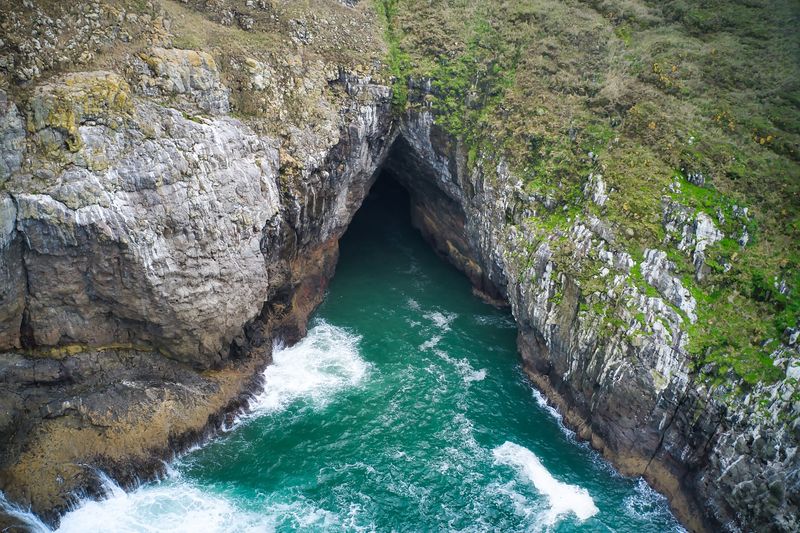
Step out of the elevator and the main event comes into view. The cave is often described as America’s largest sea cave, with a chamber said to be about as tall as a 12-story building.
A viewing area looks down into this huge space. Ocean water rushes in and out, and on a good day, sea lions crowd the rocks below.
The cave is a bit dark, which gives the visit an adventurous feel. Kids tend to love the idea of standing inside a cliff while waves move around beneath them.
Wooden decking makes walking easy, though there are steps to keep in mind. Informational signs line the area, explaining how the cave formed and how the animals use it.
The space can have a strong natural odor, since this is a real wildlife home. Cooler mornings usually keep it milder.
Even when the rocks sit empty, the sheer size of the chamber makes the trip down feel worthwhile.
Timing the Sea Lion Calendar
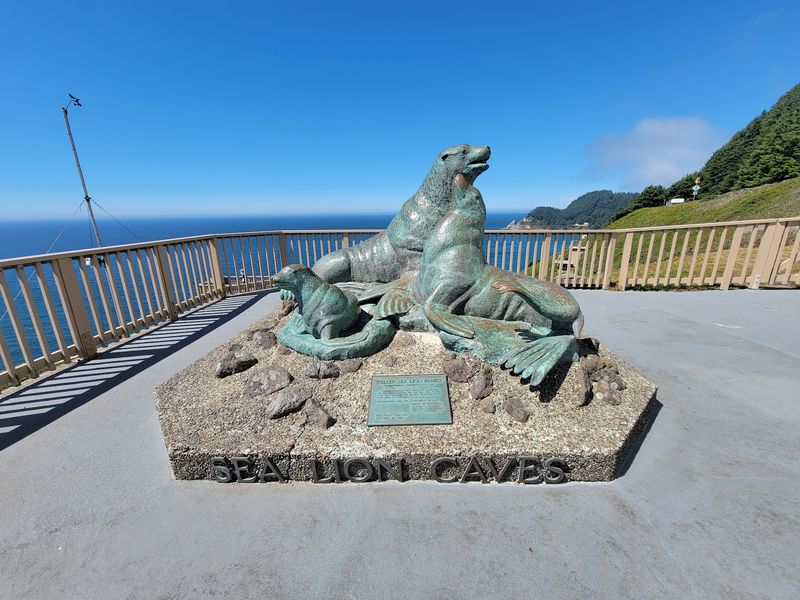
Ask the staff the right question and the whole trip gets easier. The sea lions follow a seasonal pattern, and knowing it helps set expectations.
In fall and winter, they often gather inside the cave for shelter from rough weather. Many people are told the animals tend to return around December.
From roughly January through early summer, the odds of seeing a good crowd are generally solid. Spring months like March come up often as a strong time.
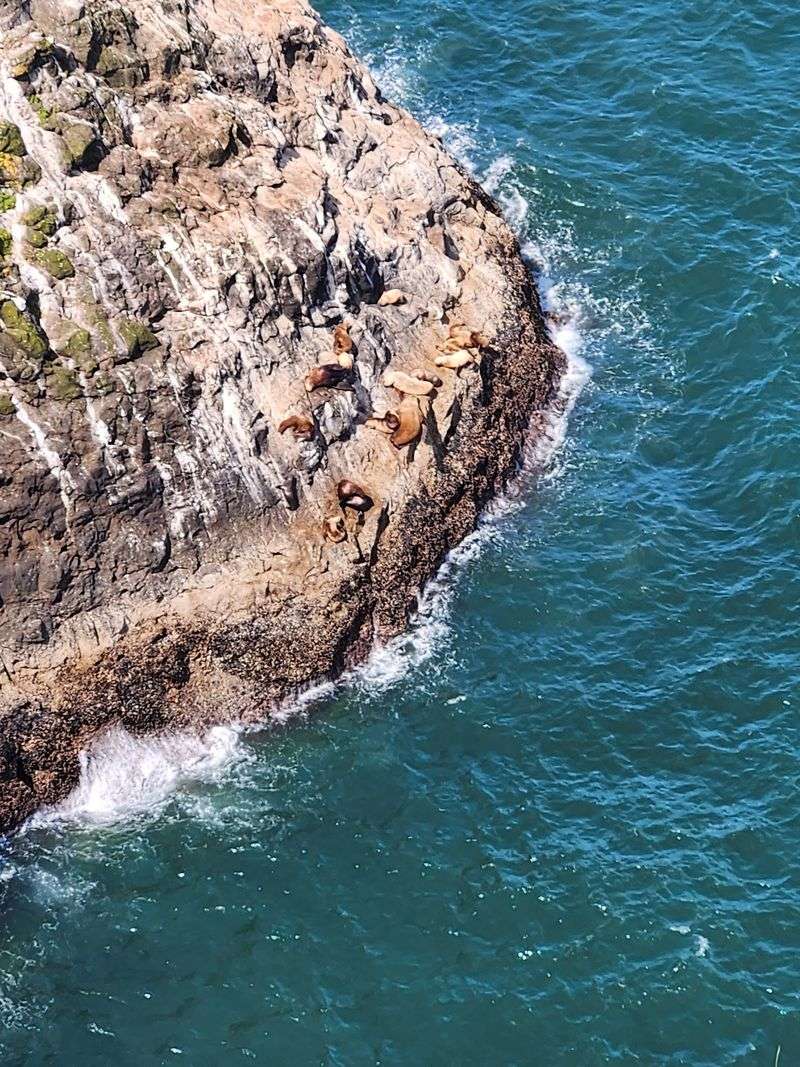
Summer is breeding season, and many sea lions move to the rocky ledges outside rather than the cave. That is why the outdoor overlook can be busier than the cave in warmer months.
Late summer and early fall can be hit or miss. Some days the cave sits nearly empty.
A quick call or website check before the drive is the easiest way to avoid disappointment. Even on a quiet day, the cave, birds, and views still give families plenty to talk about.
A Lighthouse Framed by the Rock
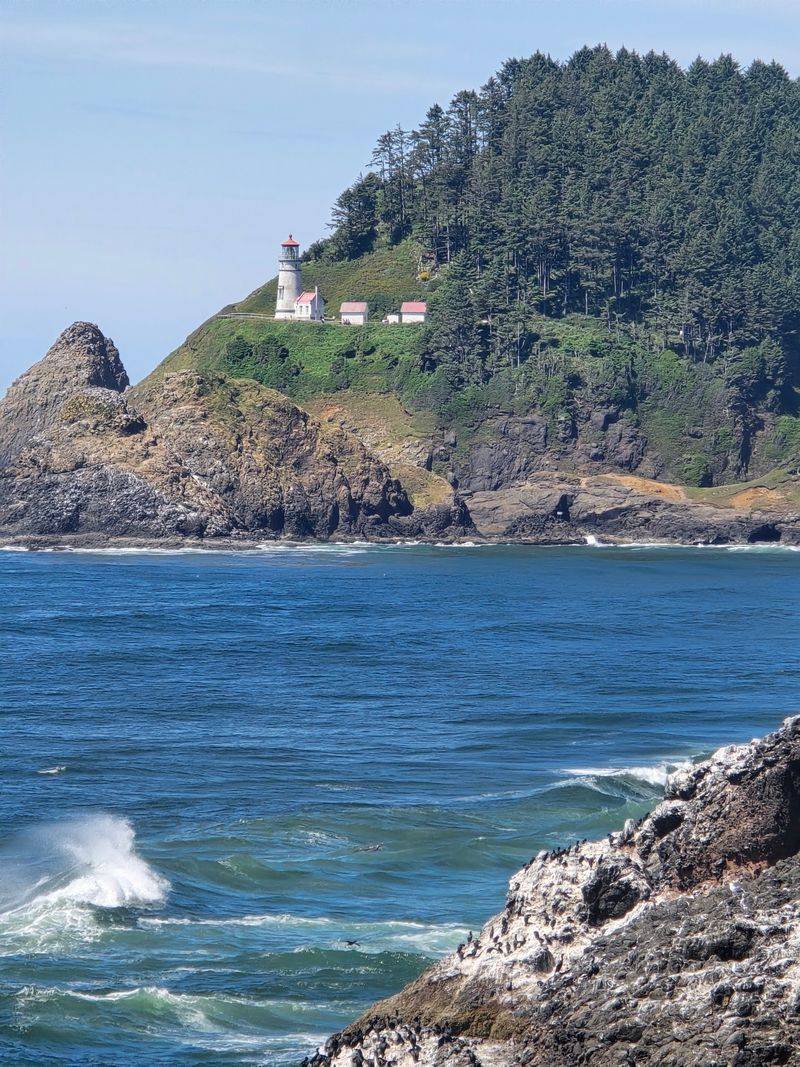
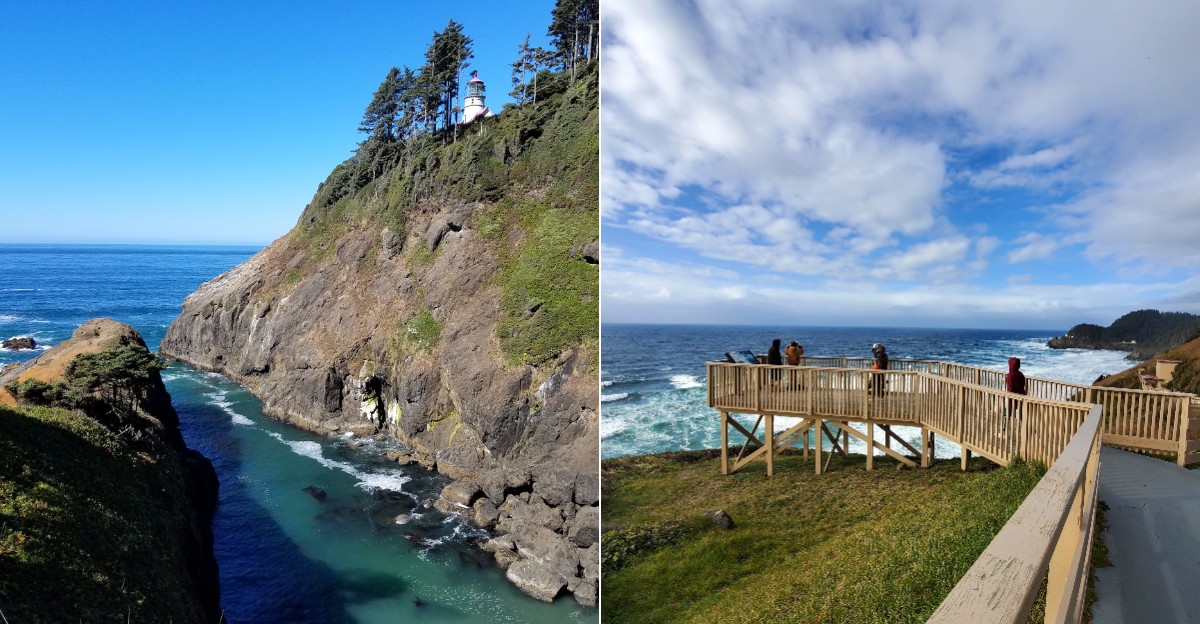
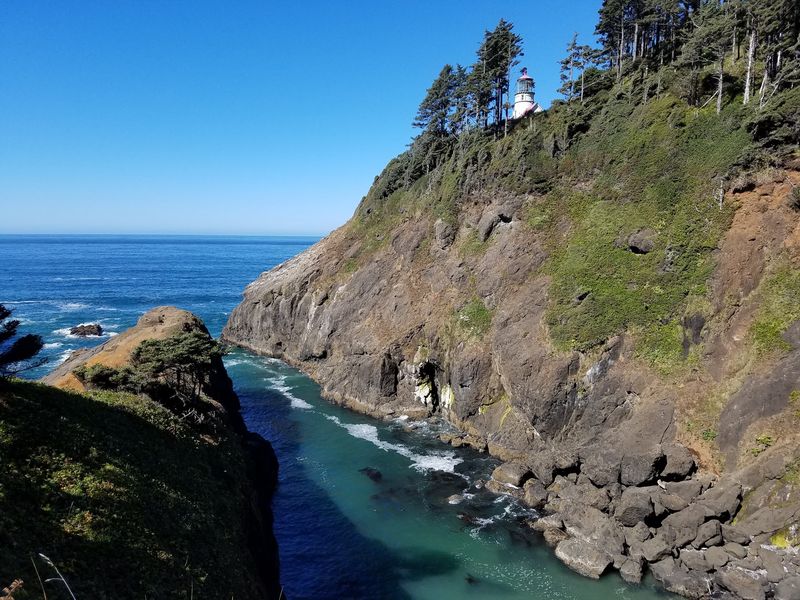
One window inside the cave holds a bonus that catches many people off guard. A viewpoint facing north frames Heceta Head Lighthouse sitting on its headland up the coast.
The lighthouse is one of the most photographed on the Oregon Coast. Seeing it from inside a sea cave makes for a photo that few road trips can match.
Cameras tend to come out fast at this spot. Patience pays off here, since people take turns at the opening.
Many families pair the two stops on the same day. The lighthouse sits just a short drive north on Highway 101, so it is easy to visit before or after the cave.
Planning the lighthouse first can also help with timing. Some people head there in the morning, then swing by the caves once they spot a lighter crowd.
Either way, that framed view tends to become the picture everyone wants on the fridge back home.
Decks, Whales, and Busy Seabirds
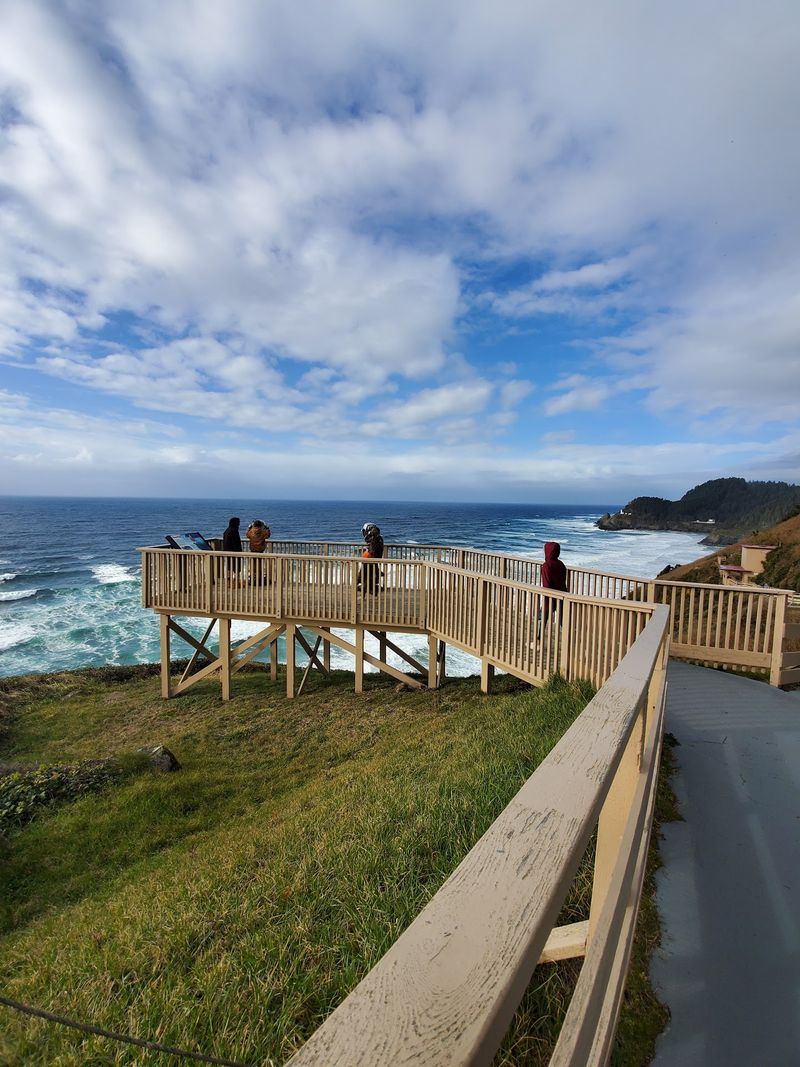
Not every highlight hides underground. Outdoor decks behind the main building offer wide ocean views and a look at sea lions resting on the rocks below.
Birds steal plenty of attention too. The property is a bird sanctuary, and species such as common murres, cormorants, and pigeon guillemots use the cliffs.
During nesting season, young guillemots can sometimes be seen getting fed by their parents just a few feet from the walkway. Kids usually find this as exciting as the sea lions.
Gray whales pass along the Oregon Coast during their migrations, and lucky families occasionally spot them from the overlook. Spouts out at sea are the clue to watch for.
Binoculars make a big difference on the decks. Distant rocks and open water reveal much more with a closer look.
Plan to spend real time up here instead of rushing straight to the elevator, since the outdoor stops often deliver surprises of their own.
Skeletons, Slides, and Small Lessons
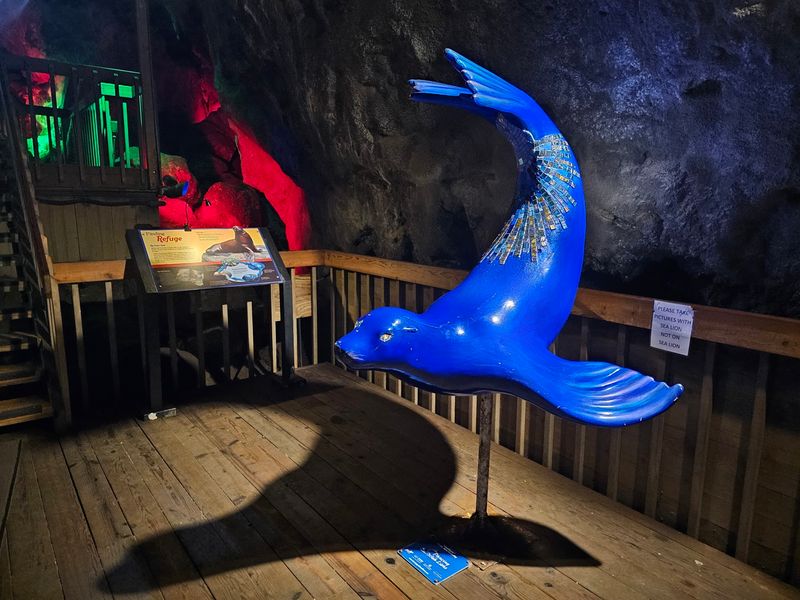
Bones are a surprisingly big hit with young explorers. Inside the cave area, a sea lion skeleton is on display, along with other artifacts and informational signs.
A short slide presentation adds more background. It covers the cave, the animals, and the history of the site in a quick, easy format.
These exhibits help fill gaps on days when few sea lions are home. Families can still learn how the animals live, eat, and travel along the coast.
Parents can turn the signs into a mini scavenger hunt. Ask kids to find one fact about size, one about the cave, and one about birds.
The whole tour is self-guided, so groups can move at their own pace. Lingering over the displays costs nothing extra.
For curious minds, this part of the visit quietly turns a scenic stop into a field trip, minus the permission slip.
Smart Moves Before the Ticket Counter
Early birds win at this cliffside stop. Arriving right at the 9 AM opening often means an empty lot and short lines, while midday can bring crowds out the door.
Parking is limited in front of the building. A larger overflow lot sits across the highway, but there is a blind curve nearby, so crossing with kids calls for real care.
Tickets are bought inside the gift shop. Recent adult prices have been around the high teens, with senior options available, so checking current rates online is wise.
The gift shop is roomy and packed with souvenirs, and it even has a penny press machine. Clean restrooms and bottled drinks are there too.
Cooler mornings tend to keep the cave odor mild. Layers help, since coastal weather shifts quickly.
A little planning goes a long way here, and the reward is a calm, memorable visit to one of the coast’s most unusual family stops.