Some small towns hide their best stories in plain sight, right along the main road. In northeast Missouri, one river town has kept rows of brick storefronts from the 1800s standing tall, just a short stroll from the Mississippi River.
Barges drift past, trains rumble along the tracks, and the bluffs rise above it all.
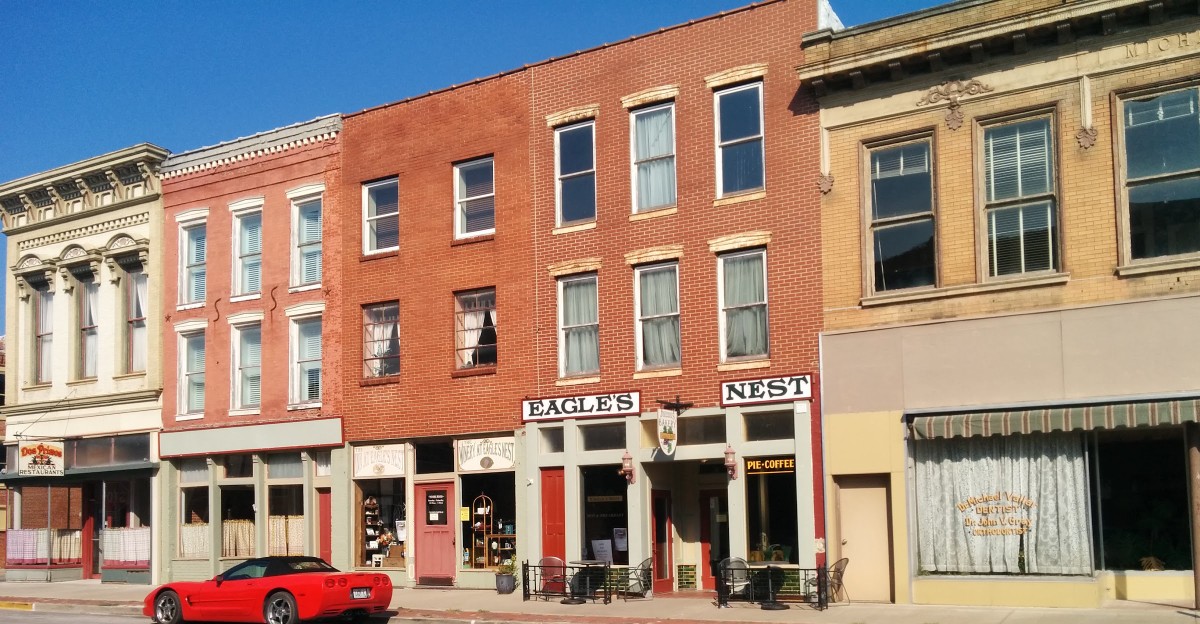
The downtown here is often called one of the most complete Victorian main streets left in the state.
Artists, antique hunters, and history fans have all found reasons to slow down and stay a while.
Keep reading to learn where this town sits, why its buildings matter, what to do once you arrive, and a few smart tips that will make a day trip feel like a real discovery.
A River Town Worth the Detour
Tucked along the Mississippi River in Pike County sits the city of Louisiana, found in Buffalo Township, MO 63353, USA. It lies in northeast Missouri, south of Hannibal, and roughly a two-hour drive north of St. Louis.
Around 3,199 people called it home in the 2020 census. That small number surprises many first-timers, because the downtown looks like it belongs to a much bigger place.
The town was laid out in the early 1800s and grew as a busy river landing. Steamboats, rail lines, and local trade helped merchants build sturdy brick shops in the decades that followed.
Today those buildings still line the streets near the water. Highway 79, a scenic route that hugs the river, runs right through town, so it is easy to add Louisiana to a longer road trip.
Many travelers pair it with nearby Hannibal or the river bluffs to the south. Give yourself at least half a day, because this little city has a way of stretching your schedule.
Brick, Cornices, and Big Windows
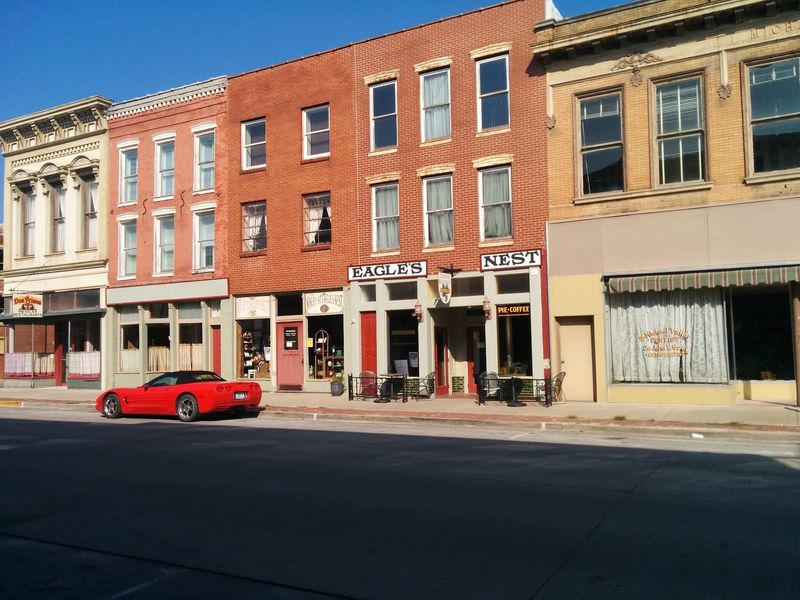
Few Missouri towns can match the row after row of 1800s commercial buildings found here. The downtown has been praised by preservation groups as one of the most intact Victorian streetscapes in the state.
Look up as you walk. Decorative cornices, arched window tops, and iron storefront details show how proud local builders were of their work.
Many of these shops date from the decades after the Civil War, when river and rail trade brought money into town. Owners often lived upstairs and ran their stores on the ground floor.
Much of the district is listed on the National Register of Historic Places. That status helps protect the buildings and tells you that experts consider them worth saving.
A simple tip makes the walk more fun. Cross to the opposite side of the street to see the full height of each facade, since the best details usually sit near the rooflines.
Bring a phone or camera with a good zoom, because those upper stories hold surprises.
Where Main Street Meets the Mississippi
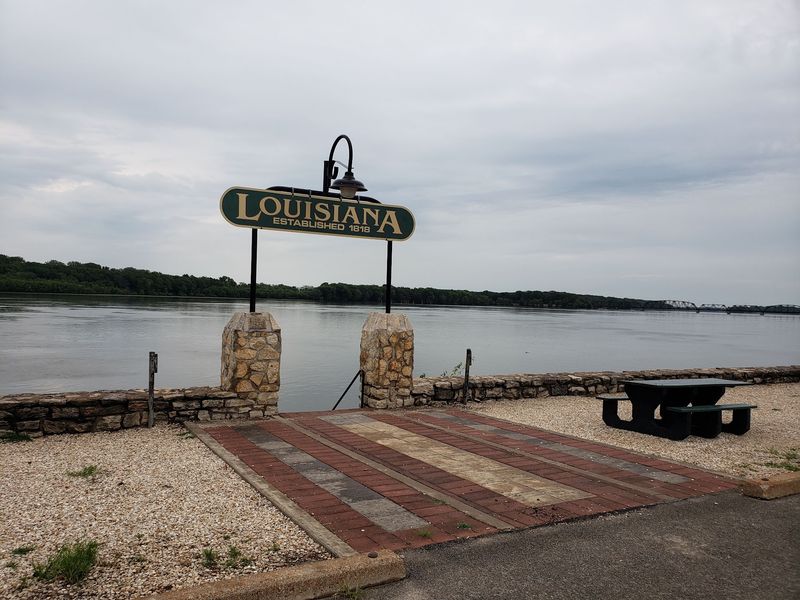
Walk a few blocks east from the shops and the street runs out of land. That is where the Mississippi takes over, wide and steady, with Illinois sitting on the far bank.
The riverfront area gives a calm break from browsing. Benches and open space make it a good stop for a snack break or a quick rest between stores.
Barges often push loads of grain and other goods up and down the river. Watching one slowly pass is a small reminder of why towns like this were built here in the first place.
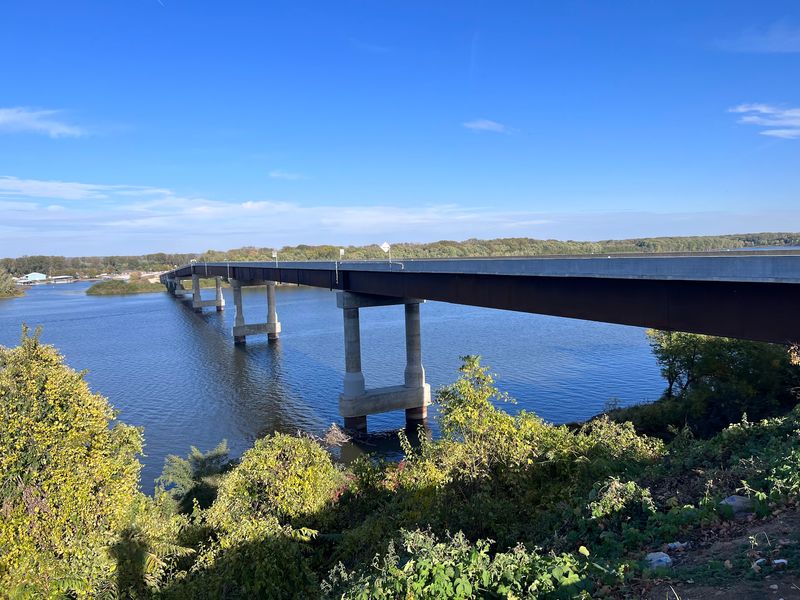
The nearby Champ Clark Bridge carries Highway 54 across the river into Illinois. It is named for a Missouri politician who once served as Speaker of the U.S.
House and lived in nearby Bowling Green.
Timing matters for photos. Late afternoon tends to light up the water and the bridge nicely, and spring floods can change the shoreline, so check conditions before planning a long riverside stroll.
Antiques Around Every Corner
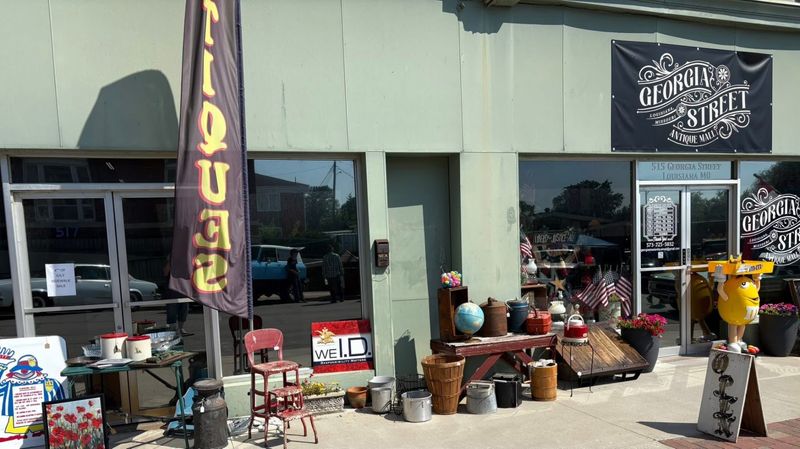
Treasure hunters, take note. Old buildings and old finds go together nicely, and Louisiana has leaned into that match.
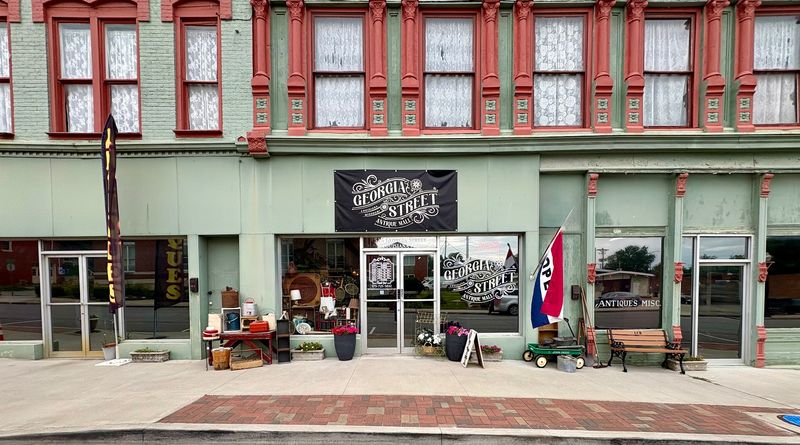
Several downtown storefronts hold antique and vintage shops. Shelves may carry furniture, glassware, signs, books, and small pieces of local history.
Shop hours in small towns can be limited. Many stores open later in the week and on weekends, and some close on Mondays or Tuesdays, so check ahead before making the drive.
Cash can be handy, though most shops take cards. Bringing a reusable bag also helps when you find more than you planned, which happens more often than people admit.
Talking with shop owners is part of the fun. Many know the story of their building and enjoy sharing what it used to be, from a dry goods store to a pharmacy.
Take your time on each block. The best items are often tucked into back rooms or upper corners, waiting for someone patient enough to look.
An Art Scene Inside Old Walls
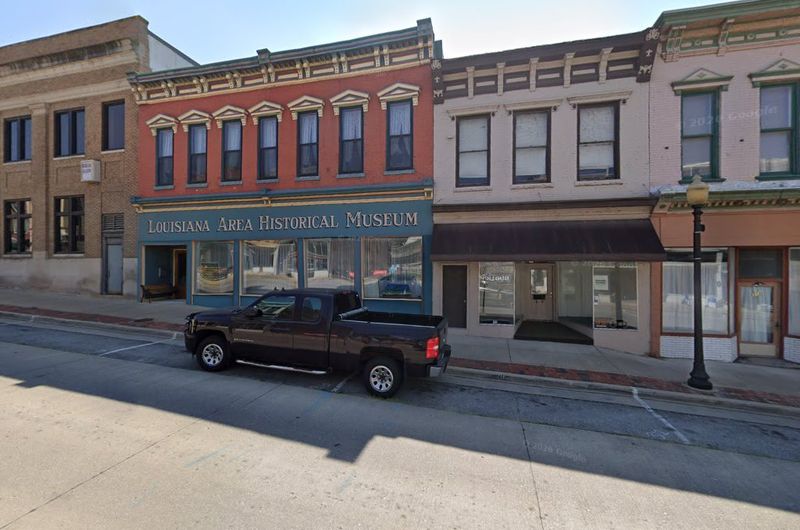
Empty storefronts can tell a sad story, but Louisiana chose a different ending. Over the years, artists and creative groups have moved into older buildings and given them new life.
Galleries, studios, and creative spaces now share the streets with antique stores. Local nonprofit efforts have supported art programs, events, and artist residencies in town.
The mix keeps downtown interesting. You might browse an old cash register in one shop and look at modern paintings two doors down.
Some studios open only during events or by appointment. Following local arts groups online is the easiest way to learn what is happening during your visit.
Art walks and seasonal gatherings sometimes bring extra life to the streets. On those days, more doors tend to be open and more people are out chatting on the sidewalks.
Buying something small from a local artist is a nice souvenir. It also helps keep these historic rooms filled with purpose instead of sitting dark.
Homes That Match the Main Street
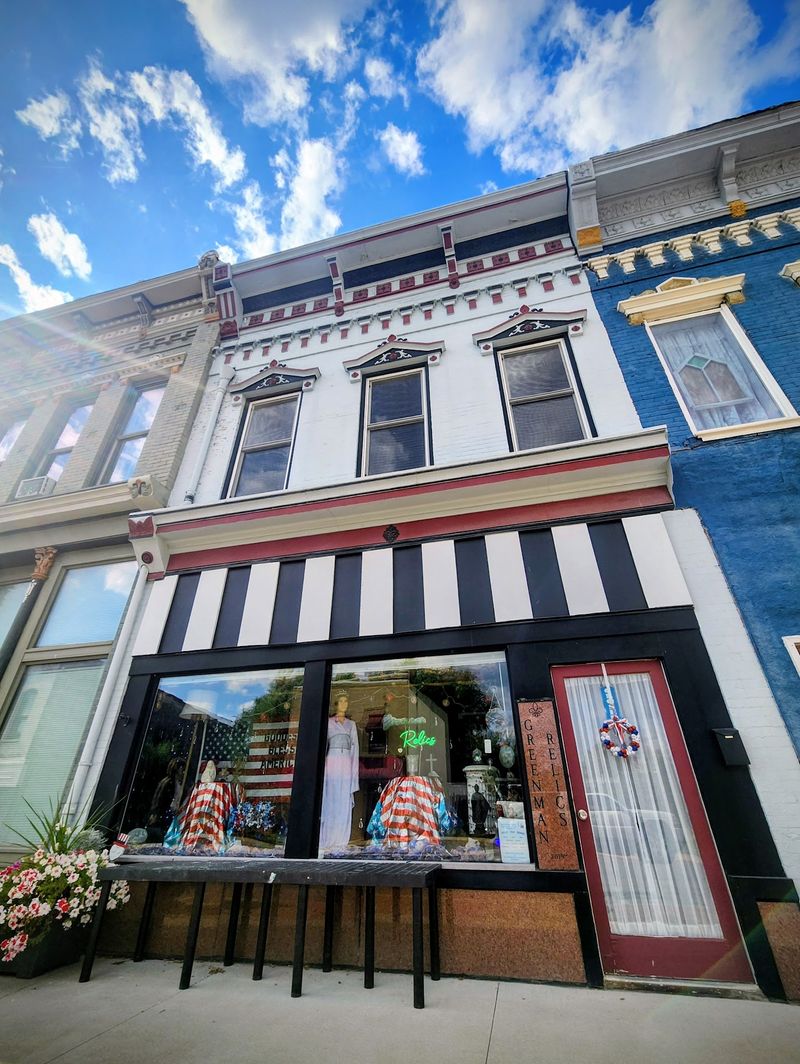
History does not stop at the edge of downtown. The neighborhoods around it hold a wide range of 1800s and early 1900s homes.
Styles include Italianate, Queen Anne, and Greek Revival houses, along with simpler brick cottages. Together they show how the town grew as merchants and workers settled here.
Several residential areas are also listed as historic districts. That makes a slow drive or walk through the side streets feel a bit like a free architecture lesson.
Keep in mind that most of these are private homes. Enjoy them from the sidewalk, and skip the urge to step onto porches or into yards for photos.
The hills help too. Some streets climb toward the bluffs, giving you higher views of rooftops and church steeples below.
Comfortable shoes are a smart choice. The grades can be steeper than they look on a map, and the best houses are often a little uphill from where you parked.
Bluffs Above the Rooftops
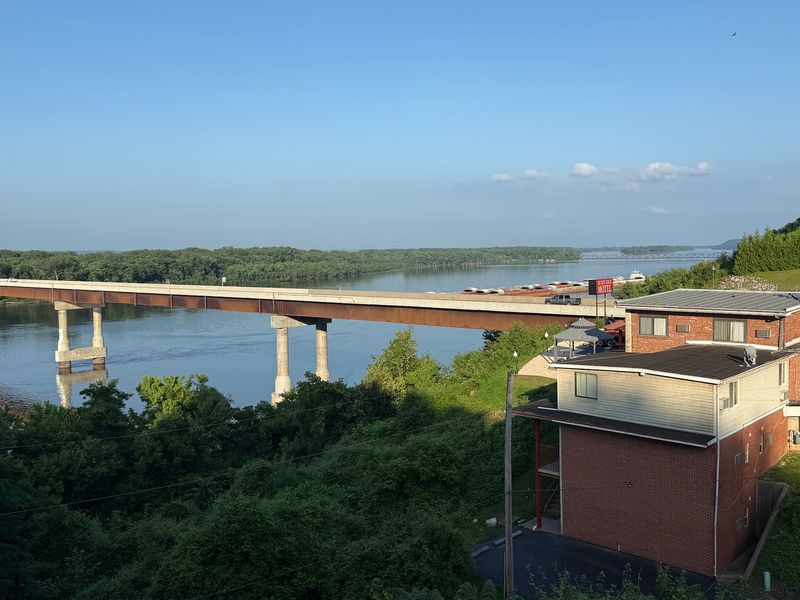
Geography gave this town a dramatic backdrop. Tall bluffs and wooded hills rise close to the river, framing the downtown on the land side.
That setting is part of why Highway 79 is popular with drivers and motorcyclists. The road curves along the river and climbs over hills between Louisiana and nearby towns.
Overlooks in the area offer long views of the Mississippi valley. Fall is a favorite season, when the trees on the bluffs change color and the drive becomes the main event.
Bird watchers also keep an eye on the river. Bald eagles are often spotted along this stretch of the Mississippi during the colder months.
Binoculars are worth packing. Winter trips may be chilly, but they can reward you with clear views once the leaves are down.
Plan for slower travel on the scenic route. Pulling over safely at marked spots is far better than trying to snap photos from behind the wheel.
Rails, Steamboats, and Busy Days
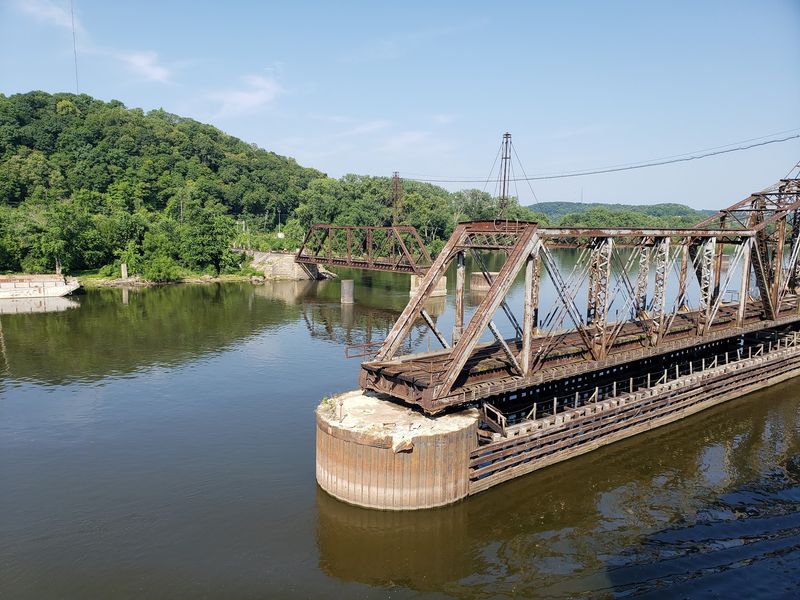
Long before highways, the river was the road. Louisiana grew because boats could stop here to load and unload goods.
Railroads later added another link to the outside world. Tracks still run through town near the water, and passing trains remain a regular part of daily life.
Local industries once included lumber, milling, and nursery work. The Stark Bro’s nursery, known for fruit trees, has deep roots in Louisiana and has operated in the area since the 1800s.
That steady trade explains the solid buildings downtown. Business owners had the money and confidence to build in brick and stone.
Fans of trivia will enjoy this one. The famous Red Delicious apple was promoted and spread widely by Stark Bro’s, helping put this small town on the map.
Look for historic markers as you explore. They add quick context and turn an ordinary street corner into a small chapter of Missouri history.
Festivals That Fill the Sidewalks
Quiet weekdays can turn lively when the calendar fills up. Like many river towns, Louisiana hosts community events that bring people downtown.
Seasonal festivals, holiday gatherings, and art events have all used the historic streets as their stage. These days are a good chance to see more shops open at once.
Event dates change from year to year. Checking the city or local chamber pages before you go will save you from guessing.
Holiday season can be a special time to visit. Lights and decorations on old storefronts give the district a festive look that fits its age.
Crowds stay modest compared with bigger cities. Parking is usually manageable, though arriving early on event days is still wise.
Families often find these events easy to enjoy. Kids can wander, adults can browse, and nobody needs a ticket just to stroll the blocks and soak up the community spirit, which is really the whole point.
Smart Tips Before You Go
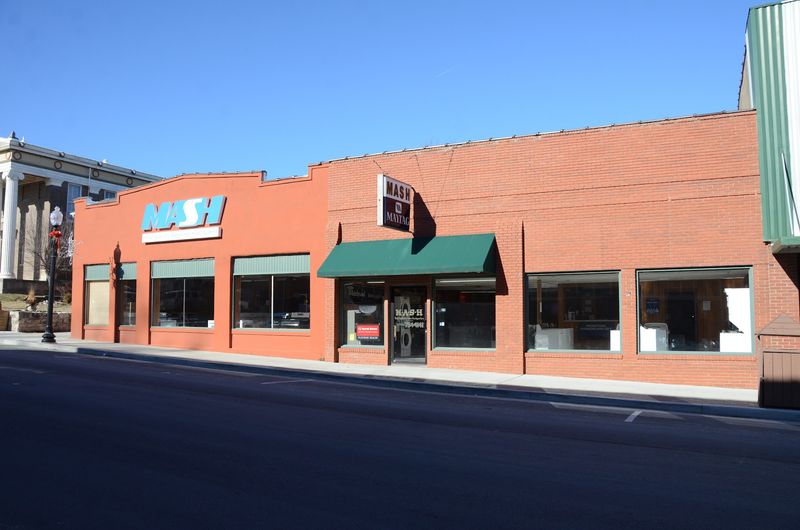
Good planning turns a quick stop into a full day. A few simple steps will help you get the most from this river town.
Spring and fall are popular times for a visit. The weather is usually mild, and the bluffs look their best during autumn color.
Check shop and gallery hours ahead of time. Weekends, especially Saturdays, tend to offer the most open doors.
Park once and walk. Downtown is compact, and you will notice far more architecture on foot than from a car window.
Pair your trip with nearby stops. Hannibal, the boyhood home of Mark Twain, sits a short drive north along the river.
Leave room for wandering side streets and the riverfront. Some of the best moments come from simply stopping to watch a barge go by.
Louisiana rewards people who slow down. With its brick storefronts, river views, and long history, this little Pike County city proves that small towns can hold big stories.