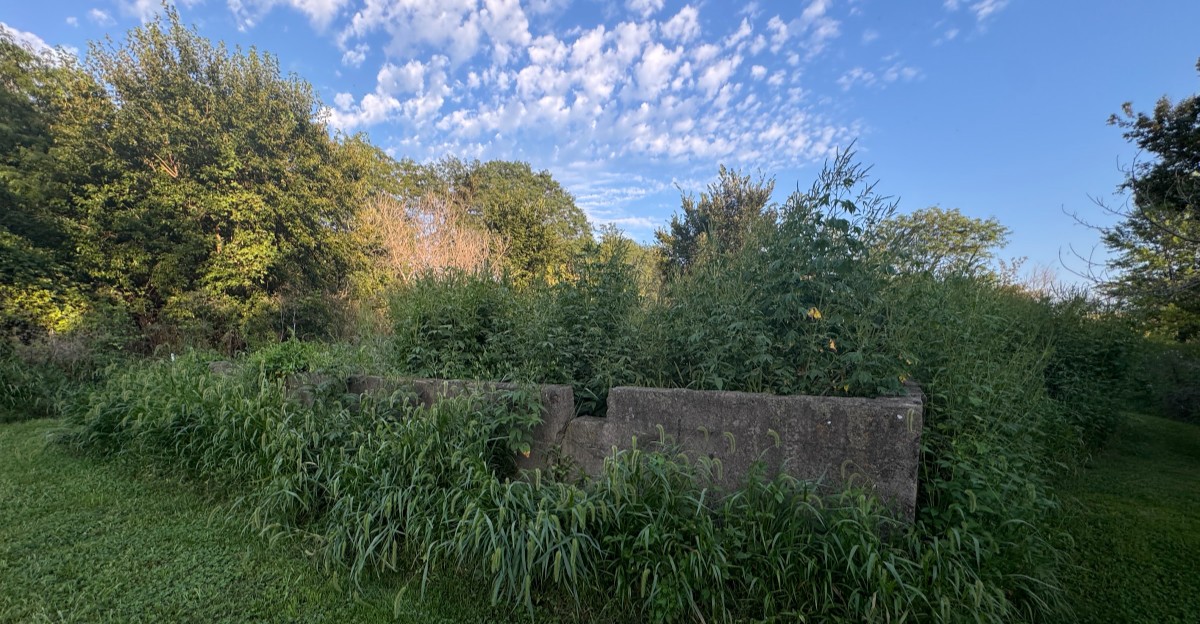
Thousands of people once lived in a busy coal town in the hills of southern Iowa.
It had stores, churches, schools, a big YMCA, and baseball games that drew huge crowds. Today, almost all of it is gone.
Pasture and trees cover the streets where families once walked to work and school.
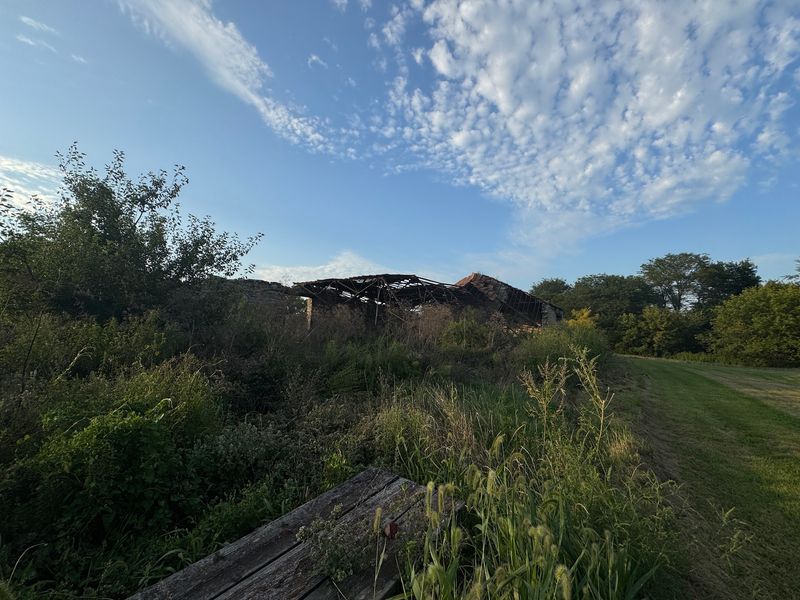
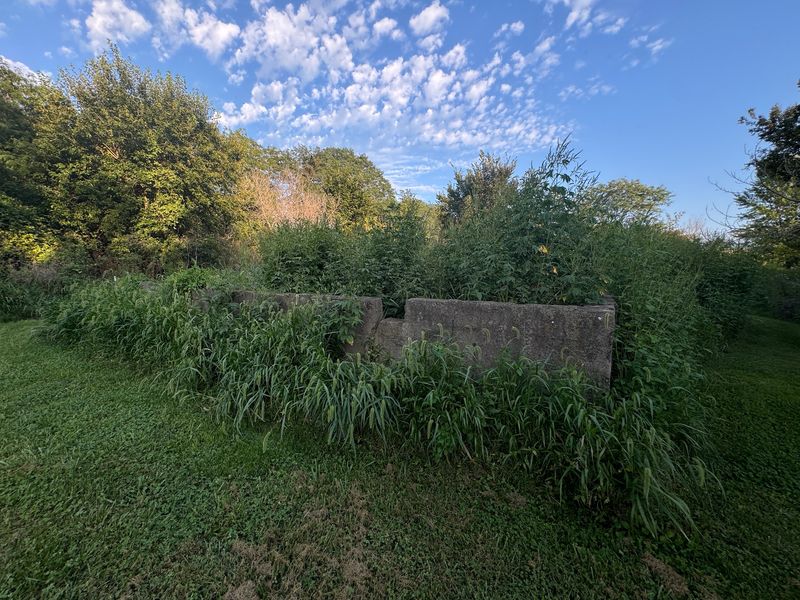
Only a few stone foundations, scattered bits of the past, and a quiet cemetery remain.
What makes this place special is not just how fast it disappeared, but who lived there.
Black and white families worked, shopped, and played side by side at a time when that was rare across America.
Keep reading to learn the true story of this vanished town, what is left to find, and how to plan a respectful visit to one of the most fascinating historic sites in the Midwest.
Finding the Spot on the Map
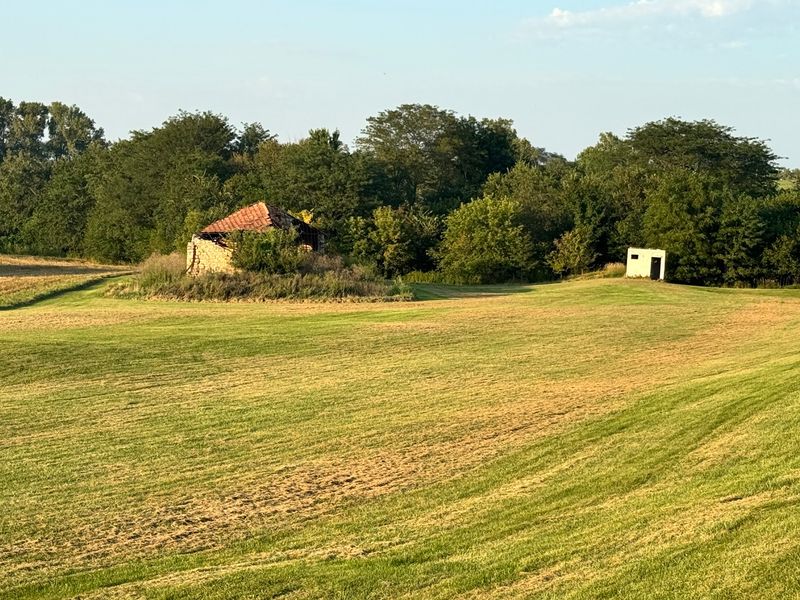
Getting there is the first small adventure. Buxton Historic Townsite sits in rural Monroe County, with a mailing address of Albia, IA 52531, United States.
The old town grounds lie north of Albia, out among farm fields and gravel roads. No downtown, no gas station, and no welcome center wait for you at the end of the drive.
That surprises many first-time travelers. You are heading to a place that is mostly empty land today, so it helps to know what you are looking for before you leave.
Here are a few smart planning tips:
Download a map ahead of time, since cell service can be spotty in the countryside. Fill up your tank in Albia or another nearby town.
Check road conditions after heavy rain, because gravel and dirt roads can get muddy.
Much of the land around the old townsite is private farmland. Stay on public roads and marked areas unless you have clear permission.
Respecting the landowners helps keep this history open for everyone who comes after you.
A Coal Company Builds a Town
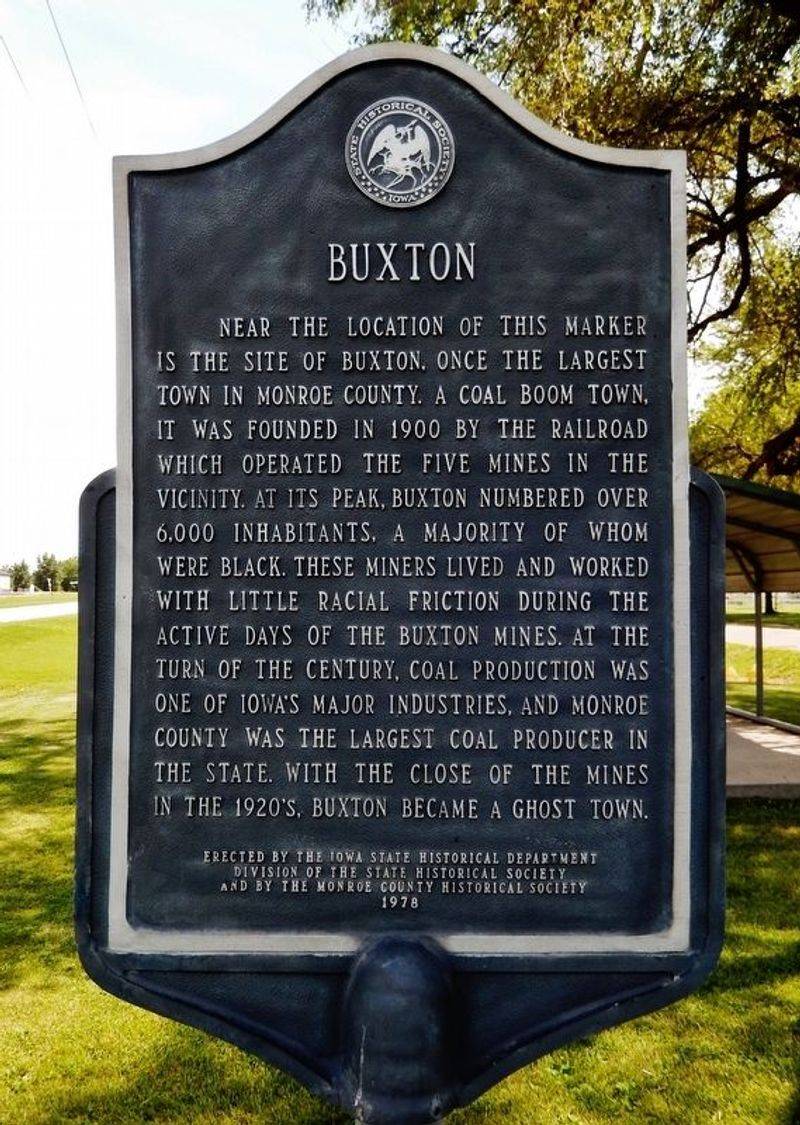
Coal built this town, plain and simple. Around 1900, the Consolidation Coal Company founded Buxton to house workers for its mines in the area.
The company was owned by the Chicago and North Western Railway. Railroads needed huge amounts of coal to run their steam engines, so a steady supply mattered a lot.
Rather than wait for a town to grow on its own, the company planned one. It built homes, a company store, and other buildings almost all at once.
Workers came quickly. Many of them were Black families recruited from Virginia and other southern states, along with European immigrants, especially from Sweden.
Here is a quick fun fact. The town took its name from J.
E. Buxton, a company official, which was a common habit for company towns back then.
Within just a few years, a quiet stretch of Iowa countryside turned into a bustling community. Few places in the state ever grew that fast, and even fewer vanished so completely later on.
Bigger Than Most Iowa Towns
Numbers tell a big part of the story. At its peak, Buxton was home to roughly 5,000 people, and some estimates go even higher.
That made it one of the largest towns in Iowa that was never officially incorporated. It had no mayor or city council, because the coal company ran most things.
Still, daily life was full. The town had a large company store, doctors, a newspaper, churches, schools, restaurants, and many small businesses.
Families planted gardens and raised children. Kids went to school while parents worked in the mines or in local shops.
For many Black residents, Buxton offered something rare. They could earn steady wages, own businesses, and find work as teachers, doctors, lawyers, and pharmacists.
Thinking about this size helps the visit feel real. When you stand at the empty site, try to keep in mind that a town bigger than many county seats once filled this land.
It changes how you see every field and fencerow nearby.
A Rare Kind of Community
Some historians call Buxton a black utopia, and the reasons are worth knowing.
In the early 1900s, much of the United States had strict segregation laws and customs. In this Iowa coal town, Black and white residents often lived near each other, worked the same jobs, and earned similar pay.
Black residents made up a large share of the population, sometimes more than half. Many held leadership roles in business, education, and community life.
Was life perfect? Not at all, and older residents later shared some honest memories of hard times.
Mining was tough work, and the company held a lot of control.
Even so, former residents remembered Buxton fondly for decades. Many described it as a place where people were judged more by their work and character.
That legacy is why the site matters today. It reminds us that communities can choose fairness, even when the world around them does not.
Keep that in mind as you explore, because the people are the real landmark here.
The YMCA and the Wonders Baseball Team
Fun was a serious business in this town. Buxton had a large YMCA building, which was a big deal for a place in rural Iowa.
The YMCA offered space for sports, meetings, classes, and social events. It gave miners and their families a place to gather after long shifts underground.
Then there was baseball. The Buxton Wonders were a well-known Black baseball team that played teams from across the region.
Games could draw large crowds of fans, and the team earned a strong reputation. For a small mining community, having a talented team brought plenty of pride.
Bands, clubs, and lodges added even more activity. Residents could join groups, attend concerts, and celebrate holidays together.
So what does this mean for your visit? While the buildings are gone, knowing about the Wonders and the YMCA helps the empty ground come alive in your mind.
Read up on the team before you go, and the quiet fields may suddenly feel like the home team just stepped out for a break.
Why Everyone Left
Towns built on coal often follow the coal, and Buxton was no exception.
By the 1910s, the nearby mines were running low. The company opened new mines farther away, and many workers moved to follow the jobs.
Changes in the coal market made things harder. Railroads began using other fuels over time, and labor troubles in the 1920s added more strain.
Families packed up and headed to other mining camps, Iowa cities, or towns in other states. Some went to places like Des Moines, Waterloo, and Chicago.
By the late 1920s, the town was nearly empty. Buildings were torn down or moved, and the land slowly went back to farms and woods.
Here is a takeaway that still applies today. When a community depends on a single business, its future can change almost overnight.
That lesson makes Buxton more than a history stop. It becomes a real-world example of how jobs, people, and places are deeply connected.
Ruins That Refuse to Disappear
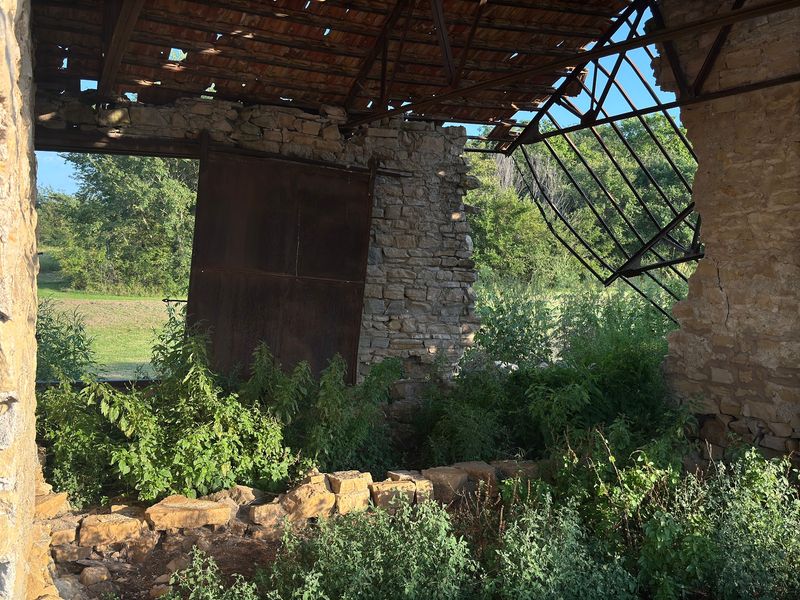
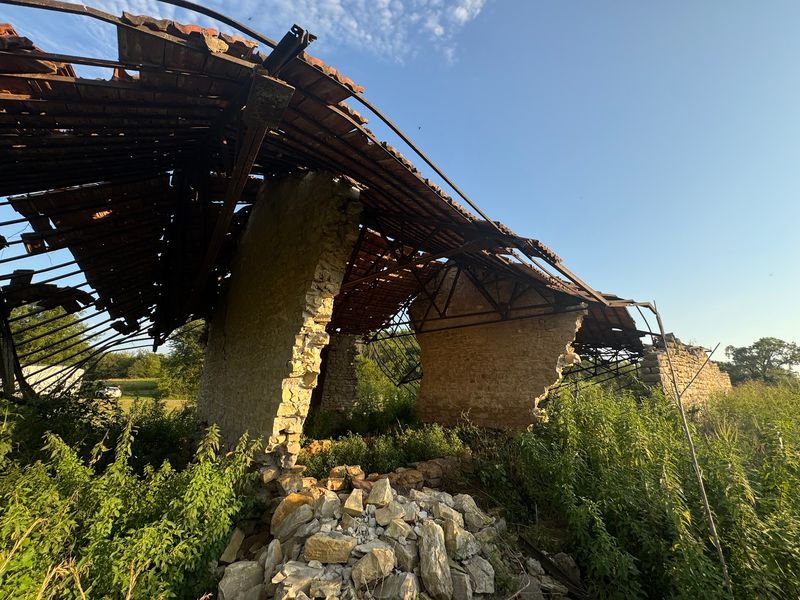
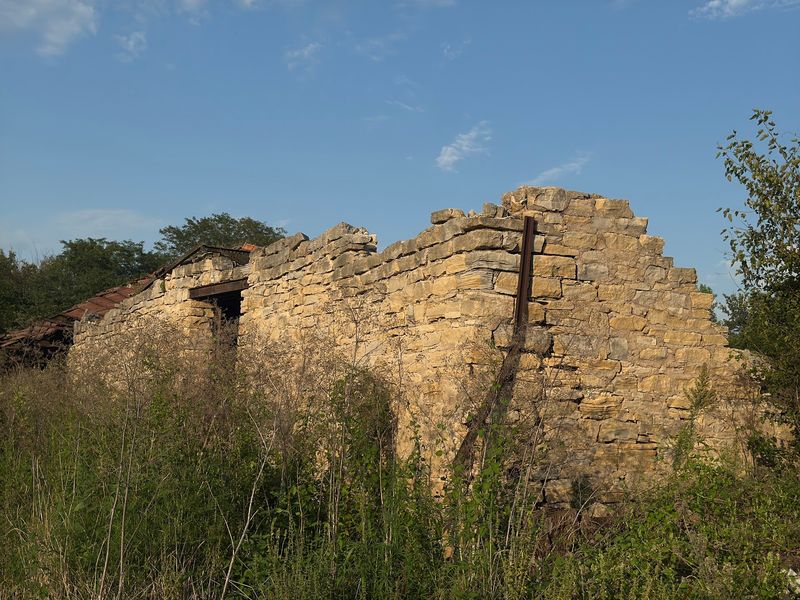
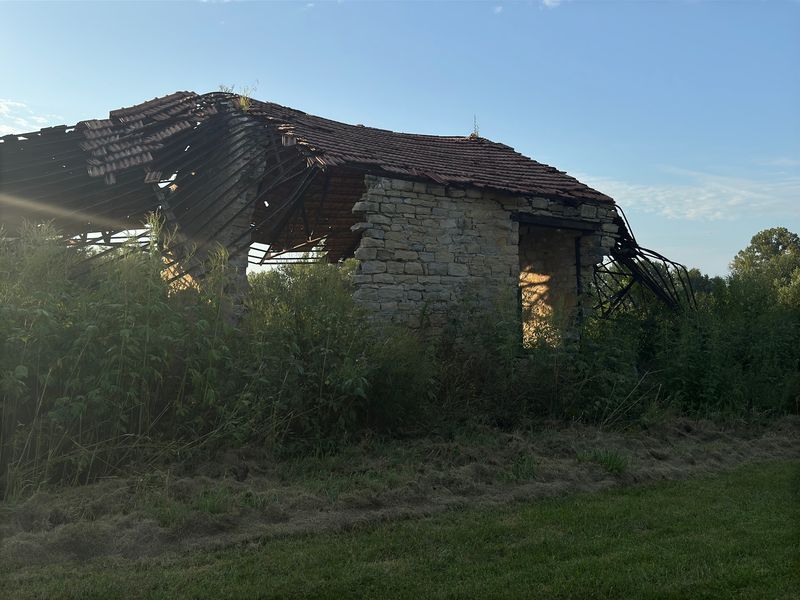
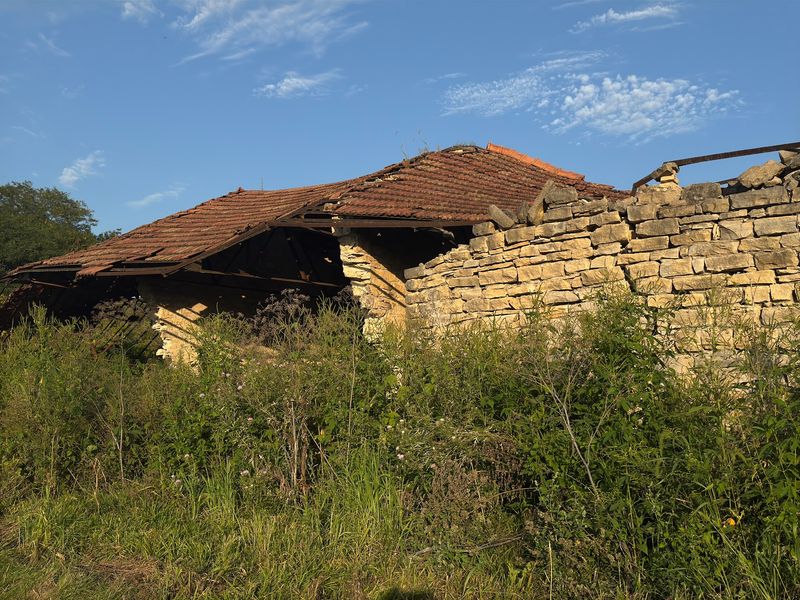
Bits of stone still poke up from the ground like stubborn reminders. Very little remains of Buxton, but what is left is worth noticing.
The best-known ruin is the remains of the old company store warehouse, a stone structure that has slowly crumbled over the years. A few other foundations and scattered remains hide among grass and trees.
Many people leave wishing there was more to see. That feeling is part of the experience, since the emptiness shows just how completely the town faded.
Some quick tips for exploring:
Bring binoculars or a camera with zoom, since some remains may sit on private land. Wear sturdy shoes and long pants if you plan to walk in permitted areas.
Leave everything as you find it. Do not remove bricks, stones, or objects, even small ones.
Archaeologists have studied this site, and every piece helps tell the story. A photo makes a much better souvenir, and it keeps the past in place for the next curious traveler.
The Quiet Cemetery on the Hill
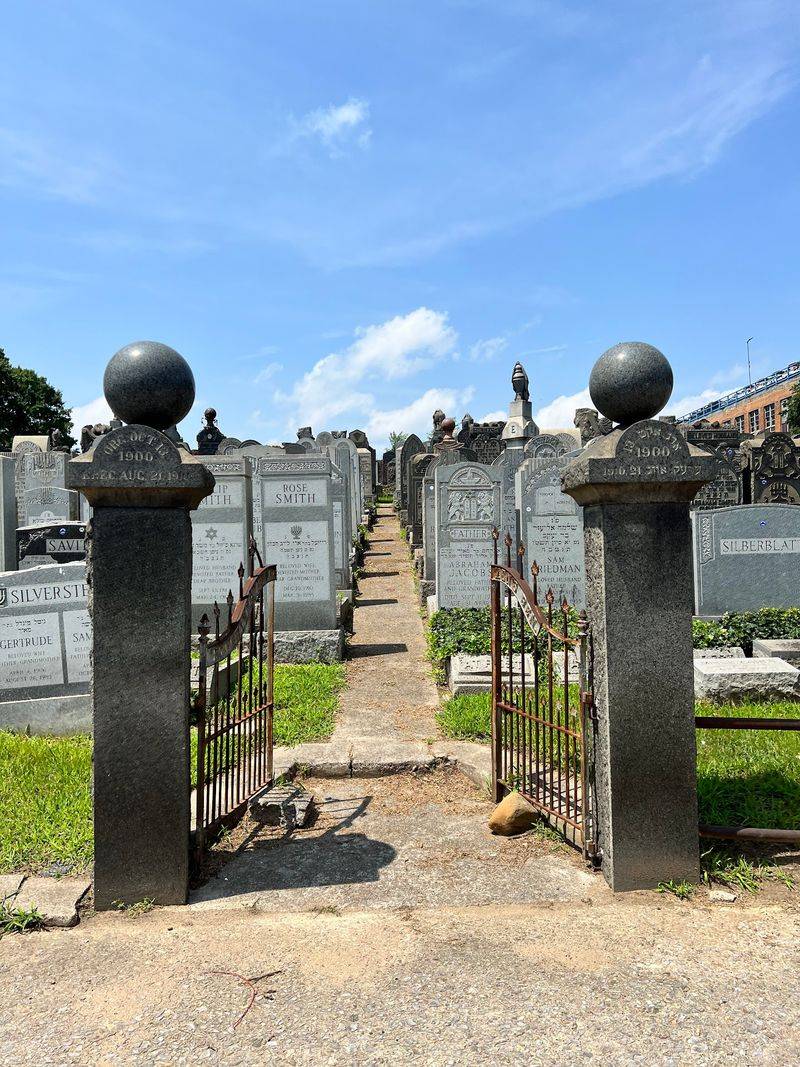
Among the clearest links to the old town is Mt. Zion Cemetery, a resting place connected to Buxton families.
Old headstones carry names and dates from the town’s busy years. Reading them can make history feel personal, since each stone represents a real family.
Many travelers find this spot the most moving part of a trip here. It is calm, simple, and full of meaning.
Please treat the cemetery with care. Stay on paths when you can, avoid leaning on or touching fragile stones, and keep voices low.
Families researching their roots sometimes visit too. If you have ancestors who lived in Buxton, cemetery records and local historical groups may help you find more details.
Bring a notebook if you enjoy history. Writing down names and dates can be a fun research project later, especially for students.
You might find newspaper stories or census records that connect a name on a stone to a real life lived in this remarkable town.
Digging Up the Past, the Careful Way
Scientists have treated this field like a giant puzzle. In the early 1980s, researchers from Iowa State University led archaeology work at the townsite.
They studied the ground and found everyday items like dishes, buttons, bottles, and tools. These objects helped show how families lived, shopped, and spent their free time.
Historians also recorded interviews with former residents. Their memories added real voices to the research and became part of the book Buxton: A Black Utopia in the Heartland.
The site was later listed on the National Register of Historic Places. That recognition helps highlight its importance for future generations.
Want a smart pre-trip activity? Read the book or look up articles about the archaeology before you go.
Knowing what was found, and where, makes the empty land far more interesting.
Students and teachers can use Buxton as a great real-life lesson. It shows how archaeology and history work together to uncover stories that might otherwise be forgotten.
Making the Most of Your Visit
A little planning turns a quick stop into a memorable trip. Since Buxton has no visitor center, the story is something you bring with you.
Spring and fall are popular times to go. Tall summer weeds can hide ruins, while winter snow may make roads tricky.
Here is a simple checklist:
Pack water and snacks, since there are no shops at the site. Bring a printed map, bug spray, and good walking shoes.
Pair your trip with a stop in Albia to explore its historic town square. The Monroe County Historical Museum area is also a good place to look for local history connections.
Plan to spend an hour or so at the site itself. It is a short visit, but the meaning lasts much longer.
Above all, travel with respect. This place holds the memories of thousands of families who built something rare together.
Leave nothing behind but footprints, and carry their story home with you, because a vanished town only stays alive when people keep telling it.